
7 Smart Ways to Take Control of Your Money and Improve Your Finances
Take charge of your finances and check out these “7 Smart Ideas to Take Control of Your Money.” Explore practical tips and actionable strategies to budget effectively, save wisely, and make informed financial decisions. Empower yourself for a more secure financial future today!

Are you tired of constantly trying to cut corners and stretch your money a little further? When you’re working toward financial goals, it can sometimes feel like you’ve already trimmed everything you possibly can—and finding new ways to save becomes harder and harder.
The good news is that taking control of your money doesn’t always require making huge changes. Sometimes, it means looking at your everyday spending, habits, and resources from a different perspective. These 7 smart money ideas are designed to help you uncover opportunities to save, make better use of the money you already have, and move closer to your financial goals.
We’ve all heard the saying, “Every penny counts.” And while that’s certainly true, constantly focusing on tiny savings can become discouraging when you’re not seeing meaningful progress. When saving that next penny feels like more work than it’s worth, it’s easy to lose the motivation to keep going.
Don’t give up hope. A fresh approach can sometimes be exactly what you need to get moving again. Take a look at these ideas and see which ones spark that light bulb moment for you. You may find a new strategy that makes managing your money feel a little easier—and helps you make real progress toward your financial goals.
7 Smart Ideas To Take Control of Your Money

Put Extra Paychecks to Work
If you’re paid every two weeks, you typically receive 26 paychecks each year. Because there are 52 weeks in a year, that means there will be two months when three paychecks arrive instead of the usual two. Those extra paychecks can be a valuable opportunity to make progress on your financial goals without changing your regular monthly budget.
Rather than treating those third paychecks as money that’s automatically available to spend, make a plan for them ahead of time. You could use the extra income to build your emergency fund, increase your retirement contributions, pay down debt, make an extra car payment, or add to your savings.
Mark those two extra paydays on your calendar when you create your annual budget. Knowing that they’re coming can give you something to look forward to—and putting that money toward a specific financial goal can help you make noticeable progress without feeling like you’re constantly cutting expenses.
If you’re paid twice a month rather than every two weeks, you generally receive 24 paychecks per year, so this particular strategy won’t apply in the same way.

Declare a No-Spend Period
Sometimes the easiest way to take control of your money is to simply give yourself a break from spending. A no-spend period can be a great way to reset your spending habits, become more intentional about where your money goes, and find a little extra room in your budget. You can try a no-spend day, weekend, week, or even an entire month depending on what works for your household.
During a no-spend period, the goal isn’t to stop paying your regular bills or skip necessary expenses. Instead, focus on cutting out optional spending, such as grabbing coffee on the way to work, ordering takeout, shopping online, or going out to lunch with coworkers. I like to plan meals around what we already have at home, making it a perfect opportunity to clean out the pantry, freezer, and refrigerator while saving money at the same time.
Before you begin, decide what you will and won’t spend money on and set a specific goal for the money you expect to save. You could put those savings toward a monthly bill, pay down debt, or transfer the money directly into your savings account. Having a purpose for the money can make it much easier to stay motivated.
And don’t assume a no-spend period has to be boring, especially for kids. There are plenty of ways to have fun without opening your wallet. Check out these No-Spend Weekend Activities for Kids and Families for ideas the whole family can enjoy.

Ask for Gifts That Save You Money
When friends or family ask what you’d like for your birthday, Christmas, or another special occasion, don’t be afraid to ask for something practical. A gift that helps reduce an expense you would have paid for anyway can be far more valuable than something that ends up sitting unused in a closet—or eventually getting regifted.
Think about the expenses your family already has. Could someone give you a gym membership, zoo or museum membership, streaming subscription, annual pass, meal delivery gift card, or gift card to a store where you regularly shop? These types of gifts can cover something that’s already part of your budget while freeing up money for other financial priorities.
You can also ask for experience-based gifts instead of more stuff. A family membership, tickets to an attraction, or an activity everyone can enjoy can create lasting memories without adding another item to your home. And if you’re working toward a specific financial goal, there’s nothing wrong with asking for a gift that helps you get there.
The next time someone asks, “What would you like?” think beyond traditional presents. The best gift might be one that saves you money long after the wrapping paper is gone.
For more practical ideas, check out these 13 Gift Ideas That Help Save Money.

Time Your Big-Ticket Purchases
Unless you need to replace a refrigerator that suddenly stopped working, there’s usually no reason to rush into a major purchase. Timing your big-ticket purchases can save you a significant amount of money, especially when you know when certain products typically go on sale.
Retailers often schedule sales around holidays, seasonal changes, major shopping events, and even specific times of the year. For example, February is often a good time to shop for televisions around the Super Bowl, while late summer brings plenty of deals on laptops, school supplies, and other back-to-school essentials.
If you’ve been eyeing a new laptop, television, appliance, mattress, or another expensive purchase, do a little research before handing over your money. Find out when the item typically goes on sale, compare prices between retailers, and consider waiting for a better deal if your current item is still doing its job.
The key is to plan your purchases instead of letting a sale plan your spending. Saving $100 or $200 on something you were already planning to buy is money that can stay in your budget, go toward debt, or be added to savings.
For more ideas on when to shop, check out The Best Time to Buy Anytime – A Month-to-Month Grocery Sale Cycle Guide for grocery savings, or What to Buy Every Month of the Year for retail purchases.

Keep Using Those Payments to Build Wealth
When you finally pay off a car loan, student loan, or other monthly debt, it can be tempting to absorb that extra money into your everyday spending. Instead, consider redirecting that payment toward another financial goal. You were already used to living without that money, so continuing to put it to work can make saving or paying down debt feel much easier.
If you have other debt, keep making the same payment and apply it toward the next loan or bill. This can help you pay off debt faster without having to find additional money in your monthly budget.
Already debt-free? That’s even better. Redirect the old payment into your emergency fund, savings account, or retirement plan. Increasing your 401(k) contributions or setting up an automatic transfer to savings can help you build wealth without feeling like you’re sacrificing money you were already using.
Just remember to check your retirement plan rules and annual contribution limits before increasing your contributions.
The goal is simple: when one financial obligation ends, give that money a new job. Whether you’re building savings, investing for retirement, or paying off your next debt, keeping that payment in your budget can turn a finished loan into continued financial progress.

Don’t Assume
Sometimes saving money simply means asking a question before you spend it. Recently, my family and I attended a baseball game, and we bought our food and drinks inside the stadium. Between the tickets and the cost of concessions, we ended up spending far more than we would have liked. Snacks and drinks can be especially expensive at sporting events, concerts, amusement parks, and other entertainment venues.
Before heading out, take a few minutes to check the venue’s policies. You may be surprised to find that some locations allow you to bring in your own water, snacks, or even a small meal. Others may have restrictions on the size or type of containers you can bring.
The same idea applies to other purchases, too. Don’t assume you have to pay for something just because it’s offered for sale. Check what’s included with your admission, look for free alternatives, and find out what you’re allowed to bring from home. A few minutes of research before you leave can save you from paying inflated prices once you’re there.
The key is to check first and spend second. Those small decisions can add up to significant savings over time.

Use a Gift Card to Budget for Splurges
Everyone deserves a little room in the budget for fun. If you enjoy grabbing coffee, eating lunch out, shopping, or treating yourself during the week, you don’t necessarily have to give those things up. Instead, give your splurges a limit.
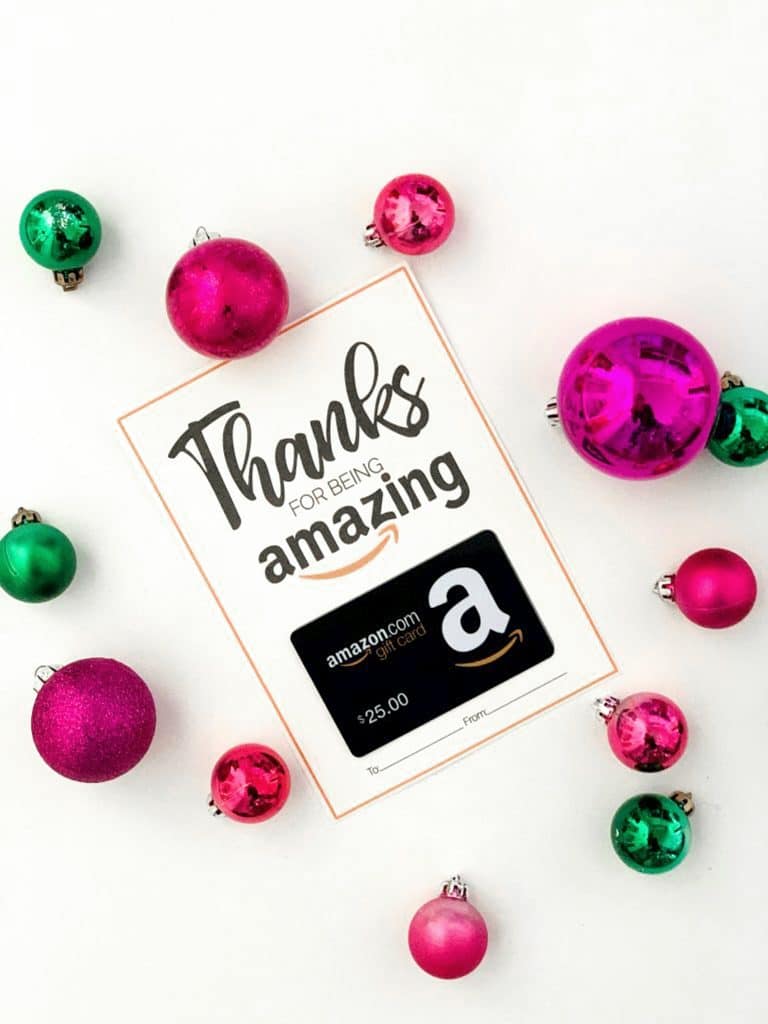
One simple strategy is to set aside a specific amount of money each month for discretionary spending and load that amount onto a gift card you can use for those purchases. For example, if you decide that $50 is your monthly fun-money budget, that’s the amount available for those extras.
The beauty of this approach is that you have a built-in stopping point. Once the gift card balance is gone, your splurging is done for the month. You’re still able to enjoy the occasional treat without dipping into money that’s earmarked for bills, savings, or other financial goals.
You can use the same concept without a physical gift card, too. Set up a separate account or create a dedicated spending category in your budgeting app and give yourself a firm monthly limit.
The goal isn’t to eliminate fun spending—it’s to make sure your fun spending doesn’t take control of your budget.
Other Money-Saving Ideas
6 Easy Ways to Improve Your Finances
Easy Tips To Shop Smarter For The Christmas Season
Stop Impulse Buying Online This Holiday Season
This post may contain affiliate links or sponsored content. Disclosure Policy






There are some really fab ideas here for sure. I like the idea of a no spend day/week for sure x
This is so helpful. I’m trying to be better with my finances and will try to implement these options from now on.
These are such great tips! I follow a lot of these.
These are great tips. The one about investing an entire check would work great for those who get paid fortnightly. I also think taking advantage of seasonal sales is a great way to save.
Saving money shouldn’t be hard and is not a rocket science. Be wise on spending, and prioritize things.
Exactly!!! I agree 🙂
These are awesome tips! I think I need a no spend day so that I can spend a fraction of my salary. It’s a good practice!
Hhhhmmmm….thank you so so much for sharing these!
These are awesome tips! We recently found out that where we live there is a “popcorn law” where we live that allows us to bring in our own popcorn and bottled drinks into the movies. We are saving about $15. And I love the idea of suggesting helpful gifts.. I usually get junk that although heartfelt, I need to get rid of after a short while as it’s just taking up space.
Great tips, I particularly like the NO SPEND idea. All too often we spend needlessly and waste lots of money doing so!
I really need to know it because I have no control to spend my money! Thanks for these tips!
I worked in Finance early in my career and was able to adopt smart money techniques that I learned from my Investment Banking days. I definitely like experience gifts too – both giving them and getting them! 🙂
These a great ideas to take control of your money. I like the idea of a no spend day.