10 Common Household Items You Should Keep Away From Pets
Pets are naturally curious, and everyday household objects can become tempting toys when they’re left within reach. Some items can cause choking or intestinal blockages, while others may contain substances that are harmful if swallowed. Keeping potentially dangerous objects secured is one of the simplest ways to make your home safer for dogs and cats. Here are 10 common household items worth storing well beyond your pet’s reach.
Medications
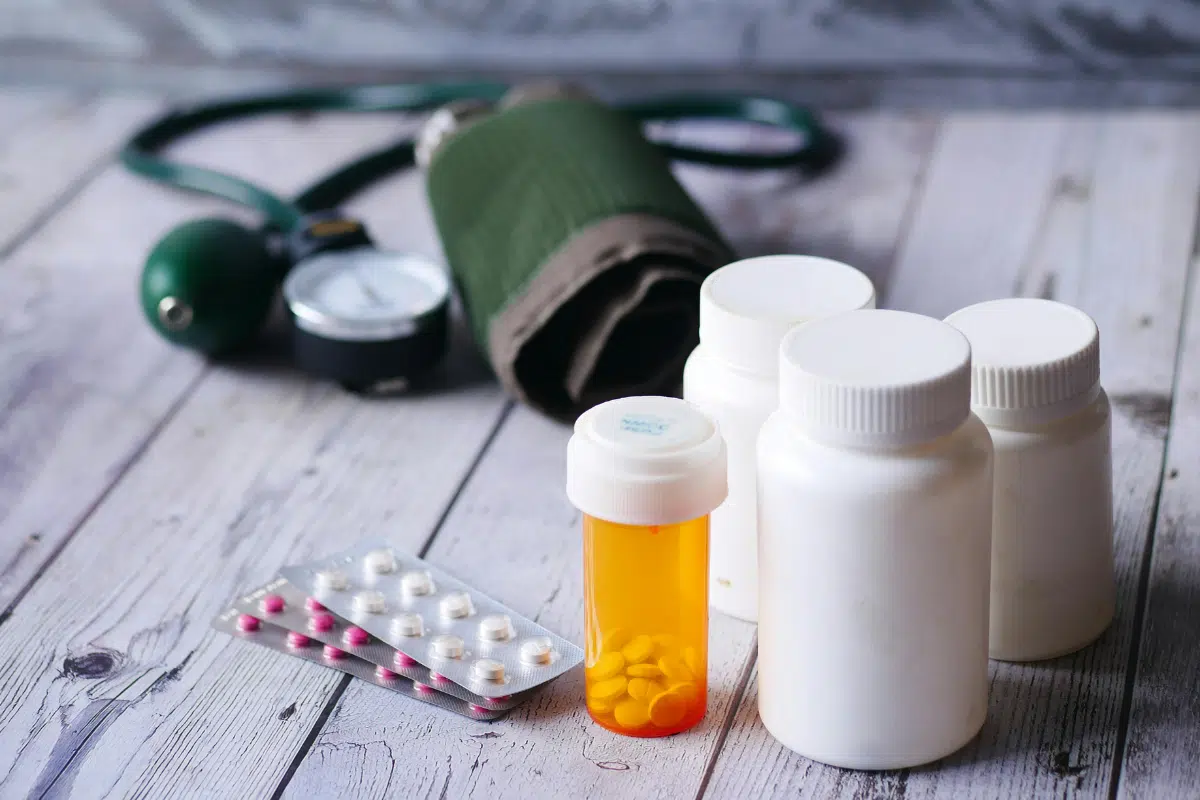
Prescription and over-the-counter medications should always be stored where pets cannot reach them. Pain relievers, antidepressants, vitamins, and other medications can cause serious problems if an animal swallows even a small amount. Never leave pills on a nightstand, counter, or in an open purse where a curious pet could get to them. Keep medications in closed containers and contact a veterinarian or animal poison service promptly if your pet may have ingested one.
Batteries
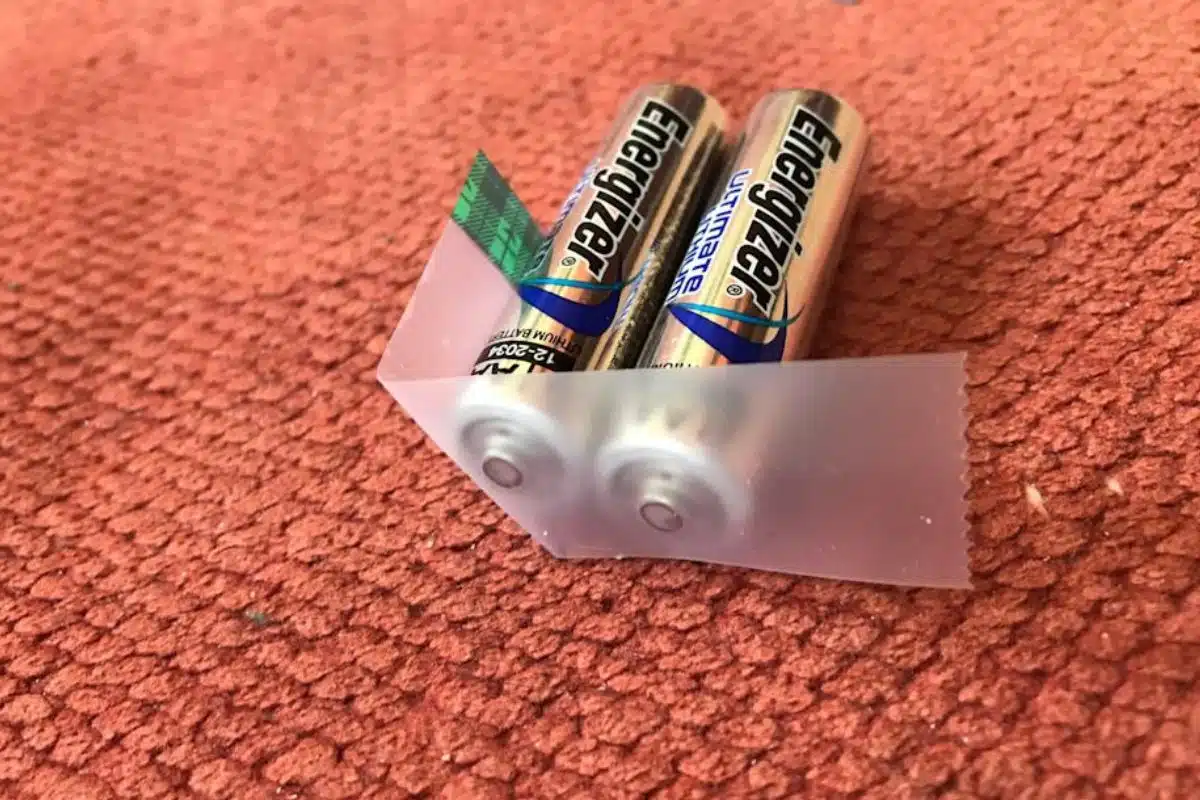
Button batteries and other household batteries can be dangerous if a pet chews or swallows them. Batteries may cause burns or other serious injuries, particularly if they become lodged in the esophagus. Keep loose batteries, battery-powered devices with accessible compartments, and used batteries secured. Dispose of old batteries properly rather than leaving them in an accessible trash can.
String, Yarn, and Ribbon
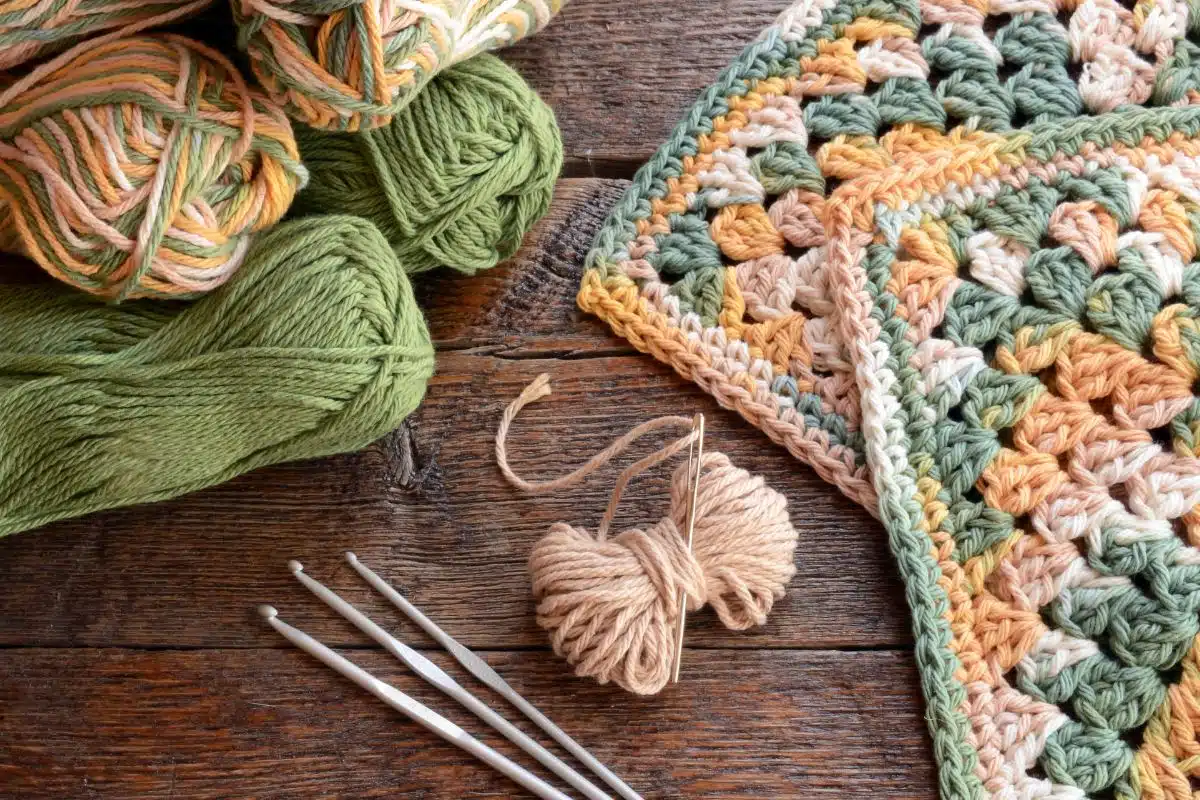
Cats in particular may be attracted to string, yarn, ribbon, and similar objects, but dogs can also swallow them. These materials can become lodged in the digestive tract and, in some cases, cause a potentially serious intestinal obstruction. Don’t leave craft supplies, gift ribbon, or loose thread on the floor where pets can investigate them. Store these materials in closed containers when you’re finished using them.
Small Children’s Toys
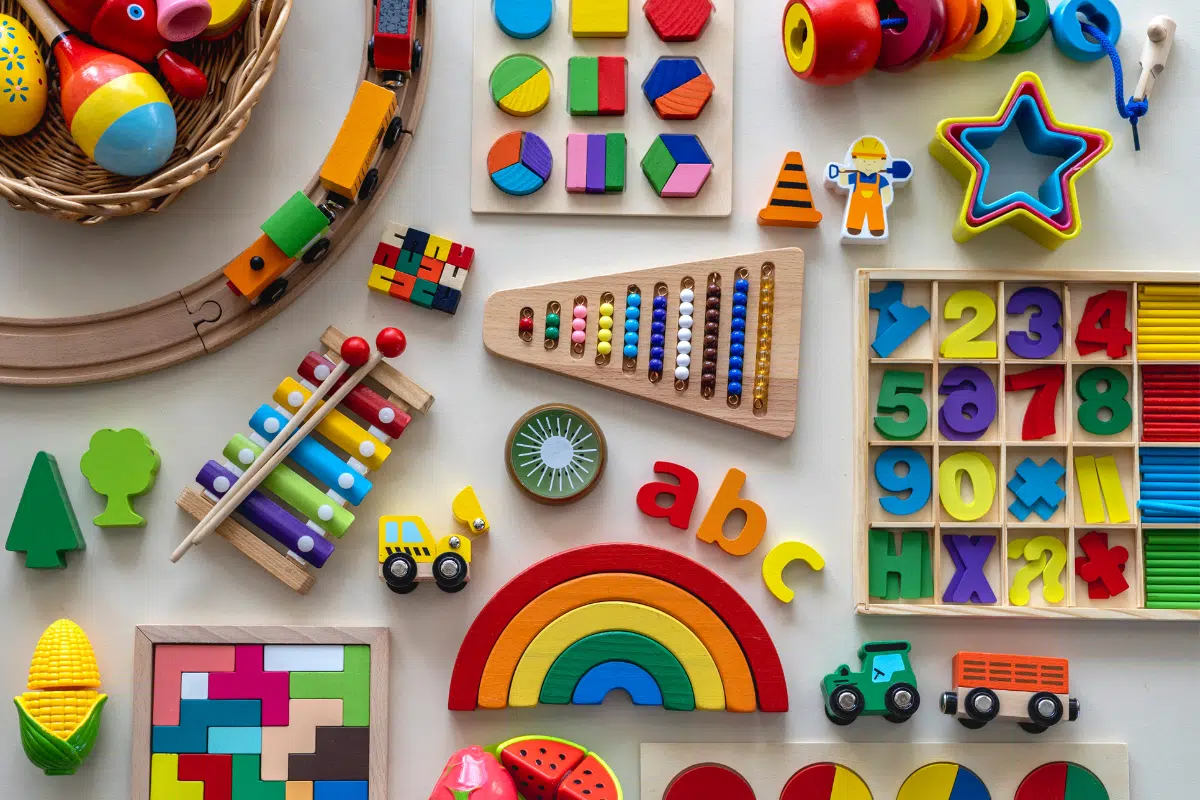
Small toys, toy parts, building pieces, and other objects can look like interesting chew toys to pets. If swallowed, they may become choking hazards or cause an intestinal blockage. Pay particular attention to toys with small detachable parts, especially in homes with both young children and pets. A quick floor check after playtime can help keep small objects out of your pet’s reach.
Rubber Bands and Hair Ties
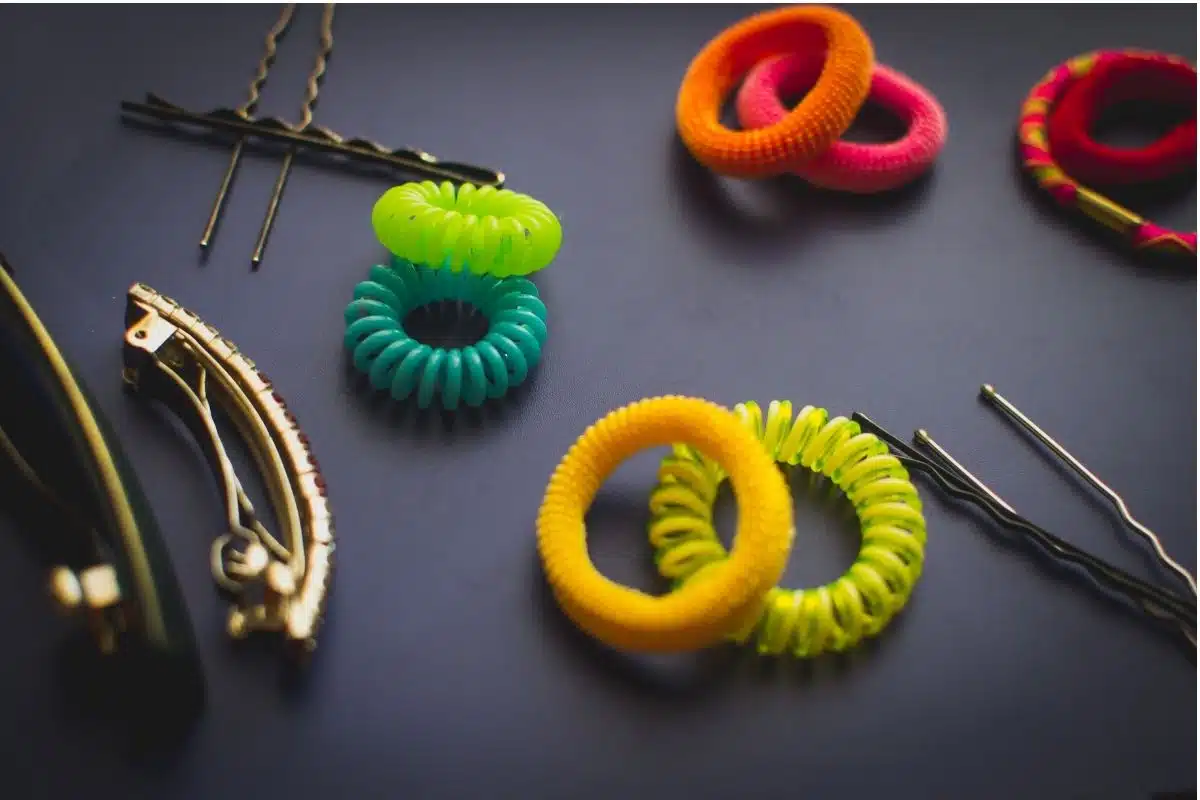
Rubber bands, hair ties, and elastic bands are easy for pets to pick up because they’re small and flexible. Unfortunately, that also makes them tempting to chew and swallow. Cats may be particularly interested in hair ties, while dogs can quickly grab rubber bands from floors or countertops. Keep them in drawers or closed containers instead of leaving them around sinks, desks, or nightstands.
Coins

Loose coins may seem harmless, but pets can swallow them, creating a choking or obstruction risk. Some coins also contain metals that can be harmful if a pet ingests enough of them. Keep loose change in a purse, wallet, drawer, or other secure location rather than leaving it on tables or floors. This is especially important if your dog tends to investigate anything it finds on the ground.
Cleaning Products
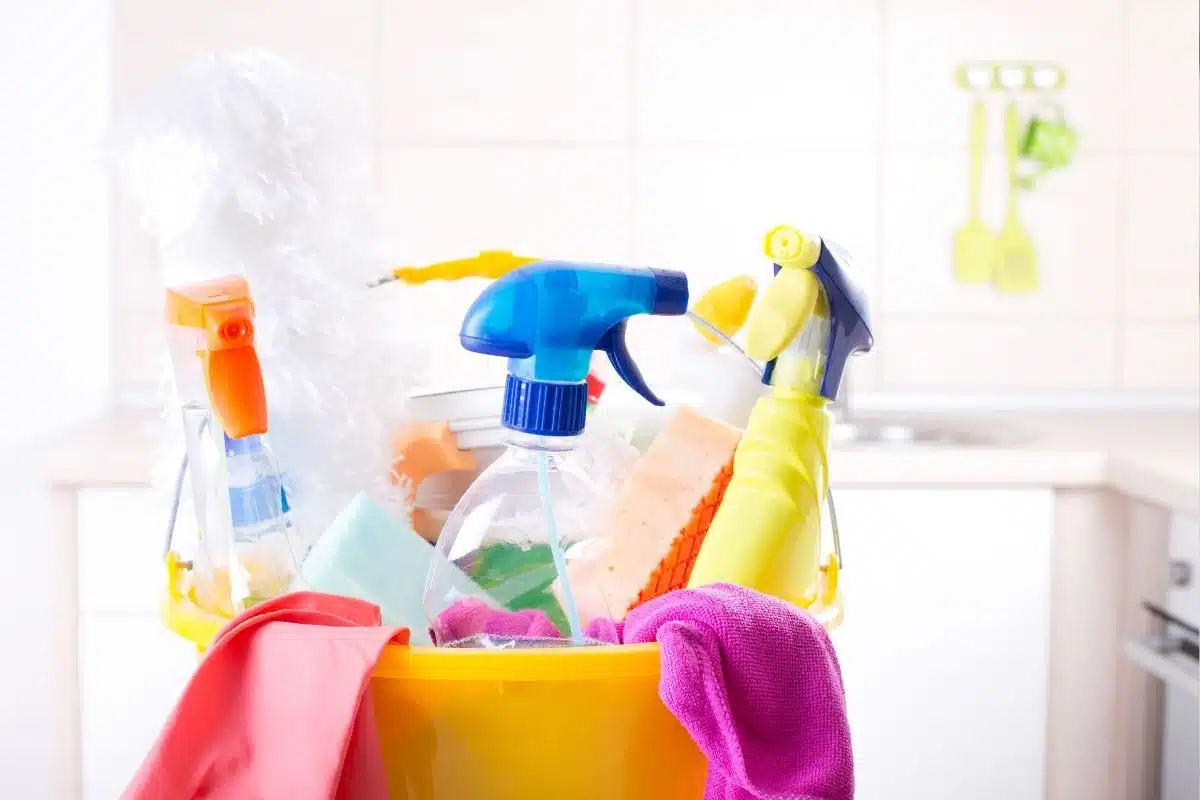
Household cleaners, detergents, disinfectants, and other cleaning products should be stored in closed cabinets or another secure area. Depending on the product, exposure can cause irritation, burns, or poisoning. Don’t assume a container is safe simply because it is stored under a sink, since some pets can easily open cabinet doors. Consider using child-resistant latches if your pet has learned how to get into lower cabinets.
Plastic Bags and Food Wrappers
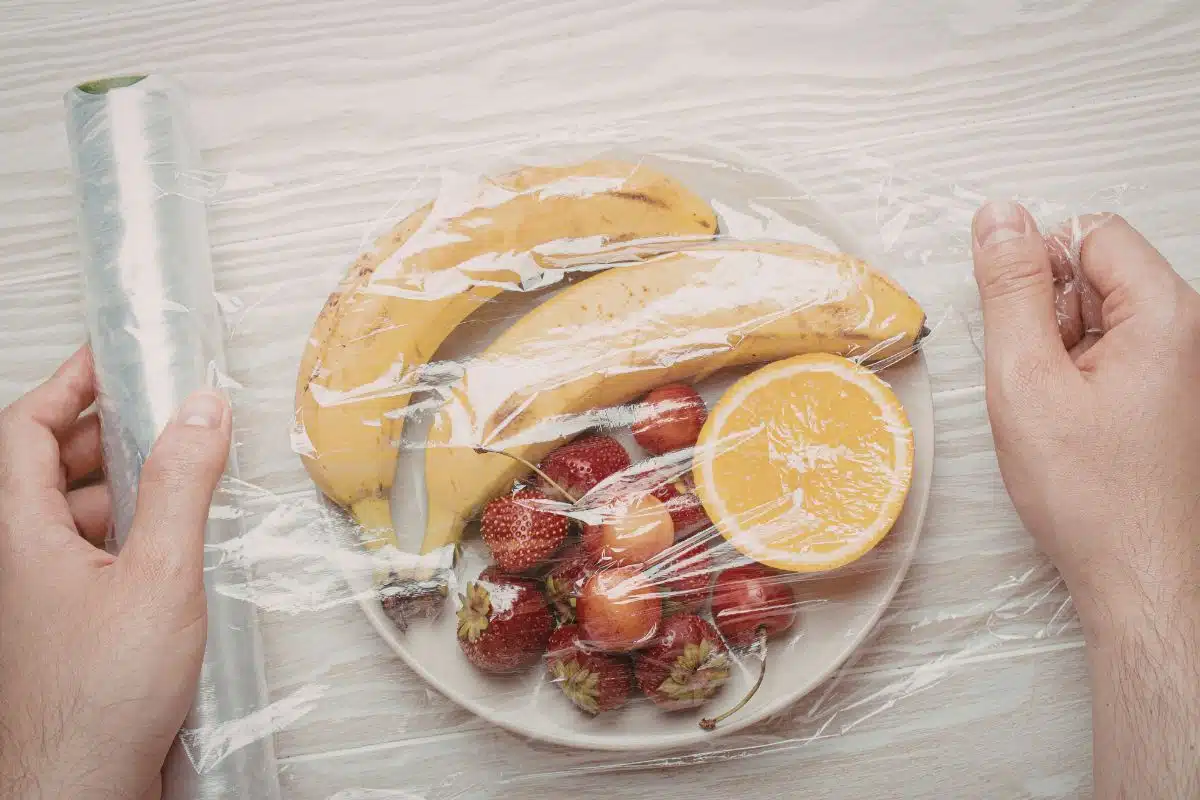
Plastic bags, snack wrappers, and other food packaging can create choking or suffocation hazards and may cause an intestinal obstruction if swallowed. The smell of leftover food can make discarded packaging particularly tempting to dogs. Put these items directly into a secure trash can instead of leaving them on counters or in an open wastebasket. Don’t let pets play with plastic packaging, even when it appears harmless.
Sewing and Craft Supplies
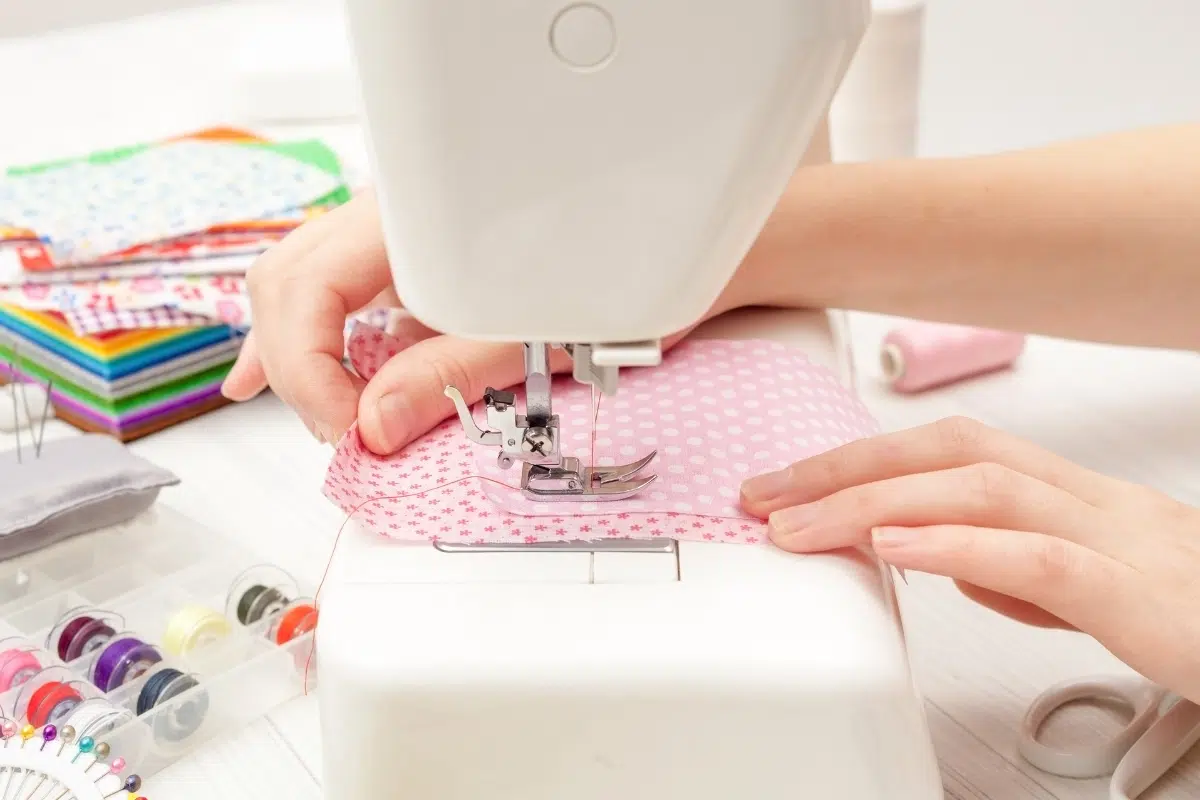
Needles, thread, pins, beads, buttons, and other craft supplies can be dangerous when pets have access to them. Sharp objects can injure the mouth or digestive tract, while small pieces can become choking or obstruction hazards. Keep sewing baskets and craft projects stored in closed containers when they’re not being used. Before letting your pet back into the room, check the floor and surrounding area for anything that may have fallen.
Essential Oils and Fragrance Products

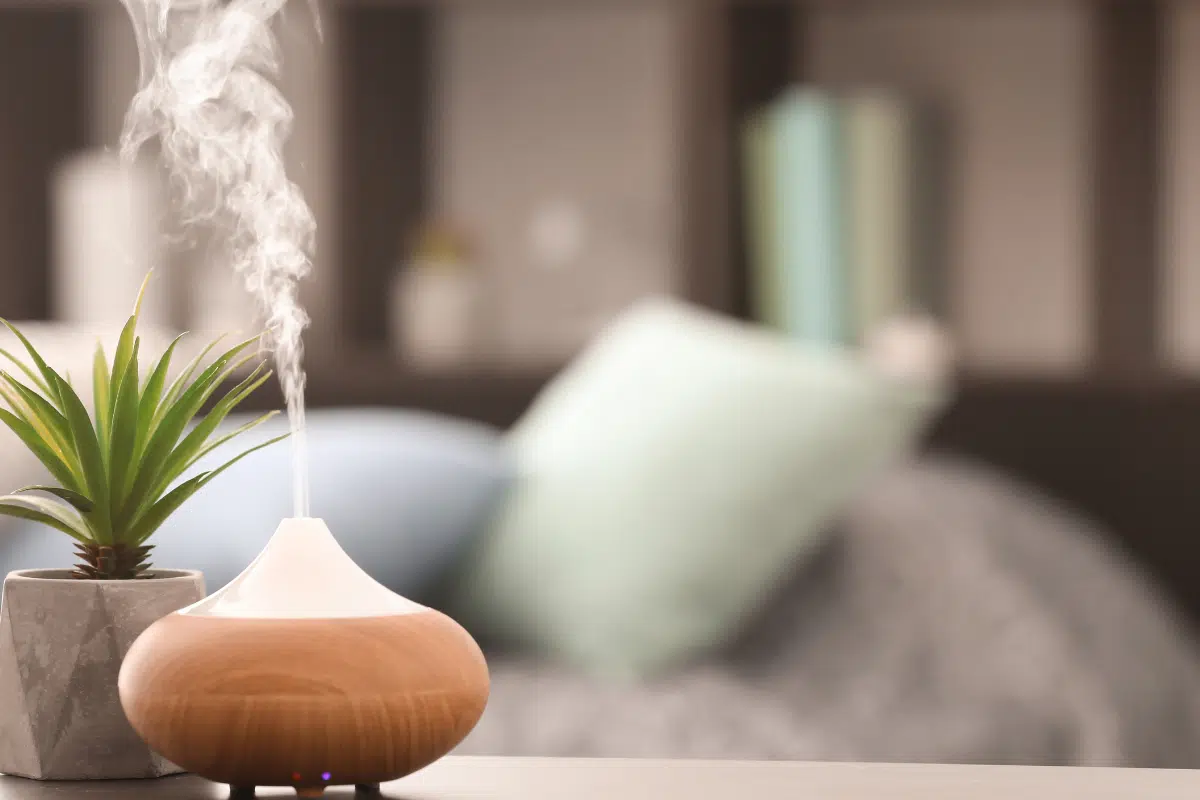
Essential oils, diffusers, potpourri, and concentrated fragrance products aren’t automatically safe for pets simply because they’re marketed as natural. Certain essential oils can be harmful to animals, particularly when concentrated oils are swallowed or come into contact with the skin. Cats can be especially sensitive to some essential oils because of differences in how their bodies metabolize certain compounds. Keep concentrated oils and fragrance products secured, and ask your veterinarian before using them around pets.
This post may contain affiliate links or sponsored content. Disclosure Policy