10 Essential Spices That Make Almost Any Meal Taste Better
Great cooking doesn’t always require expensive ingredients or complicated techniques. Often, the difference between an ordinary meal and one that tastes restaurant-worthy comes down to seasoning. Professional chefs know that the right spices can add depth, balance, brightness, and complexity with just a small pinch. Whether you’re cooking vegetables, meats, soups, or grains, these flavorful spices and spice blends can help transform everyday meals into something special.
Smoked Paprika
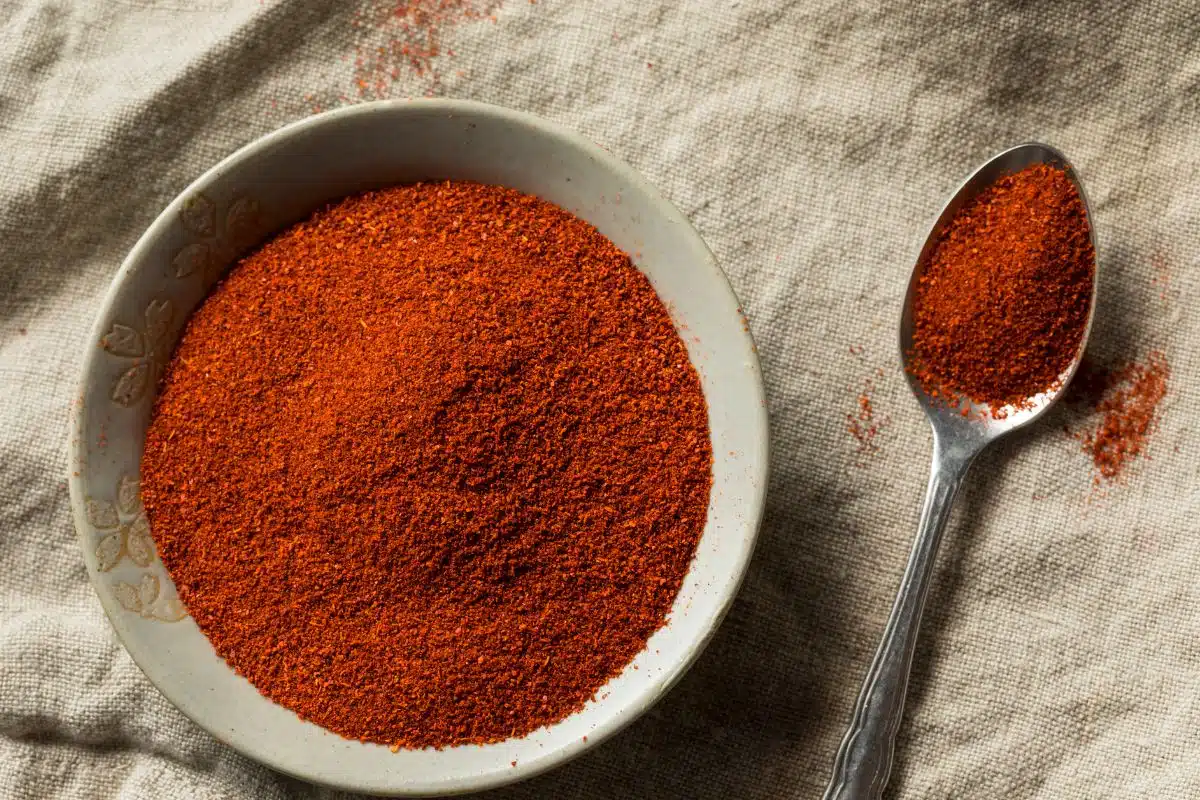
Smoked paprika delivers a rich, wood-fired flavor that instantly adds depth to a dish. Made from peppers that are dried over smoke before being ground, it provides complexity without overwhelming heat. Chefs often use it to enhance roasted potatoes, grilled meats, stews, seafood, and even deviled eggs. It’s one of the easiest ways to create a slow-cooked flavor profile in a matter of minutes.
Turmeric
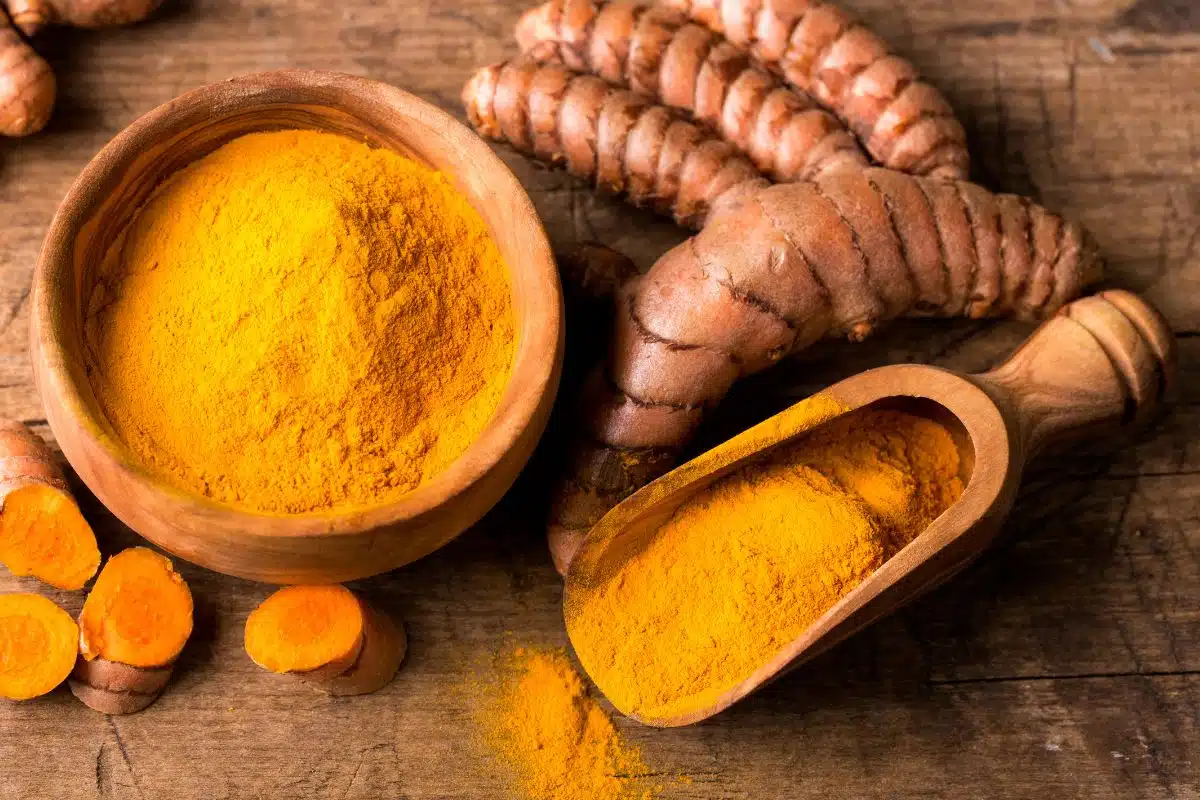
Known for its vibrant golden color, turmeric brings earthy warmth and subtle bitterness to a wide range of dishes. While it’s most commonly associated with curries, it also works beautifully in soups, rice dishes, roasted vegetables, and grain bowls. Many chefs pair it with black pepper to enhance both flavor and versatility. Its distinctive color alone can make a simple meal look more impressive.
Cumin
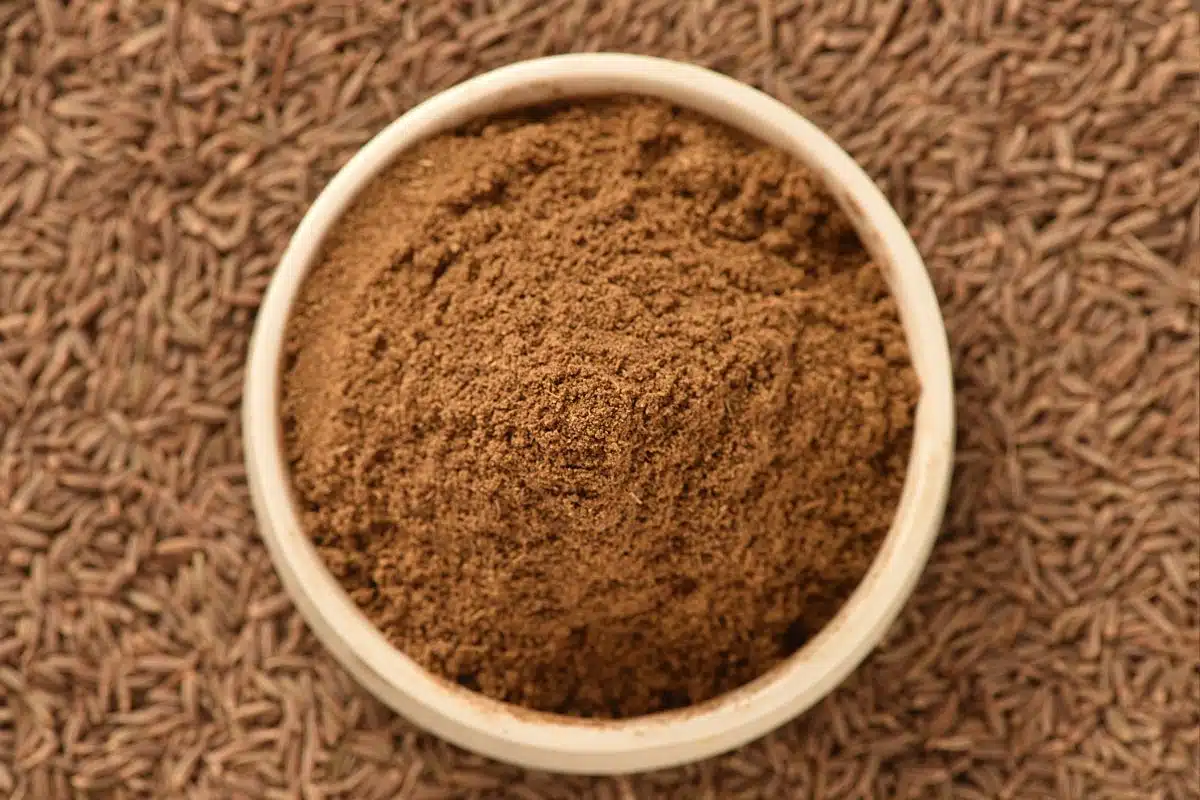
Cumin is a staple in cuisines around the world thanks to its warm, savory, and slightly nutty character. It provides an aromatic foundation for dishes ranging from tacos and chili to curries and roasted vegetables. Toasting cumin before use can intensify its flavor and add even more depth. It’s one of the most versatile spices for building bold, satisfying meals.
Cardamom
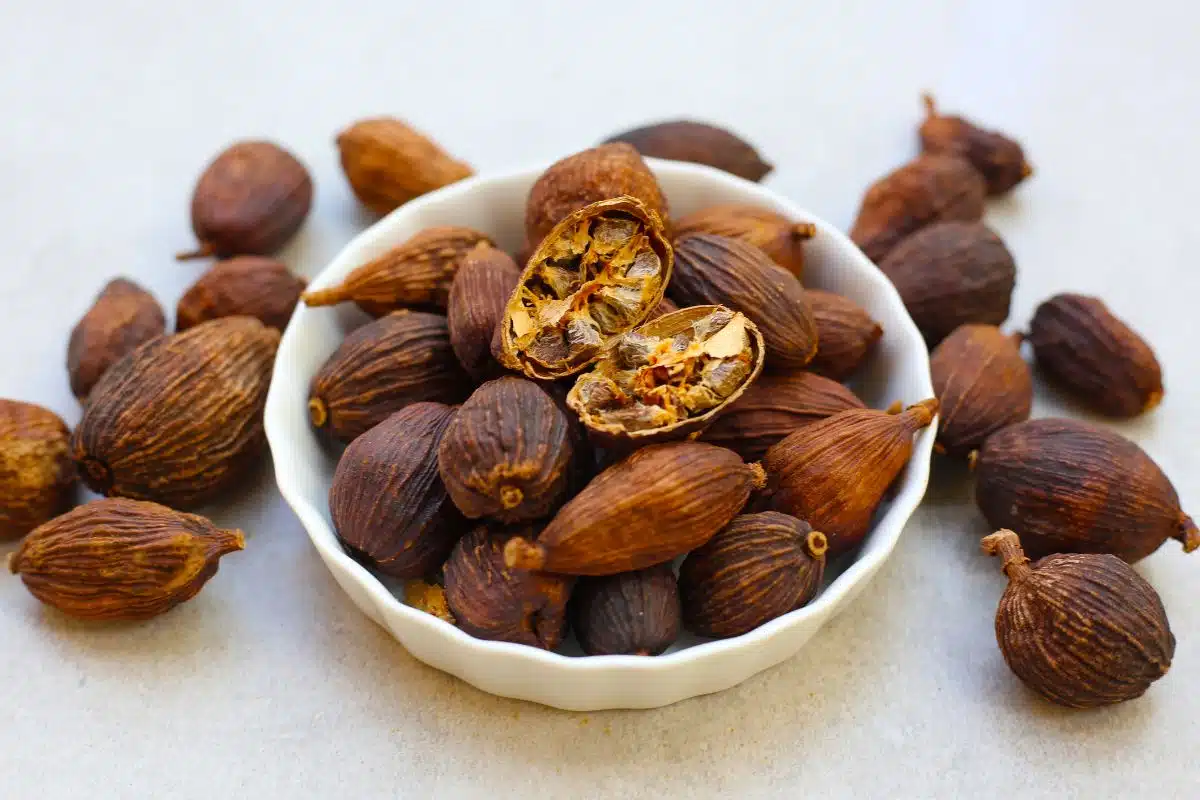
Cardamom offers an intriguing combination of floral, citrusy, and slightly sweet notes. While many people associate it with baked goods and chai, chefs frequently use it in savory dishes as well. It pairs exceptionally well with rice, lamb, chicken, and creamy sauces. Just a small amount can add a sophisticated layer of flavor that feels unexpectedly elegant.
Coriander
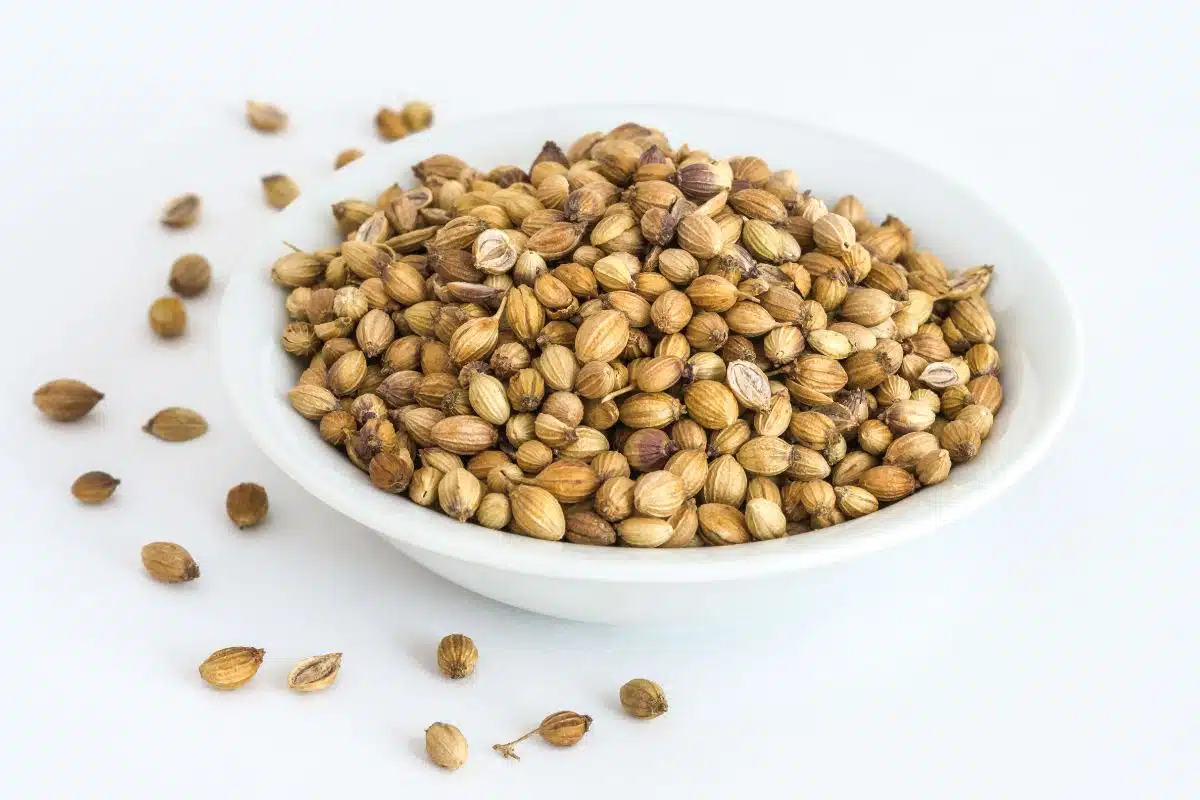
Ground coriander comes from cilantro seeds and offers a mild flavor with hints of citrus and spice. Its gentle profile makes it easy to use in everything from seafood and poultry to soups and vegetable dishes. Coriander often works behind the scenes, tying flavors together without dominating the dish. It’s particularly useful when you want added complexity without extra heat.
Za’atar
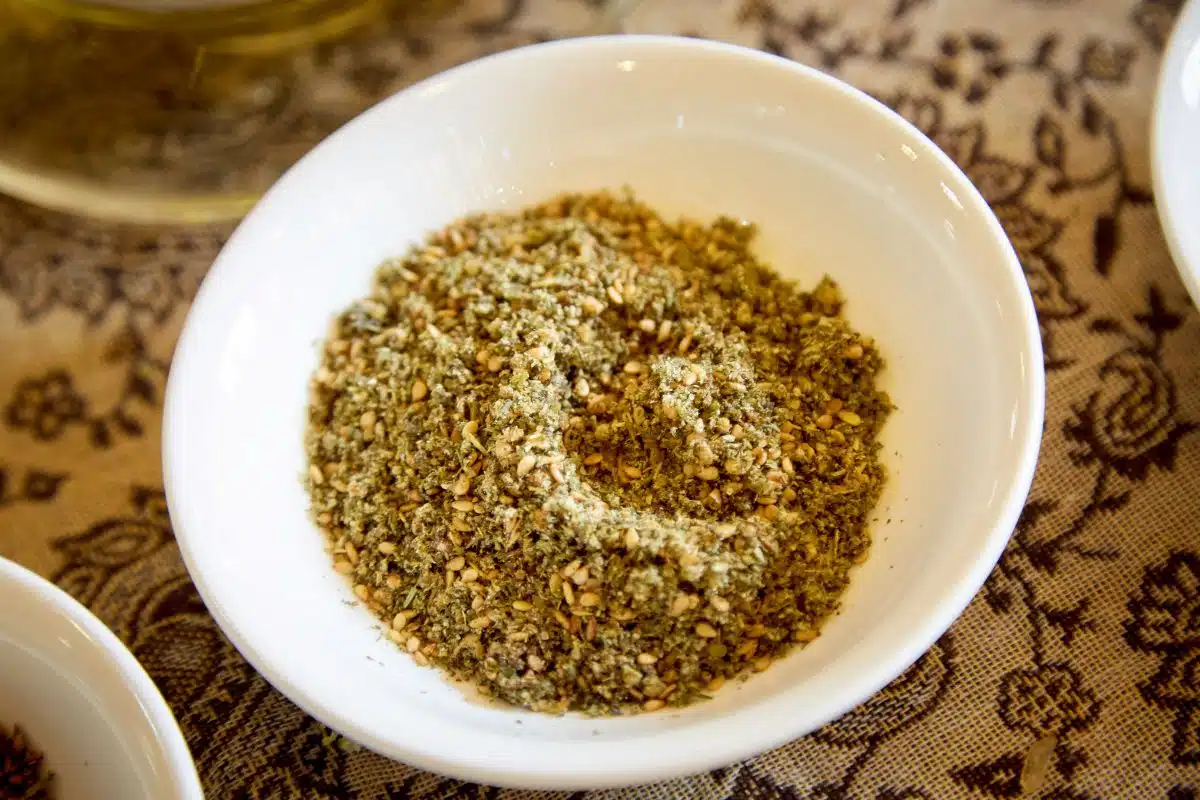
Za’atar is a flavorful Middle Eastern blend that typically combines herbs, sesame seeds, and tangy sumac. The result is a seasoning that’s earthy, nutty, and bright all at once. Chefs use it to elevate roasted vegetables, flatbreads, grilled meats, yogurt dips, and salads. A quick sprinkle can make even simple ingredients taste thoughtfully prepared.
Chinese Five Spice
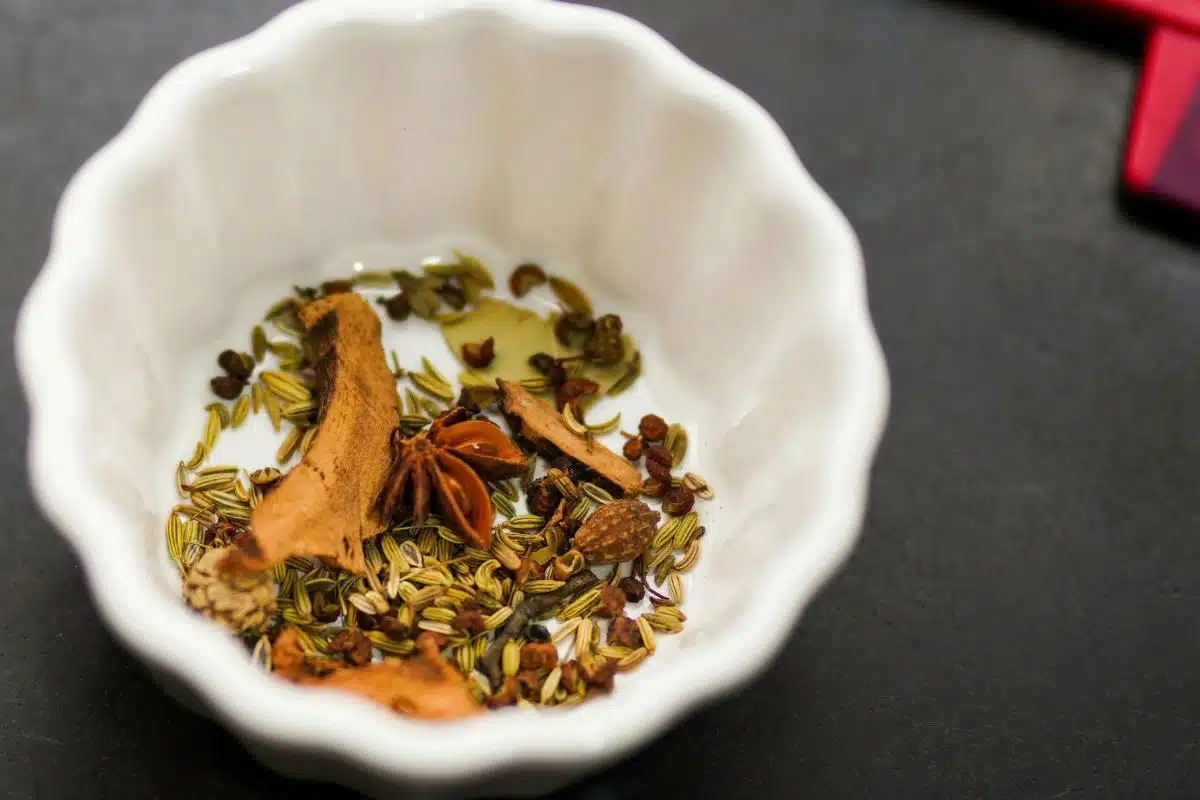
Chinese five spice blends sweet, savory, warm, and aromatic flavors into one remarkably balanced seasoning. Most versions include star anise, cinnamon, fennel, cloves, and Sichuan peppercorns. The blend adds depth to stir-fries, roasted meats, marinades, and braised dishes. Because it’s so complex, even a small amount can dramatically change the character of a recipe.
Herbes de Provence
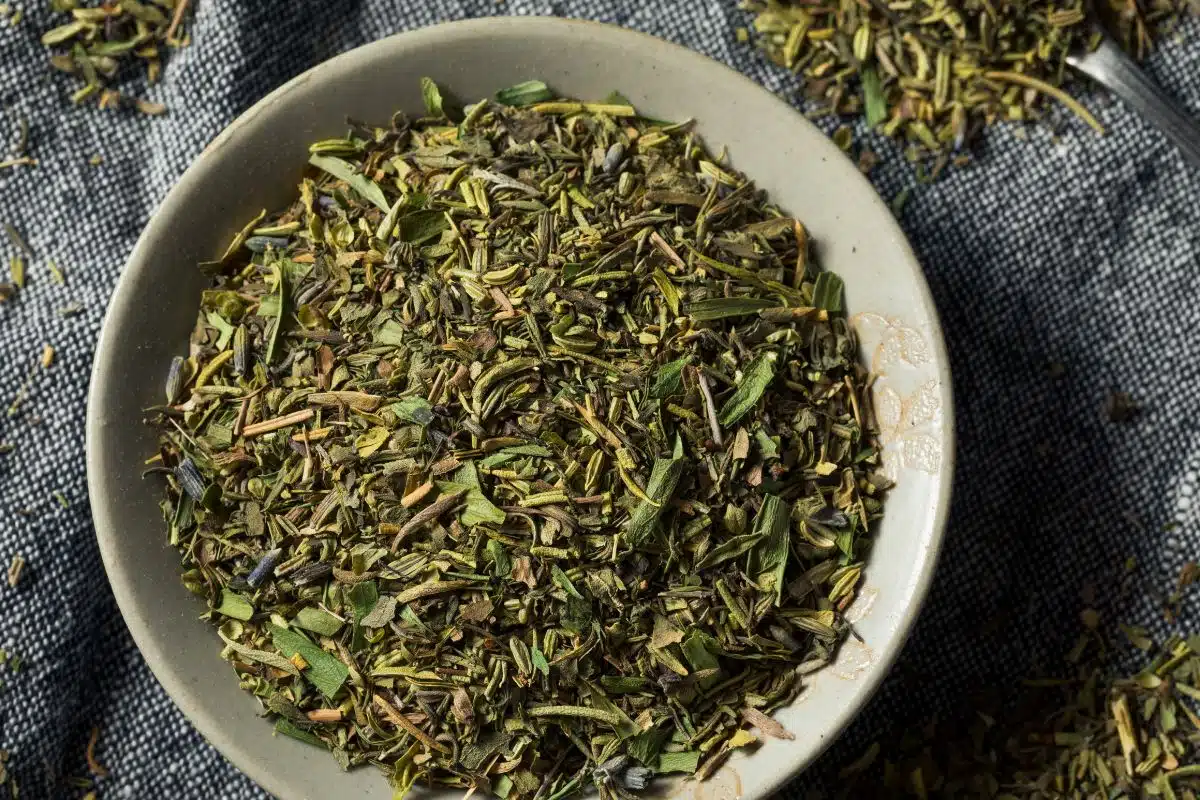
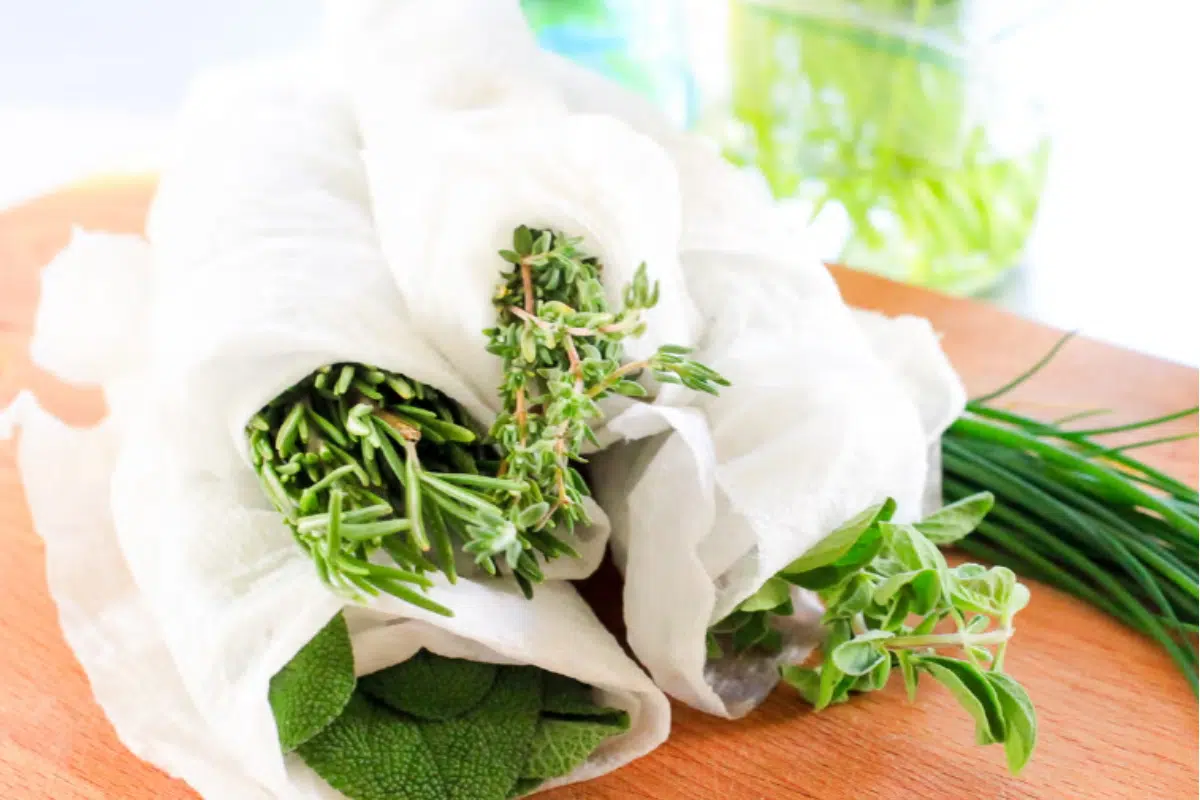
This classic French herb blend typically contains thyme, rosemary, oregano, marjoram, and sometimes lavender. The combination adds an unmistakably rustic elegance to roasted chicken, potatoes, seafood, and vegetables. Its fragrant aroma instantly evokes the flavors of southern France. Keeping a jar on hand is an easy way to add European-inspired flavor to everyday cooking.
Saffron
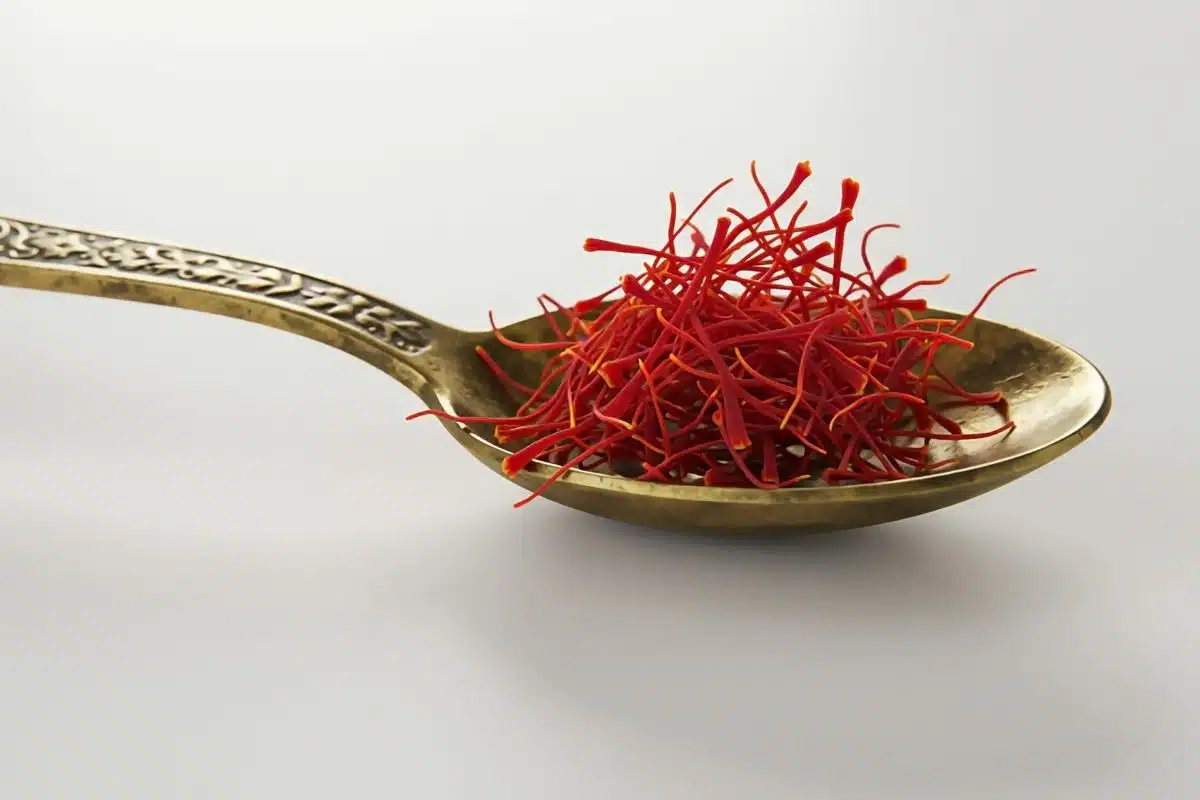
Saffron is prized around the world for its delicate floral flavor, subtle earthiness, and vibrant golden color. Because harvesting saffron is labor-intensive, it remains one of the most expensive spices available. A small pinch is often enough to transform dishes such as risotto, paella, rice pilaf, and seafood stews. Used thoughtfully, it brings a level of refinement few other spices can match.
Sumac
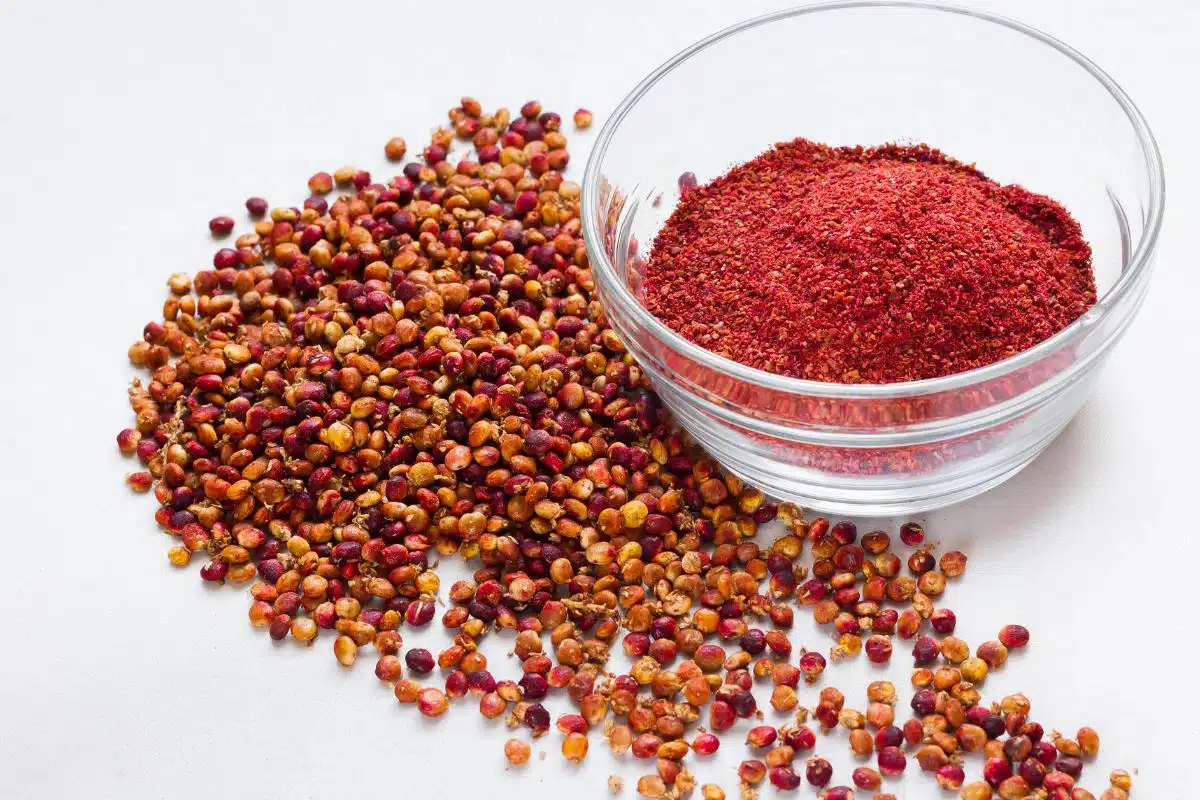
Sumac offers a bright, tangy flavor that’s often compared to lemon, but without adding liquid to a dish. Popular throughout Middle Eastern cuisine, it’s frequently sprinkled over grilled meats, hummus, roasted vegetables, and salads. Its deep red color also adds visual appeal to finished dishes. For home cooks looking to add brightness without extra acidity, sumac is an underrated pantry staple.
This post may contain affiliate links or sponsored content. Disclosure Policy