12 Easy Ways to Cut Back on Sugar Without Giving Up Your Favorite Foods
Reducing added sugar doesn’t have to mean giving up the foods you love. In fact, many nutrition experts now focus less on strict restriction and more on building habits that naturally reduce cravings and support steady energy throughout the day. Small changes—like eating more protein, choosing less processed foods, and finding naturally sweet alternatives—can make a noticeable difference without feeling overwhelming. Here are practical, realistic ways to lower your sugar intake while still enjoying satisfying meals and snacks.
Build a Protein-Packed Breakfast

Starting your day with protein can help keep blood sugar levels more stable and reduce cravings later on. Foods like eggs, cottage cheese, Greek yogurt, smoked salmon, or a protein smoothie provide lasting satisfaction that sugary breakfast foods often can’t match. When breakfast is balanced with protein and healthy fats, many people find they’re less likely to reach for sweet snacks before lunch. It’s one of the simplest changes that can have an impact throughout the entire day.
Upgrade Your Water with Natural Flavor

Many people consume a surprising amount of sugar through beverages rather than food. Adding slices of citrus, cucumber, berries, mint, or fresh herbs to water creates refreshing flavor without relying on sweeteners. Sparkling water with natural fruit infusions can also be a satisfying alternative to soda. Staying hydrated may even help reduce cravings that are sometimes mistaken for hunger.
Choose Unsweetened Dairy and Plant-Based Products
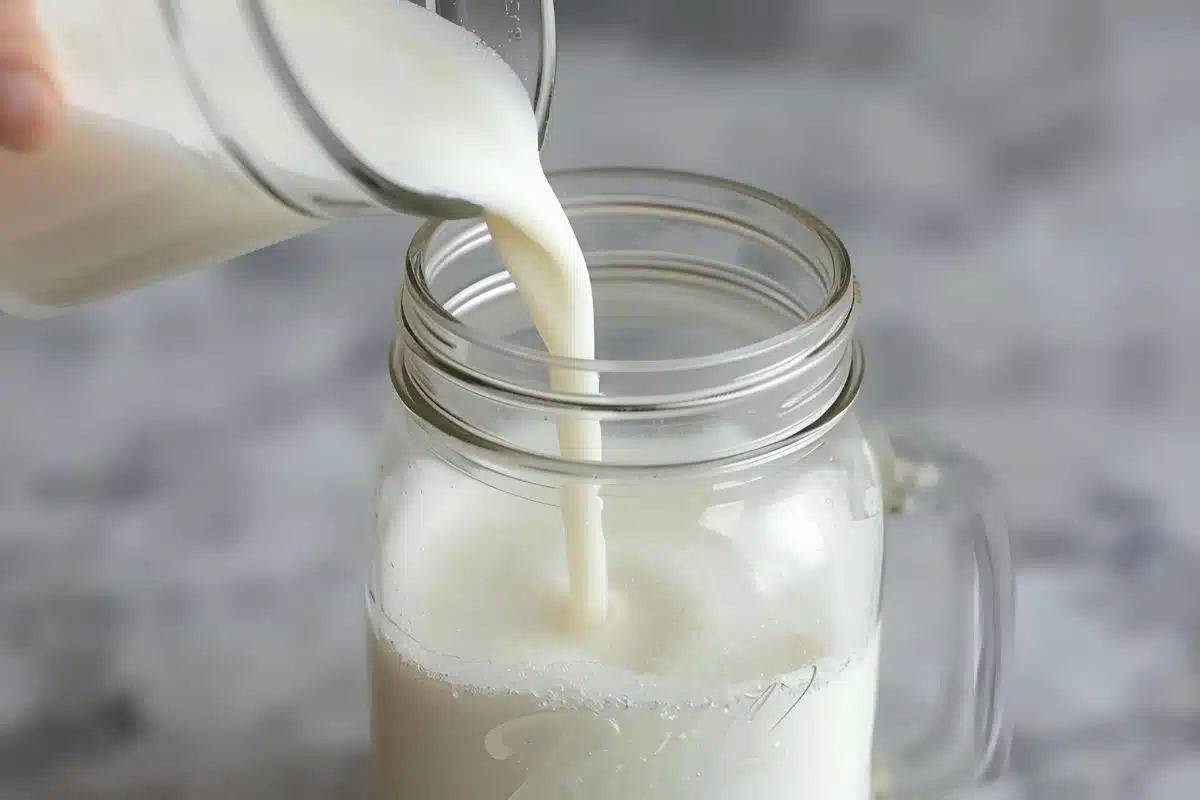
Flavored yogurts, coffee creamers, and plant-based milks can contain significant amounts of added sugar. Choosing unsweetened versions gives you more control over what you’re consuming while still providing the same nutritional benefits. If you want extra flavor, add fresh fruit, cinnamon, vanilla extract, or a sprinkle of cocoa powder. These additions often provide a more satisfying taste than heavily sweetened products.
Pair Fruit with Protein for Better Staying Power
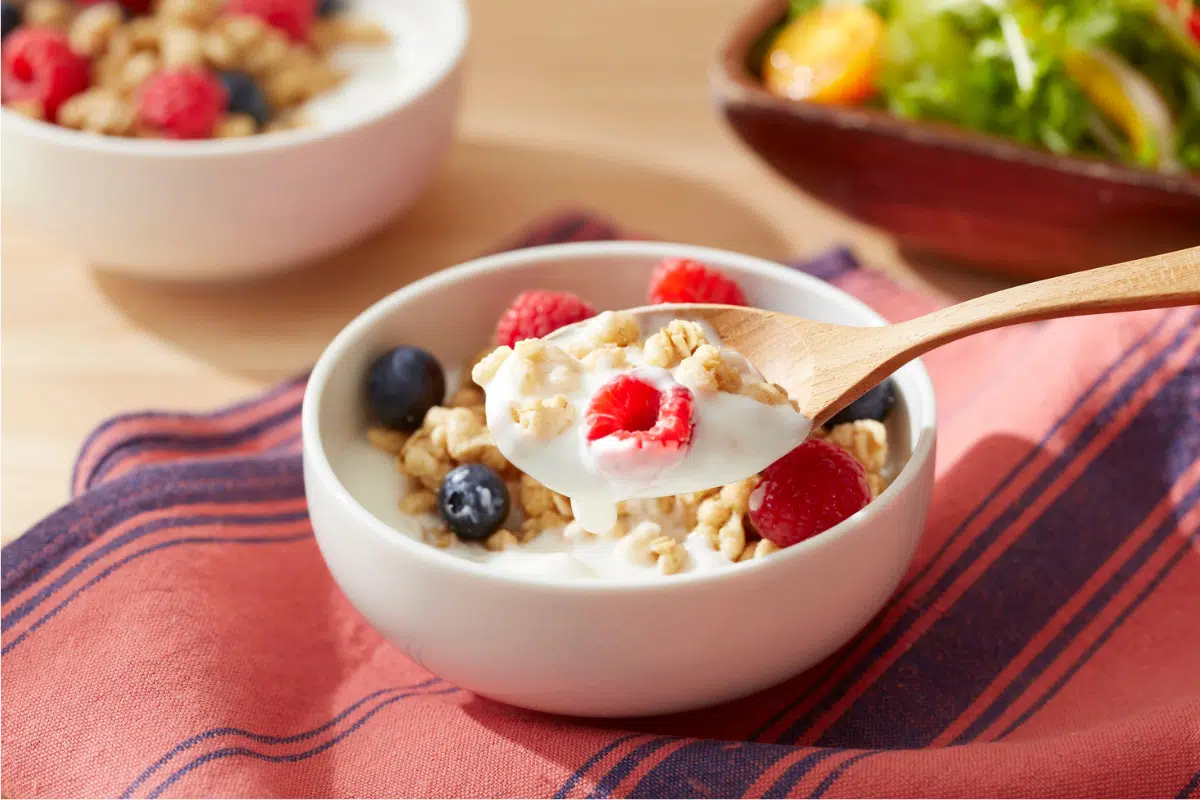
Fruit remains one of the best ways to satisfy a sweet craving while adding fiber, vitamins, and antioxidants to your diet. Pairing fruit with protein-rich foods like Greek yogurt, nuts, or cheese helps slow digestion and keeps you feeling fuller longer. This combination can help prevent the quick energy spikes and crashes associated with many sugary snacks. It also turns fruit into a more balanced snack rather than a temporary fix.
Learn Where Sugar Hides

Added sugar isn’t limited to desserts and candy. It often appears in products such as salad dressings, pasta sauces, granola bars, flavoured oatmeal, and even some breads. Reading ingredient labels can help you identify sources of sugar that might otherwise go unnoticed. Becoming aware of hidden sugars makes it easier to make informed choices without feeling like you’re constantly dieting.
Reduce Sweetness Gradually
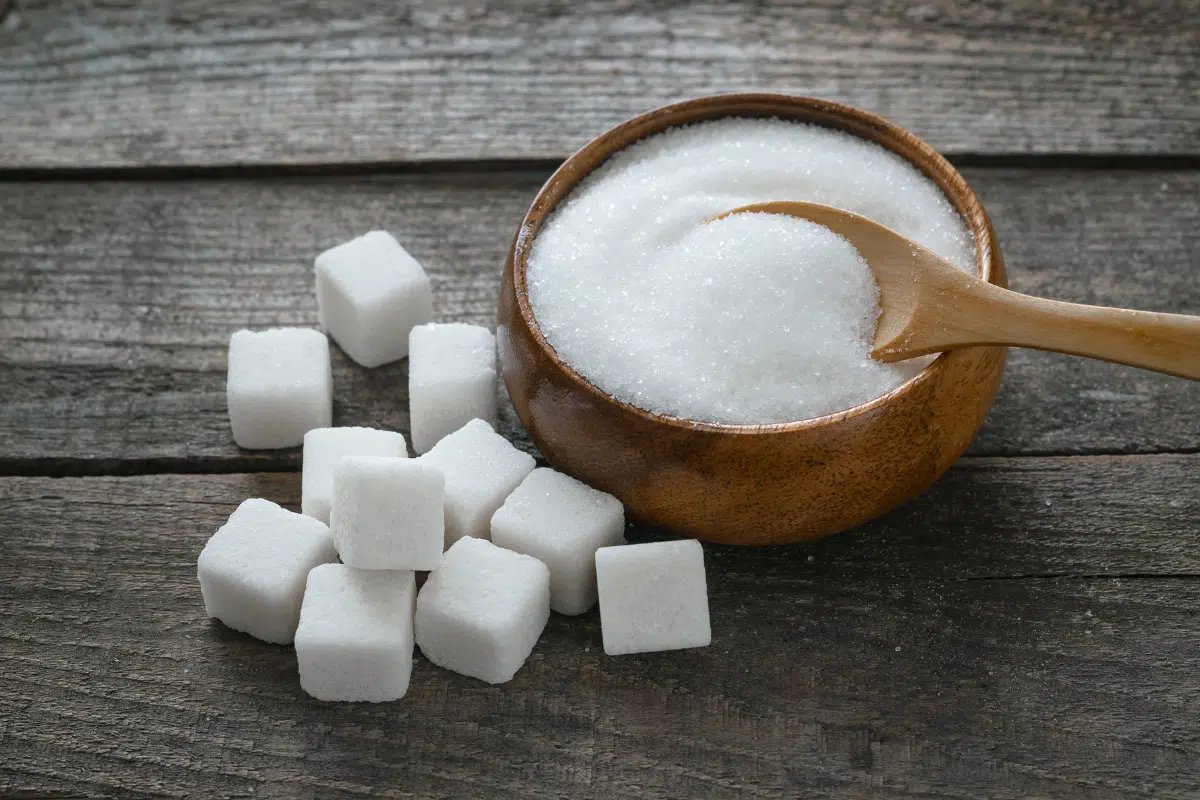
Many people find success by slowly reducing sugar rather than eliminating it overnight. Cutting back little by little allows your taste buds to adapt naturally over time. Coffee, tea, cereal, and homemade recipes are all good places to start. After a few weeks, foods that once seemed normal may begin to taste surprisingly sweet.
Use Spices to Add Sweet Flavor
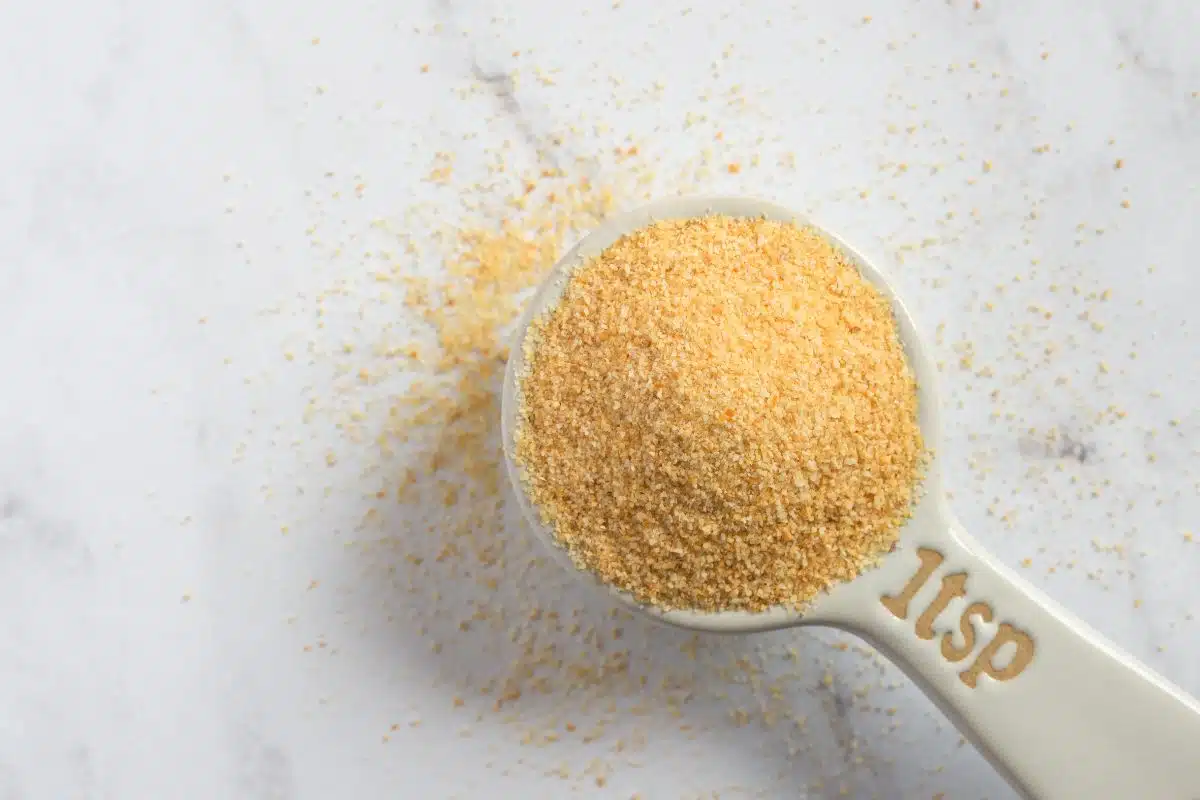
Certain spices can create the perception of sweetness without adding any sugar at all. Cinnamon, cardamom, nutmeg, ginger, and pure vanilla extract bring warmth and complexity to foods like oatmeal, yogurt, smoothies, and baked goods. These ingredients can help satisfy the desire for sweet flavors while keeping added sugar low. They also add variety to meals without extra calories.
Focus on Savory Snacks

Many packaged snack foods are loaded with added sugars, even when they don’t taste particularly sweet. Savory options such as roasted nuts, hummus with vegetables, cheese, hard-boiled eggs, or air-popped popcorn tend to provide more lasting satisfaction. Because they contain protein, fiber, or healthy fats, they can help keep hunger in check between meals. This often leads to fewer cravings later in the day.
Make Homemade Dressings and Sauces
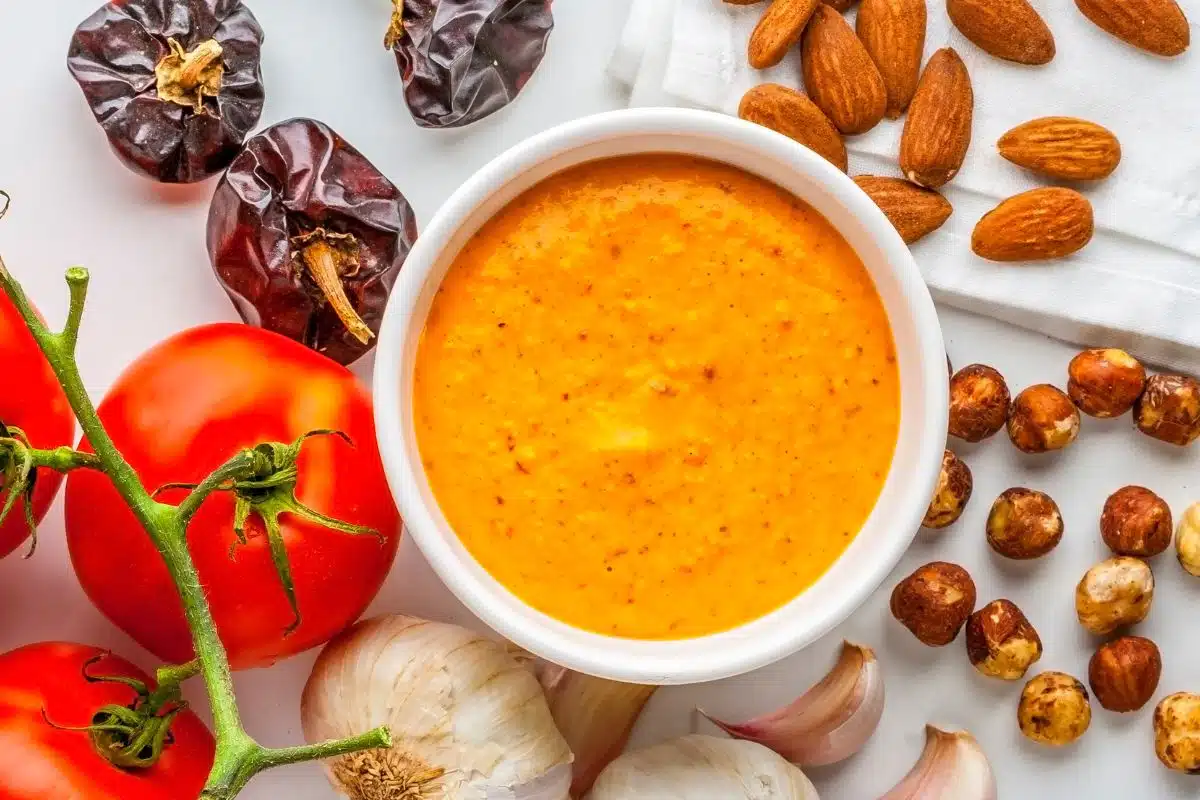
Condiments can be one of the biggest hidden sources of added sugar in the modern diet. Preparing simple dressings, marinades, and sauces at home allows you to control every ingredient while creating fresher flavor. Olive oil, vinegar, mustard, herbs, citrus juice, and spices can produce delicious results without relying on sugar. Even making just a few homemade staples can significantly reduce overall intake.
Choose Dark Chocolate Over Sugary Treats
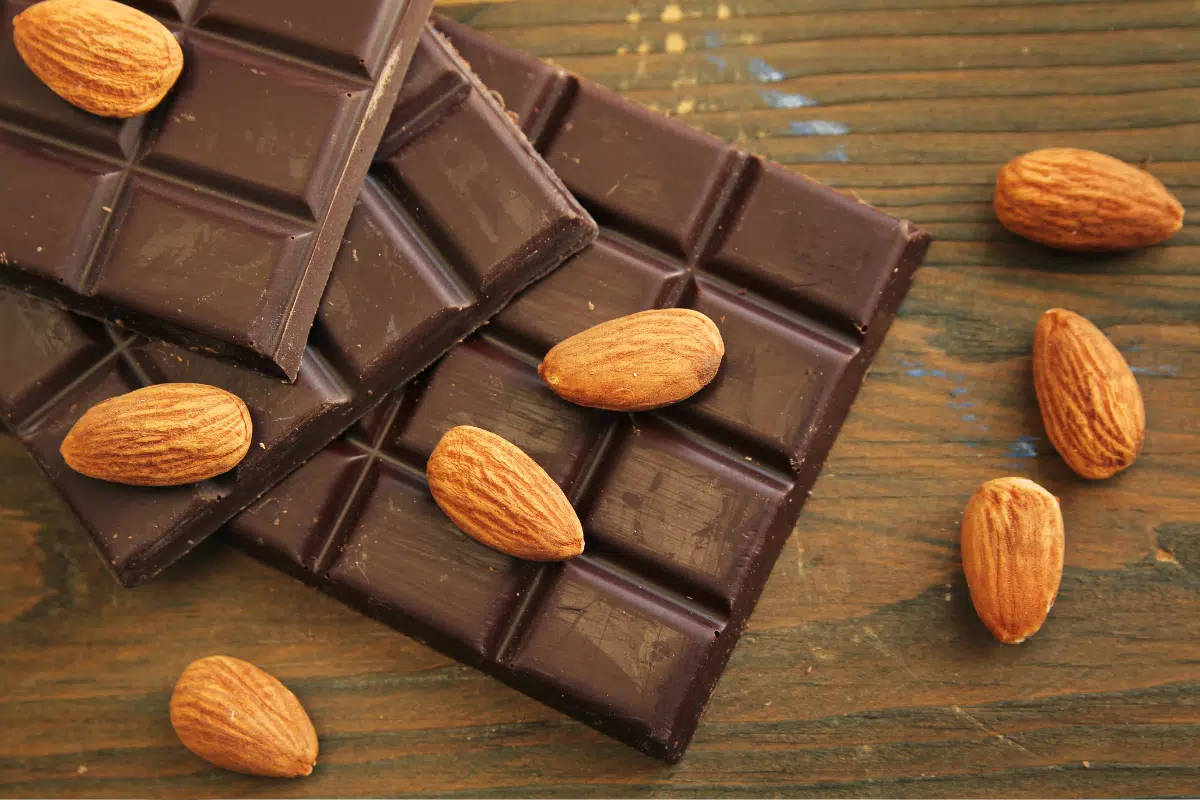
If you’re craving something sweet after dinner, dark chocolate can be a more satisfying option than many traditional desserts. Varieties with 70% cacao or higher generally contain less sugar while delivering a rich, intense flavour. Because the taste is more concentrated, a small portion often feels indulgent enough to satisfy a craving. Dark chocolate also contains naturally occurring antioxidants.
Be Wary of “Low-Fat” Marketing

When fat is removed from foods, manufacturers sometimes add sugar, starches, or flavorings to compensate for the loss of taste and texture. This is especially common in products such as yogurt, salad dressing, and snack foods. Comparing nutrition labels can reveal surprising differences between low-fat and regular versions. In many cases, minimally processed options are the better choice.
Rethink Sugary Drinks and Coffee Orders
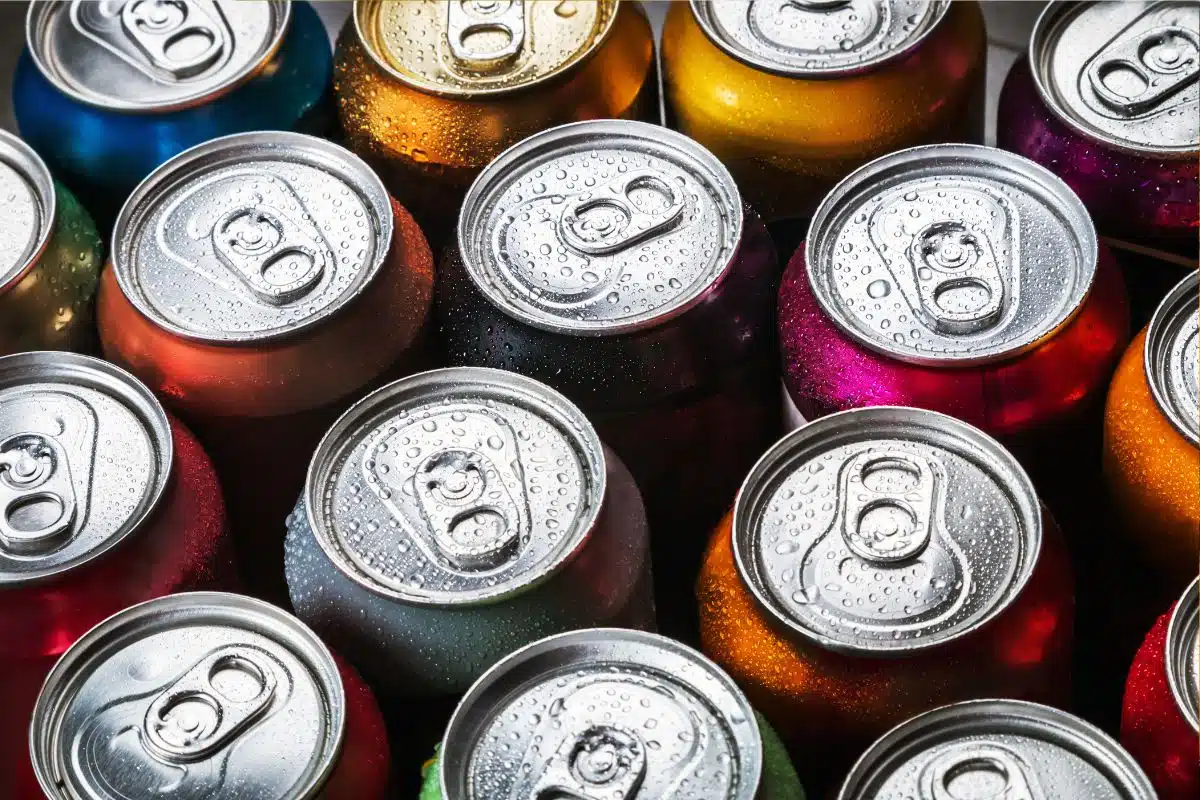
Specialty coffees, energy drinks, sweet teas, and soft drinks can contribute a large amount of added sugar without providing much satiety. Switching to unsweetened tea, black coffee, sparkling water, or lower-sugar alternatives can dramatically reduce daily intake. If you enjoy sweetened beverages, try gradually reducing the amount of syrup or sweetener you use. Small adjustments often feel easier and more sustainable than complete elimination.
This post may contain affiliate links or sponsored content. Disclosure Policy