10 Easy Kitchen Habits That Can Save Food, Money, and Time
Zero-waste cooking is becoming a practical approach for home cooks who want to stretch their grocery budget while reducing kitchen waste. Instead of throwing away scraps or leftovers, this style of cooking encourages creativity—turning what you already have into flavorful, useful ingredients. From broths and condiments to entirely new meals, these simple habits can make a big difference in both your kitchen and your wallet.
Turn Vegetable Scraps into Homemade Stock
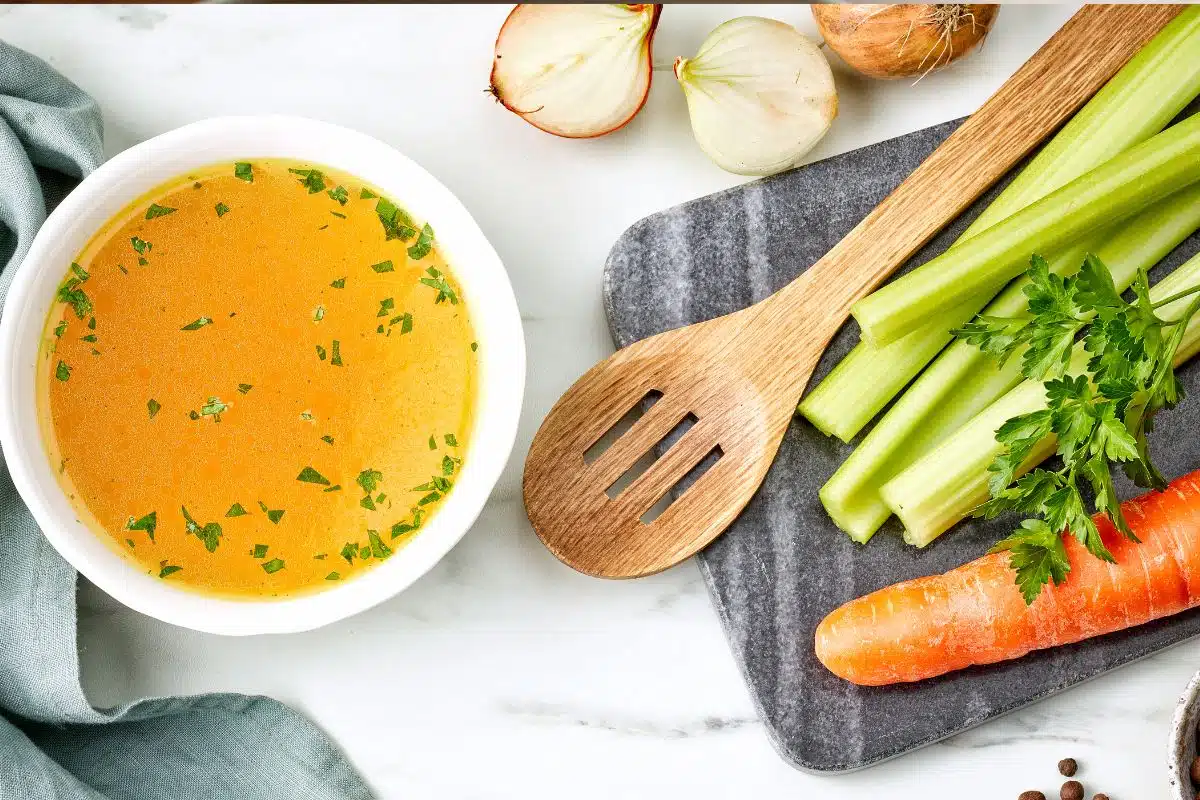
Vegetable scraps like onion skins, carrot tops, celery ends, and herb stems can be transformed into rich, flavorful broth instead of being thrown away. Simply store scraps in the freezer until you have enough, then simmer them with water and seasoning for a homemade stock base. This approach not only reduces waste but also saves money on store-bought broth. You can customize flavors depending on the vegetables you save. It’s an easy habit that builds flavor into future meals.
Save Citrus Peels for Zest, Syrups, or Infusions

Citrus peels are often discarded, but they’re packed with flavor and aroma. They can be dried and used as zest, candied for desserts, or simmered into simple syrups for drinks and baking. You can also infuse vinegar or oils with citrus peels for homemade dressings and marinades. This helps stretch the value of every piece of fruit you buy. It’s a small habit that adds a big flavor boost.
Regrow Herbs and Green Onions
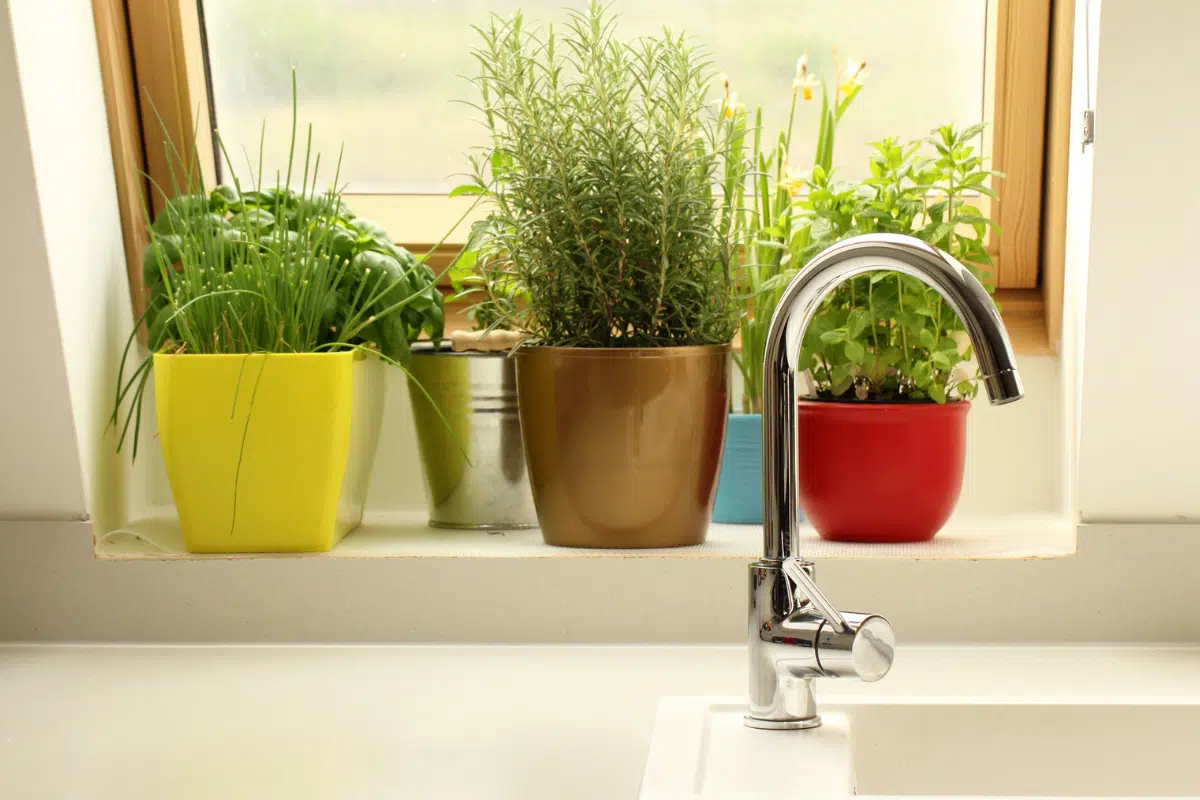
Many herbs and greens can be regrown right on your kitchen counter using just water and sunlight. Green onions, romaine, celery, and even basil can sprout new growth after trimming. While regrowth won’t replace a full garden, it can extend the life of produce and reduce frequent grocery trips. It’s a simple way to keep fresh ingredients on hand. Plus, it adds a fun, hands-on element to kitchen sustainability.
Turn Stale Bread into Something Useful
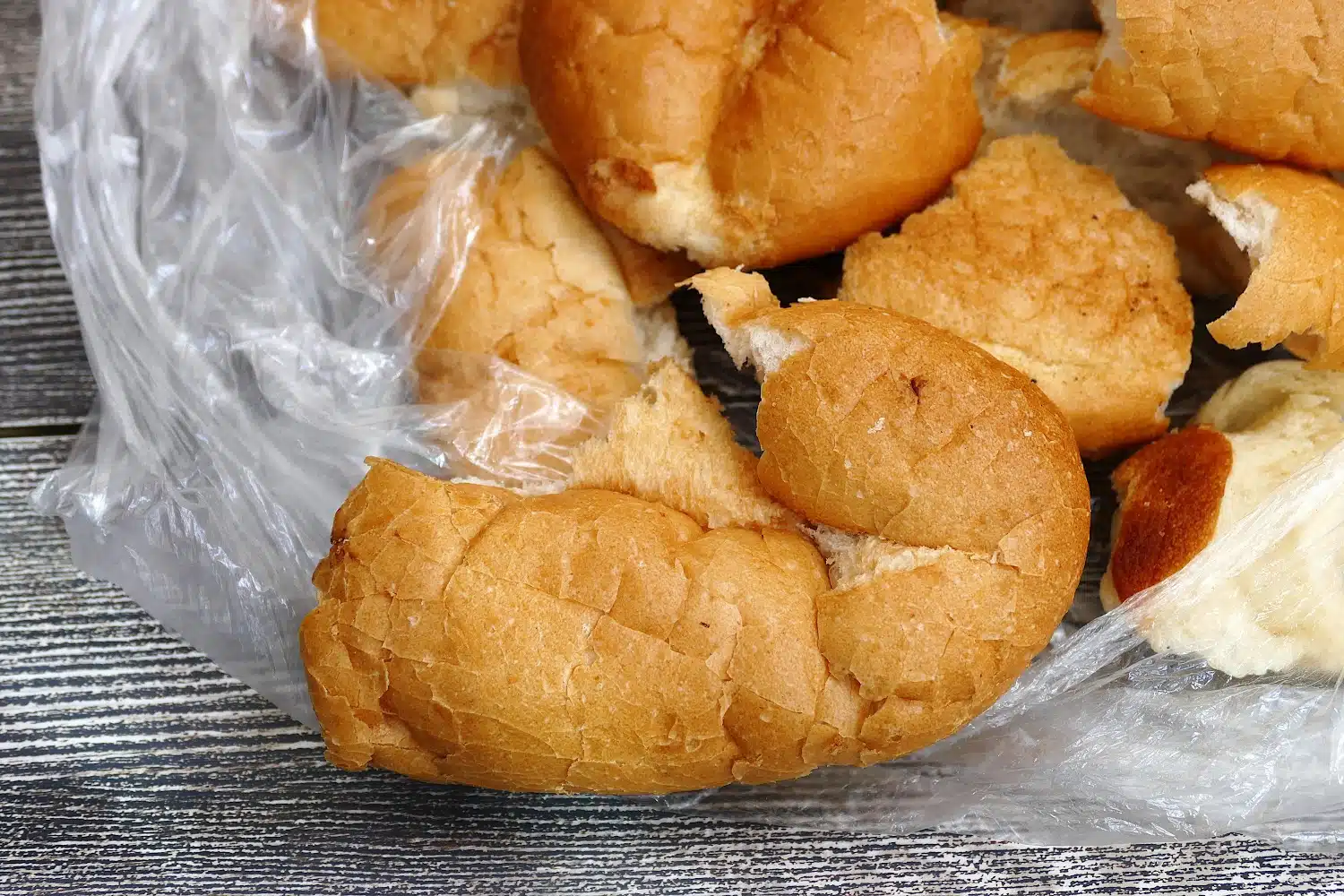
Stale bread doesn’t need to be wasted—it’s actually ideal for creating new dishes. You can turn it into crunchy croutons, homemade breadcrumbs, or blend it into savory bread puddings. Dry bread also absorbs flavors beautifully in soups and casseroles. Instead of throwing it away, repurposing bread helps reduce waste and stretch your grocery budget. It’s one of the easiest zero-waste swaps.
Use Overripe Fruit for Smoothies and Baking

Overripe bananas, berries, and peaches are perfect for smoothies, muffins, pancakes, and quick breads. As fruit softens, its natural sweetness increases, making it ideal for baking. You can also freeze overripe fruit for later use in smoothies or sauces. This helps prevent food from being thrown away unnecessarily. It’s a simple way to turn “past its prime” fruit into something delicious.
Reinvent Leftover Pasta or Rice

Leftover rice and pasta can easily become the base for entirely new meals. Rice can be turned into fried rice, while pasta can be baked into casseroles or used in frittatas. Adding vegetables, eggs, or sauces helps transform leftovers into something fresh and satisfying. This approach reduces waste and saves time on busy nights. It also helps stretch meals further throughout the week.
Use Edible Vegetable Tops and Greens
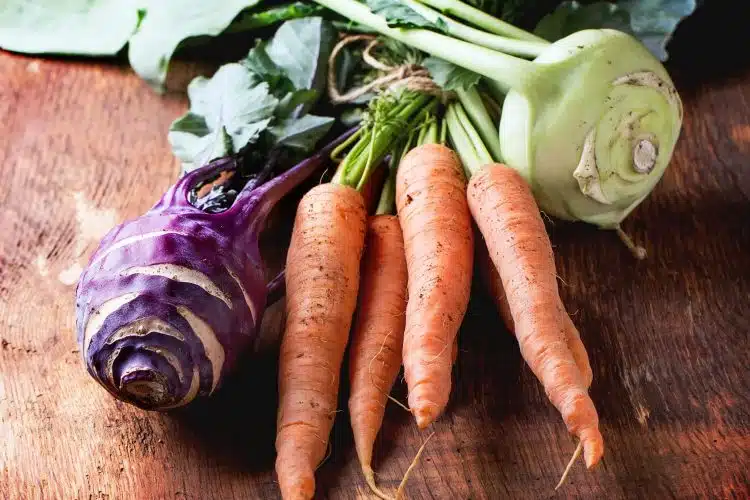
Vegetable tops like beet greens, carrot tops, and radish leaves are often overlooked but completely edible. When sautéed or roasted with olive oil and seasoning, they become a flavorful side dish. These greens are nutrient-dense and reduce the amount of produce that gets discarded. Many chefs now highlight them as part of root-to-stem cooking. It’s a simple shift that makes vegetables go further.
Repurpose Coffee Grounds

Used coffee grounds still have plenty of potential after brewing. They can be used in baking recipes to add depth to chocolate flavors or repurposed in homemade scrubs and household cleaning uses. Some gardeners also use coffee grounds to enrich compost. This makes them one of the most versatile kitchen byproducts. Instead of tossing them, they can continue working in useful ways.
Pickle or Ferment Vegetable Scraps
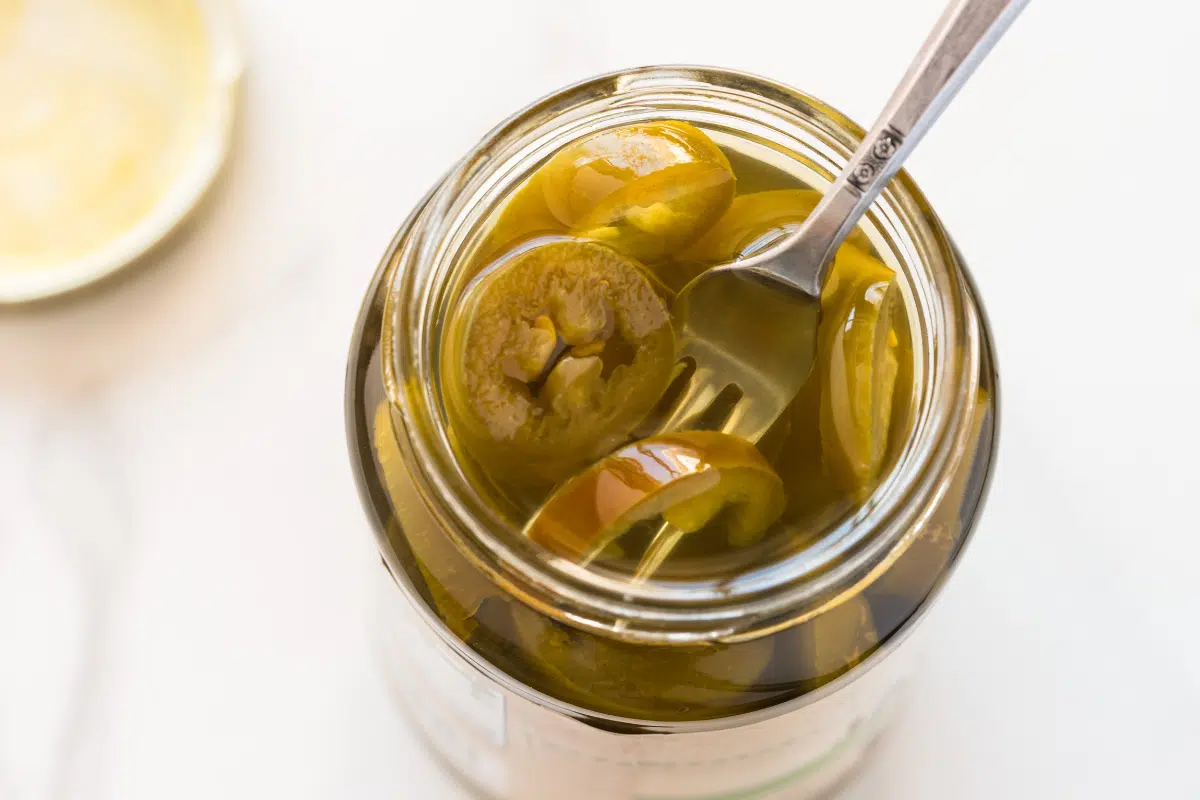
Cucumber ends, cabbage cores, carrot peels, and radish trimmings can all be turned into quick pickles or fermented vegetables. These methods extend shelf life while creating tangy, flavorful additions to meals. Fermentation also supports gut-friendly bacteria and adds complexity to simple dishes. It’s an easy way to preserve small amounts of leftover produce. Over time, it can significantly reduce kitchen waste.
Freeze Ingredients Before They Go Bad
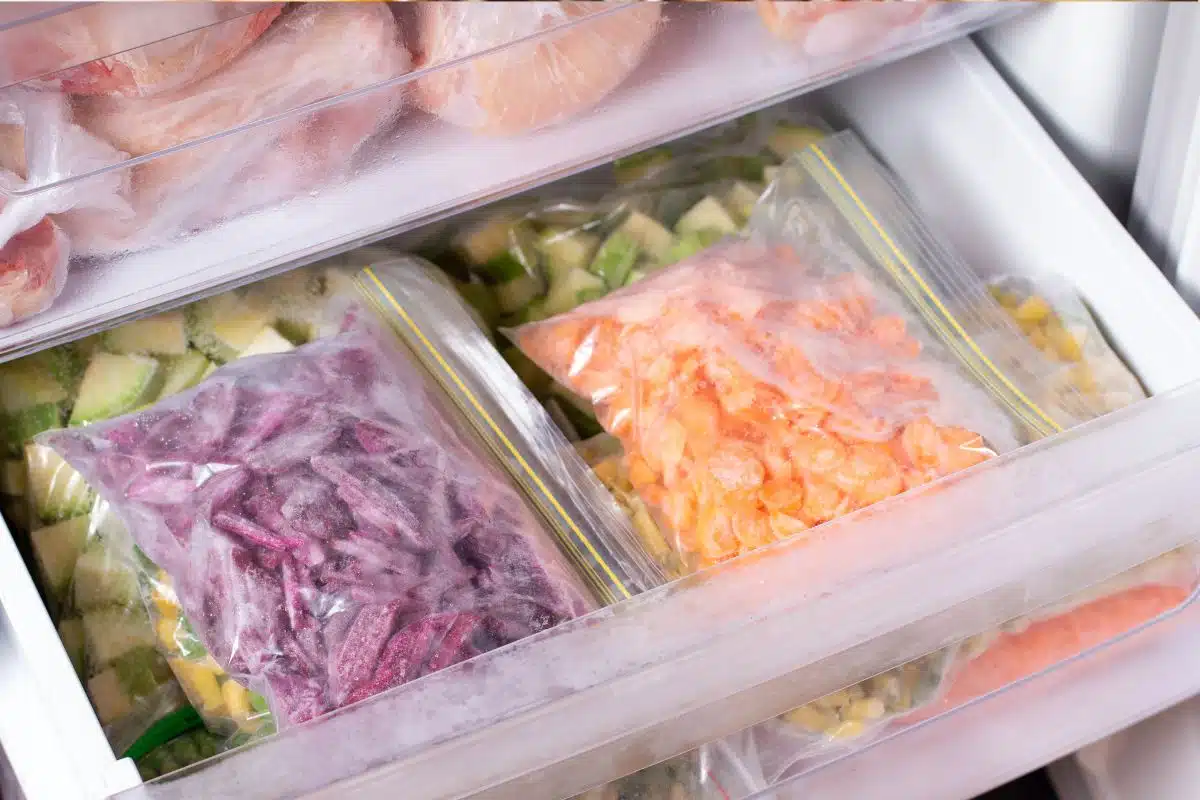
Freezing leftover vegetables, herbs, and even sauces helps prevent food from spoiling before you can use them. Items like chopped onions, herbs in oil, or leftover broth freeze especially well. This habit reduces last-minute waste and keeps ingredients ready for future meals. It also makes meal prep faster and more efficient. A well-organized freezer is one of the best tools for zero-waste cooking.
This post may contain affiliate links or sponsored content. Disclosure Policy