12 Everyday Foods With More Protein Than You Might Expect
Protein does much more than help build muscle. It supports immune function, helps maintain healthy skin and hair, promotes satiety, and provides steady energy throughout the day. While many people think of meat, poultry, and eggs as the primary sources of protein, plenty of other foods can contribute significantly to your daily intake. Some of these options may even surprise you, offering impressive amounts of protein along with fiber, vitamins, minerals, and other health benefits. Here are 13 protein-rich foods that deserve a place on your shopping list.
Greek Yogurt
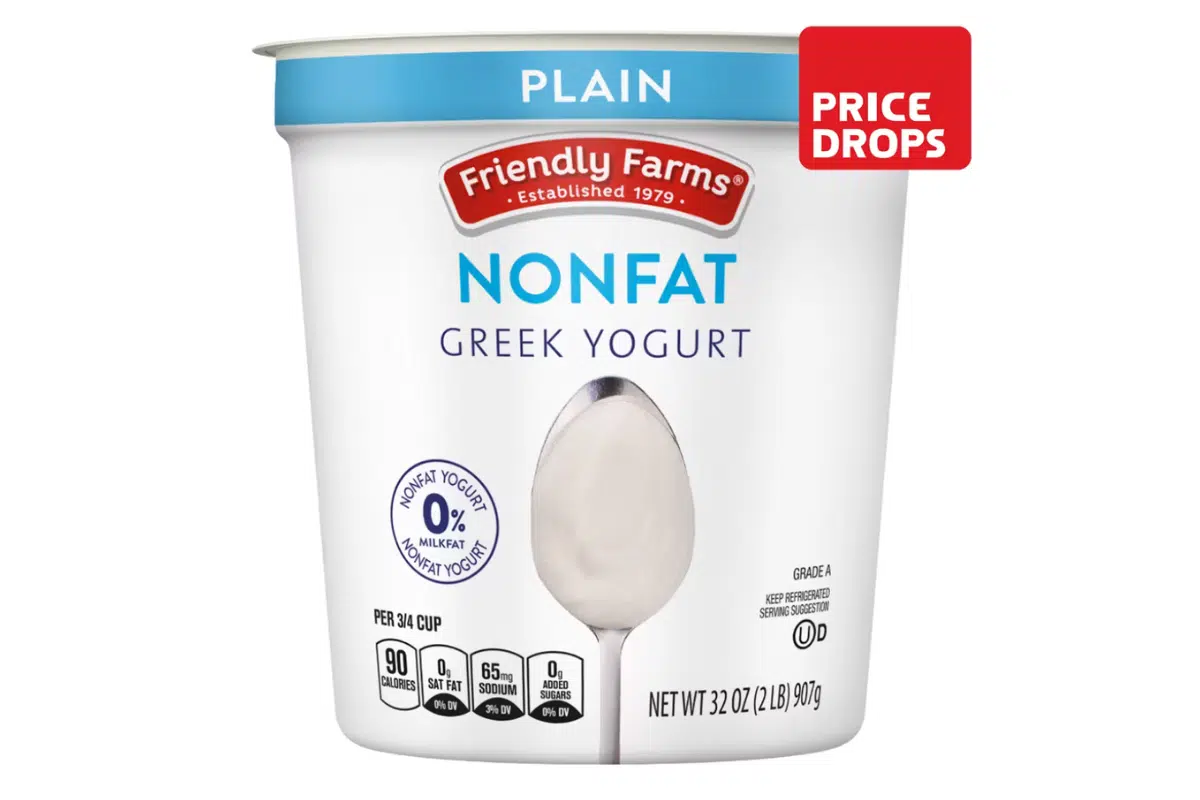
Greek yogurt has become a nutrition superstar for good reason. Thanks to a straining process that removes excess liquid, it contains substantially more protein than traditional yogurt, often providing 15 to 20 grams per serving. It’s also rich in calcium and probiotics, which support bone and digestive health. Enjoy it with fruit, blend it into smoothies, or use it as a substitute for sour cream in recipes.
Cottage Cheese

Cottage cheese is making a comeback as people rediscover its impressive nutritional profile. A single cup can provide more than 20 grams of protein while remaining relatively low in calories. Its mild flavor makes it incredibly versatile, pairing well with fruit, vegetables, or even blended into sauces and dips. It also contains casein protein, which digests slowly and helps keep you satisfied longer.
Lentils
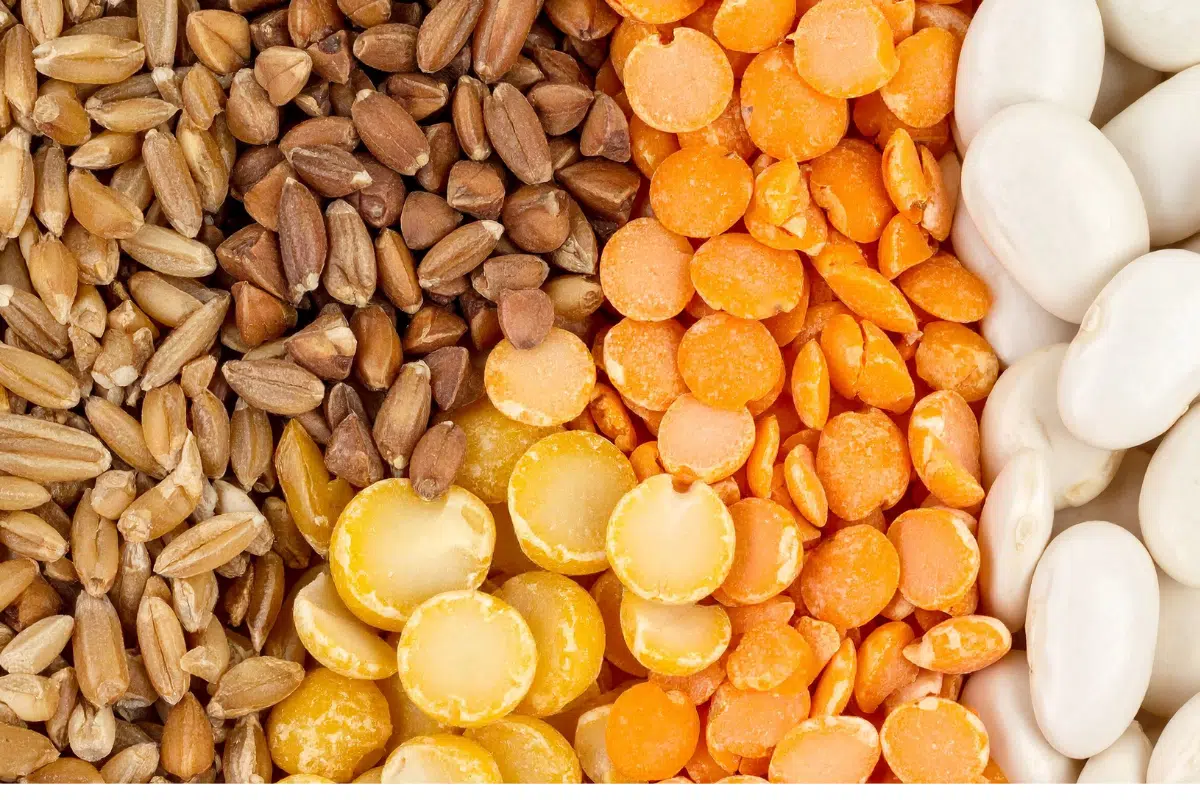
Lentils are one of the most affordable and nutritious plant-based protein sources available. A cooked cup provides roughly 18 grams of protein along with a generous dose of fiber, iron, and folate. Their hearty texture makes them an excellent addition to soups, curries, grain bowls, and salads. Because they’re shelf-stable and budget-friendly, lentils are a smart pantry staple for nearly any household.
Edamame
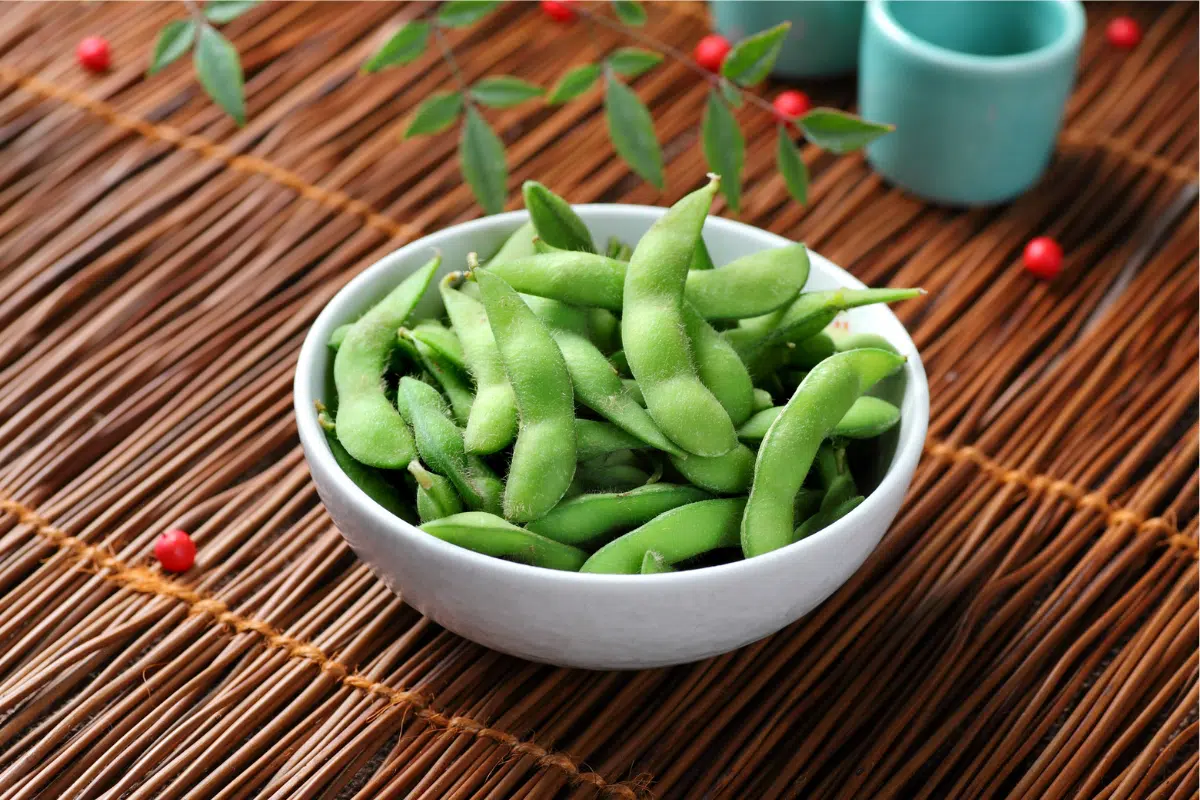
These bright green soybeans are often served as an appetizer, but they’re also a nutritional powerhouse. A cup of edamame contains around 17 grams of protein, making it one of the highest-protein plant foods. They’re also rich in fiber, vitamin K, and several important minerals. Whether eaten as a snack or added to stir-fries and salads, edamame delivers substantial nutrition in every bite.
Quinoa
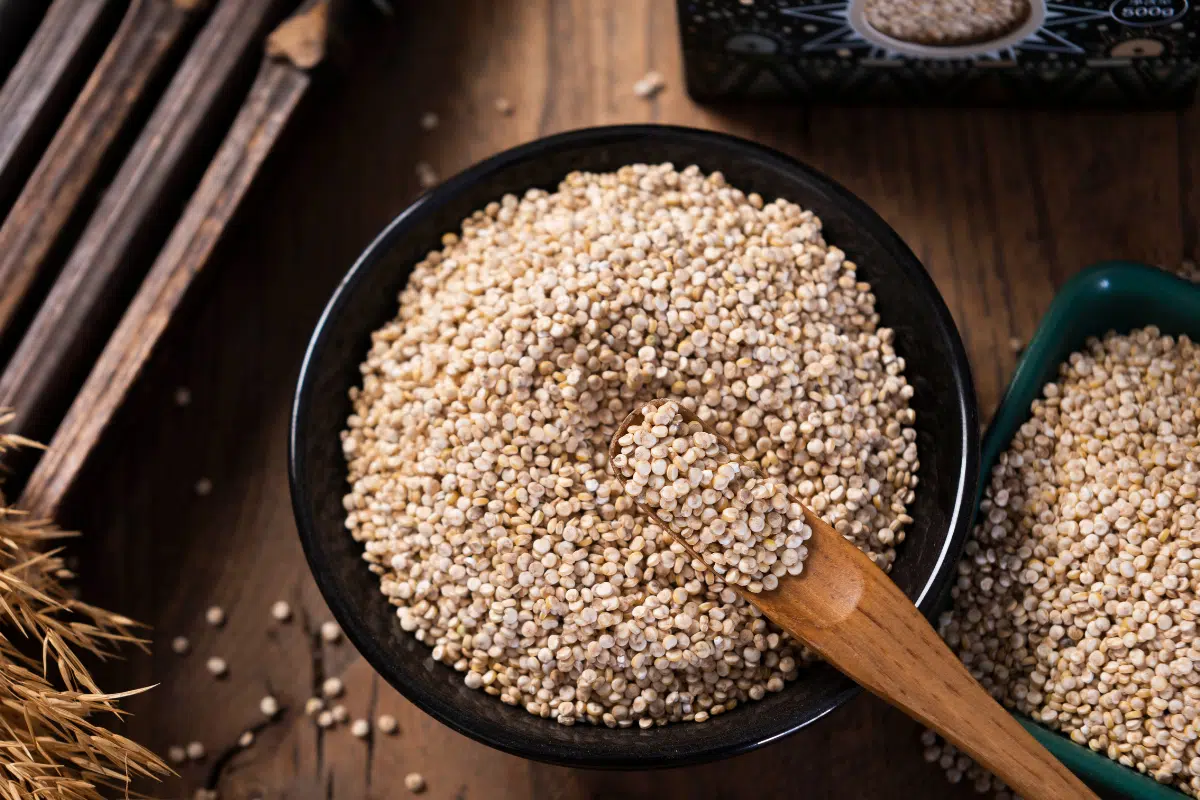
Quinoa stands out among grains because it contains all nine essential amino acids, making it a complete protein. One cooked cup provides about 8 grams of protein along with magnesium, manganese, and fiber. Its light, fluffy texture works well in everything from breakfast bowls to side dishes. Quinoa is also naturally gluten-free, making it a popular choice for many dietary needs.
Almonds
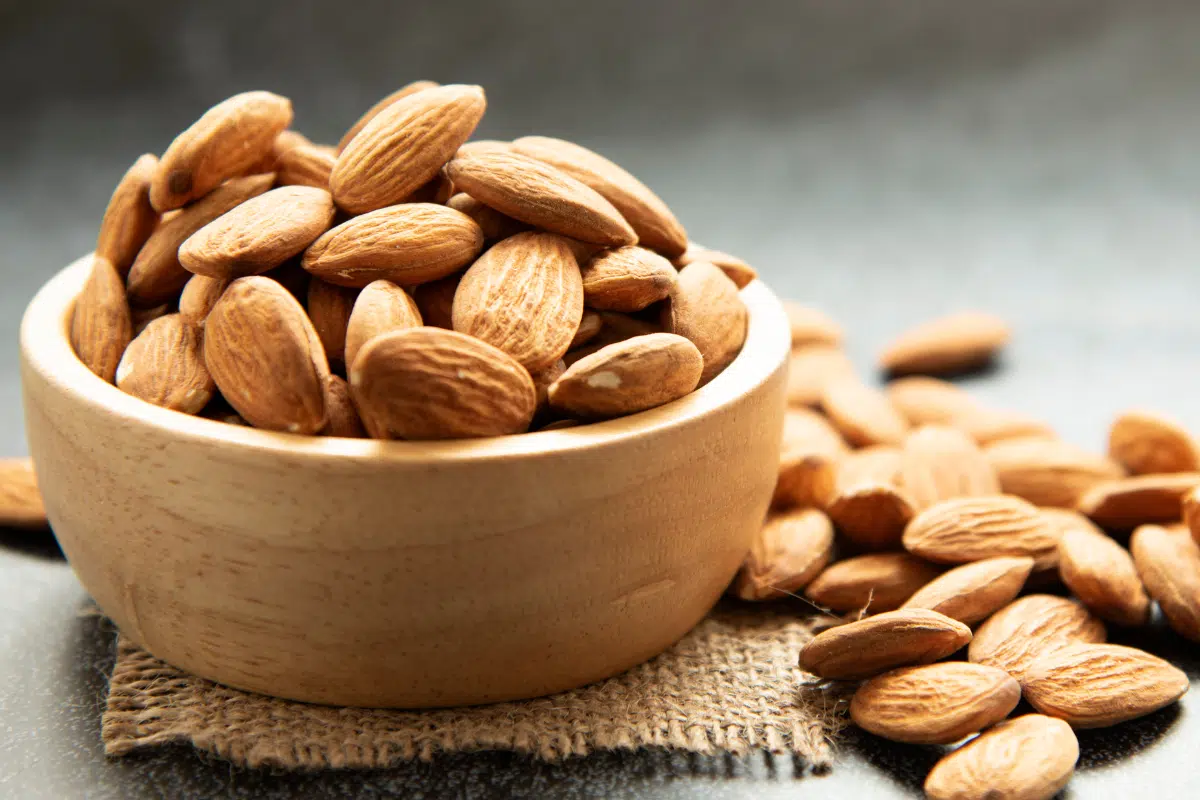
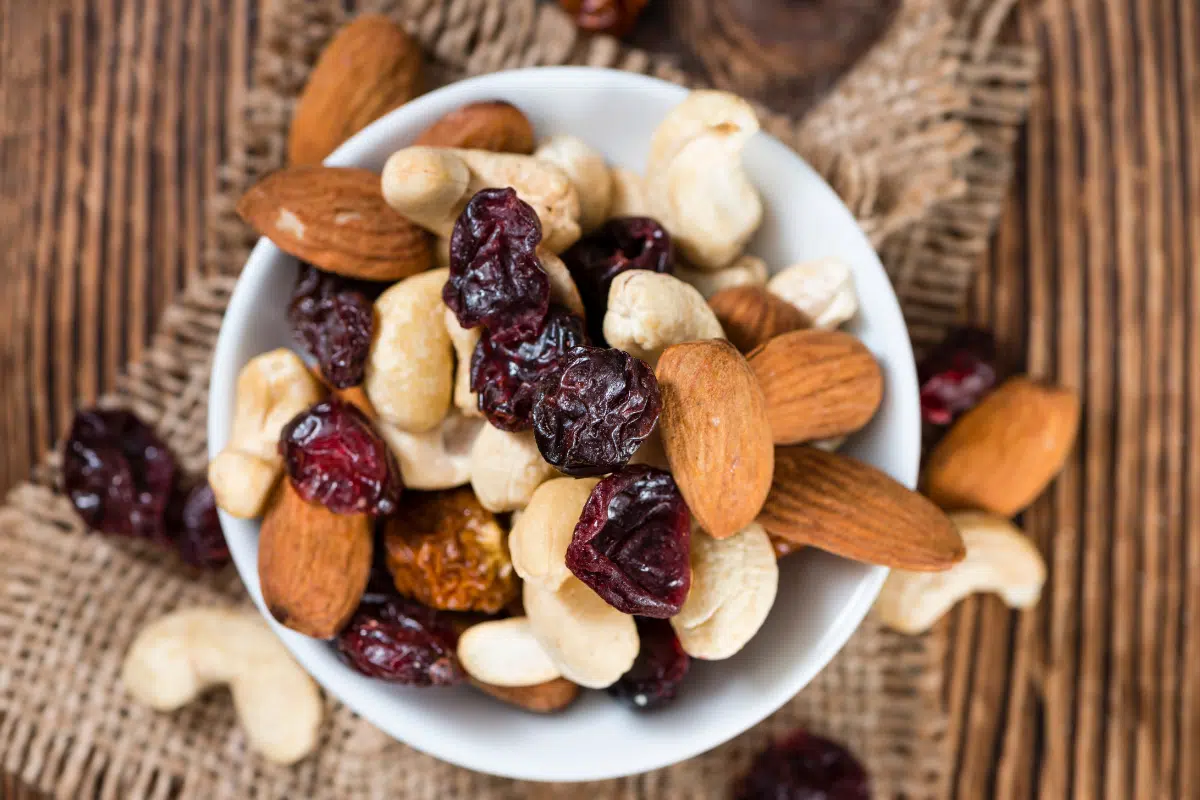
Almonds offer a satisfying combination of protein, healthy fats, and crunch. An ounce contains approximately 6 grams of protein, helping make snacks more filling and nutritious. They’re also rich in vitamin E, magnesium, and antioxidants that support overall health. Keep a handful on hand for an easy snack or add them to oatmeal, yogurt, and salads.
Chia Seeds
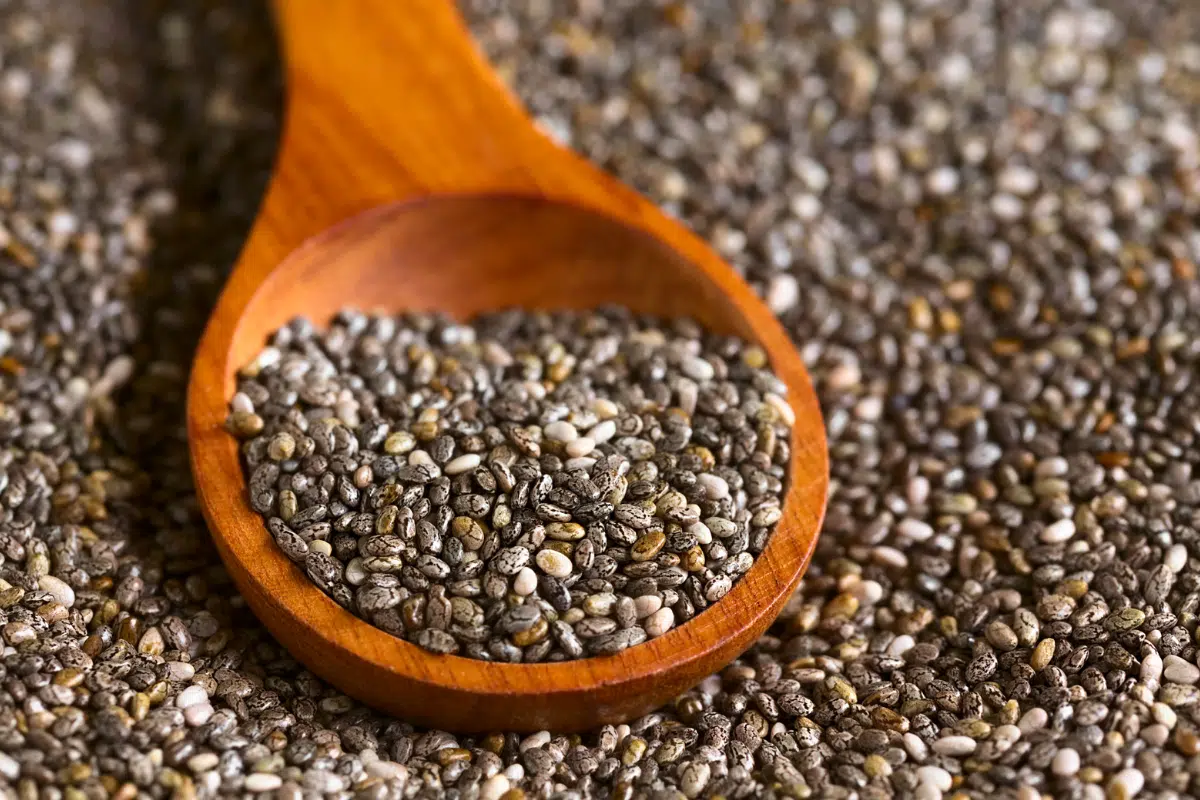
Despite their tiny size, chia seeds are loaded with nutrients. Two tablespoons provide around 5 grams of protein along with fiber and omega-3 fatty acids. When mixed with liquid, they form a gel-like texture that works perfectly in puddings, overnight oats, and smoothies. Their mild flavor makes them easy to incorporate into a variety of recipes.
Peanut Butter
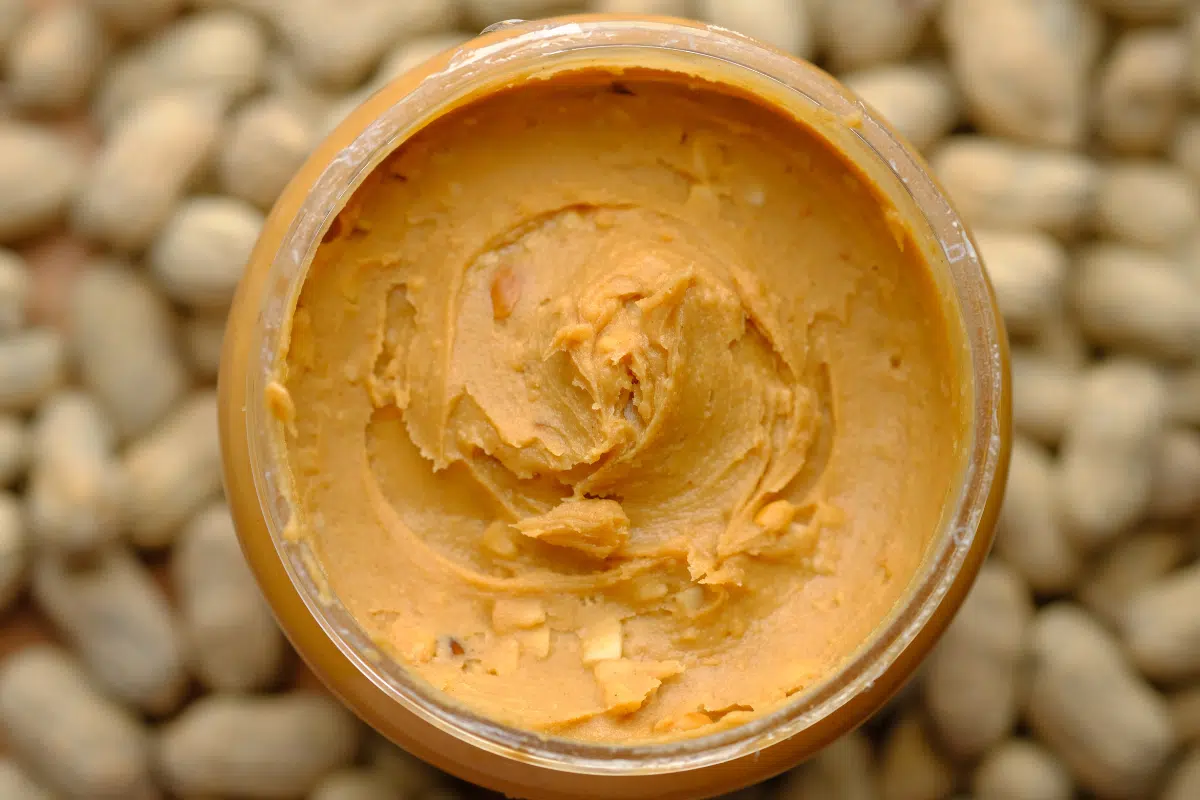
Peanut butter remains one of the most convenient protein-rich foods available. Two tablespoons contain about 8 grams of protein along with heart-healthy fats that help promote satiety. It pairs well with fruit, whole-grain toast, oatmeal, and smoothies. Choosing varieties with minimal added sugar and ingredients can help maximize its nutritional benefits.
Pumpkin Seeds
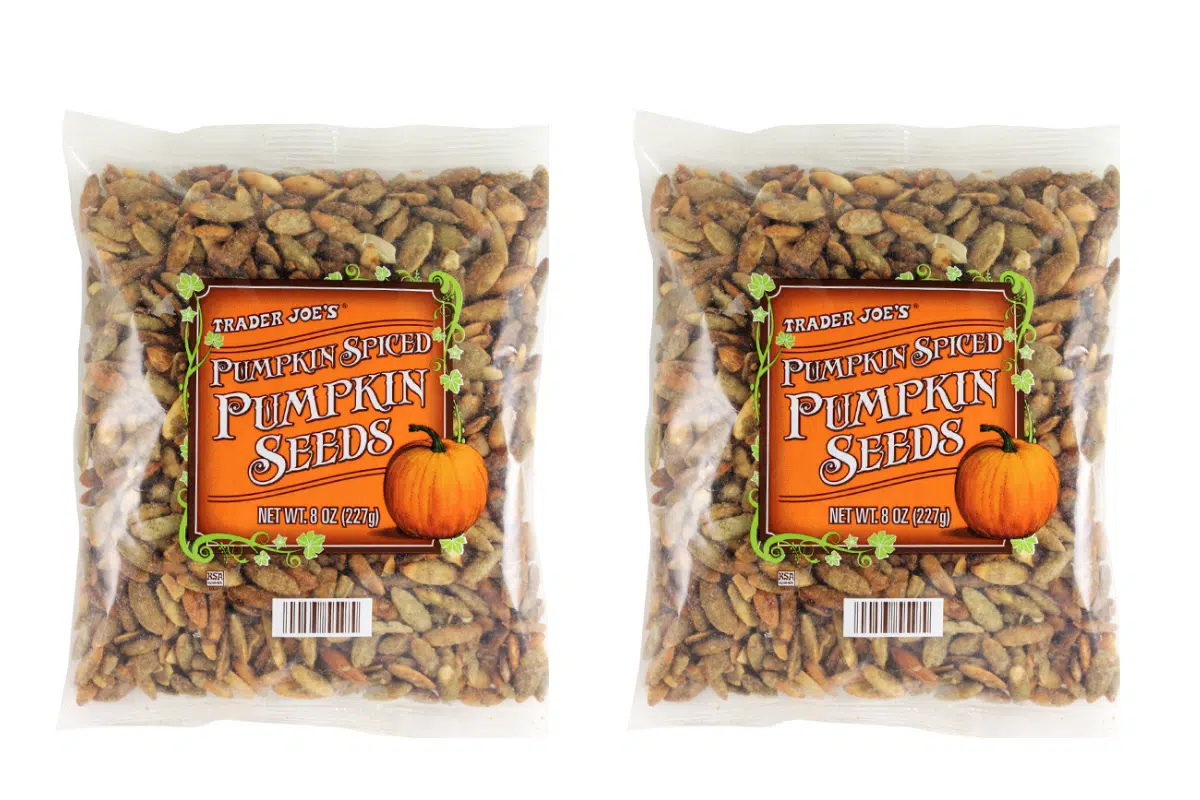
Often overlooked, pumpkin seeds are surprisingly rich in protein. A one-ounce serving provides about 7 grams, along with magnesium, zinc, and healthy fats. Their crunchy texture makes them a great topping for salads, soups, yogurt, and oatmeal. They’re also portable and shelf-stable, making them an easy snack to keep on hand.
Tuna

Tuna delivers a remarkable amount of protein in a relatively small serving. Just three ounces typically provide more than 20 grams of lean protein while remaining low in calories. It also supplies important nutrients such as selenium and vitamin B12. Whether packed in water or served fresh, tuna is a convenient way to boost protein intake.
Seitan

Seitan, made primarily from wheat gluten, is one of the highest-protein meat alternatives available. A typical serving can provide around 25 grams of protein, rivaling many animal-based options. Its dense, chewy texture closely resembles meat, making it popular in sandwiches, stir-fries, and plant-based entrées. It’s especially appealing for vegetarians looking to increase their protein intake.
Tempeh

Tempeh is made from fermented soybeans and offers a firm texture with a slightly nutty flavor. A three-ounce serving contains roughly 20 grams of protein along with fiber and beneficial plant compounds. The fermentation process may also improve digestibility compared to some other soy foods. Tempeh works beautifully in tacos, grain bowls, sandwiches, and stir-fries.
Spirulina

Spirulina may not be a household staple, but it’s one of the most nutrient-dense foods available. This blue-green algae provides about 8 grams of protein in just two tablespoons and contains a variety of vitamins, minerals, and antioxidants. Its earthy flavor is commonly masked by blending it into smoothies or protein drinks. For those looking to diversify their protein sources, spirulina offers a unique nutritional boost.
This post may contain affiliate links or sponsored content. Disclosure Policy