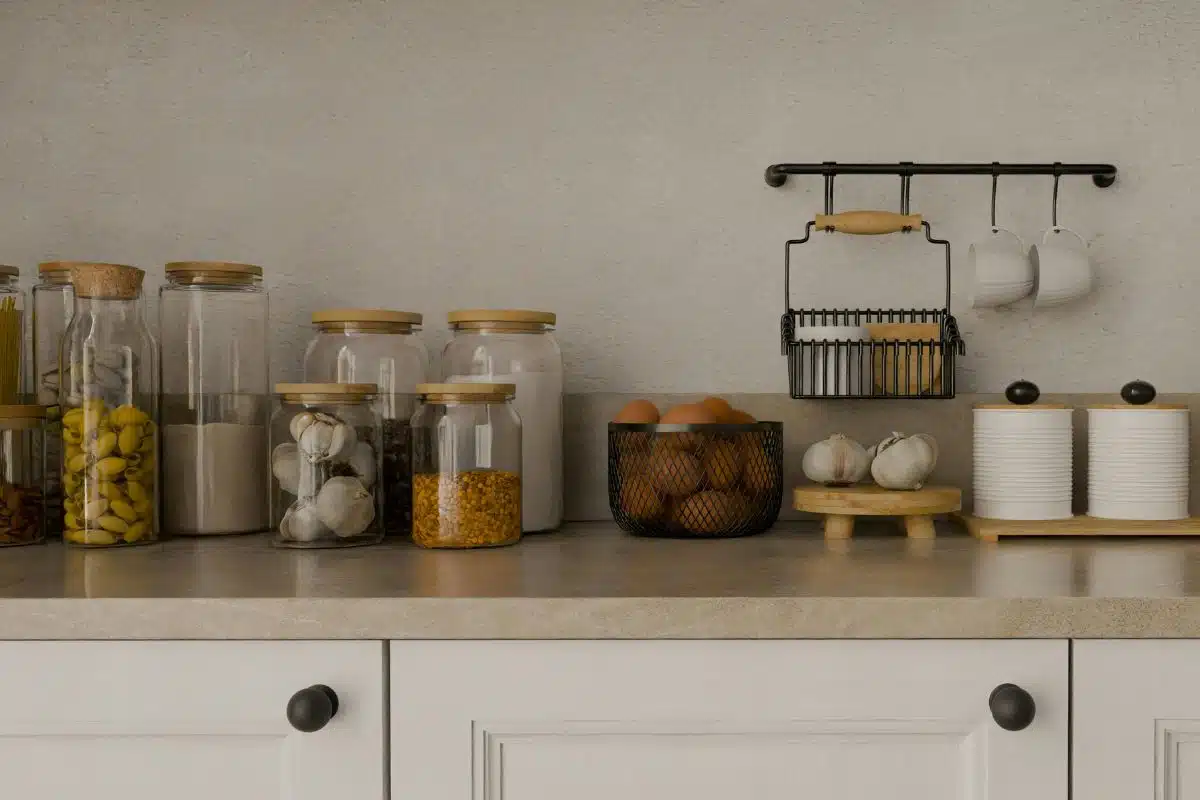
7 Cooking Methods That Can Help You Get More From Your Grocery Budget
With grocery prices remaining a concern for many households, finding ways to make meals more affordable is more important than ever. The good news is that saving money in the kitchen isn’t always about buying less—it’s often about cooking smarter. A few simple techniques can help you stretch ingredients further, reduce food waste, and get more meals from every grocery trip. Whether you’re feeding a family or cooking for one, these budget-friendly cooking methods can help you make the most of what you have.
Batch Cooking
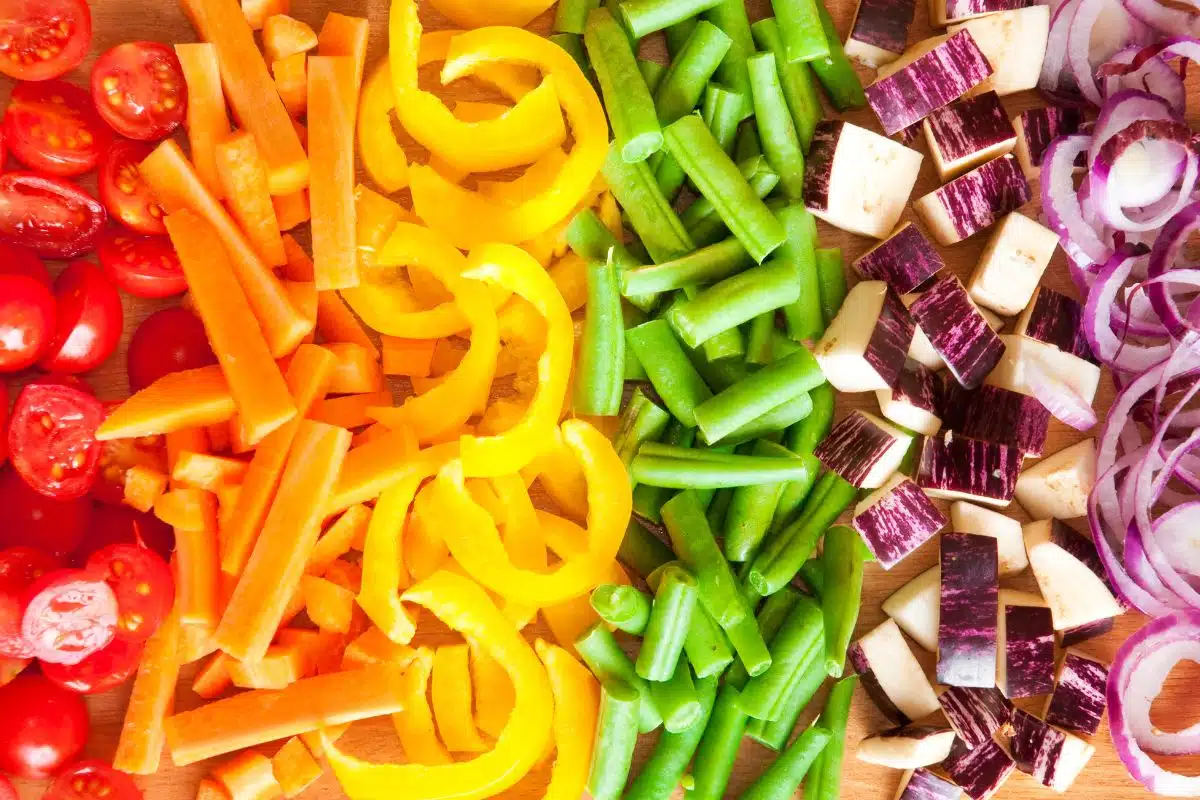
Batch cooking remains one of the most effective ways to save money and reduce stress during busy weeks. Preparing large quantities of soups, chili, pasta sauce, or casseroles allows you to take advantage of sales on ingredients and cook more efficiently. Portions can be refrigerated for several days or frozen for future meals, helping you avoid costly takeout on hectic nights. As an added bonus, cooking larger batches often uses less energy than preparing multiple smaller meals throughout the week.
One-Pot Meals

One-pot meals are a budget-conscious cook’s best friend because they make excellent use of affordable ingredients while minimizing cleanup. Combining grains, vegetables, beans, and proteins in a single pot creates satisfying meals without requiring numerous ingredients or cooking tools. Dishes like soups, stews, skillet pasta, and rice bowls can easily be adapted based on what’s already in your pantry. They’re also ideal for using up vegetables and leftovers before they go to waste.
Slow Cooking
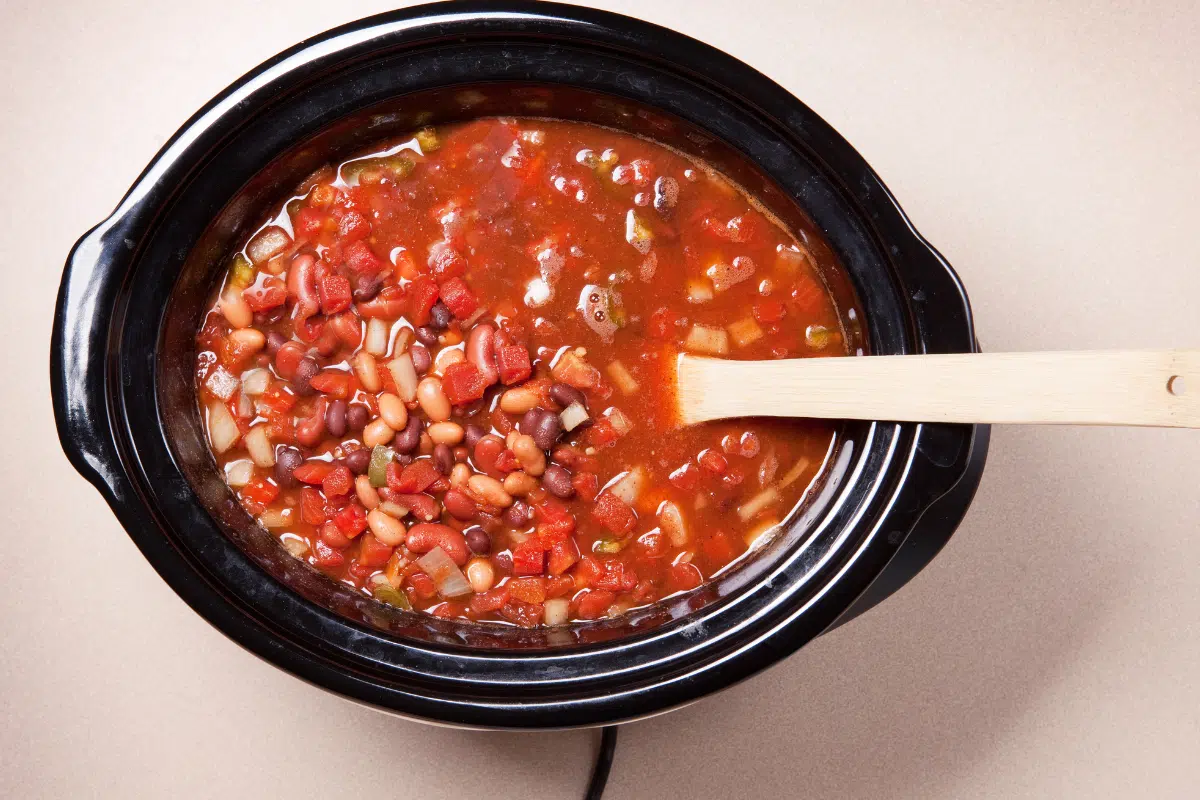
Slow cookers can transform inexpensive ingredients into flavorful, comforting meals. Tough cuts of meat, dried beans, and hearty vegetables become tender after several hours of gentle cooking, allowing you to save money without sacrificing taste. Slow cooking also requires minimal hands-on effort, making it easy to prepare meals while handling other tasks. Many recipes produce multiple servings, creating leftovers that can be enjoyed throughout the week.
Roasting Vegetables
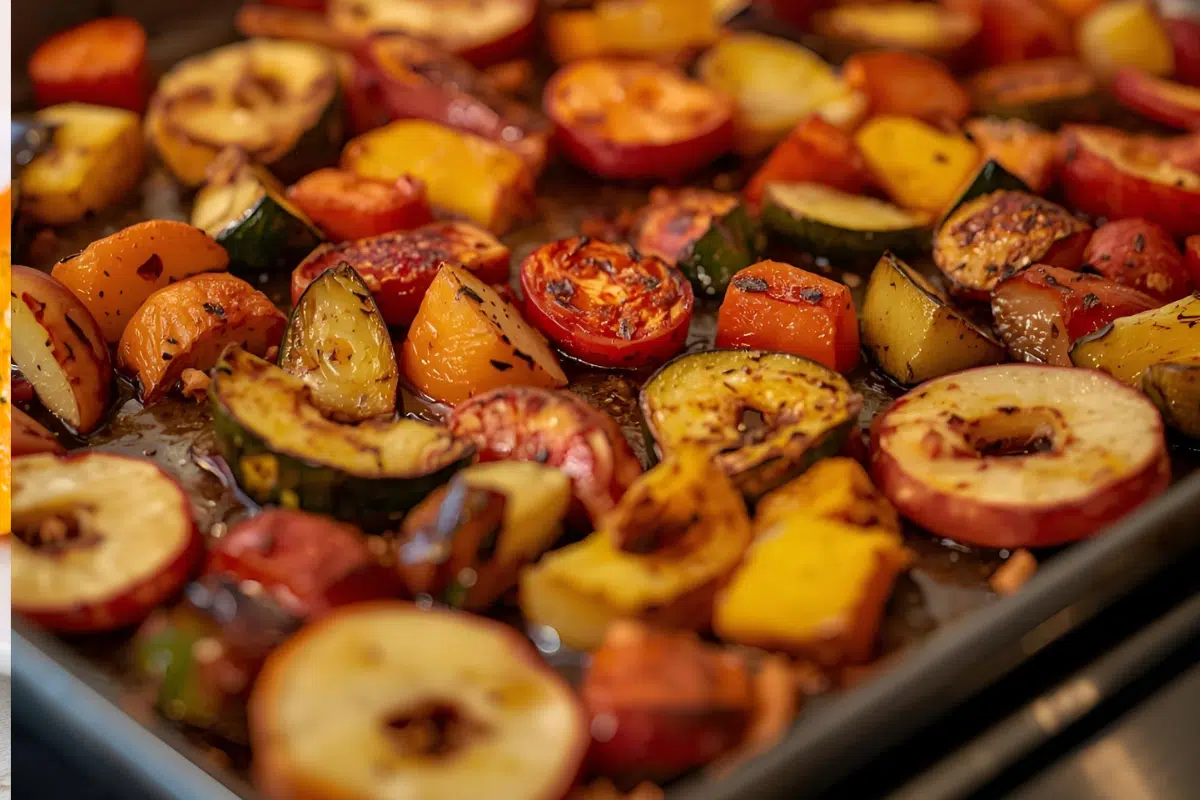
Roasting is one of the easiest ways to elevate affordable vegetables into something truly satisfying. The high heat caramelizes natural sugars, creating rich flavor and appealing texture without expensive ingredients. Seasonal vegetables purchased on sale can be roasted in large batches and used throughout the week in salads, grain bowls, wraps, and side dishes. This simple technique can help make budget-friendly produce feel far more exciting.
Freezer-Friendly Meal Prep
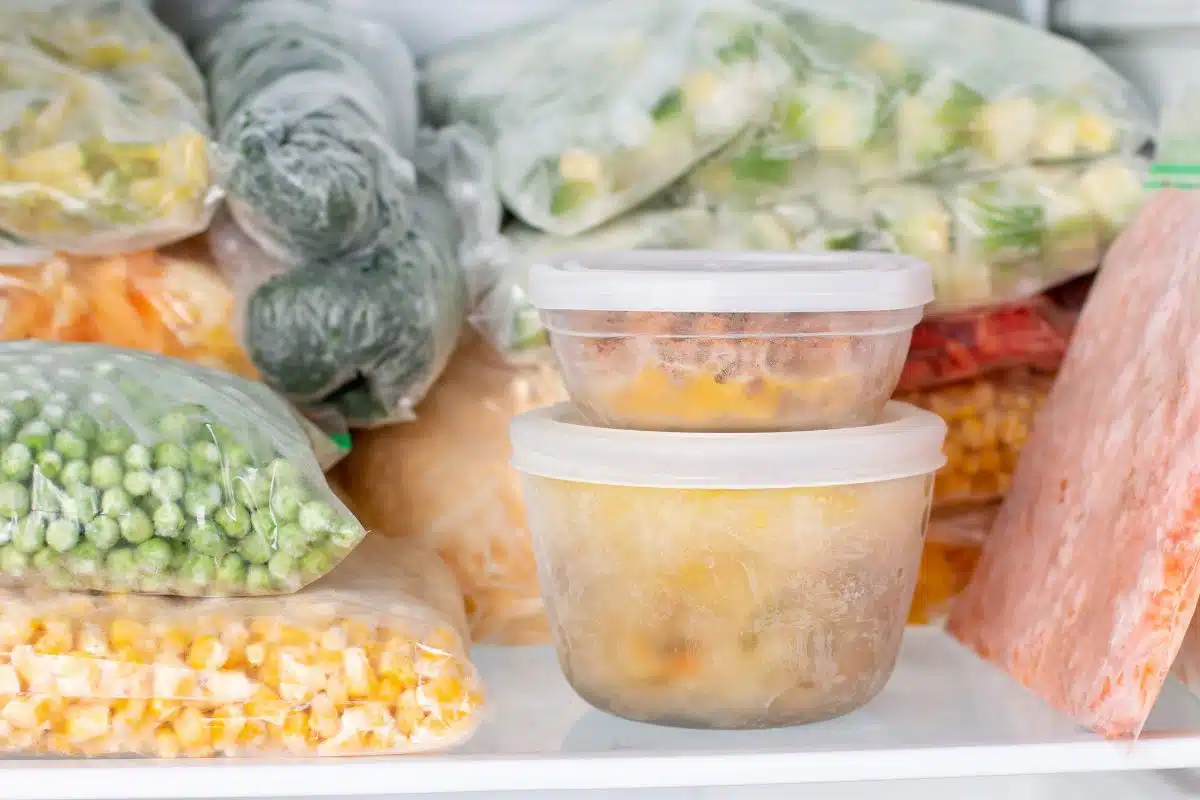
Your freezer can be one of the most valuable money-saving tools in the kitchen. Preparing ingredients ahead of time and freezing them helps extend their shelf life and prevents costly food waste. Cooked grains, chopped vegetables, soups, sauces, and portioned proteins can all be stored for future use. Having ready-to-cook ingredients on hand also makes it easier to resist the temptation of expensive convenience foods.
Stir-Frying

Stir-frying is an excellent way to create flavorful meals using small amounts of protein and plenty of vegetables. Because ingredients cook quickly over high heat, this method uses relatively little energy while preserving texture and flavor. It’s also perfect for repurposing leftovers that might otherwise be discarded. A handful of vegetables, leftover rice, and a small portion of meat can quickly become a complete and satisfying meal.
Building Meals Around Pantry Staples

Some of the most budget-friendly meals start with ingredients you already have on hand. Staples such as beans, lentils, rice, pasta, oats, canned tomatoes, and canned vegetables are inexpensive, versatile, and have a long shelf life. Learning to build meals around these items reduces dependence on costly specialty ingredients and last-minute grocery runs. A well-stocked pantry provides the foundation for dozens of affordable and nutritious meals.
Your Wallet Will Thank You

Saving money in the kitchen doesn’t require complicated budgeting strategies or extreme couponing. Often, the biggest savings come from simple habits like cooking larger batches, making better use of leftovers, and choosing versatile ingredients. By incorporating a few of these techniques into your routine, you can enjoy delicious homemade meals while getting more value from every grocery trip. Your budget—and your future self—will appreciate the effort.
Use Every Part of Your Ingredients
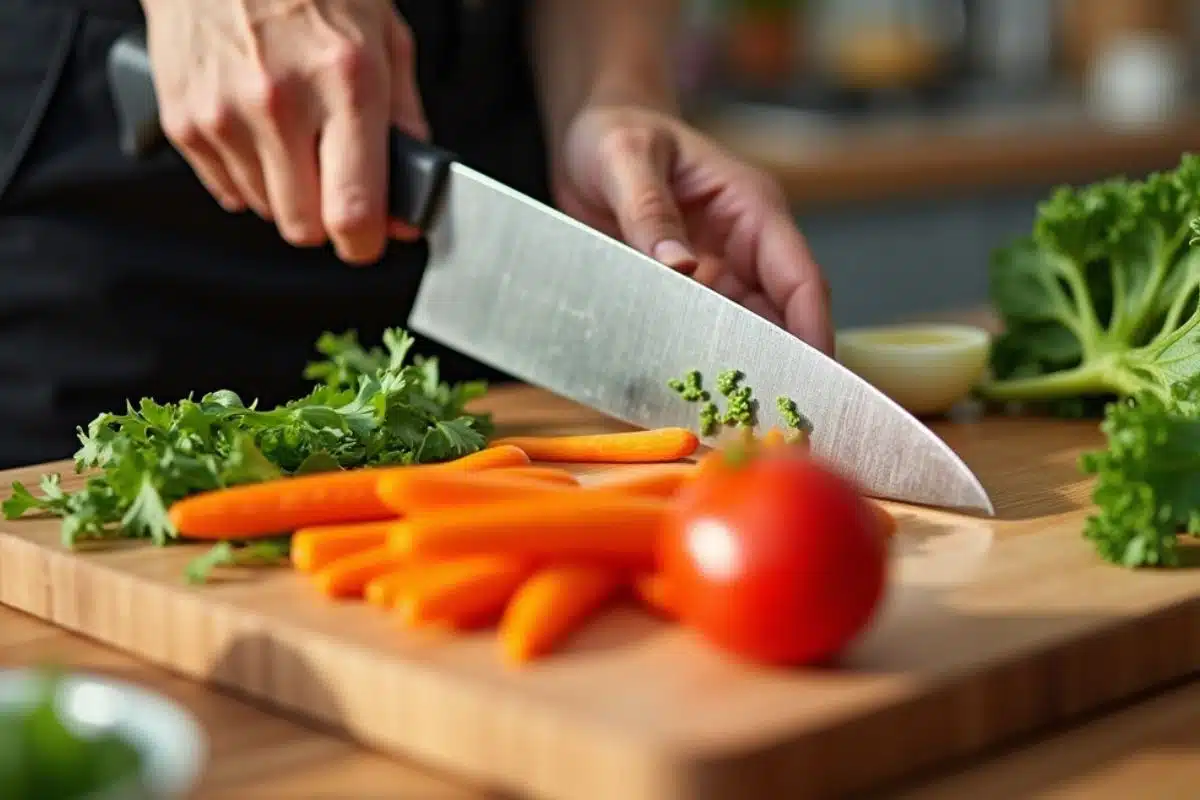
One of the most overlooked money-saving techniques is finding ways to use ingredients that often get discarded. Vegetable scraps can be turned into homemade stock, stale bread can become croutons or breadcrumbs, and leftover herbs can be blended into sauces or frozen for later use. Making the most of every ingredient helps stretch your grocery budget while reducing household food waste. Over time, these small savings can add up significantly.
This post may contain affiliate links or sponsored content. Disclosure Policy