6 Sushi Myths You’ve Probably Believed—But Are Totally Wrong
Sushi has become one of the most popular global foods, but there’s still plenty of confusion about what it actually is, how it should be eaten, and what’s “authentic.” Over time, a number of myths have spread that can actually take away from the experience of enjoying it. From misconceptions about raw fish to the “proper” way to use soy sauce, many of these beliefs simply aren’t true. Here are six common sushi myths you can finally stop worrying about.
Myth 1: Sushi Always Means Raw Fish
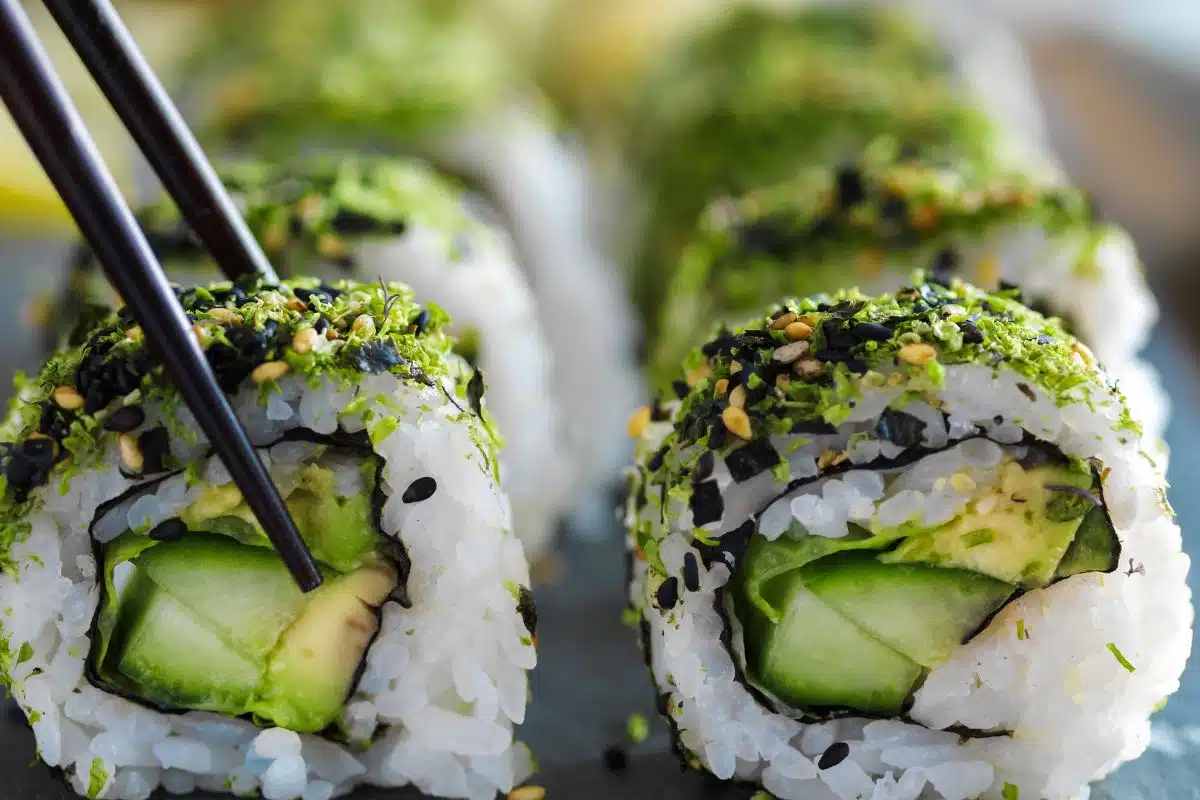
One of the biggest misconceptions is that sushi automatically means raw fish. In reality, the word “sushi” refers to vinegared rice, not the toppings. Many popular sushi options include cooked ingredients like shrimp tempura, eel, or even vegetables and egg. If you don’t eat raw fish, there are still plenty of sushi choices to enjoy.
Myth 2: Sushi Must Contain Fish at All
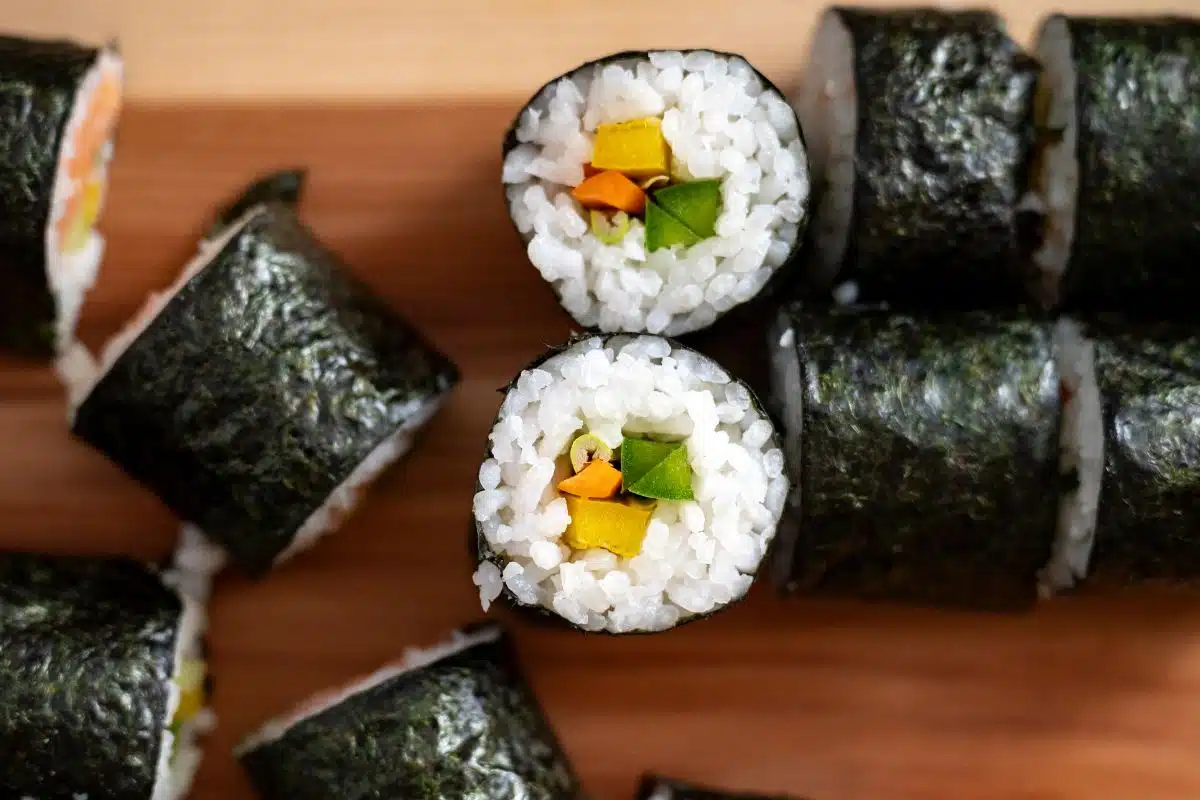
Sushi doesn’t even have to include seafood at all. Vegetarian rolls featuring avocado, cucumber, pickled radish, or tofu are extremely common in Japan and around the world. These options are just as traditional in their own way and are often used to highlight the rice and seasoning. Sushi is more flexible than many people realize.
Myth 3: You Must Use Chopsticks
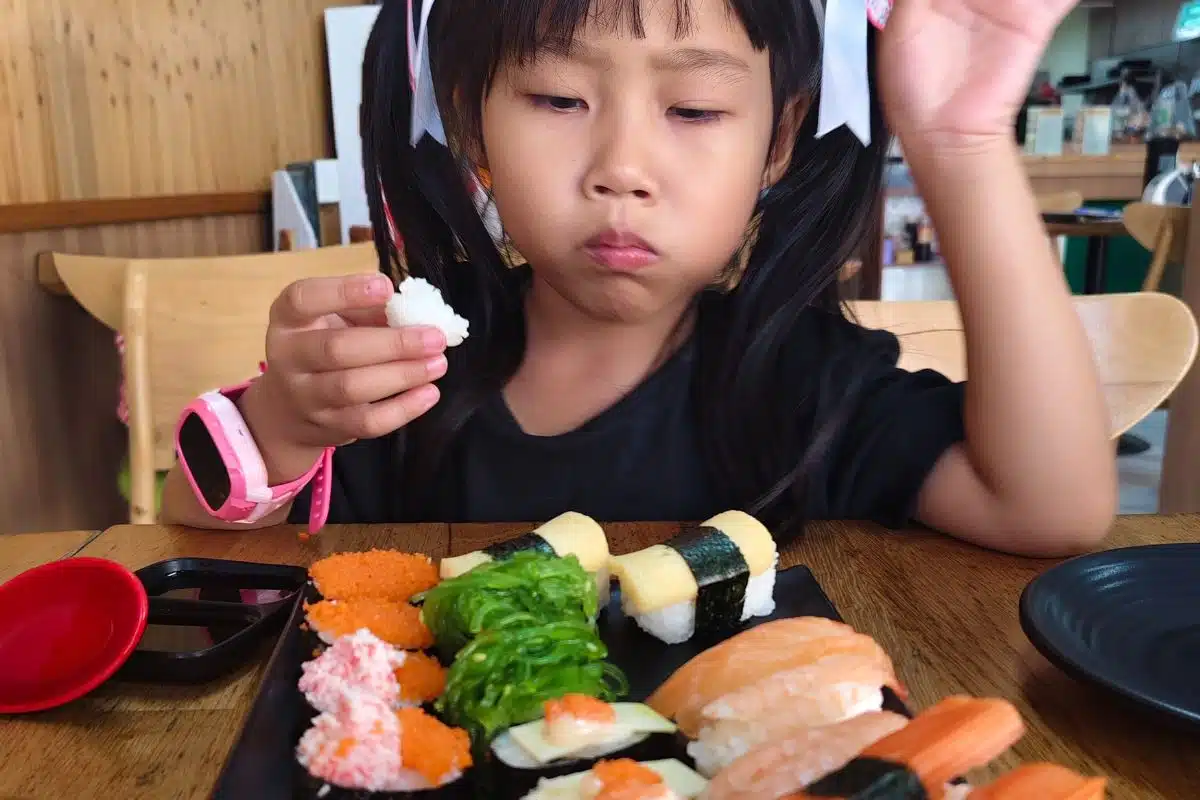
While chopsticks are commonly used, they are not required when eating sushi. In fact, it is completely acceptable in Japan to eat sushi with your hands, especially nigiri. The most important thing is enjoying the food—not using the “perfect” utensil. Many sushi chefs even encourage hand-eating for certain types.
Myth 4: Soy Sauce Should Soak the Sushi
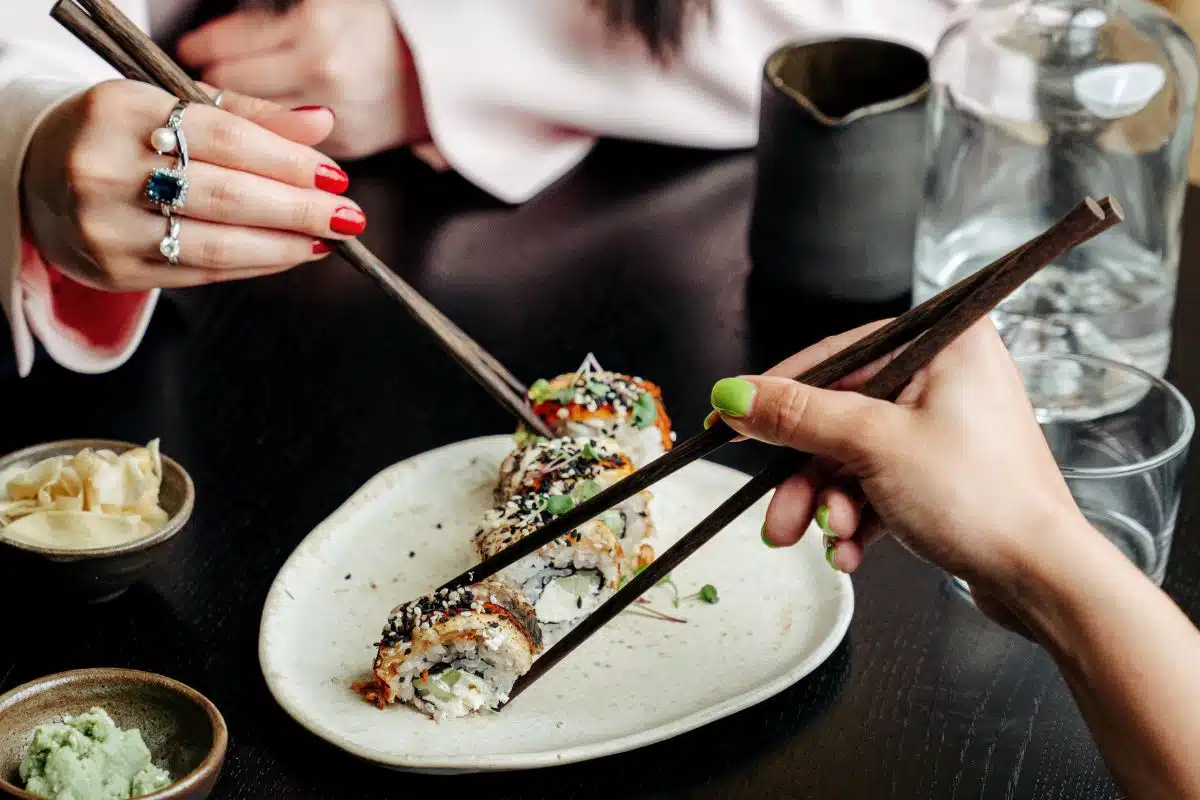
Drowning sushi in soy sauce is actually discouraged in traditional sushi etiquette. The goal is to lightly dip the fish—not the rice—to avoid overpowering the delicate flavors. Too much soy sauce can also cause the rice to fall apart. A small dip is usually more than enough.
Myth 5: All Sushi Is Healthy
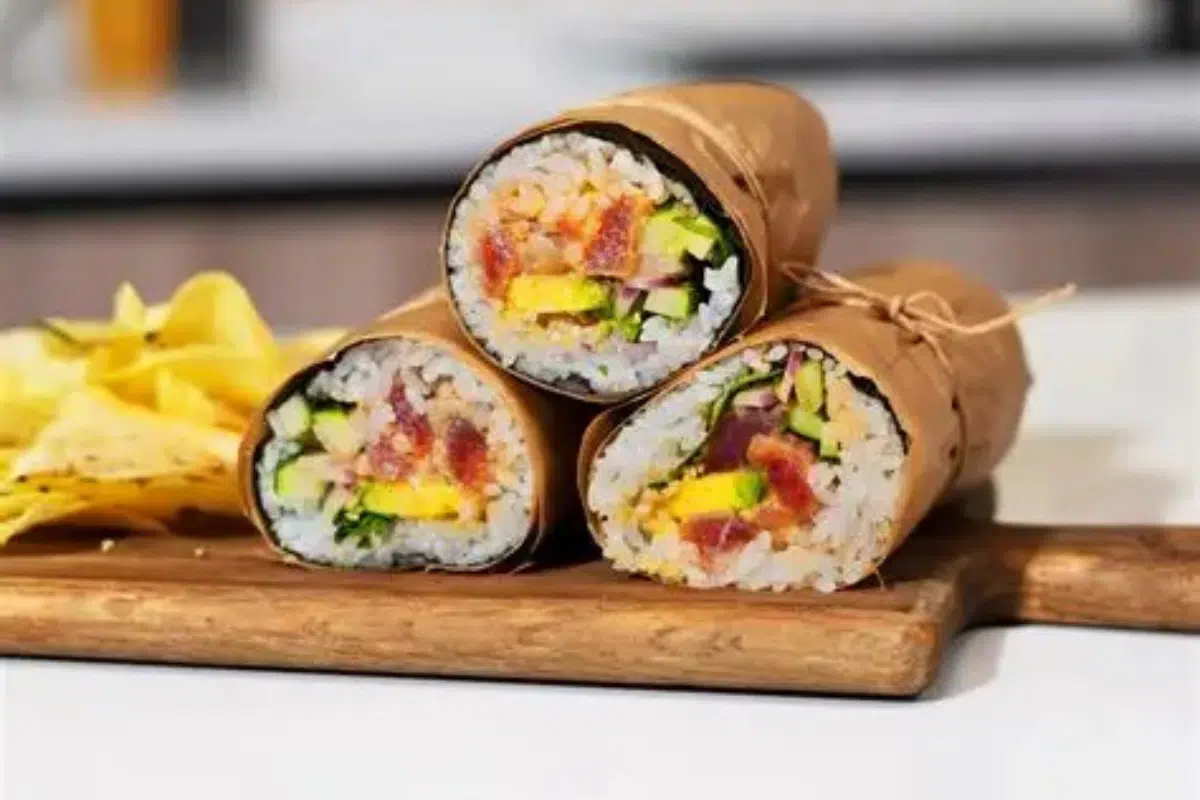
While sushi can be a nutritious meal, not all rolls are automatically healthy. Some popular options include fried ingredients, creamy sauces, or large amounts of mayonnaise-based toppings. These additions can significantly increase calories and fat content. Like any cuisine, it depends on what you order.
Myth 6: Sushi Must Be Eaten Immediately
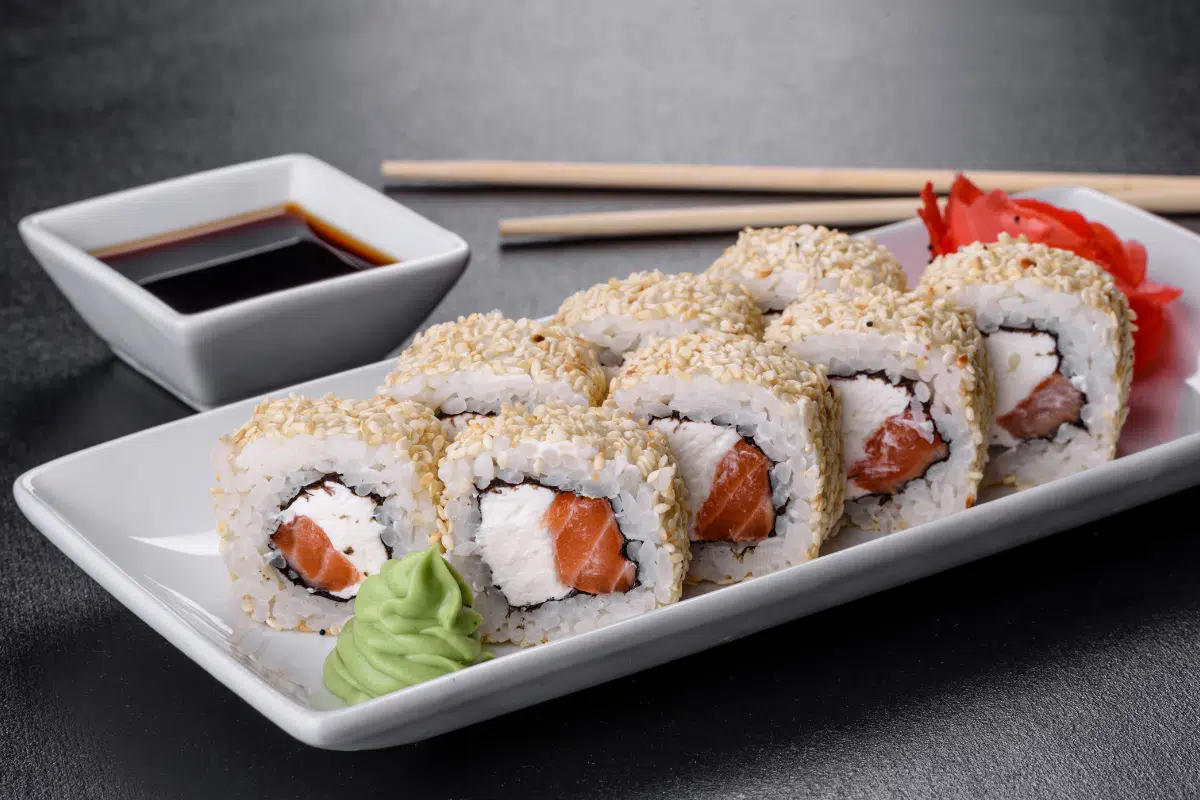
While sushi is best enjoyed fresh, it doesn’t need to be eaten within seconds of being served. In many cases, it’s fine to take a moment to appreciate the presentation and eat at a comfortable pace. That said, letting it sit too long can affect texture and flavor. The key is enjoying it while it’s still fresh—not rushing it unnecessarily.
This post may contain affiliate links or sponsored content. Disclosure Policy