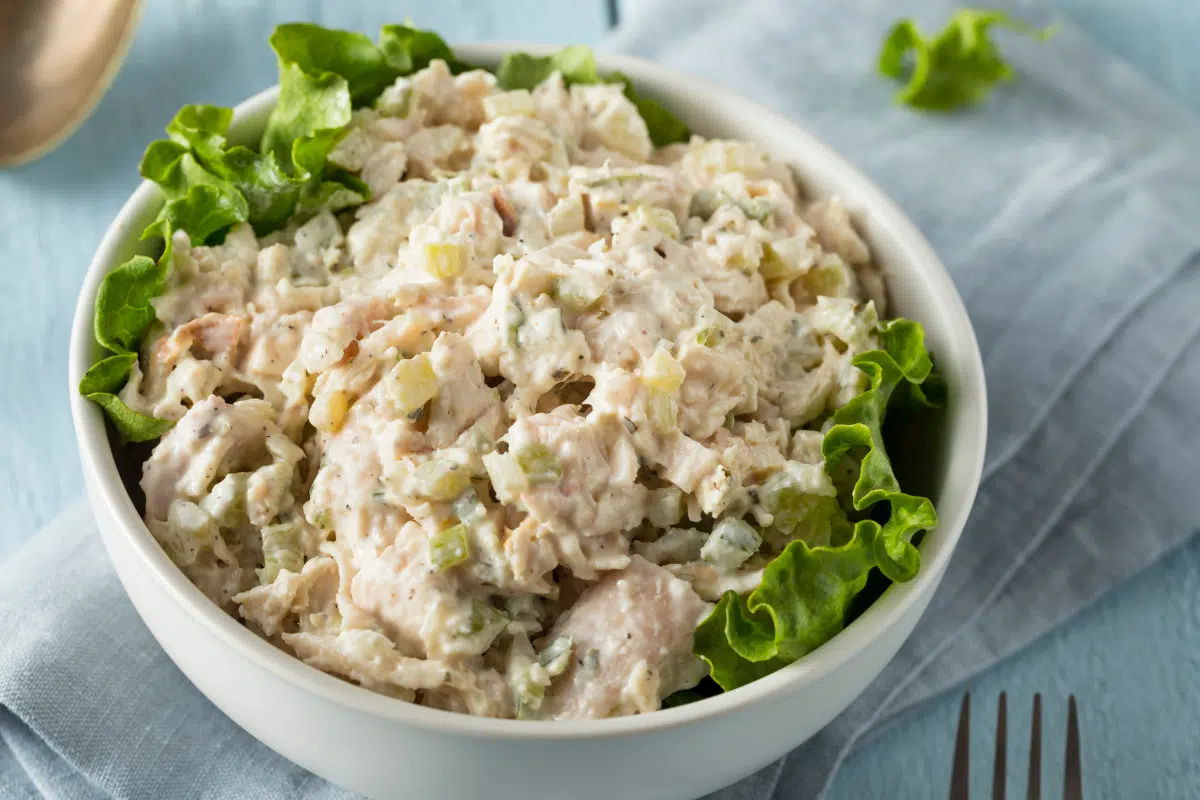
10 Foods That May Help Support Better Focus and Concentration
What you eat can be part of an overall eating pattern that supports brain and heart health. Foods such as fish, berries, nuts, vegetables, and tea provide nutrients and plant compounds that researchers have studied for their potential connection to cognitive health. While no single food can guarantee better memory or focus, these nutritious choices can be part of a balanced diet that supports your brain as you age.
Fatty Fish

Salmon, sardines, mackerel, and other fatty fish are rich in omega-3 fatty acids, including DHA, which is an important component of brain cell membranes. Research has examined omega-3s for their potential role in cognitive health, although results from human studies have been mixed. Adding fatty fish to your meals is still a nutritious way to get protein and beneficial fats.
Blueberries
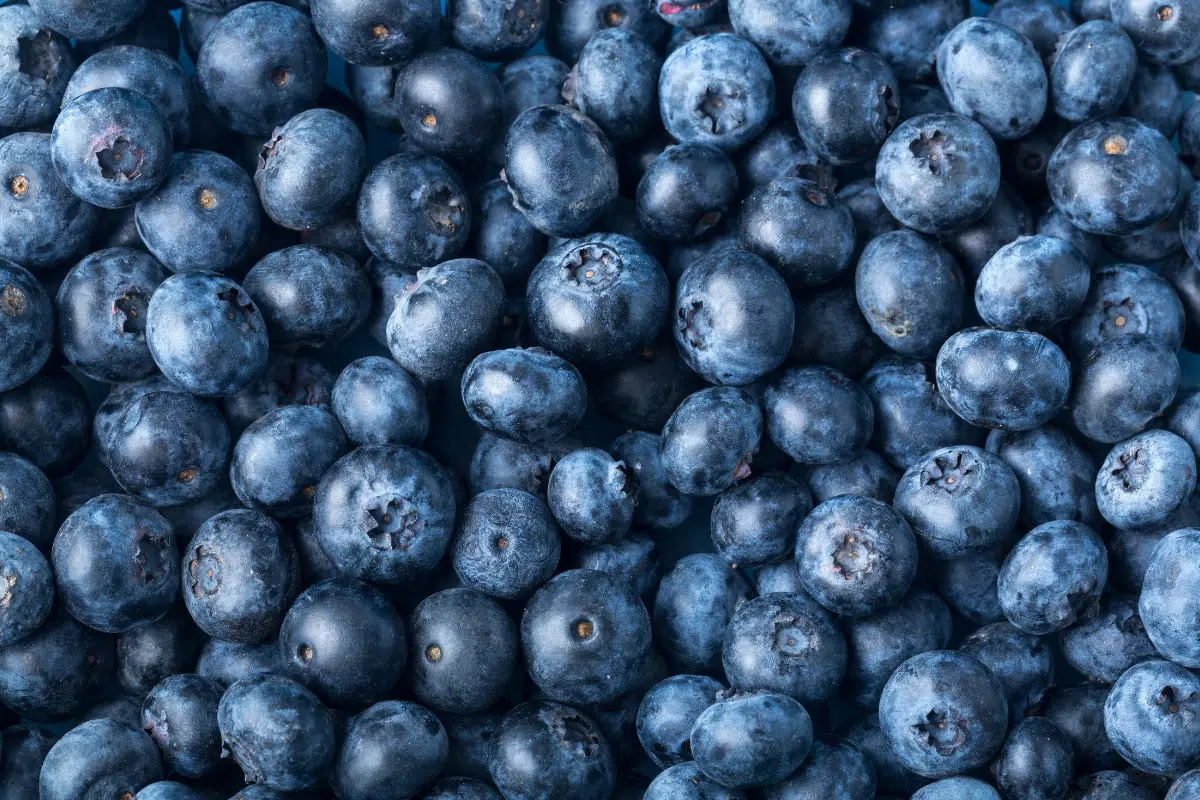
Blueberries are rich in flavonoids and other plant compounds that have been studied for their potential effects on brain health. They also provide fiber and vitamin C while being naturally sweet. Add them to oatmeal, yogurt, smoothies, or enjoy them on their own for an easy snack.
Turmeric
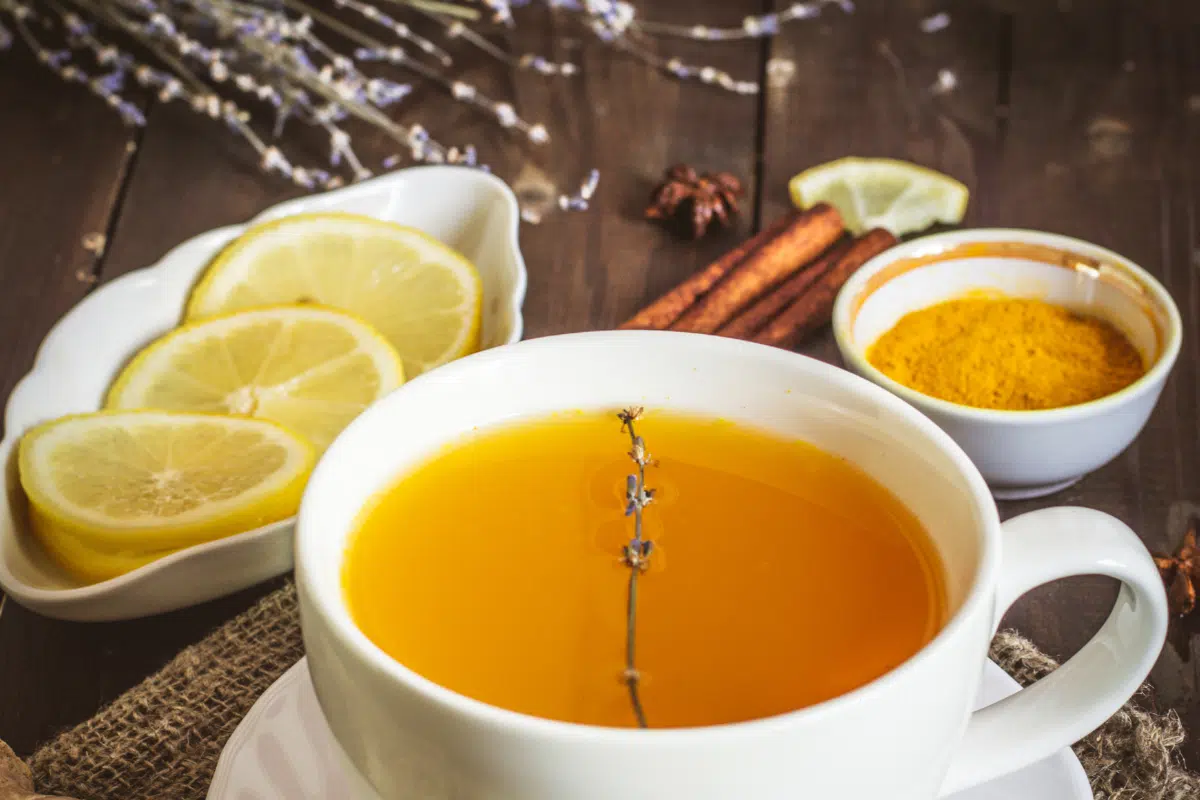
Turmeric contains curcumin, a plant compound with antioxidant and anti-inflammatory properties that researchers have studied for possible effects on cognitive health. While the research is interesting, evidence is not strong enough to say that turmeric will improve memory or prevent cognitive decline. Use the spice in curries, soups, roasted vegetables, or golden milk for flavor and variety.
Broccoli
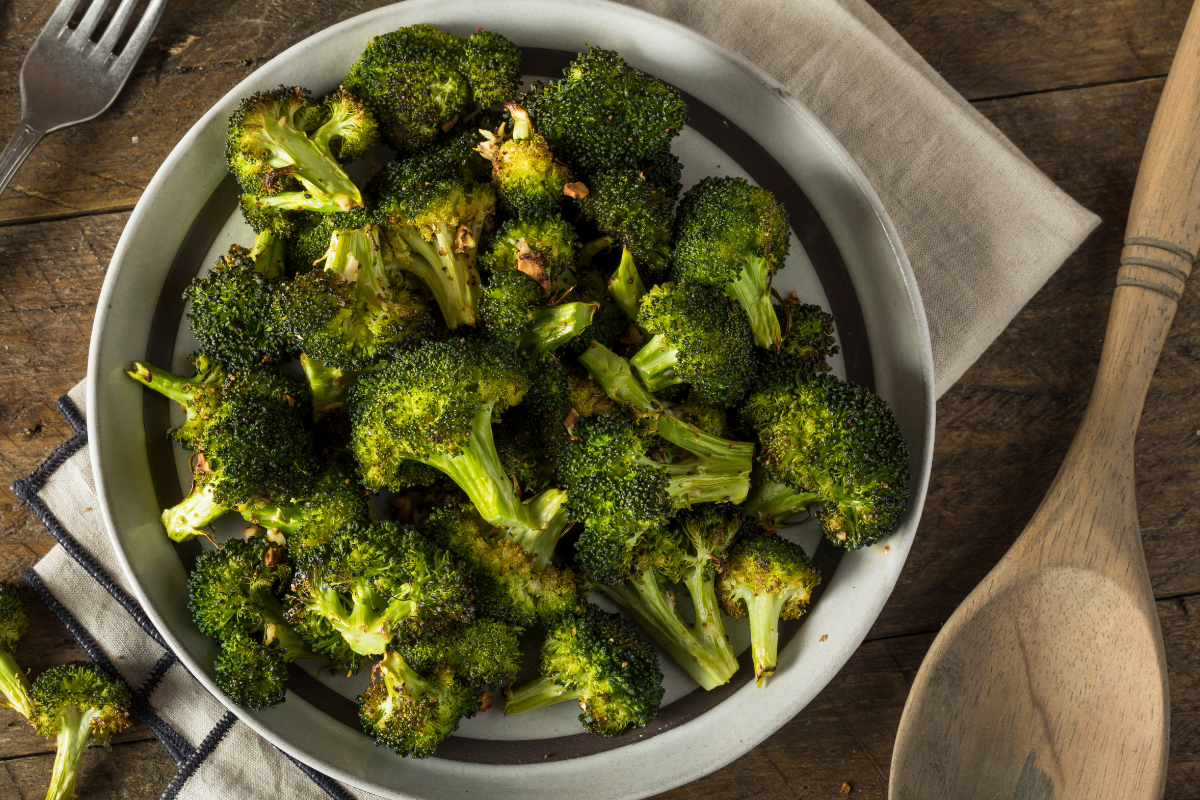
Broccoli provides vitamin K, folate, vitamin C, and other nutrients that contribute to a healthy diet. Vegetables, particularly green vegetables, are an important part of eating patterns such as the MIND diet, which researchers have studied in connection with cognitive health. Roast broccoli with olive oil, add it to stir-fries, or serve it as a simple side dish.
Pumpkin Seeds
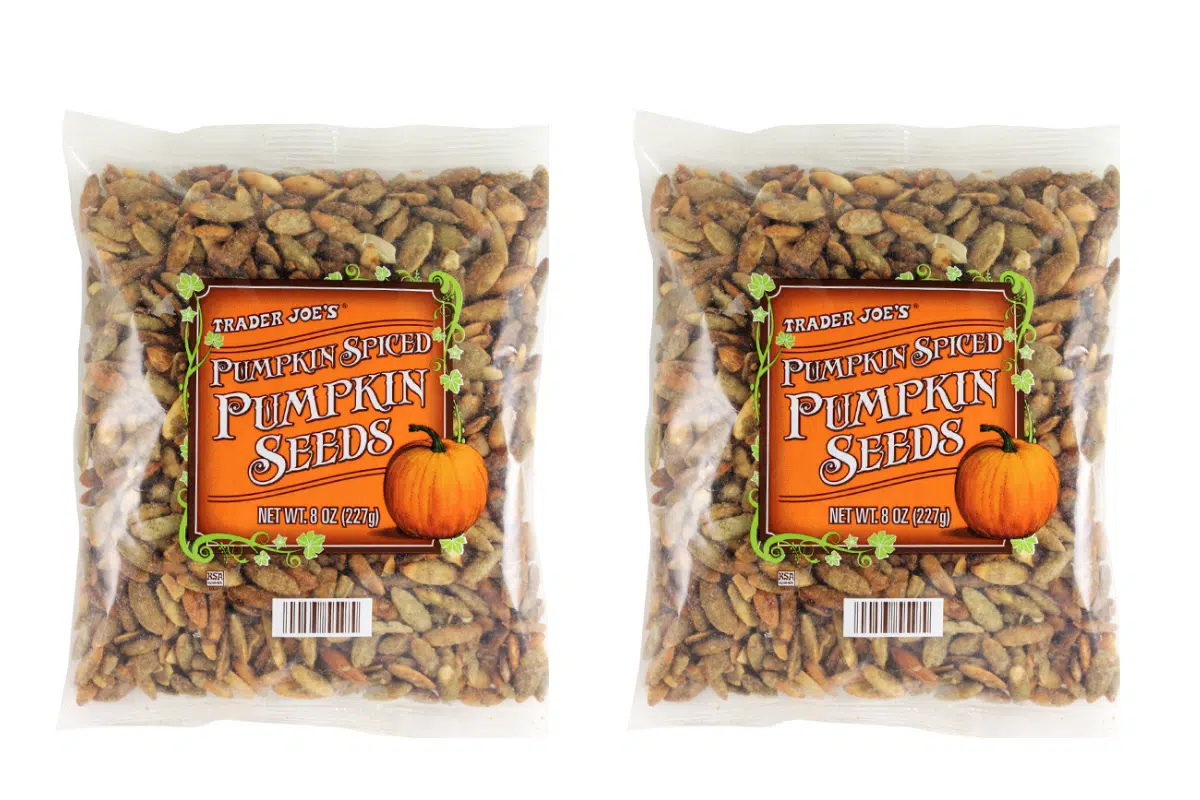
Pumpkin seeds are a convenient source of magnesium, zinc, iron, and healthy fats. These nutrients play important roles throughout the body, including normal nervous-system function. Sprinkle pumpkin seeds over oatmeal or salads, mix them into trail mix, or keep a small portion handy for snacking.
Dark Chocolate
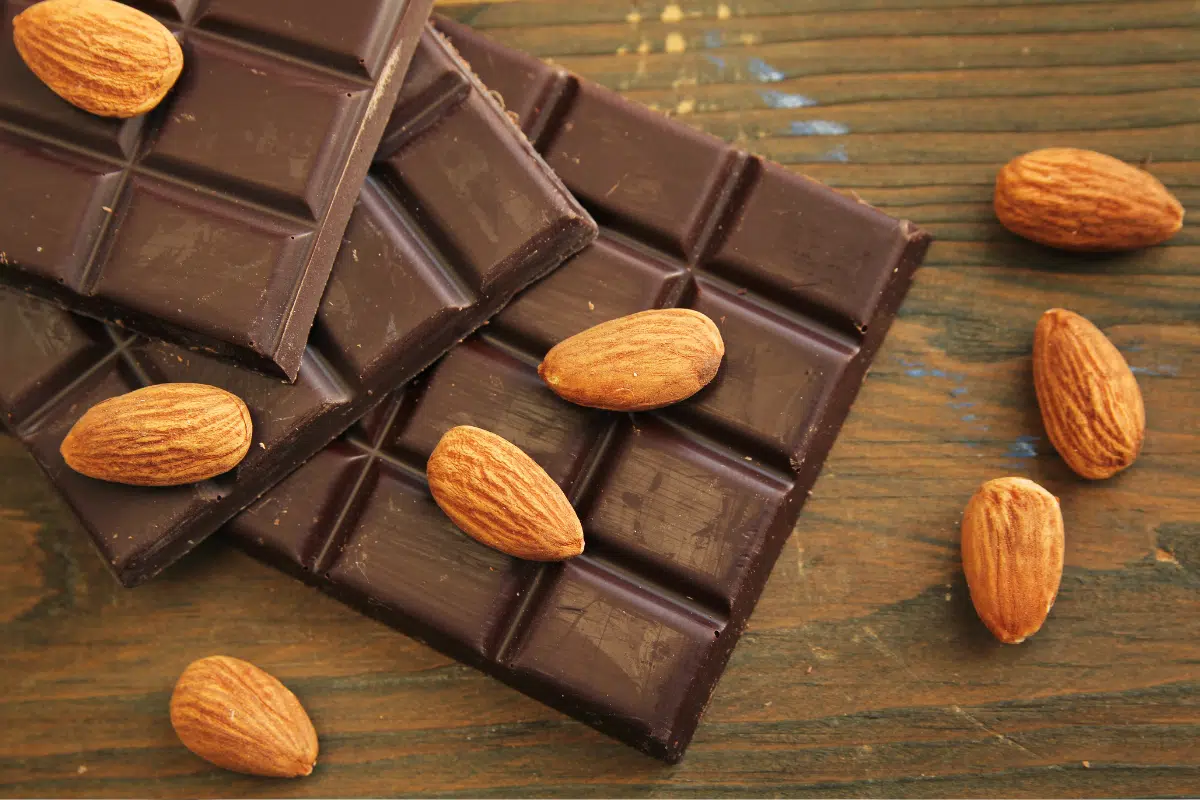
Dark chocolate contains cocoa flavonoids, plant compounds that have been studied for their effects on blood flow and other aspects of cardiovascular health. If you’re choosing dark chocolate, look for a higher cocoa percentage and keep portions reasonable since chocolate can also be high in calories and added sugar. A small piece can be an easy way to satisfy a chocolate craving.
Oranges
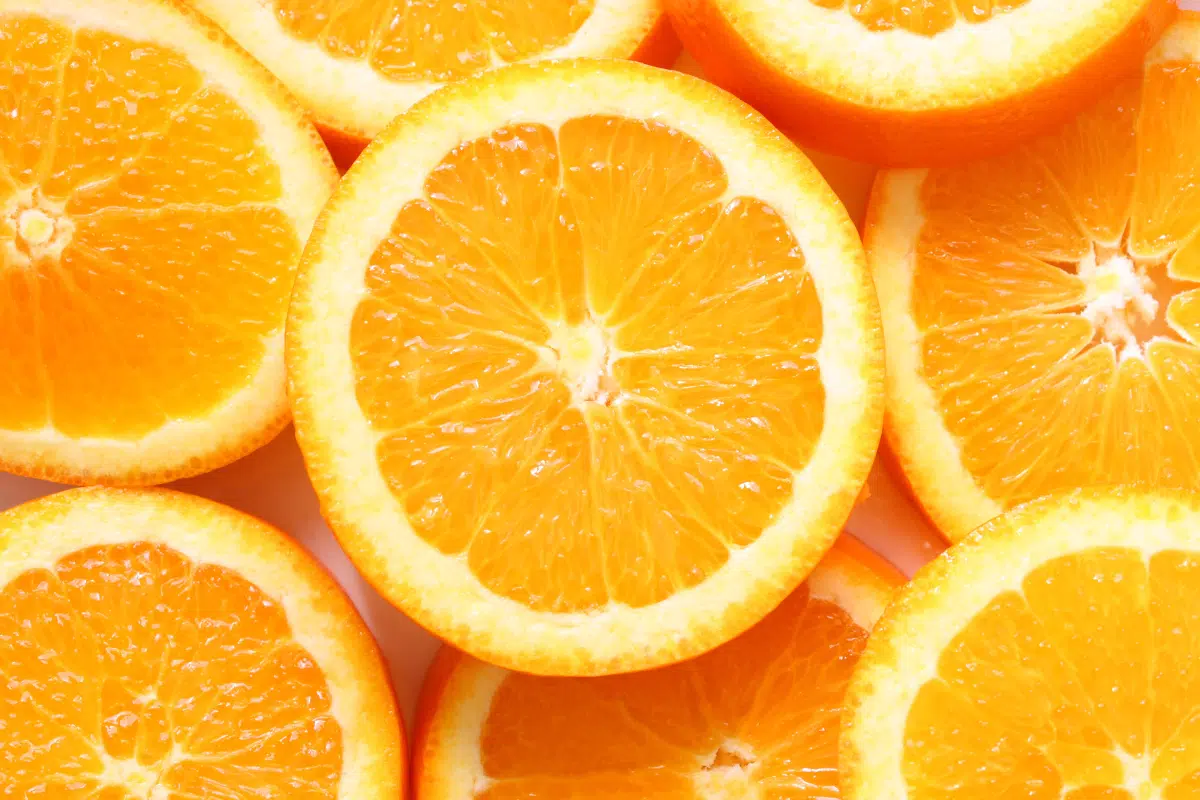
Oranges are an excellent source of vitamin C and also provide folate, potassium, and fiber. Rather than thinking of vitamin C as a specific memory booster, consider oranges part of an overall diet rich in fruits and vegetables. Eat the whole fruit for the added fiber, or use orange segments in salads and snacks.
Walnuts
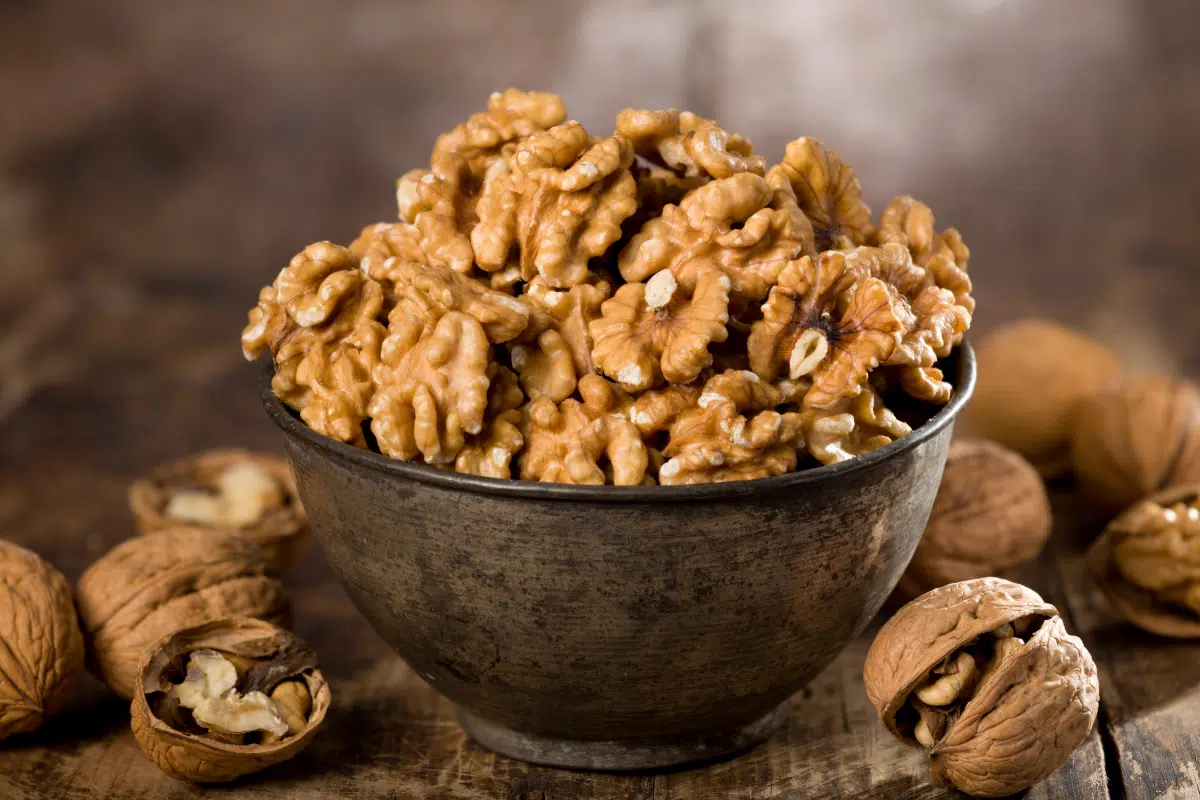
Walnuts provide healthy unsaturated fats, including the plant-based omega-3 fatty acid ALA. Nuts are also included among the foods emphasized by the MIND eating pattern. Enjoy a small handful as a snack, add chopped walnuts to oatmeal, or sprinkle them over salads for extra crunch.
Eggs

Eggs are a source of choline, a nutrient the body uses to make acetylcholine, a neurotransmitter involved in memory and other functions. They also provide high-quality protein along with several vitamins and minerals. Scrambled, boiled, poached, or added to a breakfast sandwich, eggs are an easy way to include choline in your diet.
Green Tea

Green tea contains caffeine and L-theanine, compounds that have been studied for their effects on attention and cognition. Research suggests that the combination may provide short-term benefits for alertness and certain attention tasks, although it should not be viewed as a guaranteed focus enhancer. Enjoy green tea plain or with a splash of lemon as a lower-calorie alternative to many sweetened beverages.
This post may contain affiliate links or sponsored content. Disclosure Policy