How to Spend Less on Clothes With Thrift and Consignment Shopping
Discover savvy strategies for saving money on clothing with our guide to consignment and thrift shopping. Learn how to find stylish, budget-friendly pieces, maximize your shopping experience, and embrace sustainable fashion while spending less. Upgrade your wardrobe without breaking the bank!
Clothing costs can add up quickly, especially when kids seem to outgrow their clothes almost as soon as you buy them. But you don’t have to spend a fortune to keep your family well dressed. With a little creativity and a willingness to shop differently, you can find quality clothing for a fraction of the price.
One of my favorite ways to save money on clothes is by shopping at thrift and consignment stores. These are two places I visit regularly when shopping for my family, and I’ve been surprised by just how many great finds I’ve discovered—including unique pieces I would never have found in a traditional store.
If you’re looking for practical ways to stretch your clothing budget, keep reading. I’m sharing how thrift and consignment shopping can help you spend less on clothes without sacrificing quality or style.
Consignment and Thrift Stores Shopping Savings
Where to Shop
One of the easiest ways to save money on clothes is to shop thrift stores and consignment shops. You can often find name-brand clothing in excellent condition for a fraction of what you would pay at a traditional retailer.
And every once in a while, you’ll stumble across a truly unexpected treasure—like those adult-sized footy pajamas you’ve been searching for since you turned 18 or that one-piece leopard-print unitard. (EEK! You know who you are.)
I’ve heard plenty of reasons people avoid thrift stores and consignment shops. Some worry about cleanliness or clothing quality, while others simply feel embarrassed to shop secondhand. But there is absolutely no shame in looking for ways to save your family money. In fact, being intentional about where and how we spend is one practical way to practice good stewardship.
God has entrusted resources to us, and we should strive to use them wisely. So instead of automatically paying full price for clothing, why not see what you can find secondhand? You may be surprised by the quality, the savings, and even the unique pieces you discover.
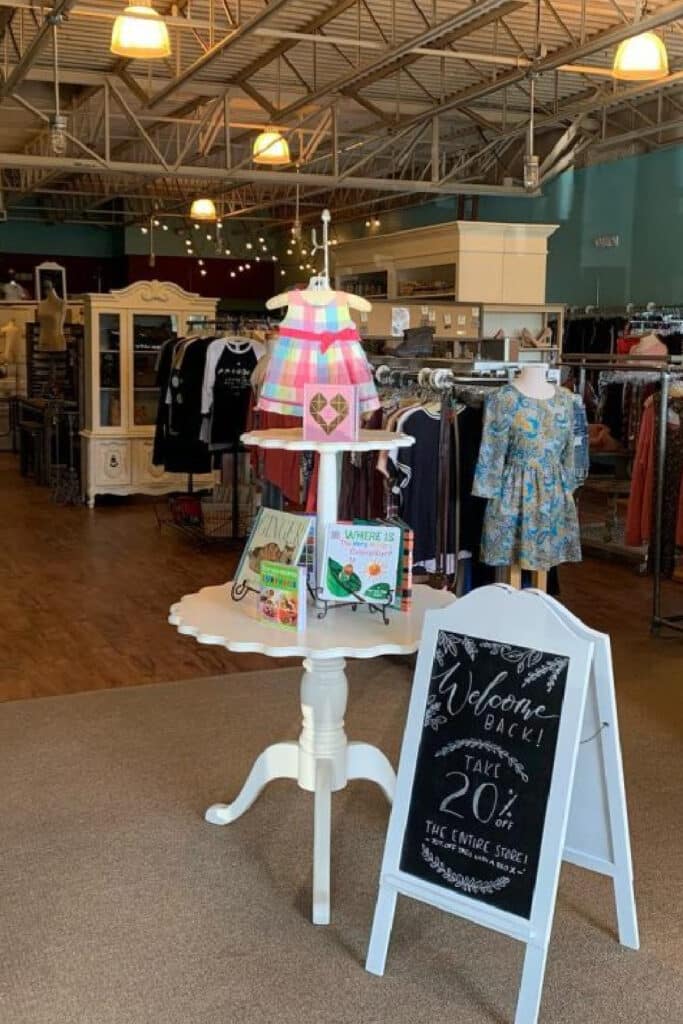
The image above- Inside Polkadots Consignment Shop, Guilderland, NY
Thrift Store vs. Consignment Shop
Before you start shopping secondhand, it helps to understand the difference between a thrift store and a consignment shop. Aren’t they both places that sell secondhand clothing? Yes—but the way they get and sell those clothes is quite different.
Both can be excellent resources for finding high-quality, unique, and affordable clothing, along with household items and other treasures. Many of the things you’ll find are perfectly good items that someone else has outgrown, no longer needs, or simply decided they were tired of.
The Biggest Difference
Thrift stores typically sell items that have been donated, while consignment shops generally accept items from individuals and select which pieces they believe are worth reselling.
That difference can have a big impact on the shopping experience.
At a thrift store, you’re likely to find a much wider variety of items and price points. However, because the inventory comes primarily through donations, the condition can vary. You may come across clothing with stains, noticeable wear, missing buttons, or even holes. This is where carefully inspecting each item before purchasing becomes especially important.
Consignment shops, on the other hand, are usually more selective about what they accept. Store owners and employees often look for clothing that is in good condition, current in style, and free from obvious damage.
I once had the opportunity to interview Saydra, the owner of Polkadots Consignment in Guilderland, NY, to learn more about how consignment shops operate. She explained just how selective she is when choosing items for her store:
“I’m very picky about what I take. It’s no fun to go to a store where you have to pick through stained items. I have people come to Polkadots and say, ‘It smells so good in here.’”
And honestly, who doesn’t appreciate walking into a secondhand store that smells fresh and clean?
The shopping experience can vary significantly from one store to another. Some thrift stores have systems for sorting, inspecting, and cleaning donations, while others may put more responsibility on the shopper to inspect items before purchasing. Consignment shops tend to have a more curated selection because the owner or staff has already made decisions about which pieces are suitable for resale.
That doesn’t mean one is automatically better than the other. Thrift stores can offer incredible bargains, while consignment shops can make it easier to find higher-quality pieces with less digging. Knowing the difference allows you to choose the type of shopping experience that works best for your budget and your family.
Know Before Buy
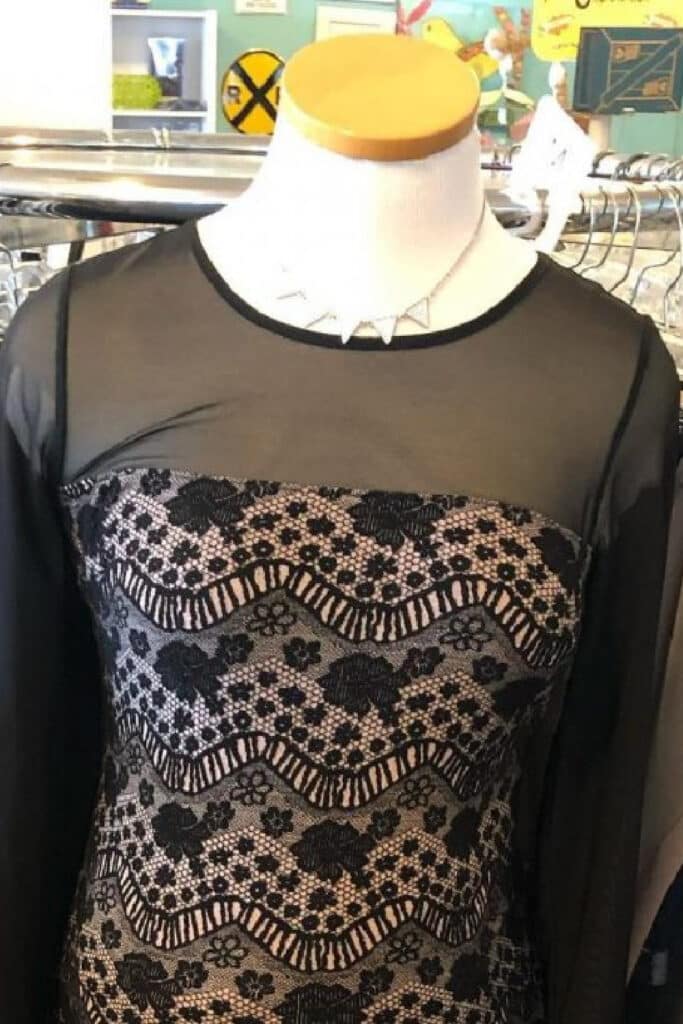
Consignment shops typically have individually priced items, so you may pay a little more than you would at a traditional thrift store. However, you’re often getting a more carefully selected collection of clothing in good condition, which can make the extra cost worthwhile.
It’s also helpful to understand how consignment works. When someone has clothing or other items they no longer need, they can bring them to a consignment shop. The shop owner reviews the items and decides which pieces they are willing to accept for resale.
If the item sells, the original owner receives an agreed-upon percentage of the selling price, while the shop keeps the remainder. The exact split varies from store to store, so be sure to ask about the shop’s terms before consigning your items.
If an item doesn’t sell, the shop may ask you to pick it up after a certain period of time. Some stores may also have policies allowing them to donate or otherwise dispose of unclaimed items, so it’s important to understand the agreement before leaving your clothing.
Some consignment shops also offer the option to sell your items outright rather than consigning them. In that case, the shop pays you a set amount upfront, but you’ll generally receive less than you would if the item sells through the consignment process.
Understanding how consignment works can help you shop smarter—and if you have quality clothing sitting unused in your closet, it may even give you a way to turn those items into extra cash.
How to Make Thrift Shopping Easier
Shopping at a thrift store can feel a little overwhelming at first. Unlike most traditional clothing stores, where everything is neatly arranged by size, thrift stores may organize clothing by color, type, or another system. That means finding exactly what you need can take a little more time and patience.
Because thrift stores typically rely on donated items, the selection can change from one visit to the next. Prices are generally set by the store, but you’ll need to carefully inspect each item before buying. Check for stains, holes, missing buttons, stretched fabric, broken zippers, and other signs of wear.
Consignment shops tend to offer a more organized shopping experience, with clothing frequently grouped by size and type. Since the items have generally been selected by the shop, you may spend less time sorting through pieces that aren’t in good condition.
Helpful Tips for Shopping Secondhand
- Give yourself time. Thrift shopping can require some digging, although consignment shops often make the process a little faster.
- Shop with a list. Know what your family actually needs before you walk through the doors. Otherwise, those low prices can make it very easy to bring home things you didn’t plan to buy.
- Set a small budget. You don’t need to bring a lot of money to find great deals. In fact, setting a spending limit can help you stay focused.
- Inspect everything carefully. Before you buy, check clothing for stains, holes, odors, missing buttons, broken zippers, and other damage.
- Be willing to make multiple visits. The inventory changes constantly, so don’t get discouraged if you don’t find what you’re looking for on your first trip.
There’s another benefit to buying secondhand: you’re giving perfectly usable clothing a second life. Instead of those clothes immediately ending up in a landfill, you’re keeping them in circulation while saving money at the same time. That’s a win for your family and a more sustainable approach to shopping.
Other Frugal Money-Saving Articles
5 Tips on How to Save Big At the Grocery Store Each Week
How to Know if You Can Afford to Stay Home with the Kids
Learning How to Menu Plan: Plus Get Free Menu Printables
This post may contain affiliate links or sponsored content. Disclosure Policy





I shop at the good will on Hoosick street all the time! I’ve gotten great deals. And it’s actually fun to go digging through looking for treasures, like a clothing archeologists. 🙂
AWESOME!!! Steph you are a Savings ROCKSTAR!!!