10 Things You Shouldn’t Buy at the Dollar Store
Are you a Dollar Tree Shopper? Over the years, I have purchased many items from the Dollar Store that are just not worth the money. Please don’t waste your money. See my list of 10 Dollar Tree Deals to Avoid.
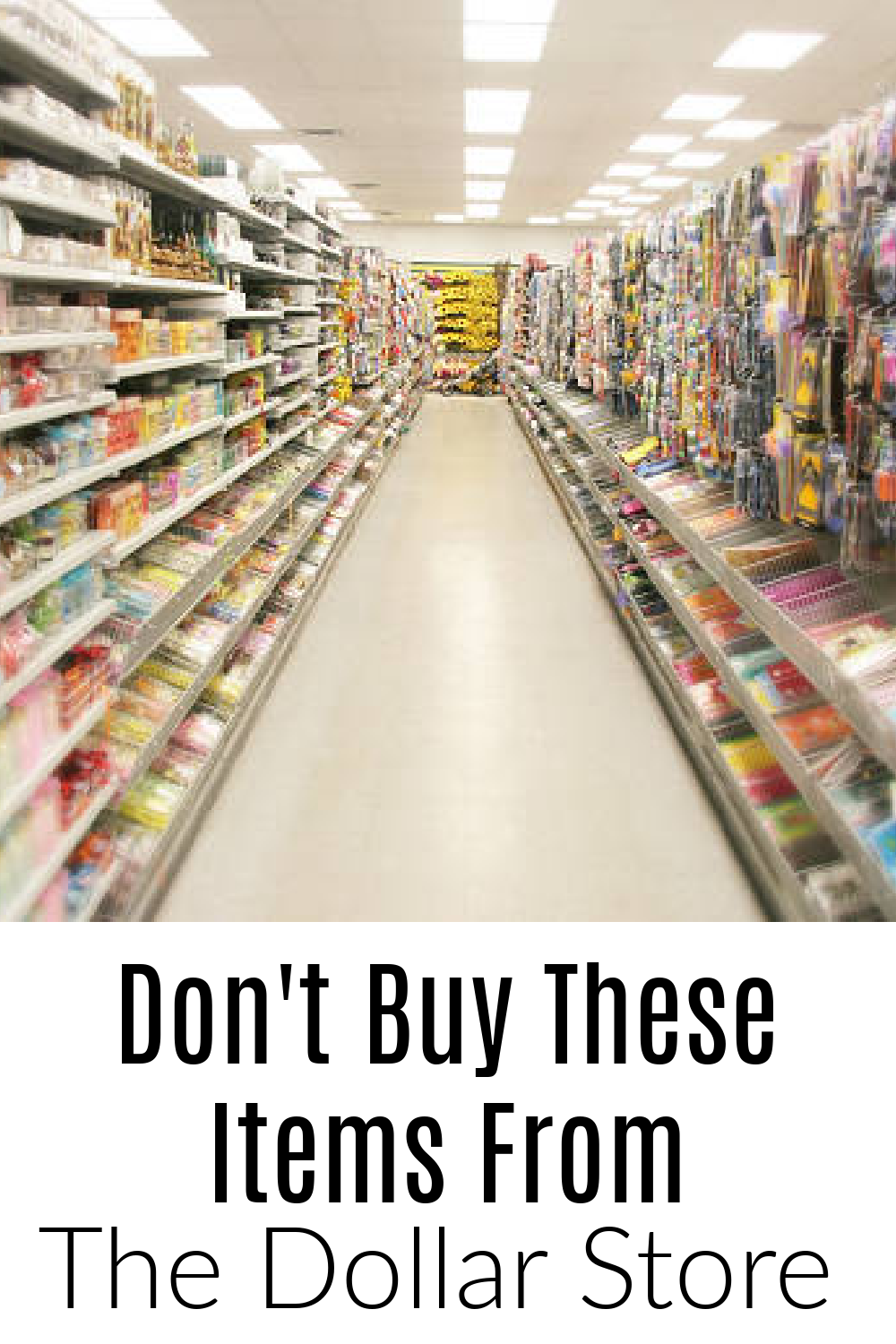
Not everything at the dollar store is a bargain. While stores like Dollar Tree can be a great place to save on seasonal décor, household basics, party supplies, and plenty of everyday items, some purchases may not be worth the money.
A low price can be tempting, but a product that breaks quickly, contains less than you expect, or costs more per ounce than a larger package elsewhere isn’t really a deal. Knowing what to skip can help you avoid impulse purchases and make the most of your dollar-store budget.
That doesn’t mean you should avoid dollar stores altogether. I shop at Dollar Tree regularly and have found plenty of useful, affordable products—including some of my favorite seasonal finds. The key is knowing which items are worth adding to your cart and which ones are better left on the shelf.
Here are 10 things you may want to think twice about buying at the dollar store, along with what to consider before you spend your money.
Before you shop, Dollar Tree shoppers can also join the Value Seekers Club for access to available savings and offers.
Things You Shouldn’t Buy at the Dollar Store
A low price doesn’t automatically mean you’re getting a good deal. Before buying something at the dollar store, check the package size, quantity, ingredients, and price per unit and compare it with what you would pay at a grocery store, big-box retailer, or warehouse club. Some dollar-store products come in smaller packages, which can make the savings look better than they actually are.
You may be surprised by how often a seemingly inexpensive item costs more per ounce, piece, or use than a larger package somewhere else. Saving money isn’t just about spending less at the register—it’s about getting the most value for what you spend.
If you’re looking for more ways to stretch your budget, check out these money-saving smartphone apps.

Canned Vegetables
Check the price before you stock up. Canned vegetables can be convenient, but they aren’t automatically a bargain at Dollar Tree. Because package sizes vary, comparing the shelf price alone doesn’t tell you which store has the better deal.
Before filling your cart, check the ounces on the can and compare the price per ounce with your local grocery store. Grocery-store sales, store brands, and larger cans can sometimes offer a better value.
That doesn’t mean canned vegetables are always a bad purchase at Dollar Tree. If the size and price work out in your favor, they can still be a convenient pantry staple. The key is to compare rather than assume the lowest sticker price is the lowest cost.

Beauty Products
Beauty and personal-care products are another category where I recommend slowing down before you buy. Dollar Tree carries a wide variety of name-brand and private-label products, and the quality can vary from item to item.
Rather than assuming an inexpensive product is unsafe or poorly made, read the label and check the ingredients, size, and intended use. This is especially important for products you use on your face, around your eyes, or on sensitive skin.
Pay attention to the condition of the packaging, too. If a product has an unusual smell, color change, damaged seal, or other sign that it may have been compromised, leave it on the shelf. The FDA notes that cosmetics can degrade over time and that heat, moisture, air, and other storage conditions can affect their quality.
I also wouldn’t automatically rule out Dollar Tree makeup or nail polish. You can occasionally find recognizable brands or products that are perfectly reasonable buys. Just evaluate the individual product rather than assuming every beauty item is either a bargain or a bad purchase.

Mac and Cheese
Mac and cheese is another item where package size matters more than the sticker price.
A box that costs $1.25 at Dollar Tree may look inexpensive, but compare the ounces with the boxes sold at your grocery store. A grocery-store sale can sometimes bring a larger package down to a lower price per ounce.
Dollar Tree also carries a changing assortment of food products and multiple price points, so don’t assume that every boxed meal is the same value from one visit to the next.
If you find a brand you like at a competitive price per ounce, there’s nothing wrong with buying it. Just make the comparison before you stock up.

Plastic Wrap & Aluminum Foil
Plastic wrap and aluminum foil can be inexpensive at Dollar Tree, but this is one category where quantity and thickness are worth checking.
Look at the number of feet in the package rather than simply comparing the price of the boxes. A smaller roll may cost less at checkout but more per foot than a larger roll from the grocery store or warehouse club.
The same goes for foil. If you regularly use foil for cooking and food storage, a larger roll may provide a better value, particularly when it is on sale.
That doesn’t mean every Dollar Tree roll is a bad buy. If you’re buying a small amount for an occasional project or the price per foot is competitive, it may make perfect sense. For everyday use, though, compare the package sizes first.

Chargers, Extension Cords & Power Strips
This is one category where I would put safety ahead of saving a few dollars.
Dollar Tree sells a variety of electrical products, including charging accessories, extension cords, and other household electrical items. Rather than assuming that every inexpensive electrical product is dangerous, look carefully at the product’s labeling, intended use, ratings, and safety certifications.
The U.S. Consumer Product Safety Commission has warned consumers that defective or counterfeit electrical products—including power strips, extension cords, and other electrical equipment—can create risks such as fire, shock, or electrocution.
For something that will carry a significant electrical load or remain plugged in for long periods, I would personally choose a reputable product with clearly stated specifications and appropriate safety certification rather than making the lowest price the deciding factor.
For simple, low-risk accessories, evaluate the individual product and its specifications rather than writing off everything sold in the electrical aisle.

Dog or Cat Food
I would not say that Dollar Tree pet food is automatically made mostly of fillers or that it is nutritionally inadequate. That is too broad and isn’t something you can determine simply from where the food is sold.
Instead, turn the focus to the label.
If you’re buying food for your dog or cat, look for the nutritional adequacy statement and check whether the food is labeled “complete and balanced” for your pet’s appropriate life stage. The FDA explains that a food carrying this statement is intended to provide a nutritionally balanced sole diet when used as directed.
Treats are a different matter because they generally aren’t intended to provide complete nutrition. For those, compare the ingredients, package size, and price with the products you normally purchase.
Dollar Tree can also carry name-brand pet products, so there’s no reason to automatically avoid the entire pet-care section. For food and treats, simply read the label and make sure you’re getting the quality and quantity you expect for the price.

Brand Name Cleaning Products
Finding a recognizable cleaning brand at Dollar Tree can be exciting, but brand name doesn’t automatically equal bargain.
Cleaning products are frequently sold in smaller bottles or packages at discount stores. Before buying, compare the number of ounces or loads with the larger package at your grocery store, warehouse club, or another retailer.
It’s also worth checking the label for directions. Concentrated products may require less per use than ready-to-use formulas, so comparing the price per bottle alone can be misleading.
And don’t assume a cleaning product has become ineffective simply because it has been sitting on a store shelf. Instead, check the packaging and product condition. If a container is damaged, leaking, separated, or otherwise appears compromised, choose another one.
Batteries
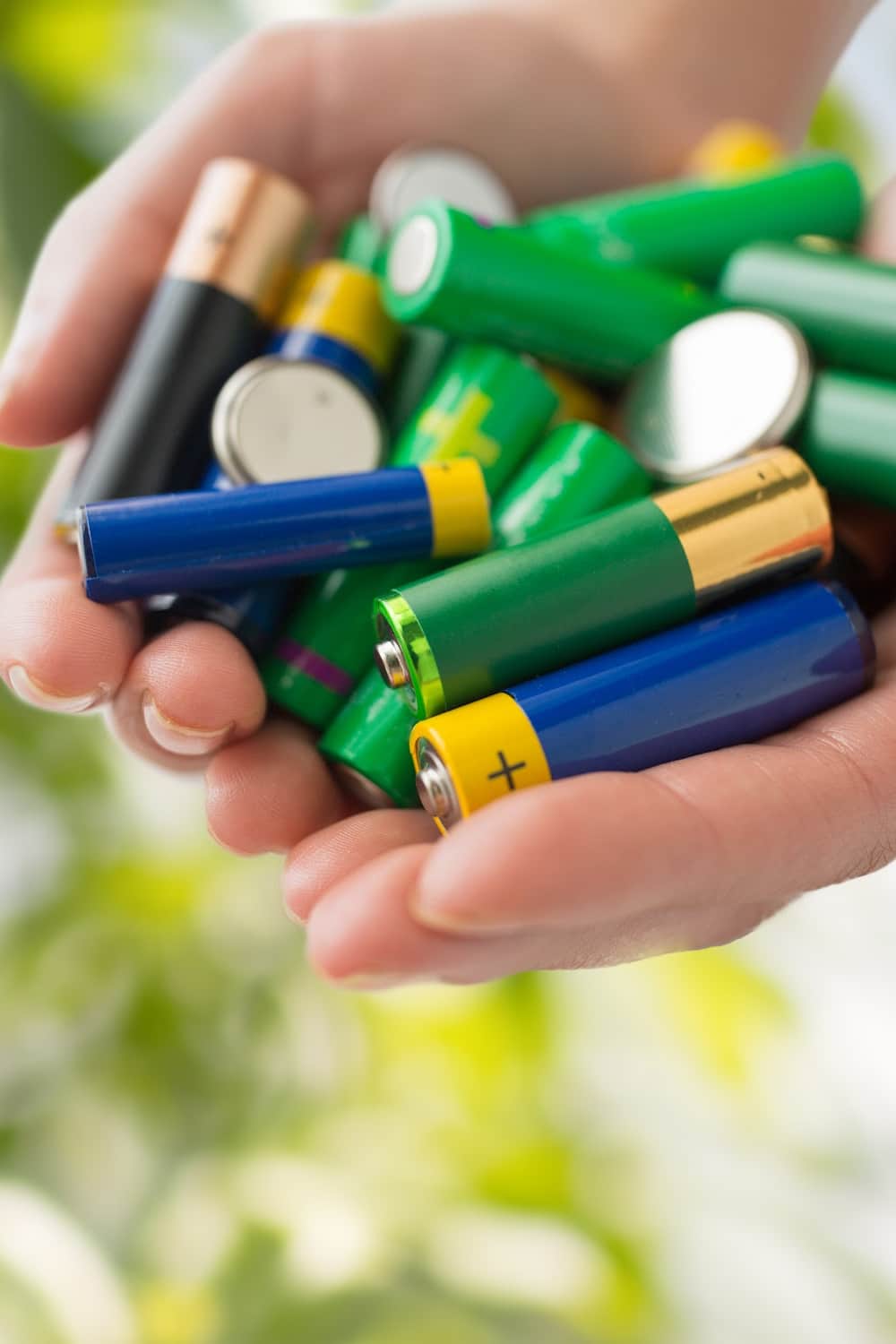
Batteries are a classic example of why price per battery isn’t the whole story.
A package may seem inexpensive, but the number of batteries included and the type of battery matter. Compare the package size, battery chemistry, and stated intended use with the alternatives available at other stores.
Some inexpensive batteries may be perfectly adequate for low-drain devices such as basic clocks or remote controls, while other applications may call for a different type of battery.
If you’re buying batteries for something important or frequently used, pay close attention to the manufacturer’s specifications rather than assuming that the cheapest package will give you the best value.

Paper Products
Toilet paper, paper towels, tissues, and napkins can look like easy dollar-store wins, but the package size can be deceiving.
A roll of paper towels may look inexpensive until you compare the number of sheets with a larger package elsewhere. Toilet paper is even trickier because rolls can contain different numbers of sheets, and sheet size and ply can vary.
When comparing paper products, look beyond the number of rolls. Check the number of sheets per roll, sheet size, and ply when applicable. Then compare the cost per 100 sheets or another consistent unit.
For occasional use, a smaller package may still make sense. But if you’re buying paper products for your household regularly, a larger package on sale may provide considerably more value.

Razors
Razors are another product where the lowest shelf price doesn’t necessarily mean the lowest cost over time.
Dollar Tree carries different types of razors and shaving products, but compare the number of blades, number of cartridges or razors, and overall package size before deciding whether you’re getting a deal.
You may also find that drugstores, supermarkets, warehouse clubs, or big-box stores offer better prices on name-brand razors during sales or promotions. On the other hand, if an inexpensive razor works well for you and the price is competitive, there’s no reason you can’t buy it.
The important thing is to compare the cost and product specifications rather than assuming a higher-priced brand is always better.
Do Your Research Before You Buy
Dollar Tree can be a fantastic place to find inexpensive household supplies, seasonal décor, food, party supplies, and unexpected name-brand products. But the store’s low prices don’t guarantee that every item is the best value.
Before you put something in your cart, check the package size, price per unit, ingredients, product specifications, and quality. Remember that Dollar Tree now carries merchandise at multiple price points, so don’t assume an item is inexpensive simply because you’re shopping at a dollar store.
The goal isn’t to avoid Dollar Tree altogether. It’s to shop there strategically. When you know what to look for, you can take advantage of the genuine bargains while avoiding purchases that only look like a deal.
Other Great Savings Tips:
10 Grocery Items You Never Knew You Could Freeze
6 Clever Ways to Eat Healthy on a Tight Budget
This post may contain affiliate links or sponsored content. Disclosure Policy



They have five blade razors at Dollar Tree
The batteries they are very cheap and last shorter time although buying them at better stores can be expensive it’s better to do that
Hey Thanks Meghan!! I personally I have never purchased batteries from Dollar Tree. I am so glad you told us all about them.
You might want to add bleach to your list. We have found at some dollar stores the bleach is really diluted to a very weak bleach to water ratio. We stick to Walmart for that also.
Thank you Deanna!!!! That is good to know.