8 Foods That Are Worth Buying Fresh Instead of Frozen
Frozen foods are incredibly convenient and can help reduce waste and save time in the kitchen. However, not every ingredient holds up well in the freezer. Some foods lose their natural texture, flavor, or structure once thawed, which can leave you with a less satisfying result than expected. When possible, these are the items that are often better purchased fresh for the best taste and overall quality.
Fresh Strawberries
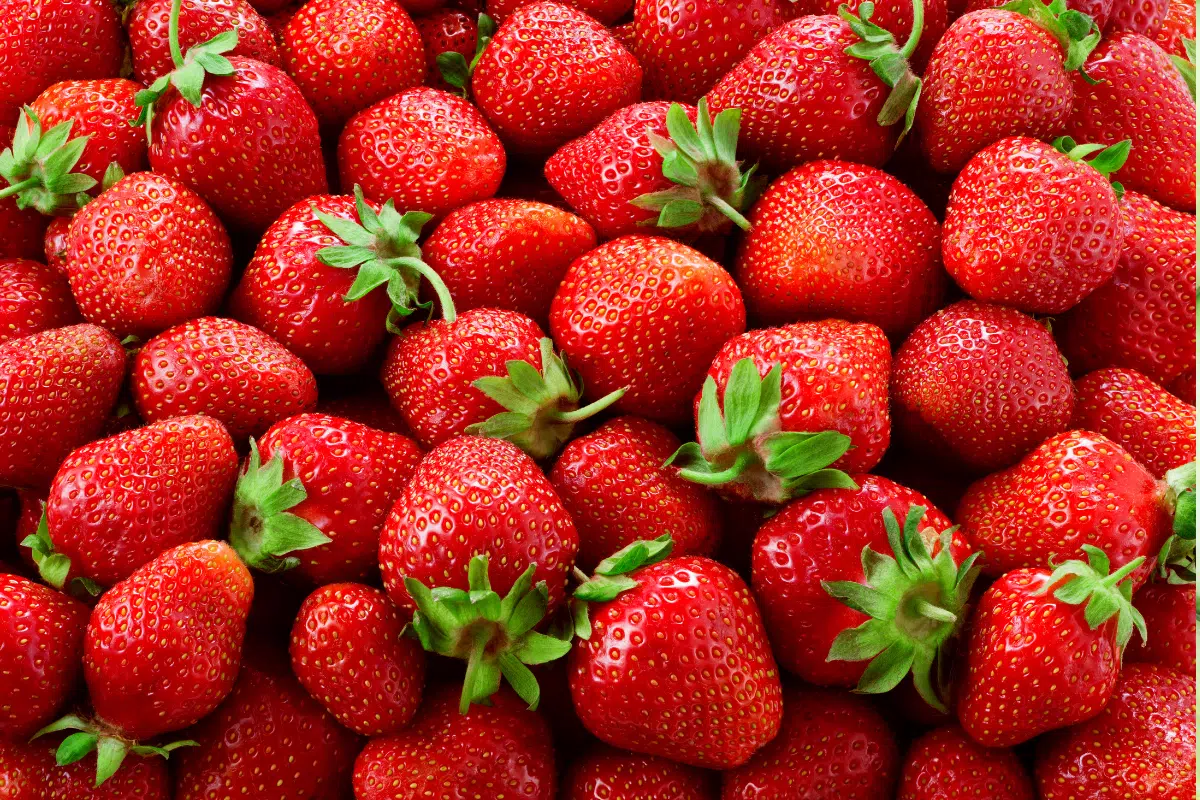
Frozen strawberries work well in smoothies and sauces, but they tend to break down quickly once thawed. The texture becomes soft and watery, which makes them less appealing for snacking or topping desserts. Fresh strawberries hold their shape better and deliver a brighter, more natural sweetness—especially when they’re in season.
Leafy Greens
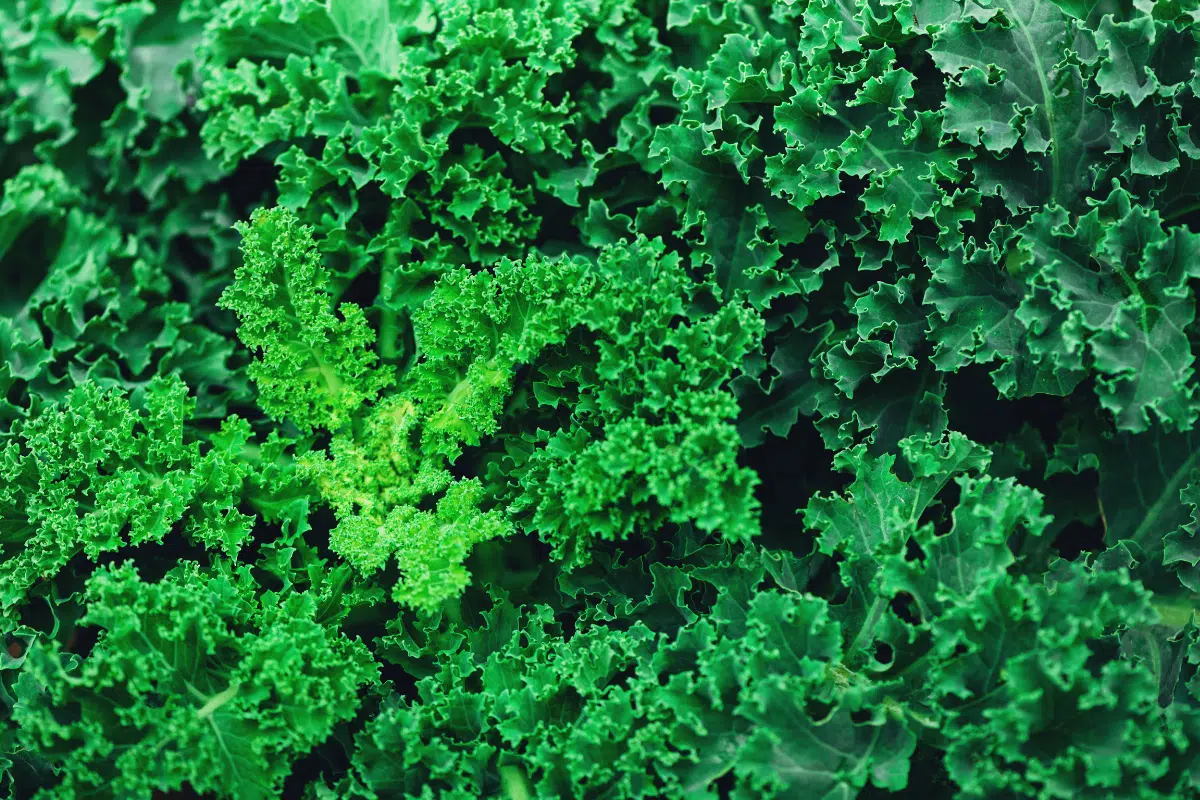
Spinach, kale, and other leafy greens freeze reasonably well for cooked dishes, but they don’t perform the same way after thawing. The texture becomes limp and watery, making them unsuitable for salads or fresh sautés. Fresh greens provide more versatility and a cleaner, crisper flavor in everyday meals.
Potatoes (Plain Cuts)
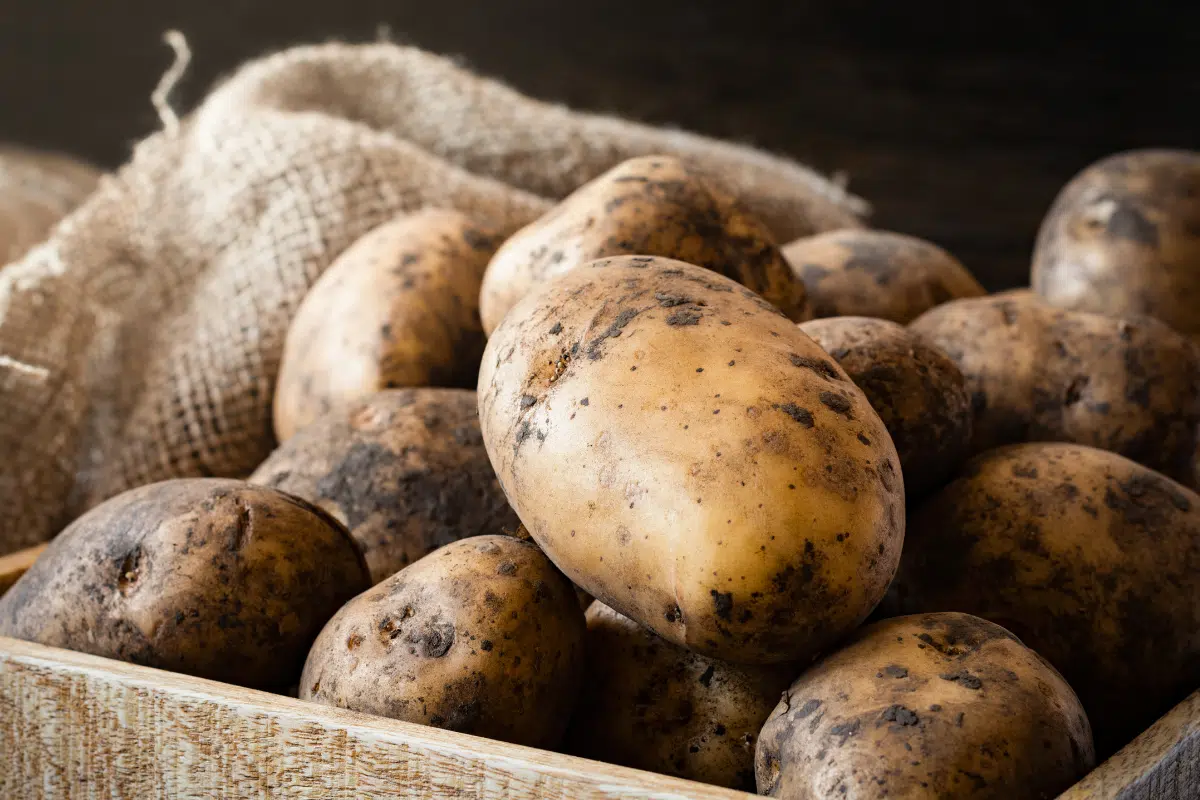
While frozen fries and specialty potato products are designed for freezing, plain frozen potato pieces often don’t cook evenly. They can turn grainy, watery, or overly soft. Fresh potatoes are inexpensive, store well at room temperature, and consistently deliver better texture and flavor across a wide range of recipes.
Citrus Fruits
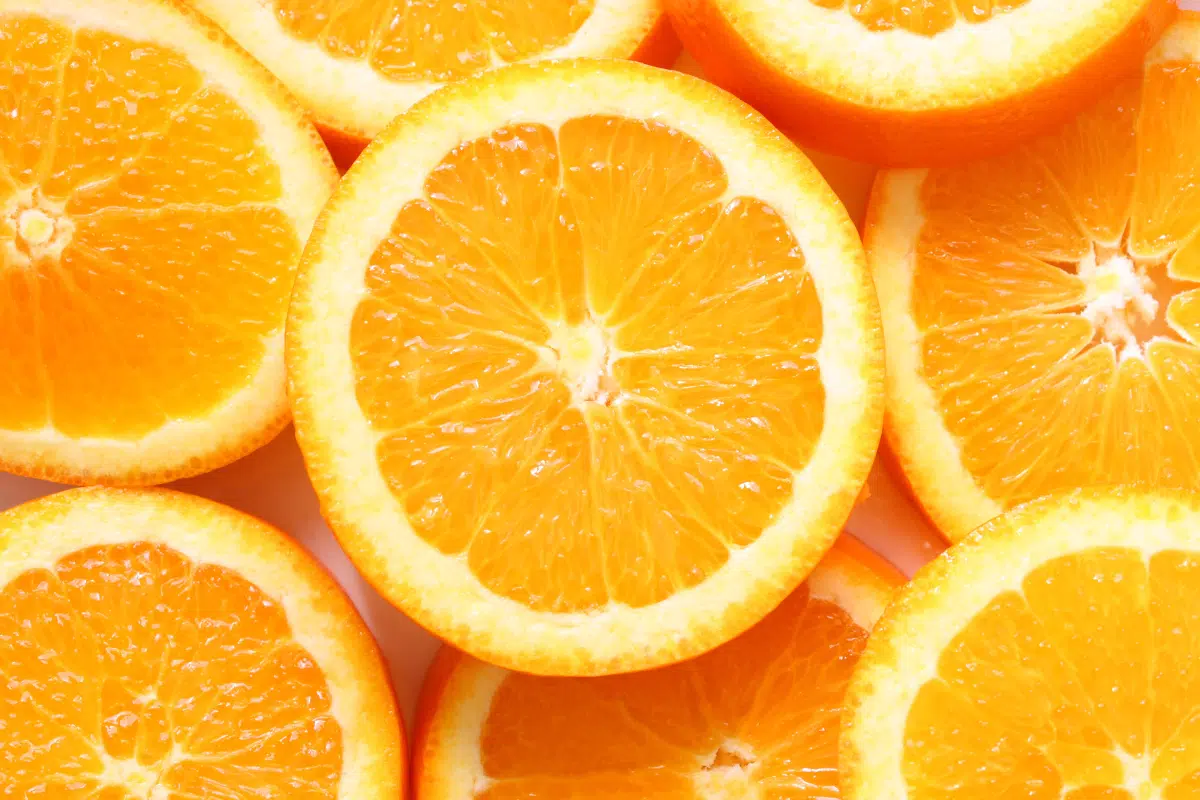
Freezing citrus fruits like oranges, lemons, and limes breaks down their internal structure, often leaving them spongy and dry after thawing. Fresh citrus produces more juice and has a brighter, more vibrant flavor, making it a better choice for cooking, baking, and beverages.
Cream-Based Sauces
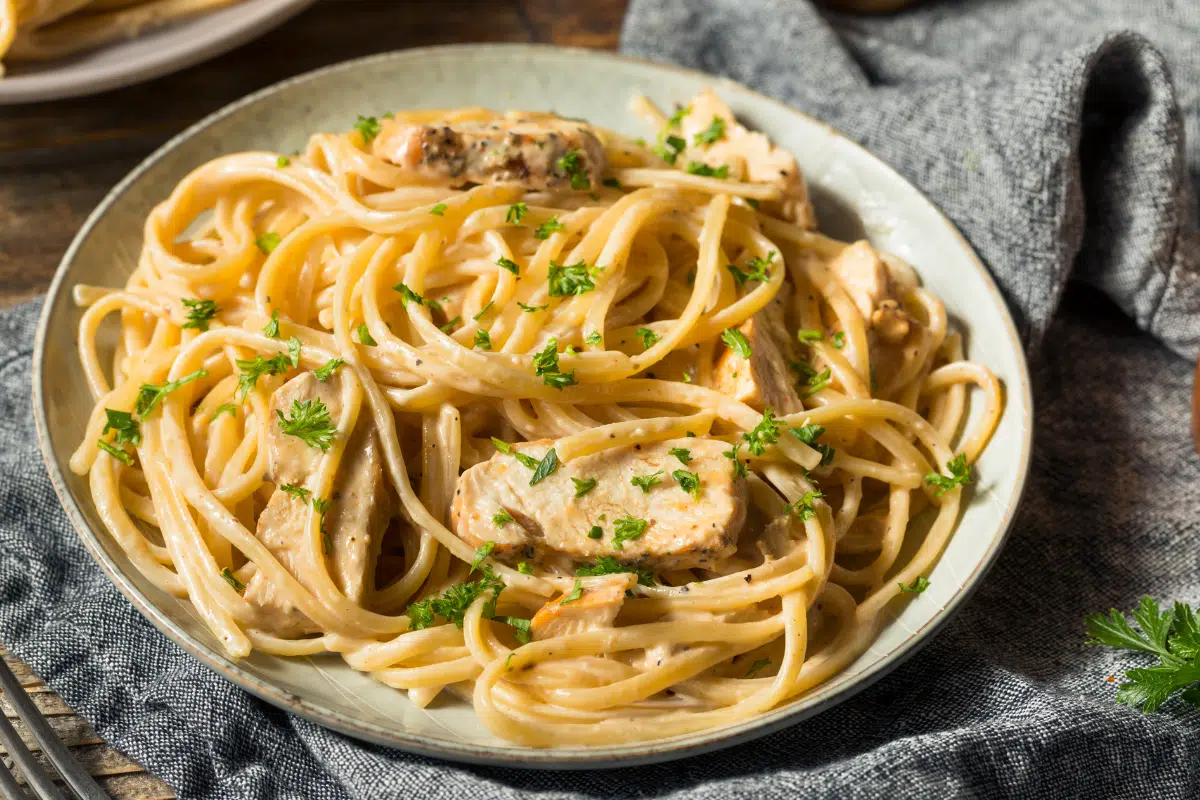
Frozen cream sauces such as Alfredo or similar dairy-heavy blends can separate when reheated, resulting in a grainy or uneven texture. Freshly made or refrigerated versions tend to reheat more smoothly and maintain a richer, more consistent flavor.
Cooked Pasta Dishes
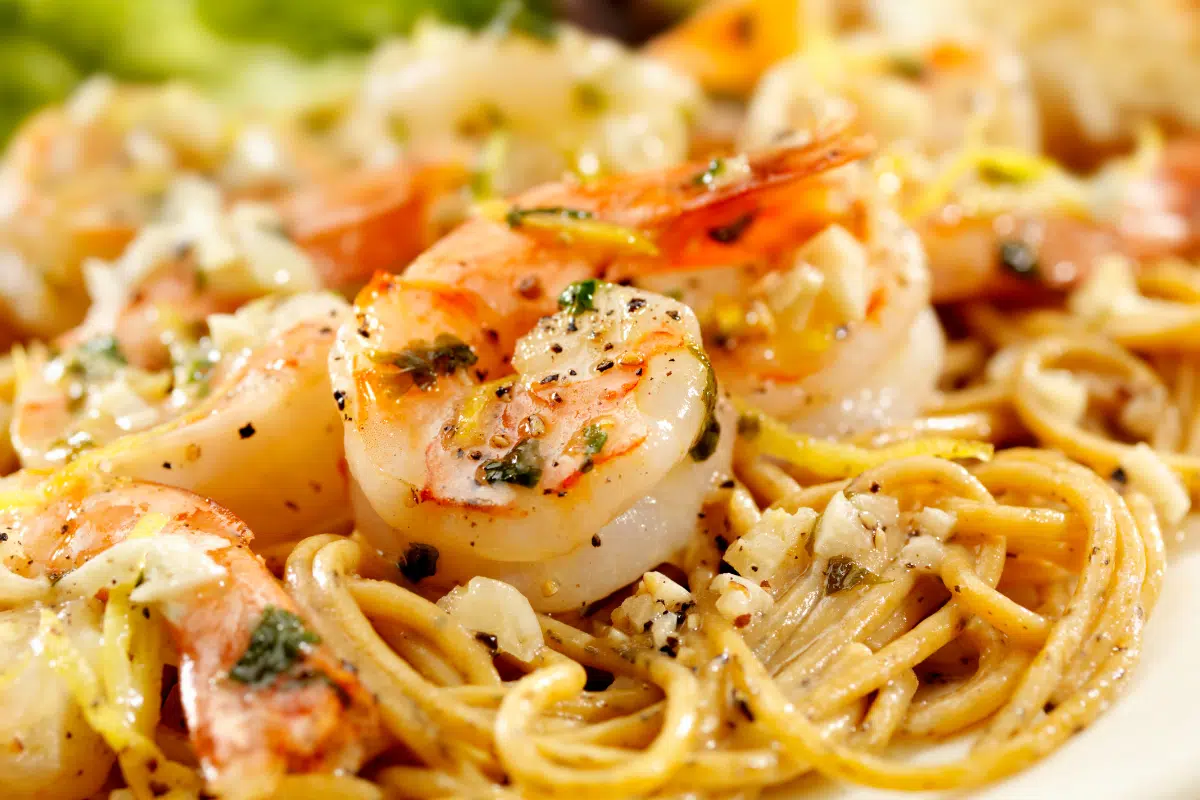
Many frozen pasta meals lose their ideal texture during freezing and reheating. The noodles often absorb excess moisture, becoming overly soft or mushy. Freshly prepared or refrigerated pasta dishes typically retain a better bite and overall structure.
Fresh Herbs
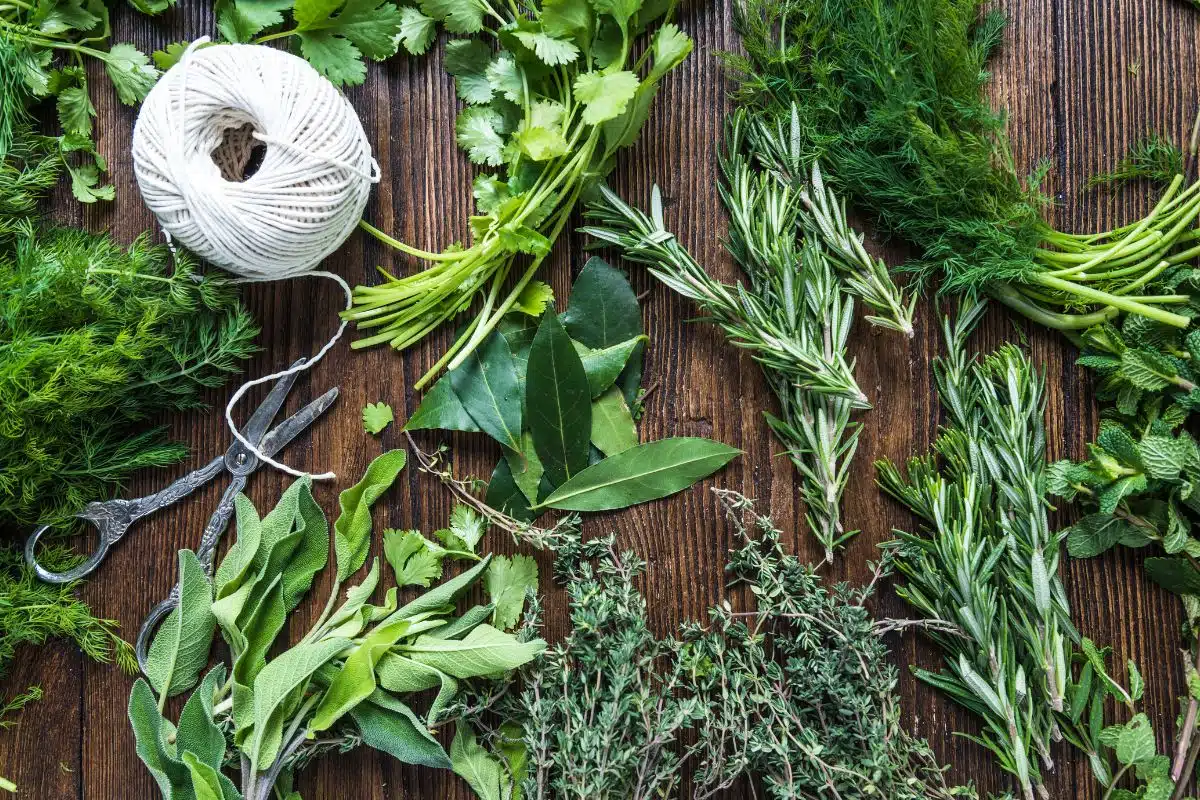
While frozen herbs can work in cooked dishes, they don’t offer the same flavor brightness or visual appeal as fresh herbs. Basil, cilantro, parsley, and dill are especially sensitive to freezing and are best used fresh for finishing dishes or adding a burst of flavor just before serving.
Breaded Seafood
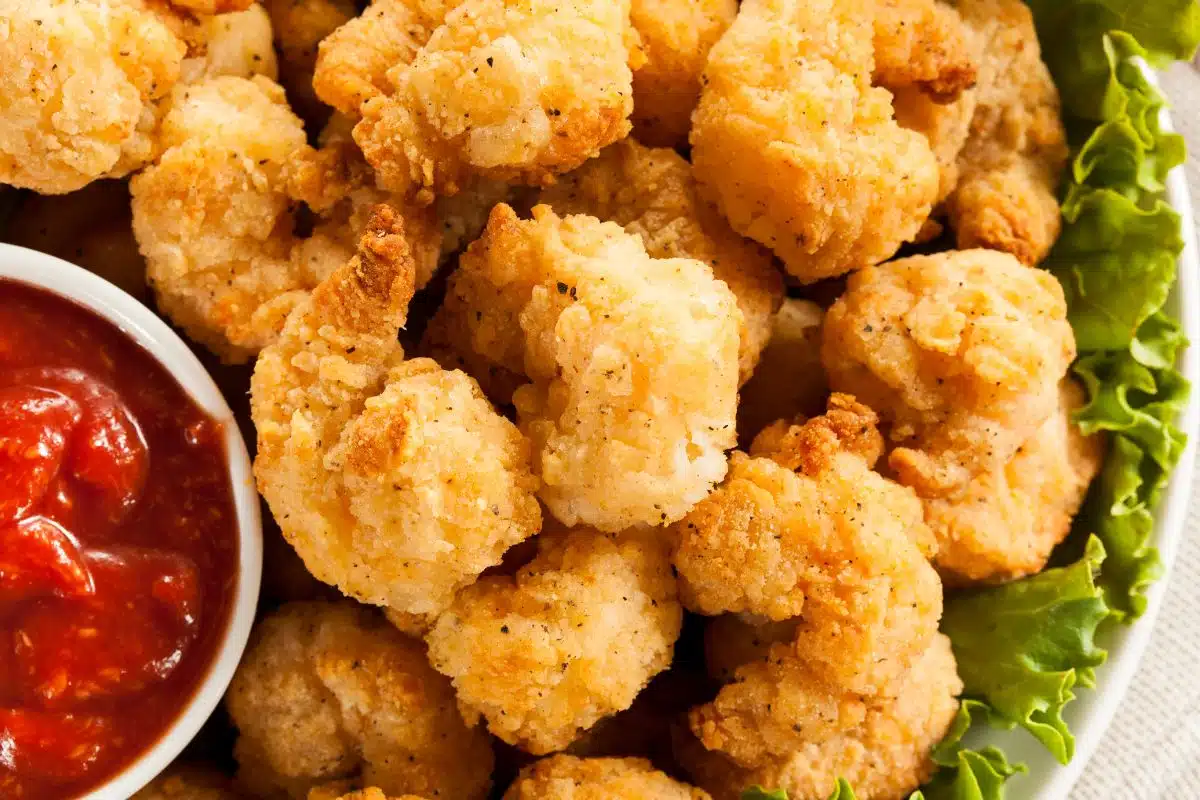
Frozen breaded fish and shrimp can lose quality during reheating, sometimes resulting in a soggy coating or uneven texture. Fresh or refrigerated versions generally provide a cleaner flavor and a more balanced ratio of breading to seafood, making for a more satisfying meal.
This post may contain affiliate links or sponsored content. Disclosure Policy