
7 Steam Mop Mistakes That Can Damage Your Floors
Steam mops have become a popular way to clean sealed hard floors quickly and without harsh chemicals. While they can be effective, improper use can actually reduce their performance or even damage certain flooring types over time. Understanding how to use them correctly helps you get better results, extend the life of your floors, and avoid unnecessary wear and tear during routine cleaning.
Using a Steam Mop on Unsealed Wood Floors
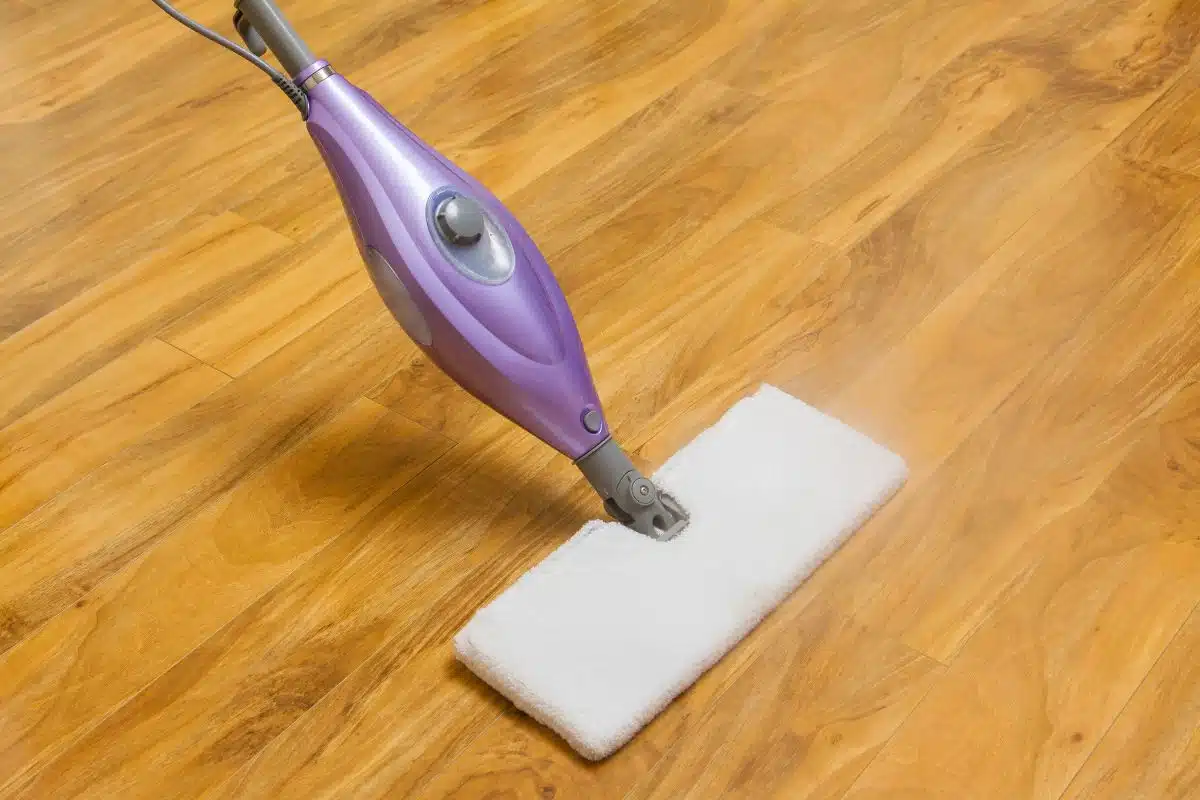
Steam and unsealed hardwood floors are not a safe combination. Moisture can penetrate the wood grain, leading to warping, swelling, or long-term structural damage. Even occasional use can cause gradual deterioration that may not be immediately visible. Always verify that wood flooring is properly sealed and rated for steam cleaning before use.
Skipping Sweeping or Vacuuming Before Mopping
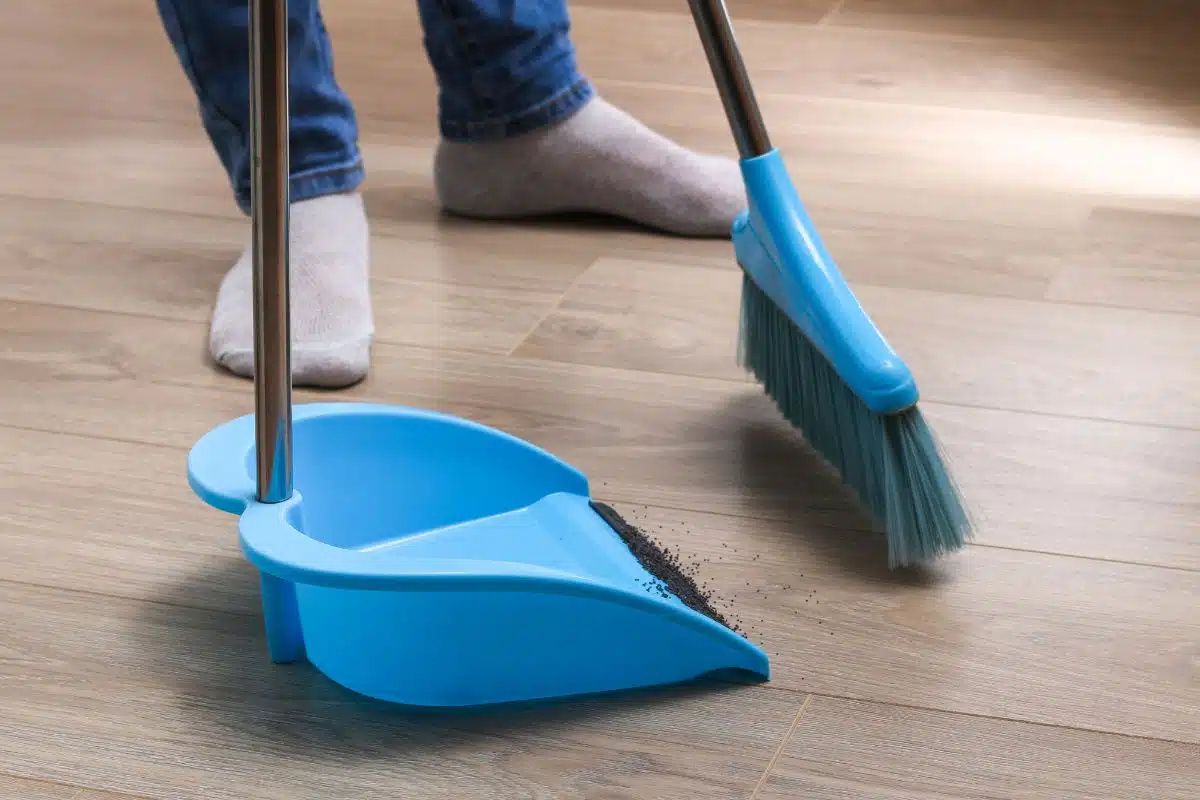
Steam mops are designed to sanitize and refresh floors, not remove loose debris. If crumbs, dirt, or grit are left behind, the mop can push them across the surface and potentially cause fine scratches. Pre-cleaning with a broom or vacuum ensures the steam mop can work effectively and helps protect your flooring finish.
Holding the Mop in One Spot Too Long
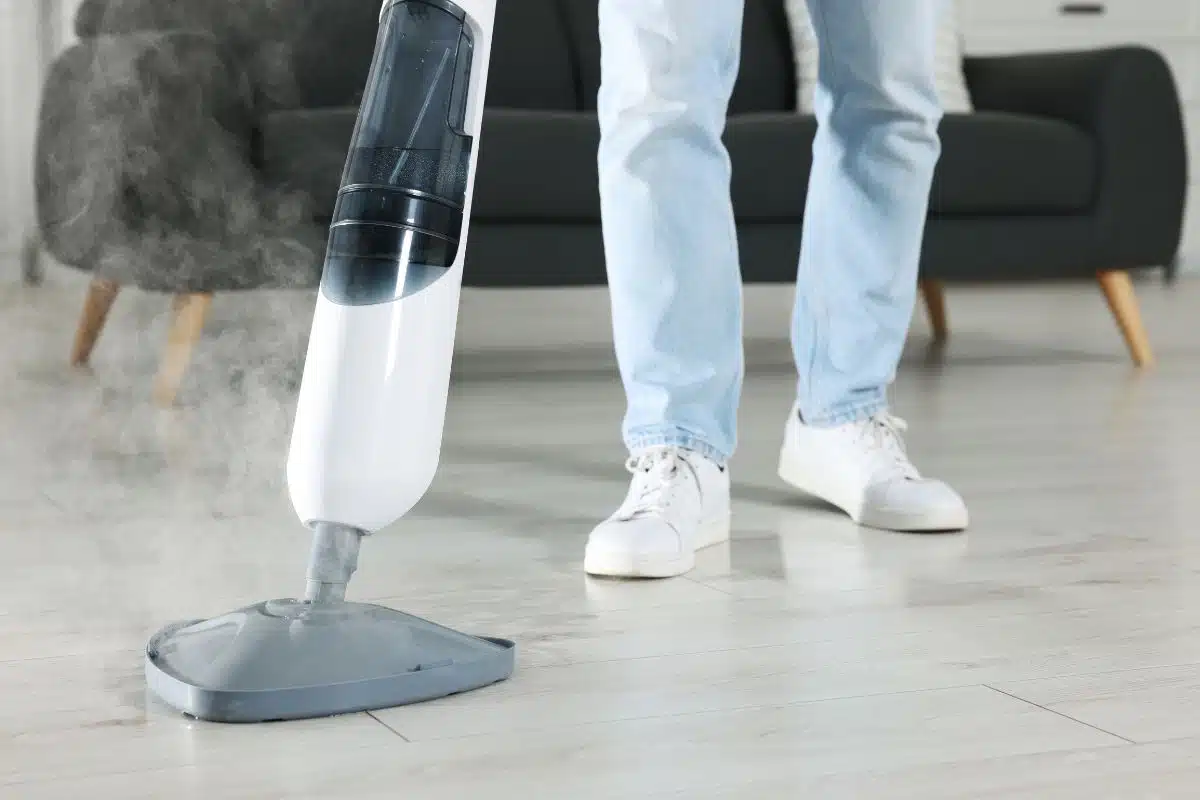
Leaving a steam mop in a single area for too long can overexpose that section of flooring to heat and moisture. This can dull finishes and may weaken adhesives in some flooring types. To avoid damage, keep the mop moving in a steady, continuous motion during use.
Using Steam Mops on Waxed Floors
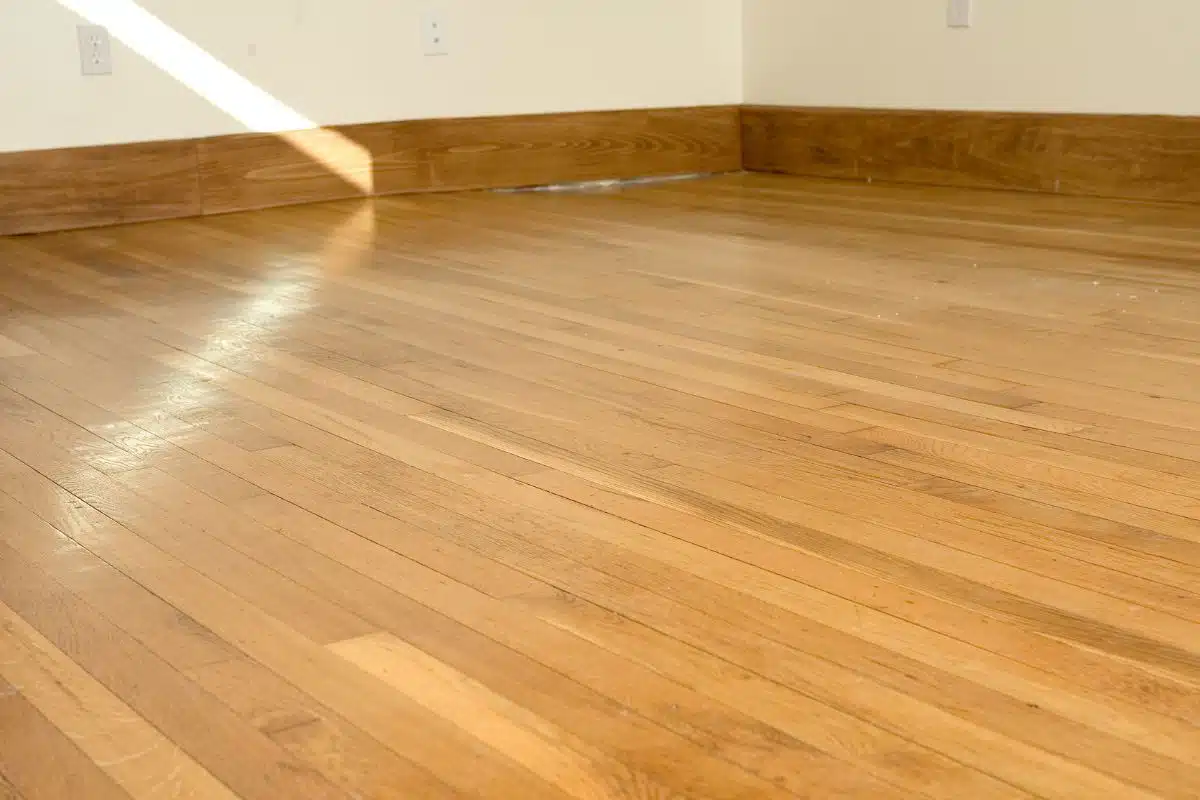
Waxed flooring is particularly sensitive to heat and moisture. Steam can break down the protective wax layer, leaving floors uneven, dull, or patchy in appearance. If your floors rely on a wax finish, it’s best to use cleaning methods specifically recommended for waxed surfaces instead of steam.
Adding Cleaning Solutions to the Water Tank
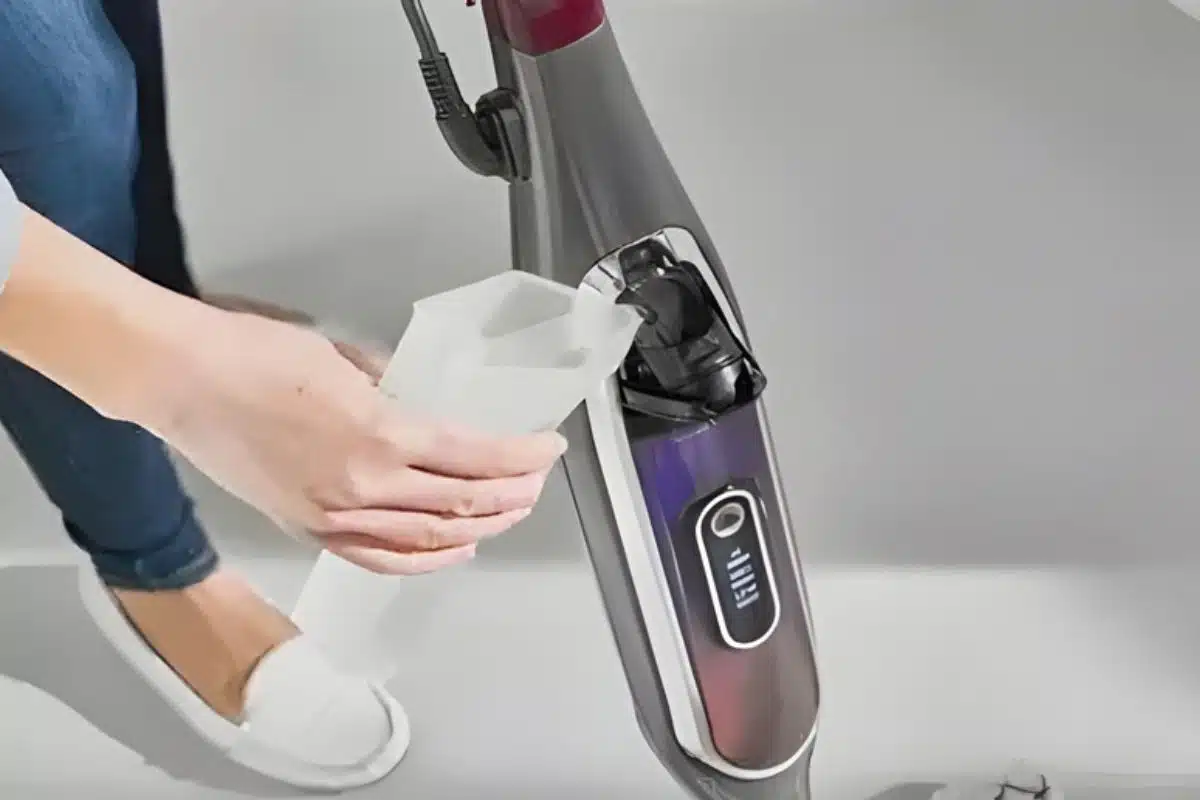
Many steam mop manufacturers clearly advise against adding anything other than water to the reservoir. Introducing vinegar, essential oils, or chemical cleaners can damage internal components, reduce steam performance, and potentially void the warranty. Always follow the manufacturer’s instructions for safe and effective operation.
Using a Dirty or Saturated Mop Pad
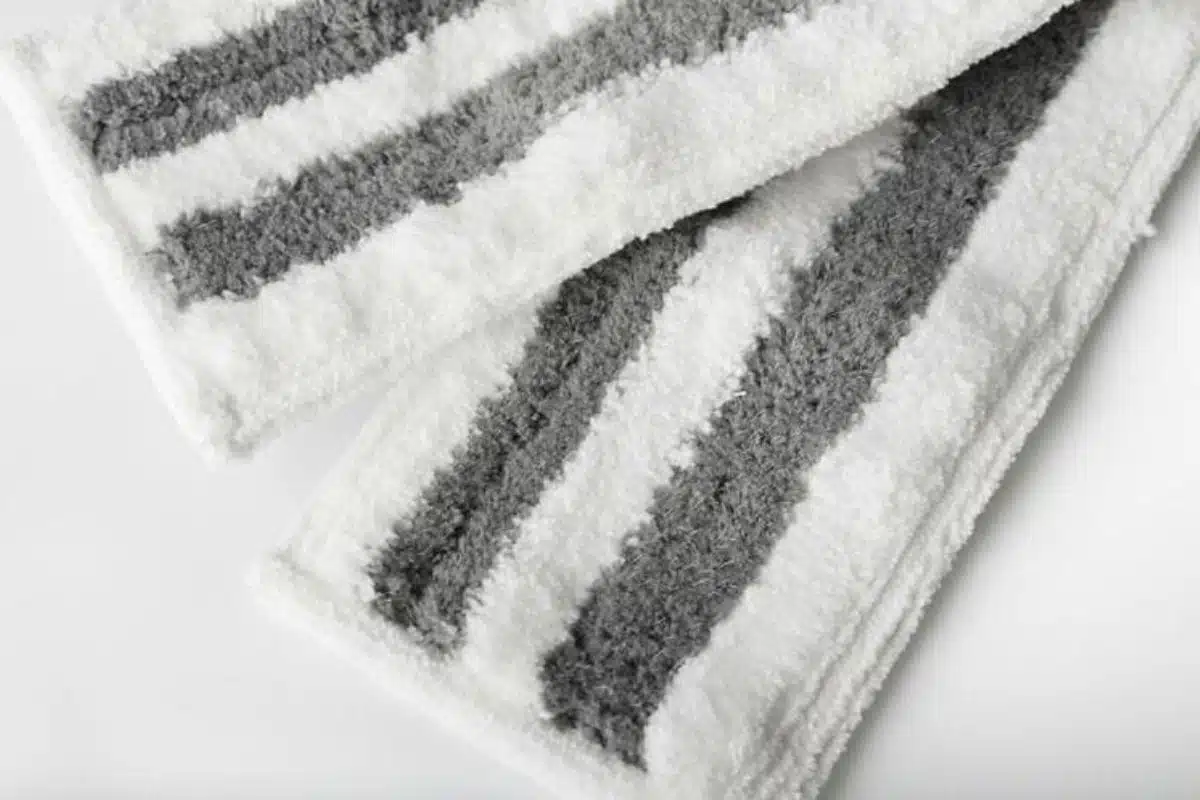
A dirty mop pad can quickly undo your cleaning efforts by redistributing grime instead of removing it. Overused pads may also leave streaks or residue on the floor. For best results, rinse or replace mop pads frequently during larger cleaning sessions to maintain cleaning efficiency.
Assuming Steam Automatically Sanitizes Everything
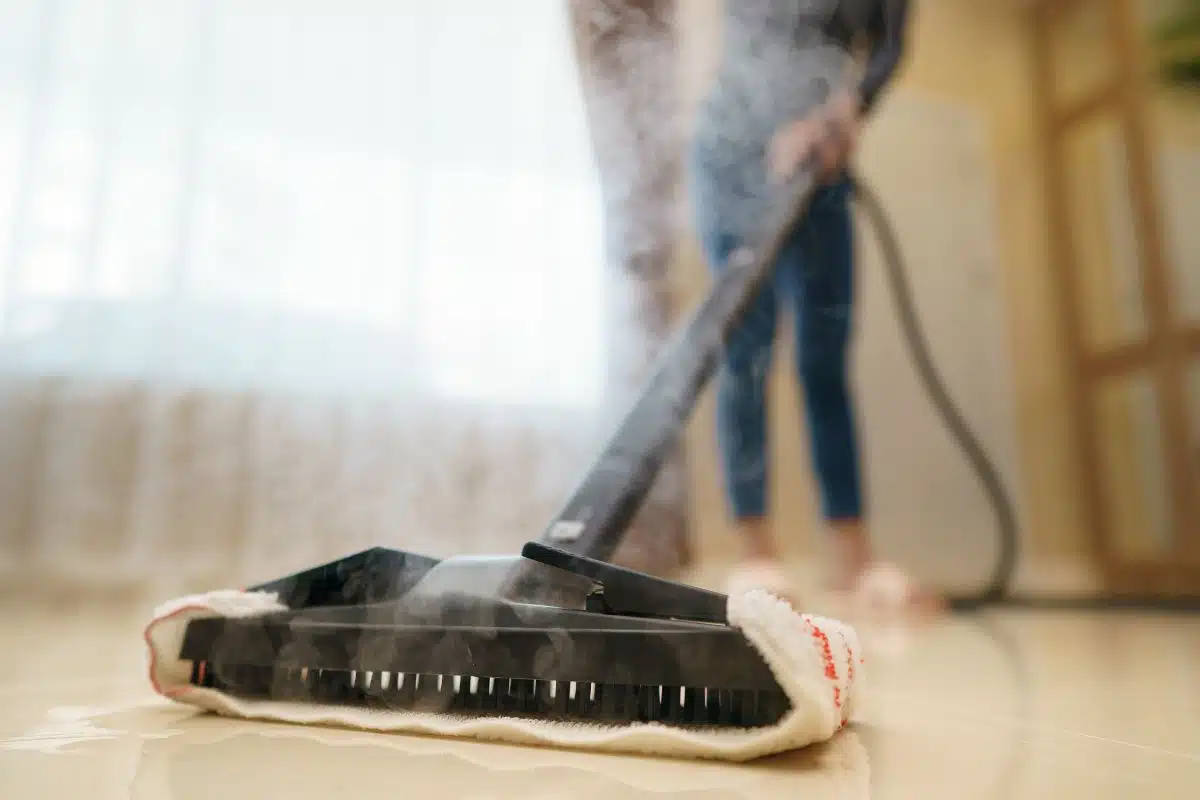
While steam mops can help reduce surface bacteria, they don’t guarantee full sanitization in every situation. Effectiveness depends on temperature, contact time, and surface type. For high-risk areas or deeper disinfection needs, additional cleaning methods may still be necessary.
This post may contain affiliate links or sponsored content. Disclosure Policy