10 Everyday Habits That Were Once Common but Are Less So Today
Daily routines tend to change gradually as technology, work, family life, and everyday priorities evolve. Some habits that were once a normal part of daily life have become less practical, while others have been replaced by newer and more convenient alternatives. That doesn’t necessarily mean these traditions have disappeared completely—just that they’re no longer as common as they once were. Here are 10 everyday habits that were once familiar parts of life but are becoming less common today.
Writing Everything by Hand
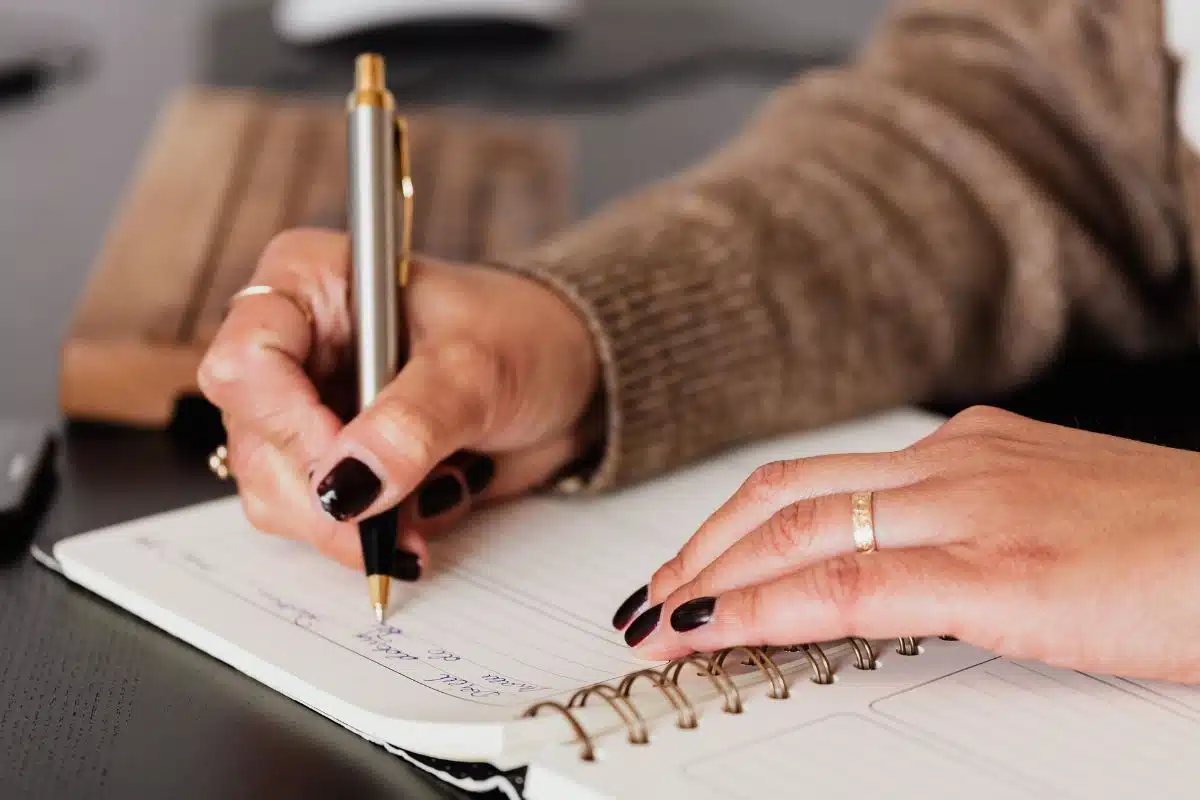
While handwritten notes still have their place, most people now reach for a phone, tablet, or computer instead of a notebook. Grocery lists, calendars, reminders, and even signatures have gone digital, making it easier to organize information across multiple devices. Many schools and workplaces also rely heavily on cloud-based documents, reducing the need for pen and paper. Handwriting remains valuable for journaling, creative work, and memory retention, but it’s no longer the default for everyday tasks.
Handshakes as the Default Greeting

A handshake was once the expected way to greet someone in both business and social settings. Today, many people choose waves, fist bumps, nods, or simply a verbal greeting instead. Increased awareness of illness transmission and greater respect for personal space have made contact-free greetings more common. Handshakes haven’t disappeared, but they’re no longer the automatic choice in every situation.
Washing Hair Every Single Day

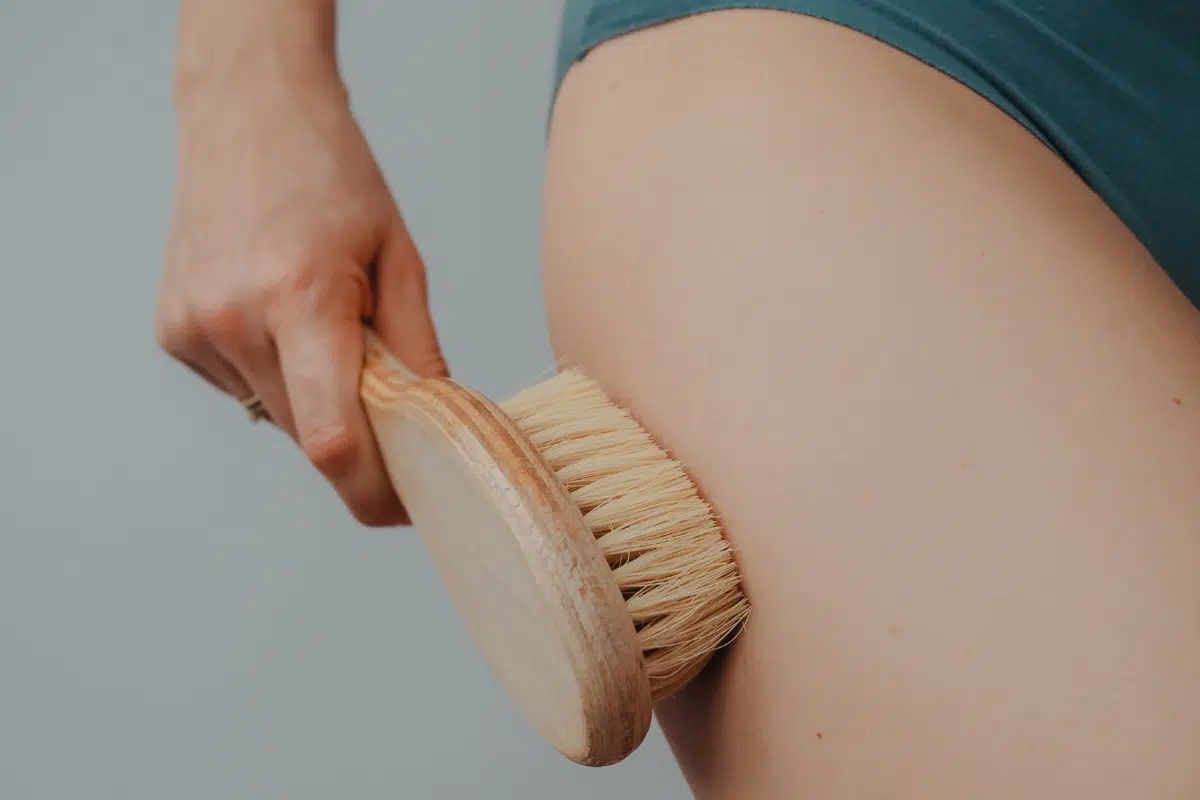
Many people have moved away from daily shampooing after learning that overwashing can strip natural oils from the scalp. Haircare professionals often recommend washing based on hair type, activity level, and scalp health rather than following a one-size-fits-all routine. Dry shampoo and leave-in products have also made it easier to extend time between washes. As a result, washing hair only a few times each week has become normal for many households.
Carrying Cash Everywhere

Mobile wallets, contactless credit cards, and tap-to-pay technology have made paying without cash easier than ever. Many retailers, restaurants, and even parking meters now accept digital payments, allowing shoppers to leave their wallets at home. While cash is still useful for emergencies and certain small businesses, it’s no longer something many people carry every day. Convenience has become the biggest driver behind the shift.
Using a Standalone Alarm Clock

Traditional alarm clocks have largely been replaced by smartphones and smart home devices. Modern alarms offer customizable sounds, sleep tracking, gradual wake-up features, and integration with daily calendars. Voice assistants can even adjust alarms automatically based on schedules or reminders. Dedicated alarm clocks still appeal to people who want to reduce nighttime phone use, but they are far less common than they once were.
Wearing Fragrance Every Day

Daily perfume or cologne use isn’t as universal as it once was. Many workplaces, schools, healthcare facilities, and public spaces now encourage fragrance-free environments because of allergies, asthma, and scent sensitivities. At the same time, consumers are increasingly choosing lighter body mists or unscented personal care products. Fragrance is still popular, but many people save stronger scents for evenings or special occasions.
Commuting to the Office Five Days a Week

Flexible work arrangements have permanently changed the routines of millions of employees. Hybrid schedules allow many workers to split time between home and the office, reducing commuting costs and travel time. Even companies that require in-person work often offer more flexibility than they did in the past. As a result, the traditional Monday-through-Friday commute is no longer the standard for many professionals.
Memorizing Phone Numbers
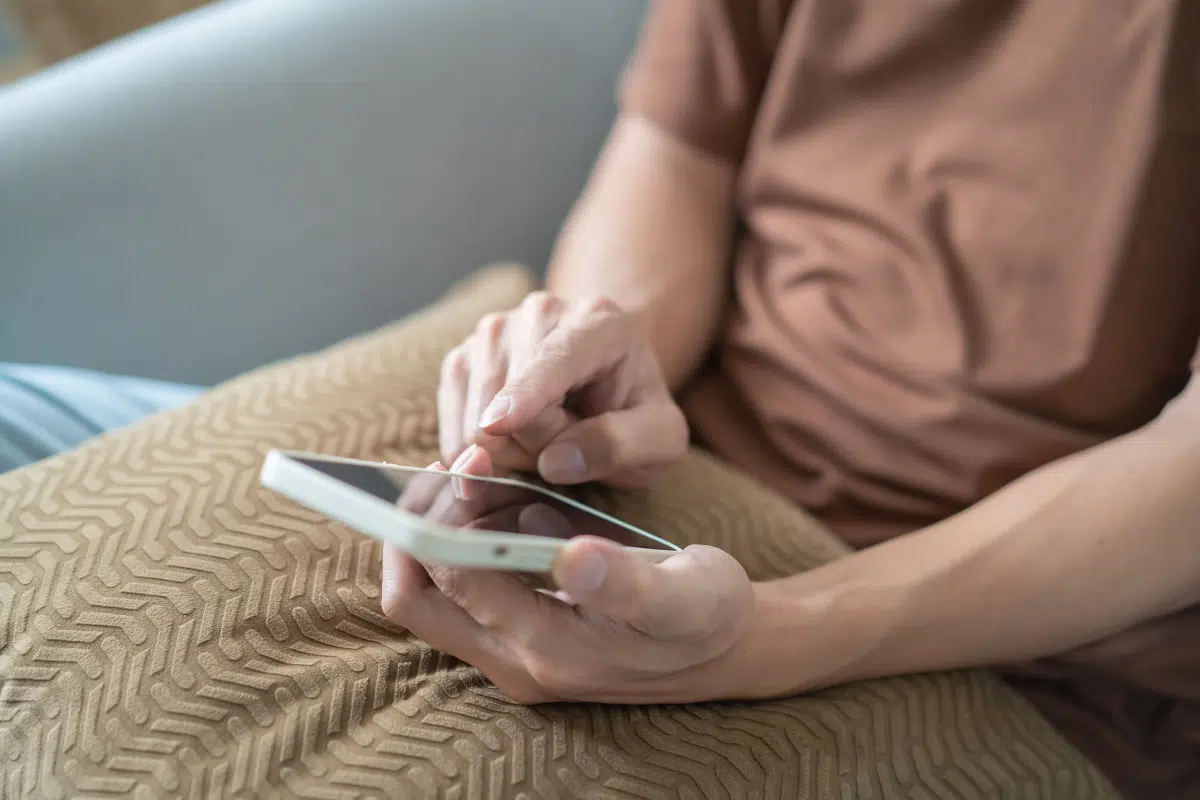
There was a time when people could recite dozens of phone numbers from memory. Today, smartphones store nearly every contact, making memorization largely unnecessary. Voice assistants and contact syncing across devices have made dialing someone almost effortless. While convenient, this shift has also meant that many people only remember a handful of important numbers.
Watching Live Television on a Fixed Schedule
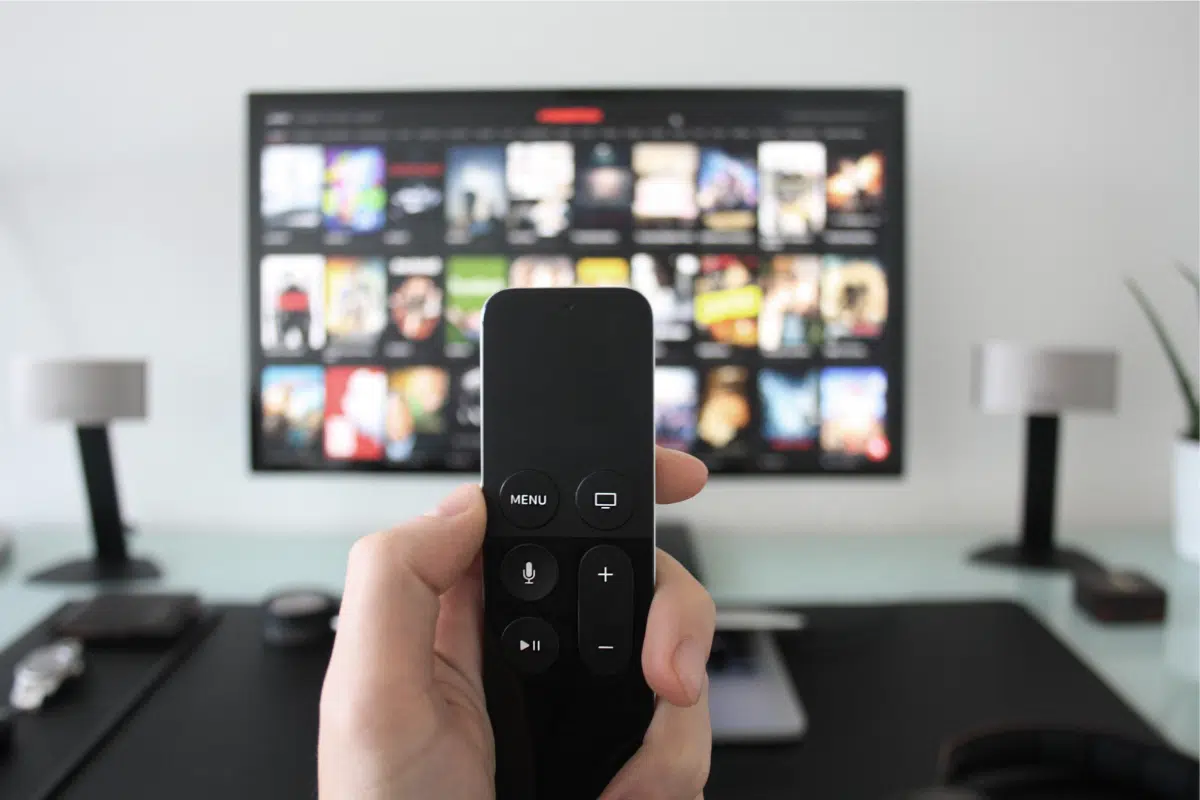
Streaming services have changed how people watch television. Instead of planning evenings around broadcast schedules, viewers can watch shows whenever it’s convenient. On-demand viewing, personalized recommendations, and ad-free subscription options have made traditional appointment television less common. Live TV still draws audiences for sports, breaking news, and major events, but it’s no longer the primary way many people consume entertainment.
Using Paper Maps for Navigation
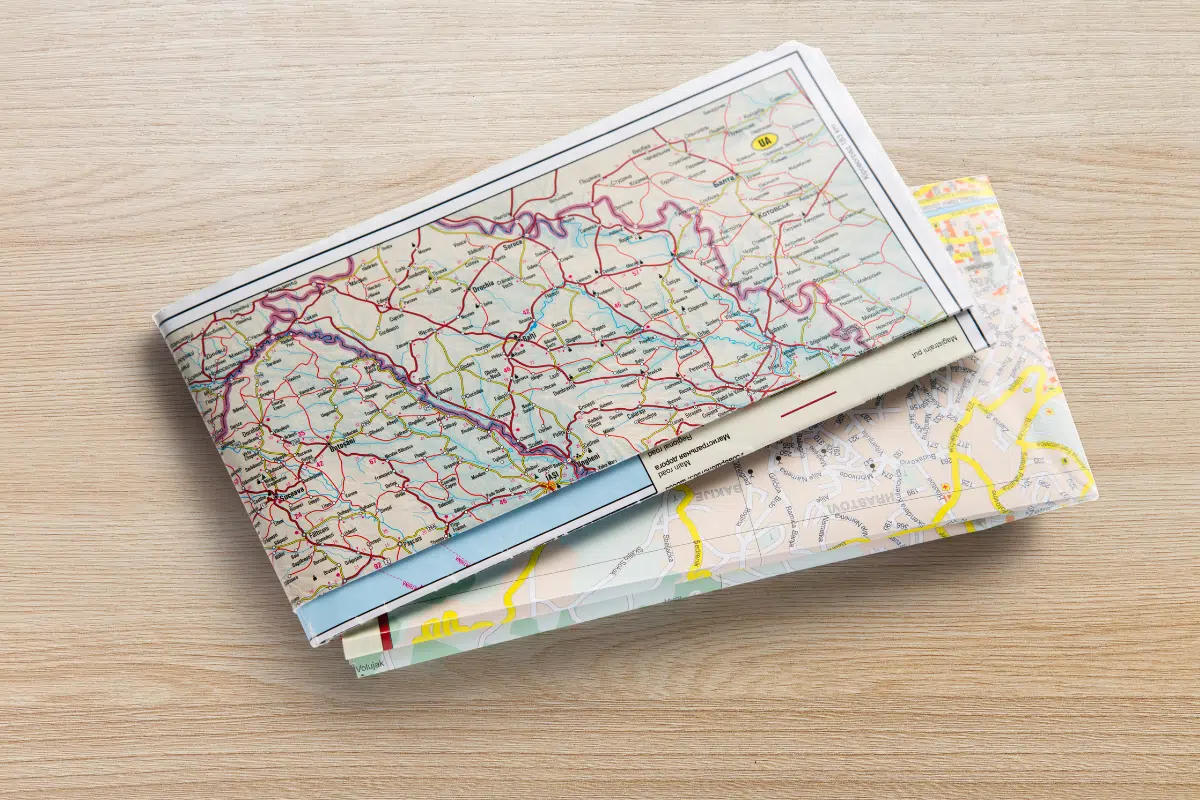
Fold-out road maps were once an essential part of every road trip. Today, GPS apps provide real-time directions, traffic updates, alternate routes, and estimated arrival times with just a few taps. Drivers can also receive voice-guided navigation without taking their eyes off the road. Paper maps still have value as emergency backups or for outdoor adventures, but they are no longer a staple in most vehicles.
This post may contain affiliate links or sponsored content. Disclosure Policy