11 Grocery Staples That Used to Be Cheap—and Aren’t Anymore
Grocery prices aren’t rising evenly. Some staples have become more expensive because of tight supplies or poor harvests, while others are being affected by higher production costs or strong demand. Government data shows that food-at-home prices continue to move differently from one category to another, making some familiar grocery purchases particularly noticeable at checkout. These are 11 everyday foods that have become significantly harder on the grocery budget—and why their prices have been under pressure.
Cereal
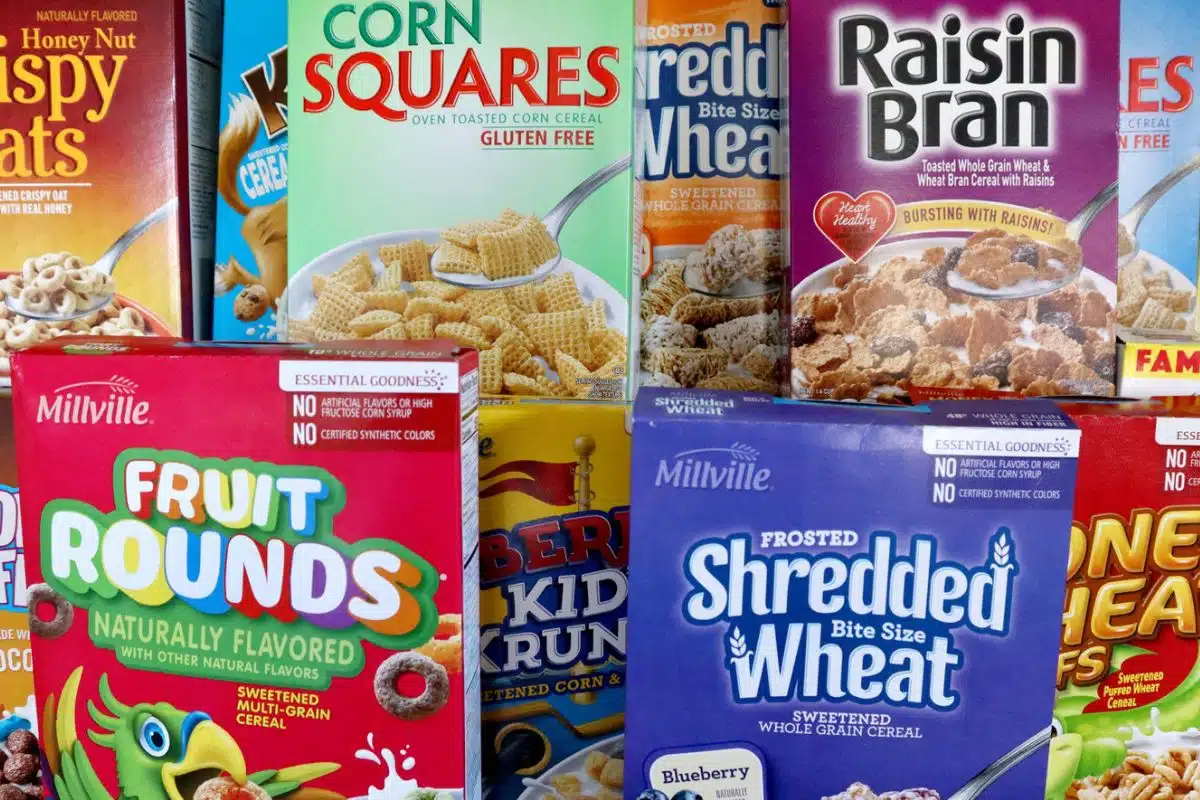
Breakfast cereal has become noticeably more expensive, with prices rising faster than many shoppers might expect. Federal consumer-price data shows that the broader cereal and bakery category has continued to see price increases, while breakfast cereal itself has experienced particularly strong increases at times. Grain isn’t the only factor behind the price of a box; processing, packaging, transportation, and labor also contribute to the final shelf price. Smaller package sizes can make the increase feel even more noticeable to families who buy cereal regularly.
Chocolate
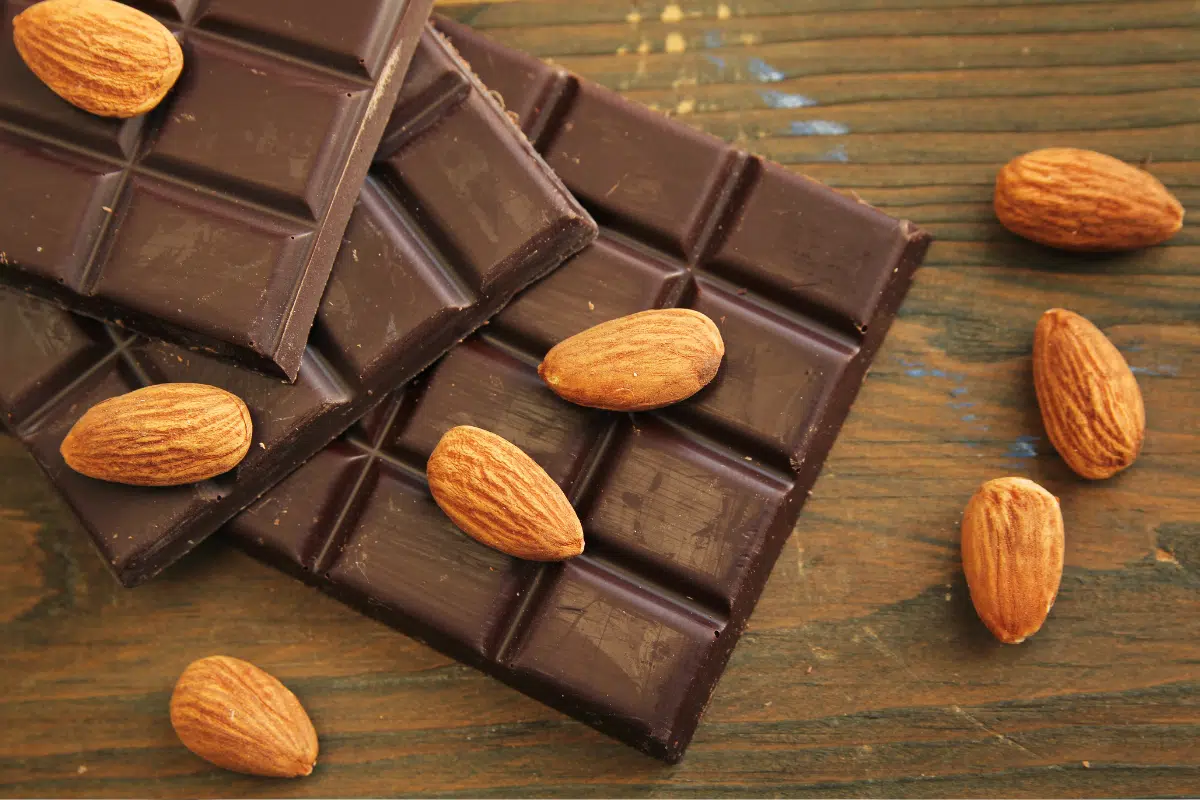
Chocolate has faced an unusual combination of supply pressures and expensive cocoa. Cocoa prices have been extremely elevated compared with historical norms, following significant production problems in major growing regions. The International Cocoa Organization continues to track substantial volatility in the global cocoa market, which can eventually affect chocolate bars, baking chocolate, cocoa powder, and other products. For shoppers, that can mean higher prices even when the package itself hasn’t changed. Chocolate manufacturers may also adjust package sizes or formulations as they manage higher ingredient costs. If you’re buying chocolate for baking, comparing prices between brands and watching for sales can make a meaningful difference.
Orange Juice

Orange juice has been dealing with an unusually difficult supply situation. Citrus production in Florida has been severely affected by disease and weather-related problems, leaving the domestic orange supply under pressure. USDA reports have documented exceptionally low Florida orange production, while imports have become an important part of the U.S. supply. Those supply challenges can show up at the grocery store in the form of higher orange juice prices. Unlike some grocery items, orange juice can’t simply be produced more quickly when supplies tighten because growing the fruit takes time.
Bacon
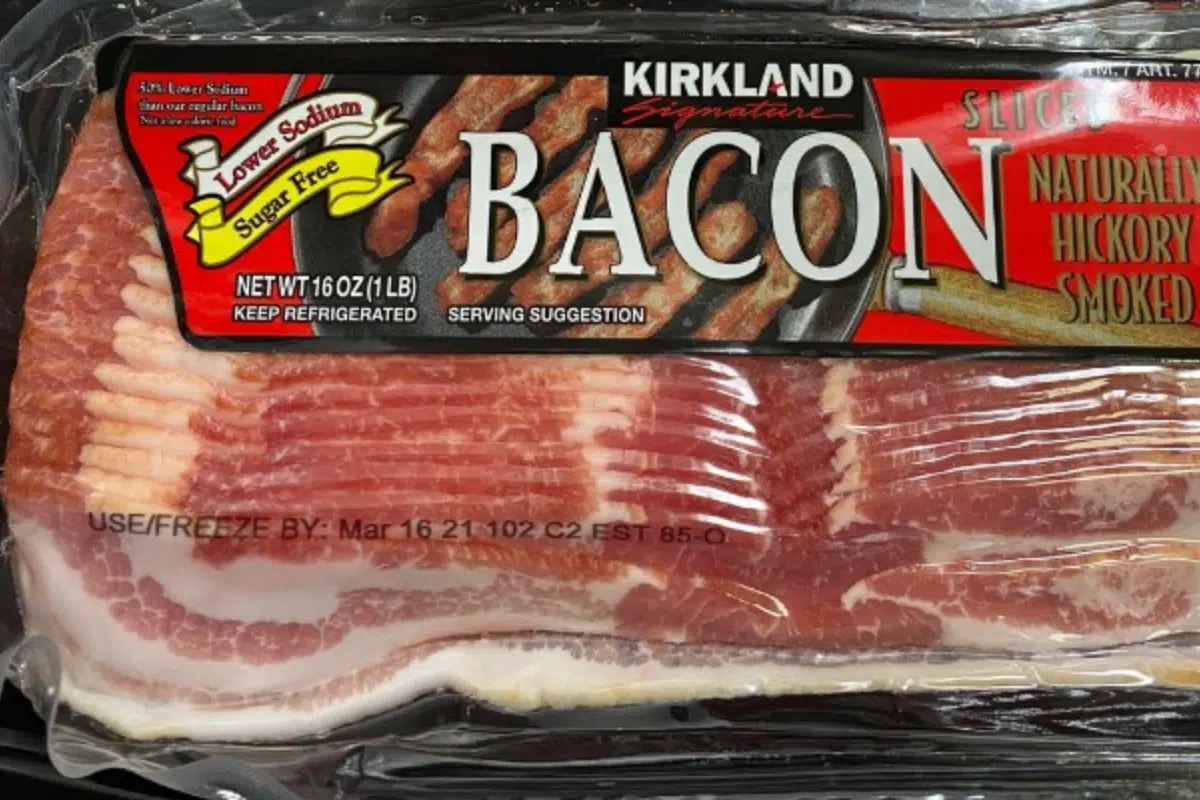
Bacon remains a popular grocery purchase, but its price can be affected by everything from hog production costs to feed, labor, processing, transportation, and demand. That makes bacon particularly sensitive to changes throughout the pork supply chain. However, it’s worth noting that pork prices don’t always move in the same direction as beef or other meats. USDA’s current outlook expects pork prices to behave much differently from beef, which is facing considerably tighter supplies. For shoppers, the practical lesson is not to assume that every package of bacon is a good buy simply because it’s on sale. Compare the price per pound, watch for promotions, and consider freezing extra packages when the price is unusually low.
Ground Beef
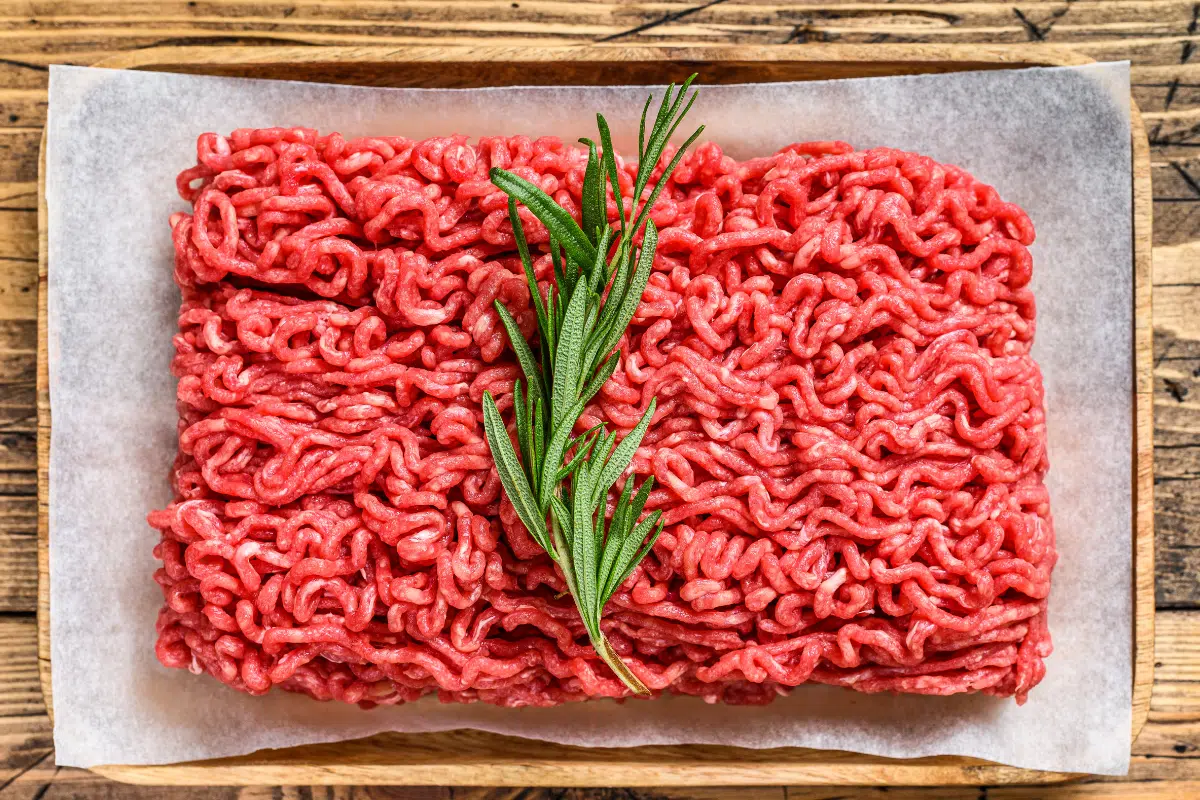
Ground beef is one of the grocery items where current supply conditions really matter. USDA reports that beef and veal prices have been running well above year-ago levels, with tight cattle supplies contributing to elevated beef prices. Beef production has also been under pressure, making it difficult for supplies to quickly catch up with demand. Because ground beef is so versatile, higher prices can affect everything from tacos and burgers to meatloaf and spaghetti sauce. One way to stretch a package is to combine ground beef with beans, lentils, rice, mushrooms, or vegetables, depending on the recipe. Buying larger packages when the per-pound price is lower and freezing portions can also help.
Olive Oil

Olive oil has experienced significant price volatility following difficult growing conditions in major producing regions. Olive production is highly dependent on weather, and drought can have a major effect on the amount of olives available for pressing. When supplies tighten, the increase can work its way through the entire supply chain and eventually reach grocery shelves. That doesn’t mean every bottle will be expensive all the time. Prices can vary considerably by brand, type, origin, and store. If you’re trying to save, compare the price per ounce rather than simply choosing the cheapest-looking bottle, and consider using extra-virgin olive oil where its flavor matters most while choosing another cooking oil when appropriate.
Cheese
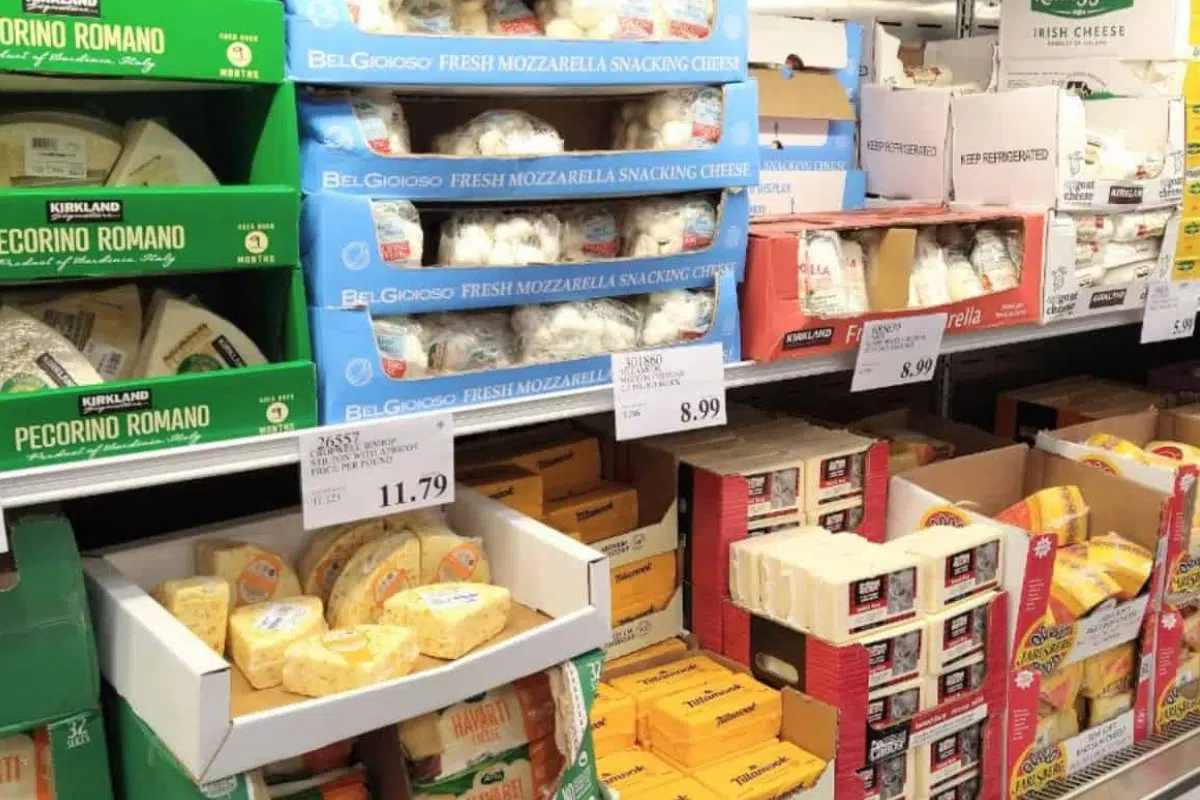
Cheese prices don’t always rise at the same rate as other dairy products. In fact, federal data has shown periods when the overall dairy category was relatively flat or even lower than the previous year. That makes it misleading to say that all cheese prices are simply rising because milk costs are higher. Still, shoppers can see significant differences between varieties and package sizes. Specialty cheeses, pre-shredded cheese, and individually packaged portions often cost more per ounce than a larger block. If your recipe allows it, buying cheese in block form and shredding it yourself can be a simple way to reduce the cost.
Coffee
Coffee remains a challenging grocery category because the beans are grown primarily outside the United States and are vulnerable to weather problems, crop conditions, shipping disruptions, and changes in global supply and demand. Coffee prices can therefore move differently from many other foods in your grocery cart. The increase is especially noticeable for households that drink coffee every day because even a relatively small price change gets multiplied over dozens of cups each month. Store brands, larger packages, sales, and ground coffee instead of single-serve formats can sometimes bring the cost per cup down considerably. If you drink coffee daily, comparing the unit price rather than the sticker price is one of the easiest ways to find savings.
Fresh Berries
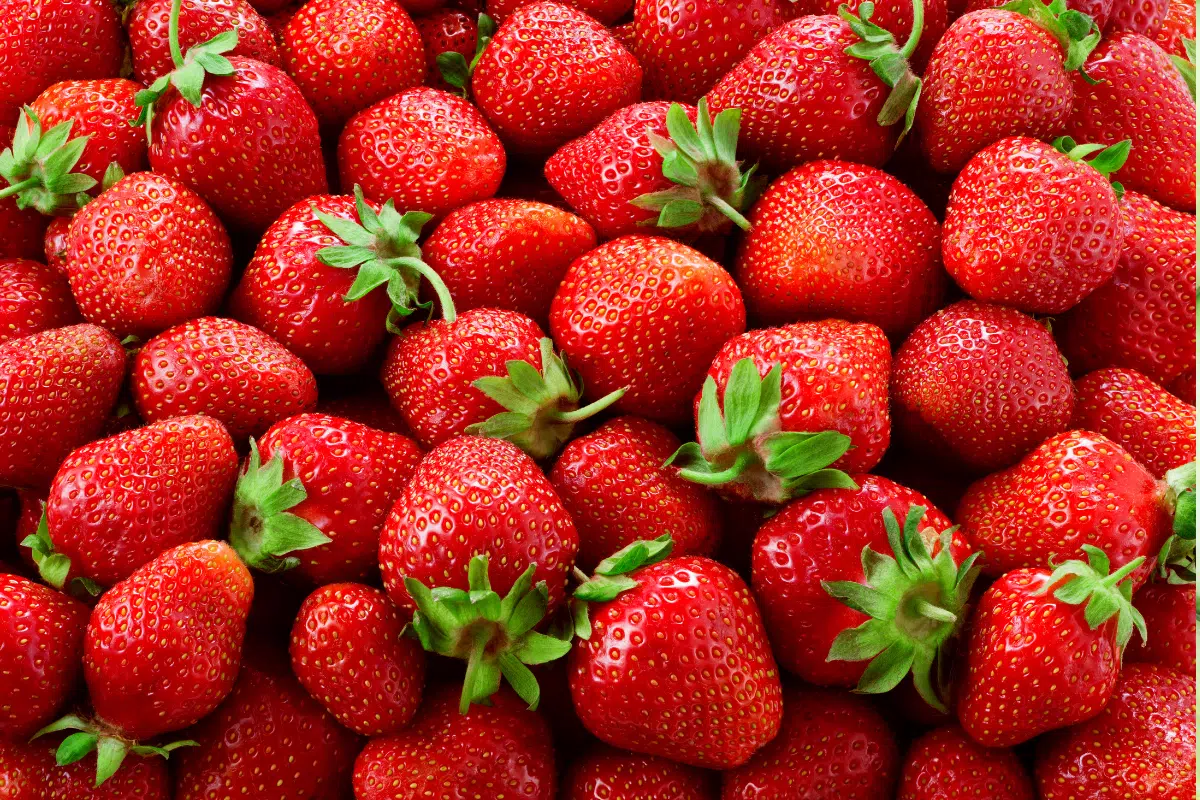
Fresh berries can be expensive even when overall fruit prices aren’t climbing dramatically. Strawberries, blueberries, and raspberries are delicate products that require careful harvesting, refrigeration, and transportation. Weather can also affect both crop yields and the timing of harvests. USDA’s current food-price outlook expects fresh fruit prices to be among the food categories growing faster than their long-term average. Frozen berries can be a smart alternative when fresh prices are high. They’re generally easier to keep on hand, don’t spoil as quickly, and work well in smoothies, oatmeal, muffins, and many baked recipes.
Avocados
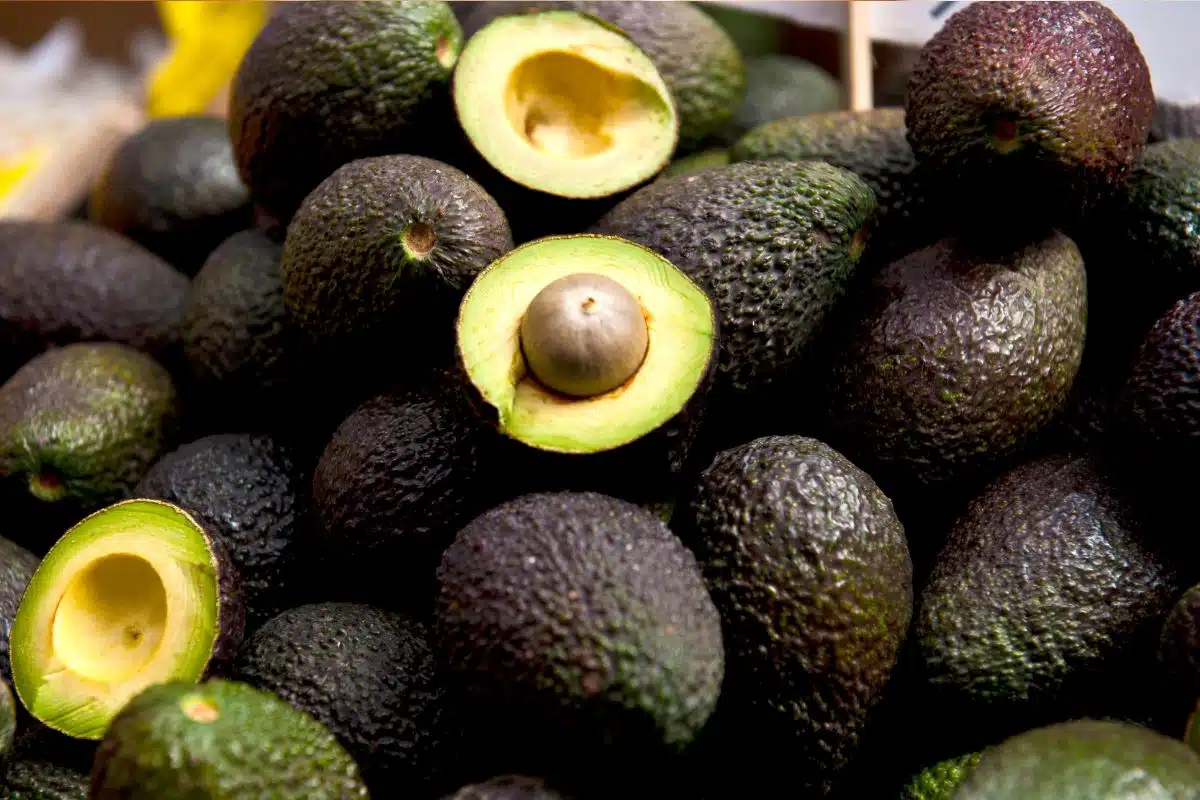
Avocado prices can swing significantly because the U.S. supply depends heavily on imported fruit. Weather, growing conditions, transportation, and production in major supplier countries can all affect what shoppers pay. Unlike shelf-stable foods, avocados also have a relatively short window between being ready to eat and becoming overripe. That makes a low sticker price less useful if half the bag ends up in the trash. Buy only what you can use, look for sales when possible, and consider purchasing individual fruit rather than a larger package when you don’t need several at once.
Maple Syrup

Pure maple syrup has always carried a higher price than pancake syrup because producing it requires a specific combination of suitable trees, weather, and a short annual tapping season. Production can vary from one season to another depending on temperature patterns and other growing conditions. That doesn’t mean maple syrup prices will continually rise or that every bottle is becoming dramatically more expensive. But it remains a premium grocery item, and the difference between pure maple syrup and maple-flavored pancake syrup can be substantial.
The Grocery Bill Isn’t Rising the Same Way for Everyone
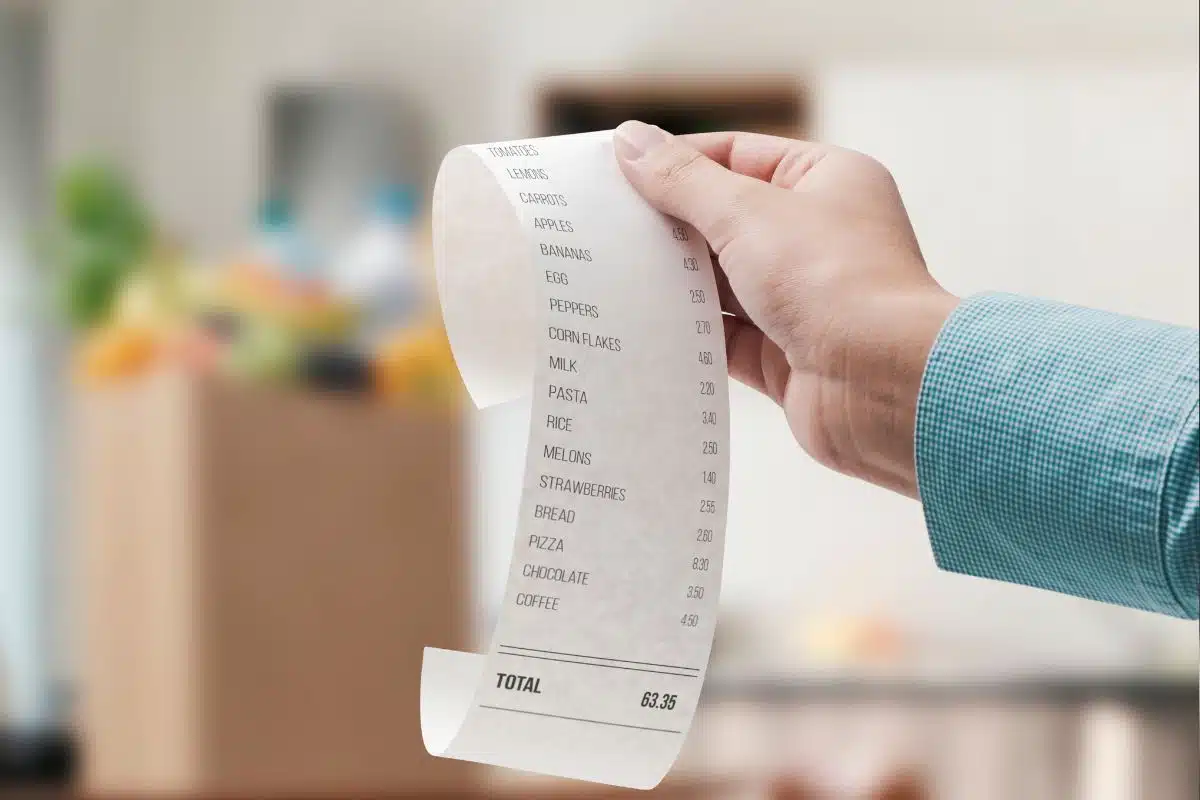
The biggest takeaway isn’t that every grocery item is suddenly unaffordable. Prices are moving very differently from one food category to another. USDA’s current outlook, for example, expects beef and fresh fruits to see stronger price growth than some other categories, while eggs and fats and oils are expected to move lower compared with the previous year. That makes comparison shopping more valuable than ever. Rather than cutting out every food that has become more expensive, look for sales, compare unit prices, substitute when it makes sense, and stock up on foods that freeze or store well when the price is right. A few strategic changes can make a surprisingly big difference in the total grocery bill.
This post may contain affiliate links or sponsored content. Disclosure Policy