10 Cleaning Products and Tools Professionals Keep Coming Back To
Professional cleaners don’t necessarily need a cabinet full of specialty products to get a home looking its best. The most useful supplies are often simple tools that make it easier to remove dirt, tackle buildup, protect surfaces, and work efficiently. Some traditional household ingredients still have practical uses, while commercial cleaners are the better choice for jobs requiring specific cleaning or disinfecting claims. Here are 10 reliable cleaning staples worth keeping on hand, along with a few important updates to the advice surrounding them.
Microfiber Cloths
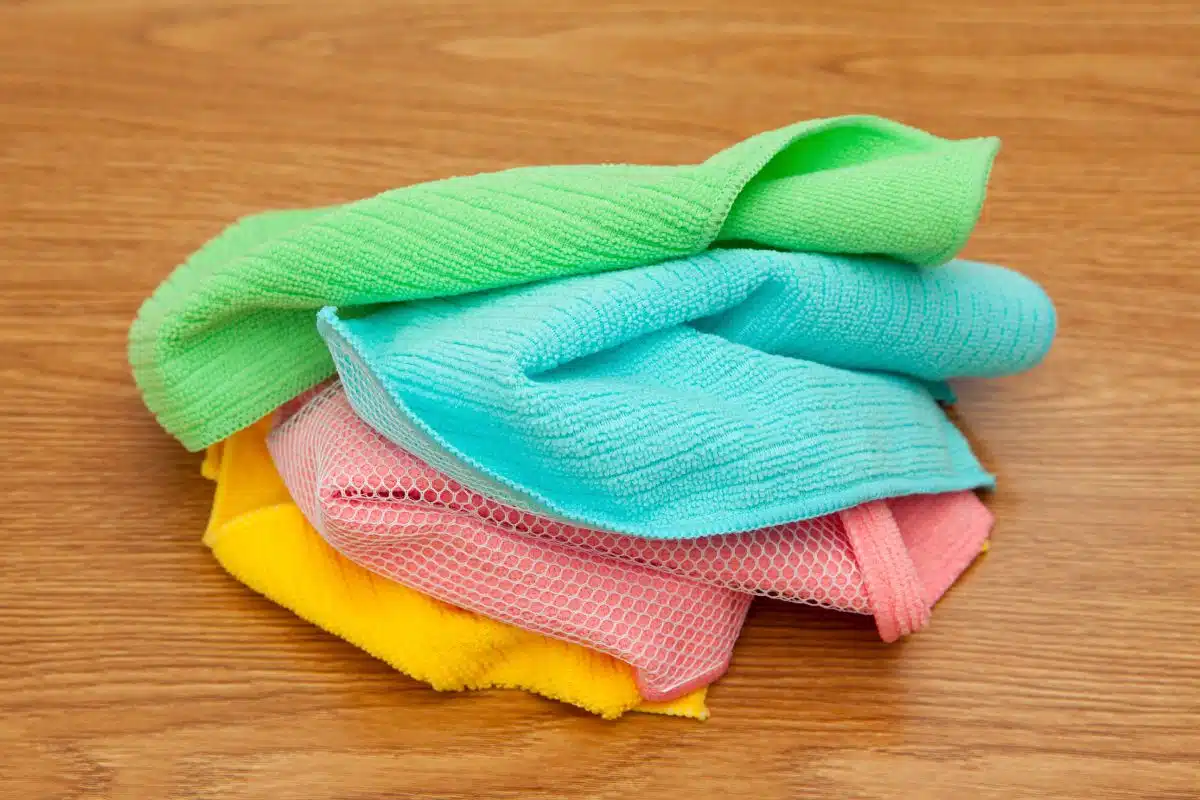
Microfiber cloths are useful for dusting, wiping surfaces, cleaning glass, and drying because their fine fibers can pick up dust and moisture effectively. A slightly damp microfiber cloth is also recommended by the EPA for routine dusting of hard surfaces. Use different cloths for bathrooms, kitchens, and general dusting to avoid spreading grime from one area to another. Wash them according to the manufacturer’s instructions and avoid fabric softener, which can reduce their absorbency.
White Vinegar
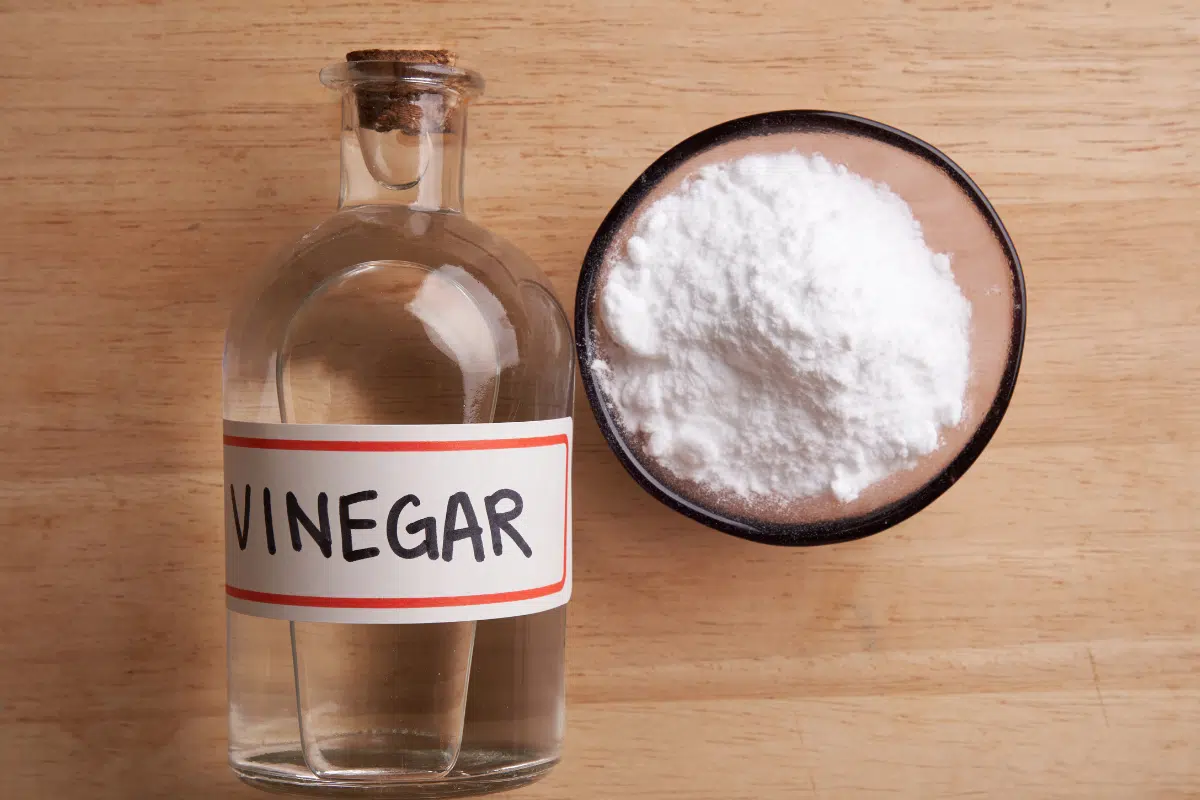
White vinegar can be useful for certain cleaning jobs because its acidity helps dissolve some mineral deposits and soap residue. It can be particularly handy for some glass, shower, and hard-water cleaning tasks when used on compatible surfaces. However, vinegar is not a universal cleaner and should not be treated as a disinfectant; the EPA does not verify ordinary household vinegar as a disinfectant. Never combine vinegar with bleach or other incompatible cleaning products.
Baking Soda
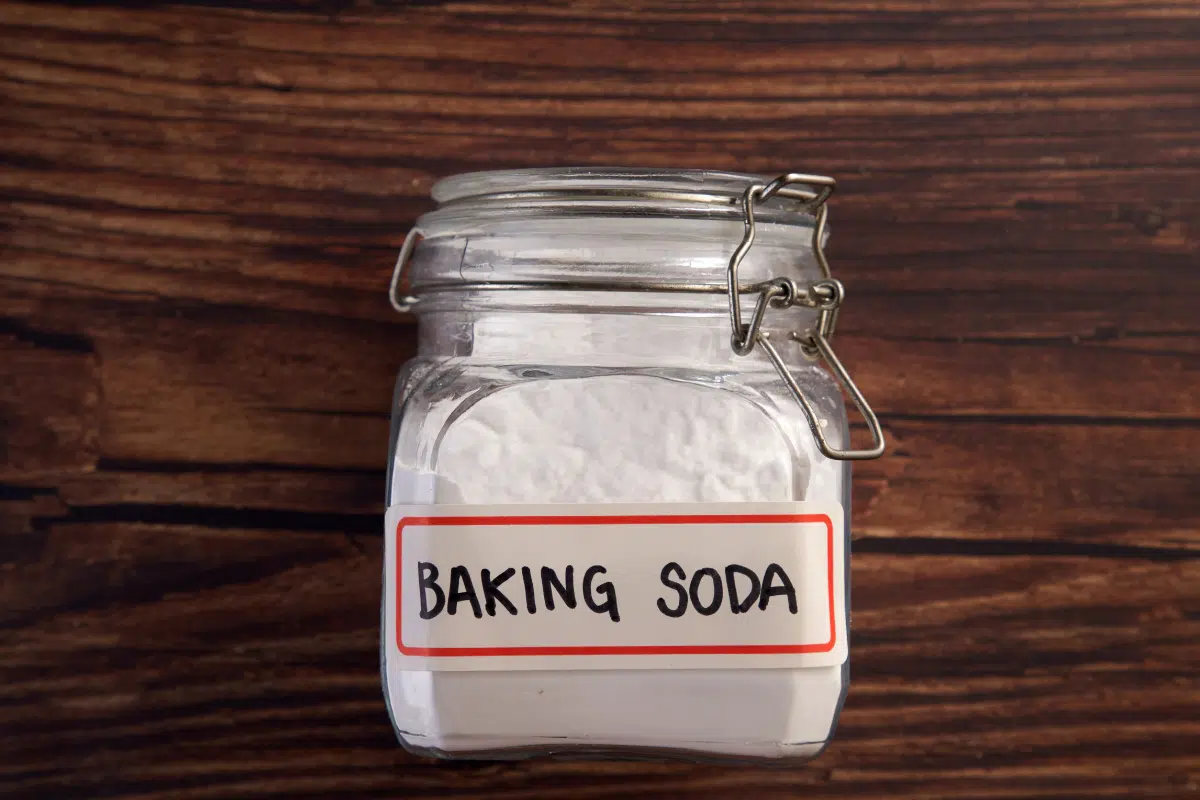
Baking soda is a useful, inexpensive ingredient for gentle scrubbing and odor control. It can be made into a paste with water for certain surfaces or sprinkled onto areas where odors are a concern before vacuuming. The EPA lists baking soda and water among household cleaning alternatives. Because it is mildly abrasive, test it on an inconspicuous area first and avoid using it on surfaces that can be scratched or damaged by abrasive cleaners.
Castile Soap
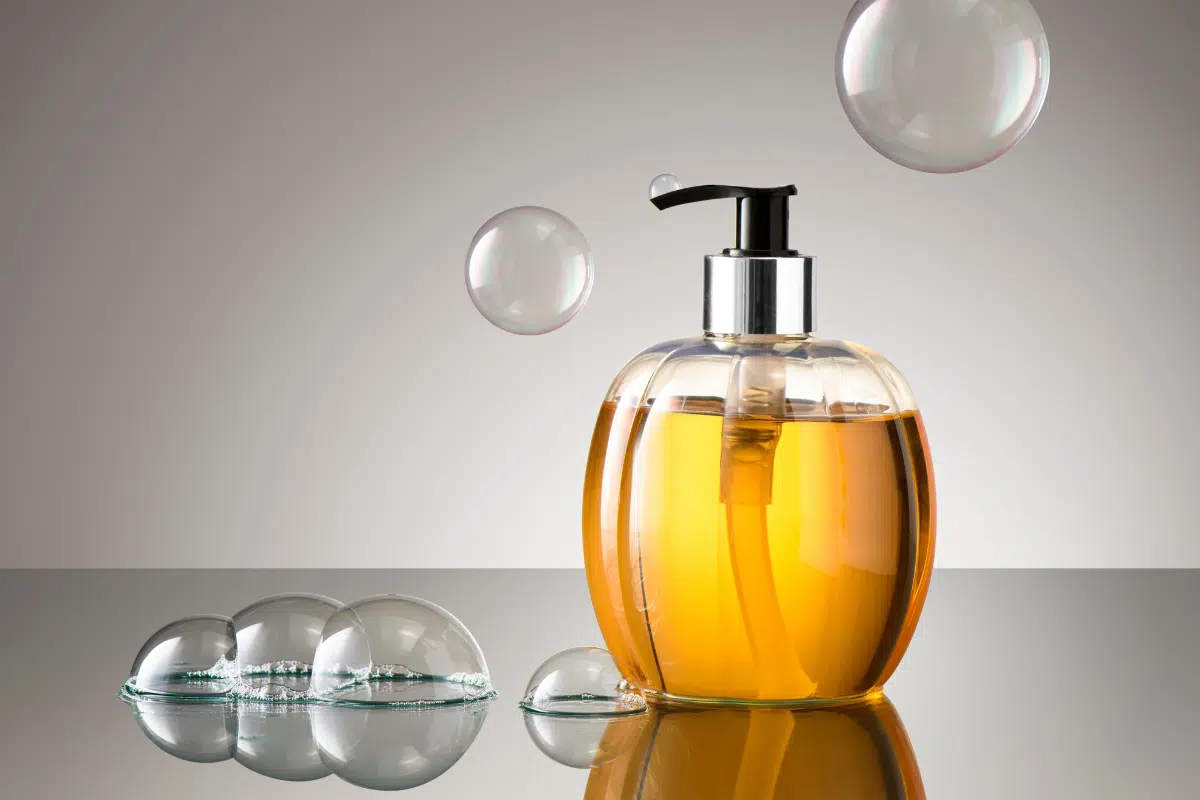
Castile soap is a vegetable-oil-based soap that can be useful for a variety of everyday cleaning tasks when properly diluted. It can work well for some hand-washing and general cleaning applications, but it is not automatically appropriate for every floor, countertop, or appliance. Always follow the product’s dilution recommendations and check whether the surface manufacturer permits soap-based cleaners. One important rule: don’t mix Castile soap with acidic ingredients such as vinegar, because the combination can reduce its cleaning effectiveness and leave residue.
Melamine Cleaning Sponges
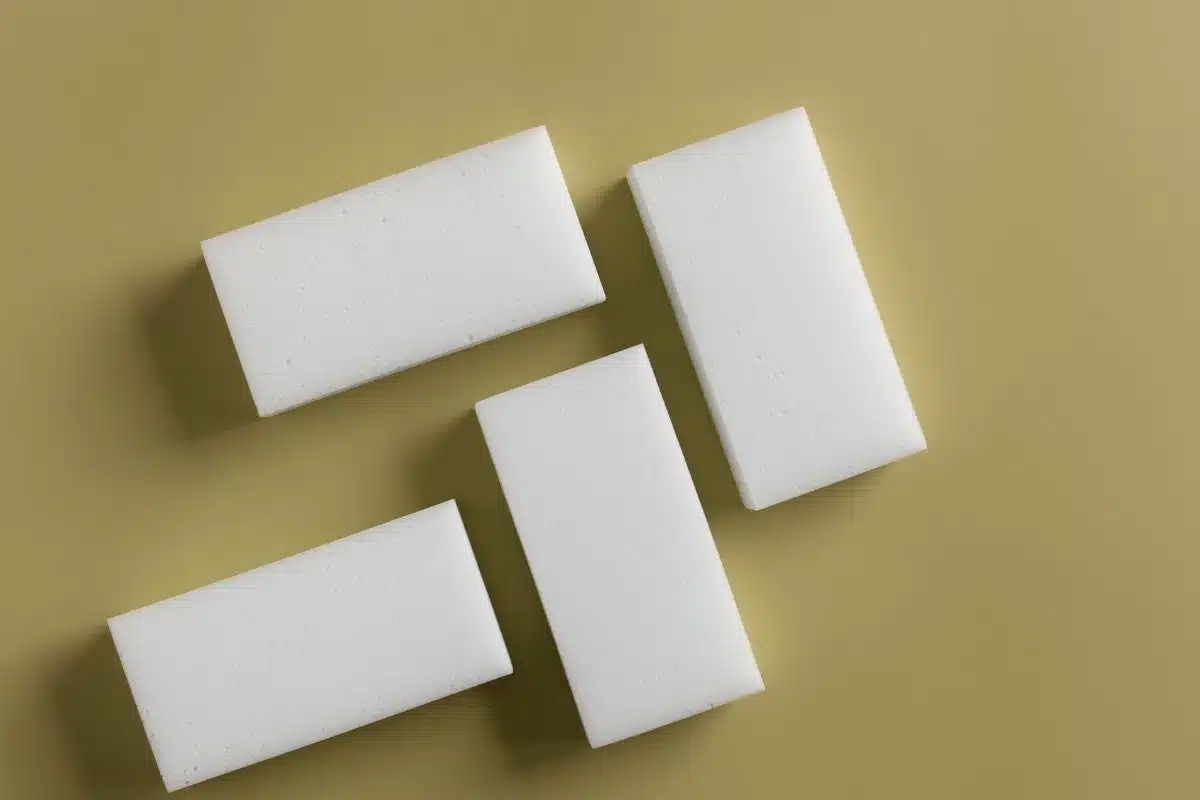
Melamine foam sponges can be remarkably effective on scuff marks and certain stubborn marks because the foam works as a fine abrasive. They are useful on appropriate painted walls, baseboards, and other hard surfaces, but they can also dull or remove finishes. Test a small hidden area first and use a light touch rather than aggressive scrubbing. They should also be used according to the manufacturer’s instructions, particularly around food-contact surfaces.
Reusable Spray Bottles
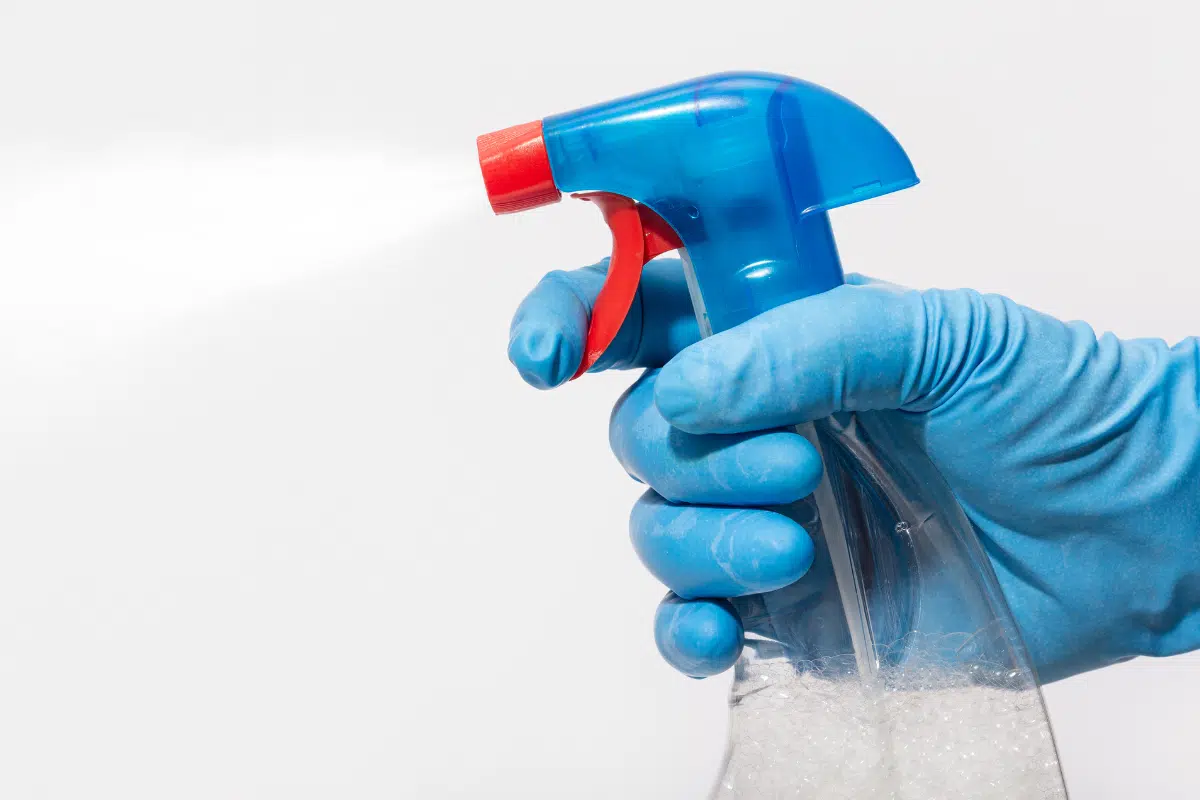
A good spray bottle is useful when working with ready-to-use cleaners or products that are specifically designed to be diluted. It can also make routine cleaning more efficient because the solution is easy to apply evenly across a surface. However, don’t assume that every concentrated cleaner can safely be transferred to another bottle; follow the manufacturer’s instructions for dilution, storage, and labeling. Never reuse a bottle that previously contained a different chemical without following appropriate cleaning and safety guidance.
Rubber Cleaning Gloves
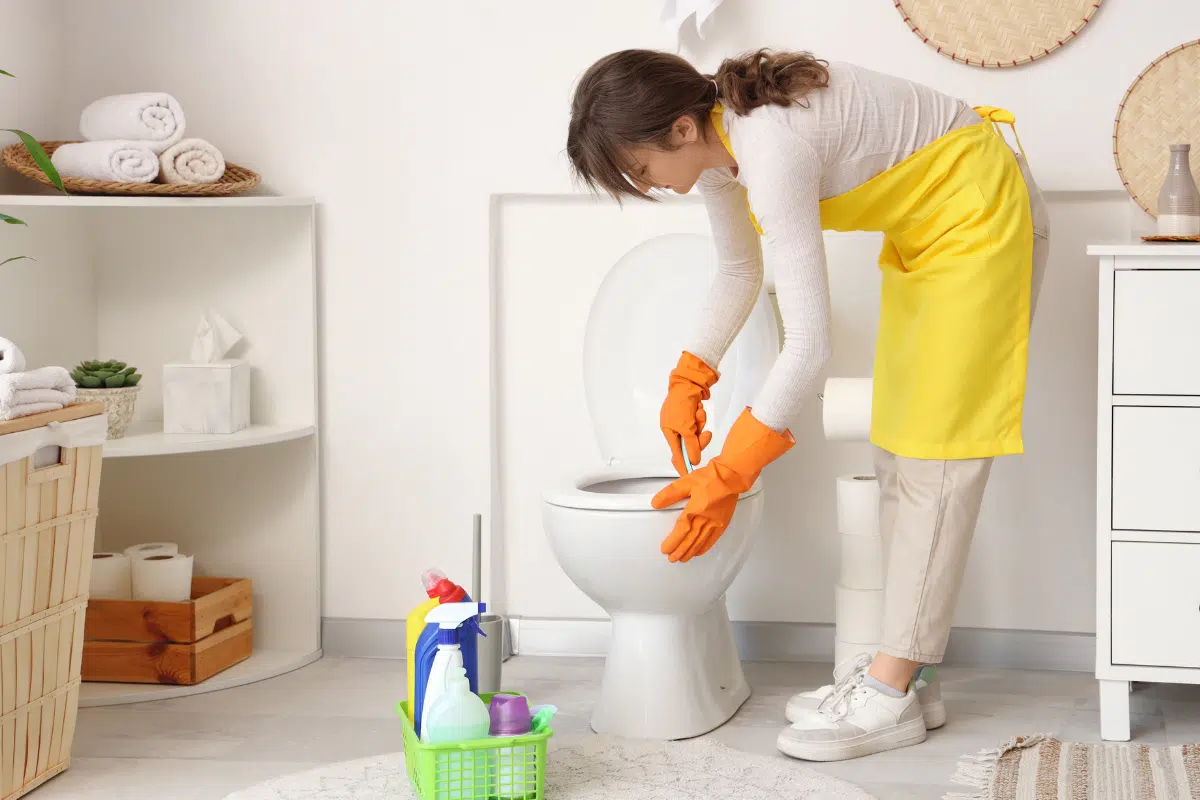
Cleaning gloves help keep hands dry and provide a barrier between your skin and cleaning products. They can also make unpleasant jobs such as bathroom cleaning and dishwashing more comfortable. Gloves are particularly important when a product label recommends protective equipment, and the EPA advises following label directions when using household chemicals. Choose gloves that fit properly and replace them if they become damaged or develop holes.
Microfiber Mop or Spin Mop
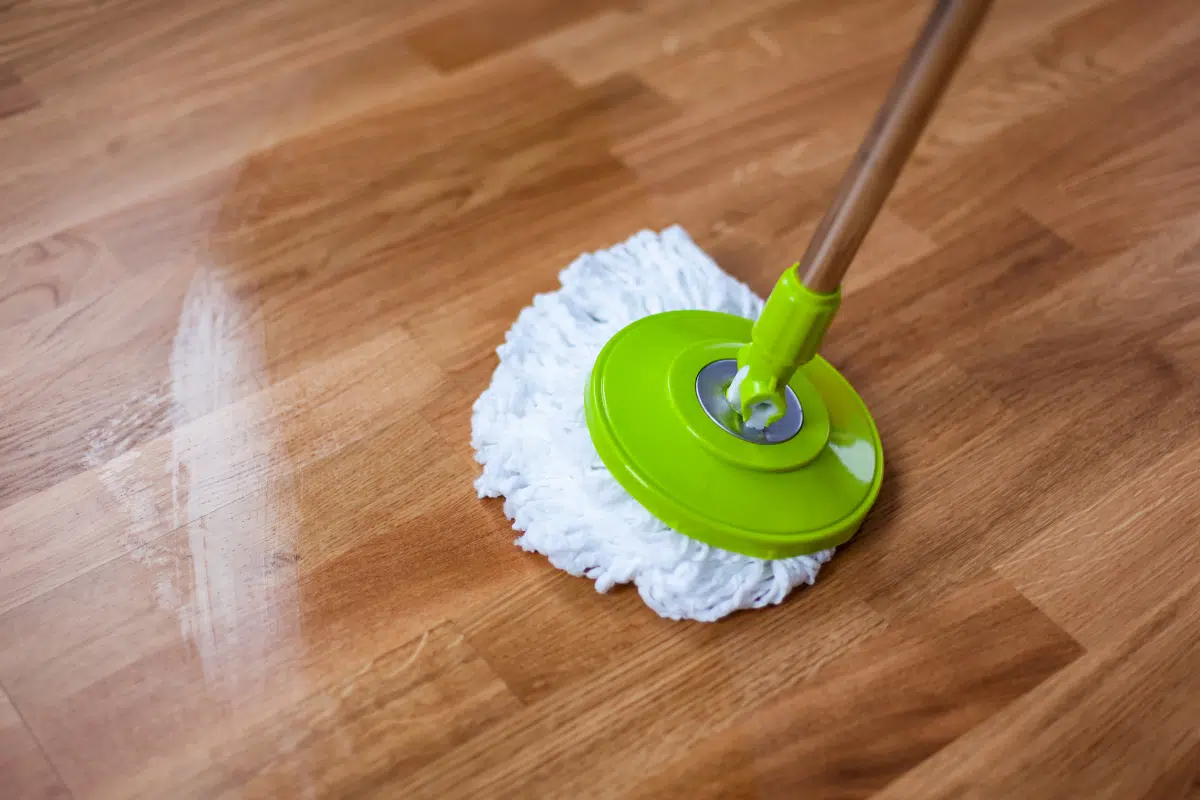
A washable microfiber mop can make routine floor cleaning easier while reducing the need for disposable mop pads. The EPA recommends damp-mopping hard floors as part of routine household cleaning. Choose a mop appropriate for your flooring because wood, laminate, tile, and other materials can have very different care requirements. Using too much water can damage some floors, so follow the flooring manufacturer’s cleaning recommendations.
EPA-Registered Disinfecting Wipes
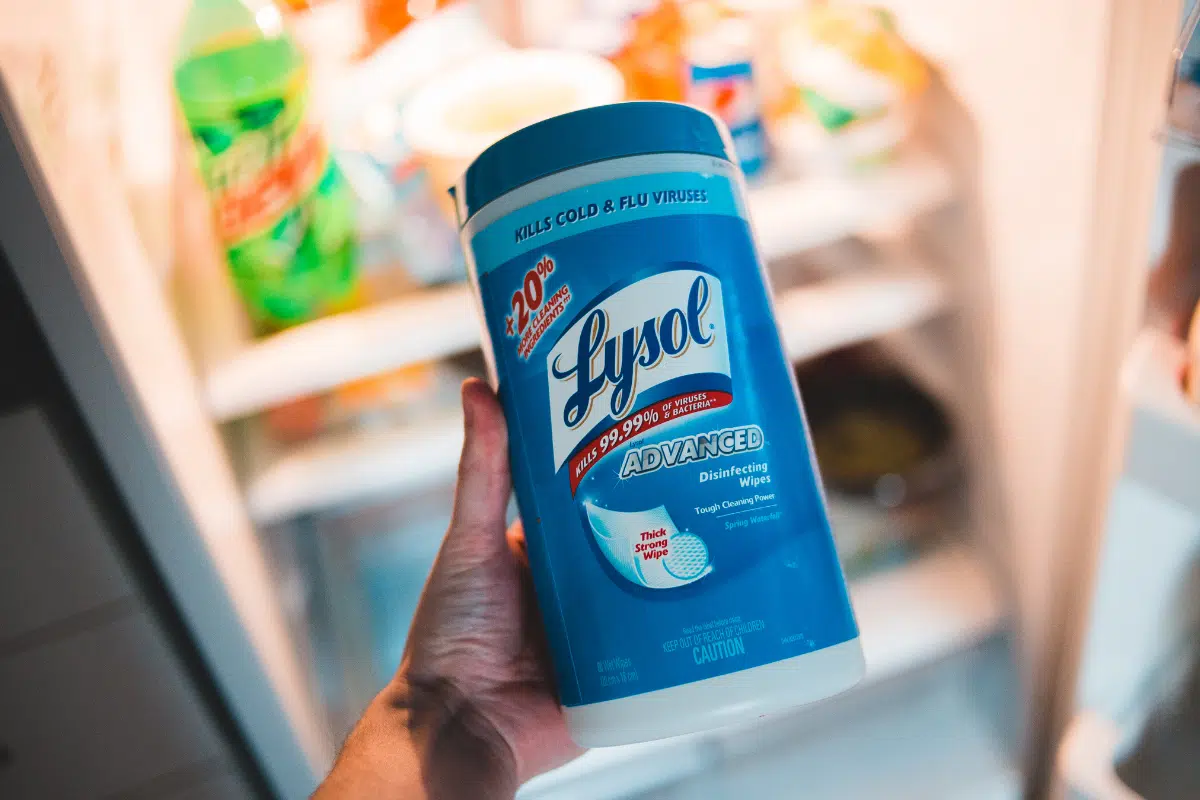
Disinfecting wipes can be useful when you specifically need to disinfect an appropriate hard, nonporous surface. They are different from ordinary cleaning wipes: disinfectants are EPA-registered products with specific claims and directions for use. Pay attention to the required contact time—the surface generally needs to remain visibly wet for the amount of time specified on the label for the product to work as intended. For everyday dirt, soap or detergent and water may be all you need.
A Quality Squeegee
I would not keep the original claim that professional cleaners routinely make homemade mixtures with “water, vinegar, or essential oils.” Professional cleaning companies often rely on properly formulated commercial products, particularly when disinfection is required. The EPA specifically notes that homemade cleaners generally do not perform as well as specially formulated commercial products, and it recommends following product labels and avoiding chemical mixtures.
This post may contain affiliate links or sponsored content. Disclosure Policy