6 Grocery Shopping Tricks That Can Cut Your Bill Every Time
Rising food prices have made grocery shopping more challenging for many households, but saving money doesn’t have to mean giving up your favorite foods. Often, the biggest savings come from changing a few shopping habits rather than clipping dozens of coupons or chasing every sale. By planning ahead, comparing prices, and shopping more intentionally, you can lower your grocery bill while still filling your cart with quality ingredients. These six practical strategies can help you make every grocery trip more budget-friendly.
Make a Grocery List Based on Your Weekly Meals
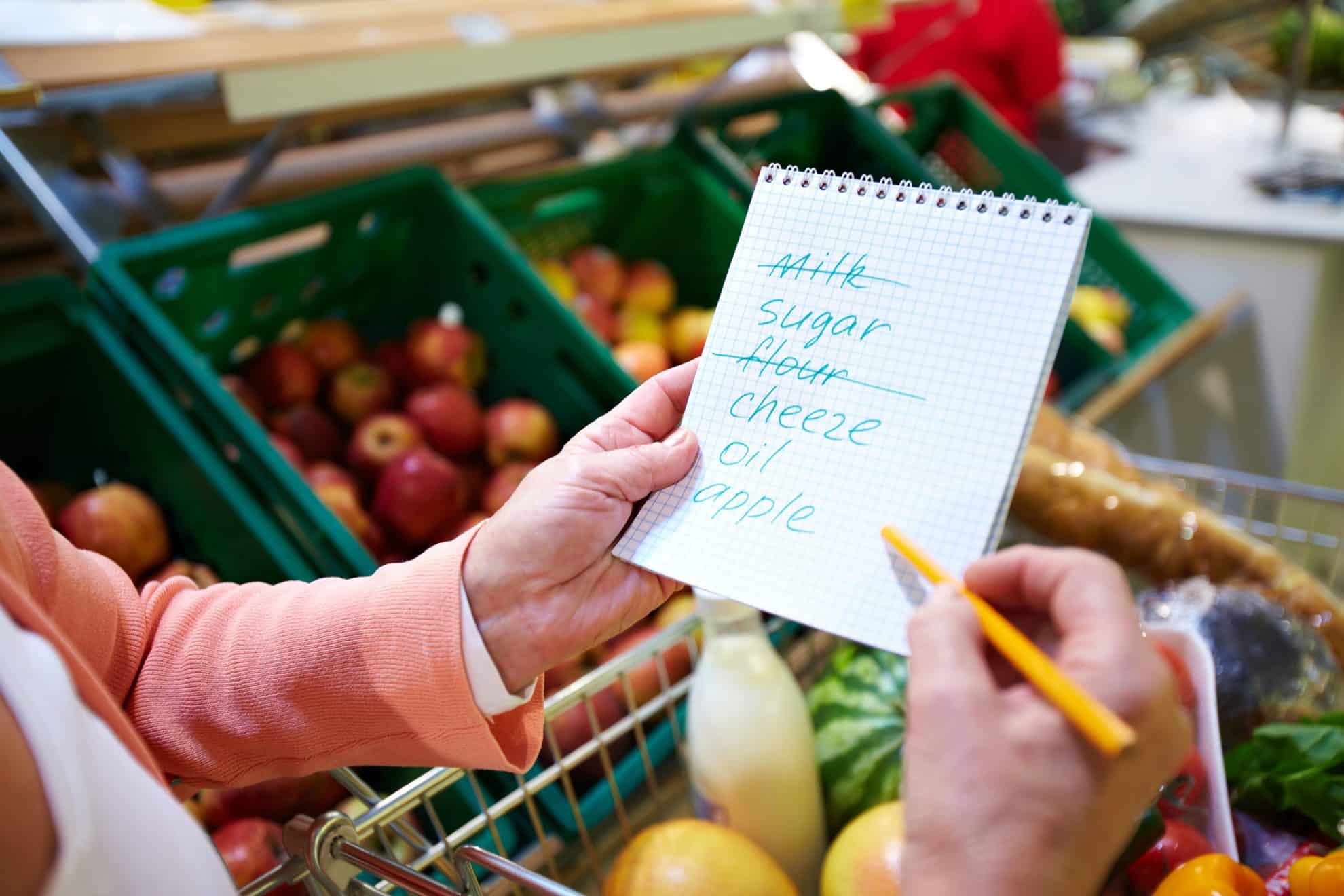
One of the easiest ways to avoid overspending is to plan a few meals before heading to the store. Building your grocery list around those meals helps you buy what you’ll actually use instead of tossing extra items into your cart. It also reduces food waste by ensuring ingredients serve multiple recipes throughout the week. Many shoppers find that using a grocery list on their phone makes it easier to stay organized and avoid forgotten purchases.
Never Shop on an Empty Stomach

Shopping while you’re hungry can make everything from bakery treats to frozen snacks seem irresistible. Studies have found that hunger can increase impulse buying, leading shoppers to purchase more food than they originally intended. Having a meal or even a light snack before leaving home can help you stick to your shopping plan. You’ll likely make more thoughtful decisions and spend less overall.
Compare Unit Prices Instead of Package Prices

The lowest shelf price isn’t always the best bargain. Most grocery stores display the unit price—such as the cost per ounce, pound, or quart—on the shelf tag, making it easier to compare different brands and package sizes. This can quickly reveal when a larger package offers better value or when a sale isn’t actually a deal. Taking a few extra seconds to compare unit prices can result in noticeable savings over time.
Stock Up Only When the Price Is Truly Worth It

Buying in bulk can save money, but only if you’ll use everything before it expires. Focus on pantry staples, household essentials, frozen foods, and other products with a long shelf life when they reach a genuinely good sale price. If you have freezer space, stocking up on meat, bread, or vegetables during promotions can stretch your grocery budget even further. The key is buying more of what you already use regularly—not purchasing extra simply because it’s on sale.
Give Store Brands a Fair Chance

Private-label products have improved significantly in recent years, and many are produced by the same manufacturers that make national brands. Pantry staples like canned vegetables, pasta, rice, spices, dairy products, and baking ingredients often offer nearly identical quality for a lower price. Try swapping one or two items at a time to see which store brands your family enjoys. Even making a handful of substitutions each trip can add up to meaningful savings over the course of a year.
Shop Produce That’s in Season
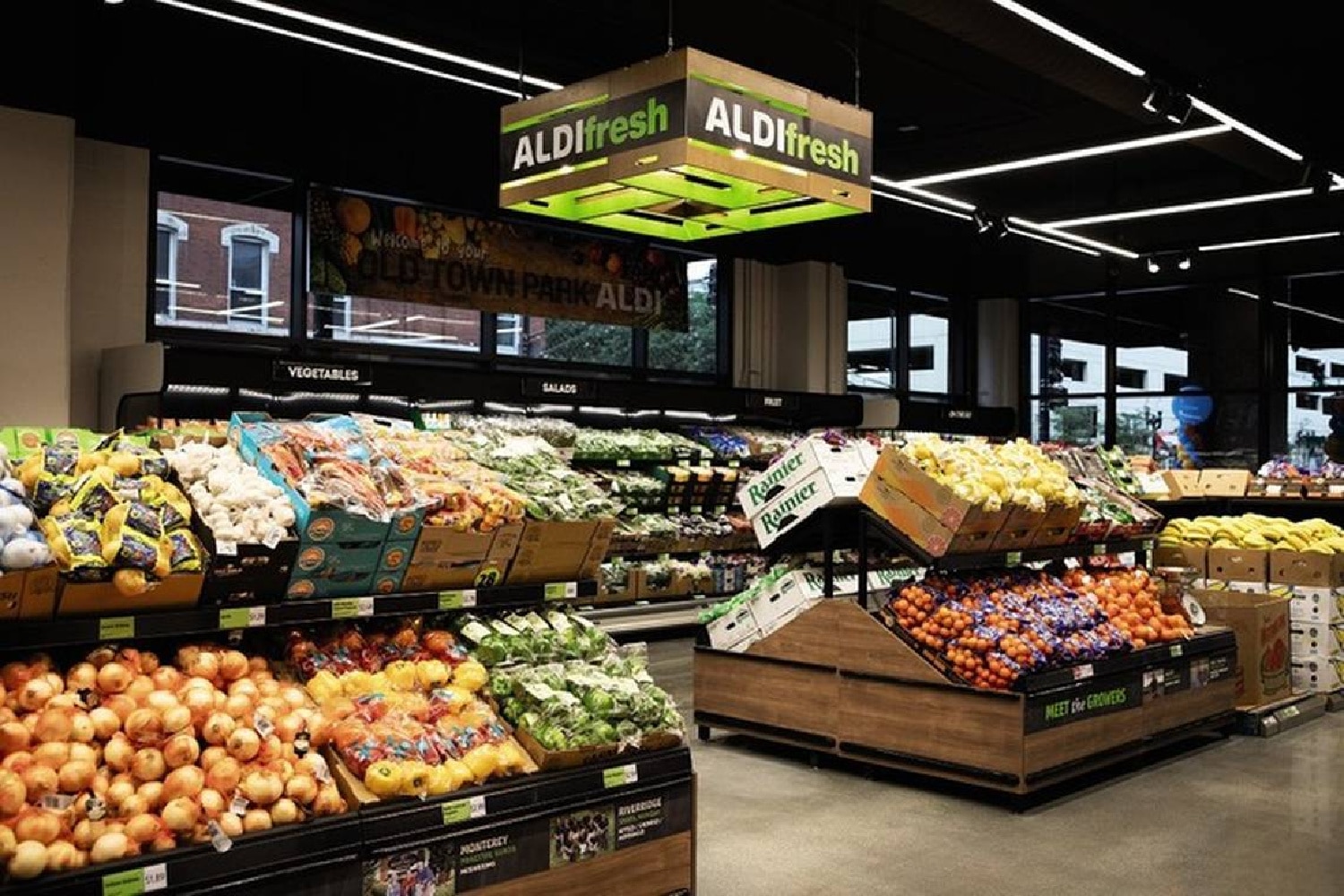
Seasonal fruits and vegetables are often fresher, more flavorful, and less expensive because they’re more readily available. Building your meals around what’s currently in season is one of the simplest ways to lower produce costs without sacrificing nutrition. When your favorite fruits or vegetables aren’t in season, frozen varieties are an excellent alternative since they’re typically picked at peak ripeness and retain their nutritional value. Staying flexible with your produce choices can help you eat well while spending less.
This post may contain affiliate links or sponsored content. Disclosure Policy