9 Small Money Habits That Can Make a Big Difference Over Time
You don’t need a six-figure salary to feel more in control of your money. Small, consistent habits can help you spend more intentionally, prepare for unexpected expenses, and make room for the things that matter most to you. If you’re looking for practical ways to improve your finances, these nine habits are a good place to start.
Paying Yourself First
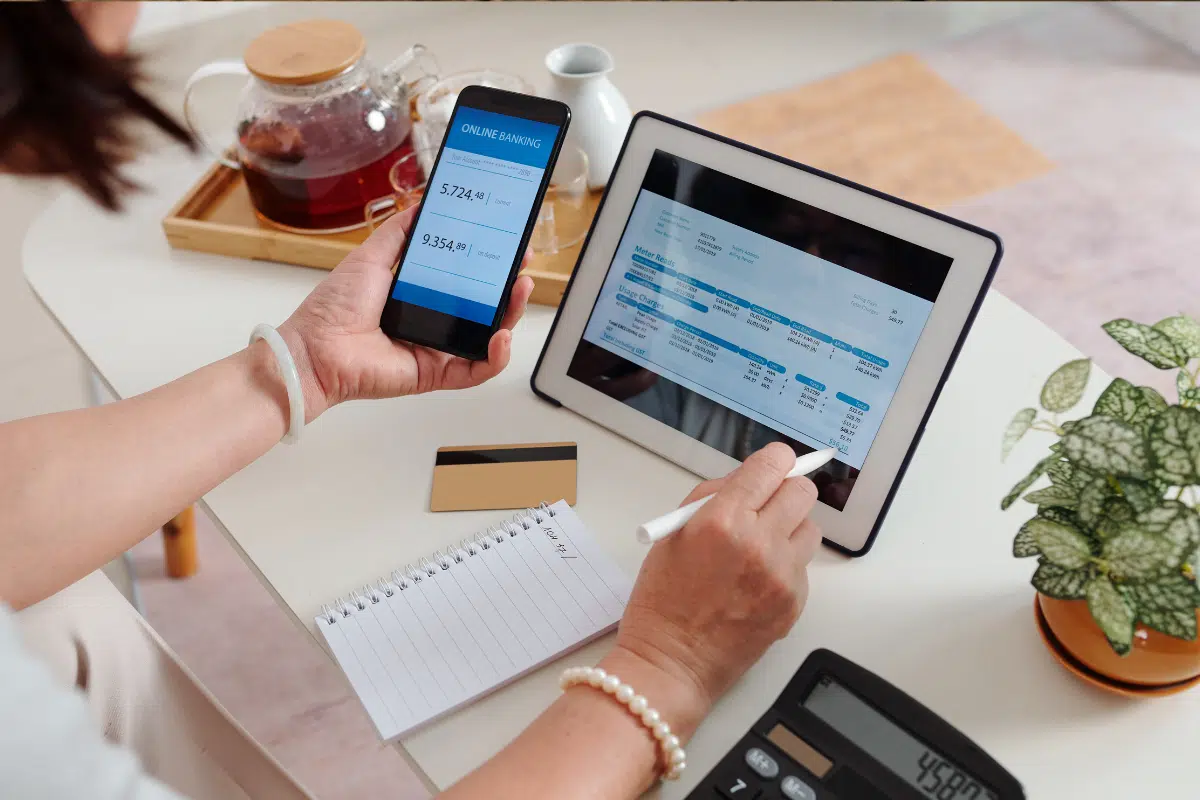
Instead of waiting to see what’s left at the end of the month, set aside money for savings when you get paid. Even a small automatic transfer can help you build the habit of saving before that money gets spent elsewhere. Over time, those regular contributions can add up and give you more room to handle future expenses.
Living Below Your Means

One of the simplest ways to create breathing room in your budget is to consistently spend less than you bring home. That doesn’t mean you have to eliminate every restaurant meal, vacation, or fun purchase. Instead, build your regular expenses around what you can realistically afford and leave some room for saving and unexpected costs
Be Careful With High-Interest Debt
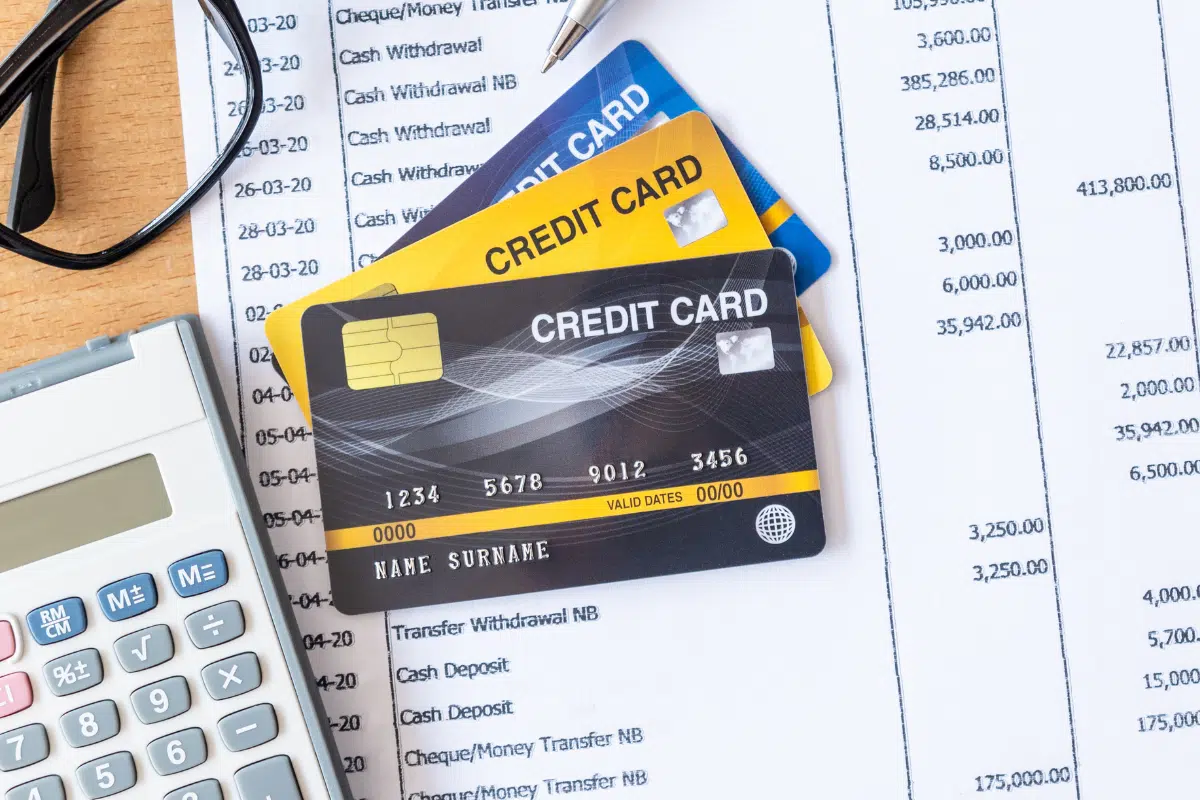
High-interest debt can make it much harder to get ahead financially because a significant portion of your payments may go toward interest. If you carry a credit card balance, look at the interest rate and make a plan for paying it down rather than continually adding to it. Avoiding unnecessary high-cost borrowing can leave more of your money available for other financial goals.
Tracking Your Spending Regularly

You don’t have to track every penny forever, but regularly reviewing your spending can reveal where your money is actually going. Look through your bank and credit card transactions and group your purchases into categories such as groceries, dining out, subscriptions, transportation, and entertainment. Once you can see the patterns, it’s easier to decide which expenses are worth keeping and which ones you want to reduce.
Spend More on What Matters to You

Saving money doesn’t mean you have to stop spending on the things you enjoy. Instead, think about which purchases and experiences genuinely add value to your life and prioritize those when building your budget. Being intentional about your spending can make it easier to cut back on purchases you don’t care about while still leaving room for the things you love.
Automating Your Bills and Savings

Automation can take some of the guesswork out of managing your money. Set up automatic payments for recurring bills when appropriate and schedule transfers to your savings account so you don’t have to remember every month. Just make sure you have enough money in your checking account to cover scheduled withdrawals and review your automatic payments periodically.
Building an Emergency Fund
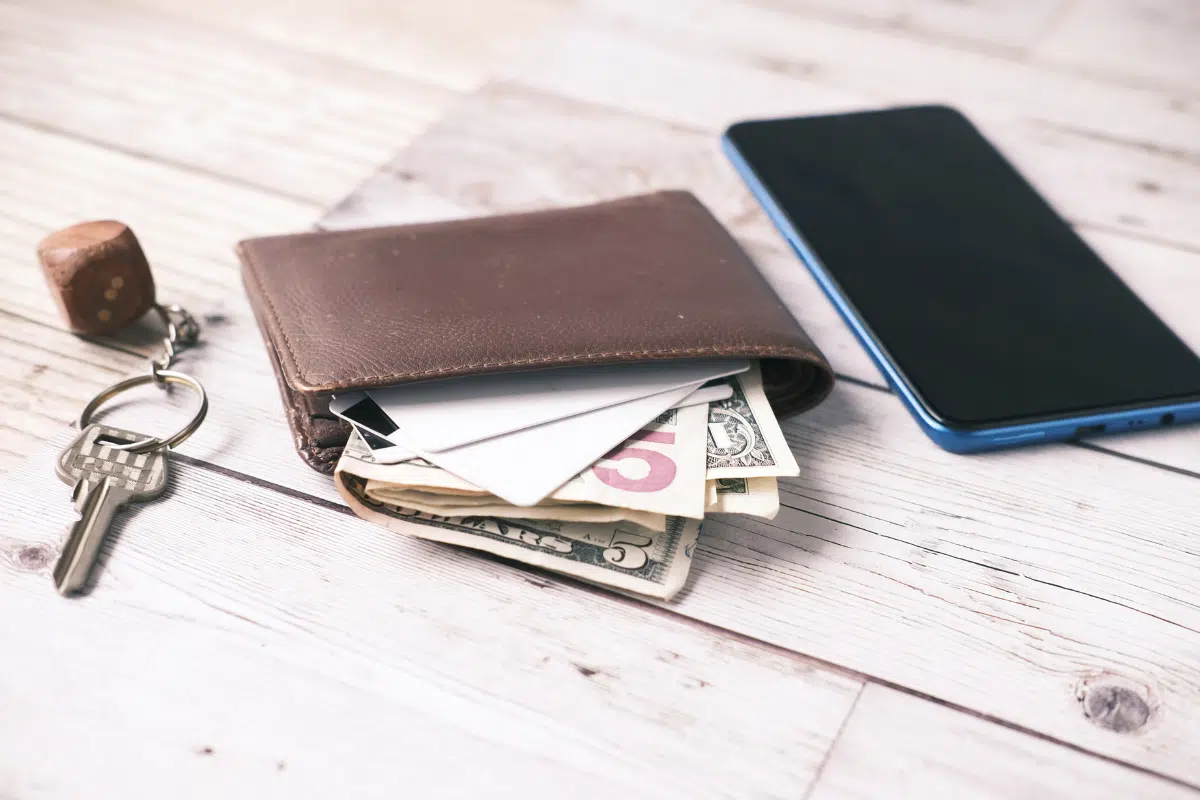
An emergency fund can help cover unexpected expenses without immediately reaching for a credit card or loan. Start with an amount that feels manageable and build from there as your budget allows. Keeping those savings in an accessible account can give you a financial cushion when an unexpected car repair, home expense, or other bill comes along.
Invest Consistently When You’re Ready

Once your immediate financial needs are covered, consider whether investing fits into your long-term goals. Regular contributions to a retirement account or diversified investment portfolio can give your money the opportunity to grow over many years, although investment values can also decline and returns aren’t guaranteed. If you’re new to investing, learn about the account and investment options before putting your money in.
Practice Gratitude for What You Have

Good money habits aren’t only about cutting expenses and building savings. Taking time to appreciate what you already have can make it easier to resist the pressure to constantly buy something newer or better. Financial goals still matter, but contentment can help you enjoy your current life while working toward the future you want.
This post may contain affiliate links or sponsored content. Disclosure Policy