
10 Unusual Money-Saving Tricks That Can Actually Add Up
Most traditional money-saving advice focuses on cutting small luxuries or clipping coupons, but many people are finding more creative and practical ways to reduce everyday expenses. These strategies don’t rely on extreme budgeting or lifestyle overhauls—instead, they focus on making smarter use of what you already have, sharing resources, and reducing waste. While some of these ideas may seem unconventional at first, they’re becoming increasingly popular because they work in real life. Here are some of the most effective and surprising ways people are stretching their budgets today.
Hosting Clothing Swaps With Friends

Clothing swaps have become a simple way to refresh wardrobes without spending money. Friends or community groups gather to exchange gently used clothing, giving everyone access to “new-to-them” items at no cost. It also helps reduce clothing waste while encouraging more sustainable fashion habits. Many people find they enjoy the social aspect just as much as the savings.
Turning Leftovers Into “New” Meals
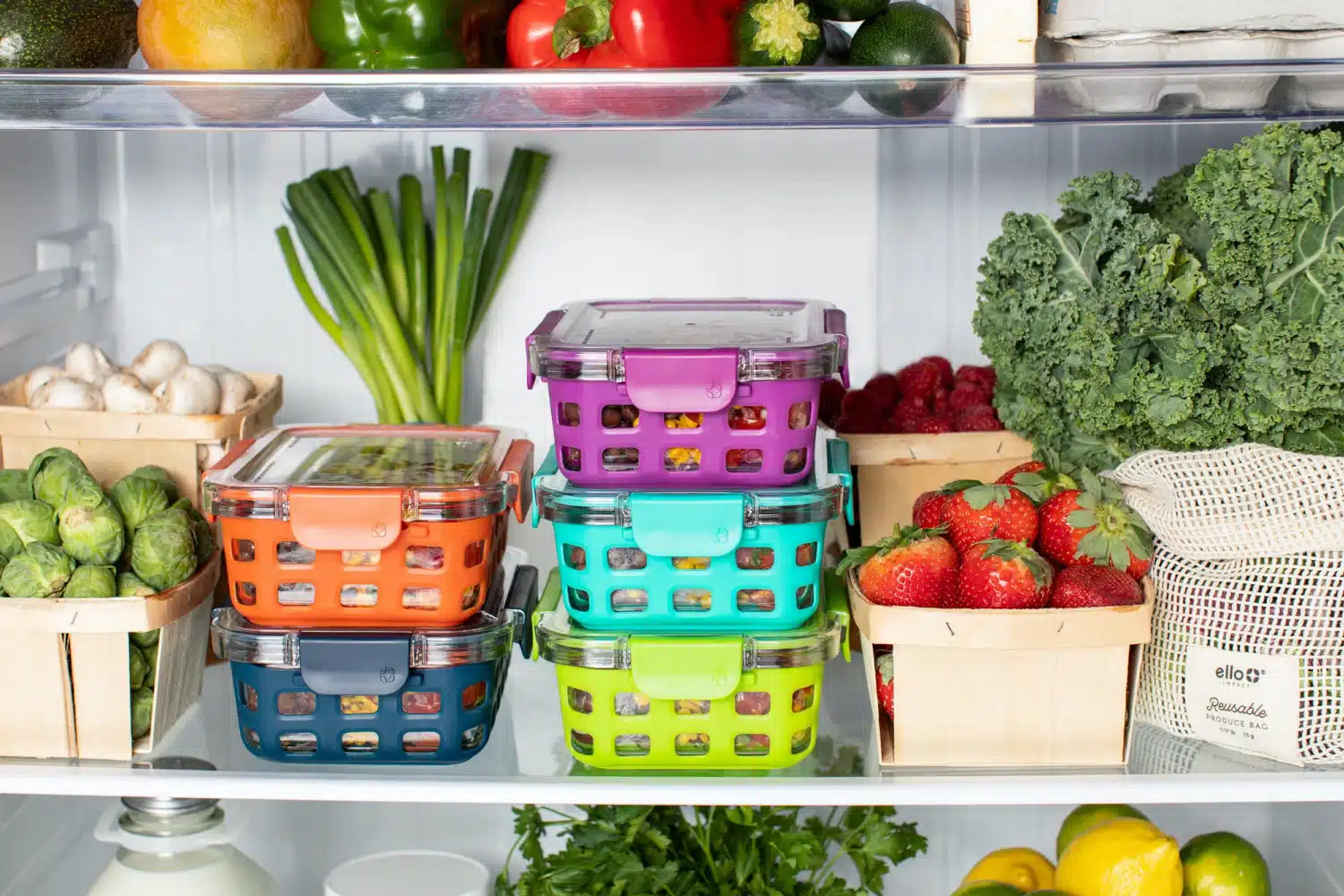
Instead of letting leftovers sit unused in the fridge, many households are transforming them into entirely new meals. Roasted vegetables can become soups, chicken can be repurposed into salads or wraps, and rice can easily turn into stir-fry. This approach reduces food waste while stretching groceries further throughout the week. With a little creativity, one meal can often become two or even three.
Unplugging Appliances to Reduce Energy Waste
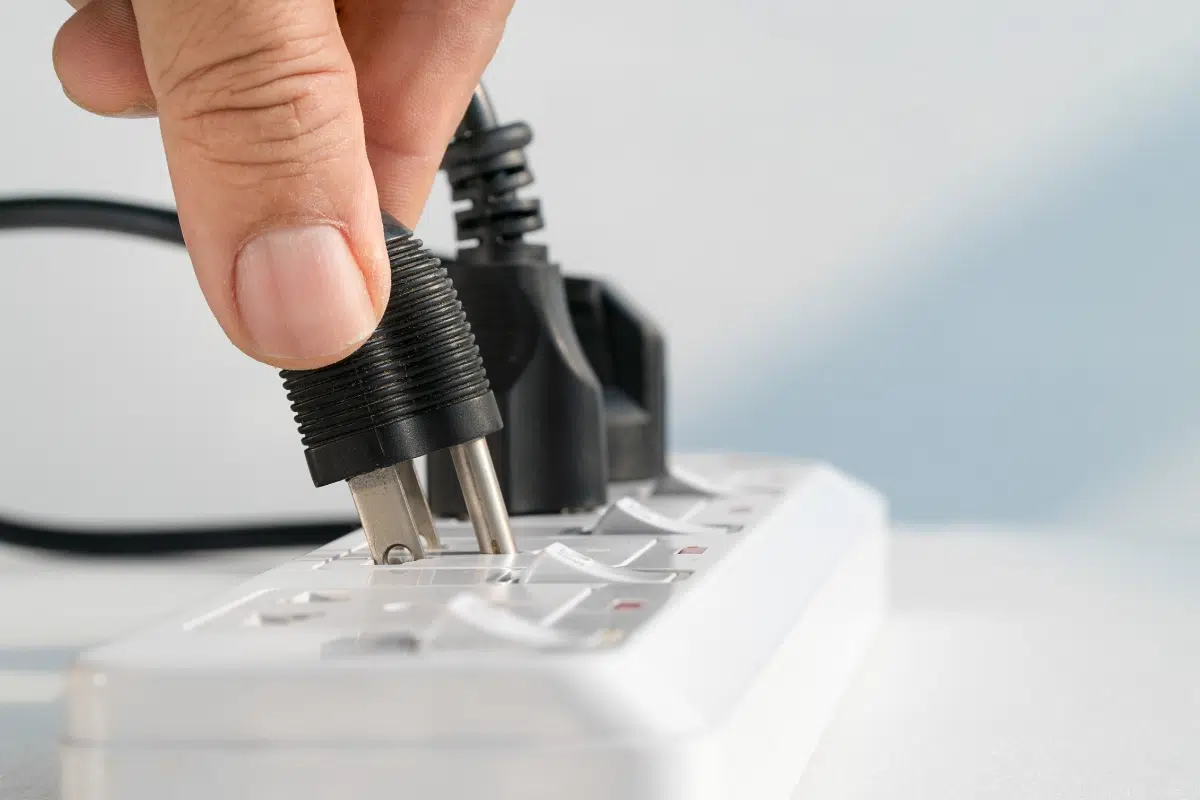
Many households are becoming more aware of “phantom energy” or standby power used by plugged-in electronics. Items like chargers, coffee makers, and gaming consoles can continue drawing electricity even when turned off. Unplugging unused devices or using power strips helps reduce this hidden energy drain. Over time, these small changes can lead to noticeable savings on utility bills.
Using Local Buy-Nothing and Community Groups
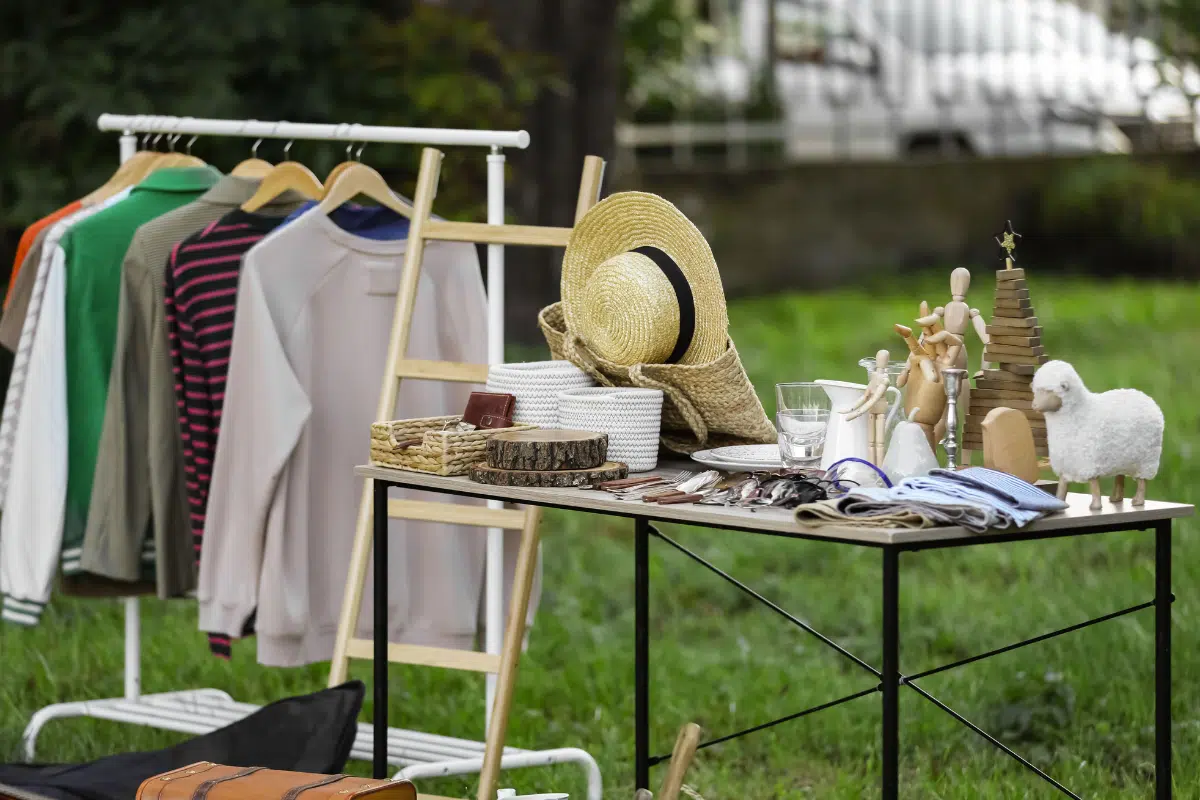
Online community groups have made it easier than ever to give away, trade, or acquire items for free. Everything from furniture and kitchen appliances to baby gear and home décor is often shared locally. This reduces the need to purchase new items while keeping usable goods out of landfills. It’s also a fast-growing way for communities to support one another without spending money.
Using Cash-Back and Rewards Apps

Cash-back apps have become a popular tool for turning everyday purchases into small savings. Many shoppers now scan receipts or shop through reward platforms to earn money back on groceries, gas, and household essentials. While the savings may seem small individually, they can accumulate over time. When used consistently, these apps help reduce the overall cost of regular spending. Read Must Have Money Savings Phone Apps
Growing Herbs and Greens Indoors

Indoor gardening is becoming a practical way to reduce grocery costs, even in small spaces. Herbs like basil, parsley, and mint can thrive on a sunny windowsill with minimal effort. Many people also grow lettuce or microgreens to supplement weekly meals. This not only saves money but also provides fresh ingredients at home year-round.
Repairing Items Instead of Replacing Them
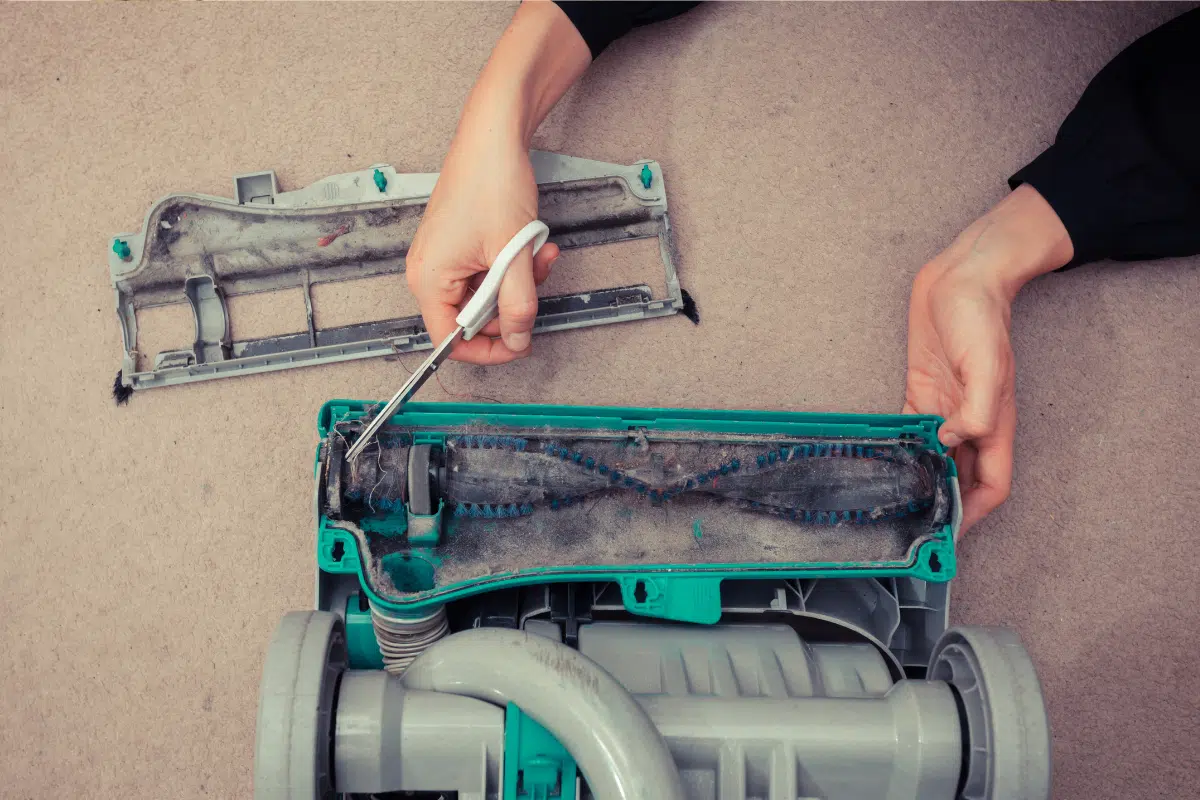
More people are choosing to repair broken items rather than immediately replacing them. Simple fixes like sewing clothing, gluing household items, or replacing small electronic parts can extend the life of everyday goods. Repair culture is also gaining momentum through online tutorials and local repair workshops. This approach reduces both spending and unnecessary waste.
Sharing Subscription Costs Within Households

Families and trusted groups are increasingly sharing the cost of digital subscriptions such as streaming platforms, cloud storage, or delivery memberships. Many services offer family or multi-user plans that make this possible. By splitting costs, households can maintain access to services while significantly lowering individual expenses. It’s a simple way to reduce monthly bills without sacrificing convenience.
Borrowing Instead of Buying Through Libraries
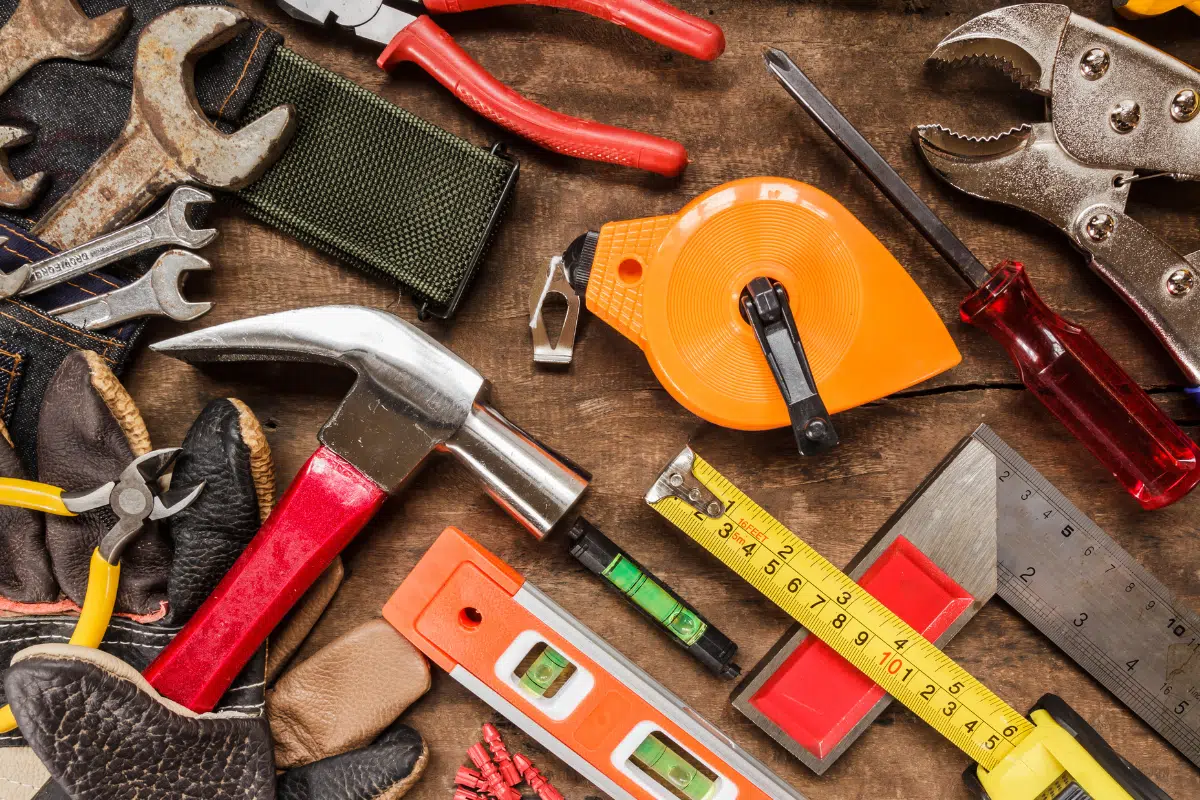
Modern libraries now offer far more than books, with many lending tools, games, and even kitchen equipment. This allows people to access items they only need occasionally without purchasing them outright. Borrowing instead of buying helps reduce clutter and saves money on infrequently used items. It’s a growing resource that many people still overlook.
Practicing “No-Spend Weekends”

No-spend weekends are becoming a popular way to reset spending habits and encourage creativity. Instead of shopping or dining out, people focus on free activities like hiking, home projects, or cooking from pantry staples. This break from spending often reveals how much entertainment is already available at home or nearby. Over time, it can help break impulse spending patterns.
This post may contain affiliate links or sponsored content. Disclosure Policy