11 Simple Changes That Made a Bigger Difference Than We Expected
It’s easy to assume that meaningful change requires big routines, strict schedules, or complete life overhauls. In reality, some of the most noticeable improvements come from small, almost effortless adjustments that slowly shift how your days feel. These simple habits don’t demand extra time or energy—but over time, they can make routines smoother, homes calmer, and days less stressful. The best part is how quickly they start to feel natural.
Making the Bed Every Morning

Making the bed takes only a minute or two, but it immediately changes the feel of a room. A neatly made bed creates a sense of order that can make the entire space feel more organized and calm. That small visual reset often carries over into the rest of the day, subtly encouraging more structure and intention in other routines.
Creating a Single Drop Zone for Essentials
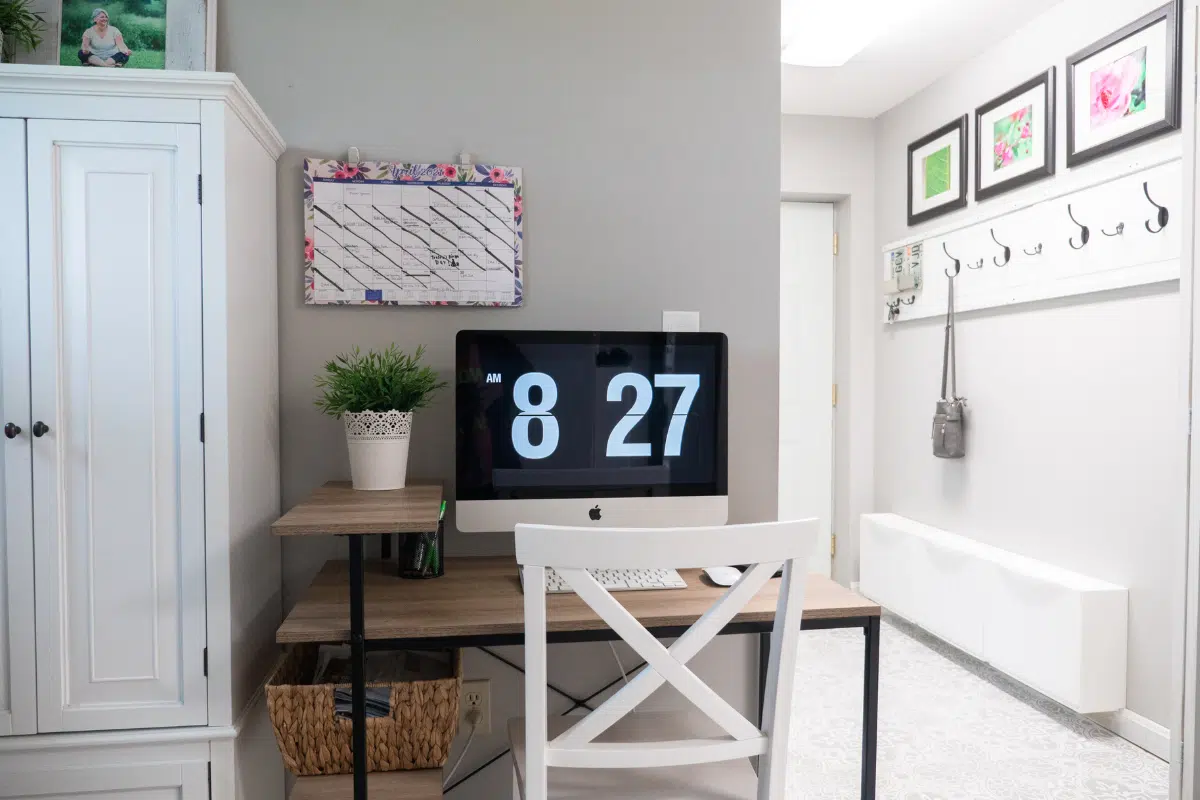
Designating one place for keys, bags, mail, and everyday items eliminates unnecessary searching and last-minute stress. When everything has a consistent home, it becomes easier to leave and return home smoothly. Over time, this simple system reduces clutter and helps mornings feel far more manageable.
Drinking Water Before Coffee

Starting the day with a full glass of water can make a noticeable difference in energy and focus. It helps rehydrate the body after sleep and can reduce the mid-morning slump that often follows a rushed start. Coffee still has its place—but pairing it with hydration creates a more balanced morning routine
Planning Dinner the Night Before

Dinner doesn’t have to be prepped in advance to feel easier. Simply deciding what you’re going to eat the night before removes decision fatigue during busy afternoons and evenings. This small shift often leads to fewer last-minute takeout decisions and a smoother end to the day.
Unsubscribing From Retail Emails

Constant sales notifications can quietly encourage impulse spending. Reducing inbox clutter by unsubscribing from promotional emails helps remove that constant temptation. Over time, this simple digital cleanup can lead to more intentional spending and fewer unnecessary purchases.
Putting Phone Chargers Outside the Bedroom

Moving phone charging stations out of the bedroom creates a natural boundary around screen time. Without easy access to the phone at night, scrolling decreases and sleep quality often improves. Mornings can also feel more focused when the day doesn’t start with immediate screen exposure.
Doing a 10-Minute Nightly Tidy

A short evening tidy-up prevents clutter from building up over time. Putting items back in place, clearing surfaces, and handling small messes keeps the home consistently more manageable. Instead of overwhelming cleaning sessions, the space stays in a steady, livable rhythm
Using Smaller Plates at Meals

Switching to smaller plates can subtly influence portion sizes without requiring strict tracking or dieting. Meals still feel satisfying, but naturally become more balanced. It’s a simple visual cue that supports more mindful eating habits over time.
Learning to Say “No” Without Over-Explaining

Setting boundaries becomes easier when there’s no pressure to justify every decision. A simple “no” can be enough, and removing the need for long explanations helps conserve mental energy. This shift often leads to stronger boundaries and less emotional fatigue in daily life.
Writing Tomorrow’s To-Do List Before Bed

Writing down tasks before going to sleep helps clear mental clutter and reduces nighttime overthinking. It also provides a clearer direction for the next morning. Waking up with a plan already in place makes the day feel more focused and less rushed.
Opening the Curtains First Thing in the Morning

Letting natural light into the home early helps signal the start of the day. Exposure to daylight can improve alertness, mood, and overall energy levels. This simple habit can be especially helpful during darker months when mornings feel slower or more sluggish.
This post may contain affiliate links or sponsored content. Disclosure Policy