Why Your Eggs Are Impossible To Peel (And How To Fix It)
Few things are more frustrating in the kitchen than trying to peel a hard-boiled egg—only to end up with chunks of egg white stuck to the shell. While it might seem random, there are actually a few key reasons why some eggs peel beautifully, and others turn into a mess. The good news? With a few simple tweaks, you can get smooth, easy-to-peel eggs every time. Here’s what’s going wrong—and how to fix it.
Your Eggs Are Too Fresh
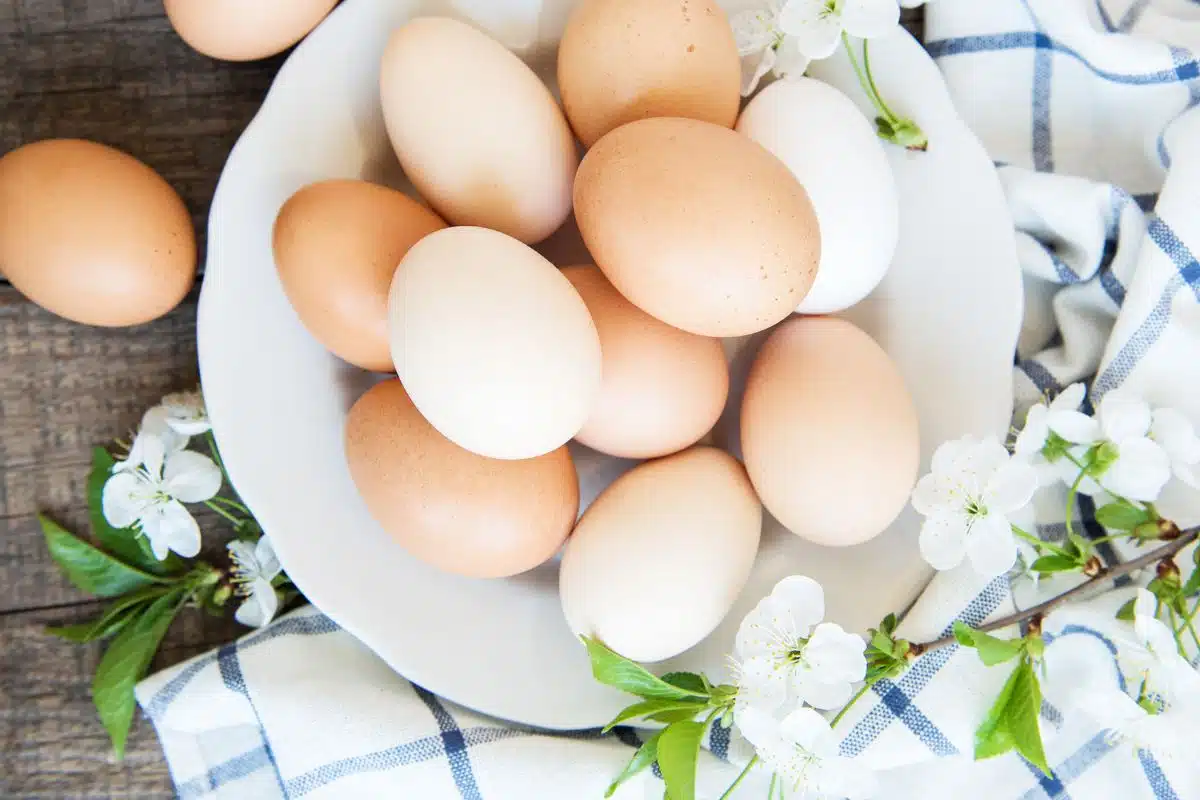
Fresh eggs are actually the hardest to peel. The lower pH of newly laid eggs causes the egg white to cling tightly to the shell membrane. As eggs age slightly, the pH changes, and the shell separates more easily. If you can, use eggs that are about a week old for boiling.
You’re Starting Them in Cold Water
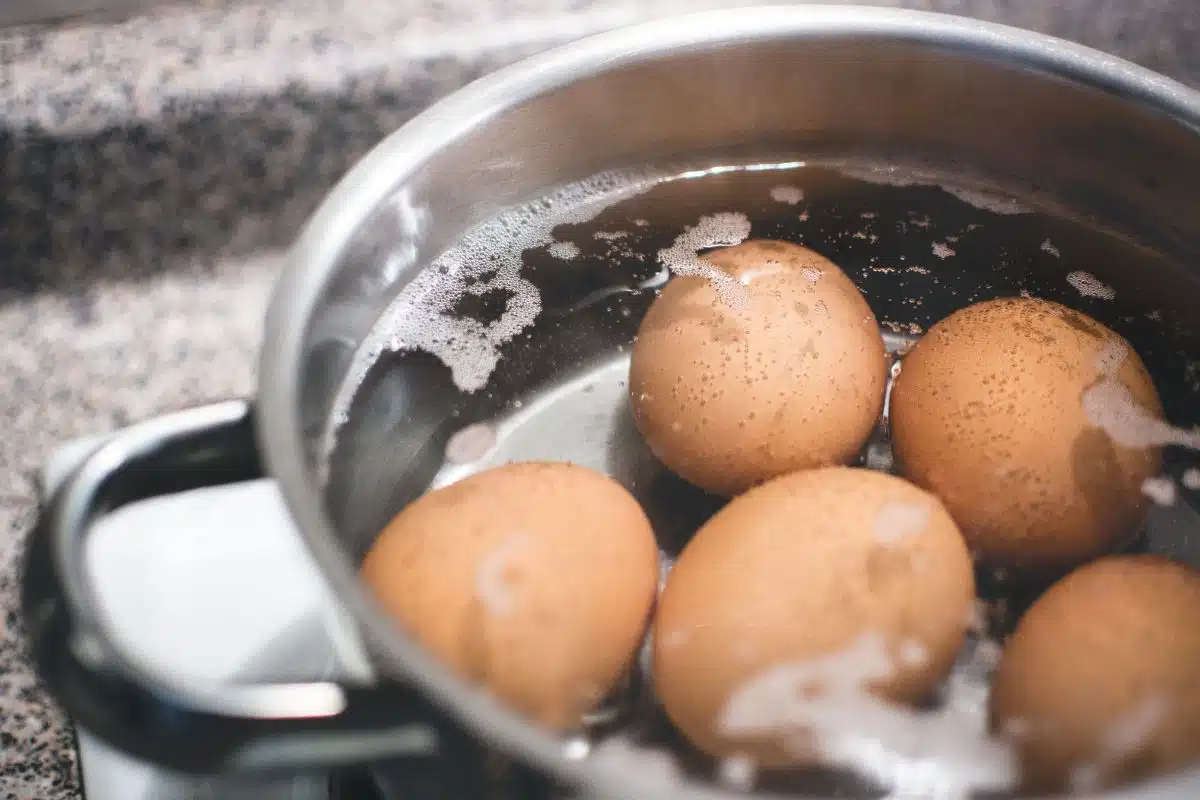
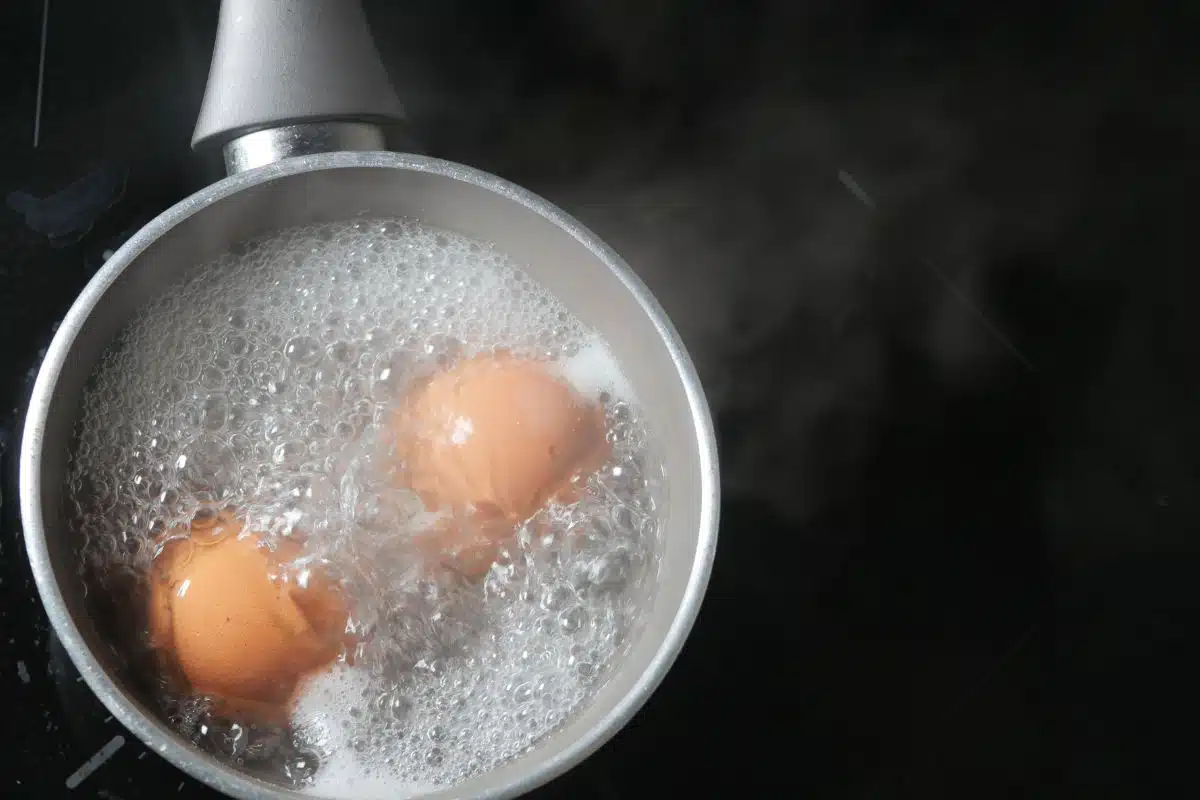
Placing eggs in cold water and bringing them up to a boil can make peeling more difficult. This method allows the egg white to bond more strongly to the shell. Instead, try adding eggs to already boiling water for better results. The sudden heat helps the proteins set in a way that makes peeling easier.
You’re Not Using an Ice Bath
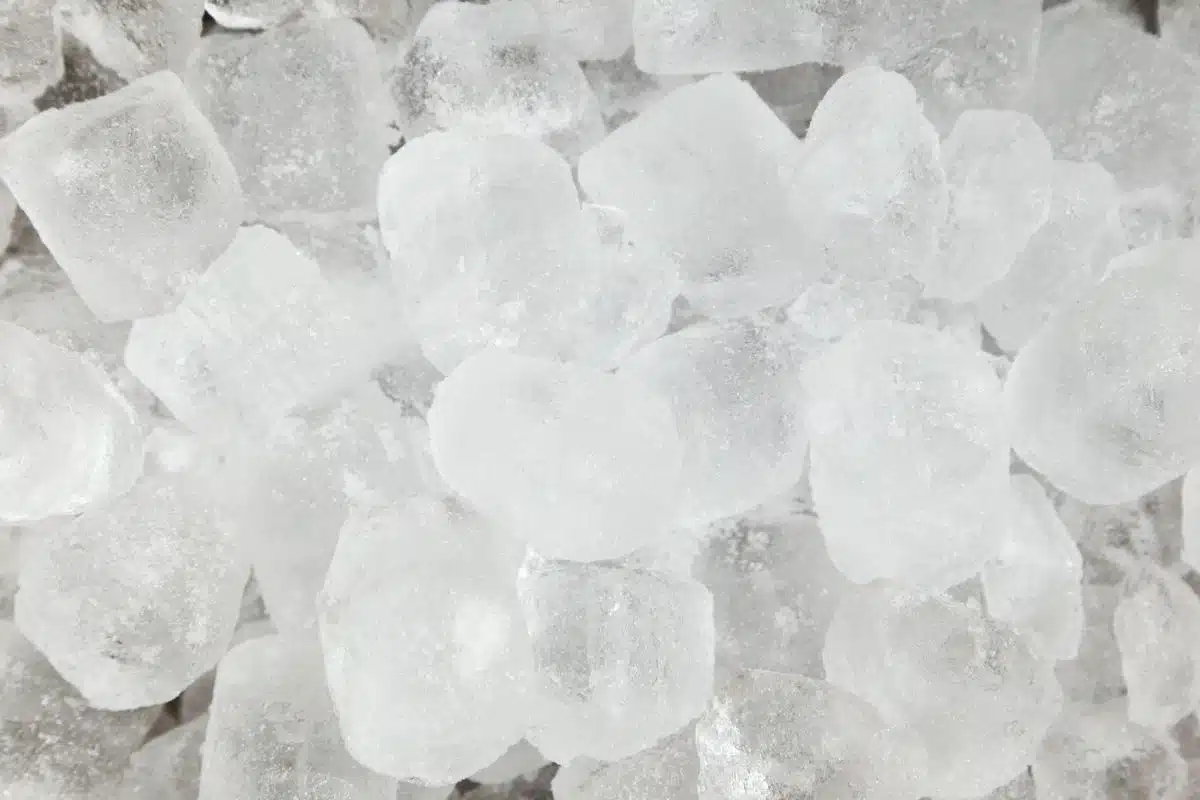
Skipping the ice bath is one of the most common mistakes. After boiling, eggs need a rapid temperature change to stop cooking and help separate the membrane from the shell. Let them sit in ice water for at least 5–10 minutes. This simple step makes a noticeable difference when peeling.
You’re Overcooking Them
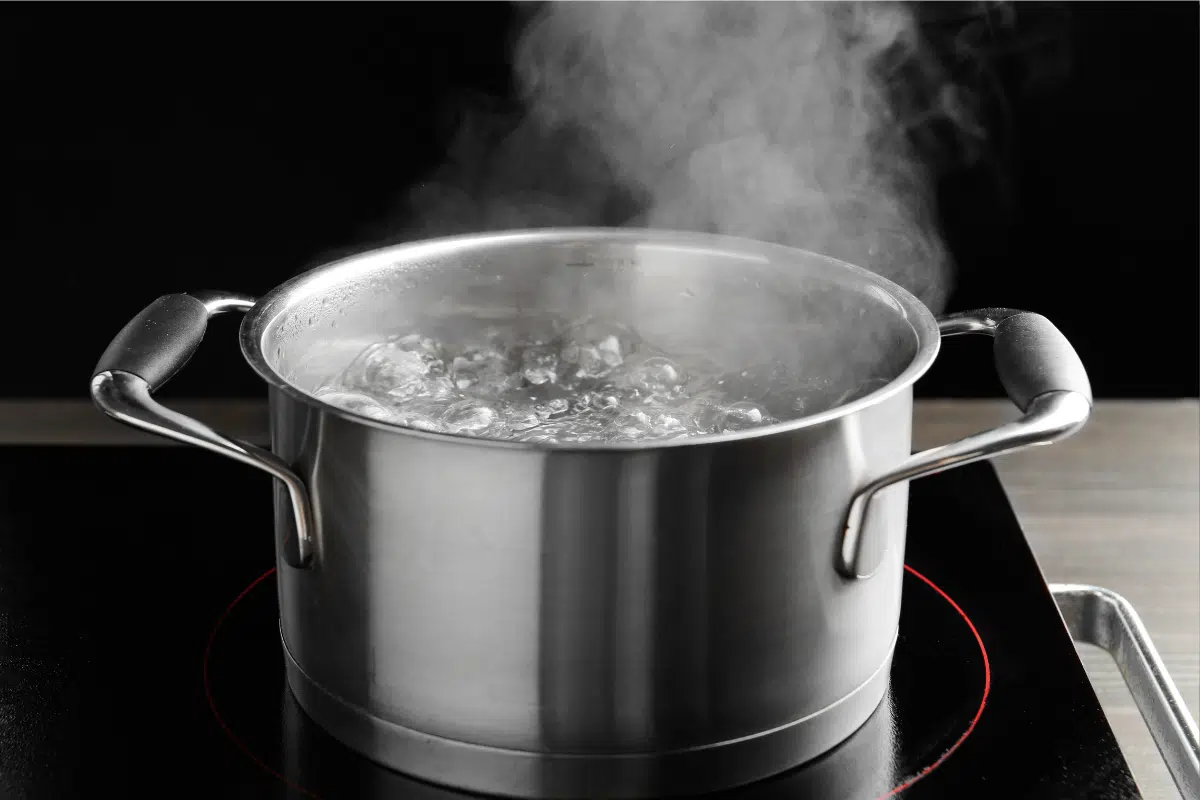
Overcooked eggs can develop a rubbery texture that sticks to the shell. They may also get that gray-green ring around the yolk. Cooking eggs just until done—and not longer—helps maintain the right texture. Aim for about 9–12 minutes depending on size and preference.
You’re Not Cracking Them Properly
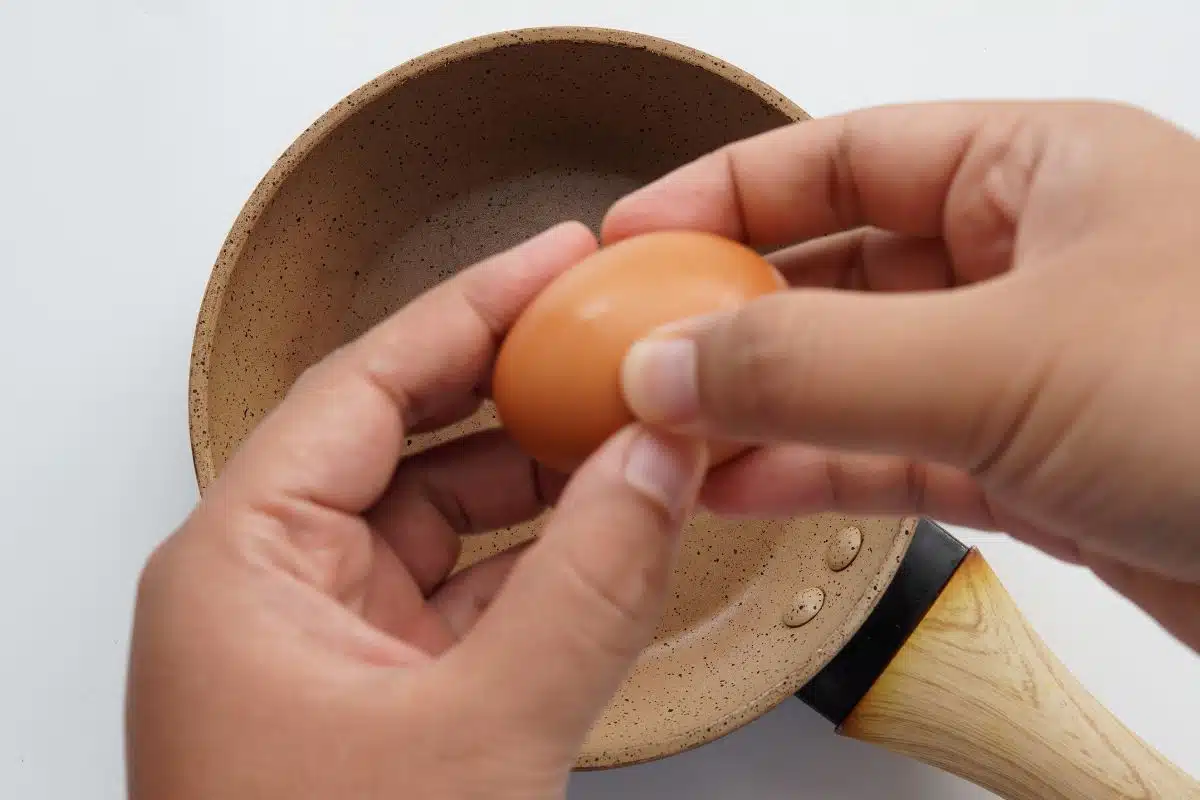
How you crack the egg matters more than you might think. Tapping gently all over the shell creates multiple small cracks, making it easier to peel in pieces. Starting from the wider end, where there’s usually an air pocket, can also help. This gives you a better entry point to lift the shell.
You’re Peeling Them Too Soon (or Too Late)
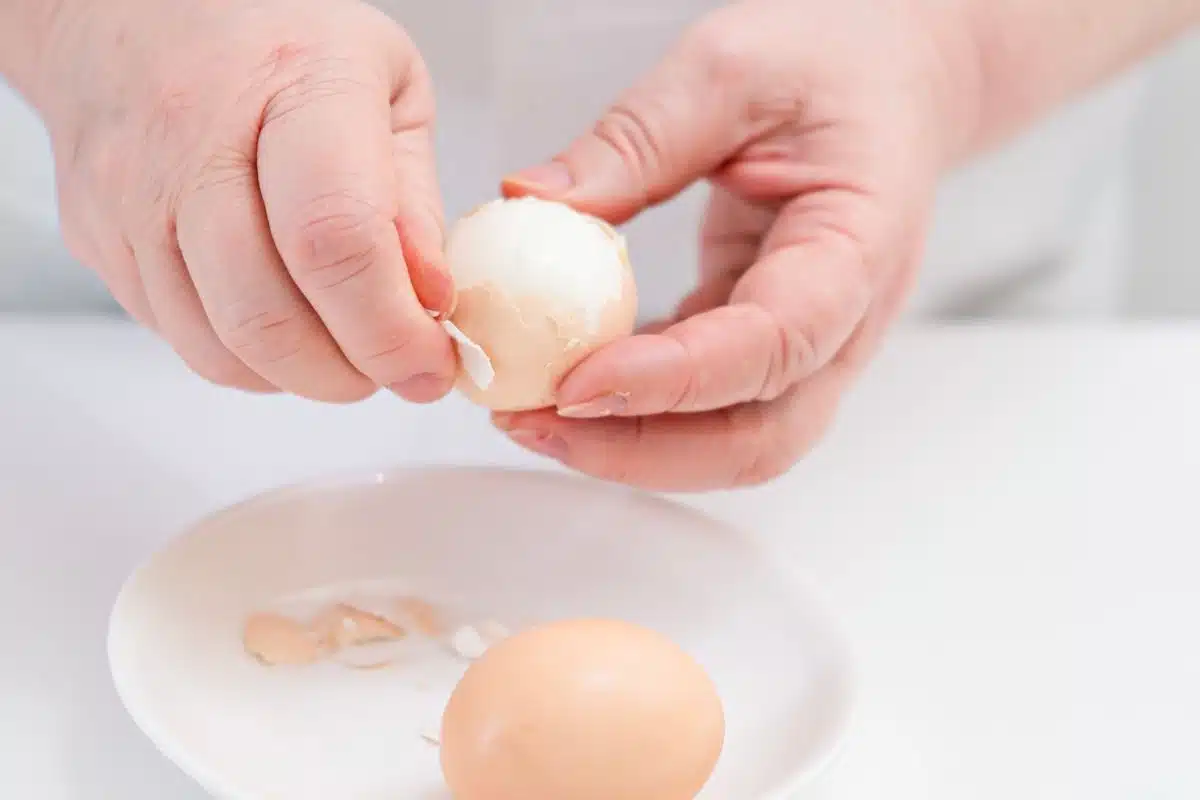
Timing plays a role in peelability. Eggs that are slightly cooled—but not fully cold—often peel more easily. If they’re too hot, they’re hard to handle; too cold, and the shell can stick again. Let them cool briefly, then peel under running water for the best results.
You Skipped the Baking Soda or Vinegar Trick
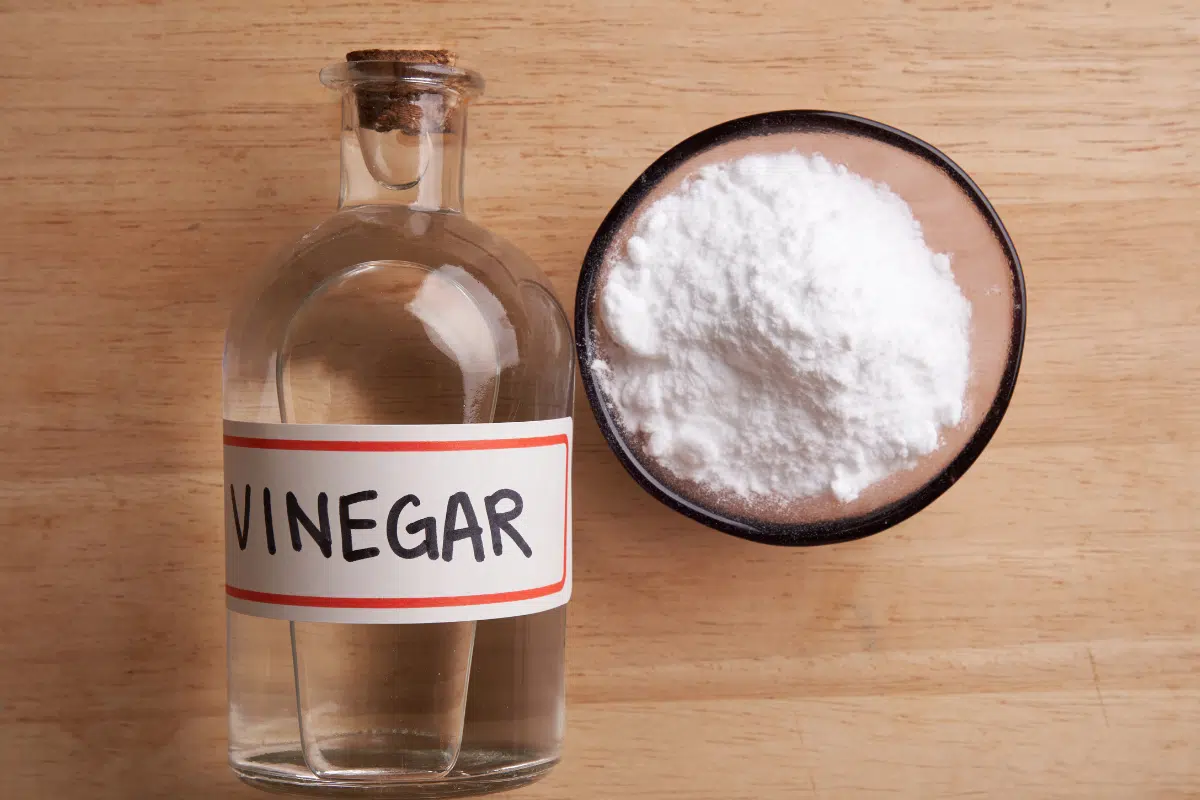
Some cooks swear by adding baking soda or vinegar to the boiling water. Baking soda raises the pH, which can help loosen the bond between the egg and shell. Vinegar can slightly weaken the shell, making it easier to remove. While not always necessary, these tricks can help in stubborn cases.
You’re Using the Wrong Peeling Technique
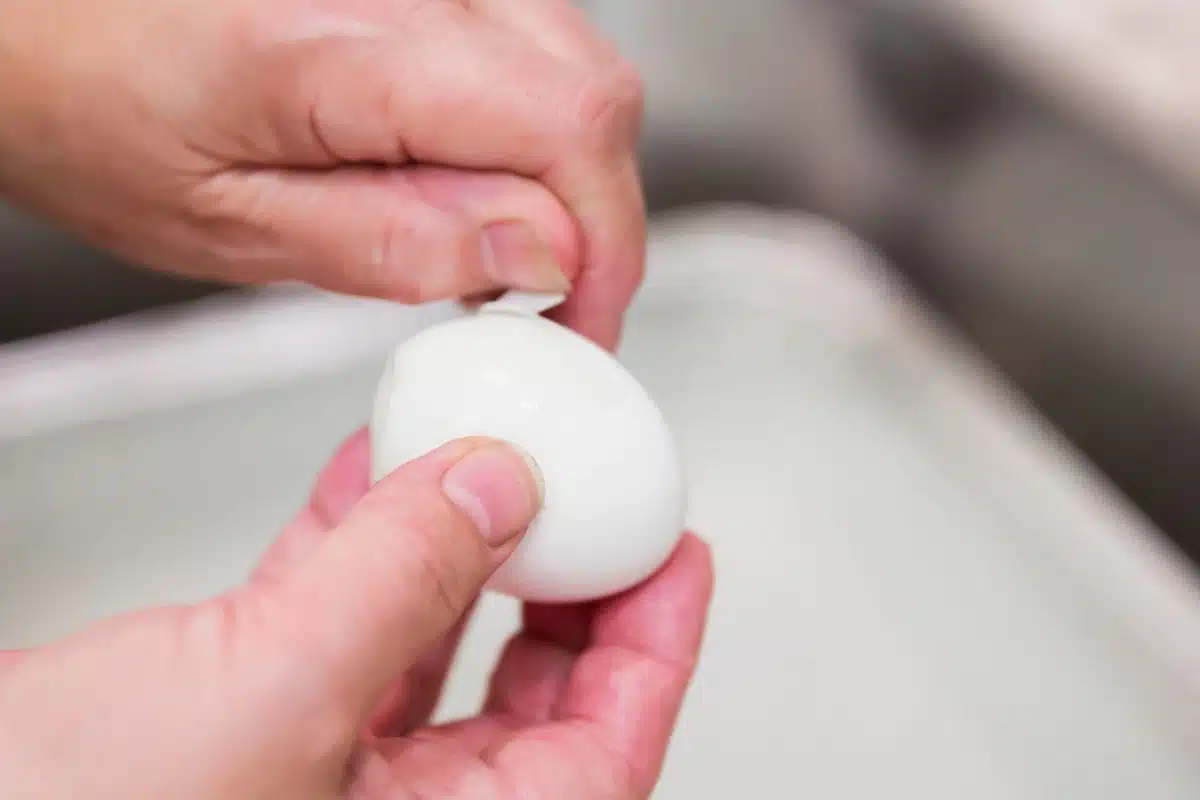
Peeling under running water can make a big difference. The water helps get between the shell and the egg, loosening stubborn bits. Rolling the egg gently on the counter before peeling can also help separate the shell. A combination of these methods often works best.
Your Cooking Method Needs an Upgrade
If you consistently struggle, it might be time to try a different approach. Steaming eggs instead of boiling them is known to make peeling much easier. The steam penetrates the shell differently, helping it separate from the egg white. It’s a simple switch that many home cooks swear by.
This post may contain affiliate links or sponsored content. Disclosure Policy