Why Your Chicken Breast Is Tough—9 Fixes That Work
If your chicken breast has ever turned out unusually tough, chewy, or even oddly firm, no matter how carefully you cook it, the issue might not be your technique at all. A condition known as Woody Breast Syndrome has become increasingly common and can affect the texture of chicken before it even reaches your kitchen. While it’s safe to eat, it often leads to disappointing results that feel dry or rubbery. The good news is that there are ways to spot it early and adjust your cooking methods to get better, more tender meals.
What Is Woody Breast Syndrome?
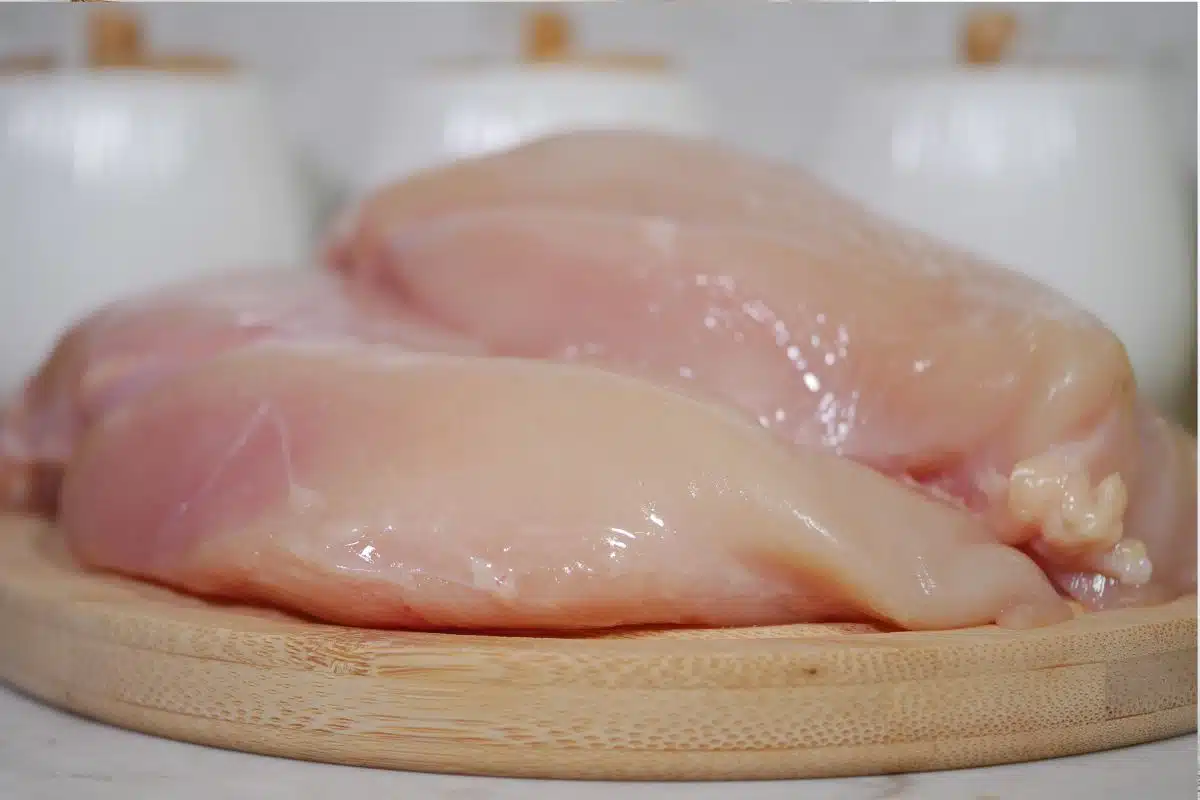
Woody breast is a muscle condition found in some chicken breasts, causing the meat to feel hard or rigid when raw. It’s linked to rapid growth in modern poultry farming. While it doesn’t pose a health risk, it significantly impacts texture and cooking quality. Understanding it is the first step to avoiding tough results.
How to Spot It Before You Cook

Chicken affected by woody breast often feels unusually firm to the touch and may have a pale color or white striping. The surface can look uneven or slightly bulging. If it doesn’t feel soft and flexible like typical raw chicken, it may be affected. Catching this early can save you from a disappointing meal.
Why It Stays Tough No Matter What You Do
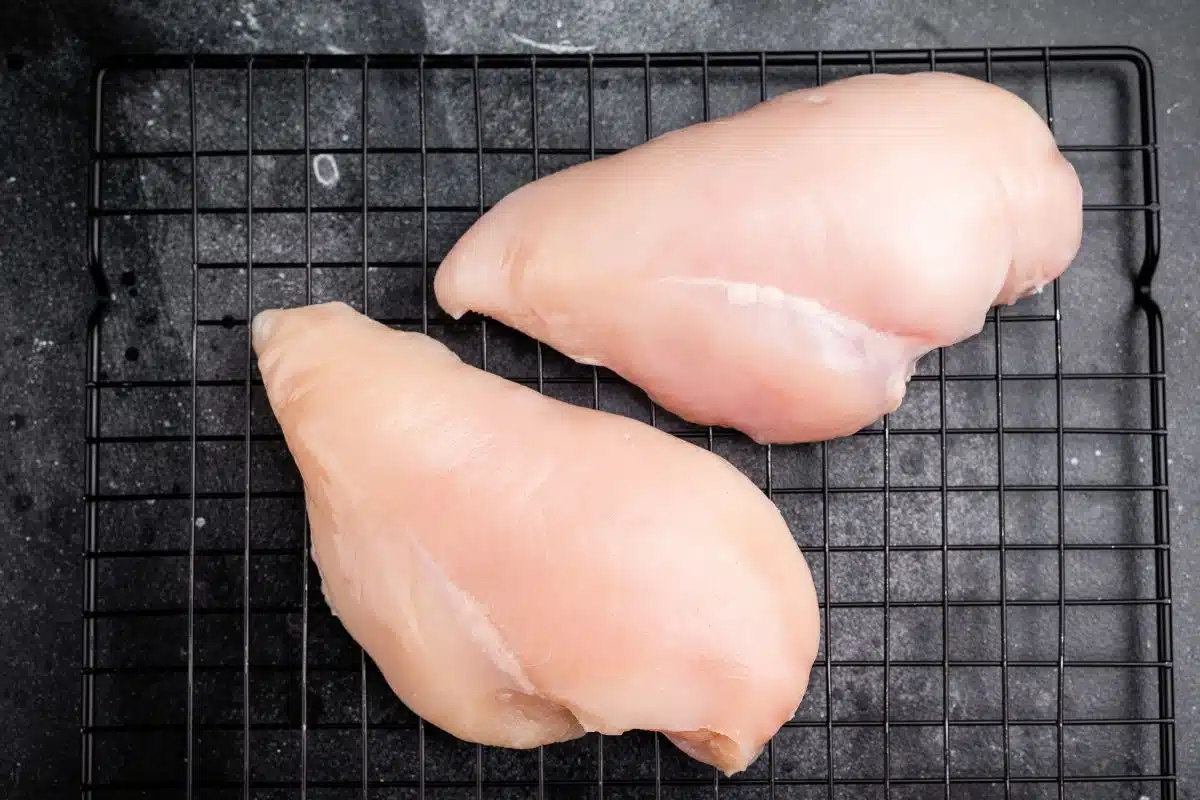
Unlike overcooked chicken, woody breast remains tough even when cooked properly. The muscle fibers are already altered, which prevents the meat from becoming tender. This means traditional fixes like lowering the heat or shortening the cook time won’t fully solve the problem. It’s not your cooking—it’s the meat itself.
Choose Smaller, Higher-Quality Cuts

Larger chicken breasts are more likely to be affected by woody breast syndrome. Opting for smaller, more evenly sized cuts can reduce your chances. If possible, look for higher-quality or air-chilled chicken. These options tend to have better texture overall.
Try Tenderizing Before Cooking
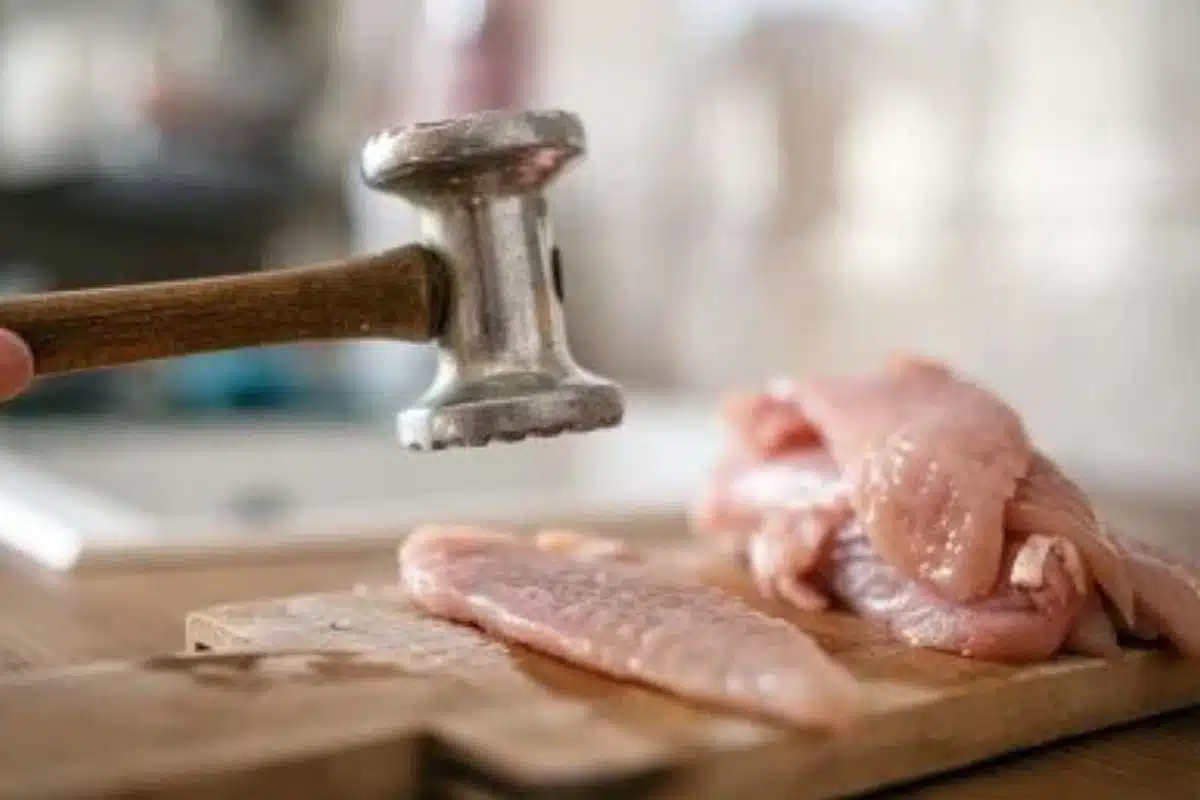
Using a meat mallet to pound the chicken can help break down tough muscle fibers. While it won’t completely eliminate the issue, it can improve texture. Focus on evening out the thickness while gently softening the meat. This step can make a noticeable difference.
Use Marinades to Improve Texture
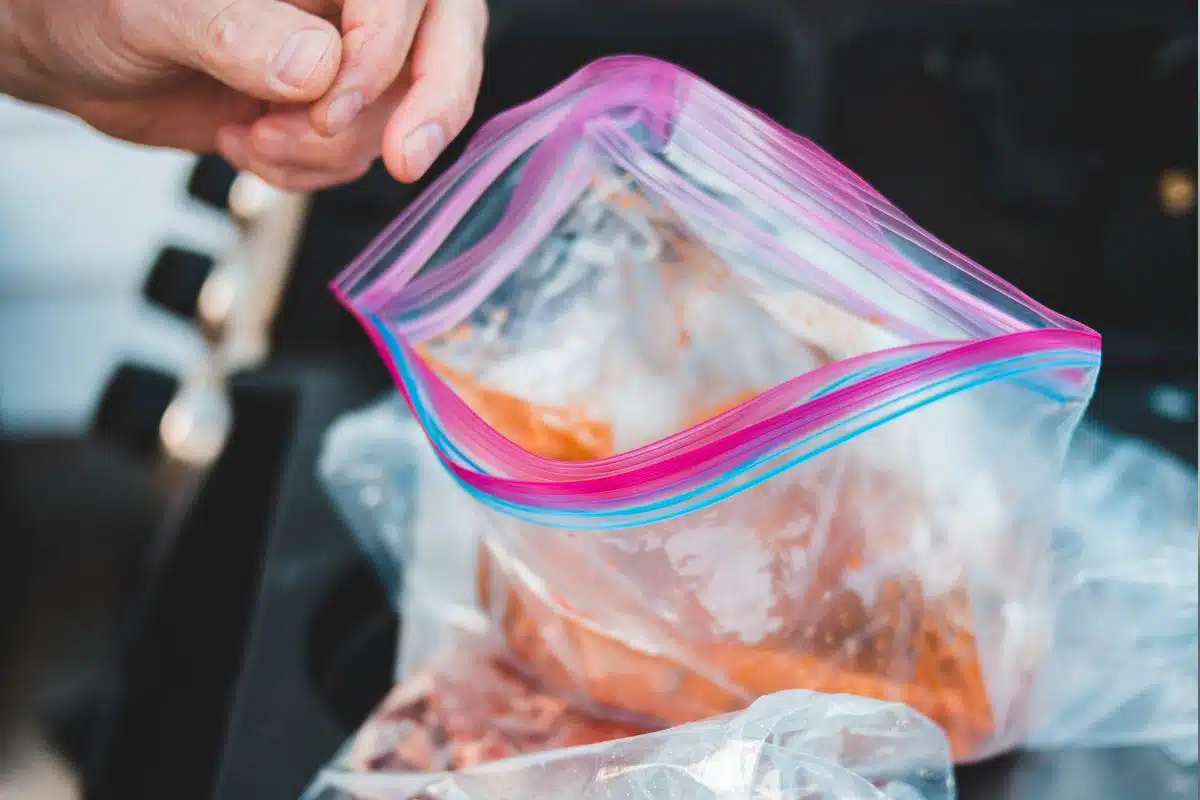
Marinades with acidic ingredients like lemon juice, vinegar, or yogurt can help soften the meat. They work by breaking down proteins and adding moisture. Let the chicken sit for at least 30 minutes for the best results. It’s one of the easiest ways to improve tough chicken.
Slice It Thin After Cooking
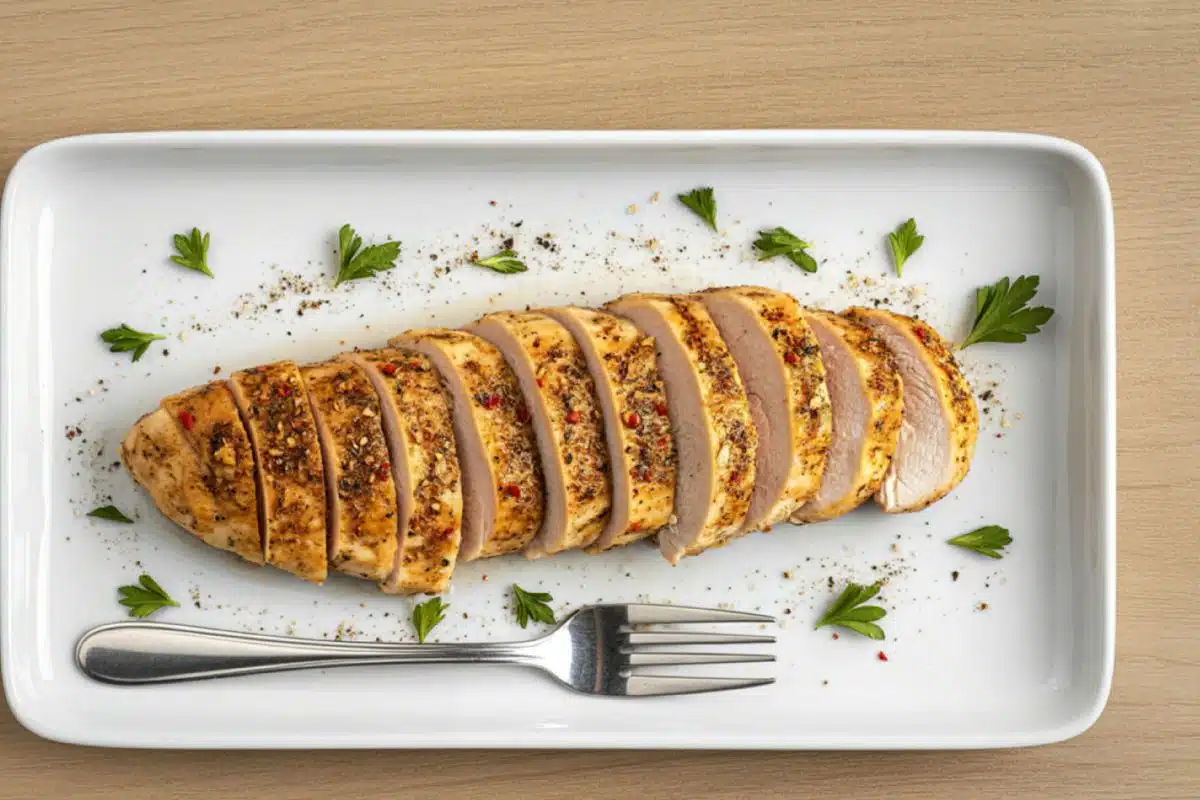
Cutting the chicken into thin slices can make it easier to chew and more enjoyable to eat. Always slice against the grain to shorten muscle fibers. This technique helps offset some of the toughness. It won’t fix everything, but it improves the overall experience.
Use It in Saucy or Shredded Dishes
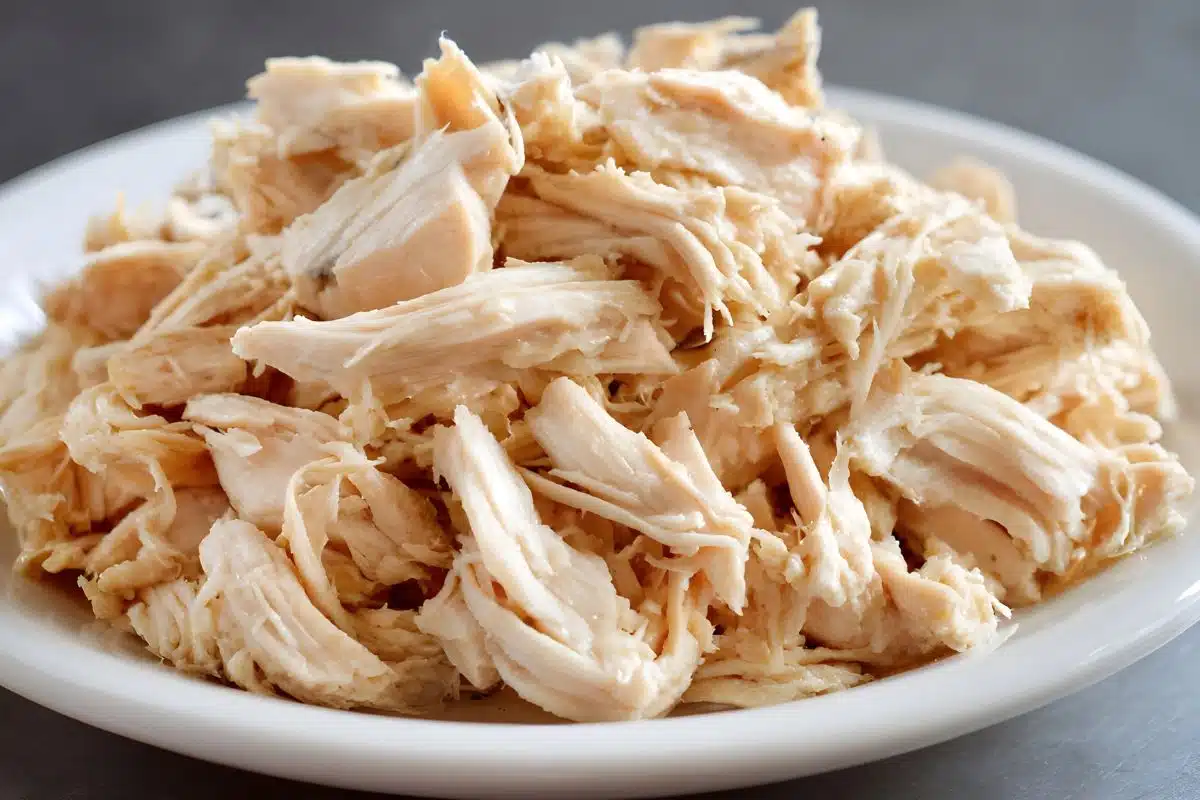
If you suspect woody breast, consider using the chicken in recipes with plenty of sauce. Dishes like casseroles, soups, or shredded chicken recipes can help mask the texture. Moist cooking methods make a big difference. This is a practical way to avoid wasting food.
When to Avoid It Altogether
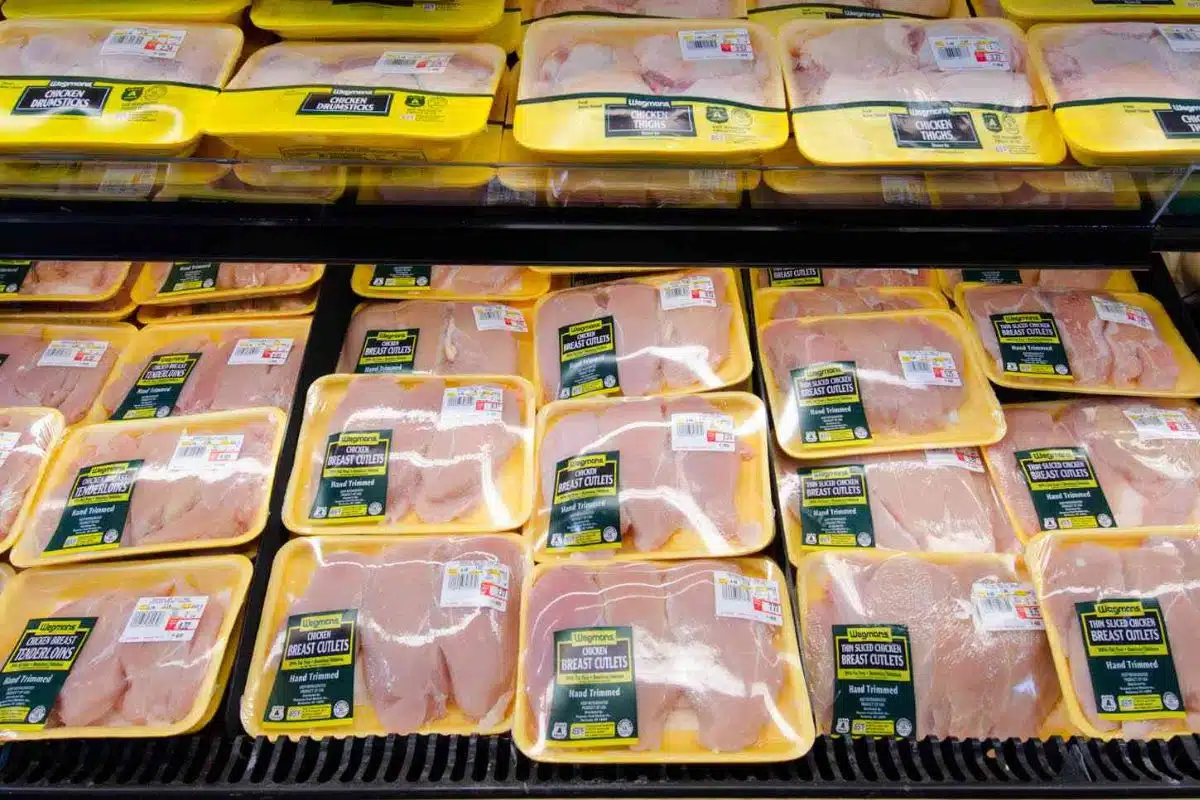
If the chicken feels extremely tough or rubbery before cooking, it may be best to skip it. Choosing a different cut or package can save time and frustration. Paying attention in the store is often the easiest solution. A quick check can lead to much better meals at home.
This post may contain affiliate links or sponsored content. Disclosure Policy