
9 Breakfast Habits That May Leave You Hungry Before Lunch
A healthy morning routine doesn’t just start with waking up—it starts with what you eat (or don’t eat) first thing in the morning. Nutrition experts say breakfast sets the tone for blood sugar balance, energy levels, and even cravings throughout the day. But many common habits can quietly work against your goals, leaving you tired, hungry, or reaching for snacks too soon. Here are the most common breakfast mistakes nutritionists see—and simple ways to fix them.
Skipping Breakfast Completely

Skipping breakfast may seem like an easy time-saver, but it often backfires. Many people end up feeling sluggish, unfocused, or overly hungry later in the day, which can lead to overeating. A balanced morning meal helps stabilize energy and supports better decision-making around food. Even something small with protein and fiber is better than nothing.
— Tara Jenkins, RDN
Relying Only on Coffee

Coffee can be part of a healthy morning routine, but it shouldn’t replace food. Without nutrients from a meal, caffeine can spike stress hormones and lead to mid-morning crashes. Pairing your coffee with protein or fiber helps keep energy steady. Think of coffee as a boost—not a breakfast.
— Dr. Melissa Grant, Nutrition Scientist
Eating Only Carbs

A breakfast built mainly on refined carbs—like toast, pastries, or cereal—can cause a quick rise and fall in blood sugar. That drop often leads to fatigue and cravings soon after. Adding protein or healthy fat helps slow digestion and improves satiety. Balanced plates lead to more stable energy.
— Carla Nguyen, MS, RDN
Choosing Sugary Cereals
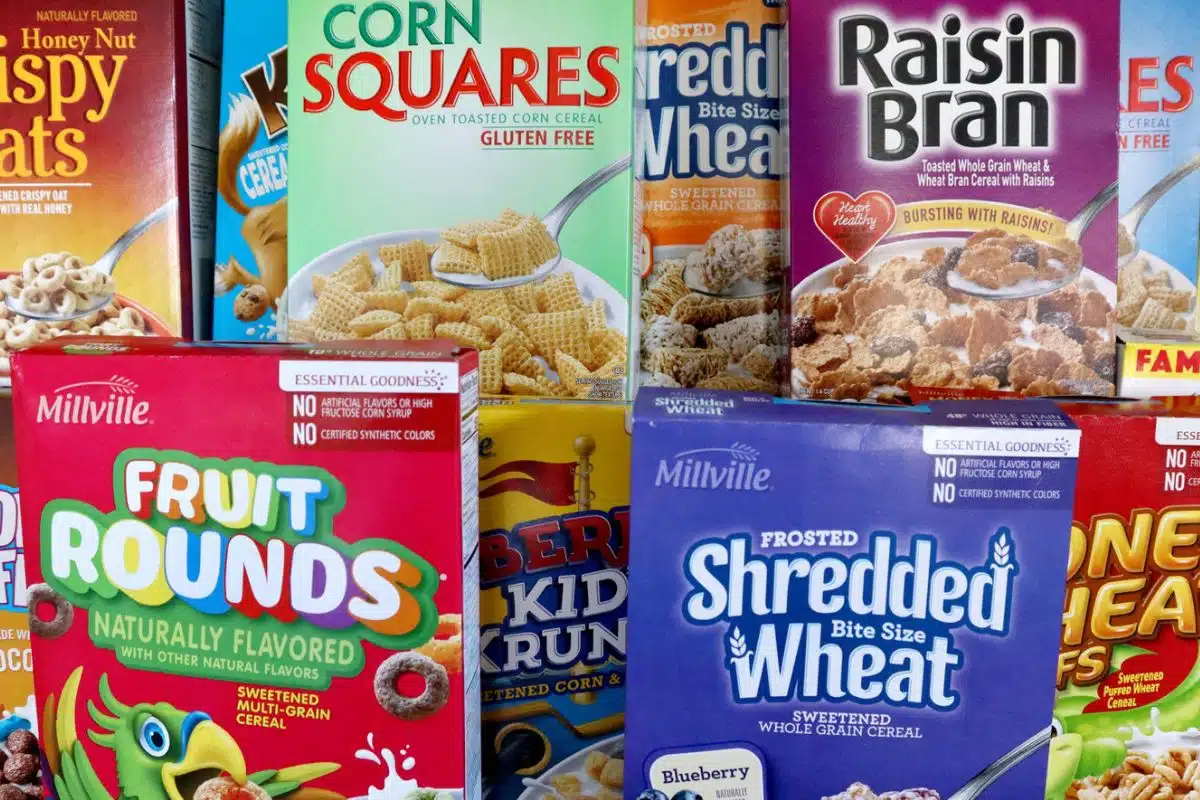
Many cereals marketed as “healthy” are still loaded with added sugars. These can cause a rapid energy spike followed by a crash that leaves you hungry again quickly. Reading labels and choosing high-fiber, low-sugar options can make a big difference. Pairing cereal with protein like Greek yogurt helps balance it out.
— Jared Lopez, RD
Skimping on Protein

Protein plays a key role in keeping you full and reducing cravings later in the day. A breakfast lacking protein often leads to snacking before lunch. Including eggs, yogurt, cottage cheese, or plant-based protein can help maintain steady energy. Even small increases in protein can improve satiety.
— Emily Rhodes, RDN, CPT
Not Including Healthy Fats
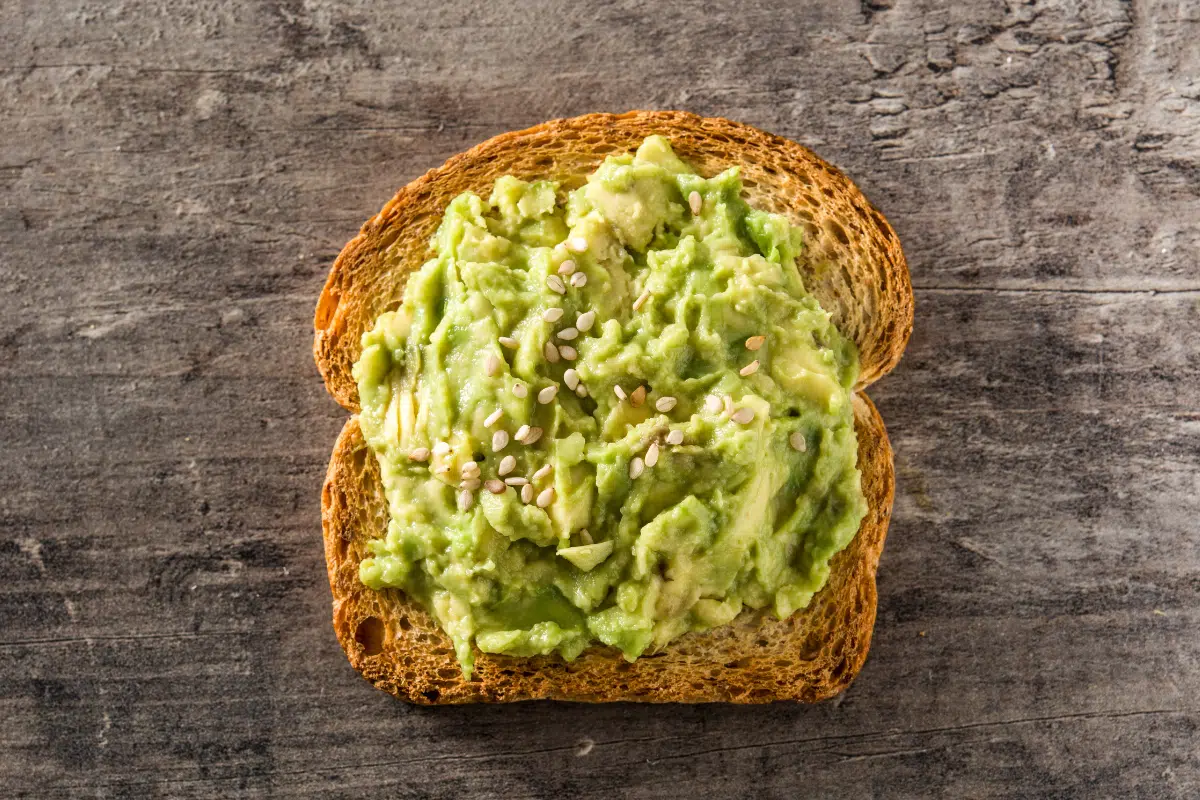
Healthy fats help keep you satisfied longer and support nutrient absorption. Without them, breakfast may feel less filling and lead to early hunger. Foods like avocado, nuts, seeds, or nut butters add both flavor and staying power. Including a balance of fats, protein, and carbs is ideal.
— Dr. Lila Moreno, Clinical Nutritionist
Ignoring Fiber

Fiber is essential for digestion and helps regulate blood sugar levels. A breakfast low in fiber can leave you hungry shortly after eating. Adding fruits, vegetables, whole grains, or chia seeds can improve fullness and gut health. Fiber also supports long-term energy stability.
— Samantha Cole, RD, LD
Eating Too Fast

Rushing through breakfast can make it harder for your body to recognize fullness signals. This often leads to overeating later in the day without realizing it. Taking time to eat slowly improves digestion and satisfaction. Even a few mindful minutes can make a difference.
— Kevin Hartley, MS, Nutrition Coach
Drinking Juice Instead of Eating Fruit

Fruit juice lacks the fiber found in whole fruit, which helps regulate blood sugar and keeps you full longer. Juice can cause a quick spike in glucose without lasting energy. Whole fruits provide more nutrients and better satiety. Choosing apples, berries, or oranges is a smarter morning option.
— Rachel Kim, RDN
This post may contain affiliate links or sponsored content. Disclosure Policy