9 Everyday Items That Could Be Cluttering Your Home
Clutter doesn’t always come from buying too much at once. More often, it’s the everyday things we keep adding, saving, or leaving in convenient places that slowly take over our homes. From reusable bags to old electronics, these items can be useful—but only when you have a reasonable number and a place to keep them. Taking a few minutes to sort through them can free up space without requiring a major decluttering project.
Reusable Shopping Bags
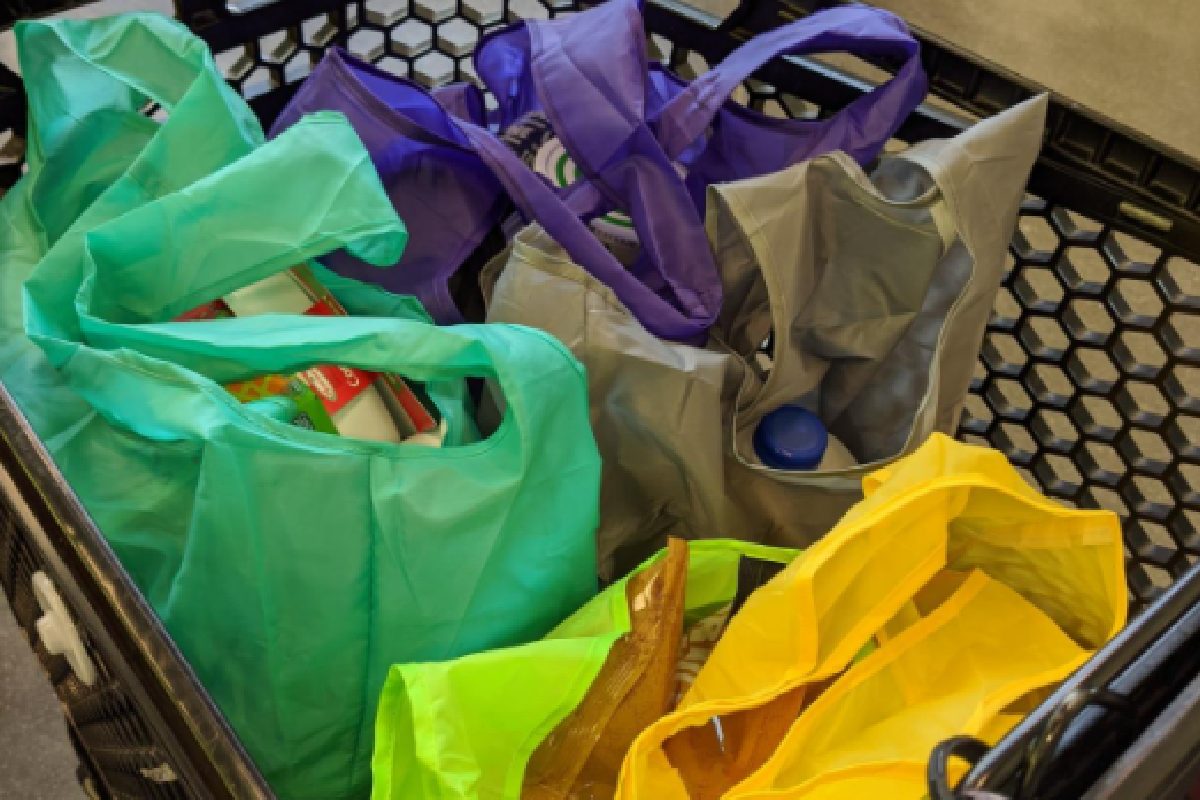
Reusable bags are handy, but they can multiply surprisingly quickly, especially when you collect them from different stores and forget how many you already have. Instead of stuffing them into several closets or cabinets, choose one designated storage spot and keep only the number your household realistically uses. Fold or roll the bags so they take up less space. When your collection no longer fits in its designated spot, that’s a good signal that it’s time to sort through the extras.
Mail and Paperwork
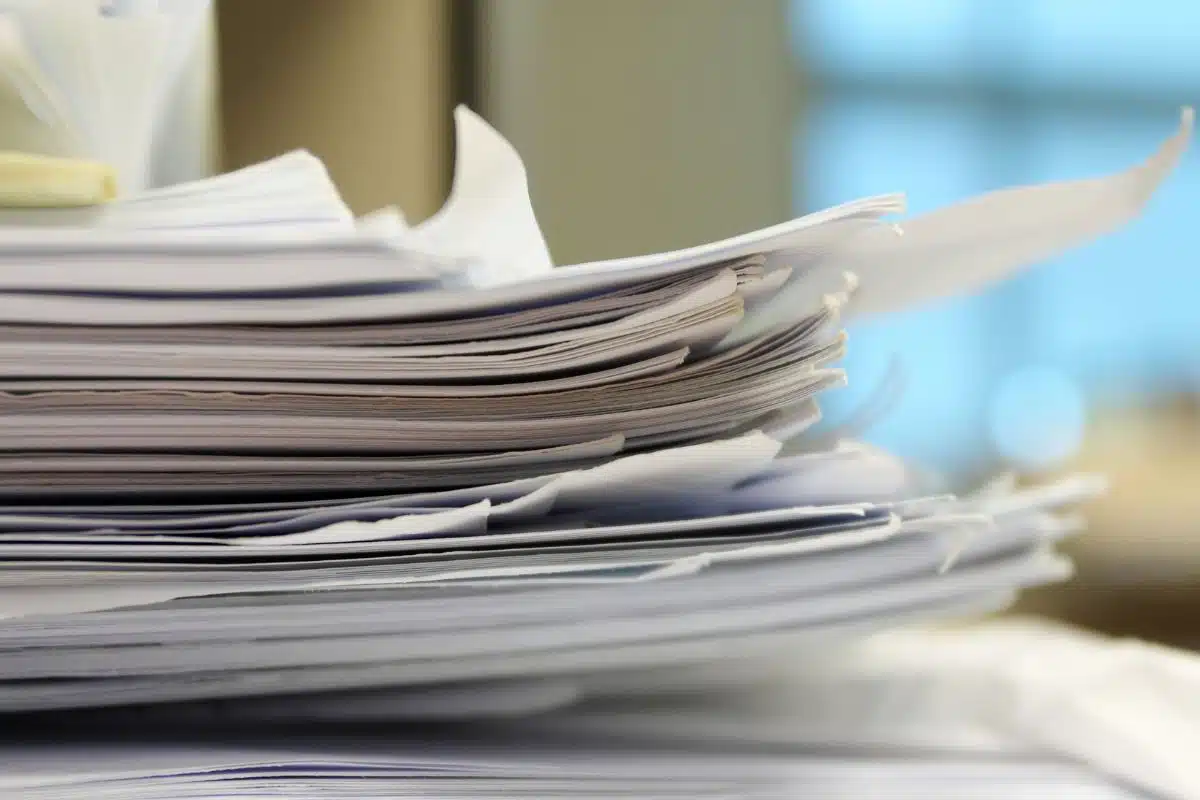
Mail and paperwork can turn an otherwise tidy counter into a cluttered surface within days. Create one designated place for incoming mail and sort it regularly rather than allowing envelopes and flyers to accumulate. Recycle junk mail promptly and keep only paperwork that requires action or needs to be retained. For documents you need to keep, a simple filing system can prevent important papers from getting lost in a pile.
Mugs and Water Bottles
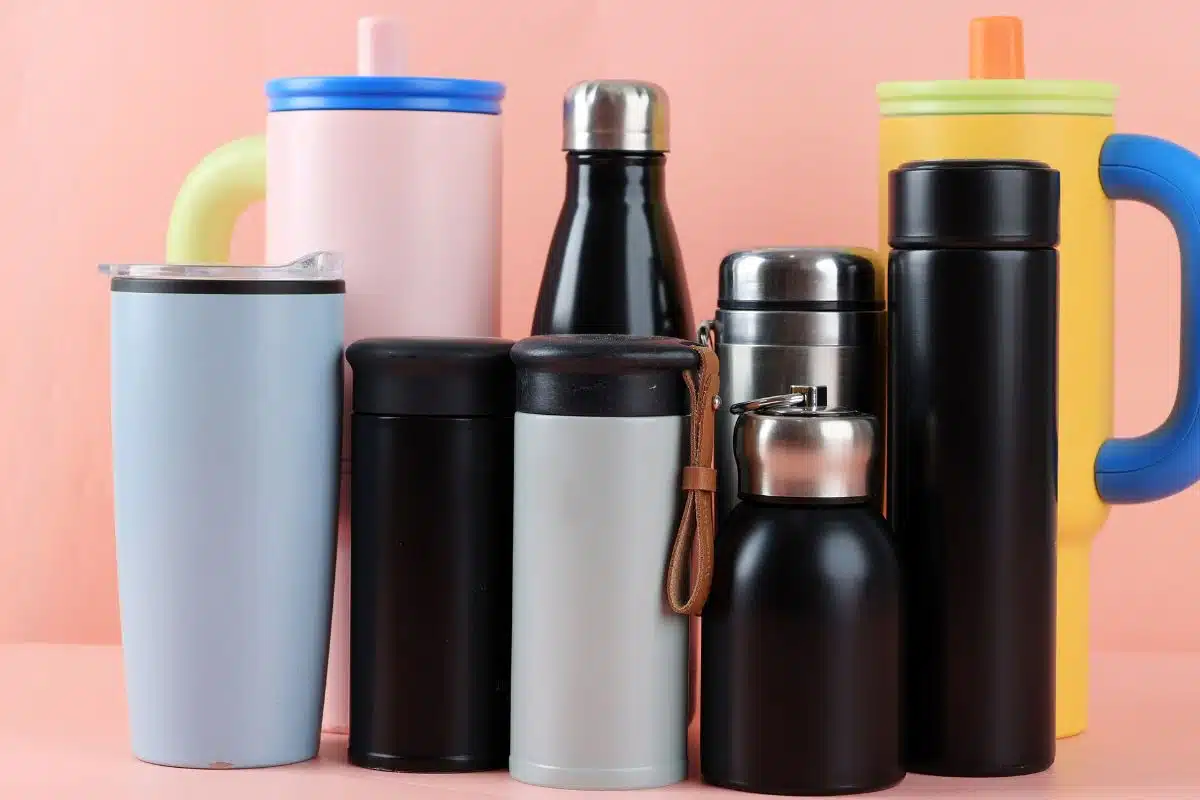
Mugs and reusable water bottles are easy to accumulate because they’re often inexpensive, promotional, or given as gifts. The problem starts when cabinets become so crowded that you have to move several items just to reach the ones you use. Take everything out and keep the mugs and bottles that fit your household’s actual habits. Donate or recycle appropriate extras rather than letting them occupy valuable cabinet space indefinitely.
Shoes by the Door
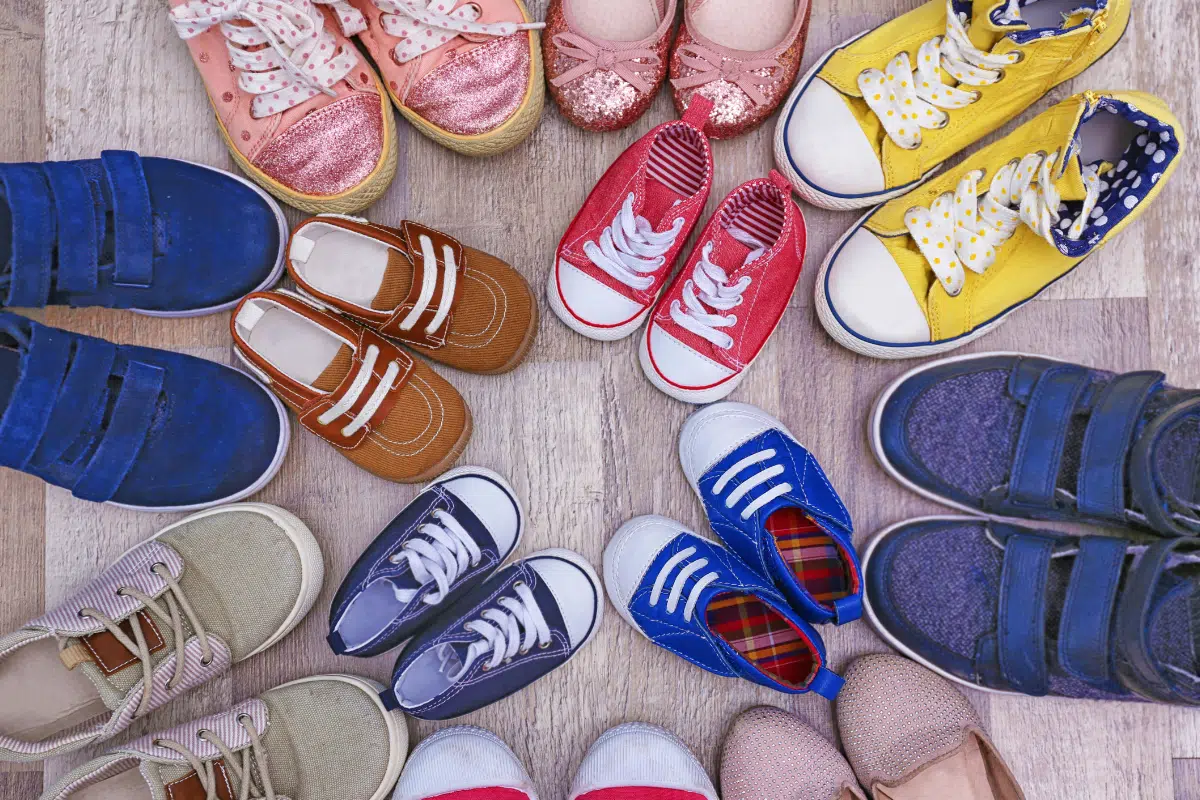
Shoes tend to become entryway clutter because the door is the most convenient place to leave them. A few pairs can quickly turn into everyone’s everyday shoes, boots, sneakers, and seasonal footwear. Give each person a reasonable amount of space and move shoes that aren’t currently being worn elsewhere. A small shoe rack, basket, or designated shelf can help keep the entryway functional without requiring a large storage system.
Kitchen Gadgets You Rarely Use
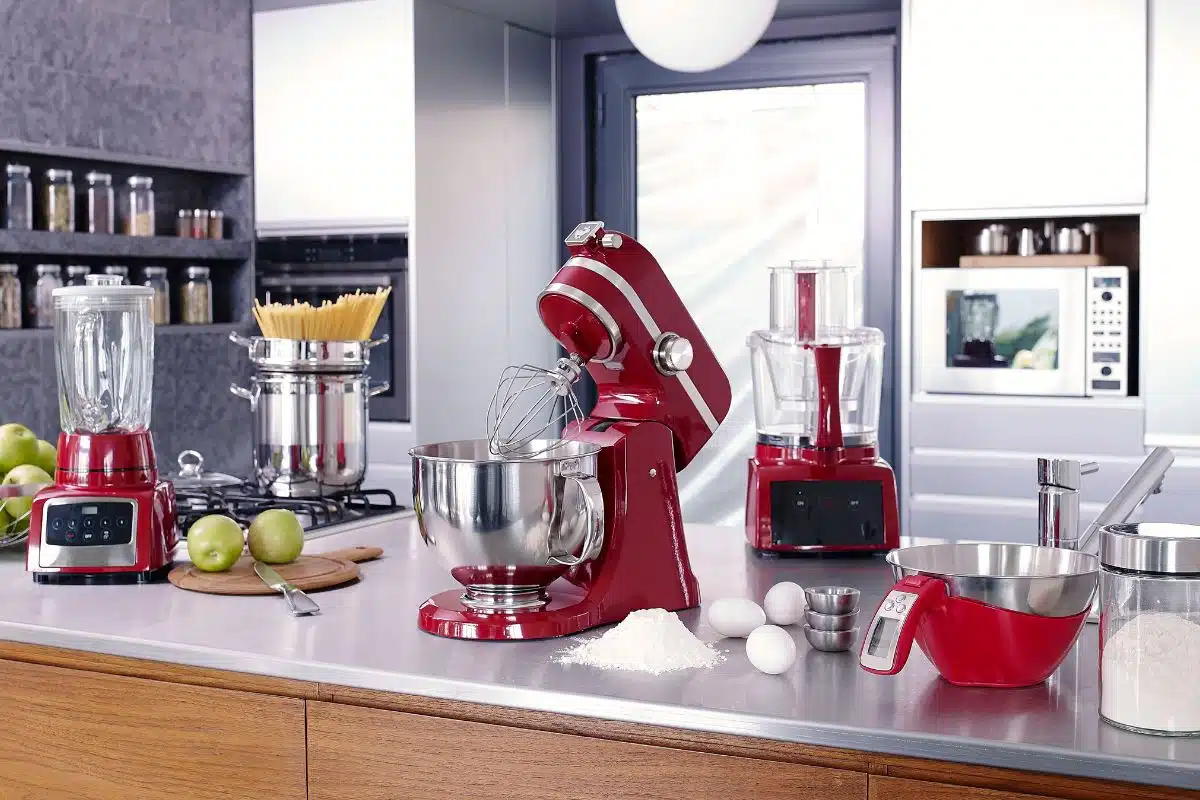
Specialty kitchen gadgets can be useful for the right cook, but single-purpose tools can also consume valuable cabinet and drawer space. Pull out the gadgets you own and consider how often you actually use each one rather than keeping everything simply because it might be useful someday. If an item hasn’t been used in a long time and you have another way to accomplish the same task, it may be a good candidate to donate. Keep the tools that genuinely make cooking easier for you.
Decorative Pillows and Throws

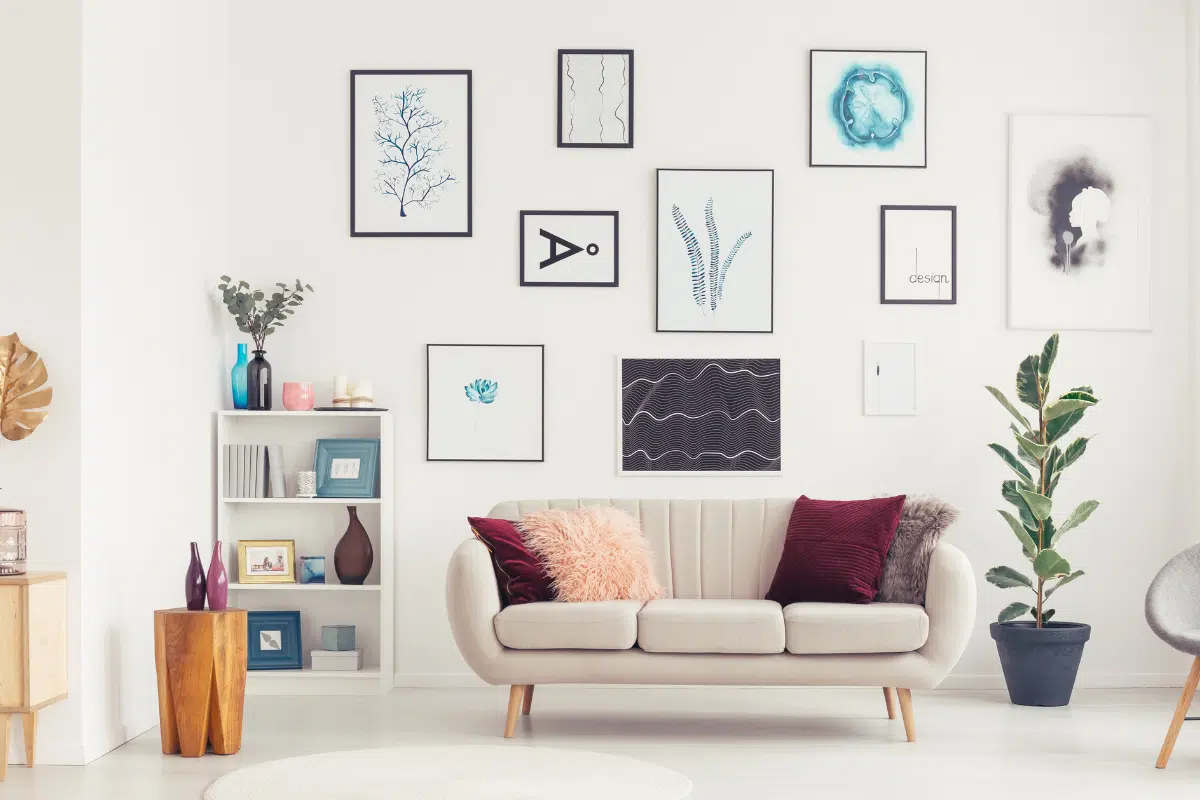
Throw pillows and blankets can make a room feel comfortable and inviting, but too many can make everyday spaces harder to use. If pillows and throws regularly end up on the floor, furniture, or another room because there isn’t enough storage for them, you may have more than you need. Choose your favorites and give the rest a designated home. A storage basket or blanket chest can keep frequently used throws accessible without leaving them scattered around the room.
Cords and Old Electronics
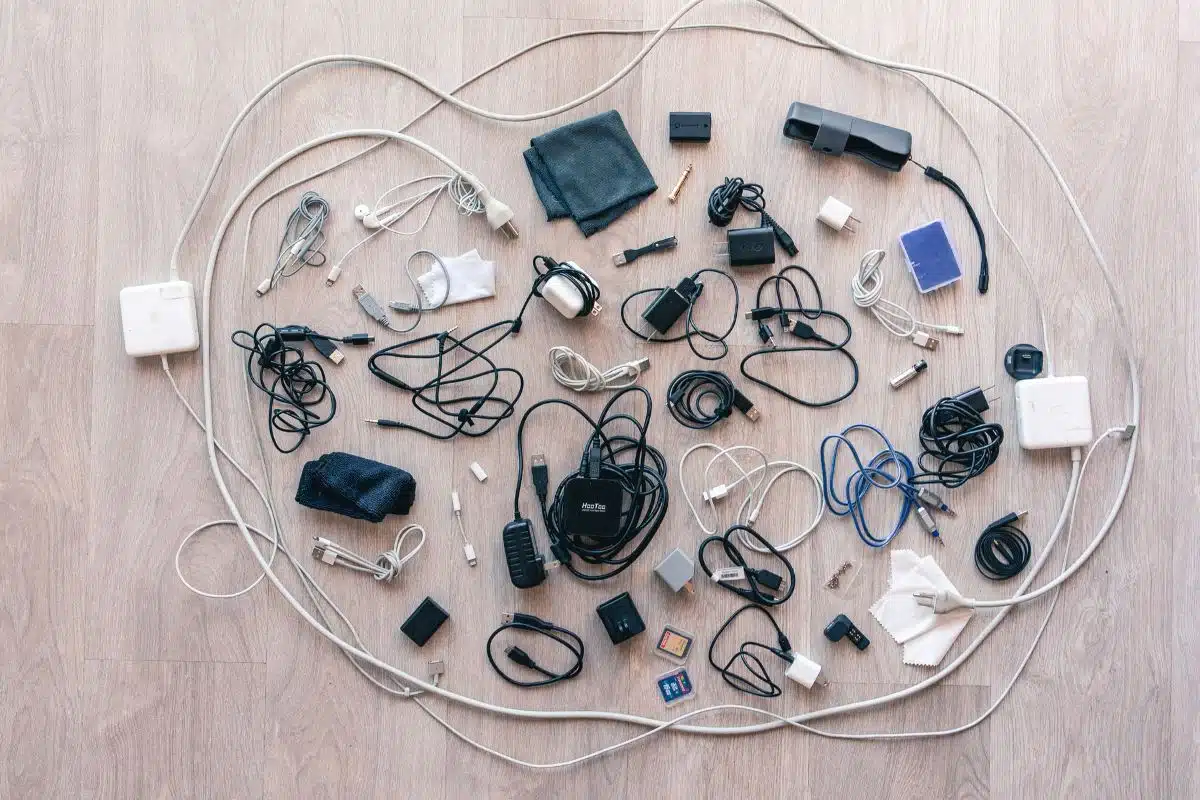
A drawer full of mystery cables is a common source of hidden clutter. Old phone chargers, duplicate cables, outdated accessories, and electronics you no longer use can take up surprisingly little space individually but a lot of space collectively. Match cords to the devices you still own and label the ones that are easy to confuse. Safely recycle unwanted electronics and cables through an appropriate electronics-recycling program rather than putting them in the household trash.
Toiletries and Sample Products

Travel-size toiletries and partially used beauty products often accumulate because they seem too useful to throw away. Unfortunately, keeping dozens of products you don’t actually use makes bathroom cabinets harder to navigate. Group similar products together and finish what you already have before opening another version whenever practical. Check product labels and discard anything that has changed in smell, color, texture, or condition, and dispose of products according to their packaging or local guidelines.
Kids’ Artwork and School Papers

Children’s artwork and school papers can carry plenty of sentimental value, but keeping every piece can quickly overwhelm your refrigerator, counters, and storage spaces. Instead of trying to preserve everything, create a simple system for deciding what is worth keeping. You might display a few favorites, photograph others, and keep a small folder or portfolio for especially meaningful pieces. At the end of each school period, review the collection so it doesn’t become an unmanageable pile.
A Little Decluttering Goes a Long Way
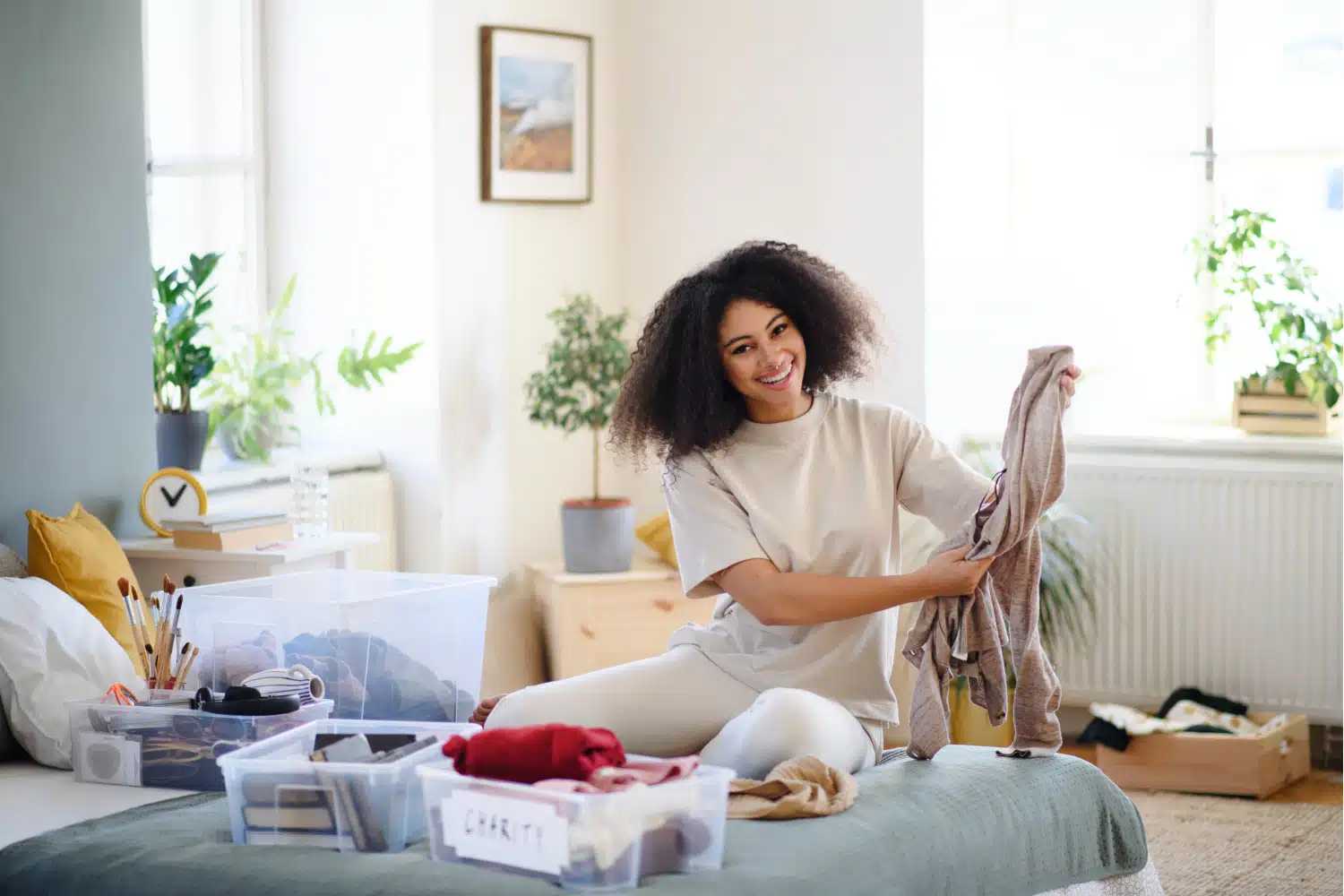
You don’t have to empty every closet or spend an entire weekend decluttering your home. Start with one category that’s taking up more space than it should and make a few simple decisions about what you actually use. Giving the things you keep a designated home makes it easier to put them away—and easier to notice when you’ve accumulated more than you need. The goal isn’t a perfectly minimal home; it’s a home where the things you own have a purpose and a place.
This post may contain affiliate links or sponsored content. Disclosure Policy