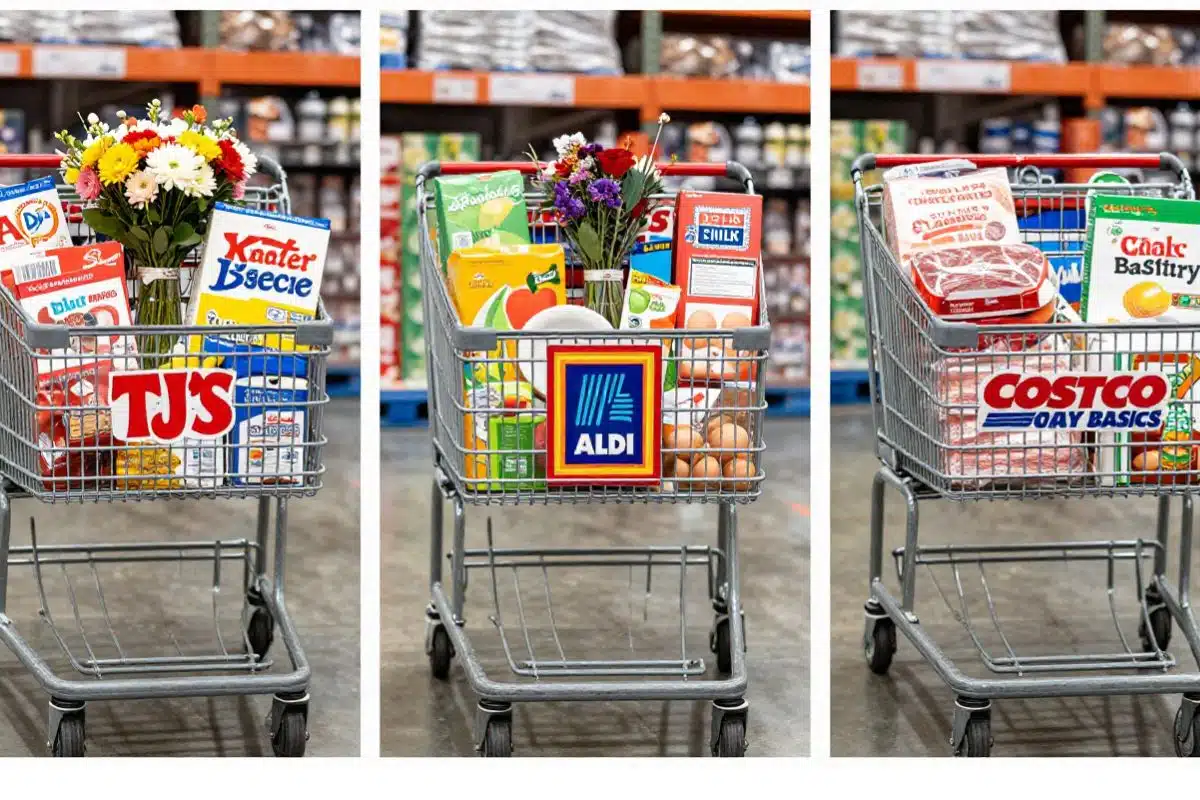
The Big Changes Grocery Stores Are Making for Plant-Based
Plant-based eating is no longer a niche trend tucked into specialty aisles—it’s rapidly becoming a mainstream part of how people shop. Major grocery chains are reshaping everything from store layouts to product development to meet rising demand from health-conscious, environmentally aware, and flexitarian shoppers. What used to be a small section of the store is now influencing entire merchandising strategies. Here’s how grocery retailers are changing—and what it means for your next shopping trip.
Ramp‑Up in Product Assortment
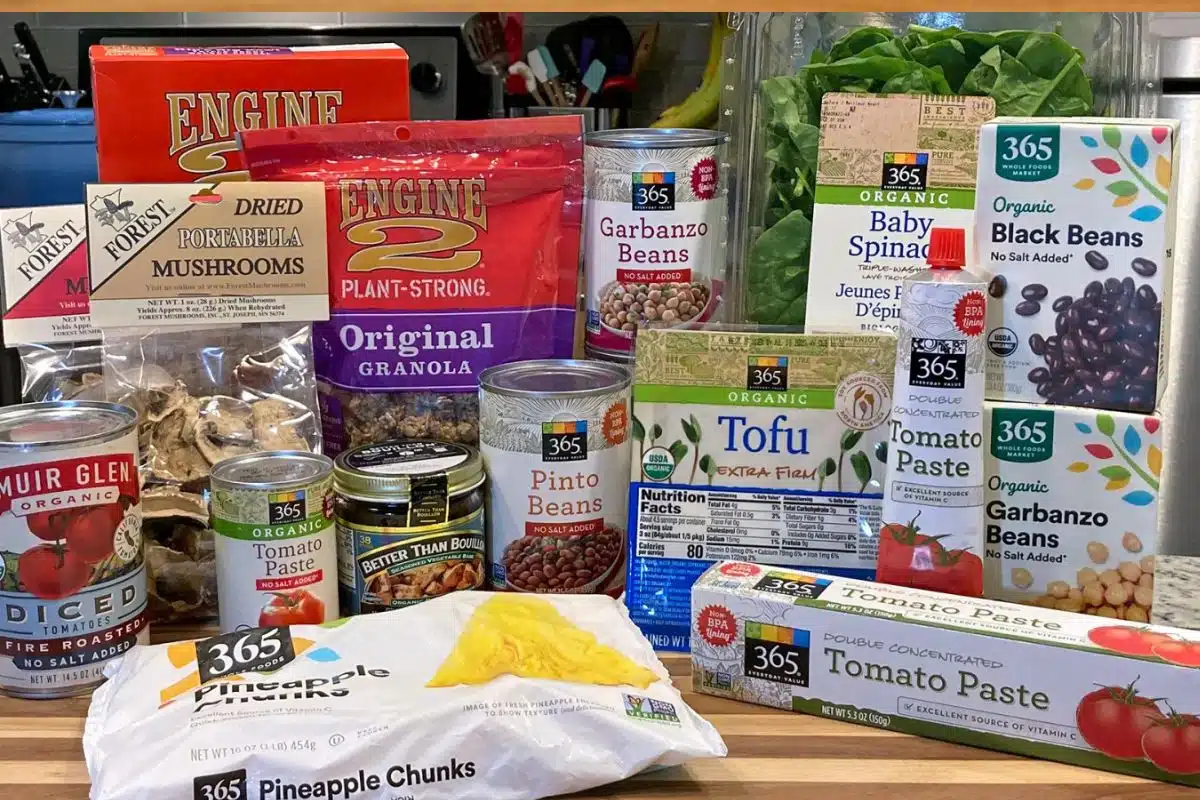
Grocery chains like Whole Foods Market and King Soopers have significantly expanded their plant-based offerings, now carrying hundreds of items across multiple categories. This growth reflects a shift from niche interest to mainstream demand, with more variety than ever before. Shoppers can now find plant-based alternatives for nearly every meal, snack, and beverage. The wider selection makes it easier for both longtime vegans and curious first-timers to explore new options.
Placement Matters — Right in the Meat Aisle

Instead of isolating plant-based products in specialty sections, many stores are now placing them directly alongside traditional meat products. This shift in placement increases visibility and encourages shoppers to compare options side by side. For example, plant-based burgers are often displayed next to beef patties, making them easier to notice during routine shopping. This simple change has been shown to increase trial and interest among mainstream consumers.
Private‑Label Strategies Go Plant‑Based

Private-label brands are playing a major role in making plant-based foods more affordable and accessible. Retailers like Aldi and others have launched their own plant-based product lines at lower price points than many national brands. These store-brand options help reduce the cost barrier while expanding availability in everyday grocery stores. As a result, plant-based eating is becoming more budget-friendly for a wider range of shoppers.
Focus on Sustainability and Consumer Values

Retailers are responding to growing consumer interest in sustainability, climate impact, and ethical food choices. Studies suggest that a significant portion of shoppers are increasing plant-based purchases due to environmental concerns. Grocery chains are aligning their strategies with these values by expanding eco-friendly product lines and promoting sustainable options. This shift reflects a broader change in how food choices are influenced beyond just taste and price.
Expanding to More Categories

Plant-based innovation is no longer limited to meat alternatives and dairy substitutes. Today, these products span more than 30 grocery categories, including eggs, seafood alternatives, frozen desserts, and even ready-made meals. This expansion makes plant-based eating more convenient and versatile for everyday lifestyles. Even shoppers who aren’t actively seeking alternatives may now encounter them across multiple aisles.
Better Signage & Icons for Easy Discovery
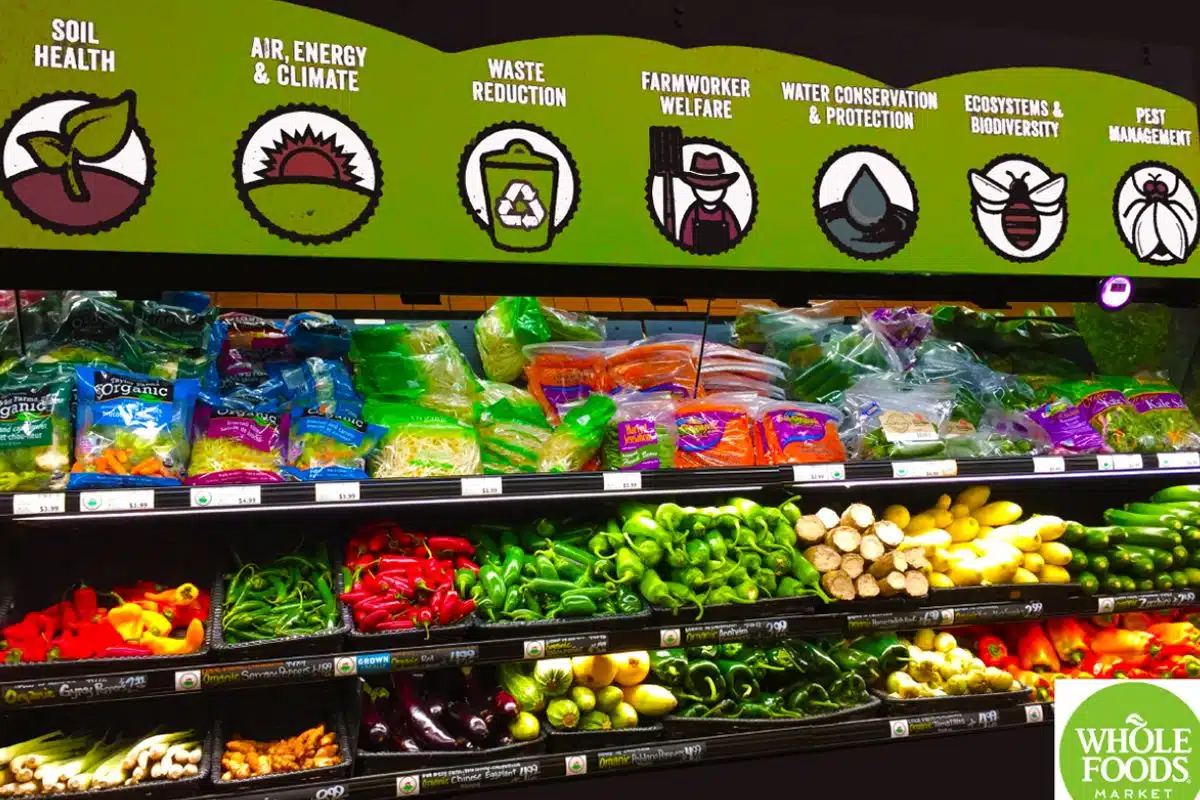
To help shoppers navigate growing options, stores are introducing clearer signage, shelf tags, and icons like “plant-based” or “plant protein.” These visual cues make it easier to quickly identify suitable products while browsing. Improved labeling also helps reduce confusion for new customers exploring plant-based foods for the first time. The result is a smoother, more intuitive shopping experience overall.
Setting Protein Goals & Targets

Some grocery chains are setting long-term goals to increase the share of plant-based proteins they sell over time. In certain regions, retailers have committed to ambitious targets for the next decade as part of broader sustainability strategies. These goals reflect a shift from short-term trends to long-term industry transformation. It signals that plant-based foods are becoming a permanent part of grocery planning rather than a passing fad.
Catering to Flexitarians and Omnivores
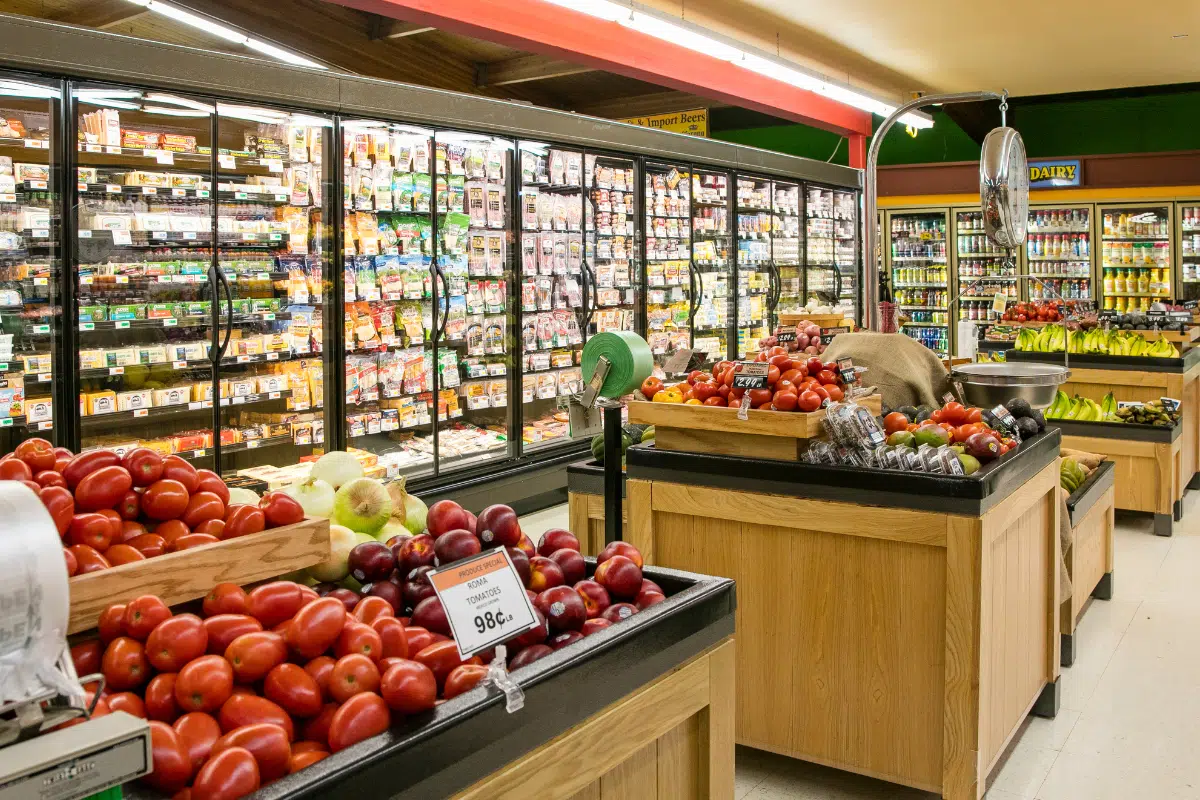
Retailers increasingly recognize that the largest growth opportunity lies with flexitarians—shoppers who still eat meat but are open to plant-based alternatives. As a result, products are being designed and marketed to appeal to mainstream consumers rather than only vegans or vegetarians. This approach makes plant-based options feel more familiar, accessible, and practical for everyday meals. It’s helping shift these products from specialty items to regular grocery staples.
Online and E‑Commerce Growth

E-commerce platforms are accelerating the availability of plant-based products by offering broader selections than many physical stores. Online grocery shopping allows retailers to showcase more niche or emerging brands without shelf space limitations. This gives consumers access to a wider range of options and makes discovery easier. As online shopping continues to grow, so does the visibility of plant-based innovation.
Merchandising & Education Go Hand in Hand
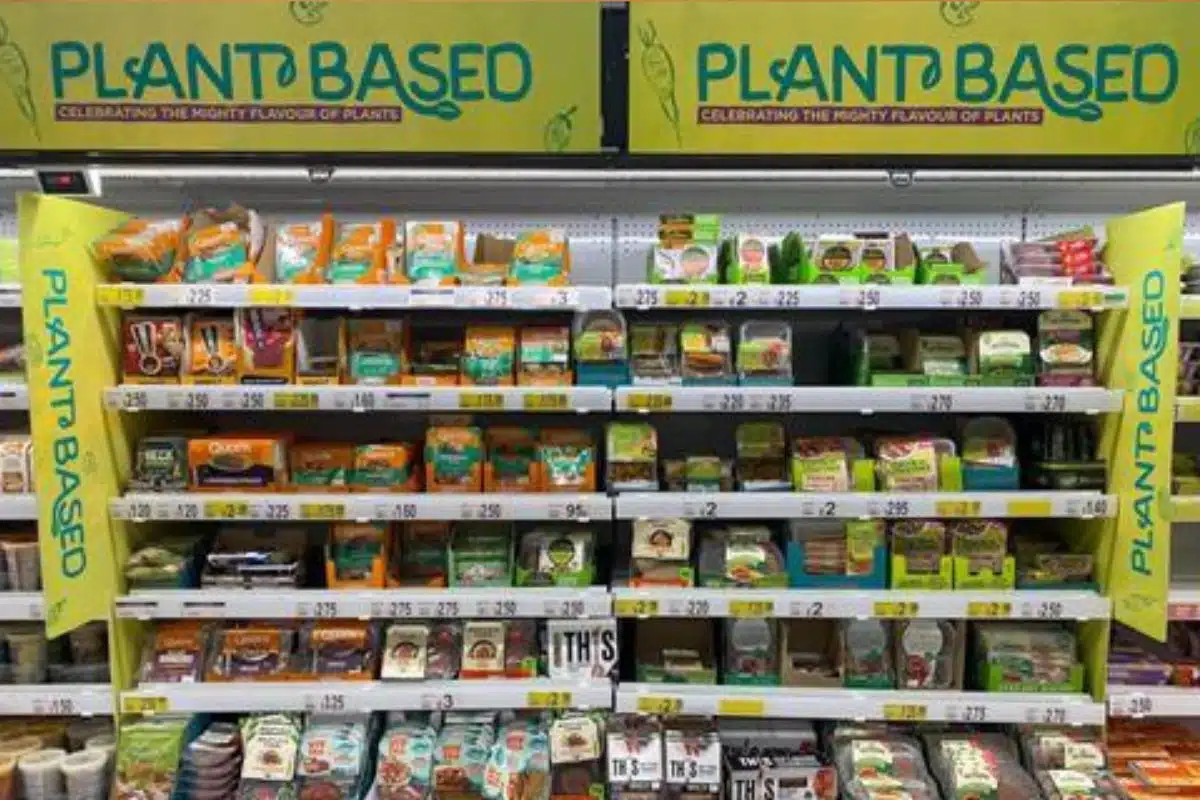
Beyond product placement, many retailers are investing in education through shelf tags, recipe ideas, and in-store displays. These tools help shoppers understand how to cook, use, and enjoy plant-based foods in everyday meals. By reducing uncertainty, stores make it easier for customers to try new products with confidence. This educational approach helps turn curiosity into consistent purchasing behavior.
This post may contain affiliate links or sponsored content. Disclosure Policy