
Why You Don’t See Side-Mounted Outlets on Kitchen Islands Anymore
Kitchen islands have become one of the hardest-working features in modern homes, serving as prep stations, dining areas, homework hubs, and gathering places. As island designs have evolved, so have the electrical code requirements that govern where outlets can be installed. If you’ve noticed that newer kitchens often don’t have outlets on the sides of islands like older homes do, you’re not imagining it. Changes in building codes and advances in outlet technology have led to new ways of providing convenient power while preserving a cleaner, more streamlined look. Here are the reasons side-mounted outlets are becoming much less common in today’s kitchens.
Building Codes Have Changed
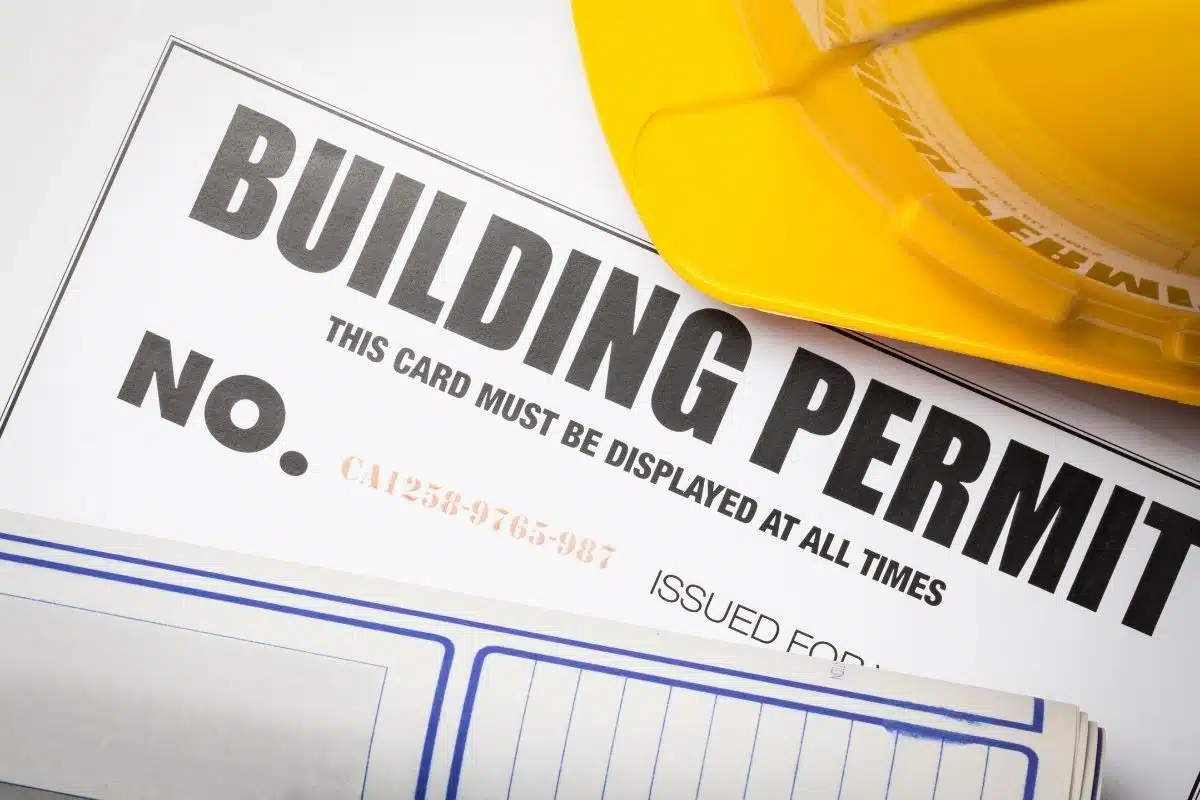
Recent updates to the National Electrical Code (NEC) changed how electrical outlets can be installed on kitchen islands. While side-mounted receptacles were once the standard solution, newer code requirements allow different approaches that better accommodate today’s island designs. Builders and electricians now have more flexibility in meeting electrical requirements while keeping kitchens functional and visually appealing.
Hidden Under-Counter Outlets Offer a Cleaner Look
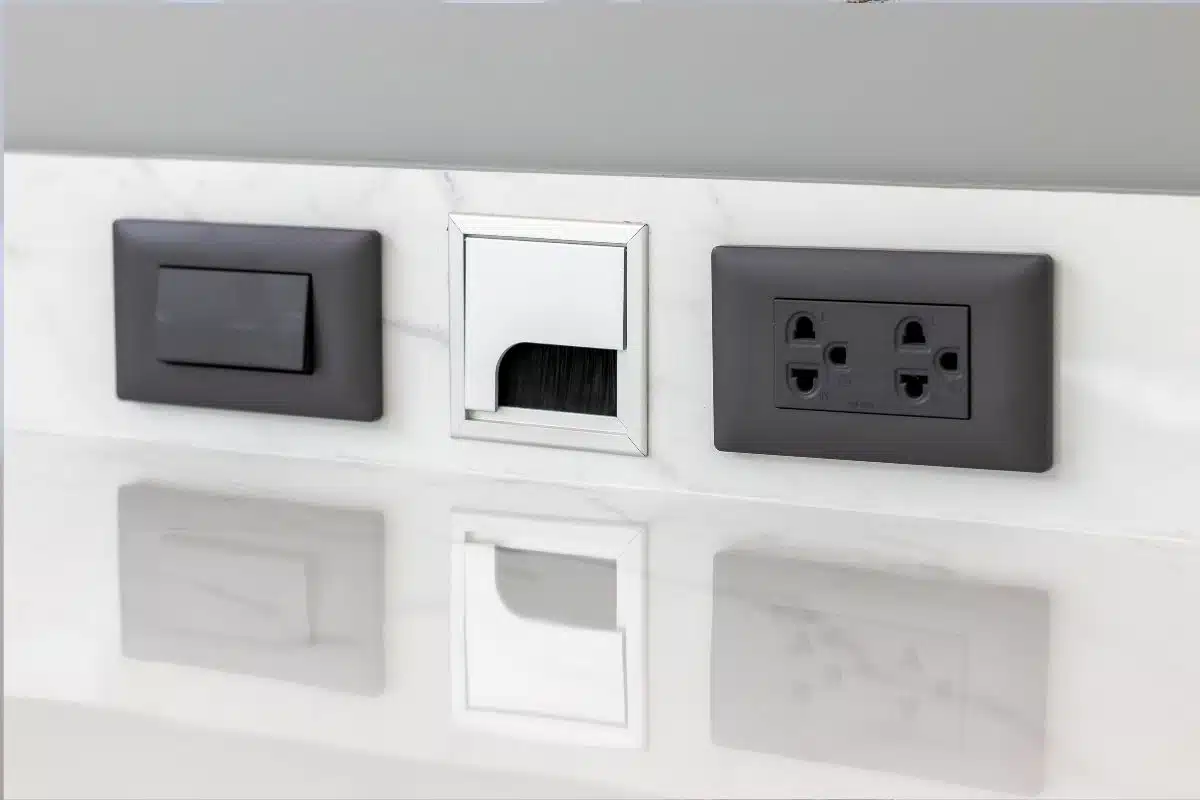
Instead of mounting outlets on the visible sides of an island, many designers now install them just beneath the countertop overhang. This placement keeps outlets within reach while making them far less noticeable from across the room. It’s a simple design change that helps preserve the uninterrupted appearance of cabinetry.
Modern Kitchen Designs Prioritize Clean Lines
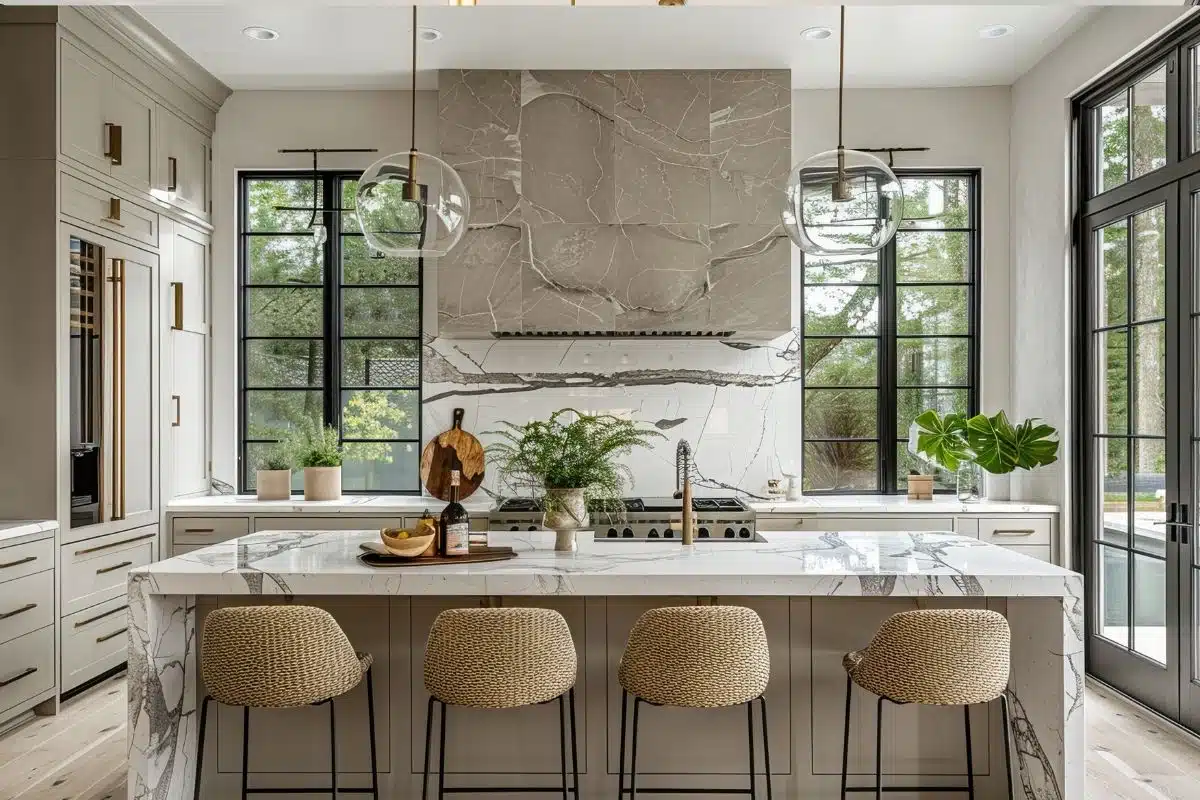
Today’s kitchen trends often emphasize seamless cabinetry, furniture-style islands, and decorative finishes. Large electrical receptacles mounted on finished end panels can interrupt that polished look. By relocating outlets to less visible locations, designers can maintain the aesthetic without sacrificing convenience.
Decorative Island Panels Leave Less Room
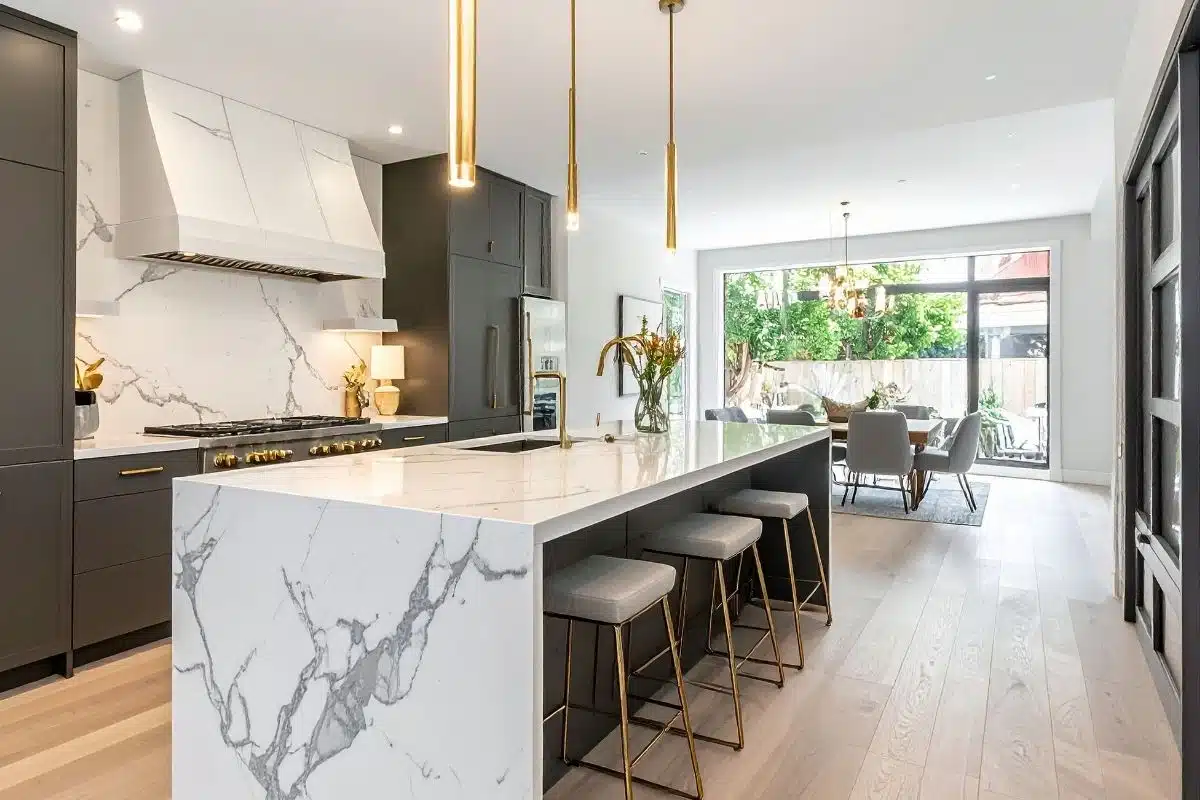
Many islands now feature beadboard, fluted wood, stone veneer, or custom trim that covers nearly every visible surface. Installing a standard electrical box can disrupt these decorative details and require cutting into expensive materials. Alternative outlet locations help preserve the craftsmanship while still providing convenient access to electricity.
Safety Has Become a Bigger Focus
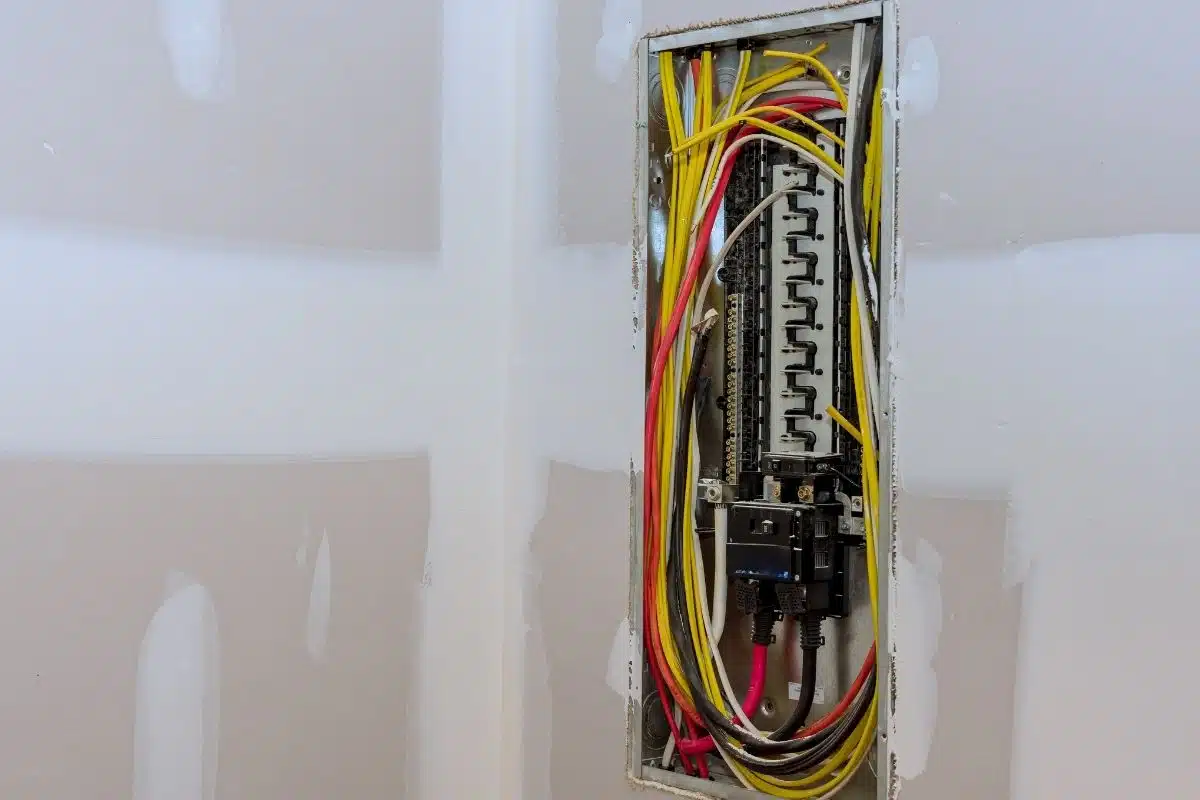
Modern electrical codes place a greater emphasis on reducing potential hazards while maintaining accessibility. Better outlet placement can help minimize exposed cords in busy walkways and reduce accidental contact in high-traffic areas. Combined with required GFCI protection in kitchens, these improvements contribute to a safer cooking and gathering space.
Wireless Charging Has Reduced Outlet Demand

Many homeowners now rely on wireless charging pads built into furniture or portable charging stations for phones and small devices. While traditional outlets are still essential for appliances, the need to plug in personal electronics at the kitchen island isn’t as frequent as it once was. Some new islands even incorporate built-in wireless charging technology beneath the countertop.
Small Appliances Have Changed How We Use Islands

Kitchen islands are increasingly used for food preparation rather than serving as permanent homes for countertop appliances. Stand mixers, blenders, and food processors are often stored away until needed, reducing the need for several highly visible outlets along the island’s sides. Hidden power options provide electricity when necessary without becoming a permanent visual feature.
Integrated Power Solutions Are More Versatile
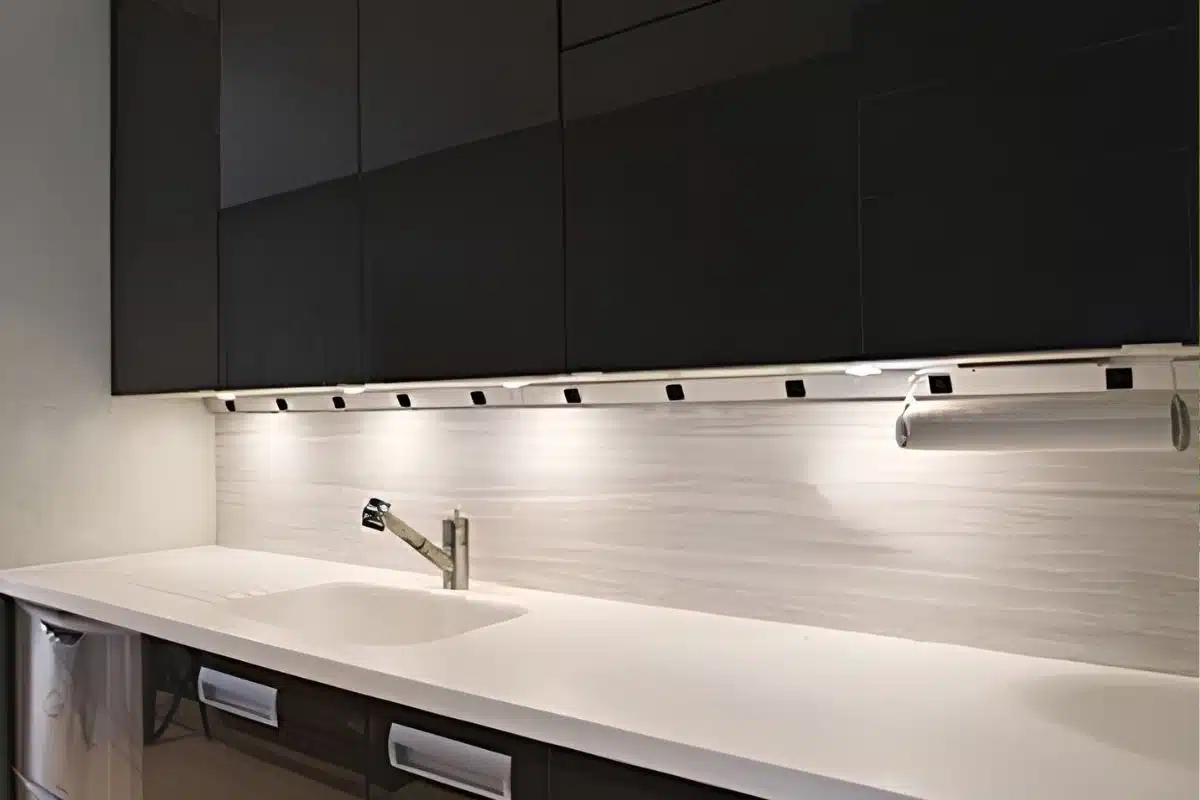
Today’s homeowners can choose from recessed outlets, pop-up receptacles, under-counter power strips, and other integrated electrical solutions designed specifically for kitchen islands. These options often include USB-A and USB-C charging ports alongside traditional outlets, making them more versatile for modern households. The result is greater functionality with less visual clutter.
Older Homes Often Reflect Older Standards

If your home was built several years ago, side-mounted outlets were likely installed because they reflected the building codes and design preferences of the time. There’s nothing inherently wrong with these outlets if they meet the code that was in effect when the home was built. However, many homeowners remodeling their kitchens choose to update the electrical layout to match current design trends and code requirements where applicable.
This post may contain affiliate links or sponsored content. Disclosure Policy