
10 Ingredients That Can Make Any Pasta Sauce Taste Better
Even a basic jarred marinara or homemade tomato sauce can taste noticeably better with the right additions. A little fat can improve texture, while ingredients such as Parmesan, fresh herbs, garlic, or red pepper flakes can add layers of flavor without requiring a completely new recipe. These simple pasta sauce upgrades are easy to keep on hand and can help turn an ordinary bowl of pasta into a more flavorful meal.
Butter

A small amount of butter stirred into pasta sauce can give it a smoother, richer texture. It also helps balance the sharp acidity of tomato-based sauces, especially when added toward the end of cooking. You don’t need much—a tablespoon or two can make a noticeable difference.
Try this: Stir butter into the sauce just before adding the cooked pasta.
Fresh Garlic (Added Late)
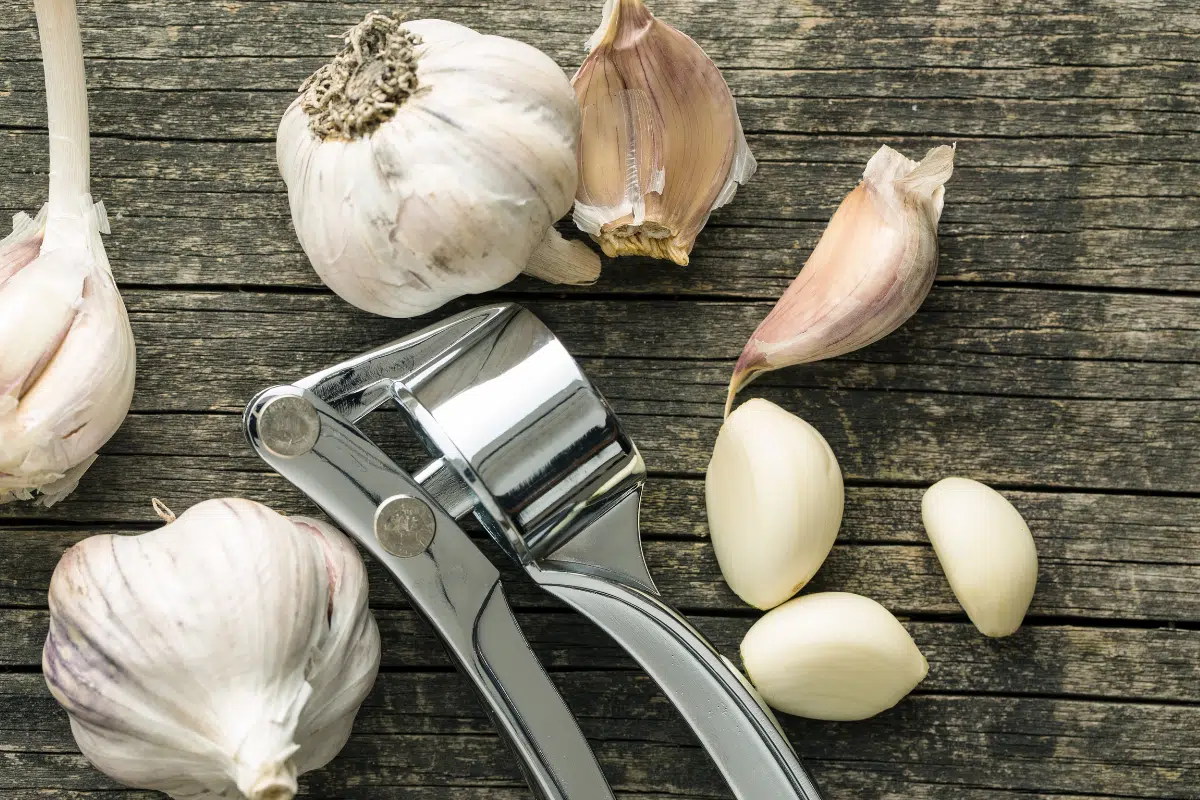
Fresh garlic can add a big flavor boost to almost any pasta sauce. Sautéing it briefly in olive oil develops a mellow flavor, while adding finely minced garlic later in the cooking process gives the sauce a brighter, more pronounced garlic note. Be careful not to burn it, as overcooked garlic can turn bitter.
Easy upgrade: Add a little sautéed garlic to jarred marinara before simmering.
Parmesan Rind
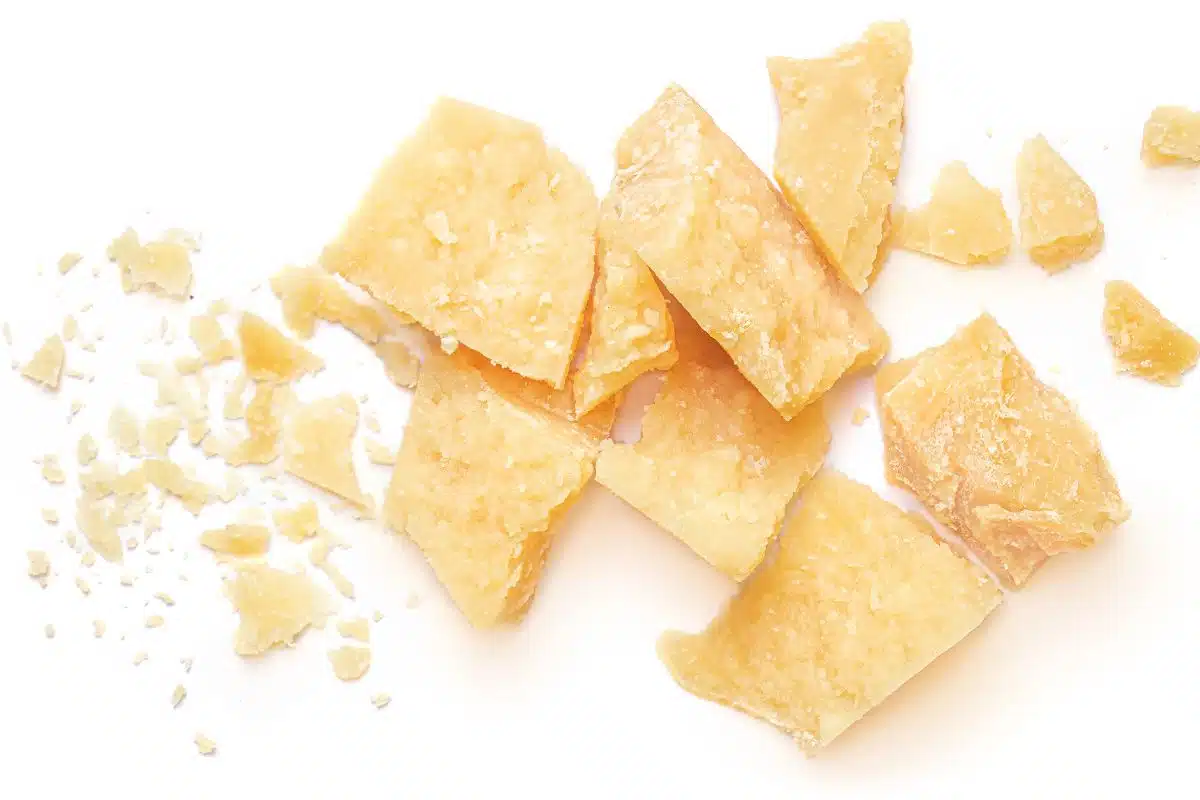
Don’t throw away that leftover Parmesan rind. Drop it into a simmering tomato or vegetable-based sauce and let it cook for 20 to 30 minutes to add savory depth. Remove the rind before serving; it may soften during cooking, but it generally won’t melt completely into the sauce.
Money-saving tip: Save Parmesan rinds in the freezer until you have a sauce, soup, or stew that can use them.
A Splash of Pasta Water
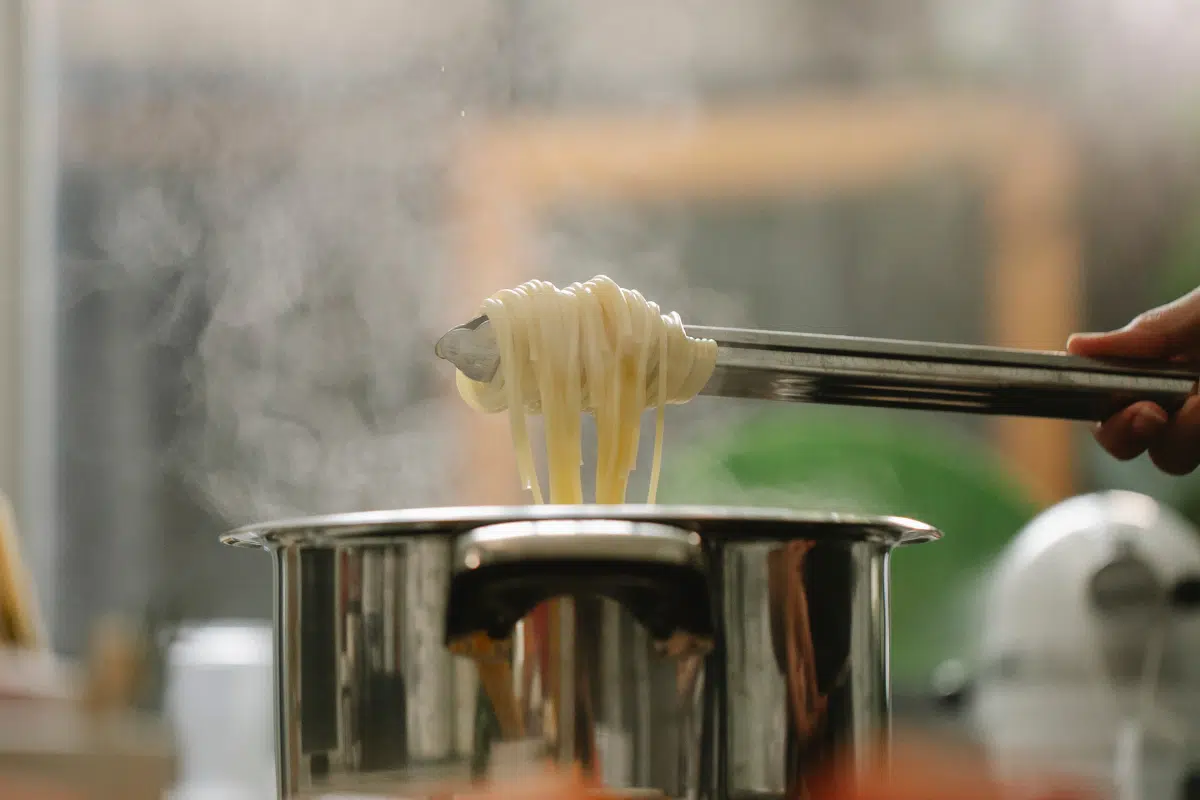
That cloudy water left behind after cooking pasta is a useful sauce ingredient. The starch helps emulsify the sauce and can make it cling more evenly to the noodles. Add a small splash at a time while tossing the pasta and sauce together until you reach the consistency you want.
Best practice: Reserve the water before draining the pasta.
Extra-Virgin Olive Oil

A drizzle of good extra-virgin olive oil at the end of cooking adds richness and a fresh, fruity aroma. It works particularly well with simple tomato, garlic, and herb sauces where the flavor of the oil can stand out. Use it as a finishing touch rather than cooking all of it into the sauce.
Try this: Finish the pasta with olive oil, freshly ground black pepper, and grated Parmesan.
Red Pepper Flakes
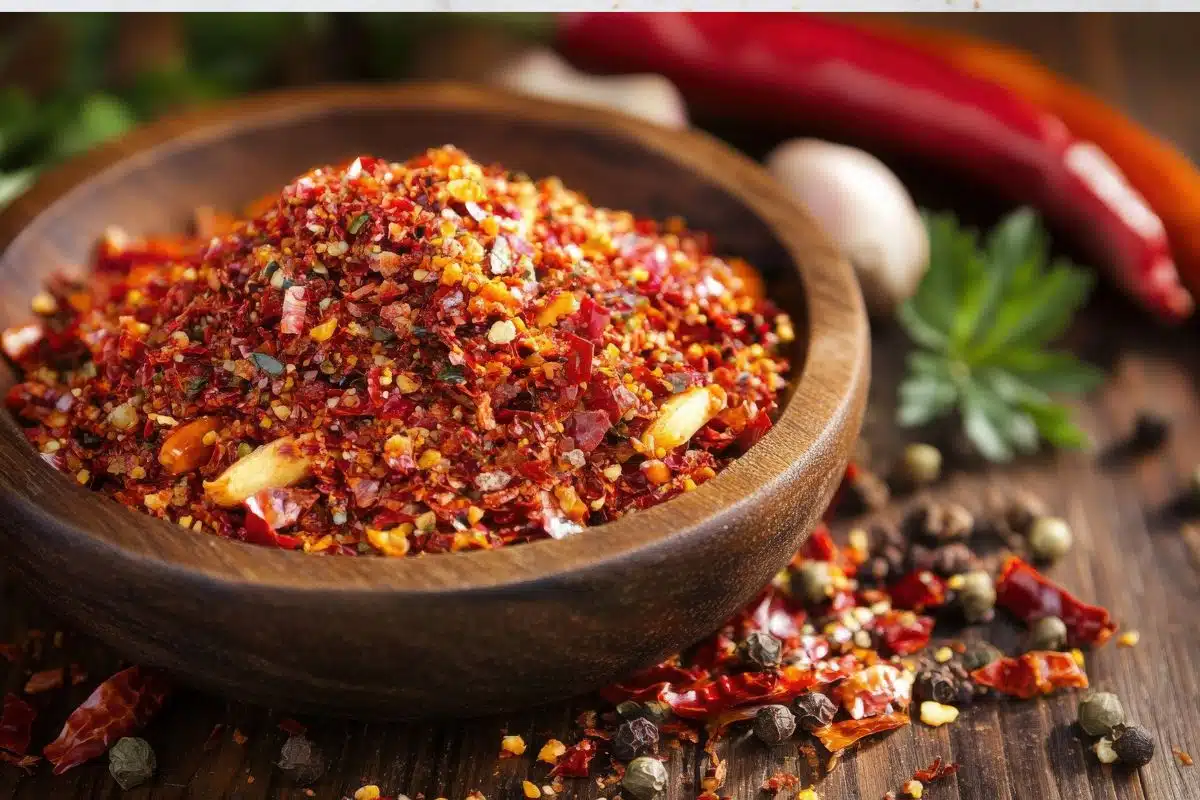
A pinch of red pepper flakes can add warmth and make the other flavors in a pasta sauce stand out. You don’t need enough to make the dish very spicy; even a small amount can add another layer of flavor. Add them while the sauce cooks for a more blended heat or sprinkle them over individual servings.
Adjust to taste: Start small and add more if needed.
Anchovy Paste

Anchovy paste is a simple way to add savory depth to tomato-based sauces. When cooked with garlic and oil, it melts into the sauce and contributes umami without making the finished dish taste strongly of fish. Start with a small amount and let it cook briefly before adding your tomatoes or sauce.
Good to know: A little goes a long way, especially in a smaller batch of sauce.
Fresh Herbs
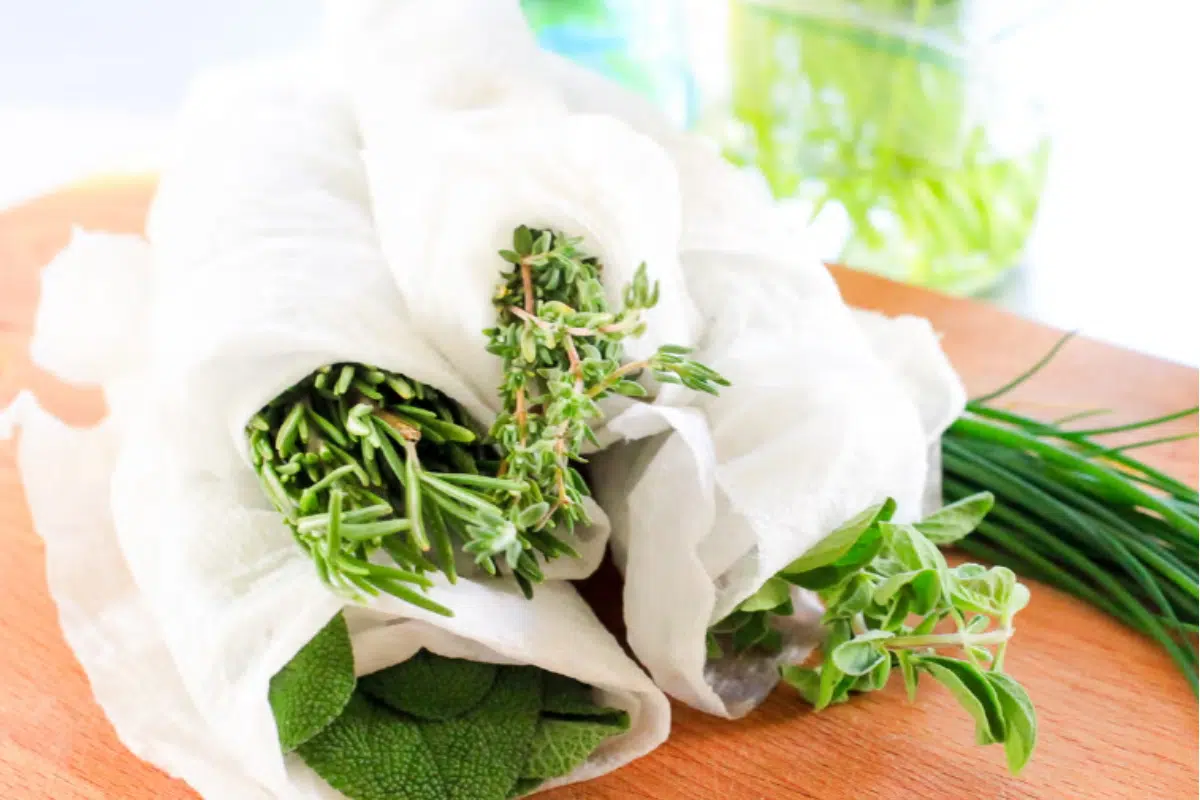
Fresh basil, parsley, oregano, and other herbs can bring brightness to a sauce that tastes heavy or one-dimensional. Stir delicate herbs such as basil and parsley in near the end of cooking so their fresh flavor remains noticeable. Heartier herbs, including rosemary and thyme, can withstand longer cooking times.
Easy upgrade: Keep a small container of fresh parsley or basil on hand for finishing pasta dishes.
Heavy Cream or Mascarpone
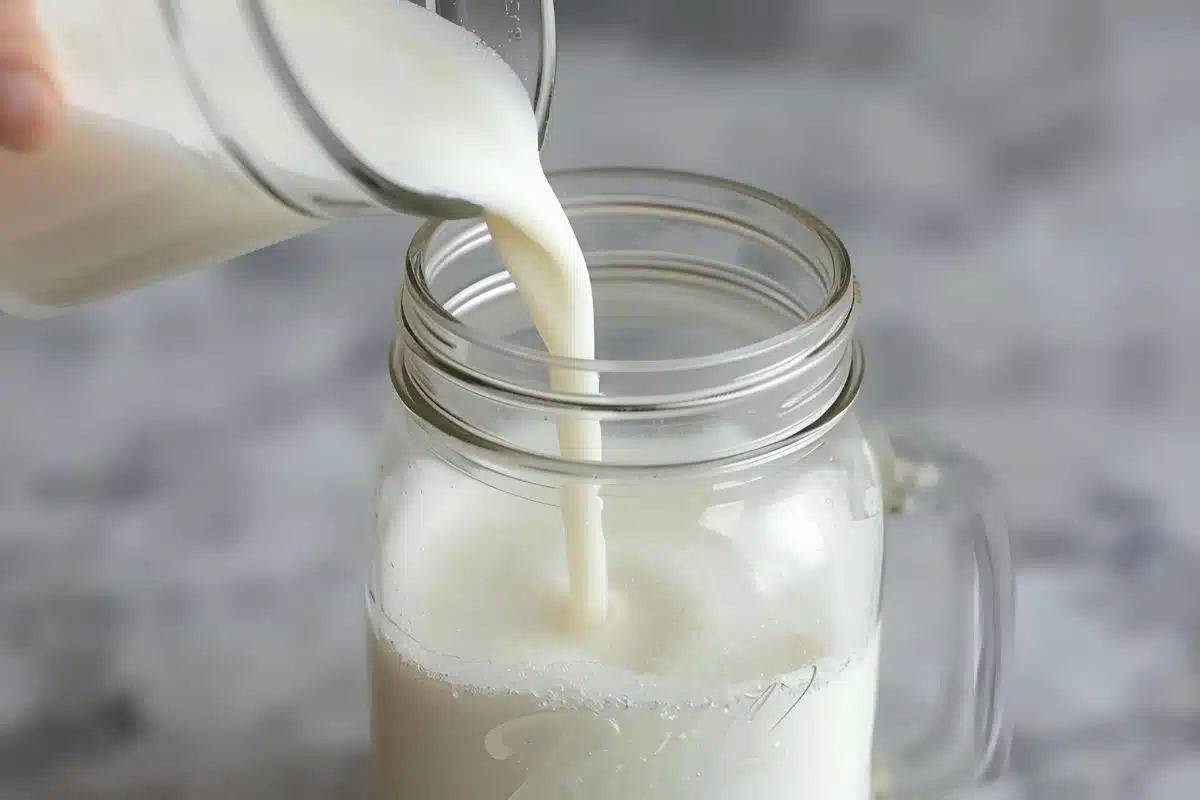
For a richer, creamier sauce, stir in a small amount of heavy cream or mascarpone. These ingredients can mellow the acidity of tomato sauce while giving it a smooth, luxurious texture. Add them gradually and taste as you go so the dairy complements rather than overwhelms the tomato flavor.
Try this: Add cream to marinara along with Parmesan for a quick creamy tomato sauce.
A Splash of Wine or Balsamic Vinegar
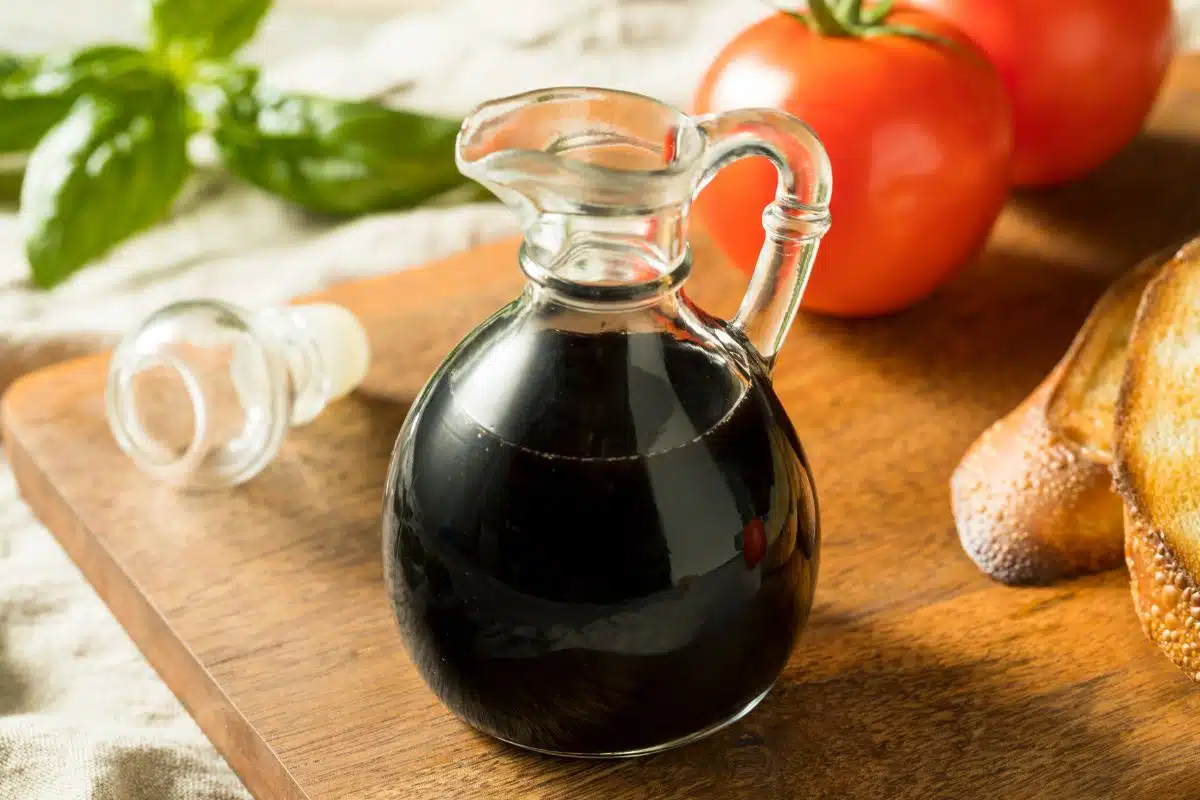
A small splash of wine can add complexity to a sauce, especially when used to deglaze a pan after sautéing onions, garlic, or meat. Balsamic vinegar can also work well in tomato sauces, but use just a little at a time because its sweetness and acidity are concentrated. Either option can help balance a sauce that tastes flat.
Kitchen tip: Add acidic ingredients gradually and taste before adding more.
This post may contain affiliate links or sponsored content. Disclosure Policy