11 Foods That Seem Healthy but Deserve a Closer Look
Food labels and marketing messages can make it difficult to tell the difference between genuinely nutritious choices and products that simply appear healthy. Many foods that gained popularity over the years are now being reconsidered—not because they are always bad choices, but because experts have a better understanding of ingredients, processing, and overall nutrition. From added sugars to highly processed ingredients, here are some foods that are receiving more attention and why many nutrition professionals suggest taking a closer look.
Flavored Yogurt

Yogurt has long been associated with gut health, protein, and calcium, but some flavored varieties contain surprisingly high amounts of added sugar. Fruit-flavored yogurts can sometimes have more sweeteners than consumers expect, especially when they include syrups or dessert-inspired flavors. Nutrition experts often recommend choosing plain Greek yogurt or unsweetened varieties and adding fresh fruit, nuts, or a drizzle of honey for flavor. Yogurt itself can still be a nutritious choice—the concern is often what gets added to it.
Plant-Based Meat Alternatives
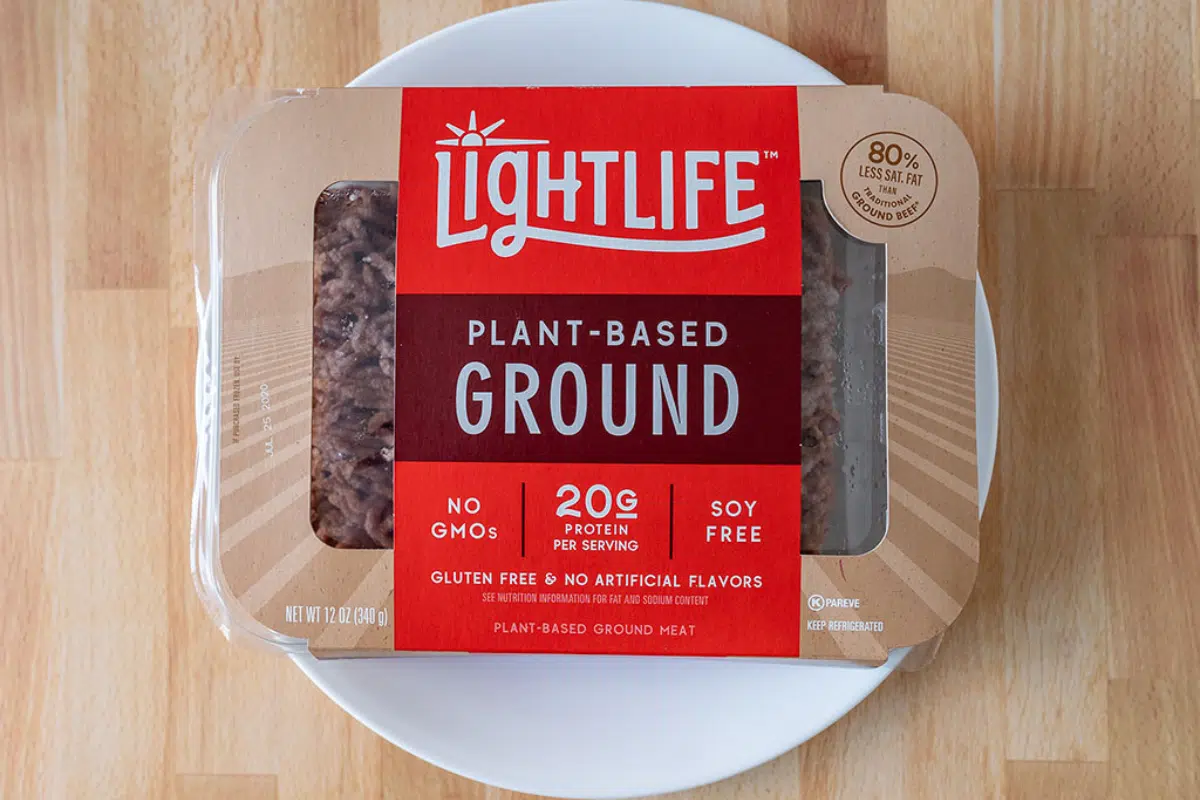
Plant-based burgers, nuggets, and meat substitutes became popular as more people looked for alternatives to traditional meat. However, some products are highly processed and may contain significant amounts of sodium, refined oils, and long ingredient lists. Experts generally recommend viewing these foods as one option among many rather than assuming they are automatically healthier. Whole-food plant proteins like beans, lentils, nuts, and tofu are often recommended as minimally processed alternatives.
Store-Bought Smoothies

Pre-made smoothies can appear to be a convenient health choice, but some contain large amounts of added sugar, fruit concentrates, or sweetened ingredients. Drinking calories can also make it easier to consume more sugar than expected because smoothies may lack the same fullness benefits as eating whole fruits. Homemade smoothies allow people to control ingredients by adding vegetables, protein, fiber-rich foods, and whole fruit. A smoothie can still be nutritious—it depends on what goes into the blender.
Protein Bars
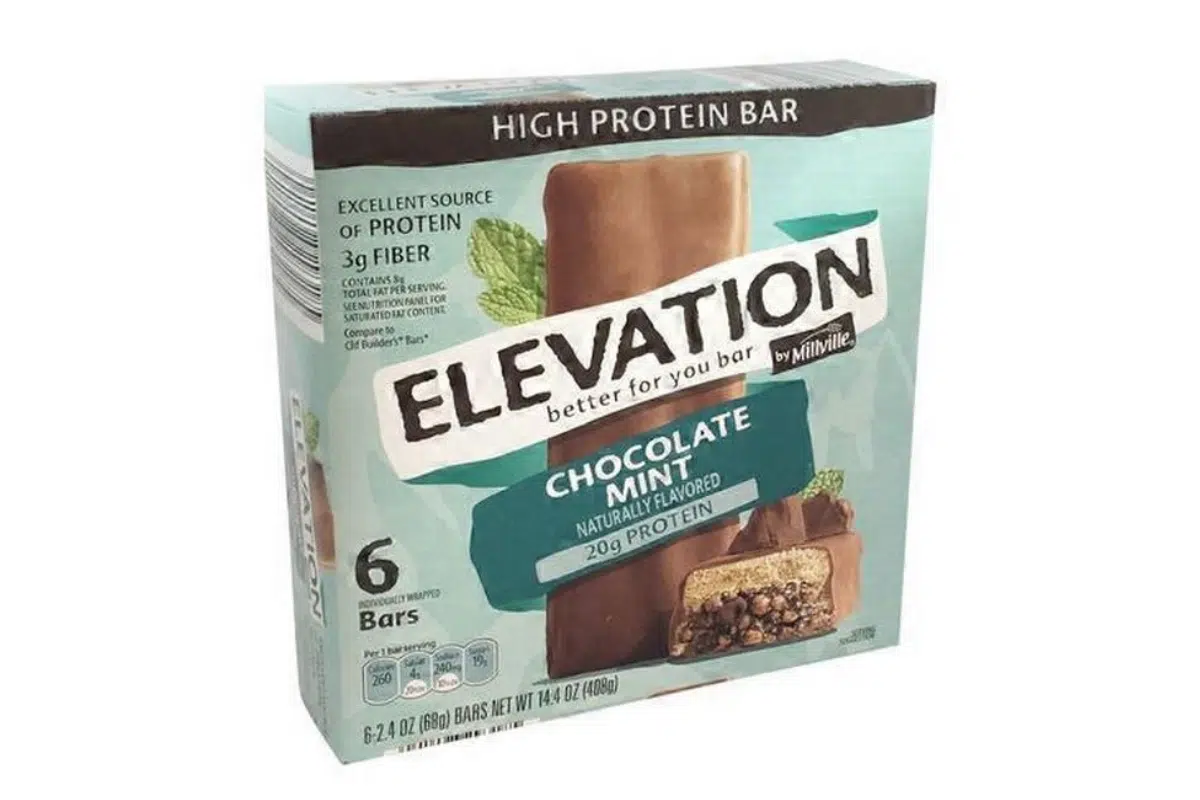
Protein bars remain popular among busy consumers, athletes, and people looking for convenient snacks. However, some varieties contain added sugars, syrups, sugar alcohols, and highly processed ingredients that make them closer to candy bars than balanced snacks. Nutrition experts often recommend checking the ingredient list and choosing options with meaningful protein and fiber. For many people, foods like eggs, nuts, Greek yogurt, or cheese can provide protein with fewer processed ingredients.
Flavored Oatmeal Packets
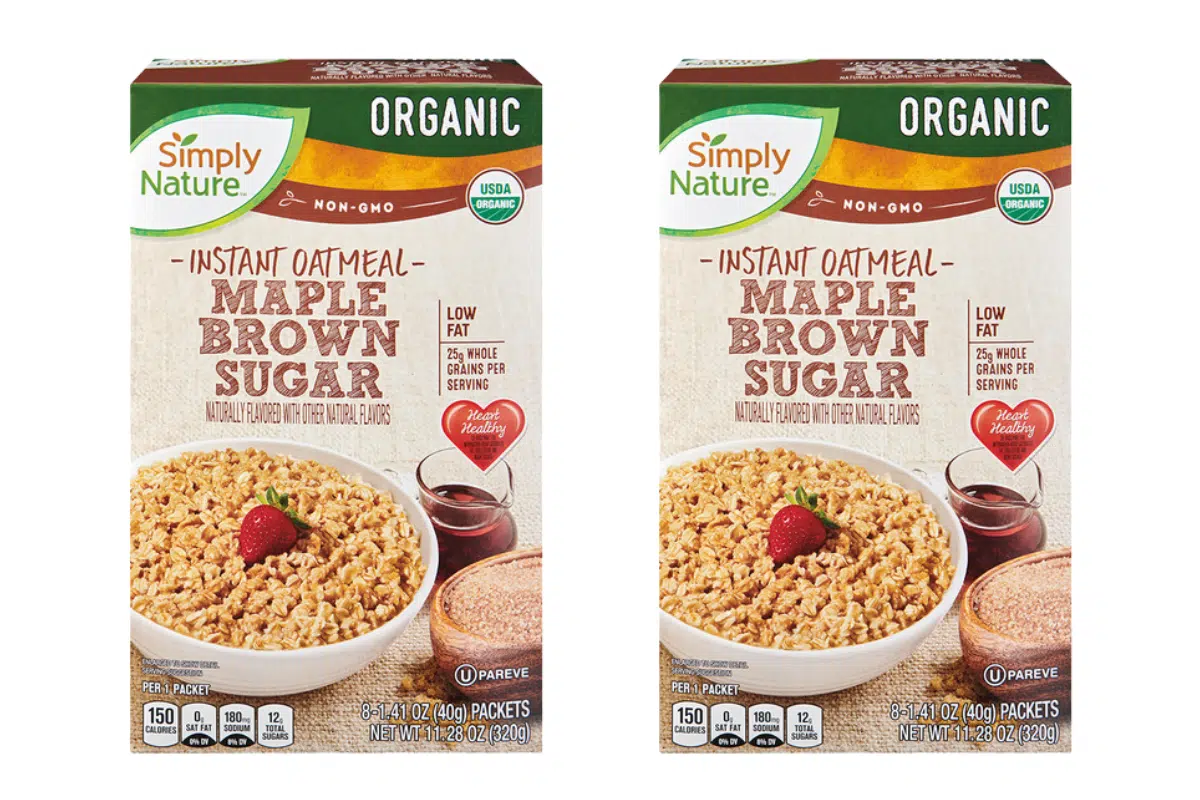
Oatmeal itself remains a nutrient-rich whole grain, but flavored instant packets can contain added sugars and artificial flavors. Some varieties provide less fiber and protein than people expect from a breakfast marketed as healthy. Many nutrition professionals suggest starting with plain oats and adding toppings like berries, cinnamon, nuts, seeds, or nut butter. This allows for more control over sweetness and nutrition.
Fruit Juice
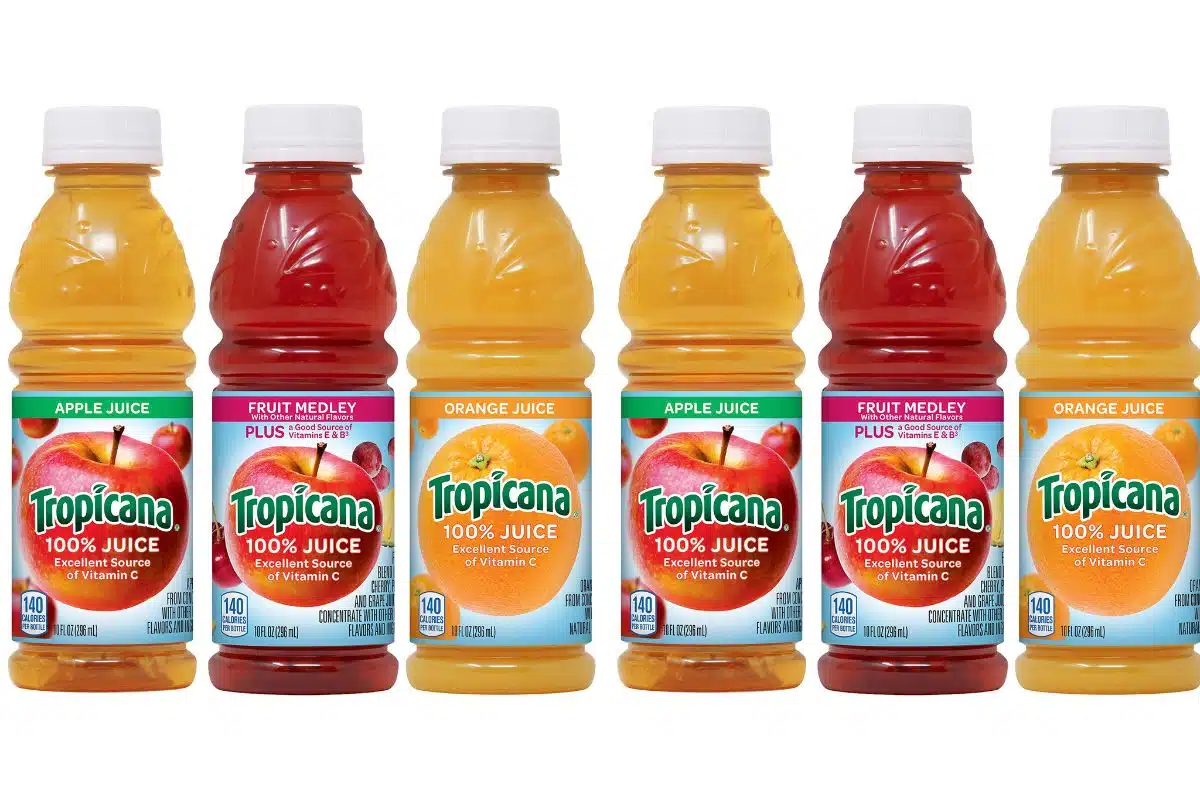
Fruit juice has long been considered a healthier beverage choice, especially when it is labeled 100% juice. However, experts increasingly emphasize that whole fruit provides important fiber that slows digestion and helps regulate blood sugar responses. Juice can still provide vitamins, but it is easy to consume large amounts of natural sugar quickly. Many nutrition professionals recommend eating whole fruit more often and treating juice as an occasional choice.
Low-Fat Salad Dressing
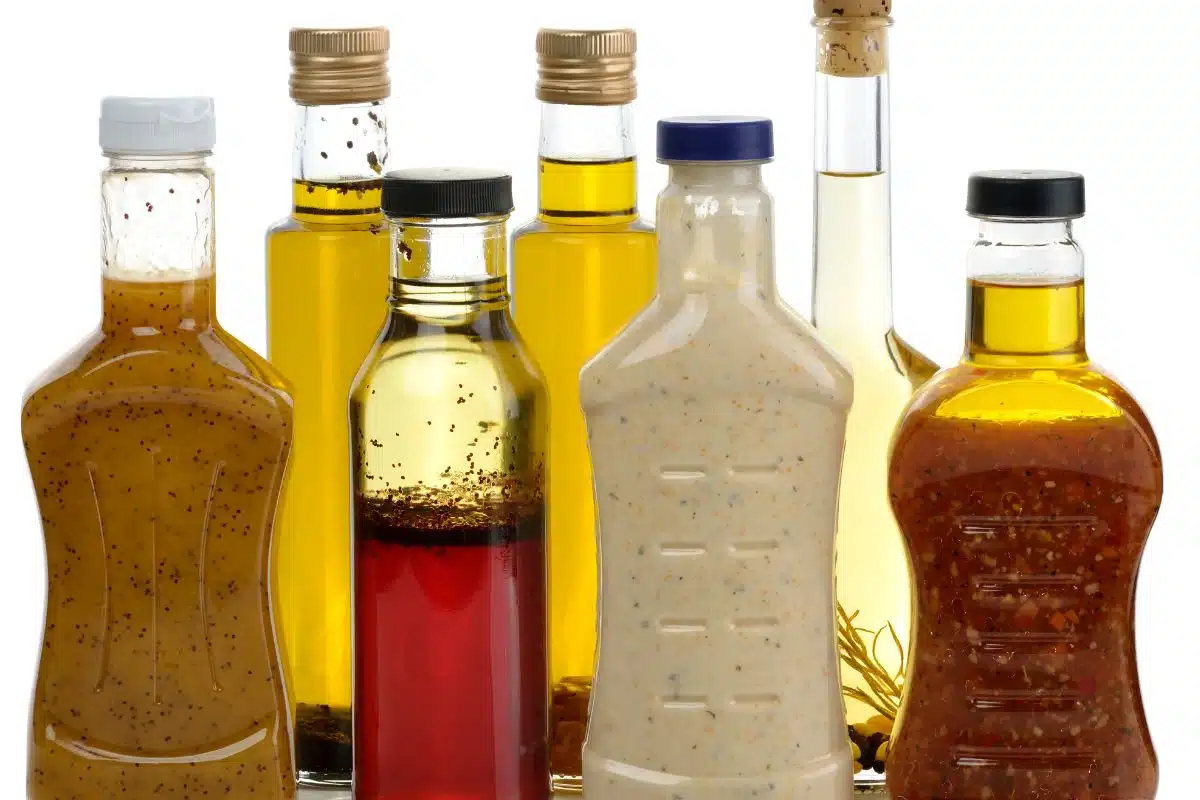
Low-fat salad dressings became popular during the push toward reducing dietary fat, but many varieties replace fat with added sugars, starches, or other ingredients to improve flavor and texture. Healthy fats can also help the body absorb certain nutrients found in vegetables. Experts often suggest choosing dressings made with ingredients like olive oil and using them in reasonable portions. The goal is usually balance rather than avoiding fat completely.
Gluten-Free Packaged Snacks
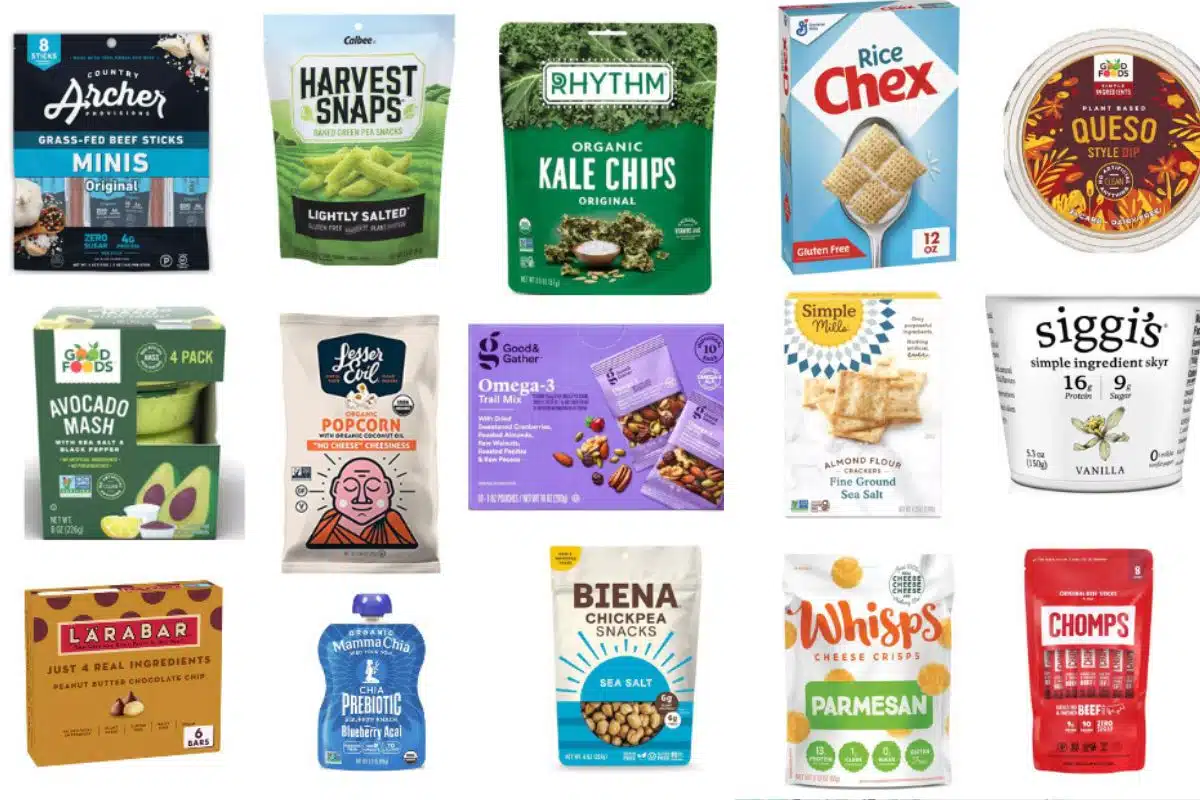
Gluten-free products are essential for people with conditions such as celiac disease or gluten sensitivity, but gluten-free does not automatically mean more nutritious. Many packaged gluten-free crackers, cookies, and snacks rely on refined starches, added sugars, and processed ingredients to recreate traditional textures. Nutrition experts recommend focusing on naturally gluten-free foods like fruits, vegetables, eggs, meat, fish, beans, nuts, and gluten-free whole grains when possible. For those who need to avoid gluten, choosing nutrient-dense options matters.
Sports Drinks
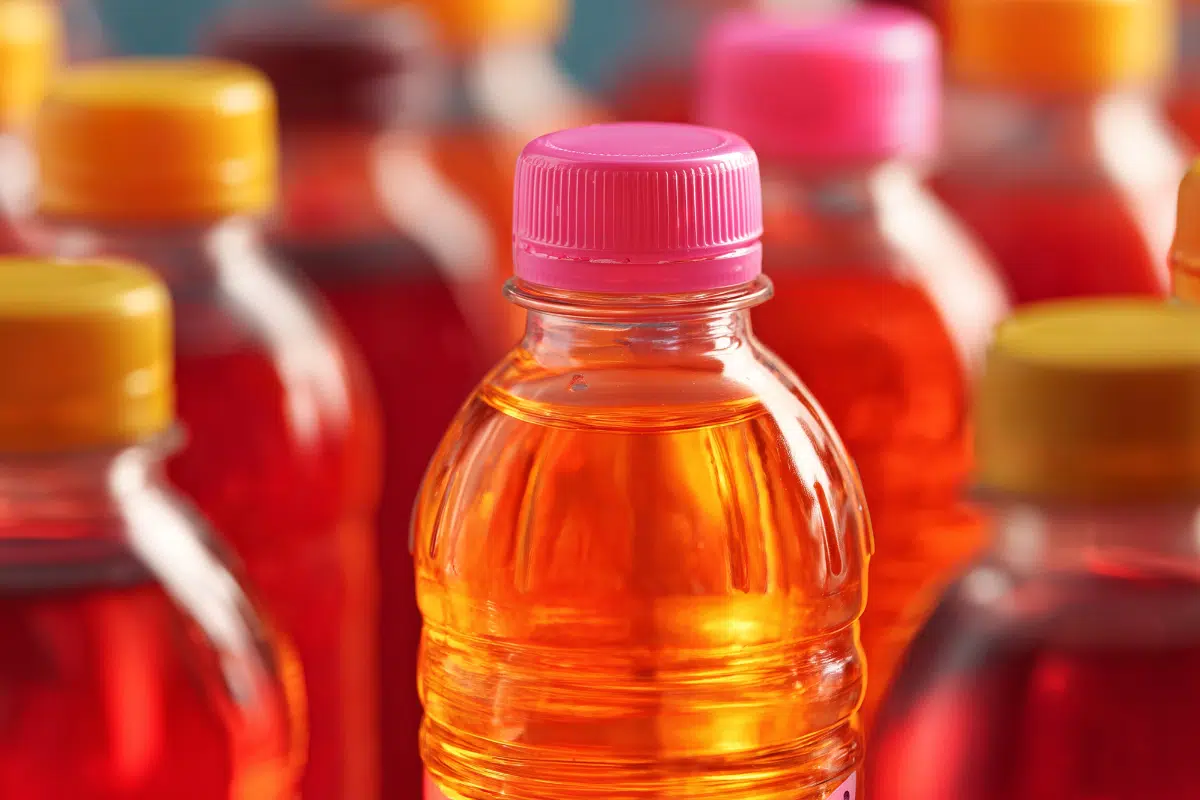
Sports drinks are designed to replace carbohydrates and electrolytes during prolonged, intense exercise. For endurance athletes or people exercising for extended periods in heat, they can serve a purpose. However, many people consume them during everyday activities when water is usually sufficient. Experts generally recommend choosing hydration options based on activity level rather than assuming every workout requires added sugar and electrolytes.
Veggie Chips
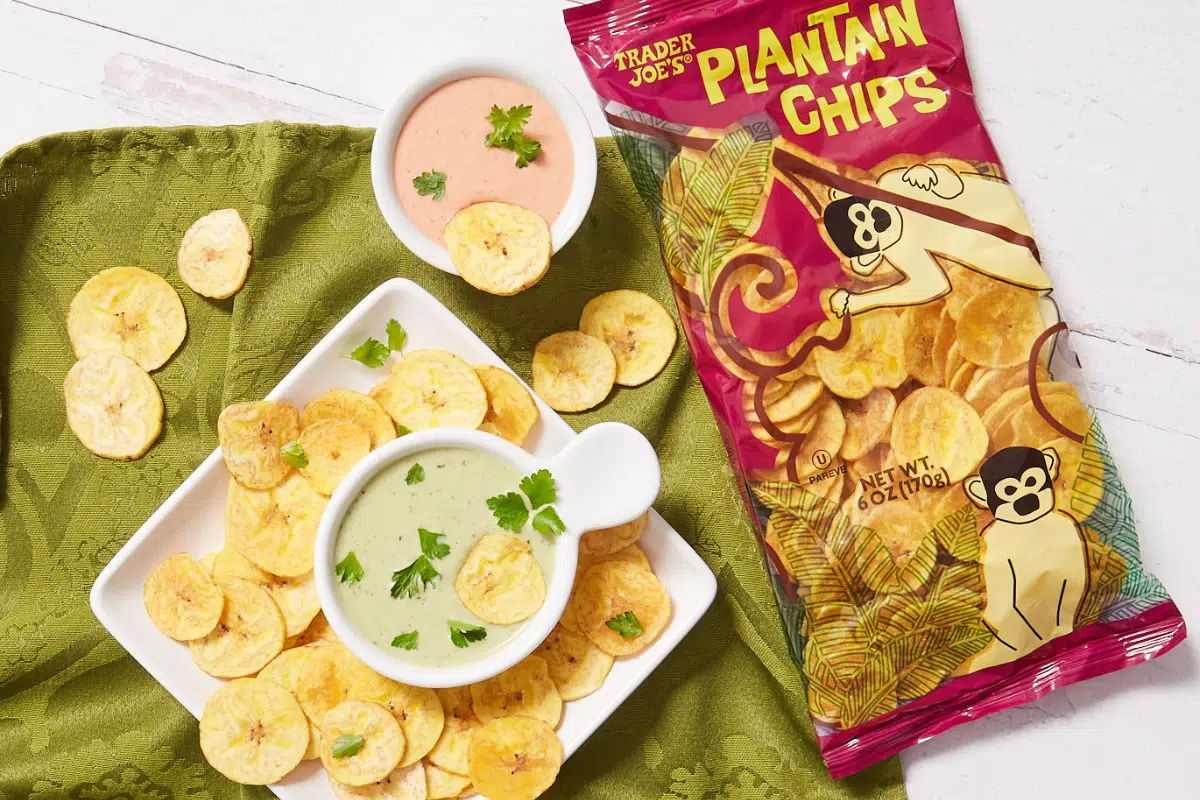
Vegetable-based chips often sound like a healthier alternative to traditional potato chips, but many contain mostly potato starch, corn ingredients, oils, and salt with only small amounts of actual vegetables. While they may include vegetable powders or extracts, they are still typically processed snack foods. Nutrition experts often suggest choosing snacks that provide more fiber and nutrients, such as roasted vegetables, nuts, seeds, or air-popped popcorn. Veggie chips can still be enjoyed—just not necessarily as a replacement for vegetables.
Turkey Bacon

Turkey bacon is often marketed as a healthier alternative to traditional bacon, but it is still a processed meat product. Many varieties contain added sodium, preservatives, and other ingredients used to create a bacon-like flavor and texture. While it may be lower in fat than some pork bacon, experts suggest considering the overall quality of the diet rather than relying on one product swap. Lean proteins such as eggs, poultry, fish, and beans can provide less processed alternatives.
This post may contain affiliate links or sponsored content. Disclosure Policy