
12 Foods That Are Disappearing From More Grocery Carts
Grocery shopping habits are changing as consumers balance higher prices, ingredient concerns, and a growing desire for better value. Many shoppers are taking a closer look at what they put in their carts, comparing labels, and finding that some once-popular products may not offer the convenience, nutrition, or savings they expected. These items are not necessarily disappearing from stores, but more shoppers are choosing alternatives that feel more affordable, practical, or less processed.
Sugary Breakfast Cereals
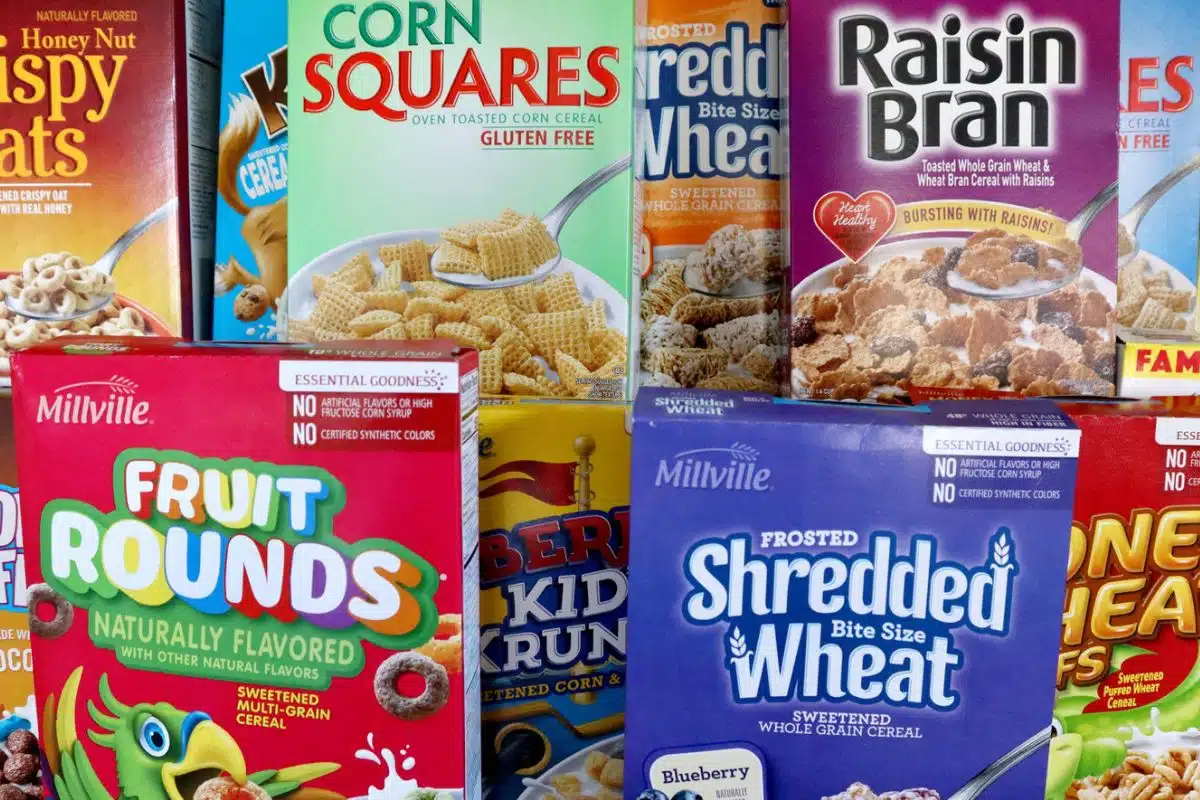
Breakfast cereal remains a familiar pantry staple, but many shoppers are becoming more selective about the boxes they bring home. Some popular cereals contain high amounts of added sugar, even when they feature claims like “whole grain” or added vitamins. Consumers are increasingly looking for options with more protein, fiber, or fewer sweeteners to start their day. Many are also turning to alternatives like eggs, Greek yogurt, oatmeal, or homemade breakfast bowls.
Pre-Cut Fruits and Vegetables
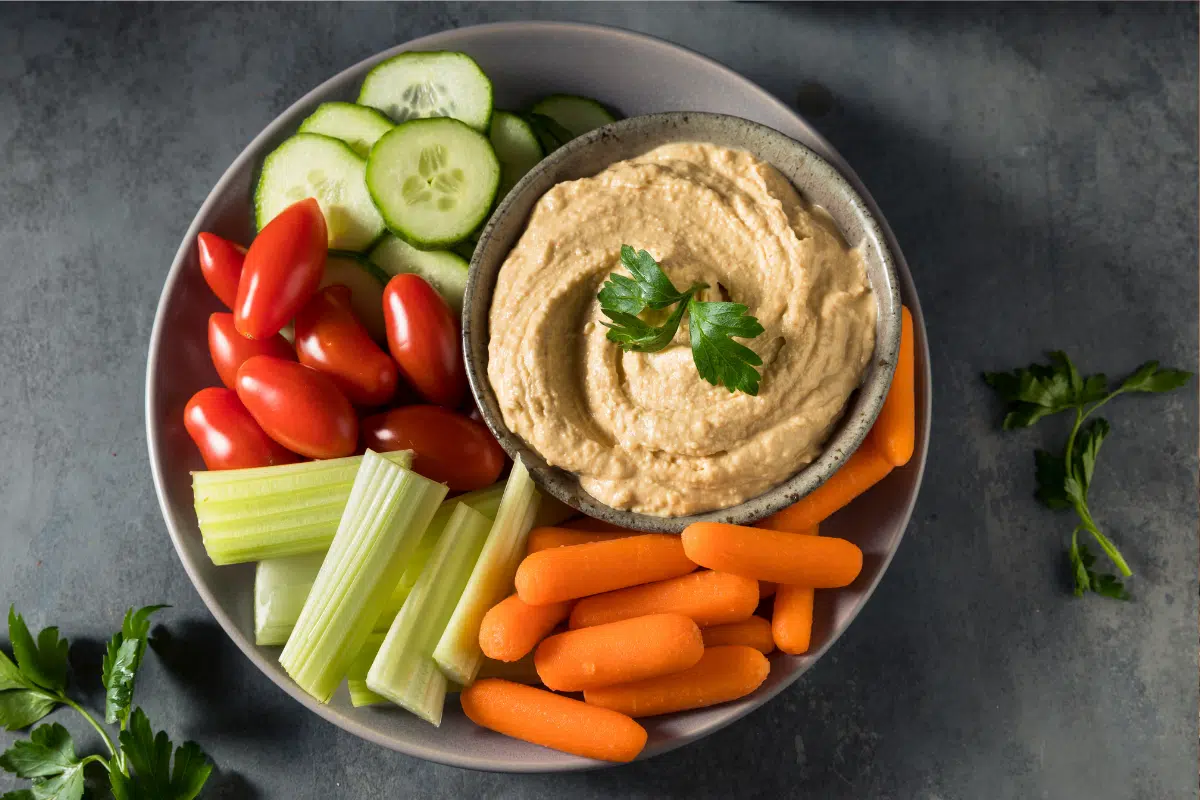
Pre-cut produce offers convenience, but many shoppers are questioning whether the extra cost is worth it. Whole fruits and vegetables are often significantly cheaper per serving and can last longer when stored properly. Some consumers also prefer preparing produce themselves because they can choose the freshest items and control portion sizes. As grocery budgets tighten, more people are trading convenience for savings.
Bottled Smoothies and Juice Blends
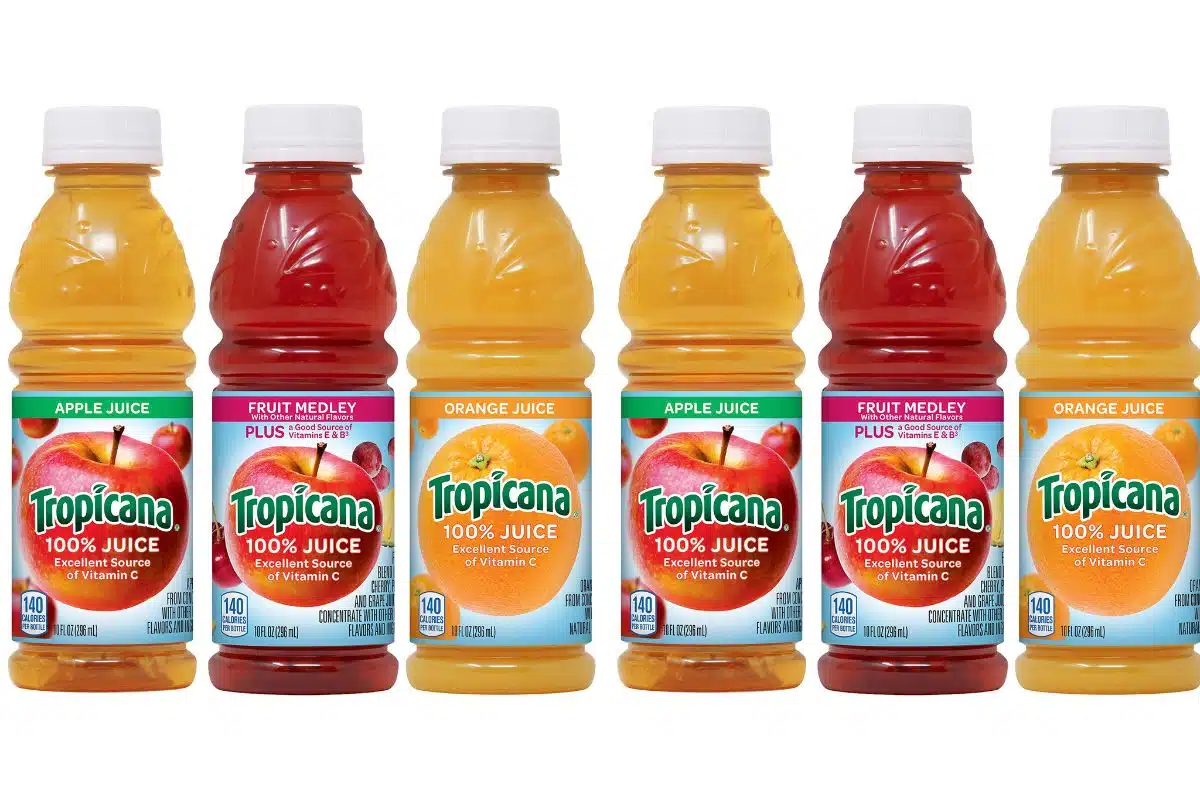
Ready-to-drink smoothies and juice blends continue to appeal to busy shoppers, but some are taking a closer look at nutrition labels. Certain products contain concentrated fruit ingredients, added sugars, or calories that are higher than expected for a beverage. Making smoothies at home allows consumers to add ingredients like protein, vegetables, whole fruit, and healthy fats. The homemade option is often seen as both more affordable and easier to customize.
Name-Brand Snack Foods
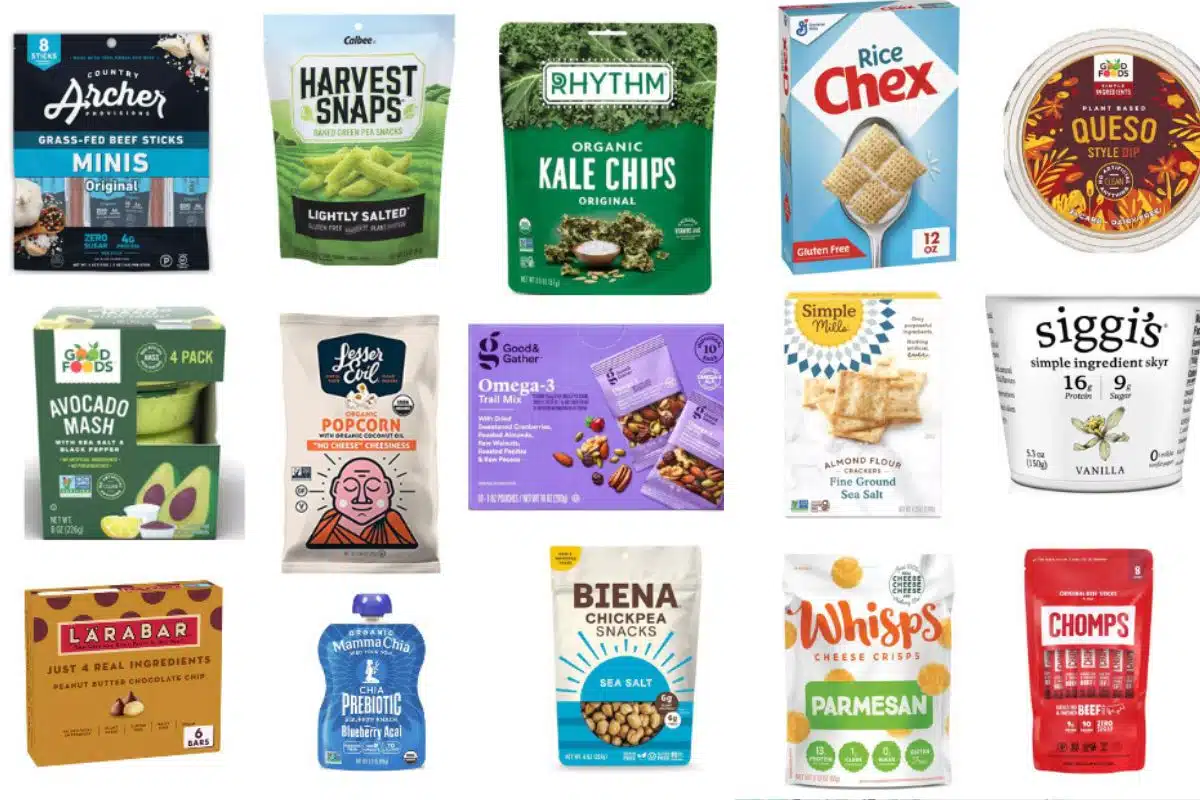
Brand loyalty is changing as shoppers search for ways to lower grocery bills. Many store-brand crackers, chips, cookies, and snacks now offer similar flavors and quality at a lower price point. Consumers who once automatically reached for familiar labels are increasingly comparing ingredients and costs instead. For many families, switching to private-label products has become one of the easiest ways to save.
Plant-Based Processed Meals

Plant-based frozen meals and meat alternatives gained popularity as consumers looked for convenient meat-free options. However, some shoppers are now paying closer attention to ingredient lists, sodium levels, and how highly processed certain products are. Whole-food options like beans, lentils, tofu, nuts, and vegetables are becoming more appealing for those seeking simpler meals. Many consumers are not abandoning plant-based eating—they are simply choosing less processed versions.
Single-Serve Packaged Items
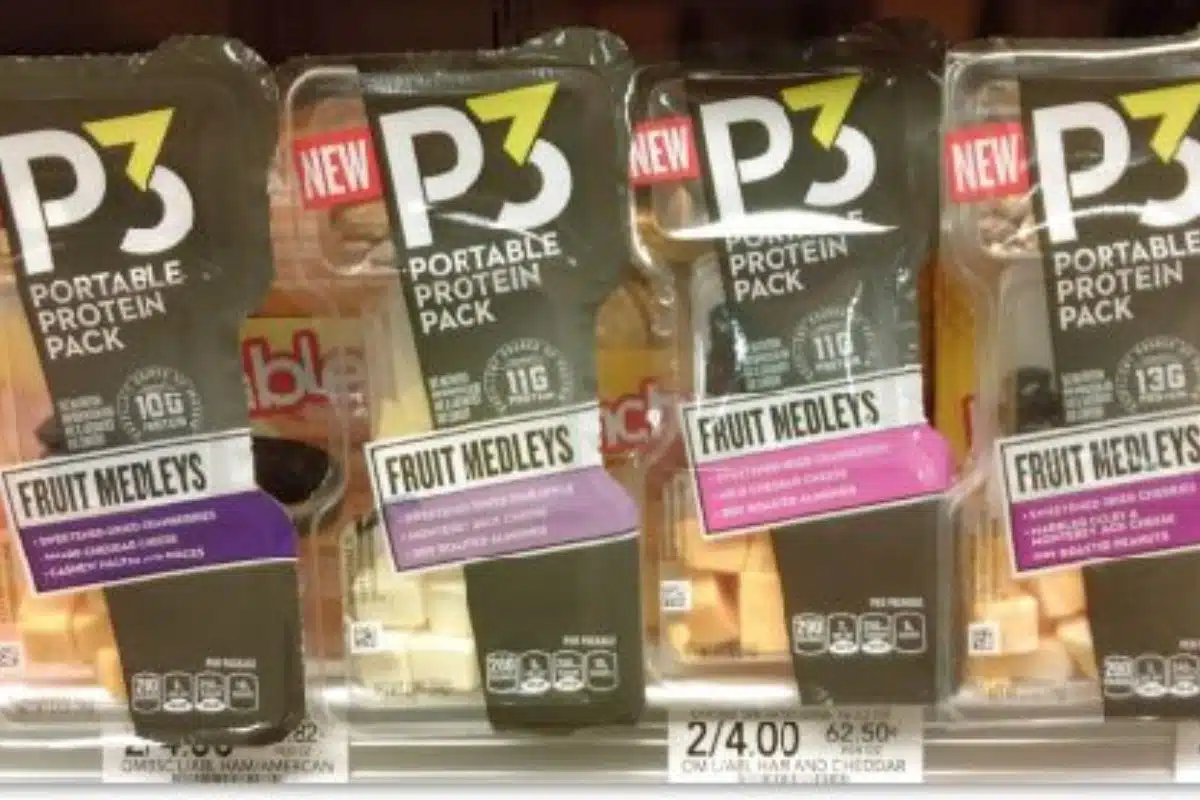
Individually packaged snacks, drinks, and meals provide convenience but often come with a higher price per serving. More shoppers are buying larger containers and dividing portions themselves at home. This approach can reduce grocery costs while also cutting down on excess packaging. Families especially are finding that a little extra preparation can create noticeable savings over time.
Flavored Coffee Creamers
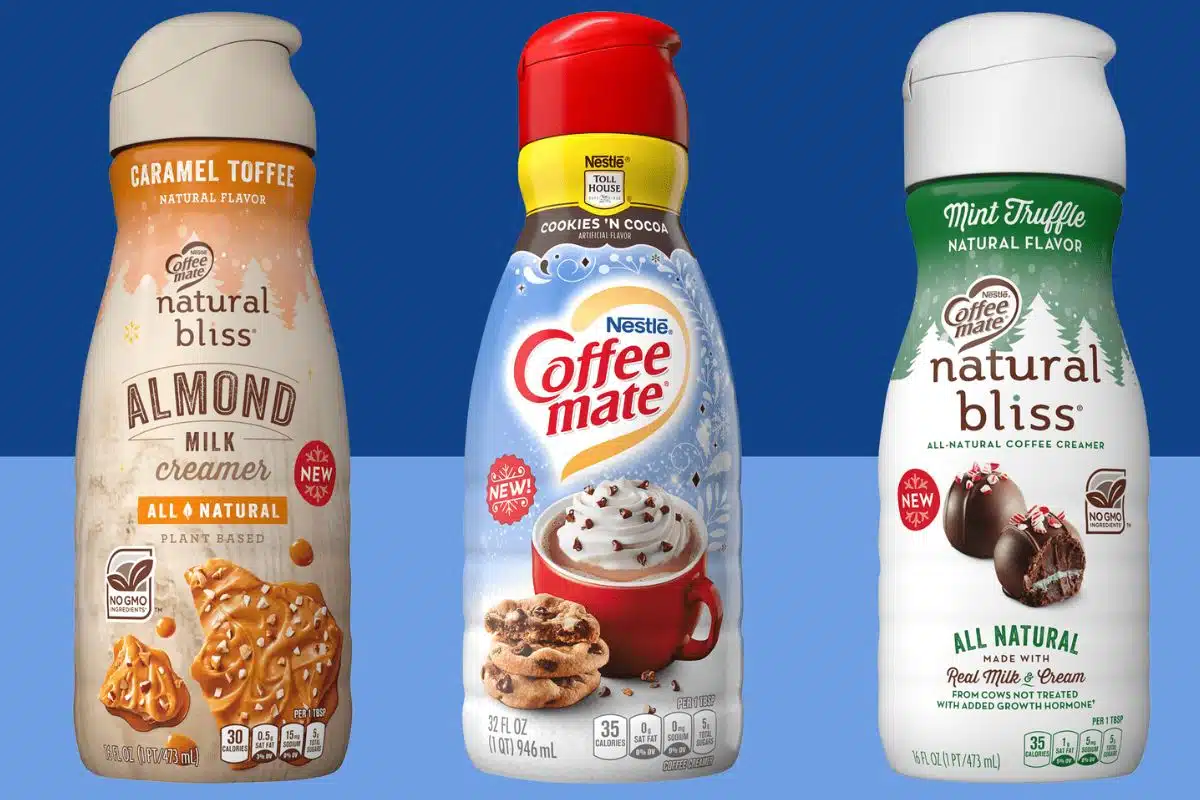
Flavored coffee creamers have become a popular way to customize morning drinks, but ingredient-conscious shoppers are increasingly reading the labels. Some varieties contain added sugars, oils, and stabilizers that consumers may prefer to avoid. Many are returning to simpler options like milk, half-and-half, cream, or lightly sweetened alternatives. The shift reflects a broader interest in knowing exactly what goes into everyday foods.
Bagged Salad Kits
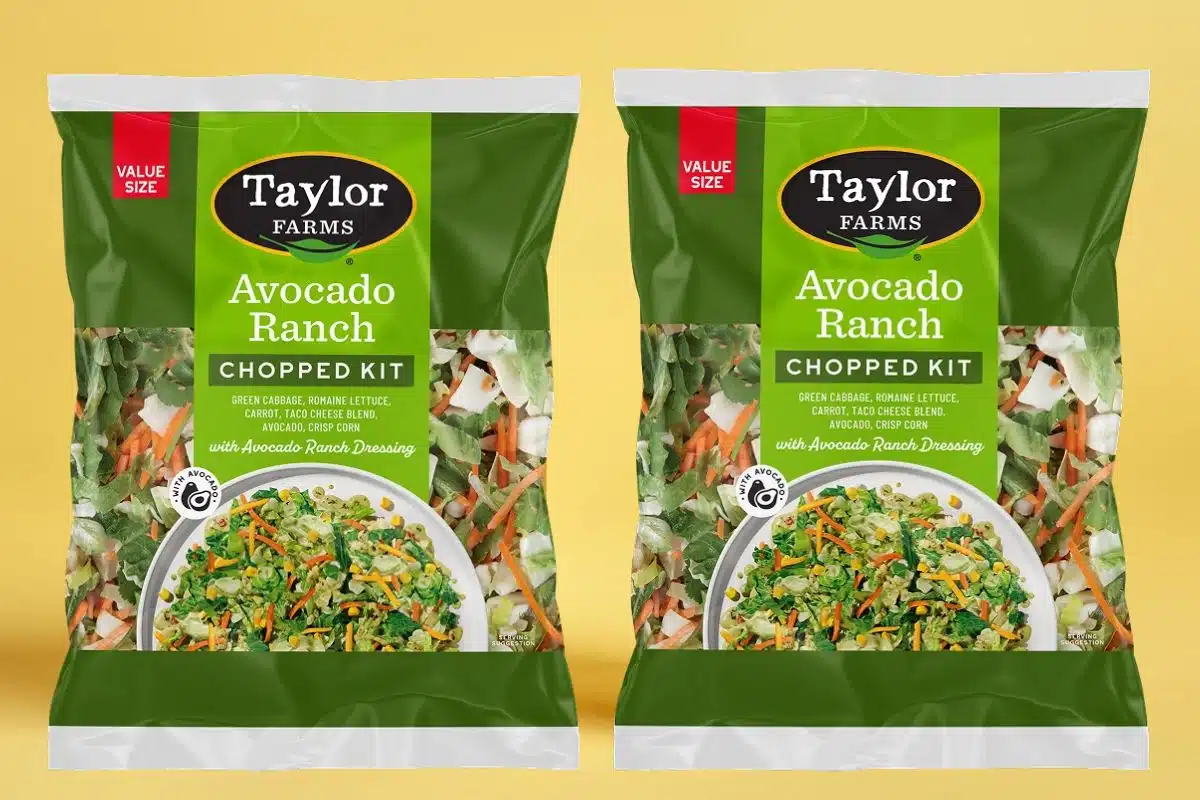
Bagged salad kits remain convenient, especially for busy households, but some shoppers are reconsidering the cost compared with buying ingredients separately. A basic salad kit can cost significantly more than purchasing greens, vegetables, and toppings individually. Some consumers are also choosing their own dressings and toppings to control ingredients and portions. Building a homemade salad has become an easy way to save money while still eating fresh.
Premium Frozen Entrées
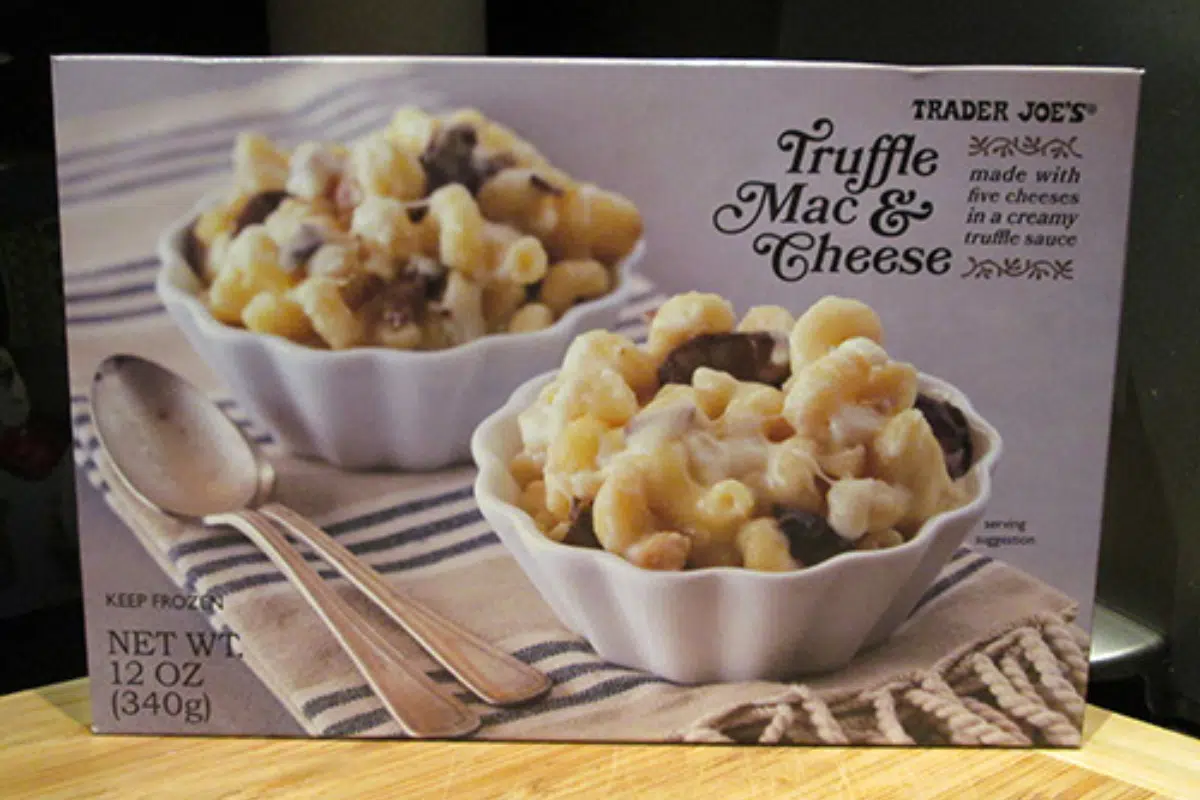
Higher-end frozen meals once offered a convenient alternative to takeout, but rising prices have caused some shoppers to rethink their value. Many consumers are finding that simple homemade meals can cost less per serving while offering more control over ingredients. Frozen meals still serve a purpose for busy nights, but shoppers are becoming more selective about which ones are worth the price. Value and convenience now have to compete more closely.
Specialty “Health” Snack Bars
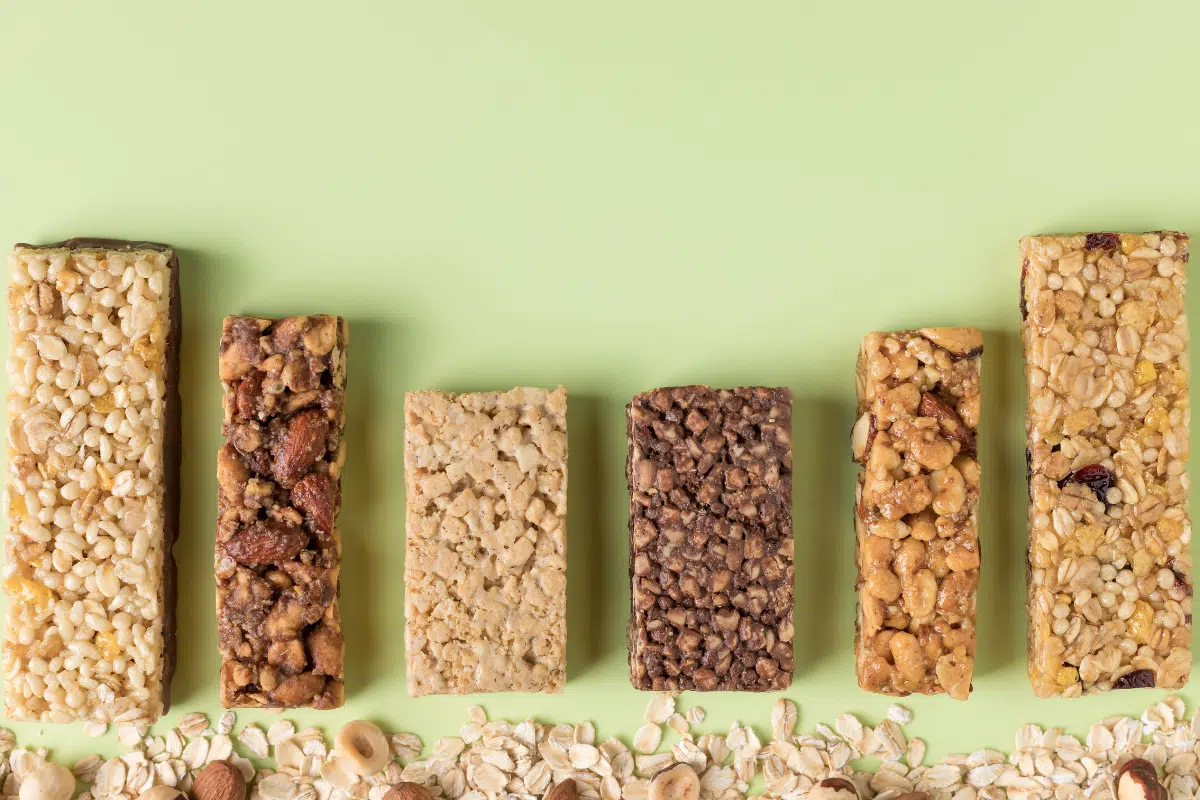
Snack bars marketed as wellness products often attract shoppers looking for convenient nutrition. However, some consumers are realizing that certain bars contain added sugars, syrups, or processed ingredients despite their healthy branding. More people are comparing labels and choosing snacks like nuts, fruit, cheese, hard-boiled eggs, or plain yogurt instead. The focus is shifting from marketing claims to the actual ingredients.
Bottled Salad Dressings

While bottled dressings remain popular, some shoppers are making their own after noticing how quickly the cost can add up. Homemade dressings often require just a few ingredients like olive oil, vinegar, herbs, and spices. Consumers are also looking for ways to reduce added sugars and unnecessary additives. Simple homemade versions are becoming an appealing alternative for budget-conscious shoppers.
Flavored Instant Coffee Drinks
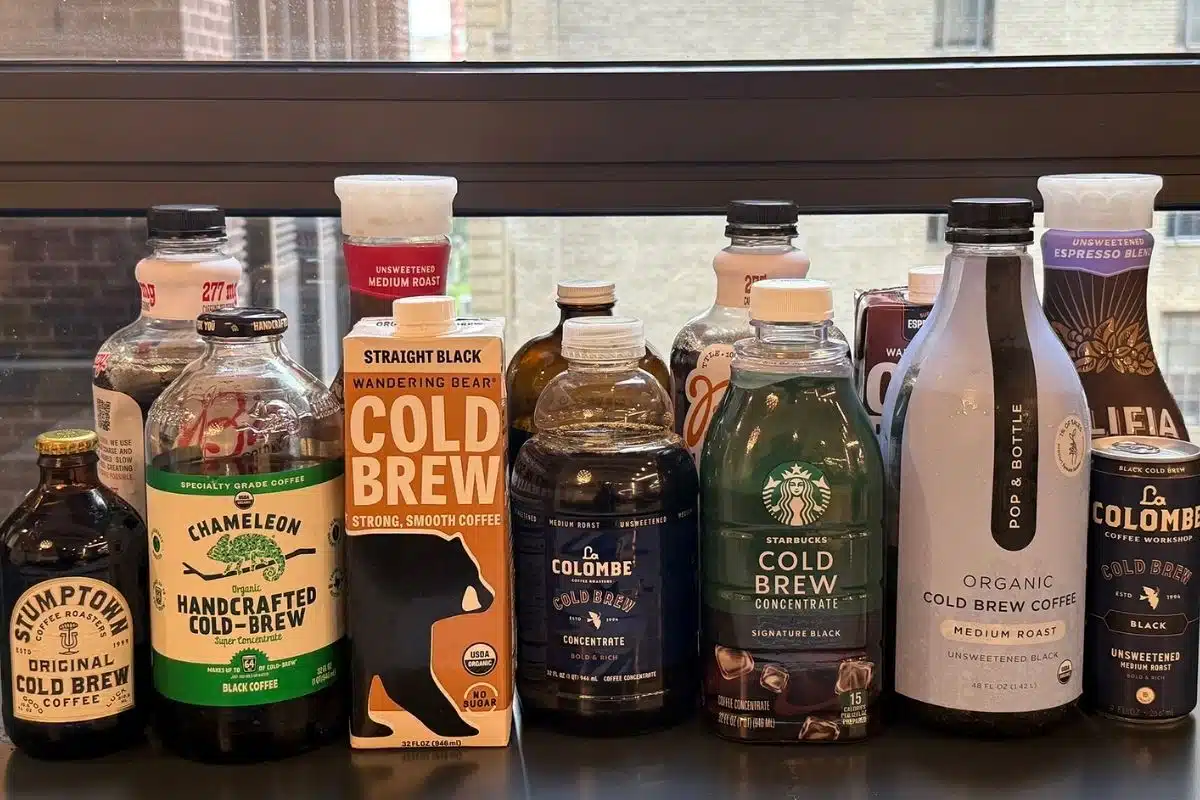
Ready-made coffee drinks and sweetened coffee beverages have become popular for their convenience, but some shoppers are cutting back due to price and sugar concerns. A single bottled coffee drink can cost significantly more than making coffee at home. Many consumers are recreating café-style drinks with basic ingredients and reusable tools. The shift reflects a broader trend toward saving money on everyday purchases.
This post may contain affiliate links or sponsored content. Disclosure Policy