
The Room That Often Gets Overlooked When Cleaning—and How to Tackle It
The bathroom may be one of the most frequently cleaned rooms in the house, but some of its smallest and hardest-to-reach areas are easy to overlook. From the exhaust fan and sink stopper to grout lines and the space behind the toilet, these spots can collect dust, residue, and moisture between regular cleanings. A few simple changes to your routine can make bathroom cleaning more thorough without making it more time-consuming. Here are 10 areas worth adding to your next bathroom cleaning checklist.
Start With the Right Cleaning Order

The order in which you clean can make a difference in how much work you have to do. Starting with higher surfaces and working downward allows dust and debris to fall onto areas you haven’t cleaned yet. Wipe mirrors and counters before cleaning the sink and finish with the floor. Saving the toilet and floor for later can help prevent you from undoing work you’ve already done.
Give Bathroom Mirrors a Light Touch
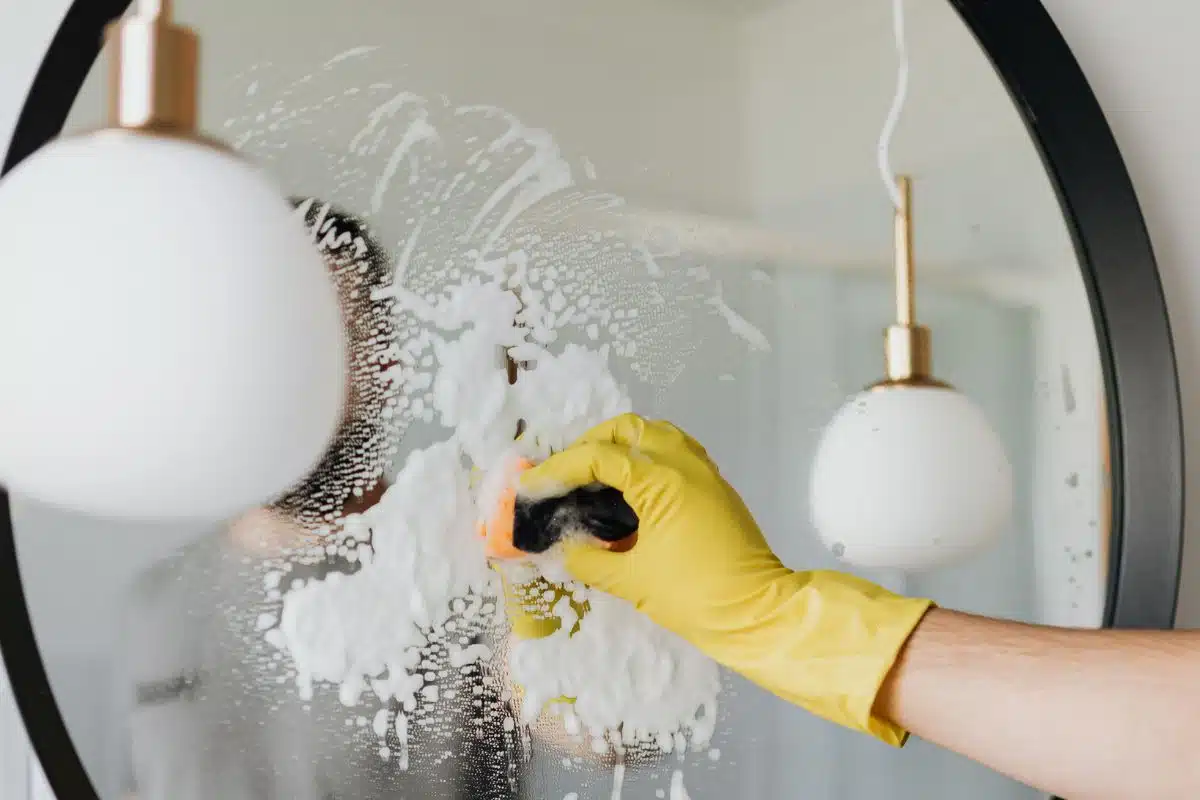
More glass cleaner isn’t necessarily better when you’re trying to get a streak-free mirror. Too much product can leave behind residue and make buffing the surface more difficult. For better control, apply cleaner to a microfiber cloth rather than saturating the mirror, especially around the edges. A clean, dry microfiber cloth can then be used to buff away remaining streaks.
Let Your Toilet Brush Dry Before Storing It
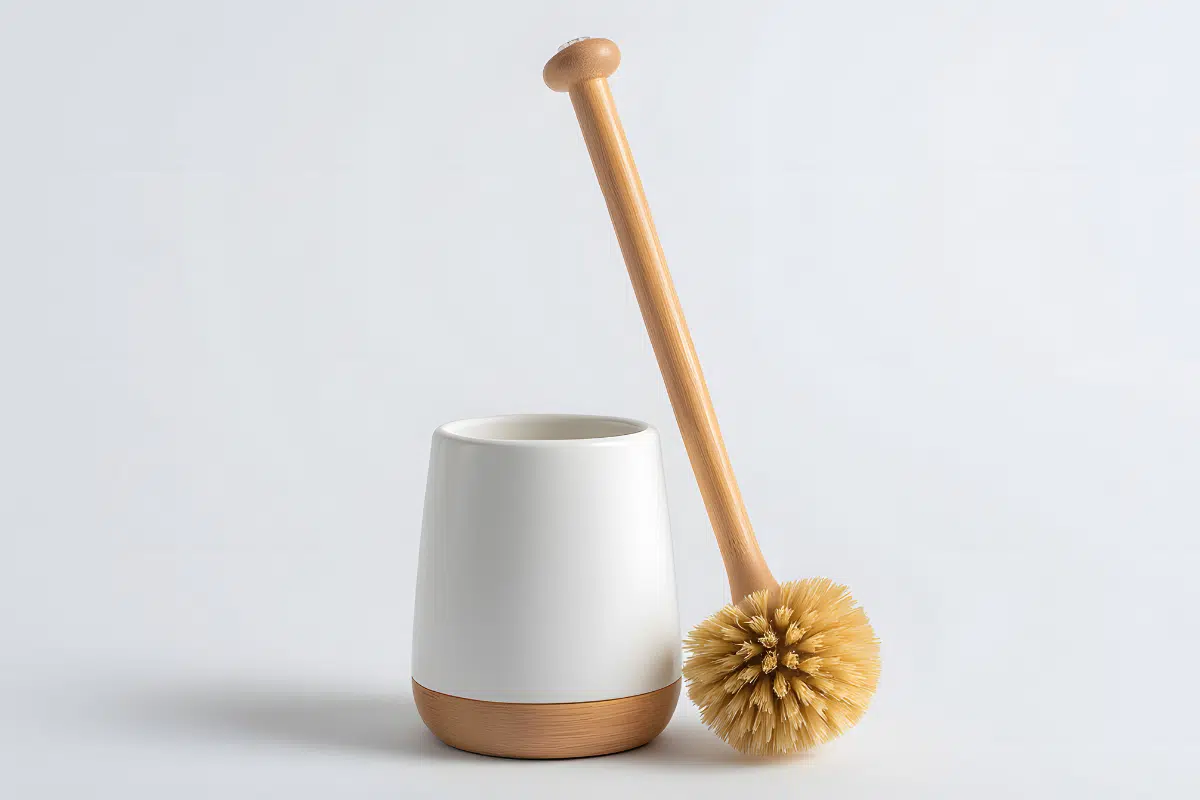
A toilet brush needs an opportunity to dry after it has been used and rinsed. Putting a dripping-wet brush immediately into a closed holder leaves moisture trapped inside, which can contribute to unpleasant odors and an unsanitary holder. After rinsing the brush, position it so excess water can drain and allow it to air-dry before returning it to its holder. Clean the holder regularly, too.
Use Separate Cloths for Different Bathroom Areas
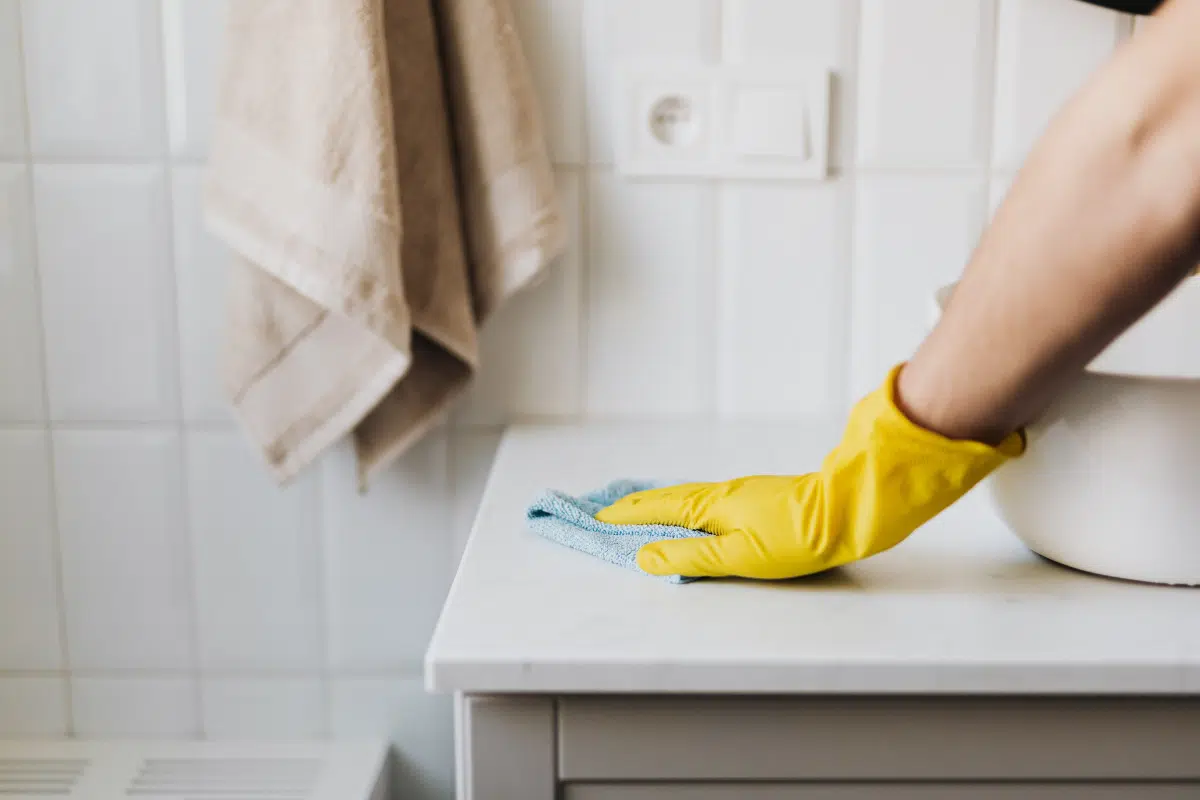
The cloth you use around the toilet shouldn’t automatically become the same cloth you use on the bathroom counter. Using separate, washable cloths for different areas helps reduce the chance of transferring germs and grime from one surface to another. You can designate specific cloths for the toilet, sink, and general surfaces or use a simple color-coding system. Wash reusable cleaning cloths according to their care instructions after use.
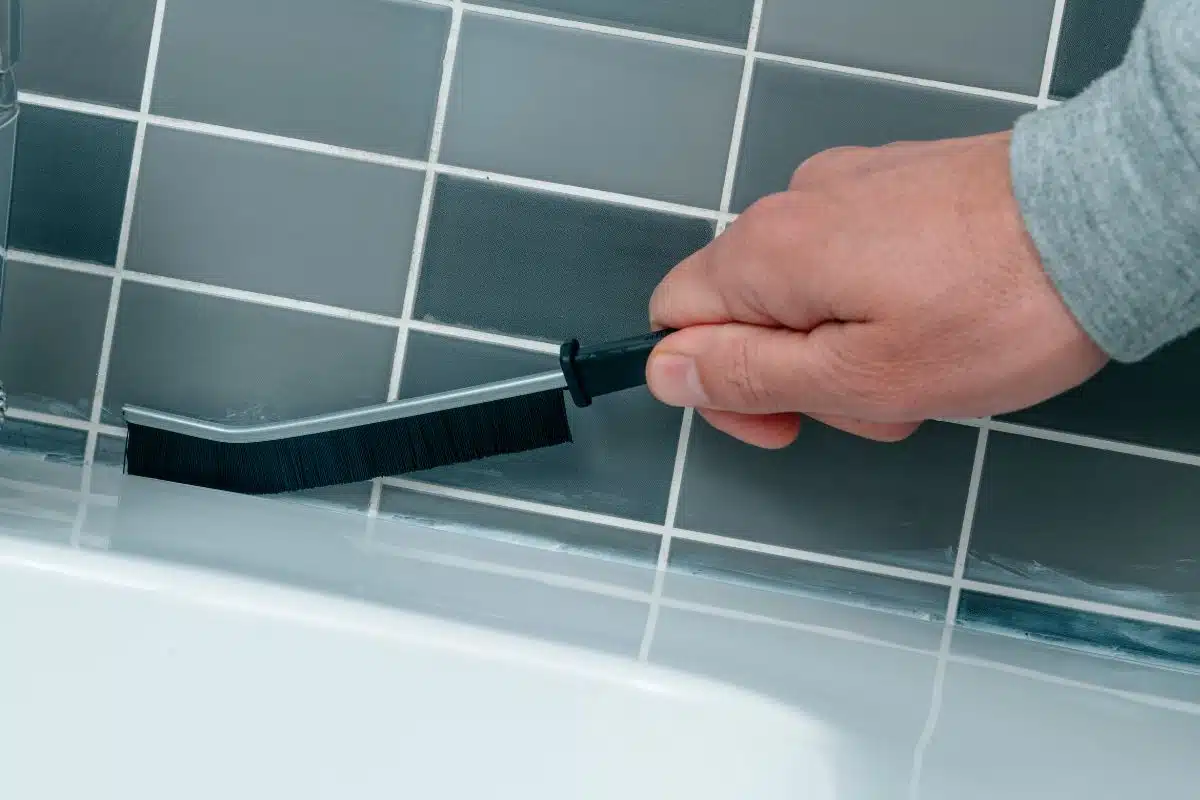
Don’t Forget Grout, Corners, and Fixture Bases
Follow the Cleaner Label Directions
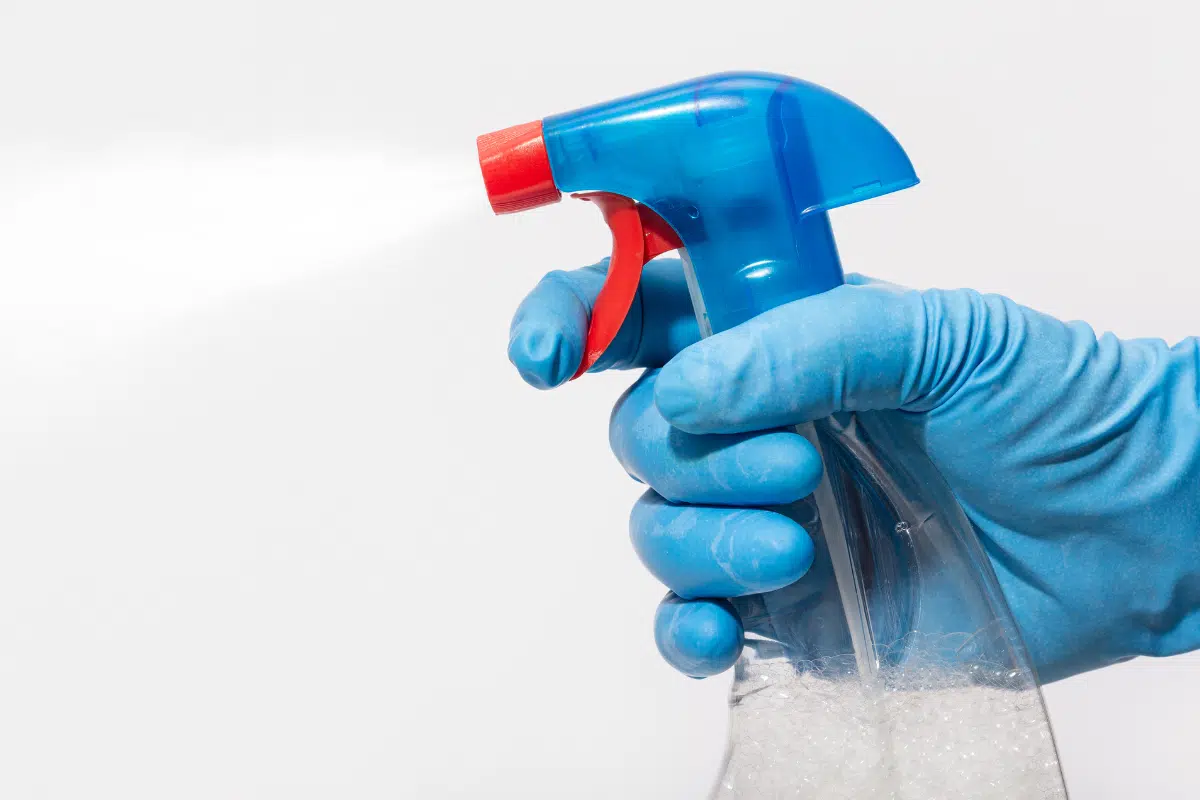
Cleaning and disinfecting aren’t always the same thing, and disinfectants need to be used according to their labels. Some products require the surface to remain visibly wet for a specified amount of time before they are wiped away. That contact time varies by product, so don’t assume every spray works immediately. Read the directions before using a disinfectant, and never mix different cleaning chemicals unless the label specifically says it is safe to do so.
Clean the Bathroom Exhaust Fan
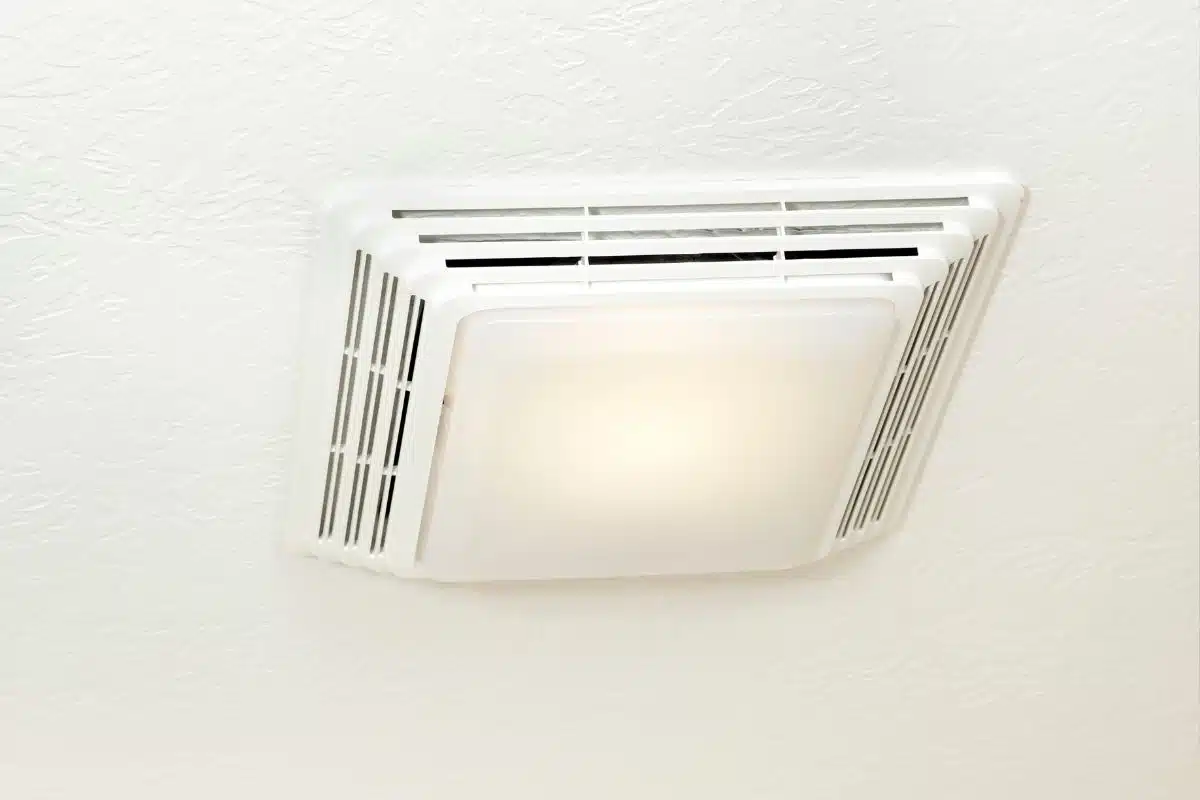
The exhaust fan is easy to ignore because it’s overhead, but its cover can collect a surprising amount of dust. Turn off the fan and remove or clean the cover according to the manufacturer’s instructions. A vacuum with a brush attachment can remove loose dust before the cover is washed, if appropriate. Keeping the fan clean can also help it move air effectively and manage the moisture produced by showers.
Give Damp Towels Room to Dry
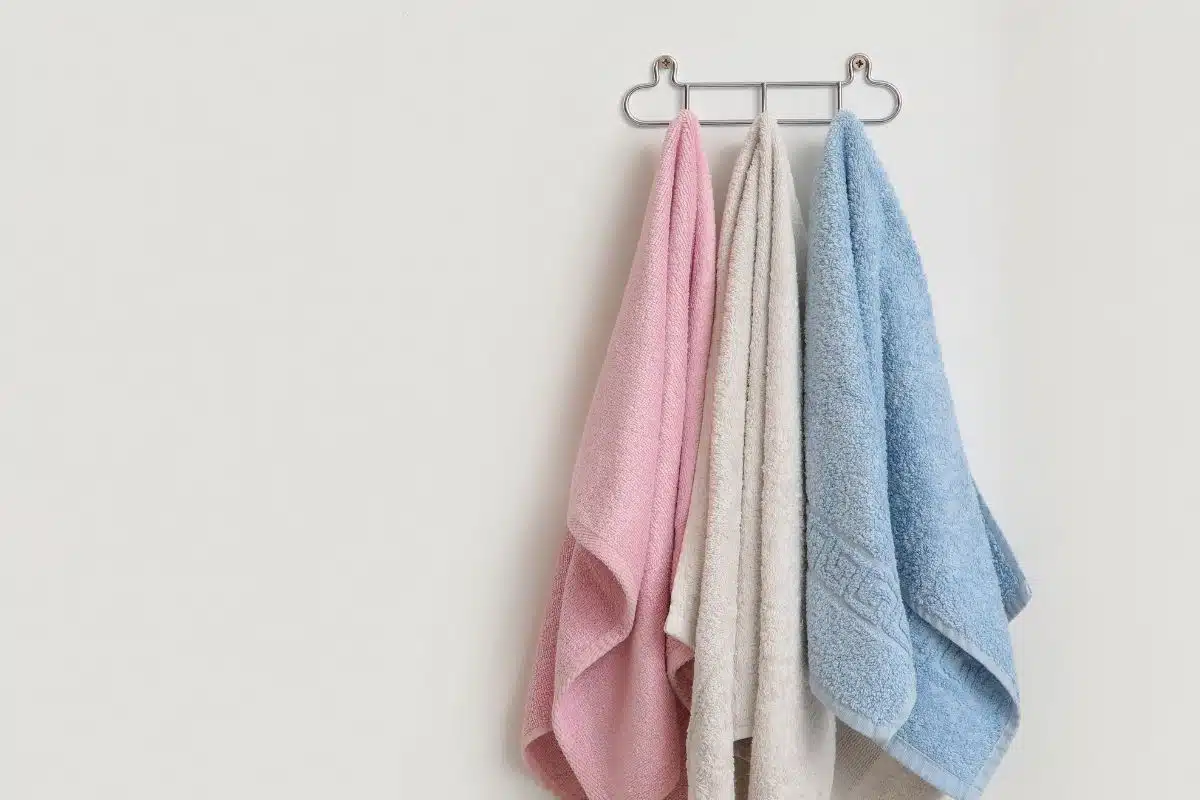
Towels dry more effectively when air can circulate around them. Instead of bunching several towels together on one hook, spread them out on separate hooks or a towel bar when possible. Make sure bath towels are allowed to dry thoroughly between uses and launder them regularly. If a towel develops a persistent musty odor, washing and completely drying it is preferable to simply covering the smell with fabric products.
Clean the Sink Stopper and Drain Area
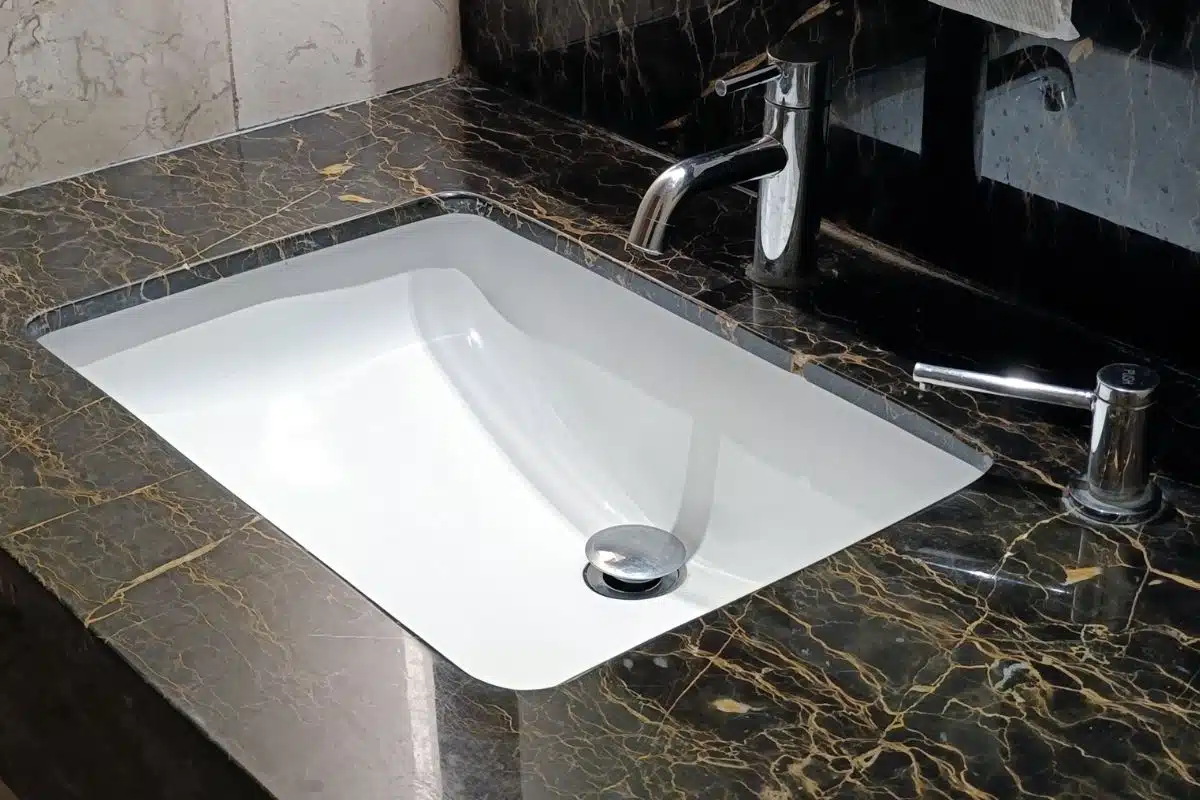
The visible part of a bathroom sink isn’t the only area that needs attention. Hair, soap residue, toothpaste, and other debris can accumulate around the stopper and drain opening. Remove the stopper according to the sink manufacturer’s design and clean away any buildup you can safely reach. Including this small area in your regular routine can help keep the sink cleaner and reduce unpleasant odors.
Finish With a Dry Microfiber Cloth

Once you’ve finished cleaning a countertop, faucet, or mirror, a dry microfiber cloth can help remove remaining moisture and product residue. This is particularly useful on shiny fixtures where water spots are easy to see. Rather than adding more cleaner, use the dry cloth to buff the surface gently. It takes only a few extra seconds and can leave the bathroom looking noticeably more polished.
This post may contain affiliate links or sponsored content. Disclosure Policy