7 Reasons to Clean Dirty Garden Tools With Lemon
After a long season of gardening, tools can collect dirt, sap, mineral deposits, rust spots, and plant residue that make them look worn and harder to use. While there are many commercial cleaners available, simple household ingredients like lemon can be a helpful option for tackling certain types of grime. Thanks to its natural acidity and fresh scent, lemon has long been used as a cleaning aid around the home and garden. Here are seven reasons gardeners may want to reach for a lemon when it’s time to refresh their tools.
Lemon Can Help Break Down Dirt and Grime
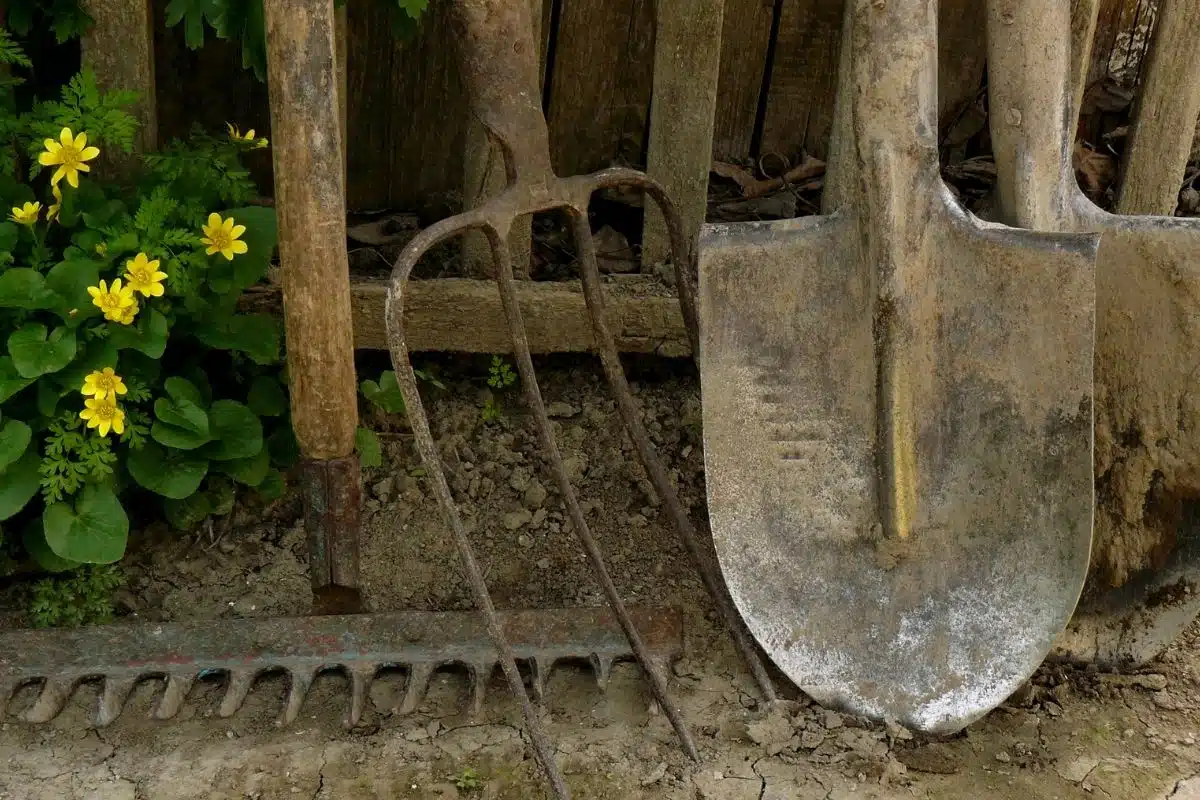
Garden tools often come into contact with soil, mud, and organic debris that can build up over time. The natural acids in lemon juice can help loosen some surface grime, making it easier to wipe away stubborn residue. For lightly dirty tools, rubbing lemon juice onto the surface and allowing it to sit briefly before scrubbing can help lift buildup. A clean tool not only looks better but can also make gardening tasks more enjoyable.
It Can Help Remove Mineral Deposits
If you rinse garden tools with hard water or leave them exposed to outdoor conditions, mineral deposits can create a cloudy or chalky film. Lemon’s acidity can help dissolve some of these deposits, especially on metal surfaces. Apply lemon juice to affected areas, let it work for a few minutes, then scrub gently with a brush or cloth. Be sure to rinse and dry the tool afterward to prevent moisture-related issues.
Lemon Helps Freshen Tools With Lingering Odors
Garden tools can sometimes develop unpleasant smells from damp soil, compost, or plant material left behind after use. Lemon can help neutralize odors and leave tools smelling fresher. A quick wipe with lemon juice followed by a thorough rinse can help remove some of the smells that collect during gardening season. This is especially useful for hand tools that are stored in sheds, garages, or outdoor areas.
It Can Help Clean Sap From Some Garden Tools
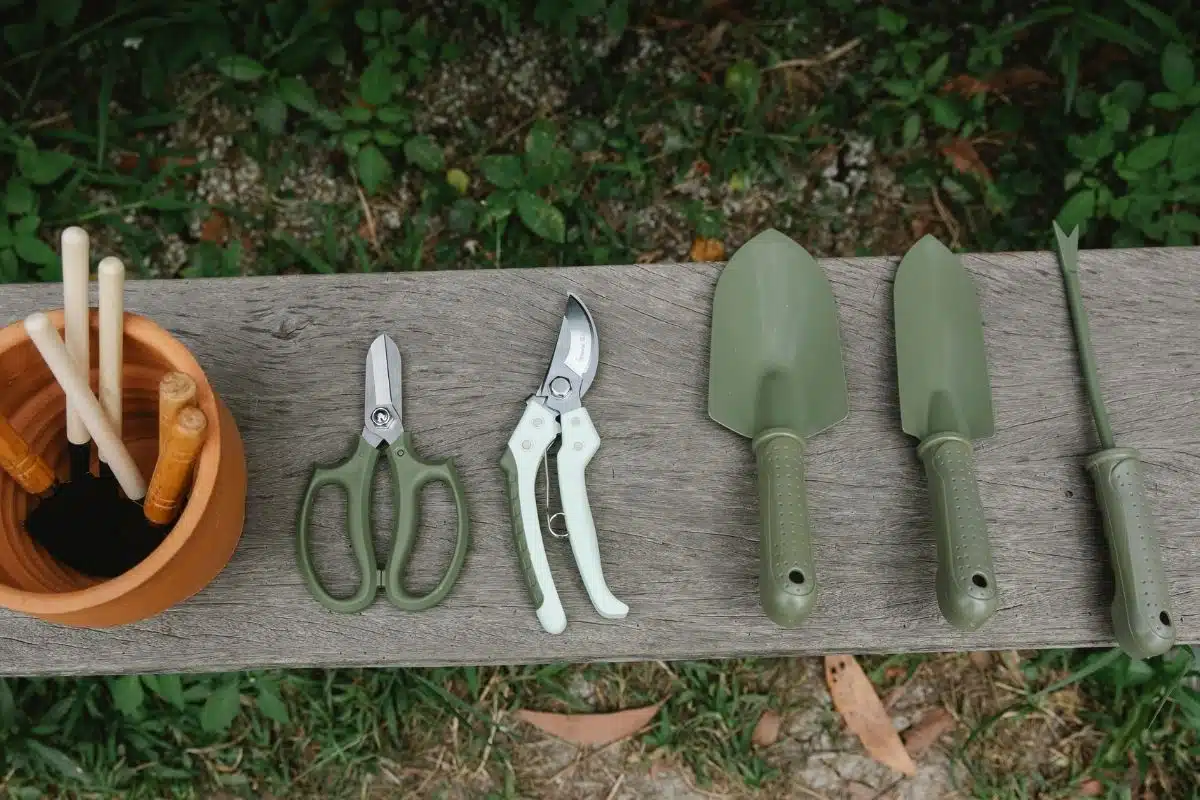
Tree sap and sticky plant residue can make pruning shears, clippers, and other cutting tools difficult to handle. Lemon’s acidity may help soften some light sap buildup, making it easier to remove. For best results, allow the lemon juice to sit on the sticky area before gently scrubbing. For heavier sap deposits, a stronger cleaning method may be needed, but lemon can be a useful first step for minor buildup.
Lemon Is a Simple, Affordable Cleaning Option

One advantage of using lemon as part of your garden tool cleaning routine is that it is inexpensive and easy to find. Many gardeners already have lemons available in the kitchen, making it a convenient option for quick cleanup. Using household ingredients can also reduce the need to keep specialty cleaners on hand for every small cleaning task. Just remember that natural cleaners still need to be used properly, especially on valuable tools.
Cleaning Tools Regularly Helps Them Last Longer
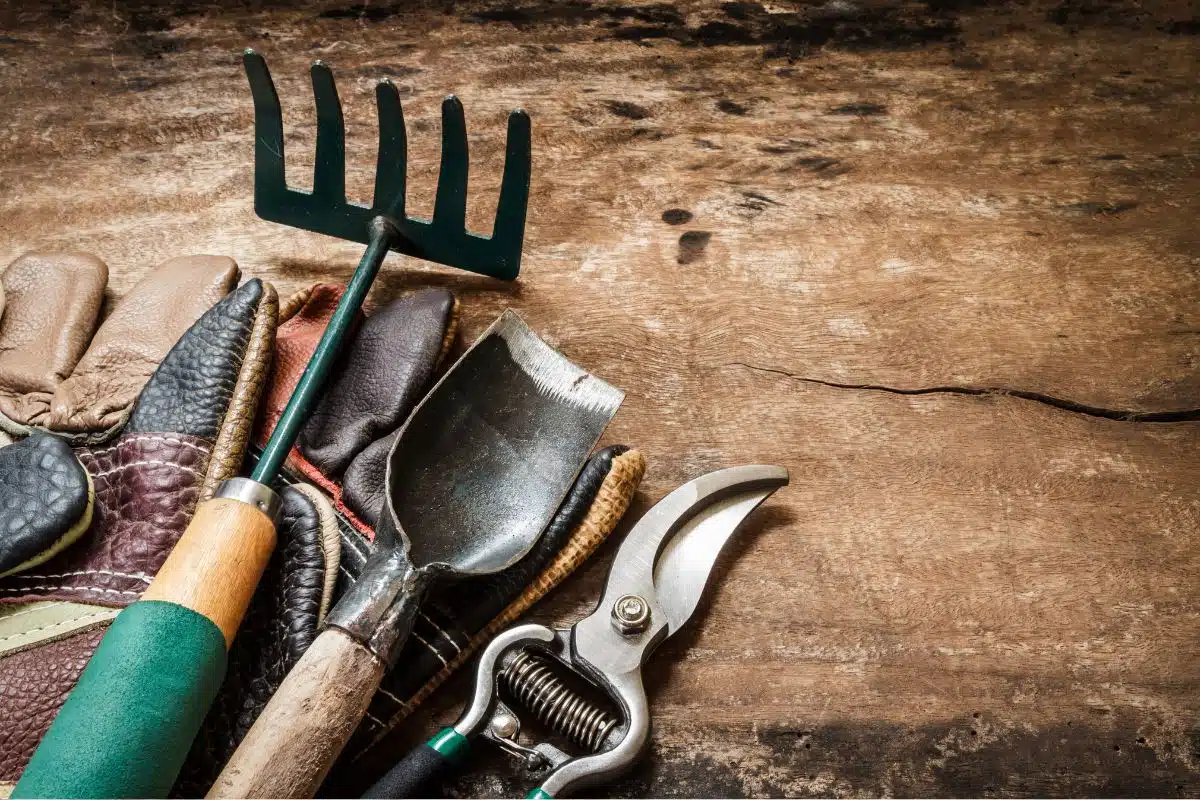
Garden tools are an investment, and regular maintenance can help protect them from premature wear. Removing soil, plant residue, and moisture after use reduces the chance of buildup that can affect performance. After cleaning with lemon or another appropriate method, dry tools completely and consider applying a light coat of oil to metal parts when needed. Proper care helps keep blades sharper and handles in better condition.
Lemon Can Be Part of a More Natural Garden Maintenance Routine
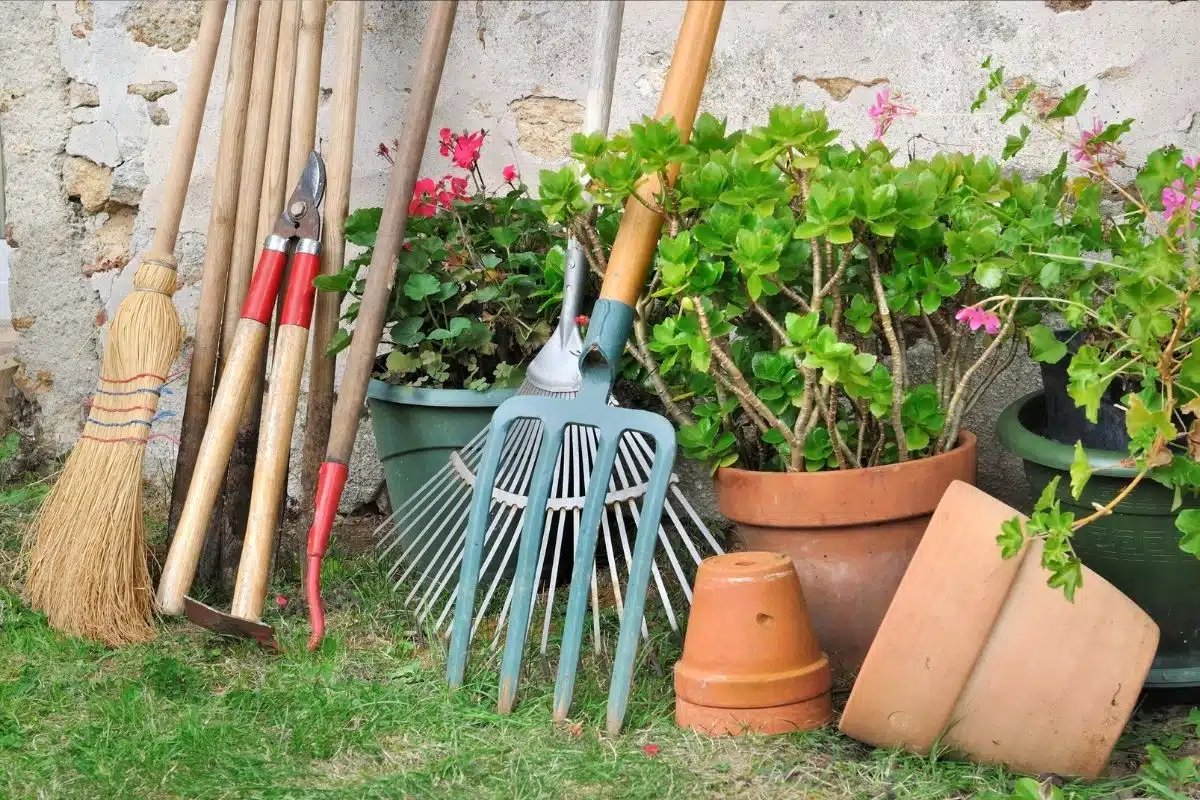
Many gardeners prefer simple, lower-waste approaches when caring for their outdoor spaces. Using ingredients like lemon for certain cleaning tasks fits well with a routine focused on reusing household items and minimizing unnecessary products. While lemon is not a replacement for every garden tool cleaner or disinfectant, it can be a helpful option for everyday cleanup. Combining simple cleaning habits with proper storage can keep gardening equipment ready for the next season.
This post may contain affiliate links or sponsored content. Disclosure Policy