7 Peanut Butter Brands That May Not Be as Healthy as You Think
Peanut butter has a reputation as a wholesome pantry staple, but not every jar has the same ingredient list or nutrition profile. Peanuts naturally provide protein, unsaturated fat, and other nutrients, yet some peanut butter products contain added sugar, oils, sodium, or other ingredients that can change what you’re getting in each spoonful. That doesn’t automatically make these products “bad” foods, but it can be worth knowing what you’re buying—especially if peanut butter is a regular part of your diet. Here are seven popular brands and varieties that deserve a closer look at the label.
Jif Creamy Peanut Butter
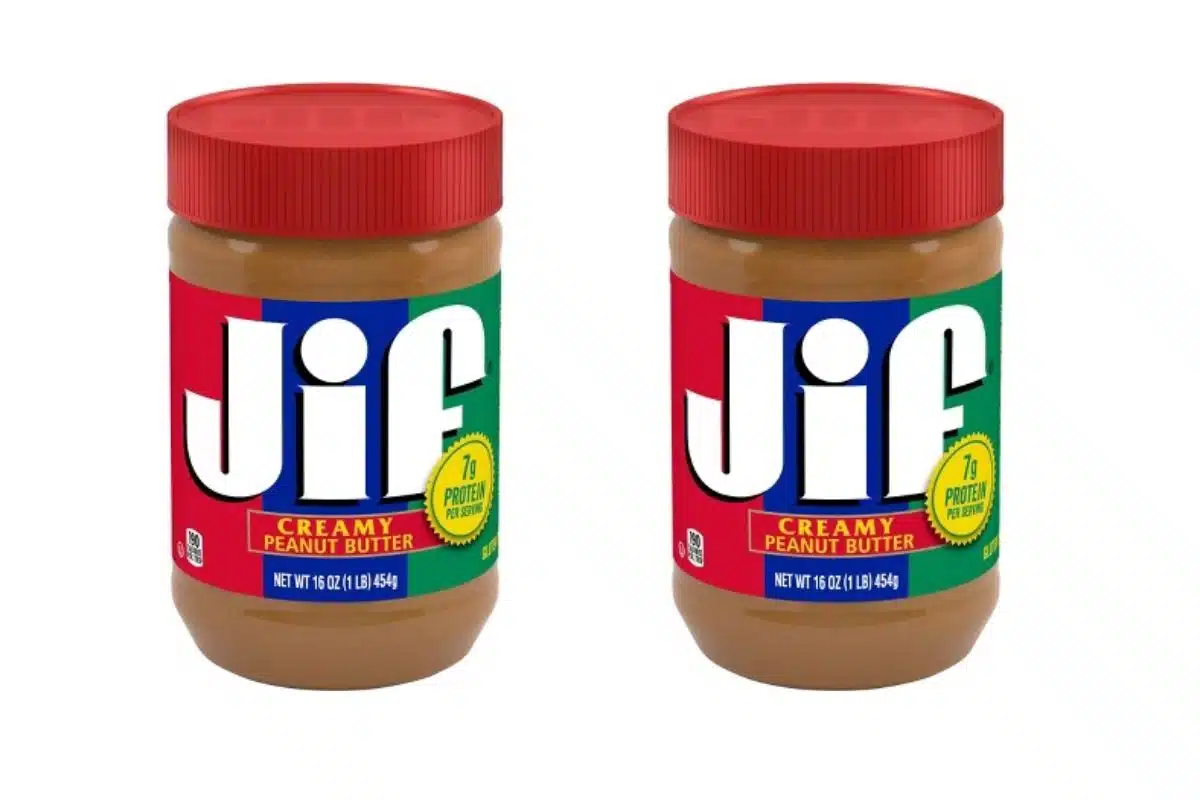
Jif Creamy Peanut Butter is a familiar supermarket staple, but its ingredient list goes beyond peanuts. The standard creamy variety contains peanuts, sugar, molasses, fully hydrogenated vegetable oils, and salt. That makes it different from natural peanut butter made primarily from peanuts and salt. A serving can still fit into a balanced diet, but shoppers looking for a shorter ingredient list may want to compare it with simpler varieties.
Skippy Creamy Peanut Butter
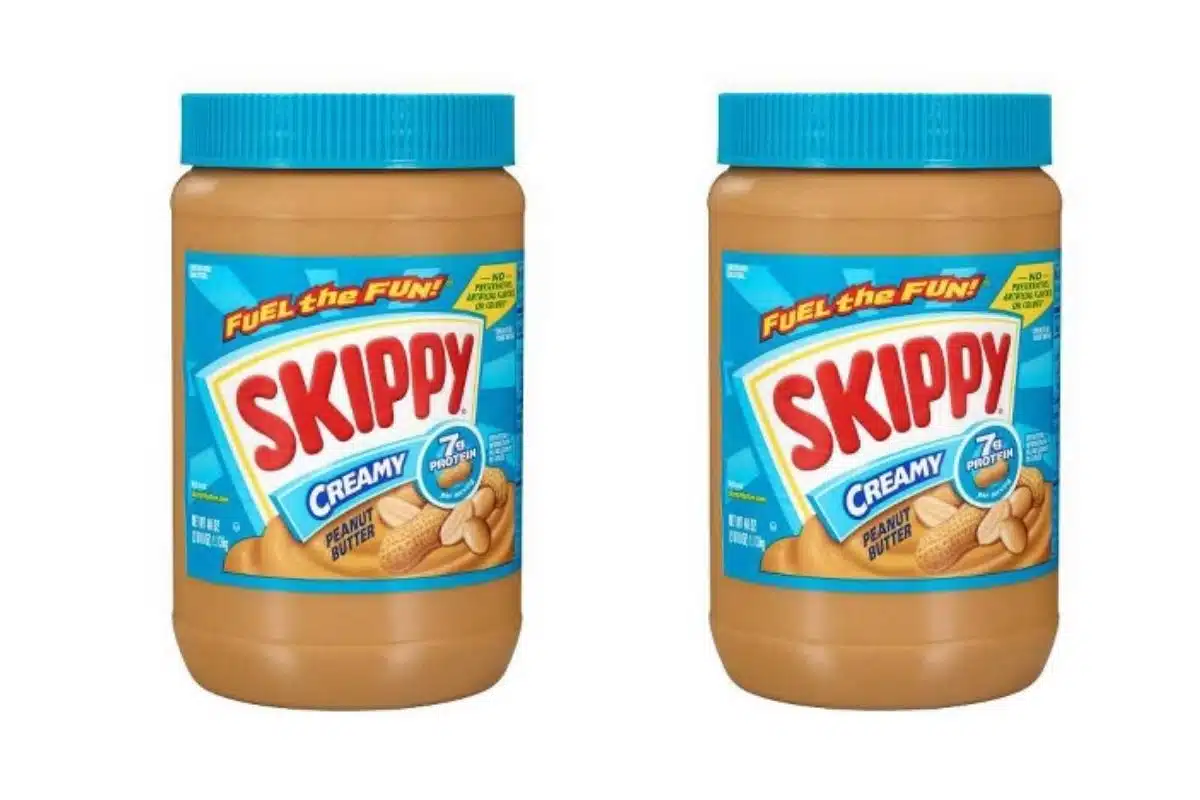
Skippy Creamy Peanut Butter is another popular option that contains more than just peanuts and salt. The standard formula includes sugar, hydrogenated vegetable oil, and salt in addition to peanuts. The added ingredients help give Skippy its familiar smooth texture and consistent flavor without the separation associated with some natural peanut butters. If you’re specifically looking for peanut butter with minimal added ingredients, the label is worth checking before you buy.
Peter Pan Creamy Peanut Butter
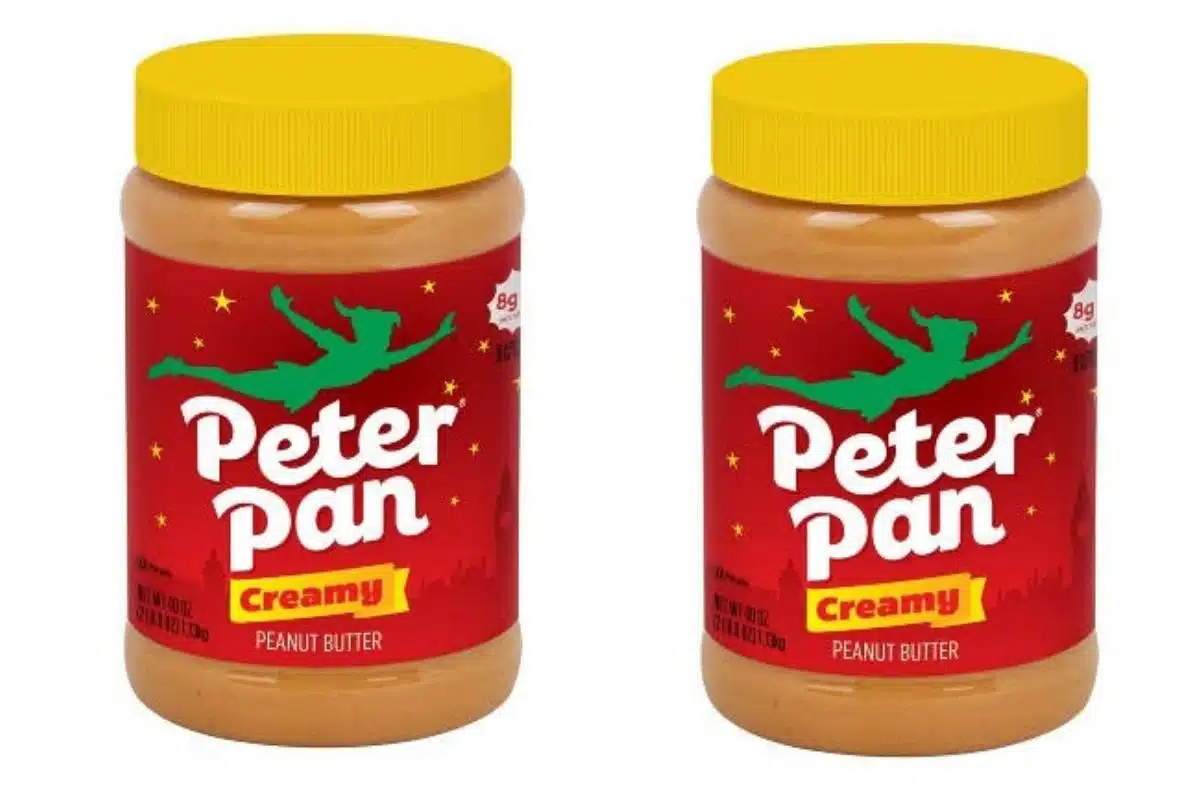
Peter Pan’s traditional creamy peanut butter contains peanuts along with added sugar, oils, and salt. Those ingredients aren’t unusual for conventional peanut butter, but they do make the product different from varieties made almost entirely from peanuts. The oil also contributes to the smooth texture that keeps the product easy to spread. If you’re comparing brands based on ingredients rather than taste or texture, Peter Pan is one to examine closely.
Jif Natural Creamy Peanut Butter
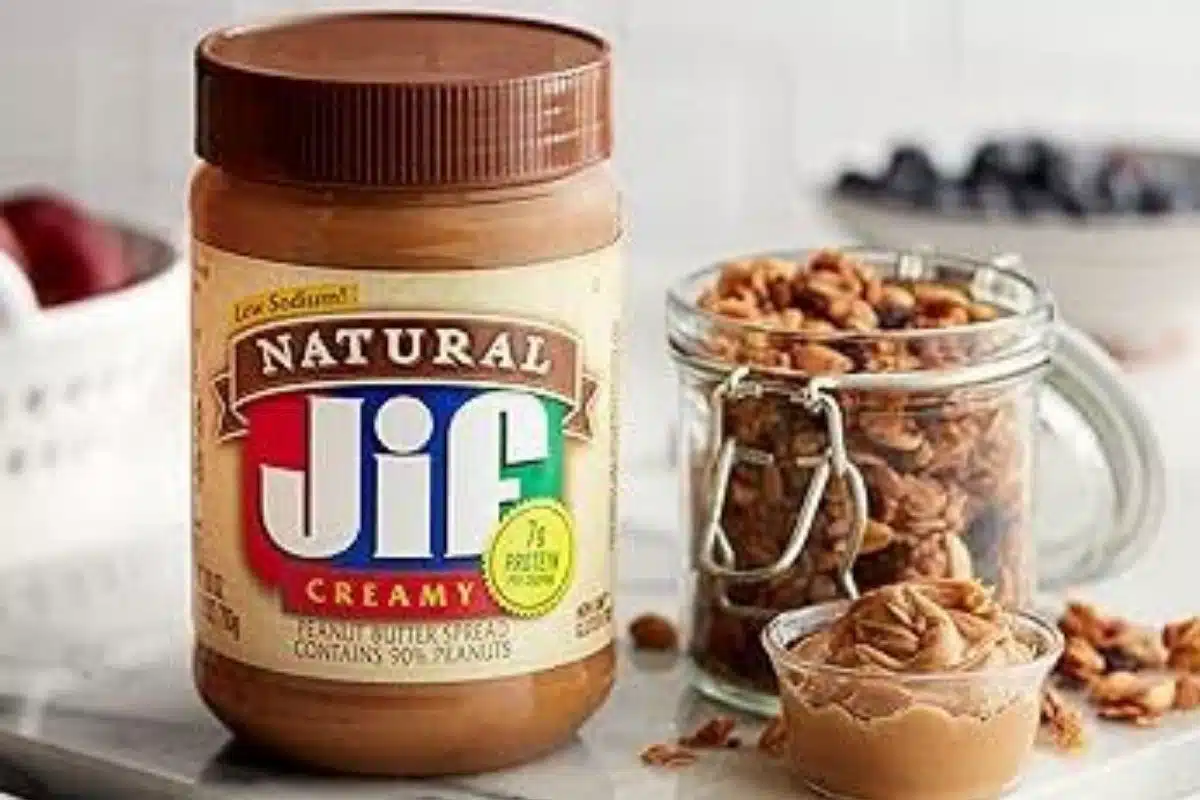
The word “natural” on a peanut butter label doesn’t necessarily mean the product contains only peanuts. Jif Natural Creamy Peanut Butter includes peanuts, sugar, palm oil, and salt, although the formulation differs from Jif’s traditional peanut butter. The added palm oil helps prevent the natural separation that occurs when peanut butter contains primarily peanuts. It’s a useful reminder to read the ingredient panel rather than relying on words such as “natural” on the front of the jar.
Skippy Natural Creamy Peanut Butter
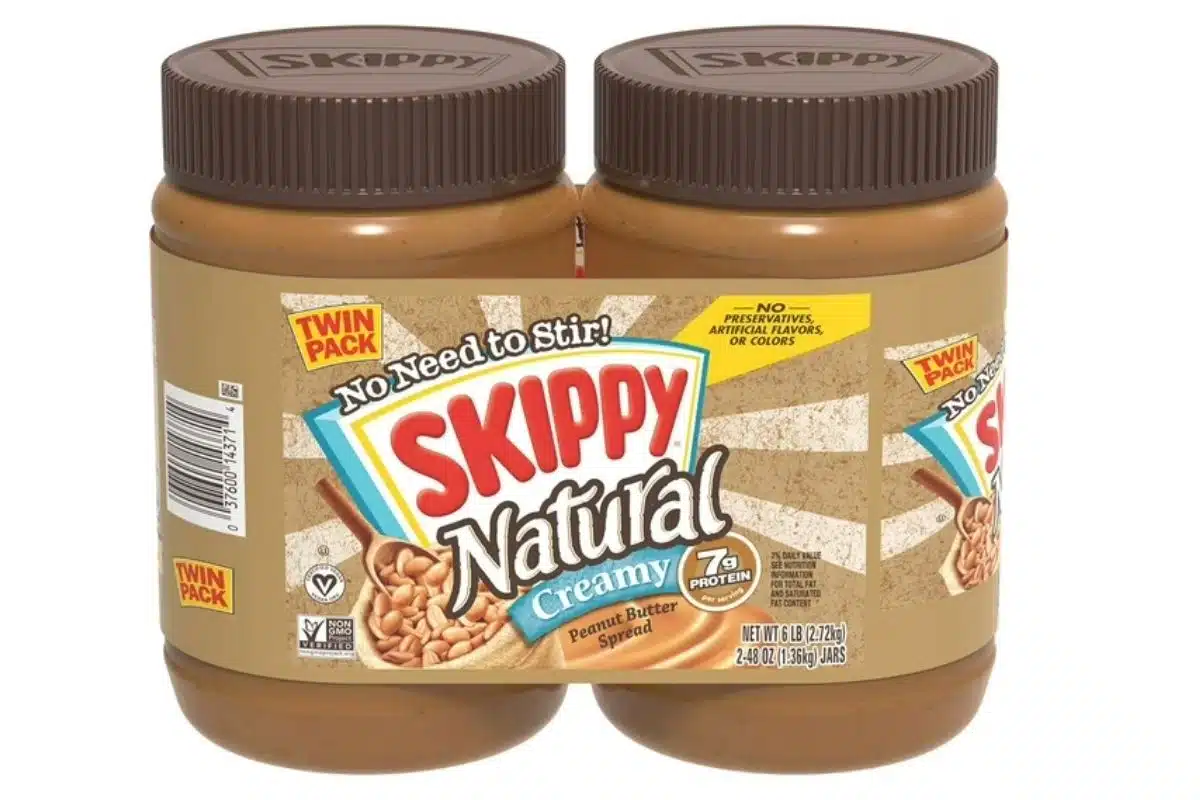
Skippy Natural Creamy Peanut Butter is marketed as a natural option, but it still contains ingredients beyond peanuts. Depending on the variety, the formula can include sugar, palm oil, and salt to provide the smooth texture and flavor consumers expect from conventional peanut butter. This doesn’t make it inherently unhealthy, but it may not be the best choice for shoppers specifically seeking a two-ingredient peanut butter. Comparing the ingredient list and nutrition facts with a simpler variety can make the differences easier to spot.
Reese’s Creamy Peanut Butter
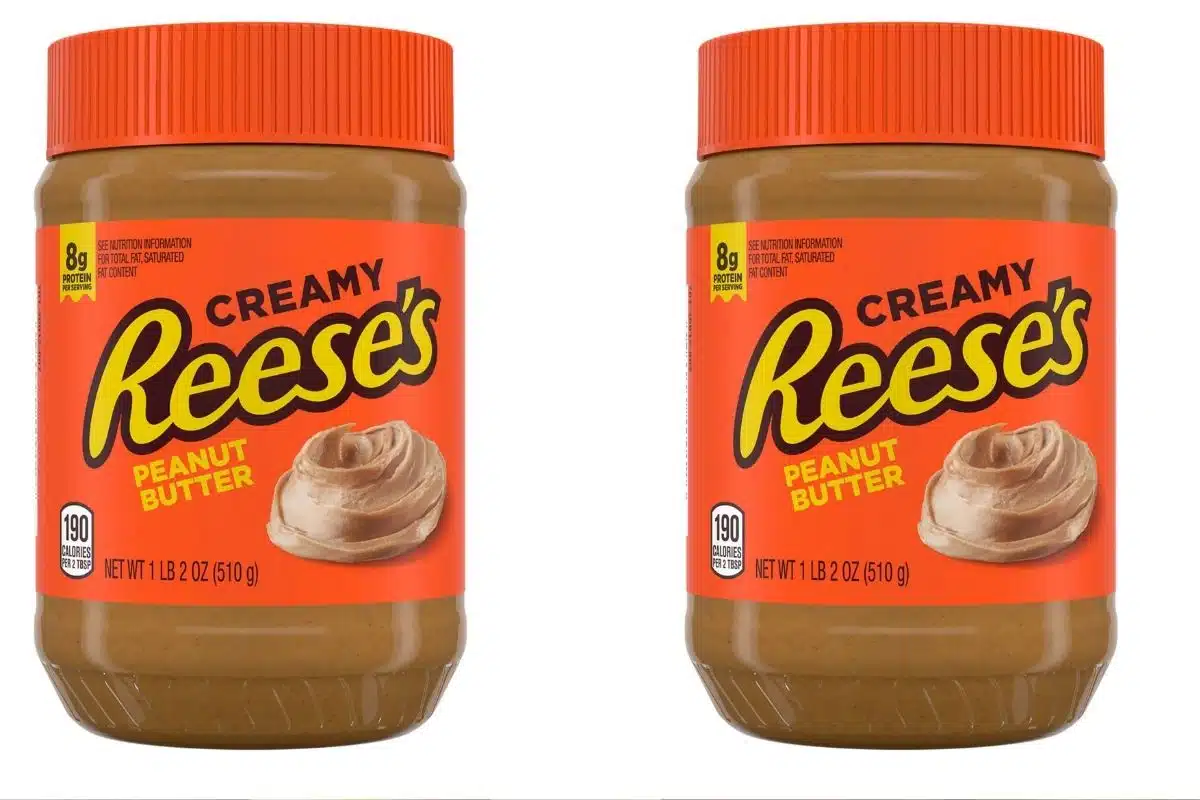
Reese’s Creamy Peanut Butter is designed around the familiar candy brand’s sweet, dessert-like flavor profile rather than being a minimalist peanut butter. Its formulation includes added sugar and other ingredients that contribute to its distinctive taste and texture. That can make it appealing for baking, sandwiches, or eating straight from the jar, but it’s worth distinguishing it from peanut butter made primarily from peanuts. If you’re choosing peanut butter as an everyday protein- and nutrient-containing food, the nutrition label matters more than the brand name.
Peanut Butter With Added Sweeteners or Oils
Some of the biggest differences between peanut butter products aren’t tied to one particular brand but to the variety you choose. Honey, chocolate, maple, cinnamon, and other flavored peanut butters can contain considerably more added sugar than traditional versions. Other products use added oils to create a smoother texture or prevent separation. These varieties can still be enjoyed, but if your goal is a simple everyday peanut butter, look for a label where peanuts are the primary ingredient and compare added sugars, sodium, and serving size.
What to Look for When Buying Peanut Butter

The healthiest choice depends on your overall diet and what you’re looking for in a peanut butter, but the ingredient list is a good place to start. A simple peanut butter may contain just peanuts and salt, while some conventional varieties add sugar and stabilizing oils. Also check the Nutrition Facts panel, particularly added sugars, sodium, calories, and protein per serving. And remember that “natural” or “healthy” on the front of a jar isn’t a substitute for reading the actual ingredient list.
This post may contain affiliate links or sponsored content. Disclosure Policy