10 Places in Your Home That Collect Dust Faster Than You Think
Dust seems to appear almost overnight, settling on surfaces you just cleaned and hiding in places you may not think to check. While regular vacuuming and dusting help, some areas in your home naturally attract more dust because of airflow, static electricity, fabric fibers, and everyday activity. Knowing where dust tends to accumulate can make your cleaning routine more effective and help improve the overall freshness of your home. These often-overlooked spots are worth adding to your regular cleaning checklist.
Ceiling Fans
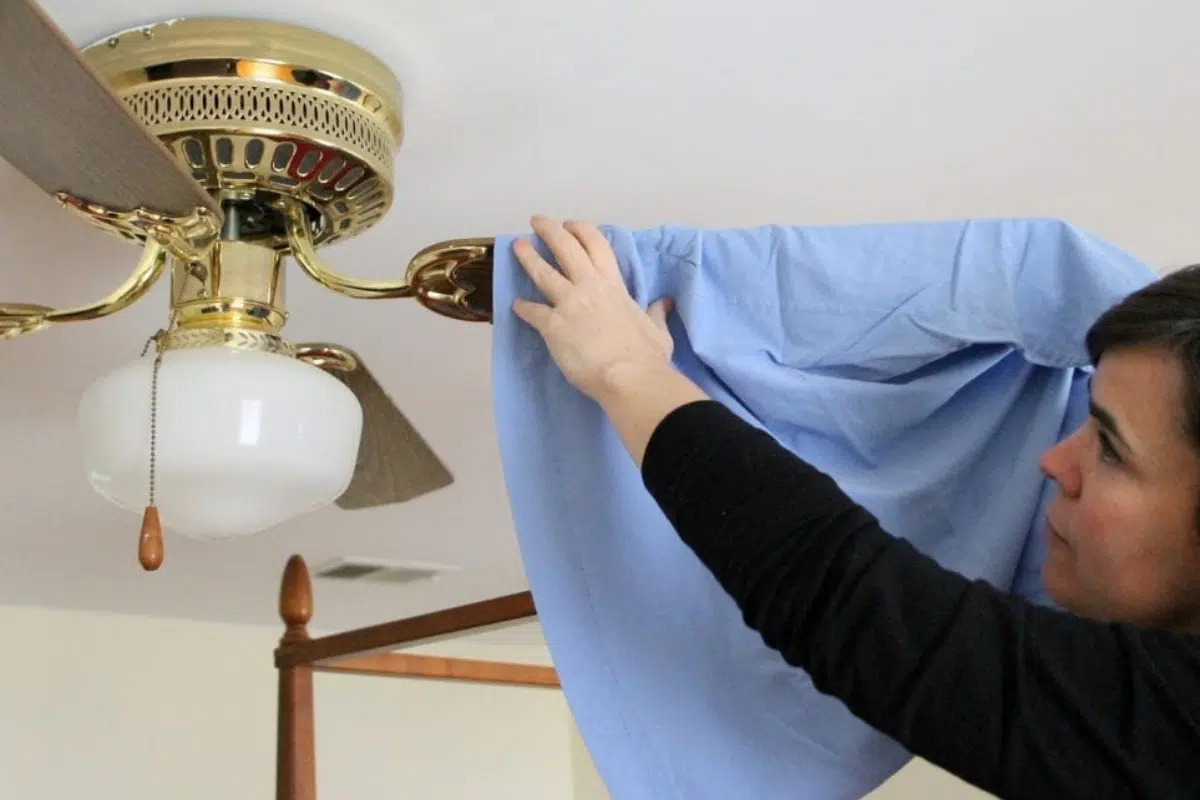
Ceiling fans are one of the easiest places for dust to collect because their blades sit high and are often overlooked during routine cleaning. As the fan spins, built-up dust can become airborne and settle onto furniture, floors, and bedding below. A microfiber duster or damp cloth can quickly remove the buildup without sending dust flying around the room. Cleaning fan blades regularly helps your home feel fresher and reduces the amount of dust circulating indoors.
Air Vents and HVAC Filters
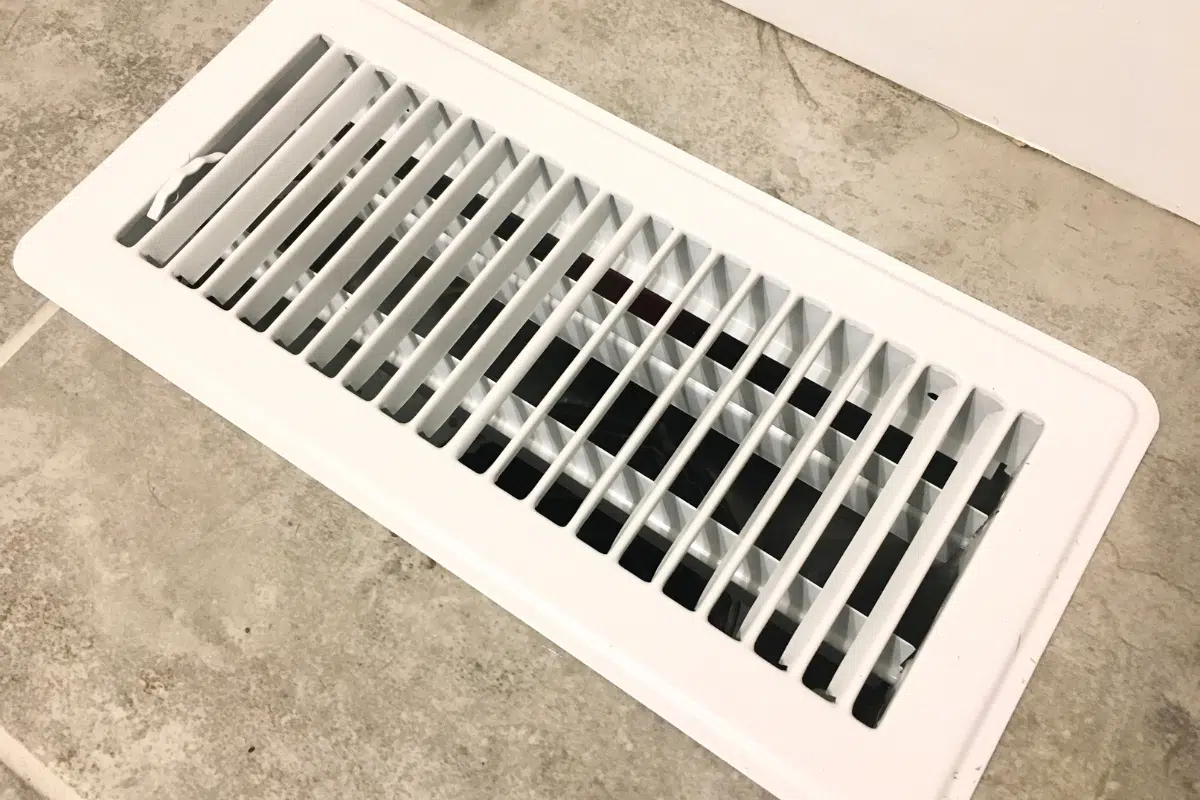
Your heating and cooling system plays a major role in how dust moves throughout your home. Dust can collect on air vents, registers, and inside filters, especially in homes with pets, carpeting, or frequent foot traffic. Wiping down vent covers and changing filters according to manufacturer recommendations can help reduce airborne particles. Keeping your HVAC system clean can also help your home’s air feel fresher.
Baseboards
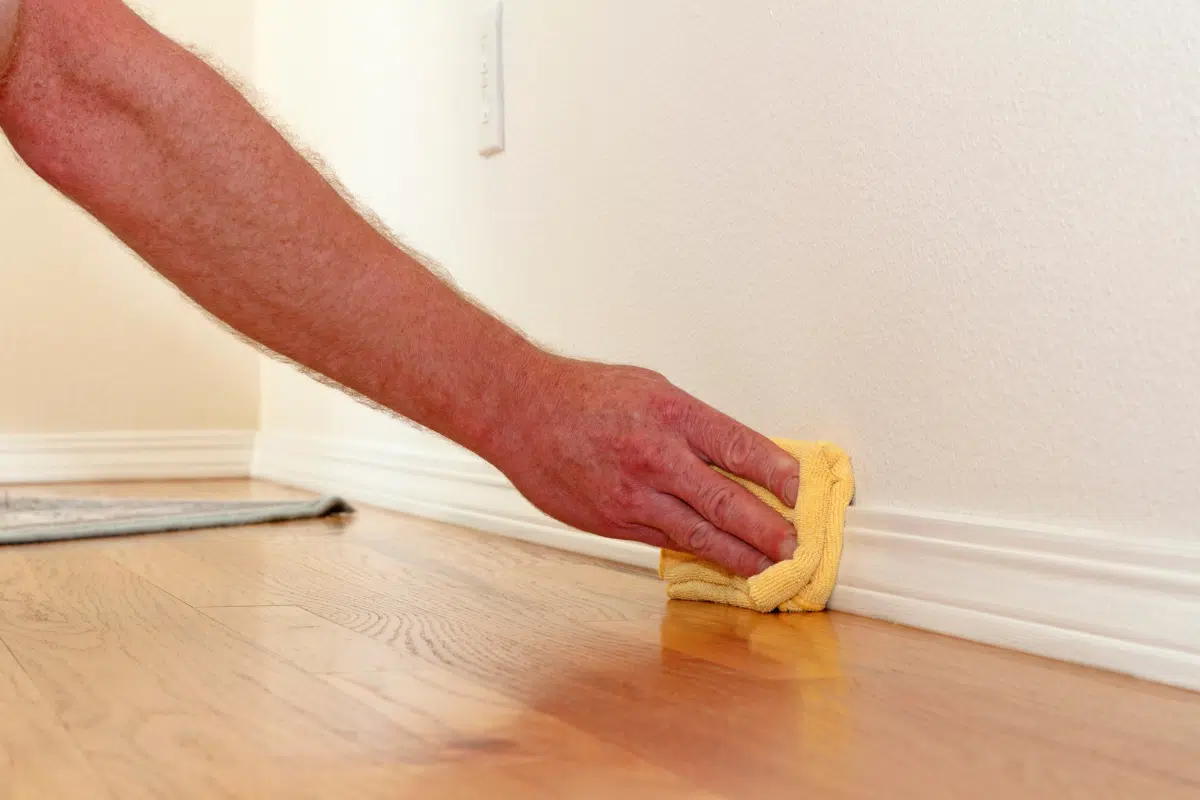
Baseboards are easy to miss during everyday cleaning, but they collect dust along their edges and corners. Because they sit close to floors, they often catch dust, pet hair, and debris that gets pushed around by regular activity. A microfiber cloth, vacuum attachment, or damp sponge can quickly restore their clean appearance. Adding baseboards to your cleaning routine a few times a year can make rooms look noticeably fresher.
Under Furniture
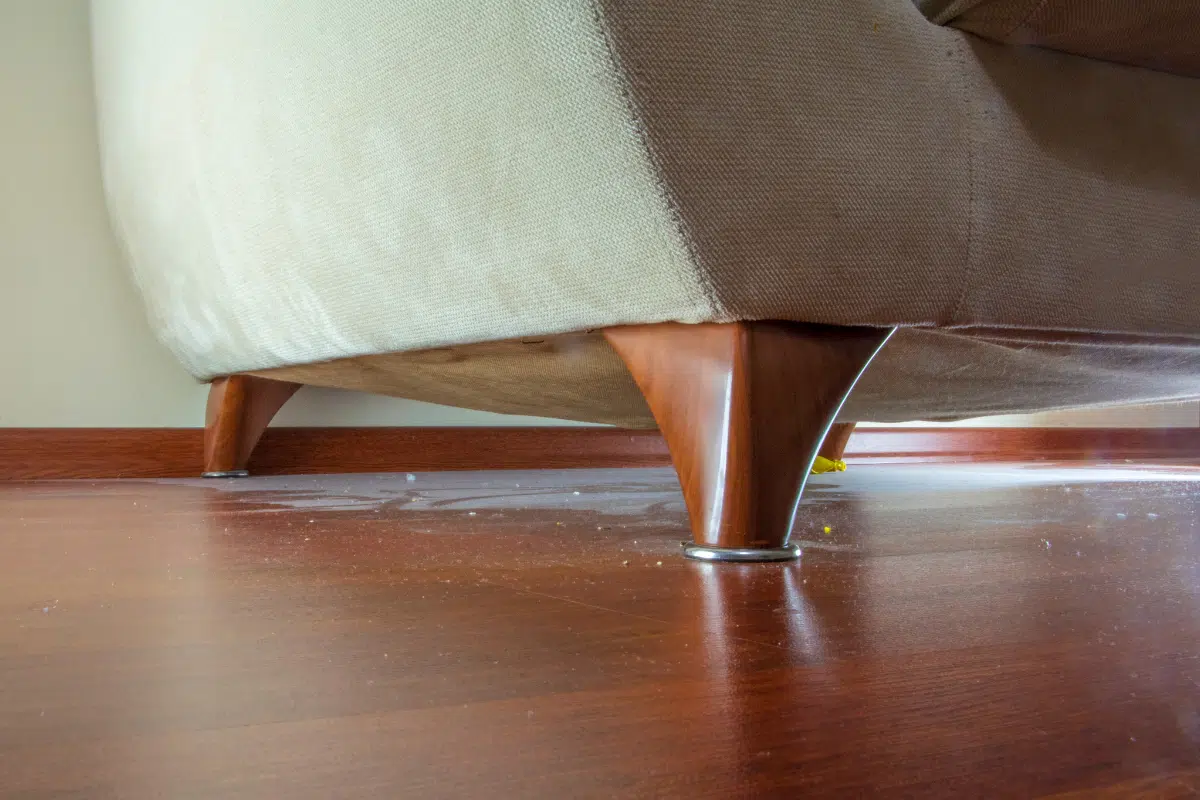
The spaces underneath beds, sofas, dressers, and cabinets often become hidden dust zones. Since these areas are rarely disturbed, dust bunnies can accumulate along with pet hair and small debris. Moving furniture occasionally and using a vacuum attachment can help keep these hidden areas under control. A cleaner space underneath furniture can also help reduce dust that eventually makes its way back into the room.
Electronics

Televisions, computers, gaming consoles, and other electronics attract dust because of static electricity and their smooth surfaces. Dust can also collect around vents and openings, which may affect how efficiently some devices operate. Use a soft microfiber cloth to clean screens and surfaces, and follow manufacturer recommendations when cleaning vents. Regular dusting keeps electronics looking better and helps prevent buildup.
Window Sills and Blinds

Window areas are common dust collectors because they gather particles from both inside and outside the home. Blinds, in particular, can trap dust on each individual slat, making them easy to overlook during quick cleanups. A microfiber cloth, vacuum brush attachment, or specialized blind cleaner can make the job easier. Regularly cleaning these areas helps windows look brighter and reduces visible dust buildup.
Lampshades
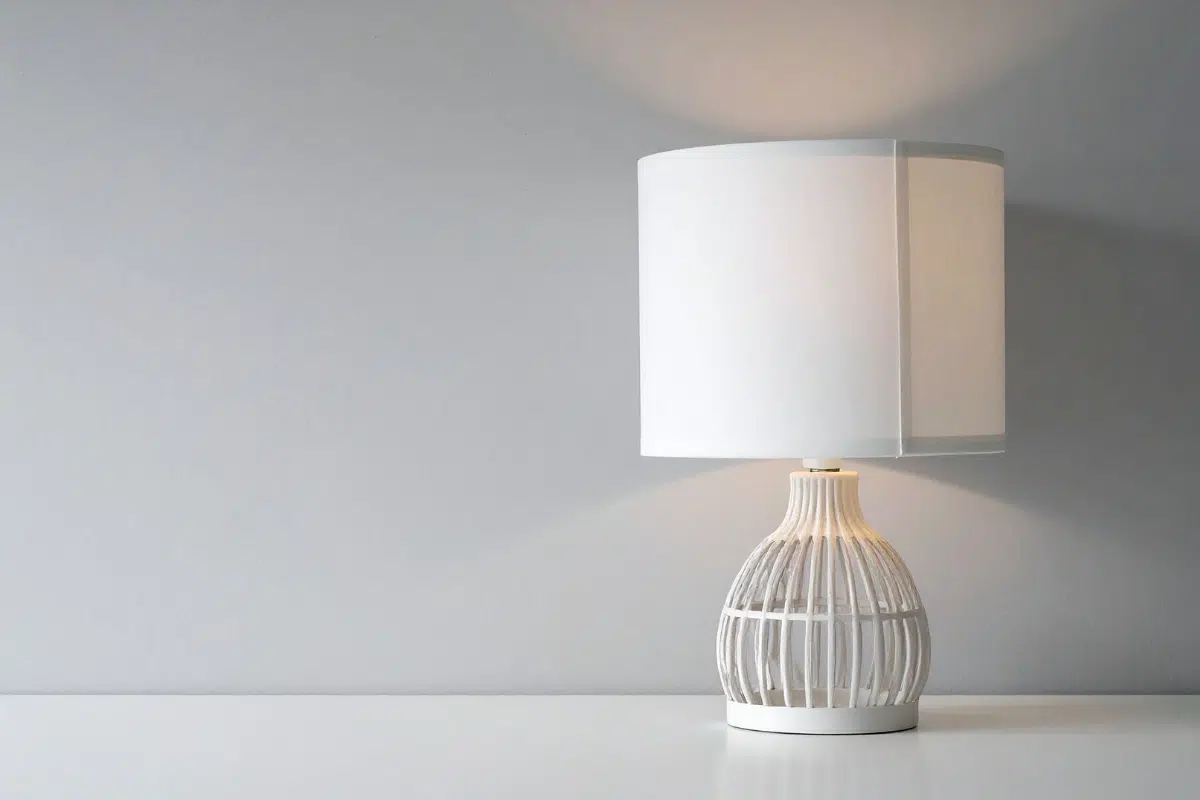
Fabric lampshades can quietly collect dust over time, especially in bedrooms and living rooms where they are rarely touched. Dust buildup can make shades appear dull and may affect the overall look of your lighting. A lint roller, soft brush, or vacuum attachment can gently remove dust without damaging the fabric. Cleaning lampshades occasionally is a simple way to freshen up a room.
Books and Shelves

Bookshelves and decorative displays can become dust magnets because small items often sit untouched for long periods. Dust settles on book covers, shelves, picture frames, and decorations, creating a layer that can be easy to miss. Removing items occasionally and wiping the entire surface helps prevent buildup. Keeping shelves clean also makes your home feel more organized and refreshed.
Soft Furnishings

Curtains, throw pillows, blankets, and upholstered furniture can hold onto dust, pet hair, and other particles. Unlike hard surfaces, fabrics can trap dust deeper in their fibers. Washing removable items, vacuuming upholstery, and shaking out blankets regularly can help keep these areas cleaner. Maintaining soft furnishings can make a noticeable difference in how fresh your home feels.
Door Frames and Knobs
Door frames, trim, and handles collect more than just fingerprints—they also gather dust from everyday activity. Since these areas are frequently touched, they can also pick up oils and grime over time. A quick wipe with a damp microfiber cloth can remove buildup and keep high-traffic areas looking cleaner. Adding these small details to your routine can make your entire home feel more polished.
This post may contain affiliate links or sponsored content. Disclosure Policy