Everyday Routines Losing Popularity in 2026
What once felt productive, responsible, or simply “the way things are done” is being reconsidered as daily life continues to shift. More people are questioning routines that drain time, increase stress, or no longer match their energy and priorities. Instead of doing things out of habit, there’s a growing focus on what actually supports well-being, efficiency, and mental clarity. Here are the everyday routines many are stepping away from—and what’s taking their place.
Checking Email First Thing in the Morning

Starting the day by diving straight into email often puts people into a reactive mindset before the day even begins. It can create urgency around tasks that may not actually be priorities. Many are now choosing to delay email until after a morning routine that feels more grounding. Quiet time, light movement, or planning the day first is becoming a preferred way to start the morning with more control.
Overcomplicated Skincare Routines

Multi-step skincare routines have become less appealing as people recognize that more products don’t always mean better results. In some cases, layering too many products can even irritate the skin or increase costs without clear benefits. The shift now is toward simpler routines built around a few effective, multi-use products. The focus is moving from complexity to consistency and skin comfort.
Printing Documents “Just in Case”

Printing everything out for backup has become less necessary as digital tools continue to improve. Yet for years, it contributed to overflowing drawers and unnecessary paper clutter. More people are now trusting cloud storage, secure apps, and digital records instead. This shift not only saves space but also makes important documents easier to find and manage.
Eating Lunch at Your Desk Every Day

Working through lunch has long been seen as productive, but it often leads to burnout and reduced focus later in the day. Constant screen time during meals also makes it harder to fully rest and reset. More people are now stepping away from their desks, even briefly, to eat more mindfully. These short breaks are being recognized as important for energy and concentration.
Heavy Daily Makeup Routines

Full-face makeup every day is becoming less of a default routine for many people. Time constraints, changing beauty trends, and a shift toward natural skin have all influenced this change. Instead, lighter approaches like tinted moisturizer, minimal coverage, or skin-focused routines are becoming more common. The emphasis is now on enhancing natural features rather than covering them completely.
Running Errands Without a Plan

Spontaneous, unplanned errands often lead to wasted time, fuel, and repeated trips throughout the week. Many people are now approaching errands more strategically to save energy and reduce stress. Grouping tasks together or planning a single trip has become the more efficient choice. This small shift helps free up time for more meaningful activities.
Holding Onto Clothes “Just in Case”

Closets filled with “someday” clothing can make getting dressed feel overwhelming. Items that no longer fit or suit current lifestyles often add unnecessary decision fatigue. Many people are now choosing to keep only what fits well and feels good to wear today. The result is a more functional wardrobe that supports daily life instead of complicating it.
Saying Yes to Every Social Invitation

Overcommitting socially can quickly lead to exhaustion and a lack of personal downtime. While connection is still important, many people are becoming more selective about how they spend their time. Saying yes only when it truly fits their energy or schedule is becoming more common. This shift supports healthier boundaries and more meaningful social interactions.
Manual Budget Tracking
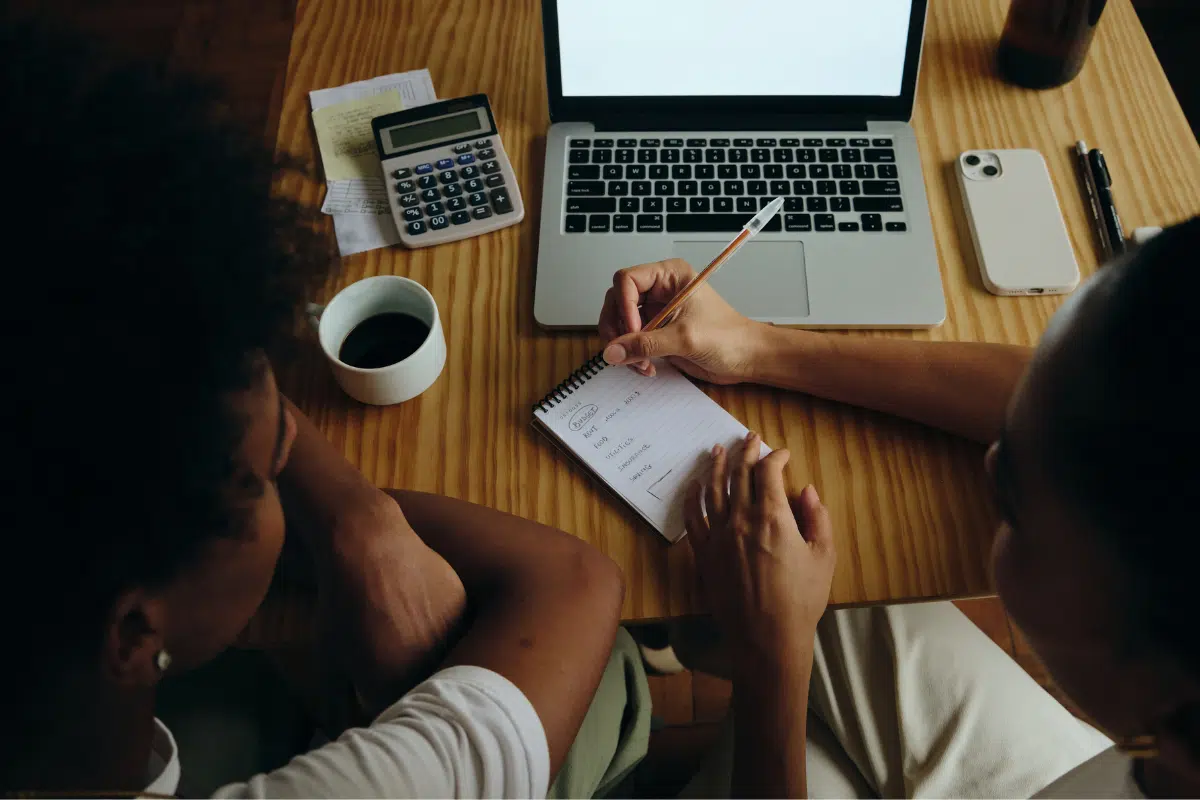
Handwritten budgets or spreadsheet tracking once felt essential, but they often require consistent upkeep to be effective. For many, this becomes difficult to maintain long-term. Automated budgeting tools and banking apps are now making it easier to track spending passively. These tools reduce effort while still supporting financial awareness.
Daily Deep Cleaning of the Entire Home

Trying to clean everything every day is becoming less realistic for busy households. Instead of exhaustive daily cleaning, many are shifting toward small maintenance tasks throughout the week. A more balanced approach—such as quick resets or scheduled cleaning days—is proving easier to sustain. This reduces stress while keeping the home consistently manageable.
Watching Live TV on a Fixed Schedule
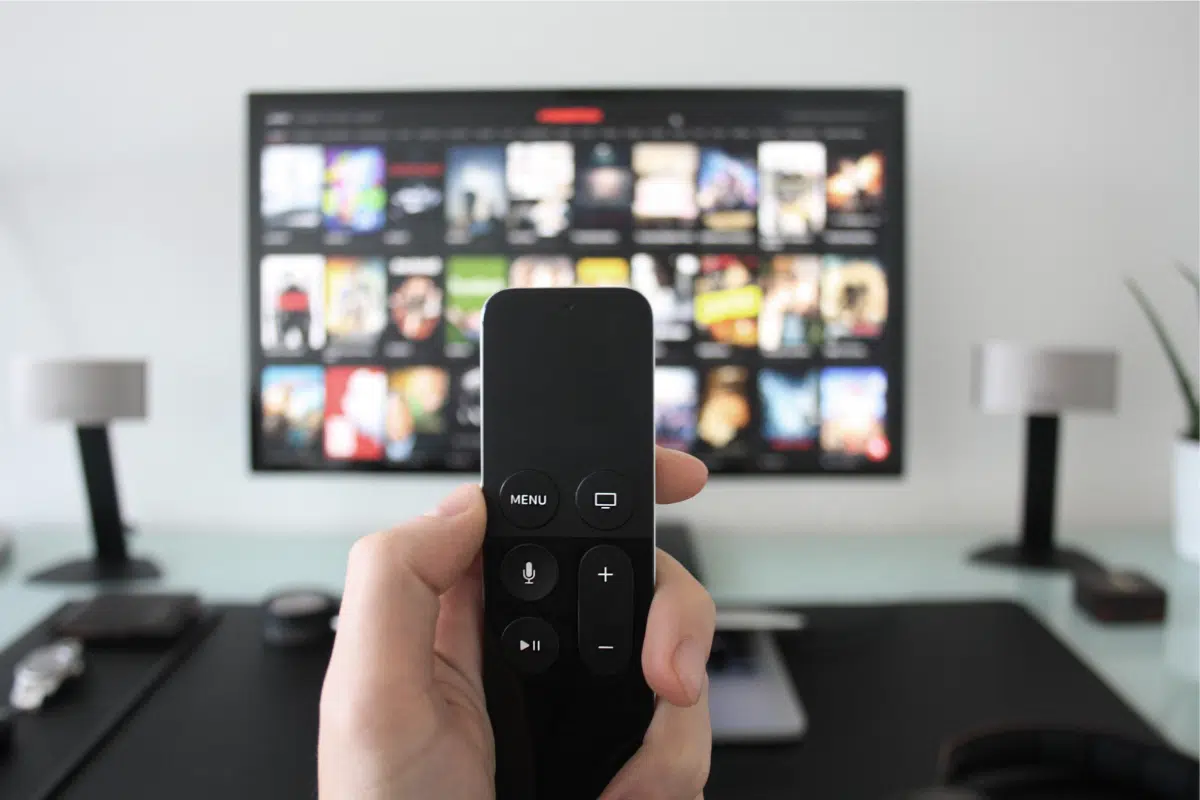
Scheduled television viewing has become less common as on-demand streaming continues to grow. People prefer the flexibility to watch what they want, when they want. This shift allows entertainment to fit into daily life rather than the other way around. Curated watchlists and streaming platforms now dominate viewing habits.
Hustling Without Built-In Rest

Constant productivity without rest is increasingly being recognized as unsustainable. Many are stepping away from the idea that being busy equals being successful. Instead, there’s a stronger focus on balance, recovery, and sustainable output. Rest is no longer viewed as a reward, but as a necessary part of productivity.
Overloading To-Do Lists

Long, overwhelming to-do lists often create more stress than clarity. As a result, many people are shifting toward shorter, prioritized task lists. Focusing on fewer high-impact tasks helps improve focus and follow-through. This approach makes daily planning feel more achievable and less mentally draining.
Saving Everything on Your Phone
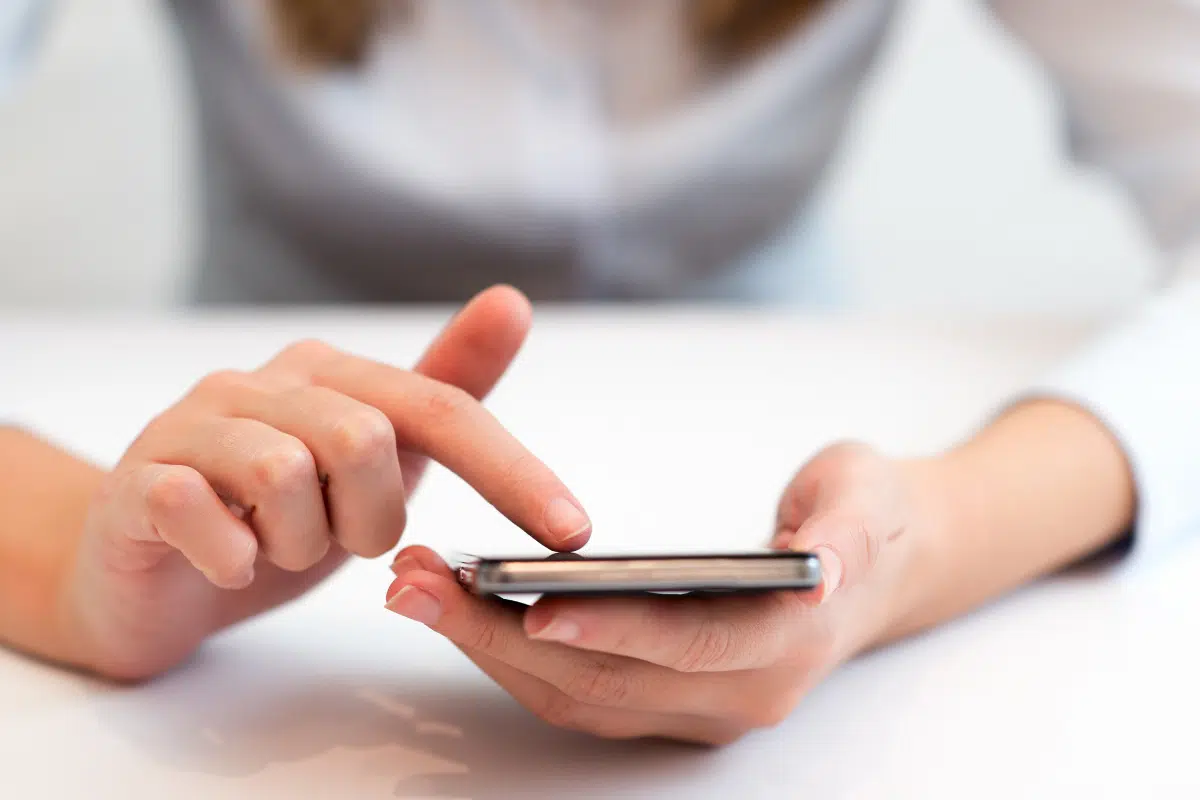
Phones have become digital catch-all spaces filled with screenshots, notes, and forgotten files. Over time, this creates digital clutter that can be just as overwhelming as physical clutter. Many people are now regularly cleaning out their devices and organizing files more intentionally. This helps improve both mental clarity and device performance.
Measuring Success by How Busy You Are

Being constantly busy is no longer seen as a meaningful measure of success by many people. Instead, there’s a growing awareness that fullness of life doesn’t always correlate with a packed schedule. More people are prioritizing time, energy, and fulfillment over constant activity. This shift reflects a broader redefinition of what a well-lived life looks like.
This post may contain affiliate links or sponsored content. Disclosure Policy