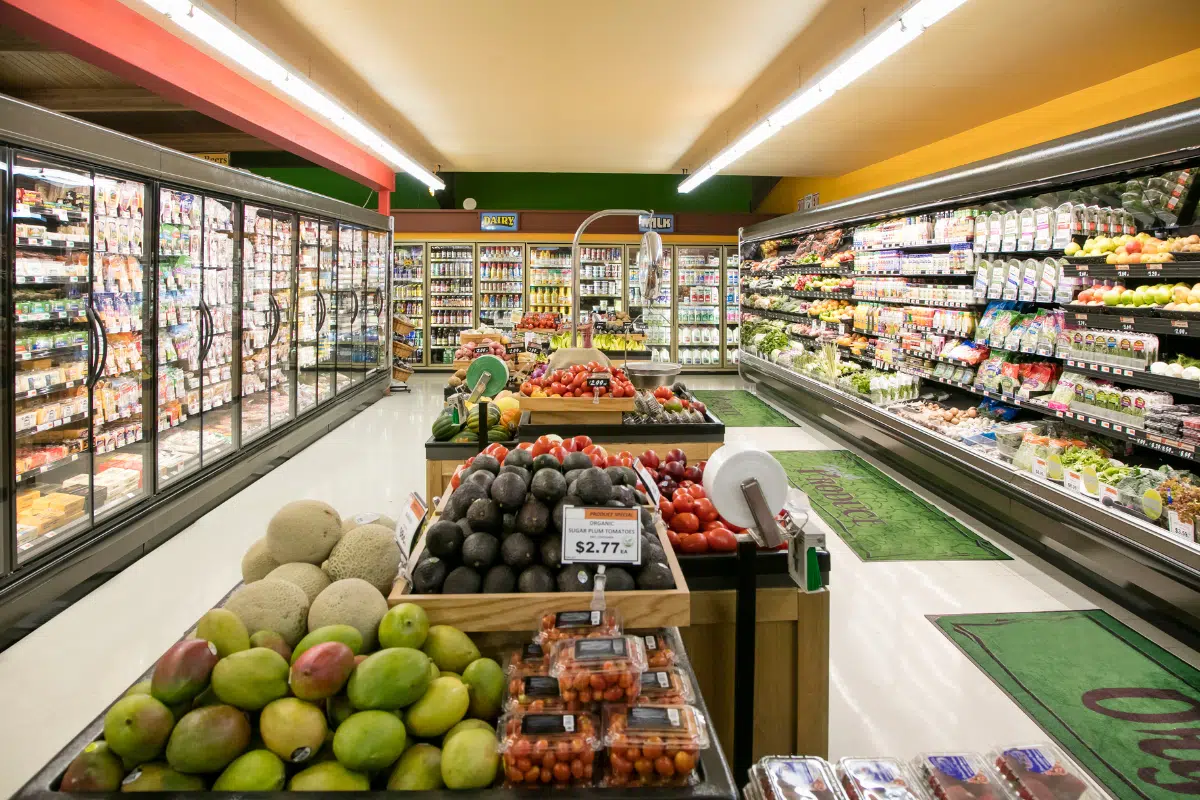
11 Simple Grocery Shopping Tricks That Can Lower Your Bill
Grocery shopping can easily get expensive if you’re not paying attention—but a few simple habits can make a big difference. The key is being intentional before and during your trip, so you only buy what you truly need. With rising food prices, small changes in how you shop can lead to noticeable savings over time. These practical and creative strategies will help you stretch your grocery budget further without feeling deprived.
Buy Seasonal Produce for Lower Prices
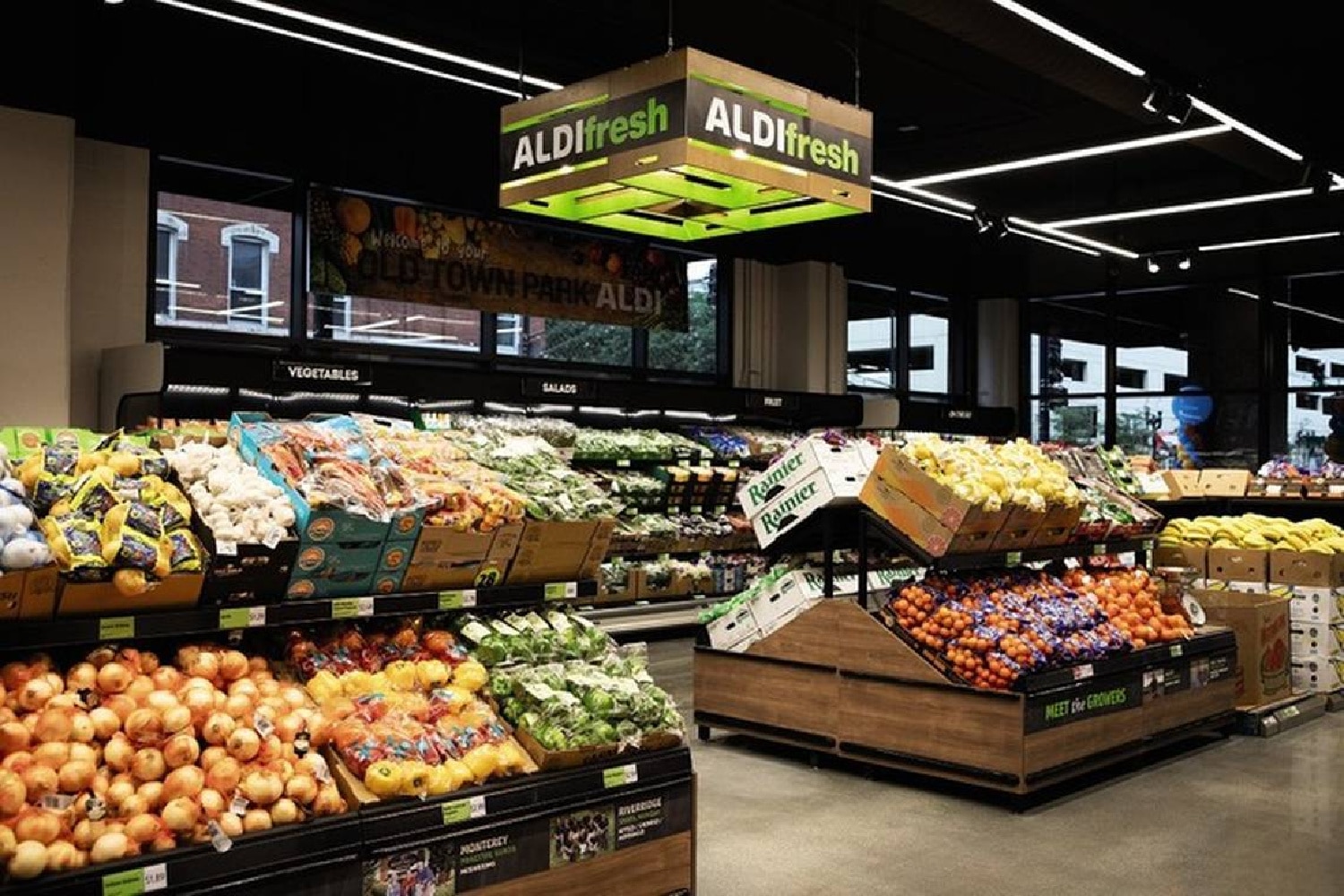
Fruits and vegetables that are in season are often fresher and much cheaper. Out-of-season produce usually costs more due to shipping and storage expenses. Shopping seasonally not only saves money but also improves flavor and quality. It’s a simple shift that can make a big impact on your grocery budget.
Use “First In, First Out” at Home to Reduce Waste
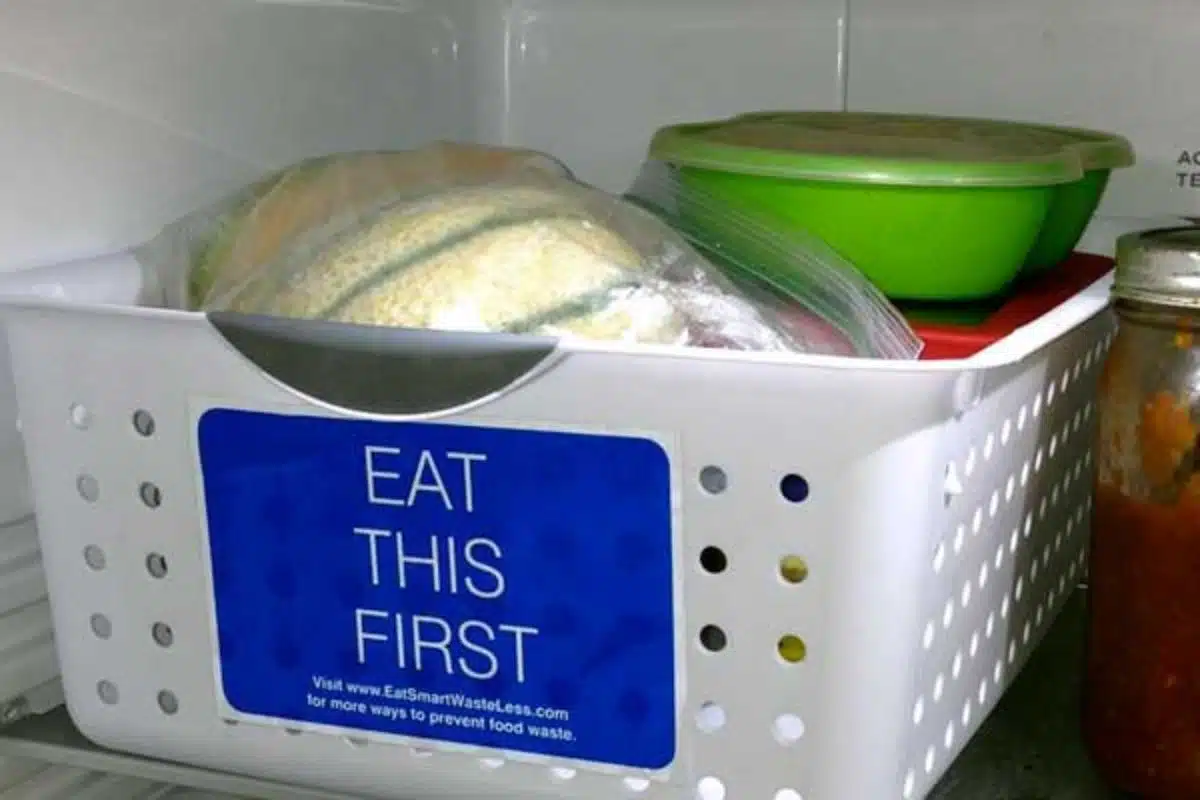
A surprising way to save money is to reduce food waste at home. Organize your fridge and pantry so older items are used first before they expire. This prevents duplicate purchases and forgotten groceries going bad. Over time, this habit can significantly cut down on wasted spending.
Shop Once a Week Instead of Multiple Trips
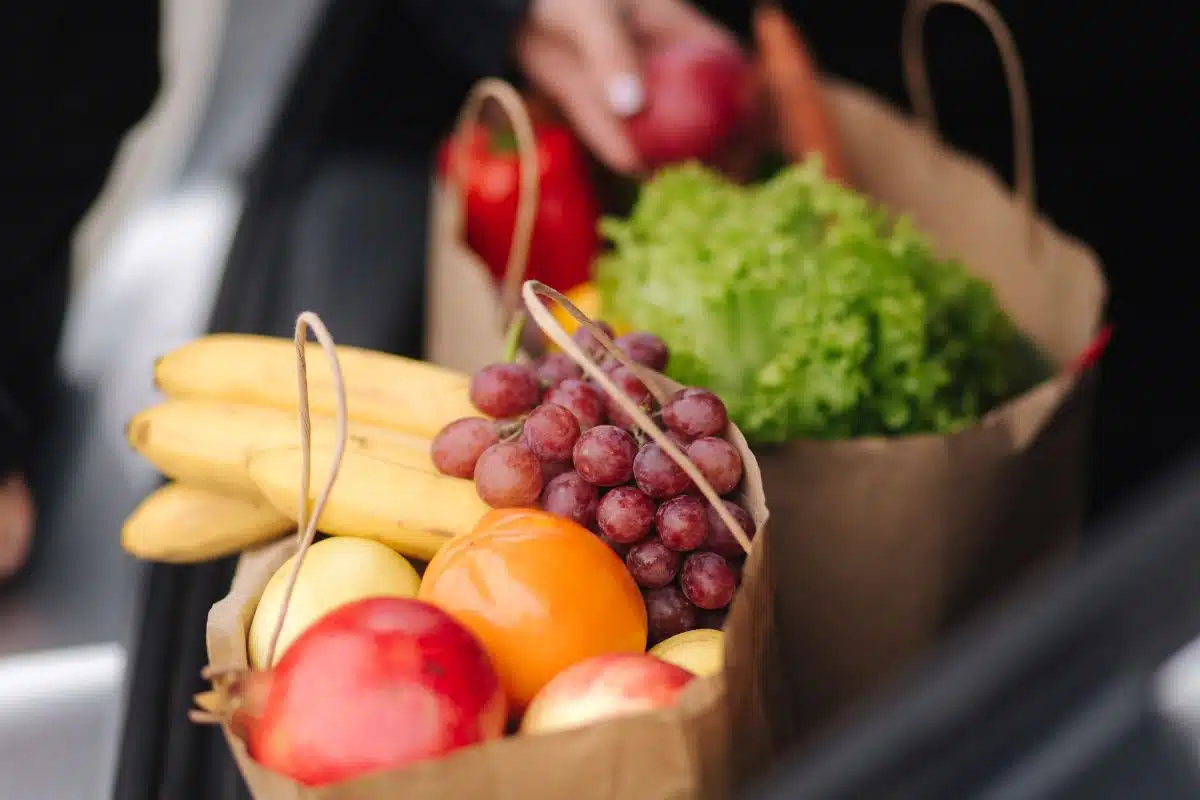
Frequent store visits often lead to extra, unplanned spending. Limiting your grocery trips to once a week helps you stay focused on your list and avoid impulse purchases. It also encourages better meal planning and use of what you already have. Fewer trips usually mean fewer unnecessary purchases.
Check Your Pantry Before You Shop

Many people buy duplicates simply because they don’t realize what they already have. Taking a quick inventory of your pantry, fridge, and freezer helps prevent wasteful spending. It also sparks meal ideas using ingredients you already own. This small step can lead to surprisingly big savings.
Make a List and Stick to It
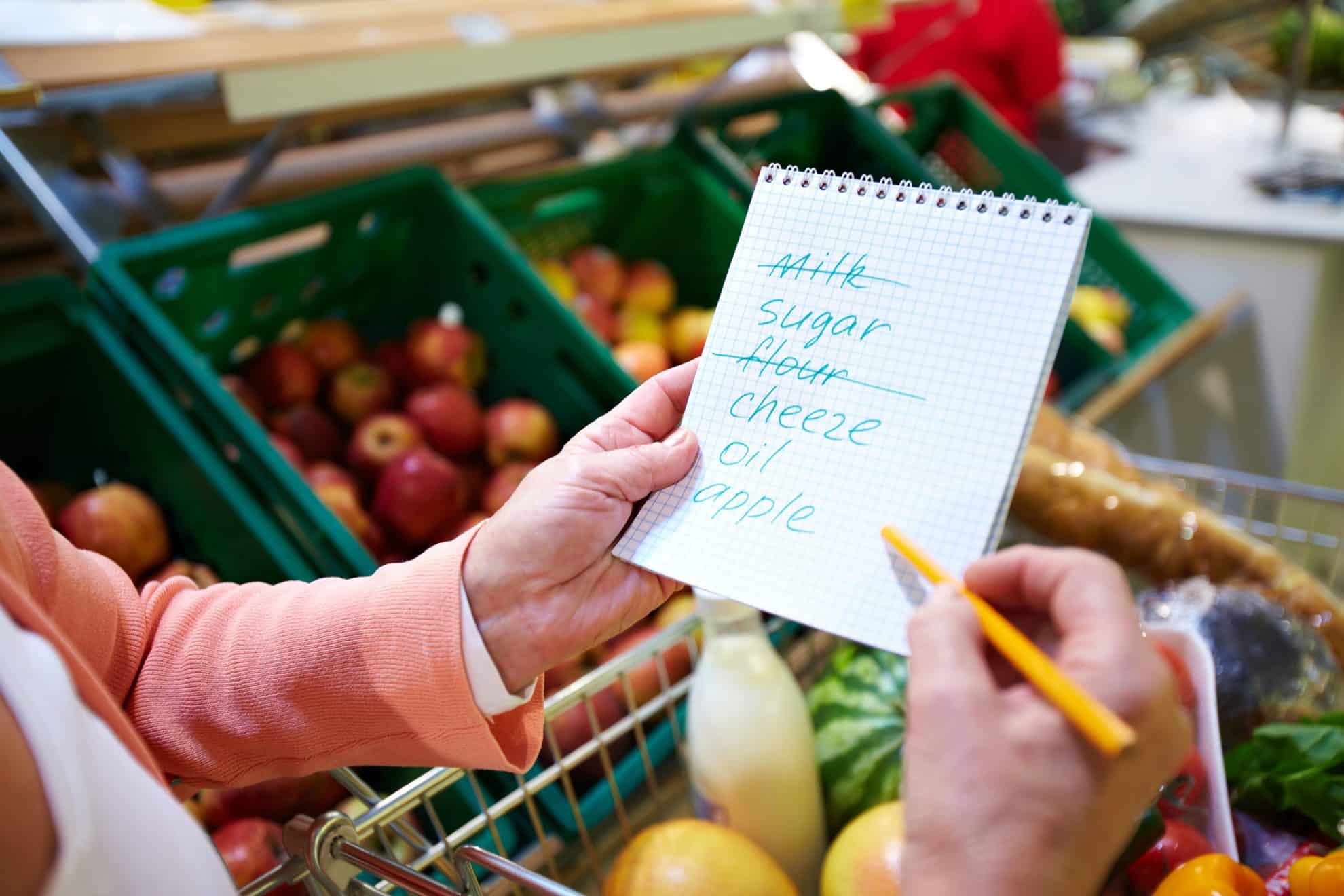
Impulse purchases are one of the fastest ways to overspend at the grocery store. Planning your meals ahead of time and writing a detailed list helps you stay focused on what you actually need. The real challenge is sticking to it once you’re in the store and tempted by extras. A disciplined list keeps both your cart and your budget under control.
Shop Sales and Use Store Loyalty Programs

Weekly sales, digital coupons, and loyalty rewards can significantly reduce your total bill. Many stores offer personalized discounts or cash-back perks just for signing up. Planning your meals around what’s on sale is an easy way to maximize savings. A few minutes of preparation before shopping can lead to real long-term benefits.
Buy Generic or Store Brands

Store-brand products are often made in the same facilities as name brands but cost much less. From pantry staples to frozen foods, the savings can add up quickly without sacrificing quality. In many blind taste tests, people can’t even tell the difference. Swapping just a few items can noticeably lower your grocery total.
Don’t Shop Hungry

Shopping on an empty stomach can lead to unnecessary cravings and impulse buys. When you’re hungry, everything looks like it belongs in your cart—even items you don’t need. Eating before you shop helps you make more logical, budget-friendly decisions. It’s a simple habit that can prevent overspending.
Buy in Bulk—When It Makes Sense

Bulk buying can be a smart way to lower your cost per item, especially for pantry staples and frozen goods. However, it only works if you’ll realistically use everything before it expires. Focus on items you use regularly rather than trendy or occasional purchases. Done right, bulk shopping can lead to significant long-term savings.
Compare Price Per Unit

The largest package isn’t always the best deal, which is why checking unit pricing matters. Looking at the cost per ounce or pound helps you see the true value of each option. This small step can reveal surprising price differences between brands or sizes. Over time, it becomes one of the easiest ways to save money.
Limit Pre-Packaged and Convenience Foods

Pre-cut produce, shredded cheese, and ready-made meals may save time but come at a higher price. Buying whole ingredients and preparing them yourself can significantly reduce your grocery bill. Even simple prep work like chopping or portioning at home adds up to big savings. A little extra effort can go a long way financially.
This post may contain affiliate links or sponsored content. Disclosure Policy