11 Simple Tips to Grow Juicy Strawberries Right in Your Backyard
There’s nothing quite like picking fresh, juicy strawberries straight from your own backyard. The good news? You don’t need a massive garden or expert skills to grow a sweet, abundant harvest. With a few simple tips and the right care, you can enjoy homegrown strawberries that taste far better than anything from the store. Here are 11 easy ways to grow bigger, juicier berries right at home.
Choose the Right Strawberry Variety
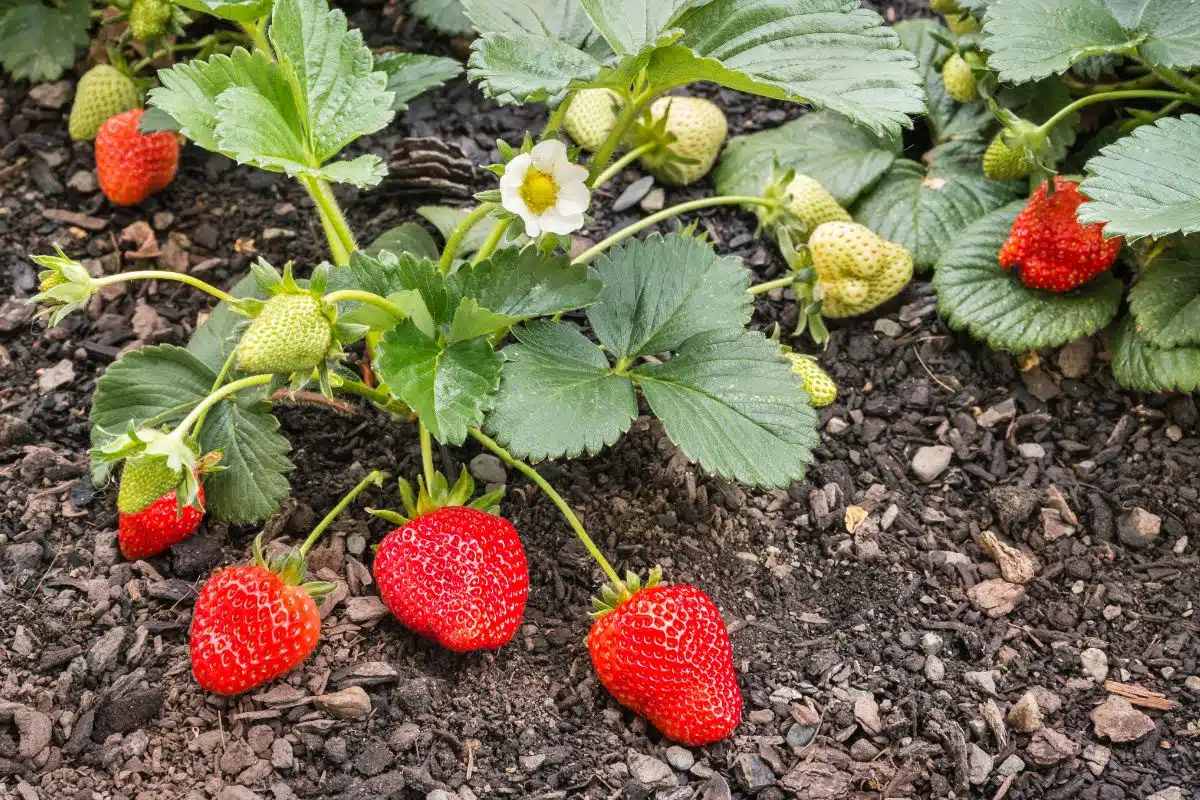
Not all strawberries grow the same, so picking the right type makes a big difference. June-bearing varieties produce one large harvest, while everbearing and day-neutral plants give fruit throughout the season. Consider your climate and how often you want to harvest before choosing. Starting with the right variety sets you up for success from day one.
Plant in Full Sun
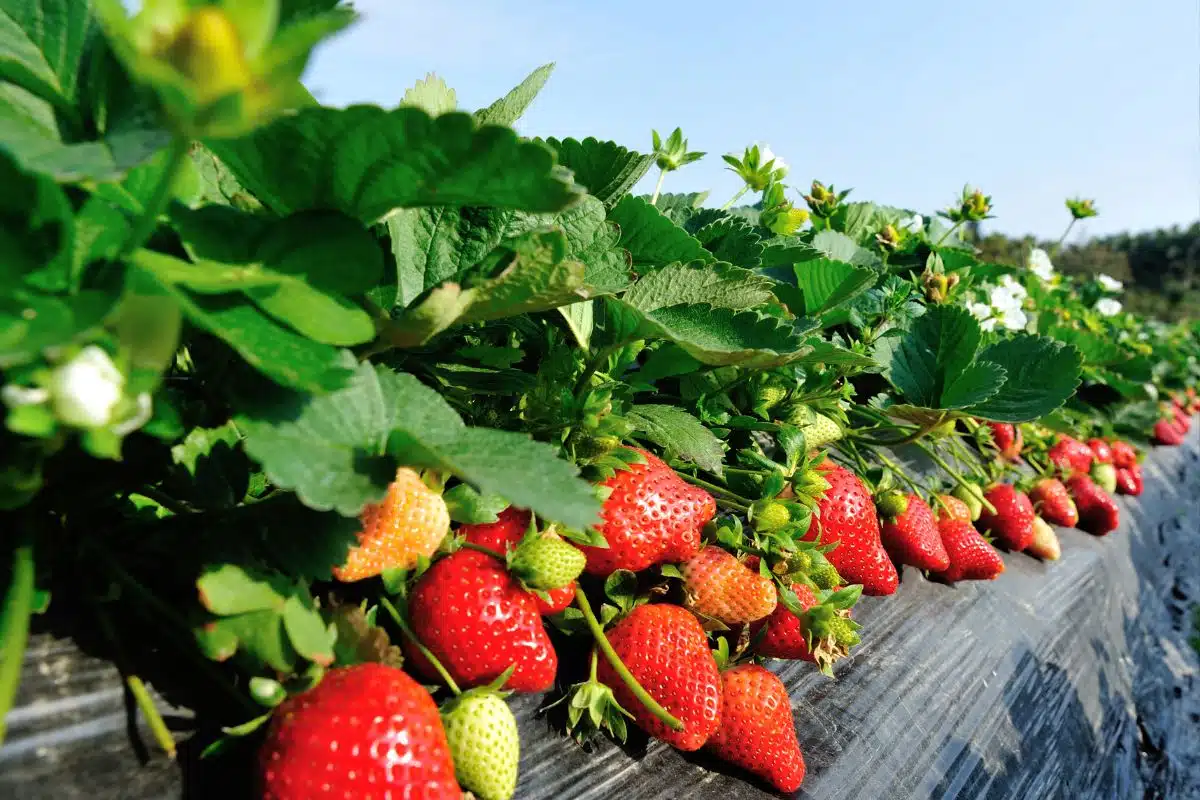
Strawberries thrive in sunlight, and more sun means sweeter fruit. Aim for at least 6–8 hours of direct sunlight each day. Without enough light, plants may grow but produce fewer and less flavorful berries. A bright, open spot in your yard will give your plants the energy they need to flourish.
Use Well-Draining Soil
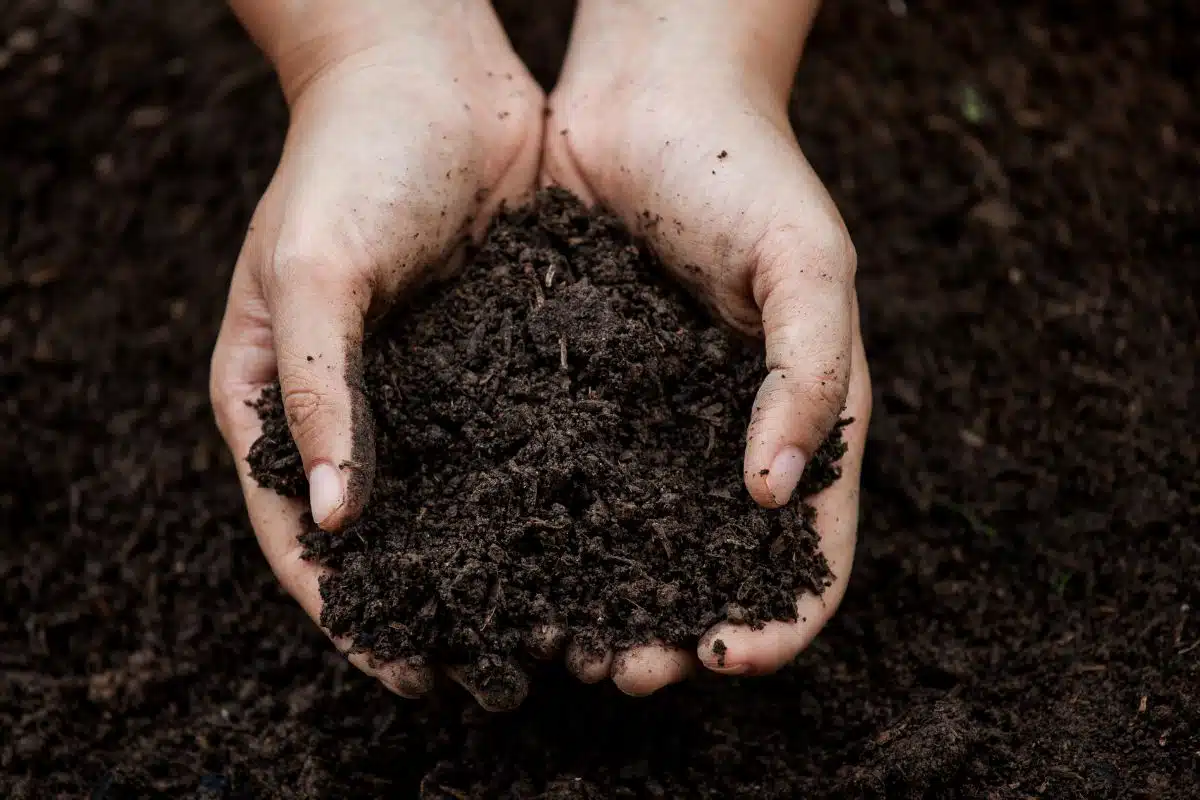
Strawberries don’t like soggy roots, so proper drainage is key. Loose, sandy soil enriched with compost works best for healthy growth. If your soil tends to hold water, consider raised beds or containers. Good drainage helps prevent root rot and keeps plants strong.
Space Plants Properly
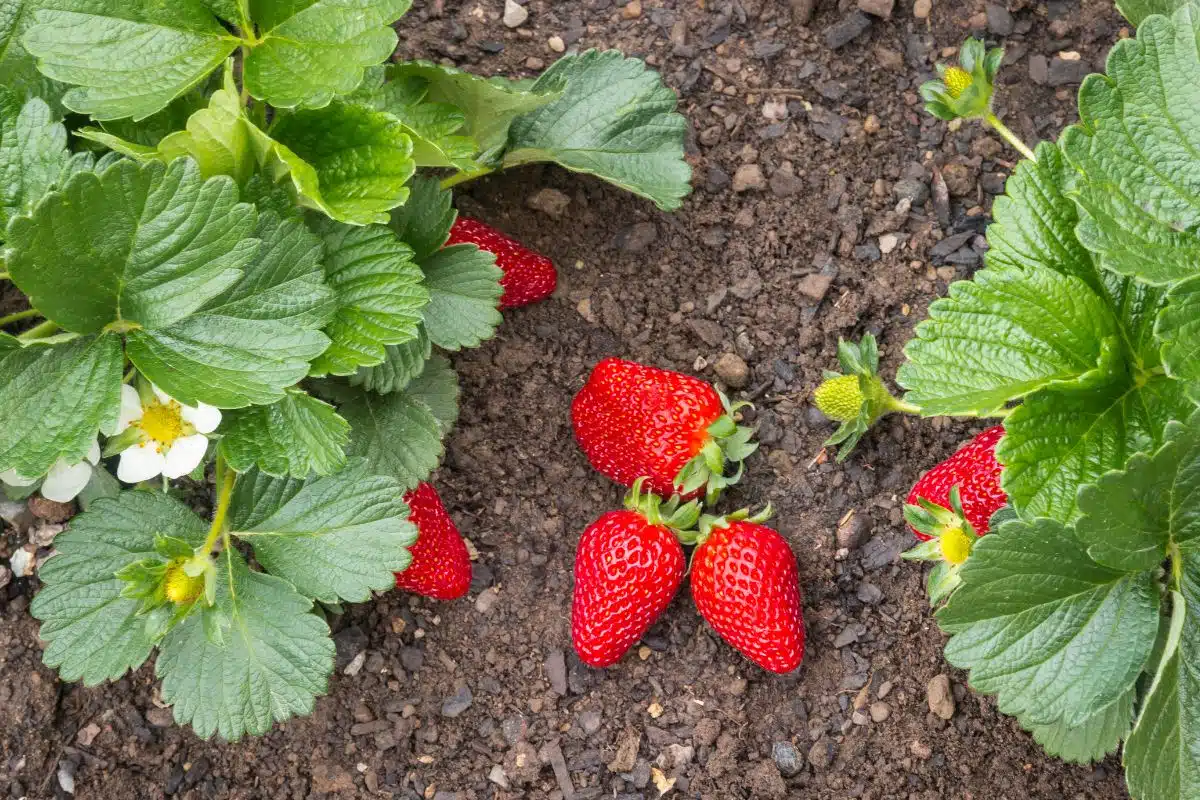
Giving your plants room to breathe helps prevent disease and encourages better fruit production. Space them about 12–18 inches apart in rows. Crowded plants compete for nutrients and sunlight, which can lead to smaller berries. Proper spacing keeps everything growing evenly and healthily.
Water Consistently
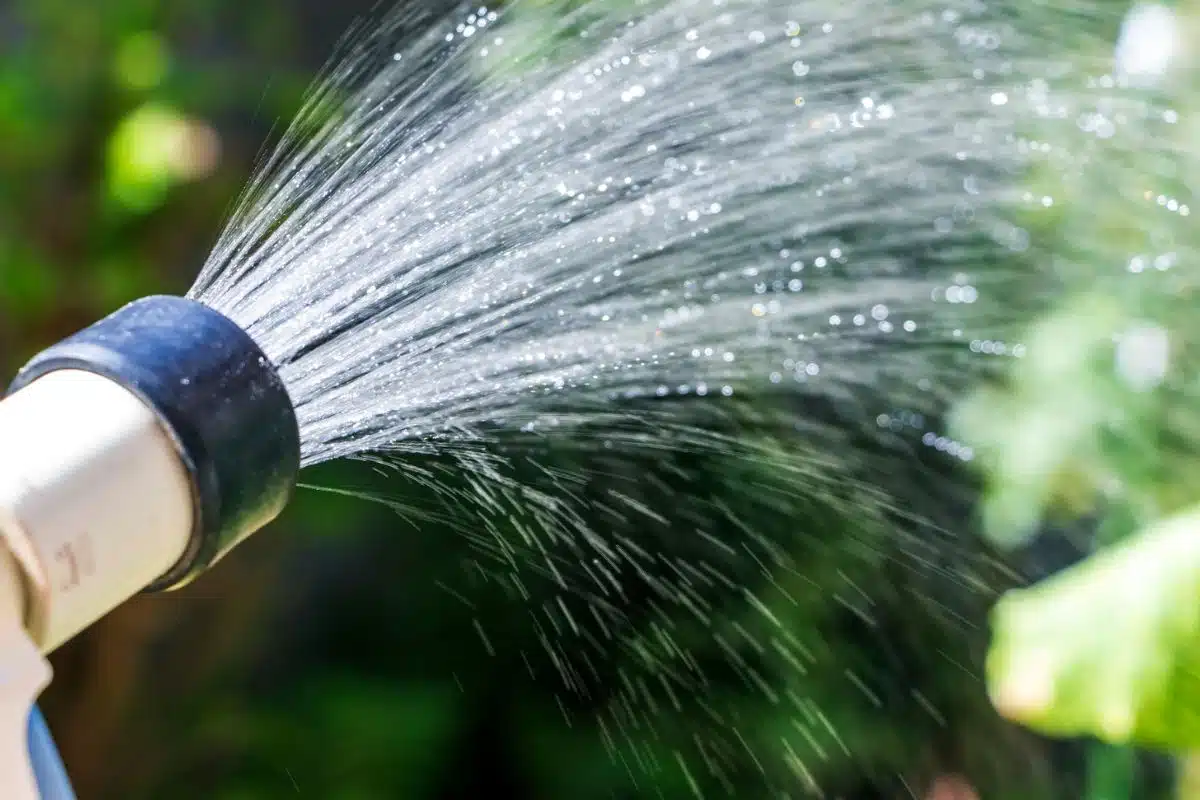
Strawberries need steady moisture to produce juicy fruit. Aim to keep the soil evenly moist but not waterlogged. Inconsistent watering can lead to small or misshapen berries. Water at the base of the plant to keep leaves dry and reduce the risk of disease.
Add Mulch Around Plants
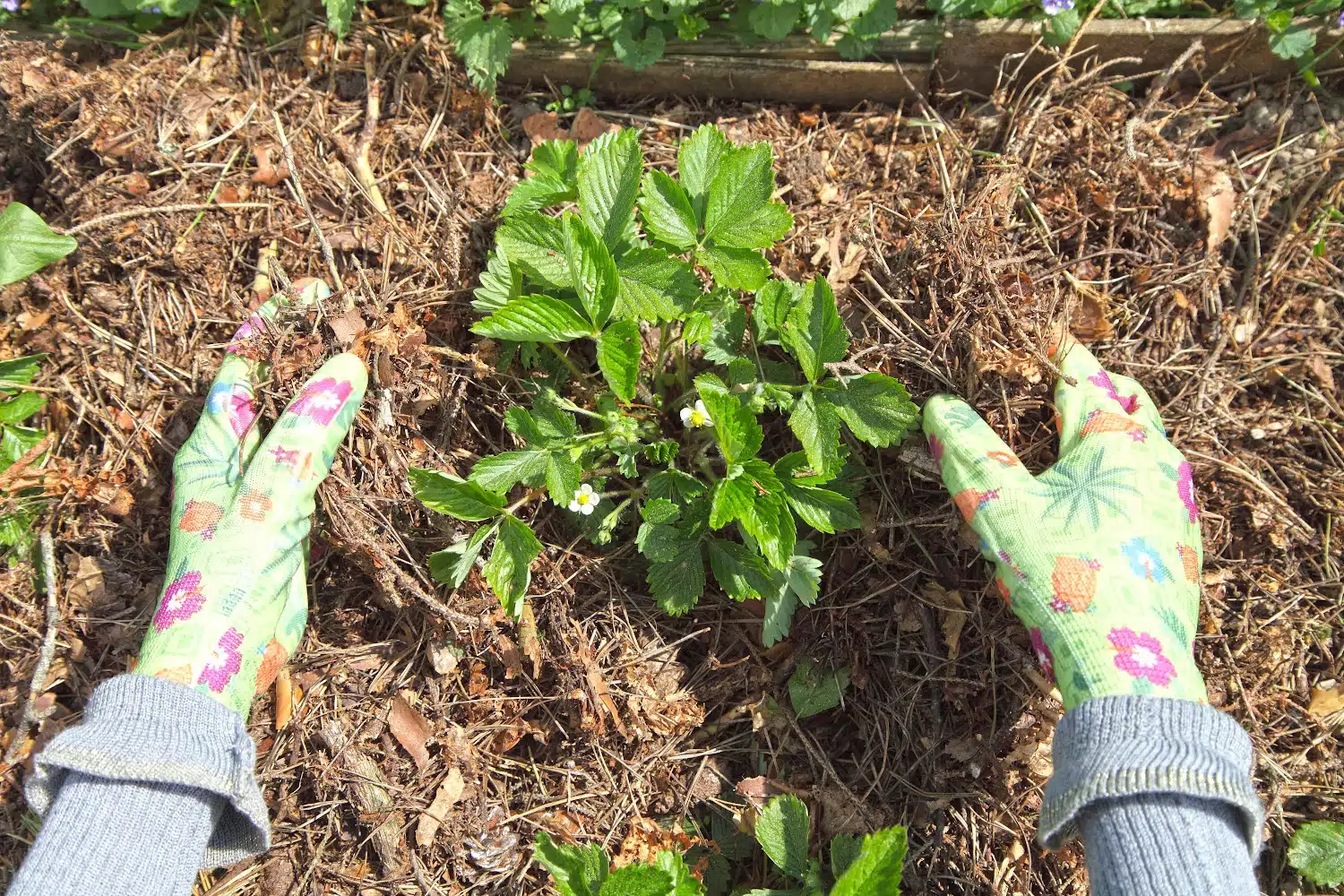
Mulch is a simple trick that makes a big impact. Straw, pine needles, or wood chips help retain moisture and keep weeds under control. It also keeps berries off the soil, preventing rot and keeping them clean. A good layer of mulch can dramatically improve your harvest.
Feed with the Right Fertilizer
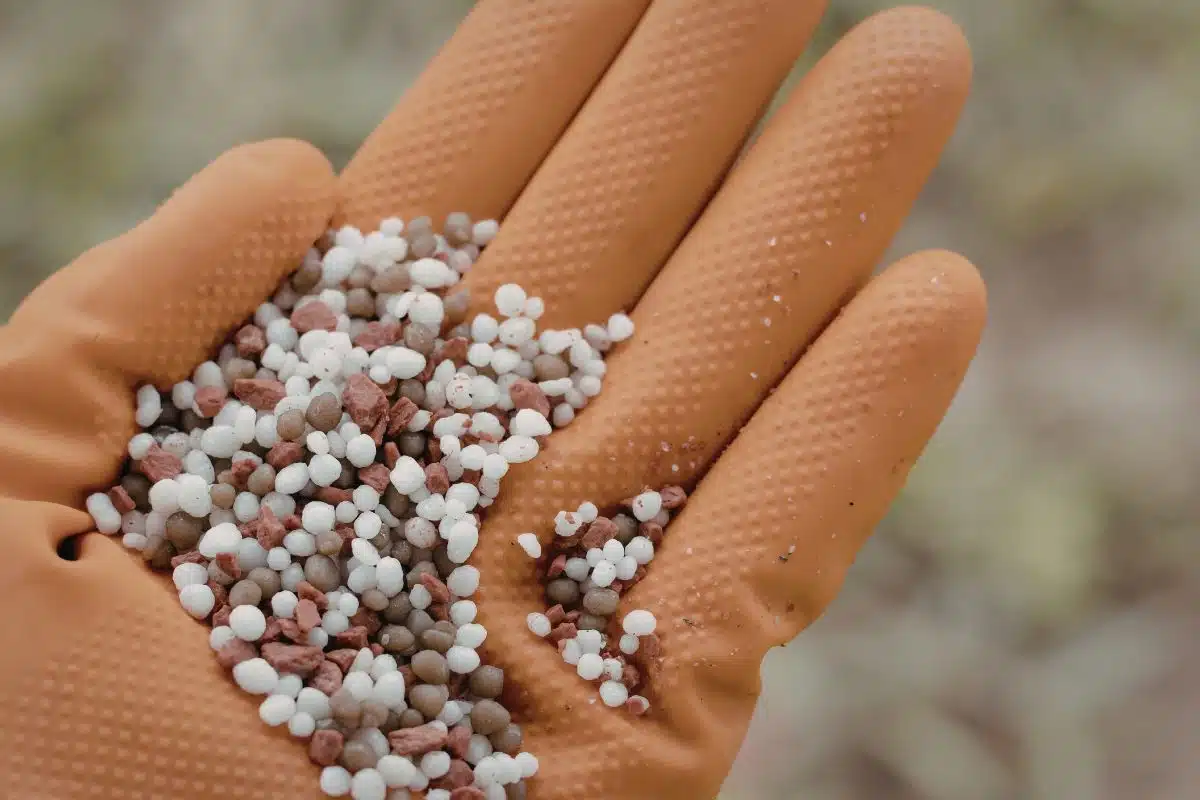
Strawberries benefit from regular feeding, especially during the growing season. Use a balanced fertilizer or one designed for fruiting plants. Too much nitrogen can lead to lots of leaves but fewer berries, so don’t overdo it. Proper feeding supports bigger, juicier fruit.
Remove Runners for Bigger Berries
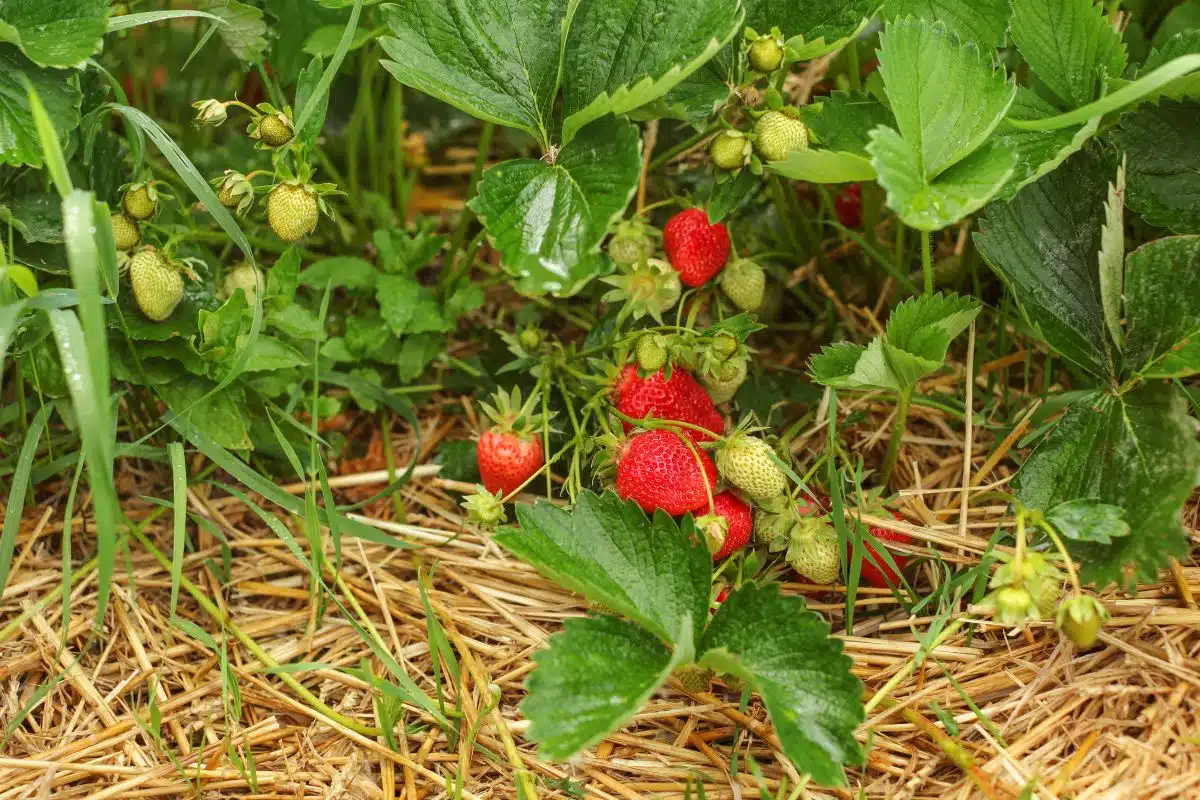
Strawberry plants send out runners to create new plants, but they can drain energy from fruit production. Trim most runners to encourage the plant to focus on growing larger berries. If you want more plants, you can replant a few runners elsewhere. Managing them wisely boosts overall yield.
Protect from Pests and Birds
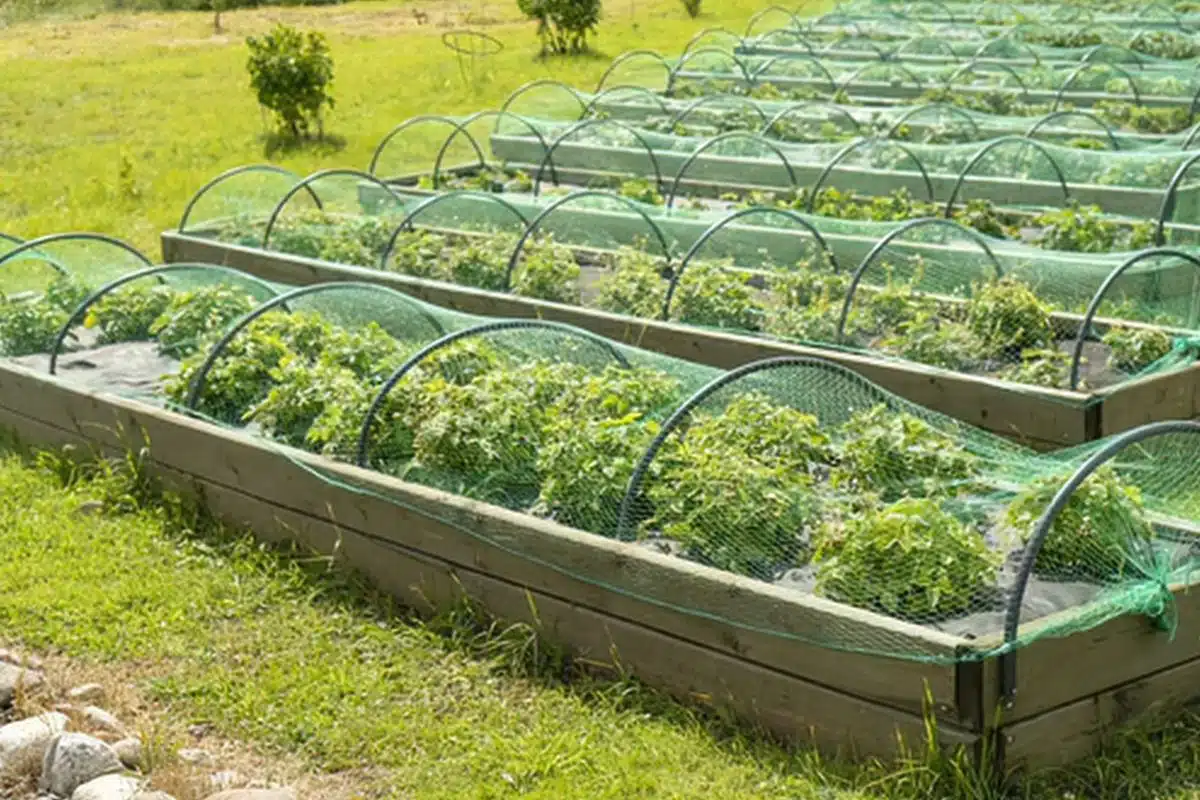
Nothing’s more frustrating than losing ripe berries to birds or insects. Use netting or garden covers to keep them safe. Regularly check for pests like slugs or aphids and address issues early. A little protection goes a long way in preserving your harvest.
Harvest at the Right Time

For the best flavor, pick strawberries when they are fully red and ripe. They won’t continue to ripen after being picked, so timing matters. Gently twist or cut the stem to avoid damaging the plant. Fresh-picked berries are sweeter, juicier, and far more rewarding.
Refresh Plants Each Season
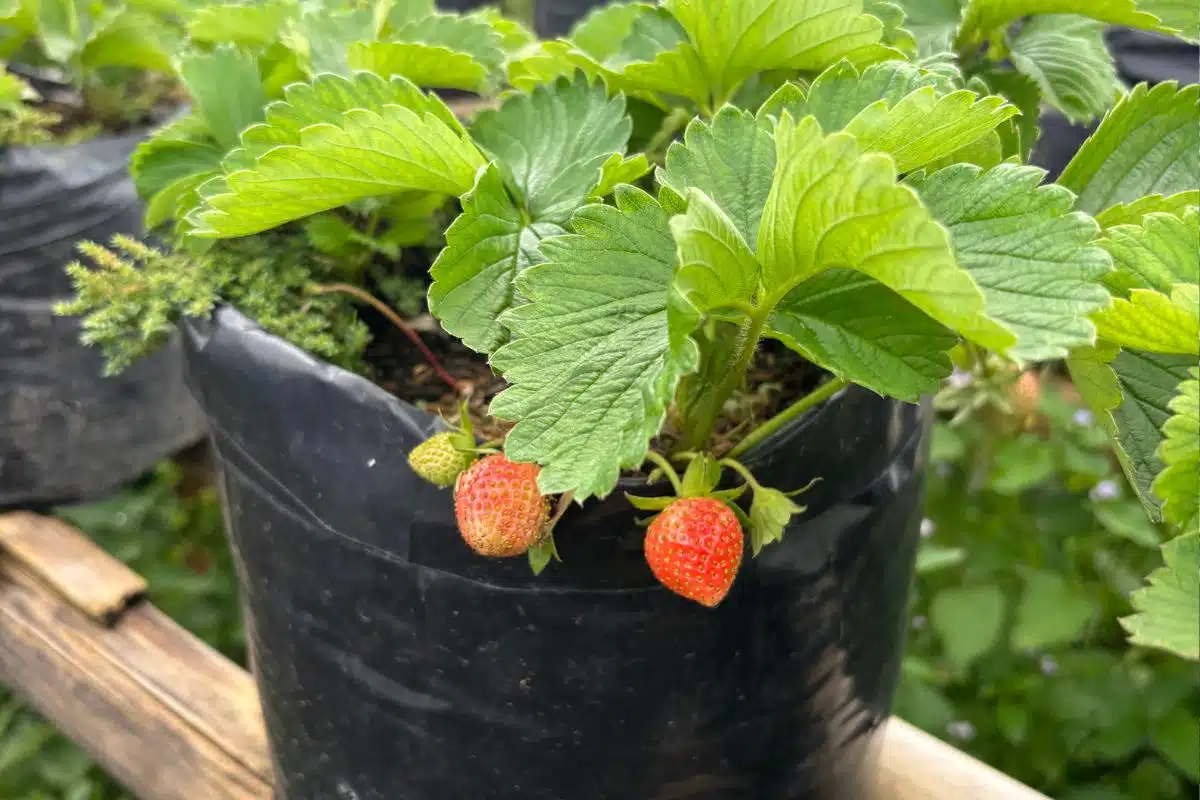
Strawberry plants produce best in their first few years. After that, yields can decline, so it’s smart to rotate in new plants. Use runners from your healthiest plants or purchase fresh ones. Keeping your patch updated ensures strong harvests year after year.
This post may contain affiliate links or sponsored content. Disclosure Policy