14 Affordable Ingredients You Can Turn Into Dozens of Meals
Sustainable cooking has moved firmly into the mainstream as more home cooks and chefs look for ways to eat well while reducing environmental impact. Today’s ingredient choices go far beyond trends—they reflect a growing focus on soil health, water conservation, biodiversity, and smarter use of food resources. From resilient grains to ocean-farmed foods and upcycled pantry staples, these ingredients show that sustainability and flavor can go hand in hand. Here are 14 ingredients gaining momentum in kitchens right now.
Millet
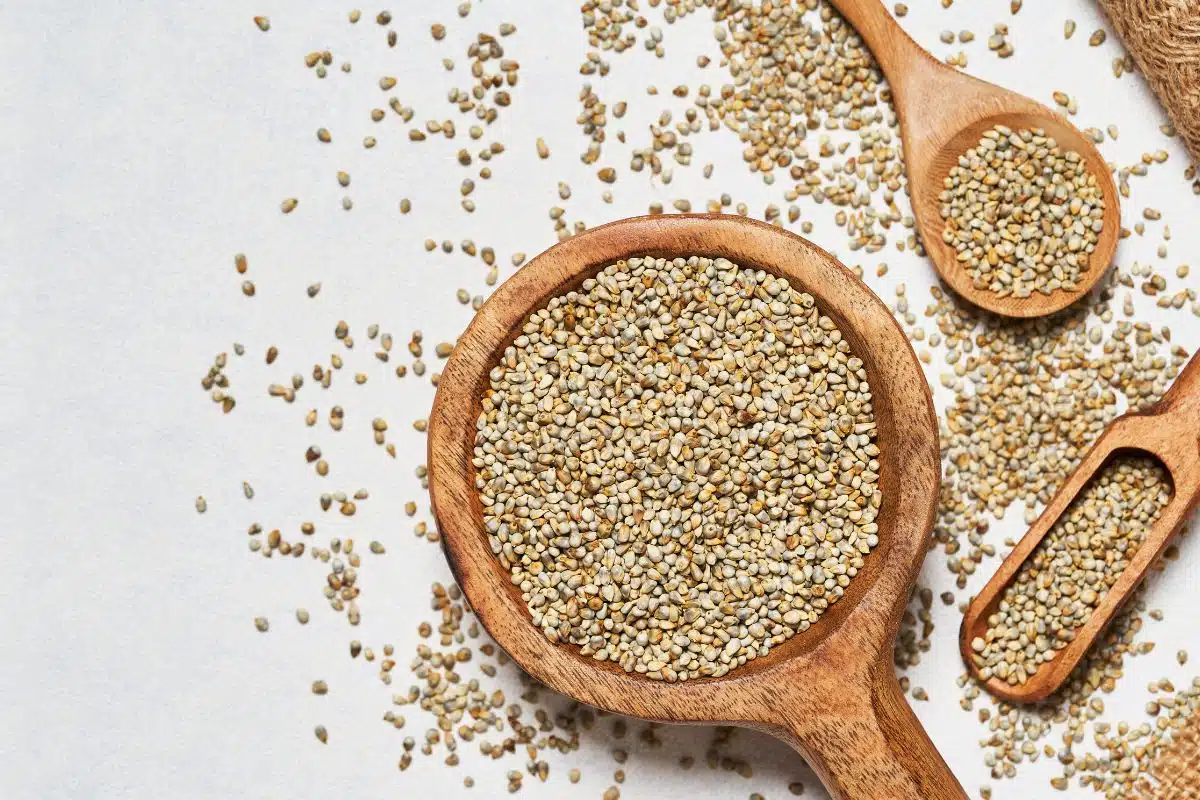
Millet is an ancient grain making a modern comeback thanks to its ability to thrive in dry, challenging climates with minimal resources. It cooks quickly and has a mild, slightly nutty flavor that works well in both sweet and savory dishes. Home cooks often use it as a base for grain bowls, porridge, or as a rice alternative. It’s naturally gluten-free and rich in minerals like magnesium and phosphorus. Because it requires less water than many common grains, it’s often highlighted in discussions around climate-friendly eating. Its versatility makes it an easy pantry swap for more resource-intensive staples.
Seaweed
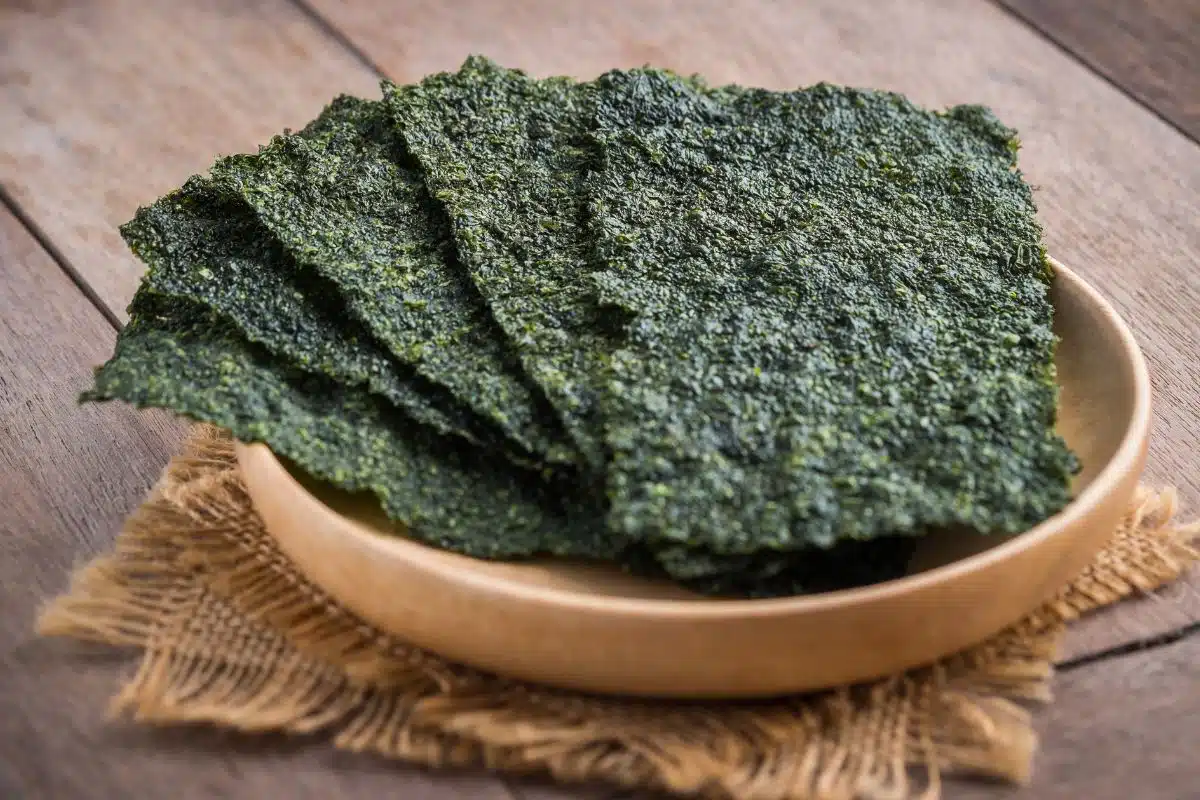
Seaweed is one of the most efficient crops on the planet, growing rapidly in ocean environments without soil, fresh water, or fertilizers. It adds natural umami and a subtle briny depth to dishes, making it popular in soups, salads, snacks, and seasoning blends. Beyond flavor, seaweed provides iodine, calcium, and trace minerals that support overall nutrition. Chefs are increasingly incorporating it into everything from broths to pasta dishes. Its low environmental footprint has made it a standout in sustainable food conversations.
Pulses (Lentils, Chickpeas, Peas)
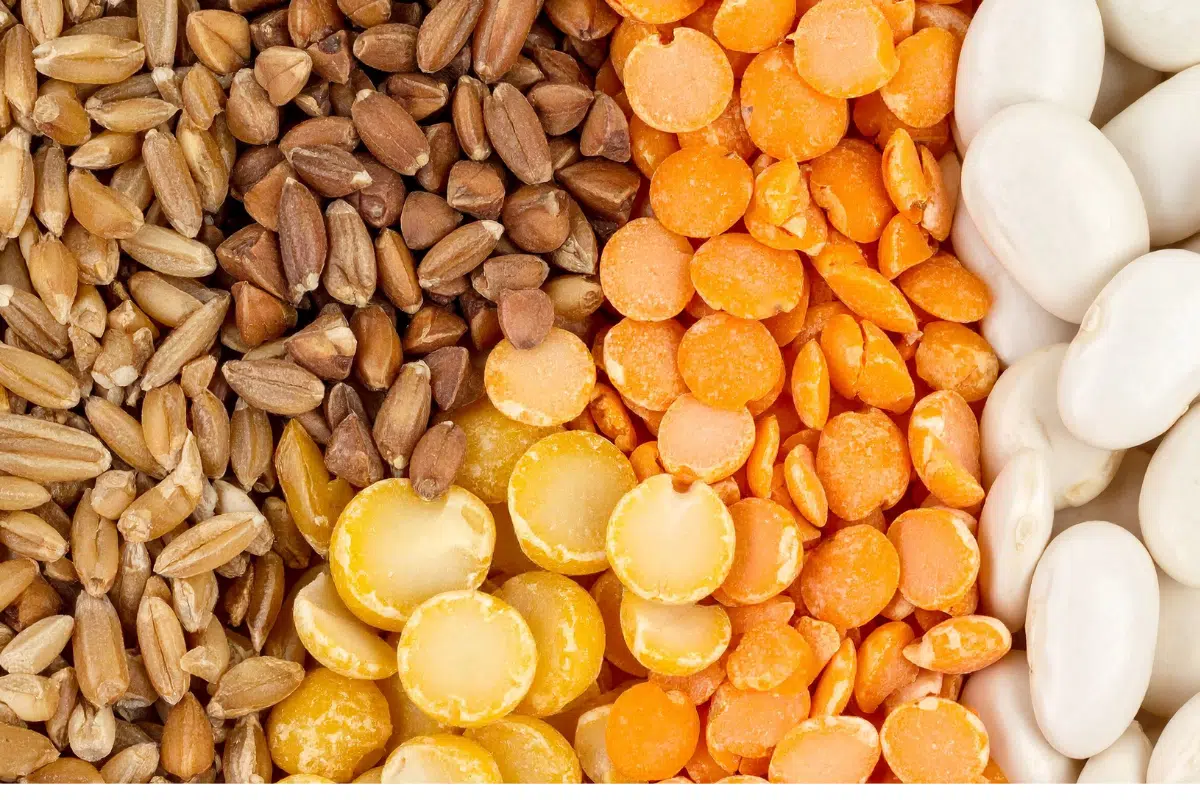
Pulses are among the most widely recognized sustainable proteins due to their ability to improve soil health while requiring relatively low inputs to grow. They are affordable, shelf-stable, and packed with plant-based protein and fiber. They work in a wide variety of dishes, from hearty soups and curries to dips like hummus and fresh salads. Many households rely on pulses as a staple for meatless meals throughout the week. Their versatility makes them a cornerstone of budget-friendly, sustainable cooking.
Oats
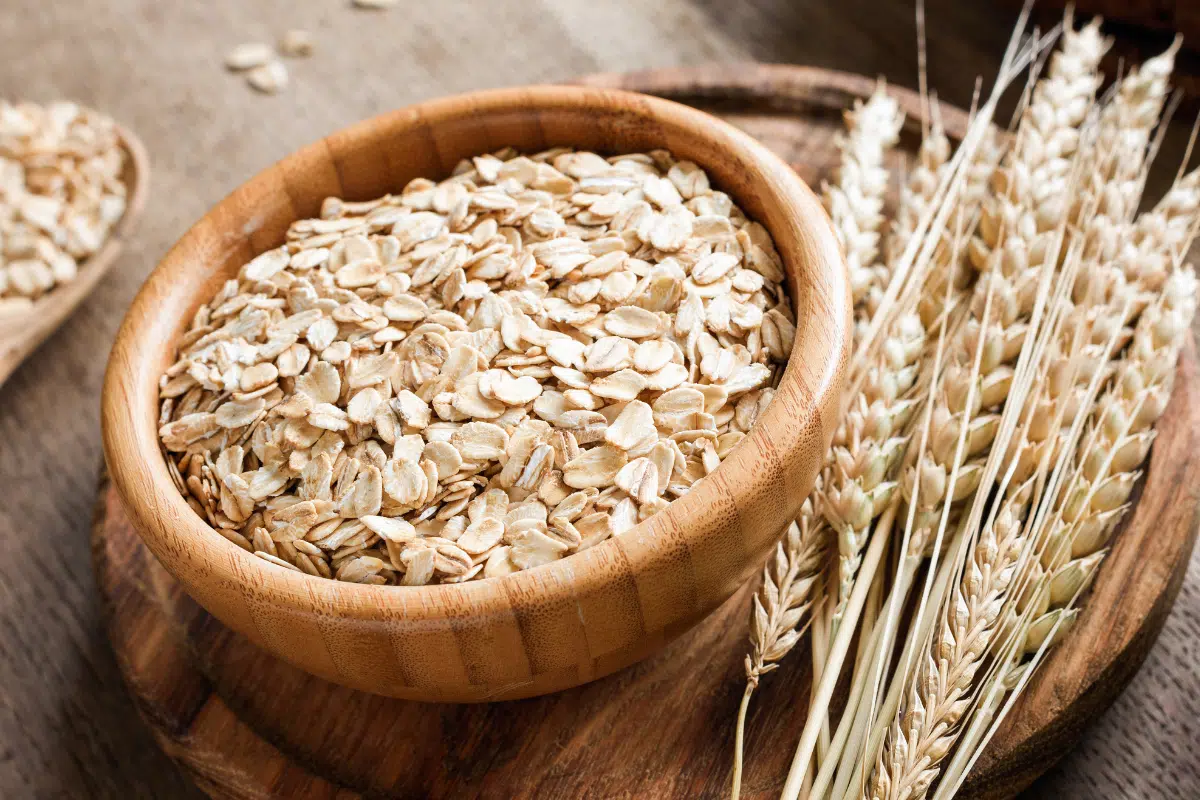
Oats are a resilient crop that grows well in cooler climates and requires fewer inputs than many other grains. While commonly associated with breakfast, oats can also be used in baking, smoothies, and savory dishes. They are rich in fiber, which helps promote fullness and digestive health. Oats can also be ground into flour or used as a binder in recipes like veggie patties and baked goods. Their adaptability makes them a reliable pantry essential.
Mushrooms

Mushrooms are widely praised for their efficient growing process, often cultivated indoors on agricultural byproducts like sawdust or grain husks. This makes them a strong example of low-waste food production. They bring a deep, savory flavor that enhances soups, sauces, stir-fries, and plant-based dishes. Many cooks use mushrooms as a partial or full replacement for meat in recipes. Their texture and umami profile make them especially popular in plant-forward cooking.
Algae Oil

Algae oil is produced through controlled fermentation processes and offers a plant-based source of omega-3 fatty acids. It provides a neutral flavor that works well for cooking, baking, and salad dressings. Because it doesn’t rely on fish harvesting, it helps reduce pressure on marine ecosystems. It’s increasingly used in food manufacturing and health-focused products. As awareness grows, it’s becoming a more common alternative fat source.
Regenerative Dairy
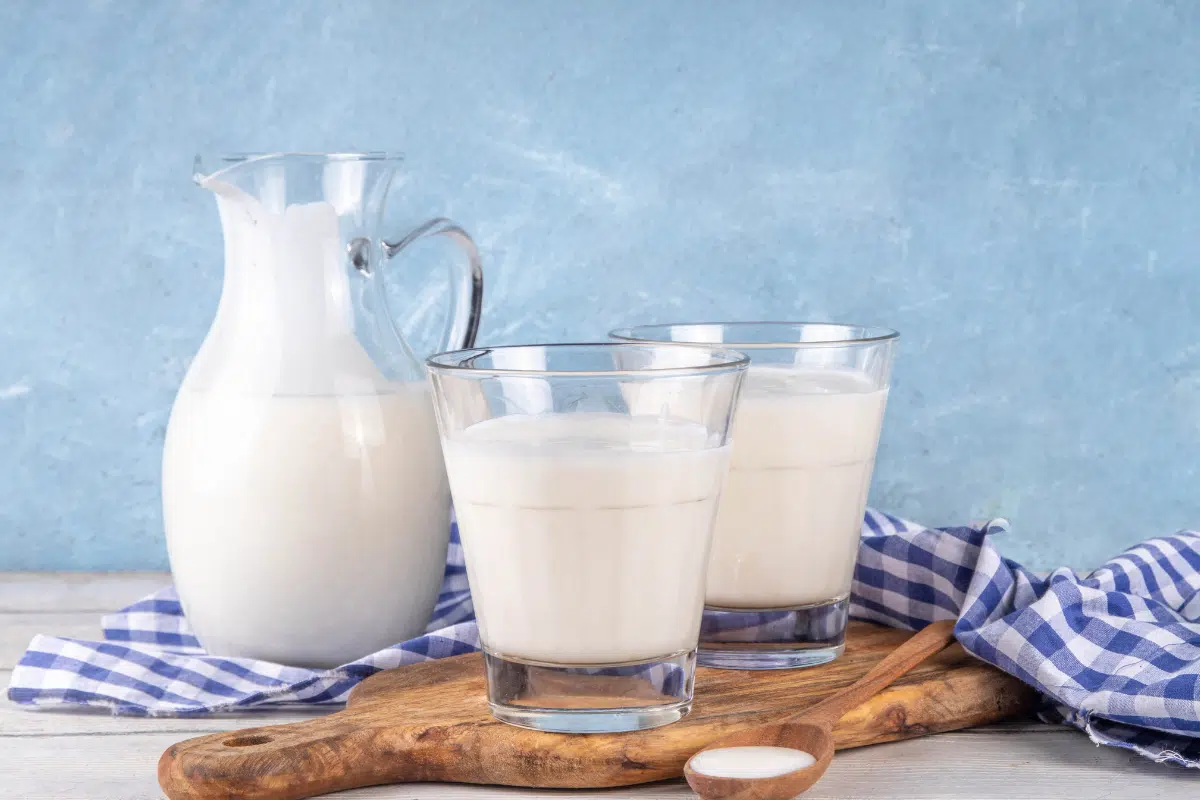
Regenerative dairy comes from farms that focus on improving soil health, biodiversity, and grazing practices. These methods aim to create more balanced ecosystems while maintaining dairy production. Consumers are increasingly looking for these labels when choosing milk, cheese, and yogurt. While practices vary by farm, the overall goal is to reduce environmental impact over time. It represents a shift toward more transparent and land-conscious agriculture.
Invasive Fish (Like Lionfish)

Invasive fish species such as lionfish are being increasingly promoted by chefs as a sustainable seafood choice in affected regions. Harvesting these species helps restore balance to marine ecosystems where they threaten native populations. Lionfish has a mild, flaky texture similar to snapper or grouper, making it appealing in many recipes. It is often featured in restaurants as part of environmental conservation efforts. This approach turns a problem species into a food resource.
Sorghum
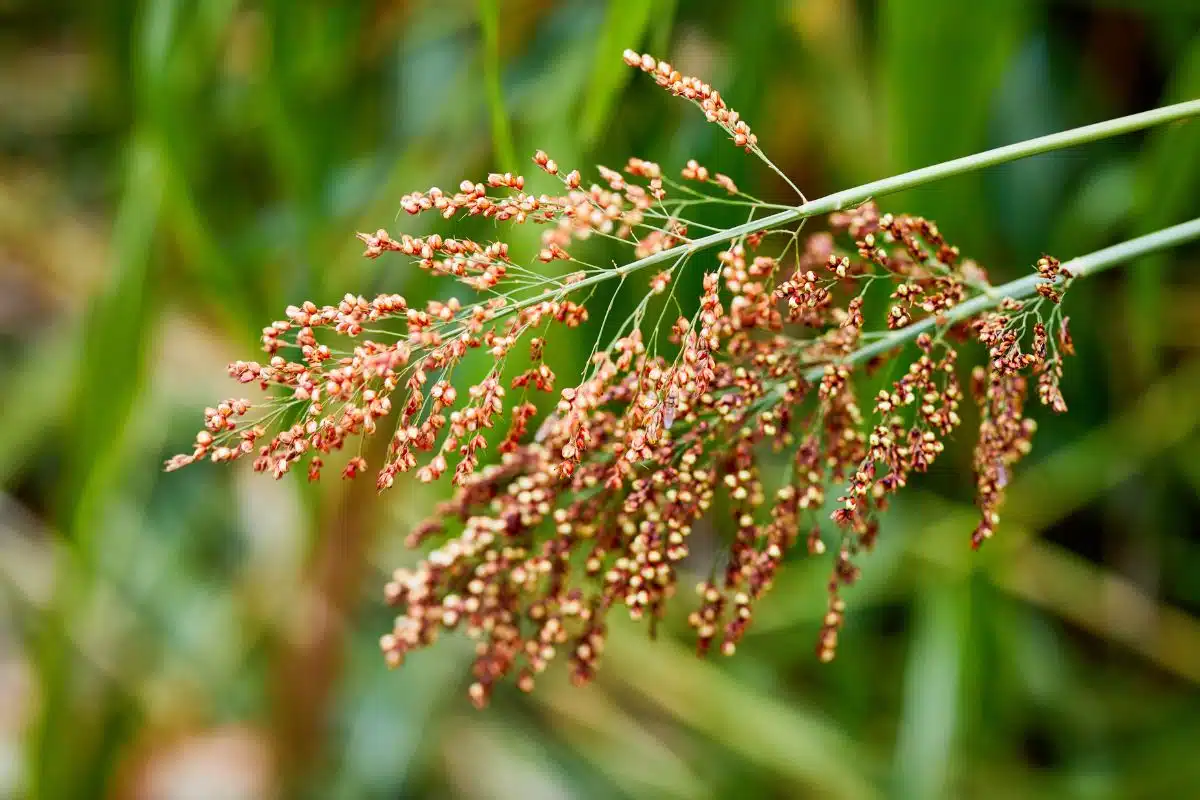
Sorghum is a drought-tolerant grain that thrives in hot, dry climates where other crops may struggle. It is naturally gluten-free and can be cooked whole, popped like popcorn, or ground into flour. Its hearty texture makes it ideal for salads, grain bowls, and side dishes. Sorghum is also increasingly used in gluten-free baking. Its resilience makes it a strong candidate for climate-adaptive agriculture.
Upcycled Ingredients
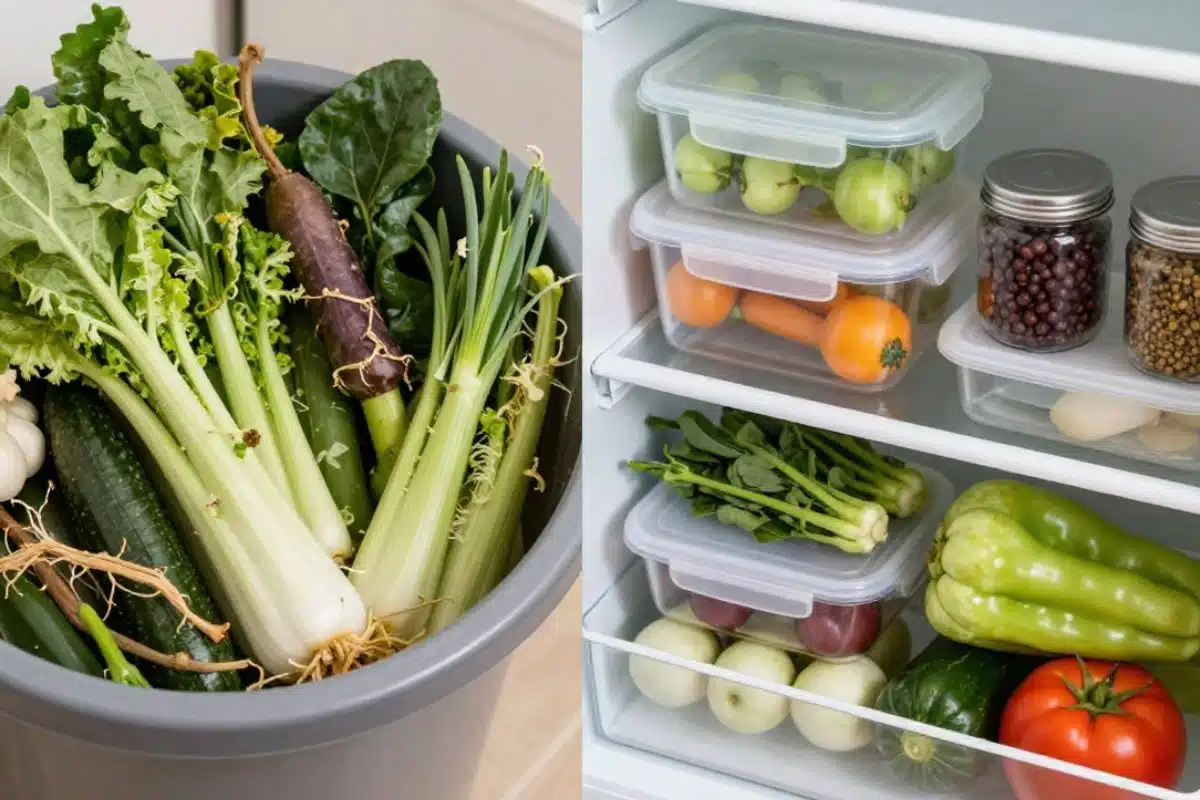
Upcycled ingredients are made from food parts that would otherwise be discarded, such as fruit pulp, spent grains, or vegetable trimmings. This approach helps reduce food waste while creating new pantry products. These ingredients are increasingly found in snacks, flours, and beverages. Brands are using them to rethink how food waste is managed across production systems. It’s a growing category focused on efficiency and sustainability.
Bamboo Shoots
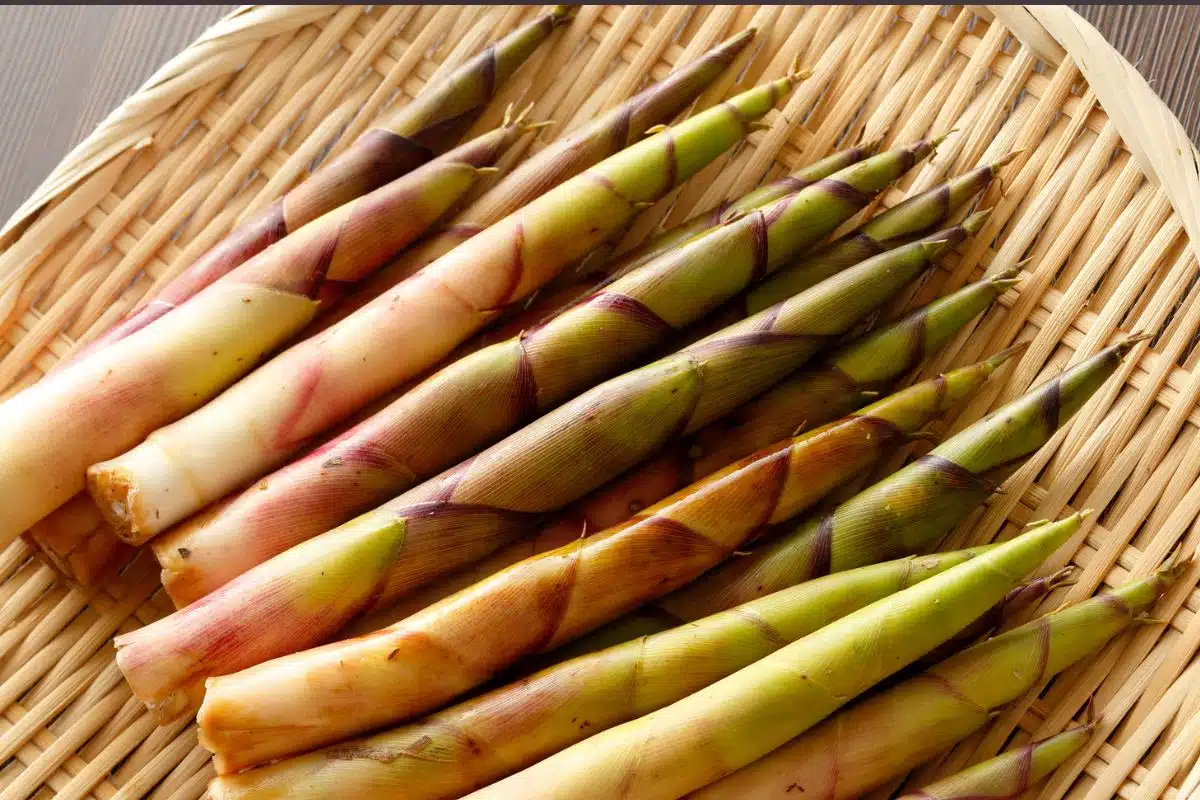
Bamboo shoots come from one of the fastest-growing plants on earth, requiring minimal inputs once established. They are widely used in Asian cuisine for their crisp texture and mild flavor. They appear in stir-fries, soups, and salads, adding both texture and nutrition. Because bamboo regenerates quickly after harvesting, it is often highlighted as a renewable food source. Its cultivation supports low-impact farming systems.
Plant-Based Dairy Alternatives

Plant-based milks and dairy alternatives continue to evolve, with options made from oats, peas, almonds, and seeds becoming widely available. Many newer formulations focus on improved texture, nutrition, and sourcing transparency. These alternatives often require less land and water compared to traditional dairy production. They are used in everything from coffee drinks to baking and cooking. As demand grows, innovation in this category continues to expand rapidly.
Heritage Beans
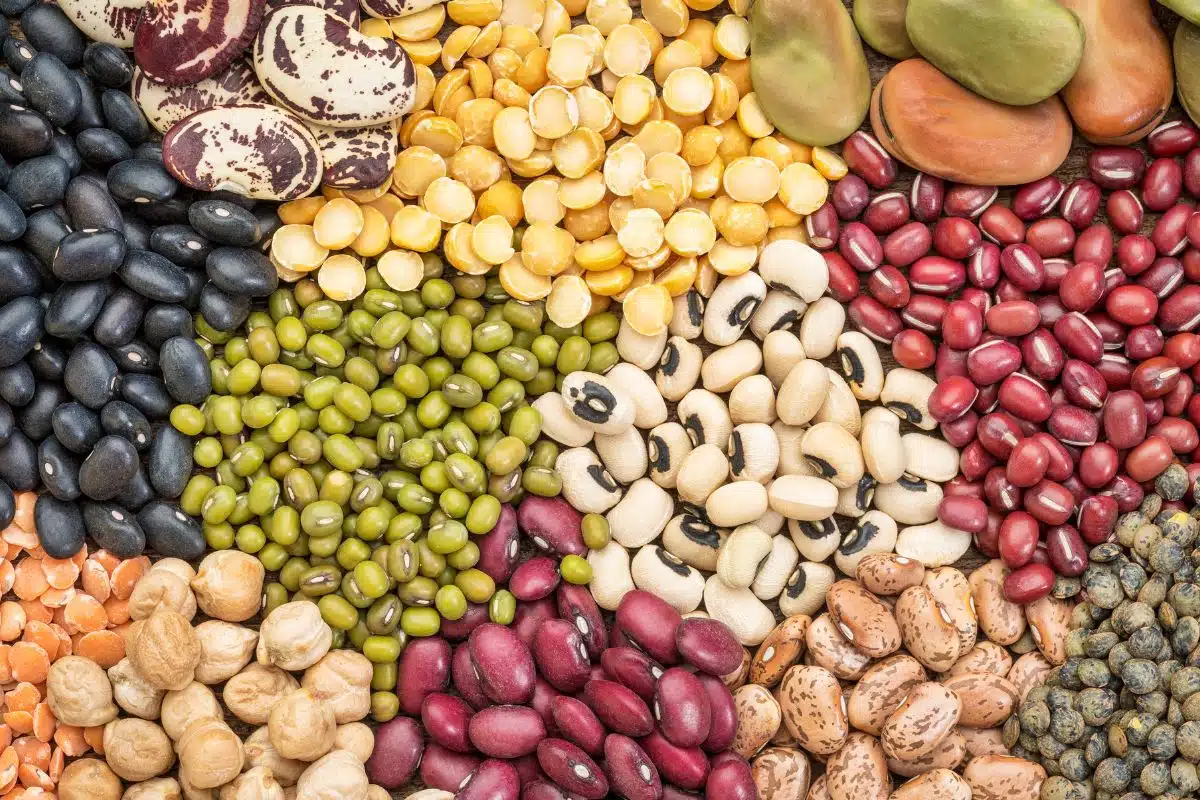
Heritage or heirloom beans help preserve agricultural biodiversity by maintaining older, regionally adapted varieties. They often feature unique colors, textures, and flavors not found in standard commercial beans. These beans are used in soups, stews, salads, and traditional dishes around the world. Supporting their cultivation helps maintain genetic diversity in food crops. They are both a culinary and agricultural heritage ingredient.
Jackfruit
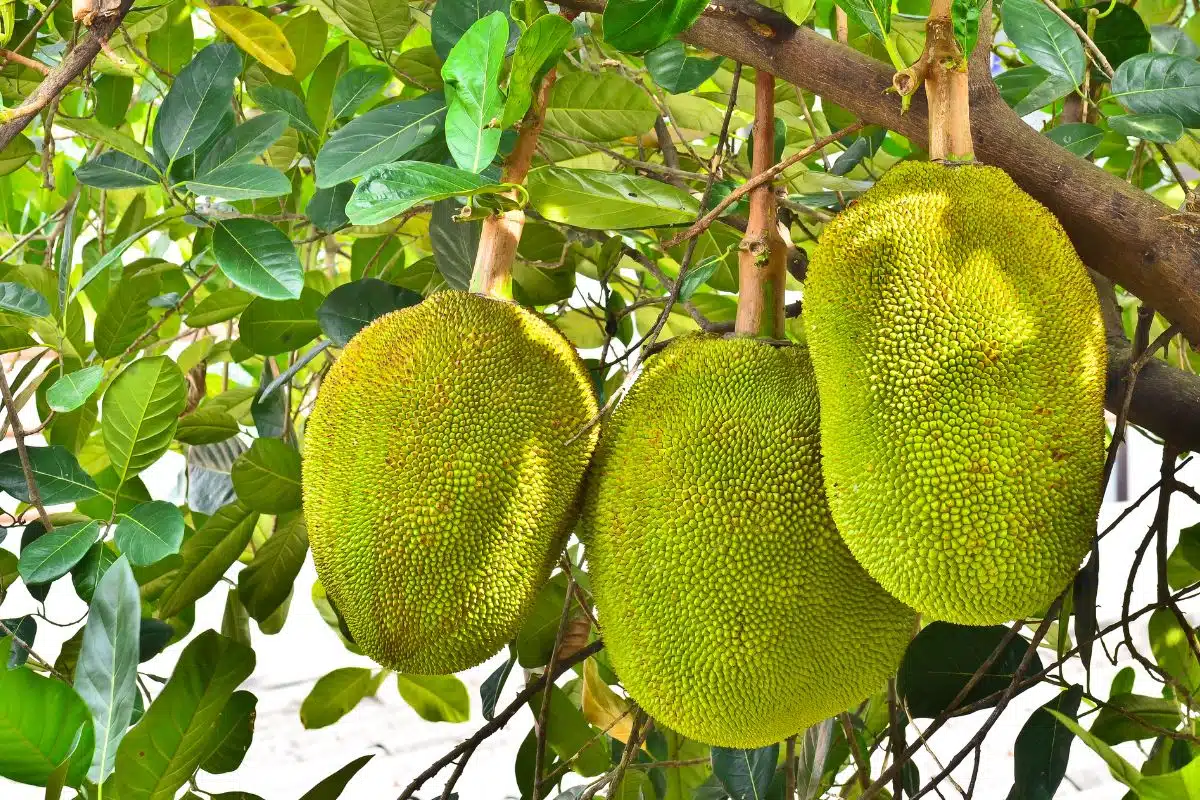
Jackfruit is a tropical fruit known for its large size and high yield per tree. When harvested young, its shredded texture makes it a popular plant-based substitute in savory dishes. It absorbs flavors well, making it ideal for barbecue-style recipes, tacos, and sandwiches. Jackfruit trees require relatively low inputs once established. Its versatility has helped it become a staple in plant-forward cooking.
This post may contain affiliate links or sponsored content. Disclosure Policy