
6 Budget-Friendly Protein Foods Nutritionists Recommend
Getting enough protein doesn’t have to mean buying expensive cuts of meat or filling your cart with specialty products. Many of the most nutritious protein-rich foods are inexpensive, widely available, and versatile enough to use in dozens of recipes. Whether you’re trying to eat healthier, stretch your grocery budget, or simply add more protein to your meals, these affordable staples deliver excellent nutritional value. Here are six protein foods that registered dietitians and nutrition experts frequently recommend for their combination of nutrition, convenience, and cost.
Canned Tuna

Canned tuna remains one of the most affordable sources of lean protein available. It’s rich in protein and provides important nutrients like selenium and vitamin B12, while many varieties also contain heart-healthy omega-3 fatty acids. Use it for sandwiches, salads, wraps, pasta dishes, or tuna melts when you need a quick meal. Choosing products labeled as sustainably sourced is another way to support responsible fishing practices.
Eggs
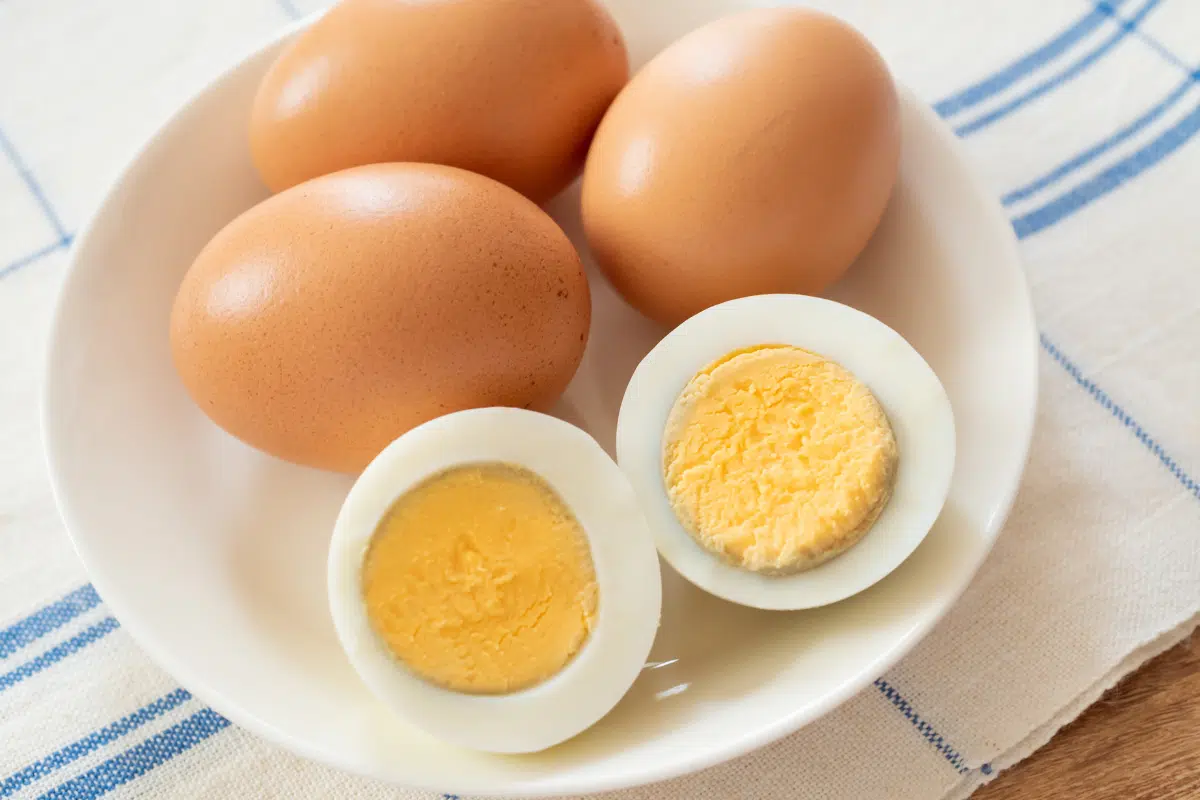
Eggs provide complete, high-quality protein containing all nine essential amino acids. They’re also an excellent source of nutrients including choline, vitamin D, and several B vitamins. Their versatility makes them a staple for breakfast scrambles, omelets, grain bowls, sandwiches, salads, and even simple dinners. Few foods offer as much nutrition per serving at such a reasonable price.
Lentils
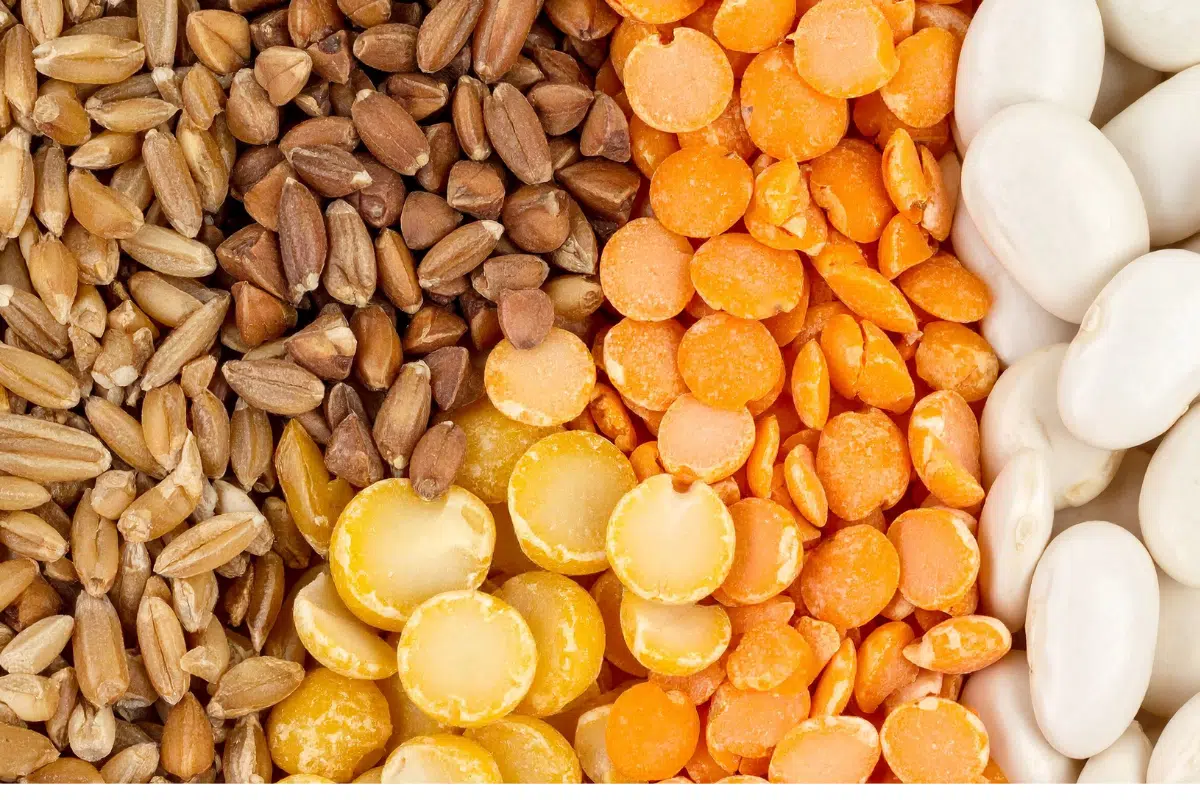
Lentils are one of the most economical plant-based proteins you can buy. In addition to protein, they’re naturally rich in fiber, iron, folate, and complex carbohydrates that help keep you satisfied. Brown, green, red, and black lentils each work well in soups, curries, salads, tacos, and side dishes. Because dried lentils cook relatively quickly and don’t require soaking, they’re an easy pantry staple to keep on hand.
Beans

Whether you choose canned or dried, beans are an affordable way to add protein and fiber to your meals. Black beans, kidney beans, cannellini beans, pinto beans, and chickpeas can be used in soups, chili, grain bowls, tacos, salads, and dips. Pairing beans with whole grains over the course of the day provides a complementary mix of amino acids, making them an excellent protein choice for plant-forward eating. Buying dried beans can stretch your grocery budget even further.
Plain Greek Yogurt

Greek yogurt contains significantly more protein than traditional yogurt because much of the liquid whey has been strained away. Plain varieties also let you control the sweetness by adding fresh fruit, cinnamon, or a drizzle of honey yourself. Beyond protein, Greek yogurt supplies calcium and live cultures that support a balanced diet. Larger containers are often a better value than individual serving cups.
Peanut Butter
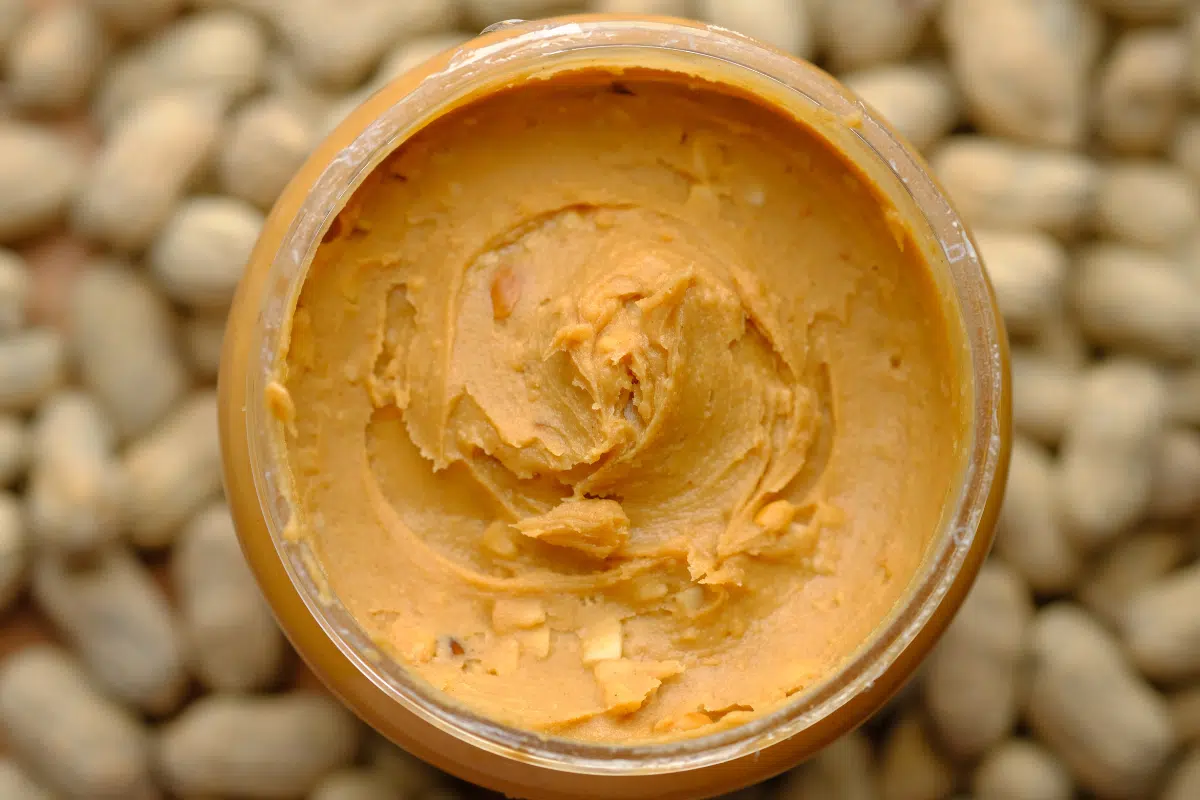
Peanut butter combines plant protein with heart-healthy unsaturated fats, making it a satisfying pantry staple. Spread it on whole-grain toast, blend it into smoothies, stir it into oatmeal, or use it in savory sauces for noodles and stir-fries. When shopping, look for varieties made with just peanuts and salt whenever possible, avoiding products with added sugars or hydrogenated oils. A single jar can provide dozens of affordable servings.
This post may contain affiliate links or sponsored content. Disclosure Policy