10 Classic Recipes Every Home Cook Should Have in Their Repertoire
You don’t need hundreds of recipes to become a confident cook. In fact, mastering a handful of foundational dishes can teach techniques that apply to countless meals, helping you save money, waste less food, and feel more comfortable in the kitchen. The best recipes aren’t necessarily the trendiest—they’re the ones you’ll return to again and again because they’re versatile, practical, and endlessly adaptable. These classic dishes build essential cooking skills while providing meals you’ll enjoy for years to come.
Roast Chicken
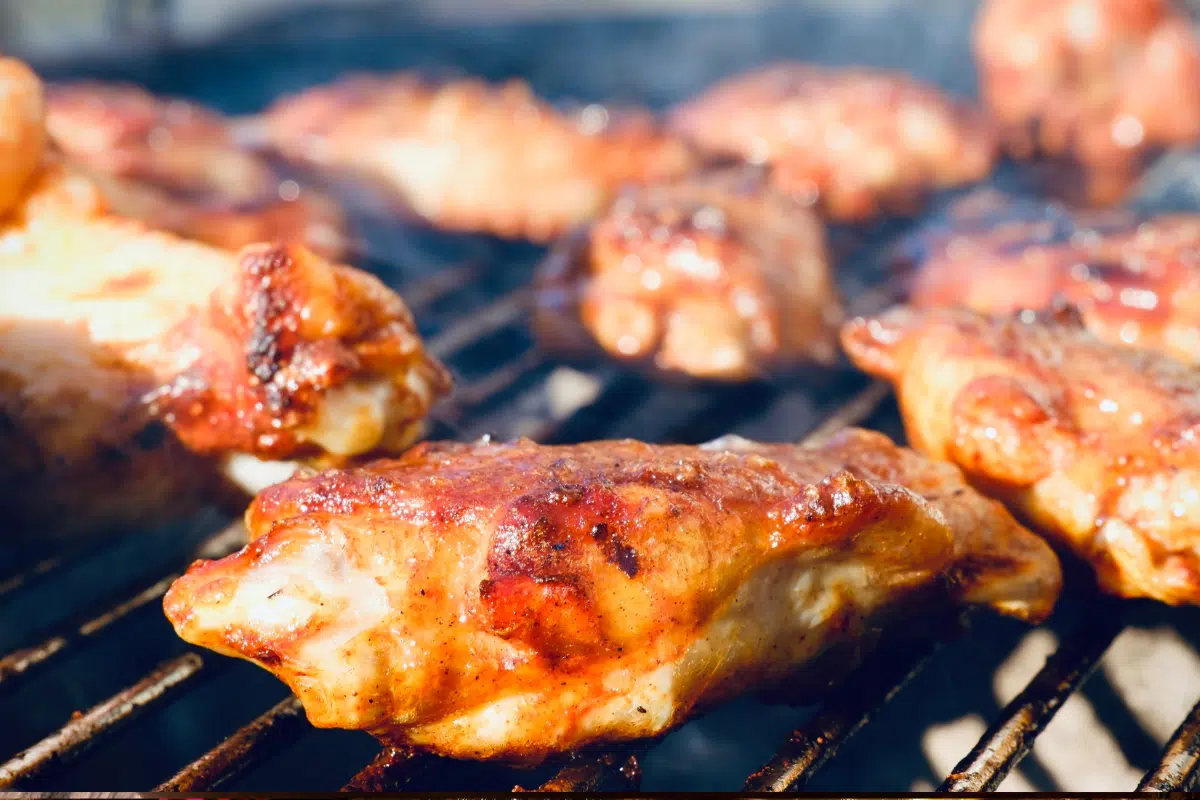
Roast chicken remains one of the most valuable recipes a home cook can learn. It teaches important skills such as seasoning, temperature management, and knowing when meat is properly cooked. A well-roasted chicken can serve as the centerpiece of a family dinner, while leftovers can be transformed into soups, sandwiches, salads, tacos, and casseroles. It’s also one of the most economical ways to prepare a high-quality protein.
Homemade Tomato Sauce
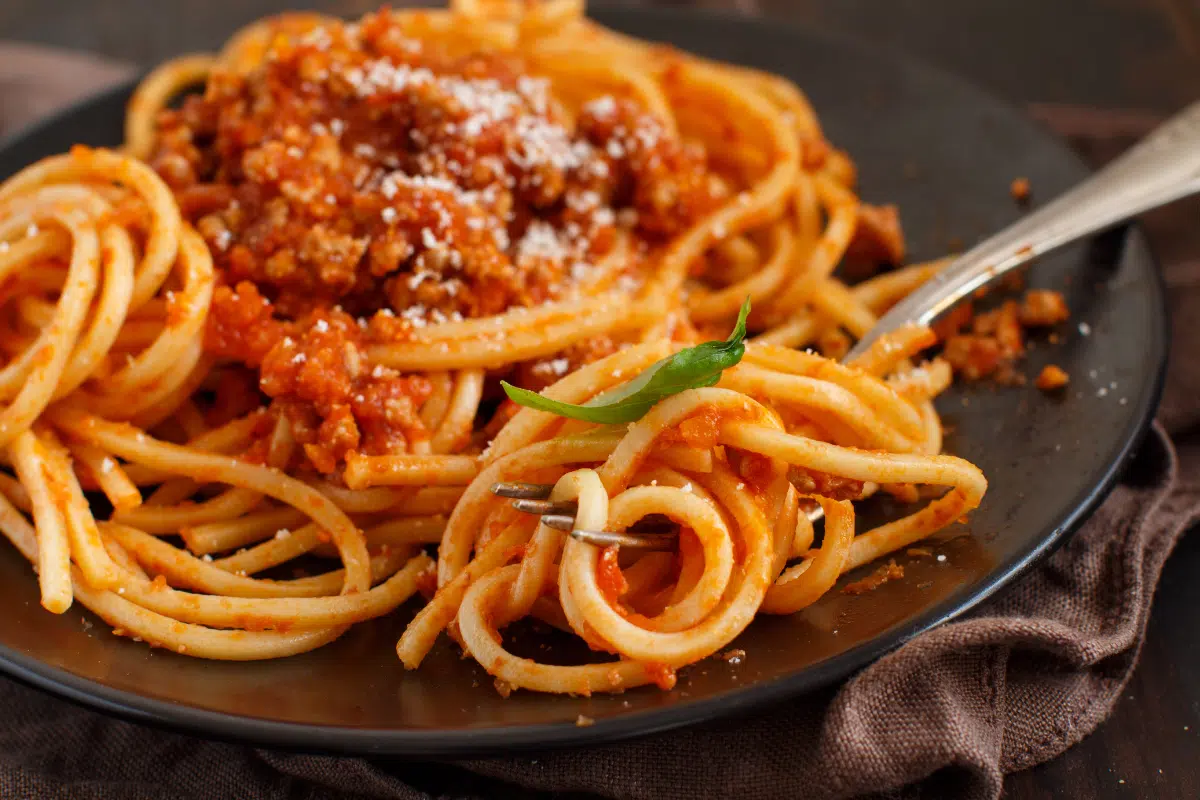
A simple tomato sauce is the foundation of countless meals, from pasta and pizza to soups and braised dishes. Learning how to balance acidity, sweetness, herbs, and seasoning gives you greater control over flavor than any jarred version. Once you understand the basics, you can easily customize the sauce with vegetables, meats, or spices. It’s a skill that pays off every time you cook Italian-inspired meals.
Stir-Fry
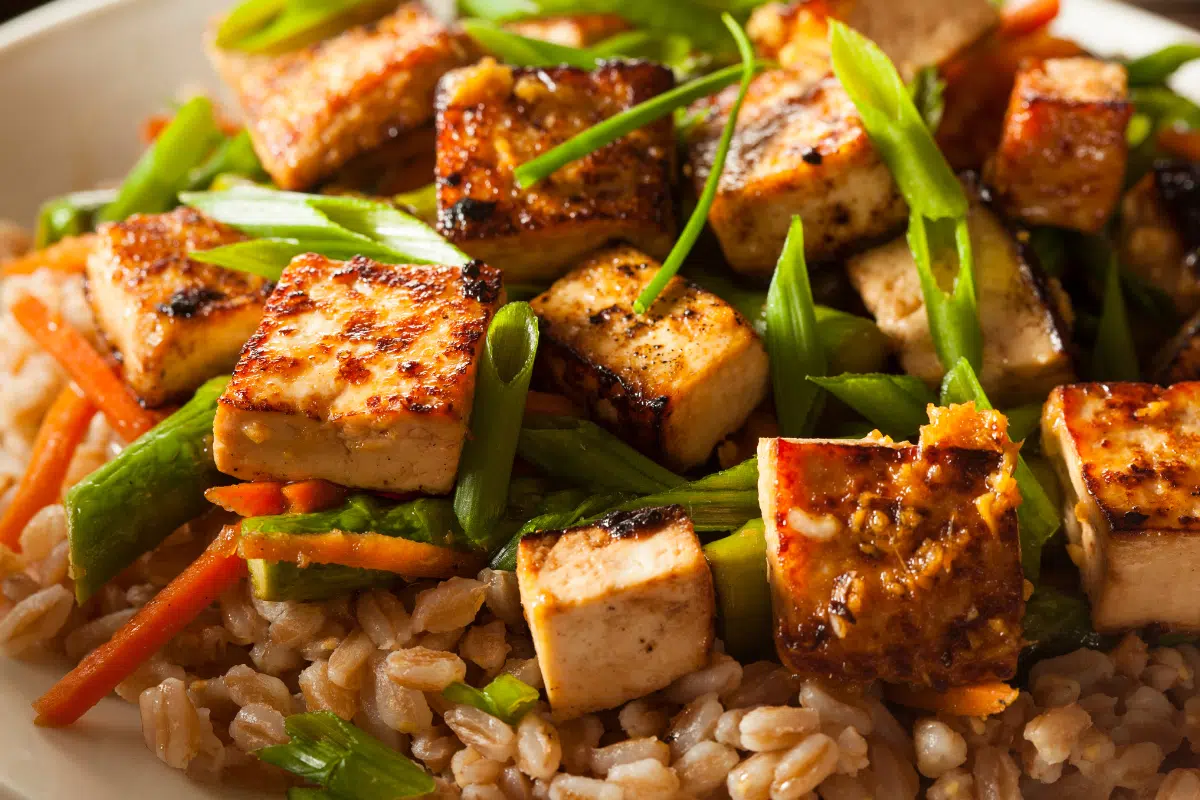
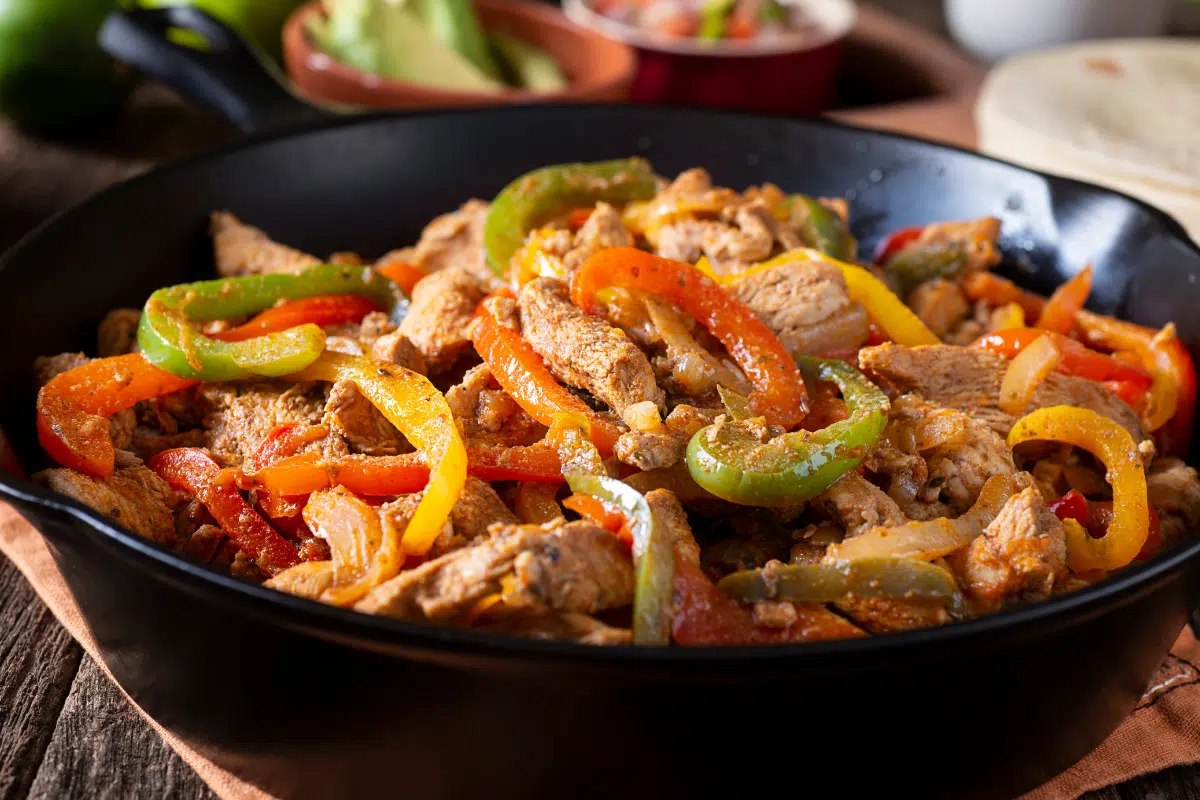
A good stir-fry teaches timing, organization, and the importance of cooking ingredients in the proper order. Because it relies on high heat and quick cooking, it helps build confidence in the kitchen while producing flavorful meals in minutes. Stir-fries are also one of the best ways to use leftover vegetables and proteins before they go to waste. Once mastered, the technique can be adapted to countless cuisines and ingredient combinations.
Scrambled Eggs
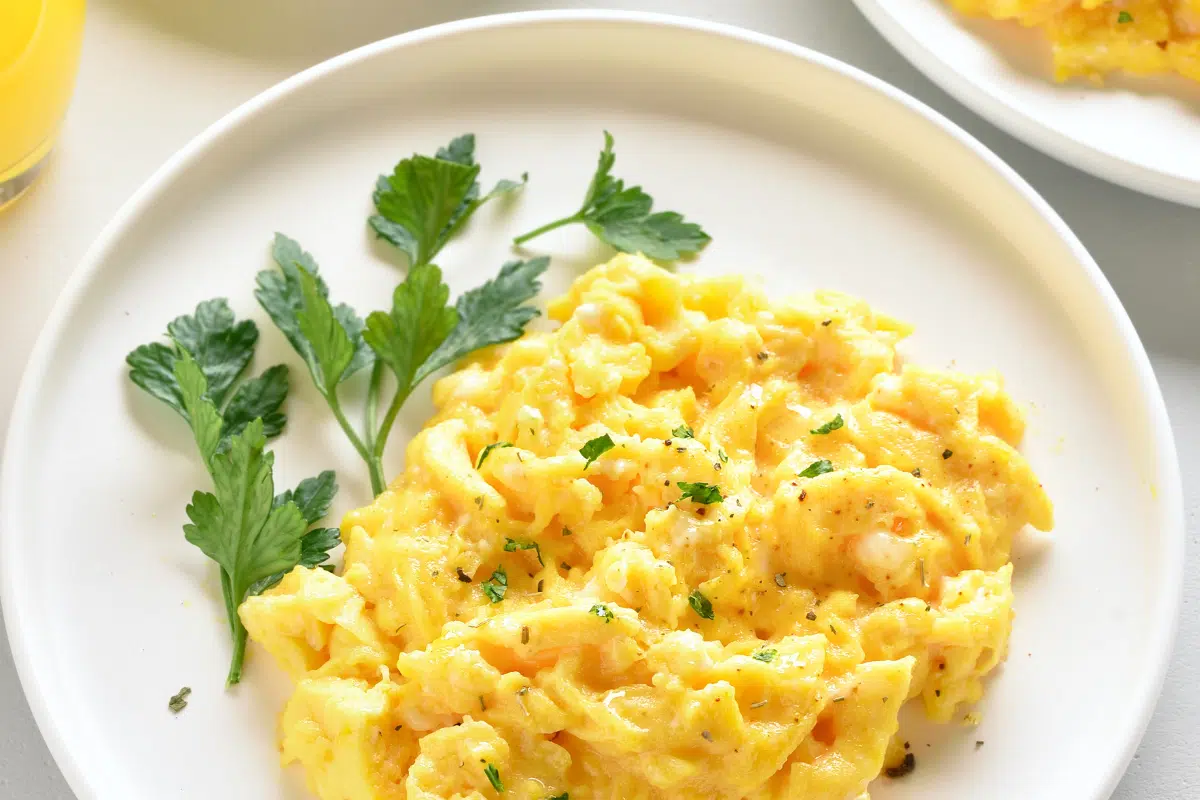
Perfect scrambled eggs may seem simple, but they teach valuable lessons about heat control and texture. Whether you prefer them soft and creamy or light and fluffy, learning to cook eggs well builds a foundation for many other techniques. Eggs also make a quick, affordable meal when time is short. It’s a skill that proves useful from breakfast through dinner.
Grilled Cheese Sandwich

A great grilled cheese is about much more than bread and cheese. It teaches patience, temperature management, and how ingredients transform when cooked properly. The difference between a burnt sandwich and one with perfectly golden bread and melted cheese often comes down to mastering heat control. Once you’ve learned the basics, endless variations become possible.
Baked Salmon
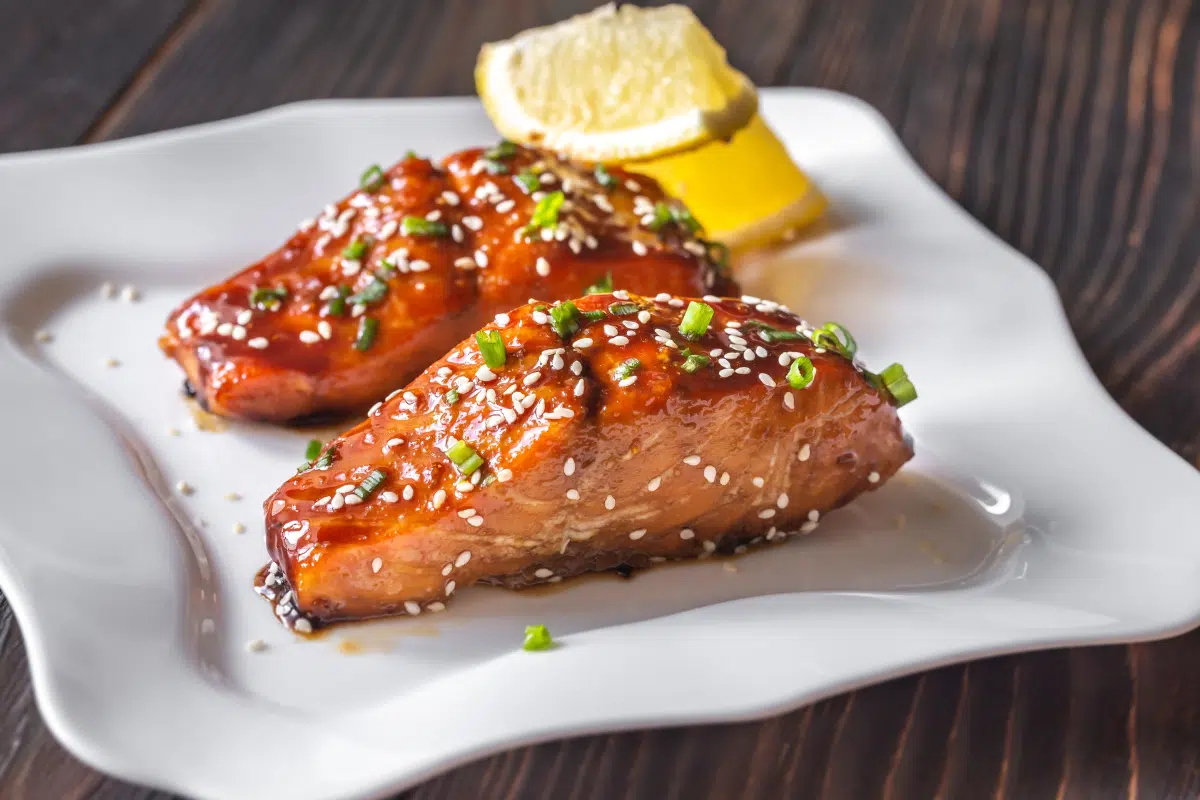
Cooking salmon successfully helps build confidence with seafood, which many home cooks find intimidating. The key lesson is learning how to cook delicate proteins without drying them out. Salmon is also a versatile option that pairs well with vegetables, grains, and salads. Because it cooks relatively quickly, it’s ideal for busy weeknight meals.
Homemade Soup
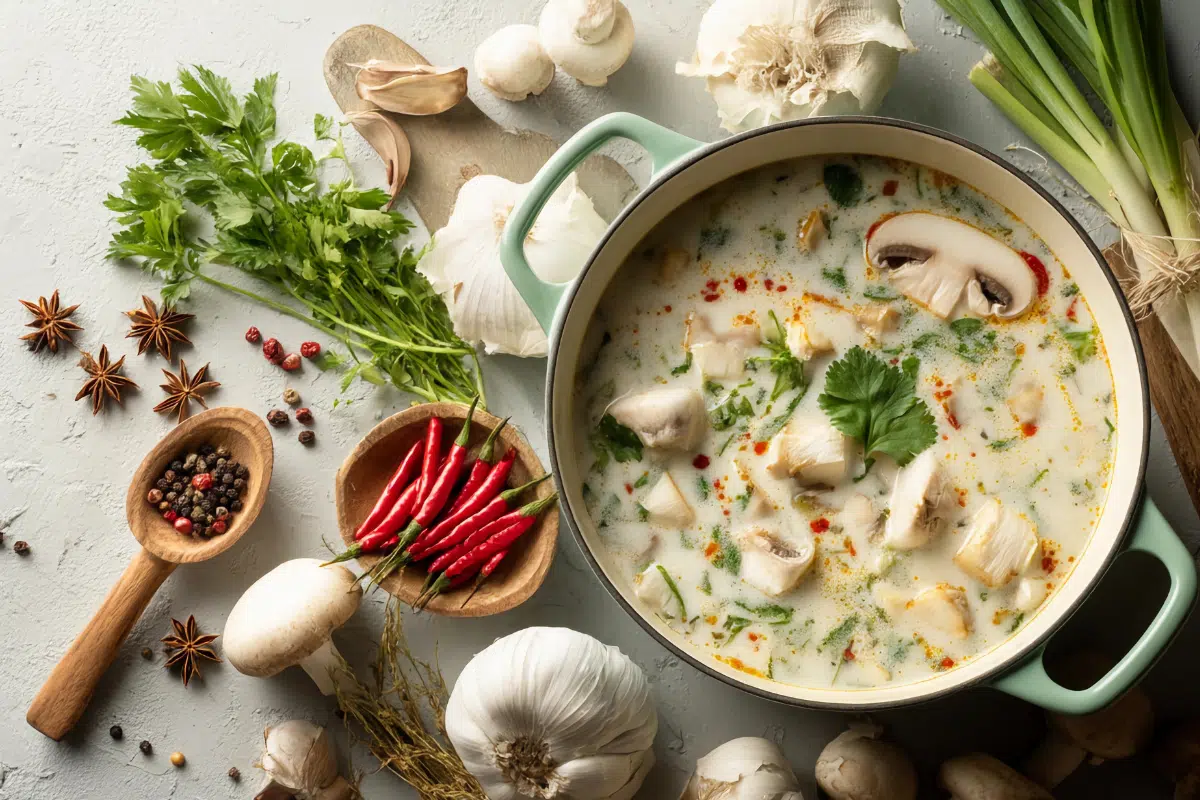
Knowing how to make soup from scratch is one of the most practical cooking skills you can develop. Soup teaches flavor-building, seasoning, and how ingredients work together over time. It’s also one of the easiest ways to reduce food waste by using leftover vegetables, proteins, and pantry staples. Nearly every cuisine has its own version, making this a skill you’ll use often.
Pancakes
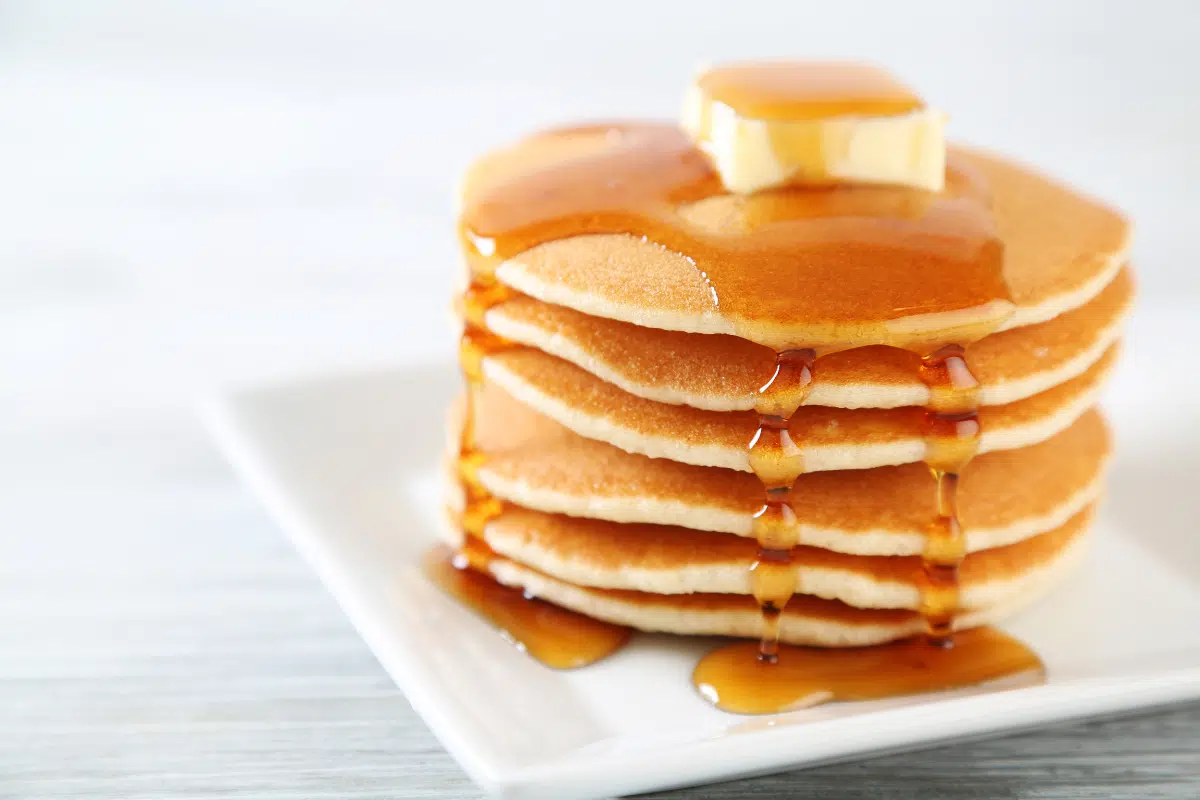
Pancakes introduce important baking concepts such as measuring, mixing, and batter consistency. Learning when to flip them and how to avoid overmixing helps build confidence with other baked goods. They’re also inexpensive, crowd-pleasing, and easy to customize with fruit, nuts, spices, or chocolate chips. A reliable pancake recipe is something every home cook benefits from having.
Meatballs
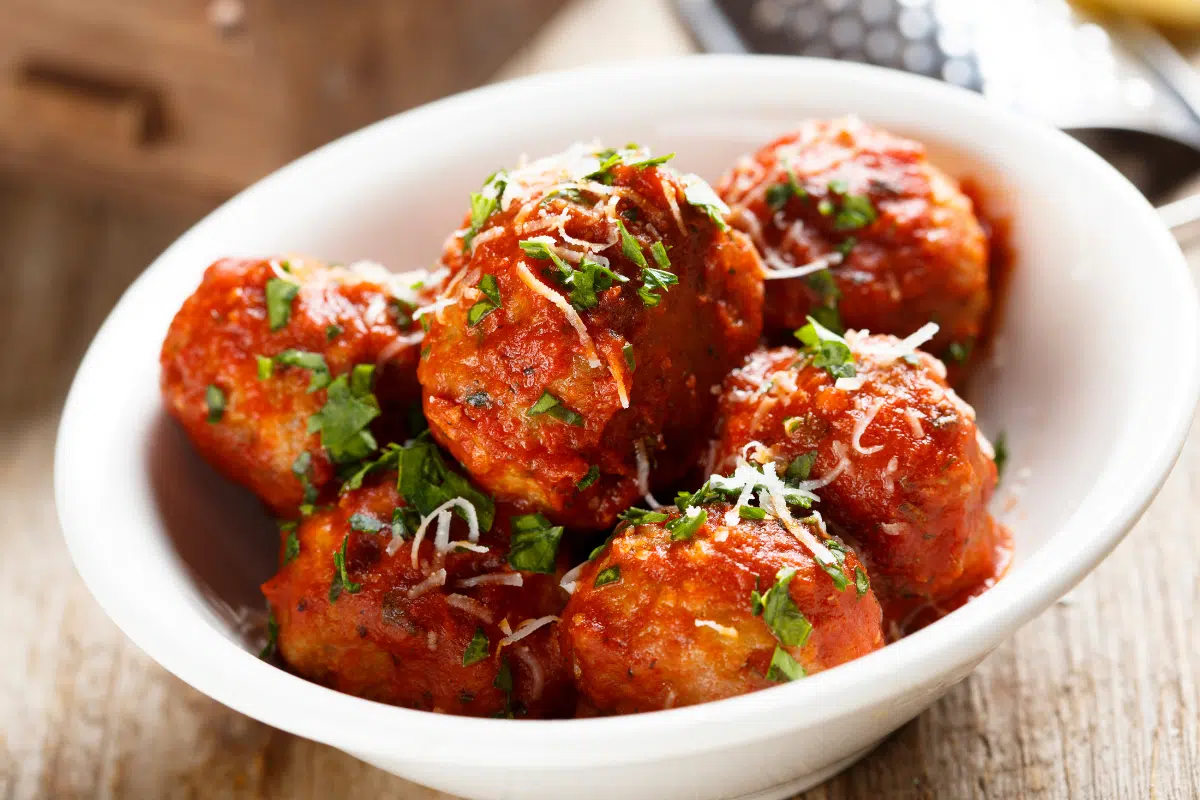
Homemade meatballs teach the balance between seasoning, texture, moisture, and cooking technique. Whether made from beef, turkey, chicken, pork, or plant-based ingredients, they offer incredible versatility. Meatballs can be served with pasta, tucked into sandwiches, added to soups, or prepared ahead for meal prep. Mastering them gives you another dependable, budget-friendly dinner option.
Simple Vinaigrette
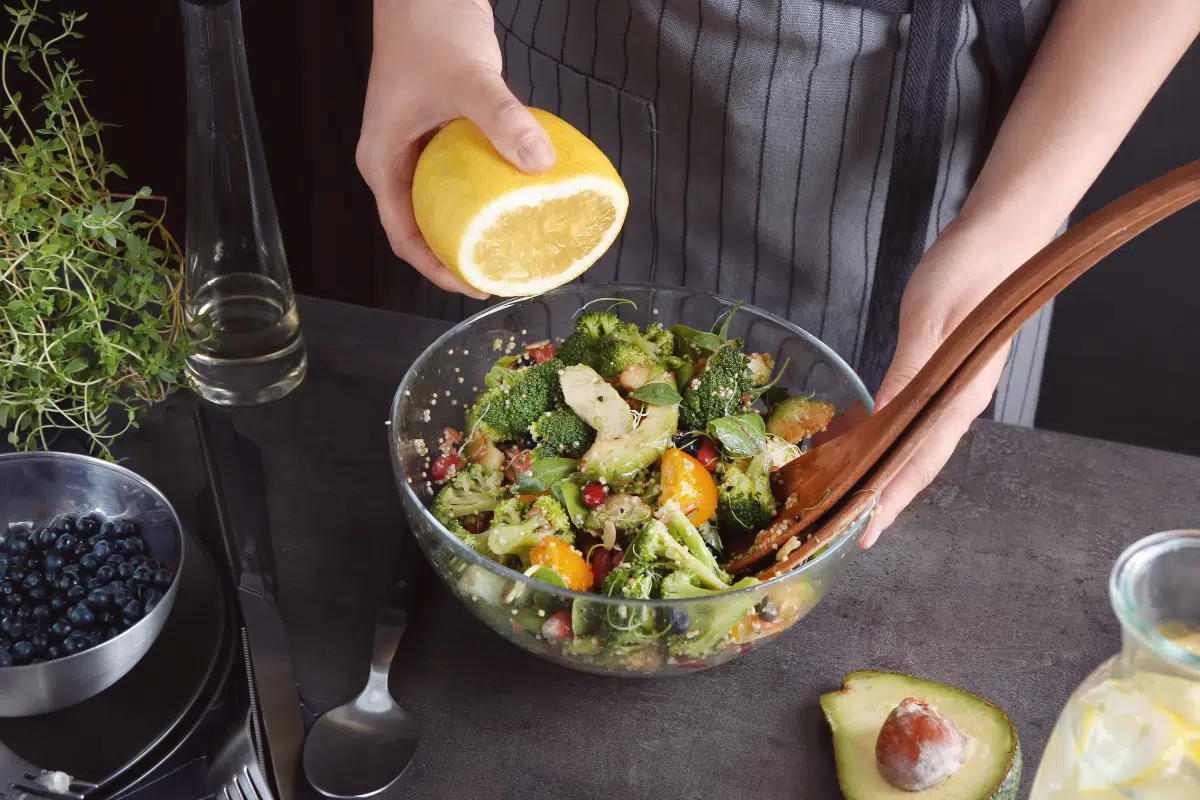
Store-bought dressings are convenient, but learning to make a simple vinaigrette provides a useful lesson in balancing fat, acid, and seasoning. Most vinaigrettes require only a handful of ingredients and can be customized endlessly. Beyond salads, they work well as marinades, grain bowl dressings, and vegetable sauces. It’s one of the quickest kitchen skills to learn and one of the most useful..
This post may contain affiliate links or sponsored content. Disclosure Policy