9 Small Spending Habits That Can Make a Big Difference to Your Budget
When you’re trying to save money, it’s easy to focus on big expenses and overlook the smaller ones. But everyday purchases can quietly add up, especially when they become regular habits. A few dollars here and there may not seem significant at the time, yet they can make a noticeable difference in your monthly spending. The good news is that saving money doesn’t always require major lifestyle changes or difficult sacrifices. Sometimes, it starts with paying closer attention to the little things. These nine small spending habits are easy to overlook, but changing them can help stretch your budget without making everyday life feel restrictive.
Daily Coffee Shop Stops

Grabbing a coffee on the go is a comforting routine, but it comes with a hidden cost. A few dollars each day quickly turns into a significant monthly expense when added up. Brewing coffee at home or alternating shop visits with home-brewed cups can make a noticeable difference. Over time, this small shift can free up money for bigger financial goals.
Forgotten or Unused Subscriptions

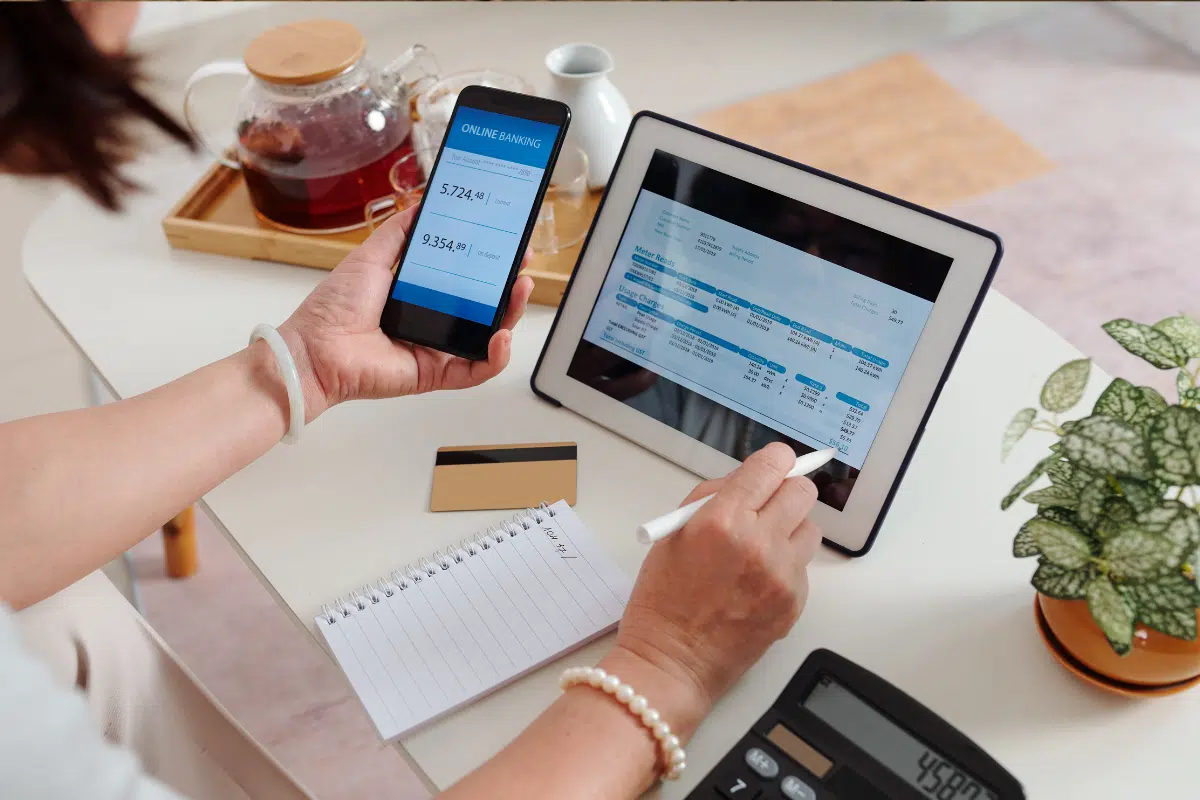
Subscription services are easy to sign up for and even easier to forget about. Streaming platforms, apps, and membership trials often continue billing long after you’ve stopped using them. Reviewing your monthly bank statements can help you spot charges you no longer need. Canceling even a few unused services can immediately reduce wasteful spending.
Frequent Takeout and Delivery Orders
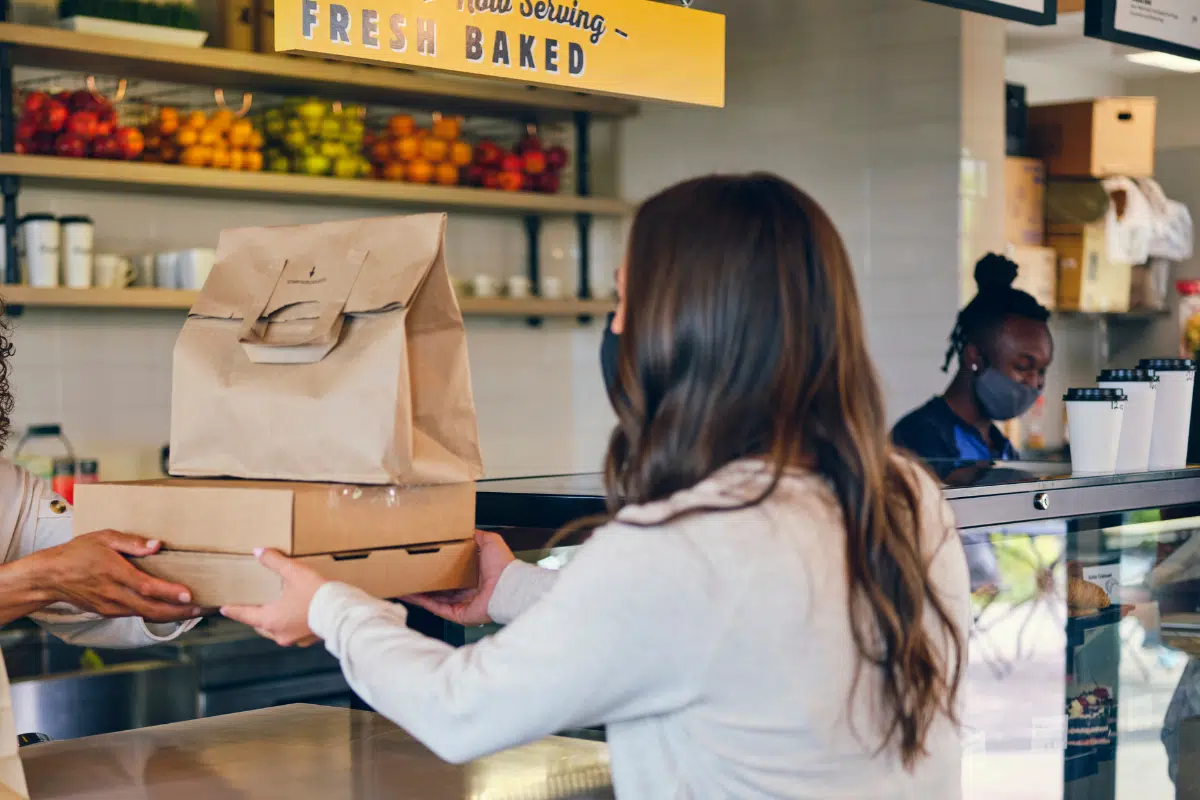
Ordering food is convenient, but delivery fees, service charges, and tips can significantly increase the total cost. Even a few takeout meals each week can add up faster than expected. Cooking more meals at home—even simple ones—can lead to meaningful savings. Planning a few easy dinners ahead of time helps reduce the temptation to order out.
Bottled Water Purchases
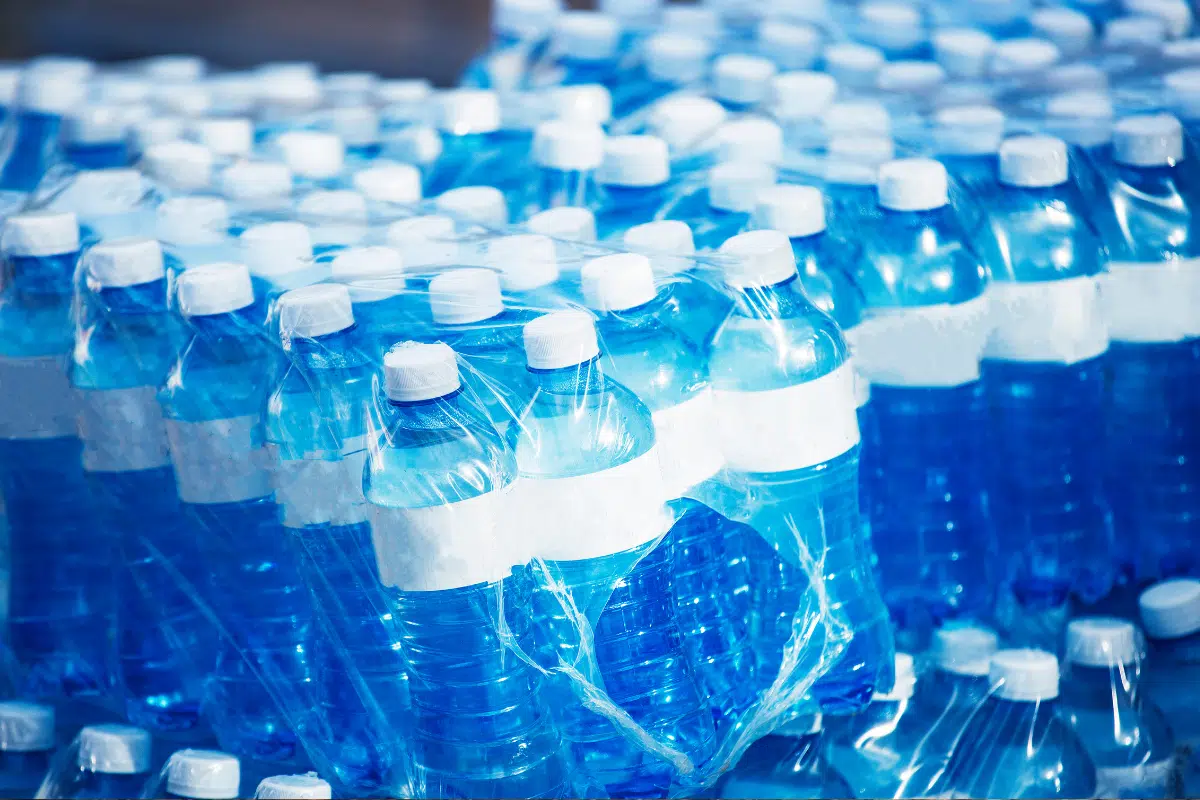
Buying bottled water may seem inexpensive in the moment, but it is one of the most avoidable ongoing costs. A reusable bottle paired with a home filtration system can dramatically reduce long-term spending. It’s also a more sustainable choice that cuts down on plastic waste. Over time, the savings really start to add up.
Convenience Store Markups
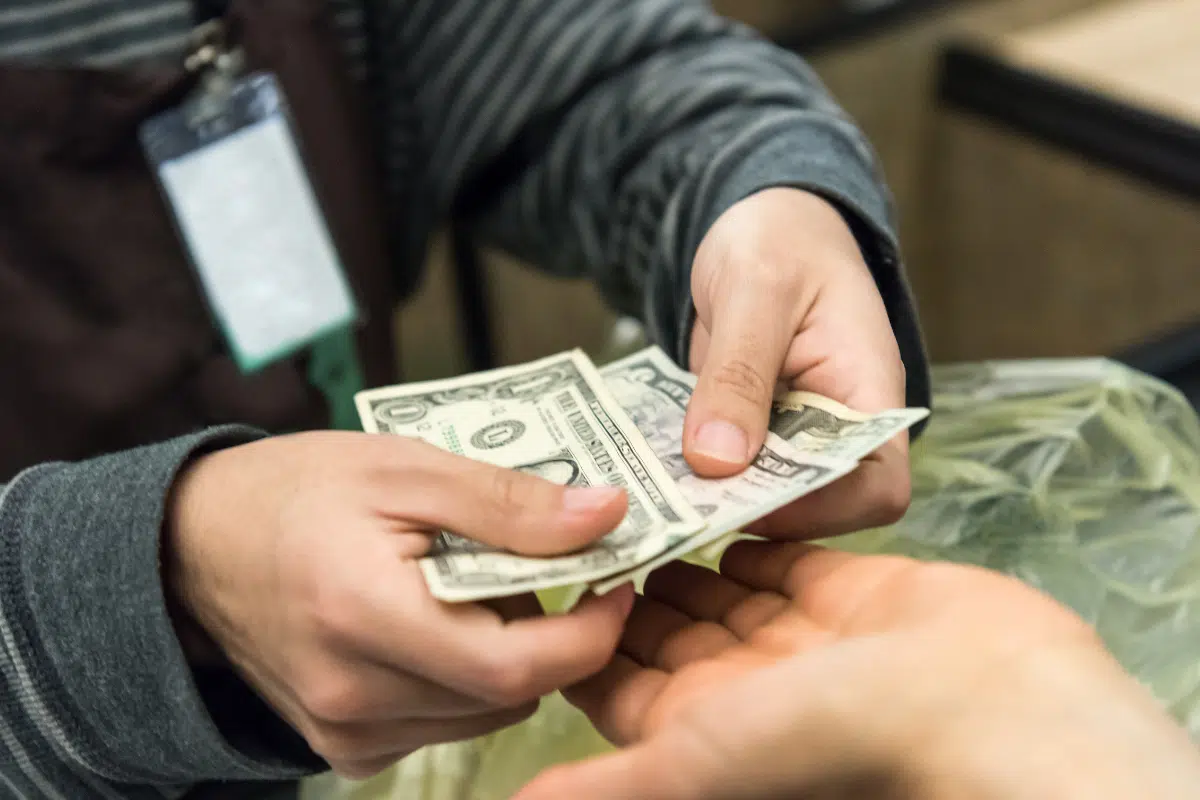
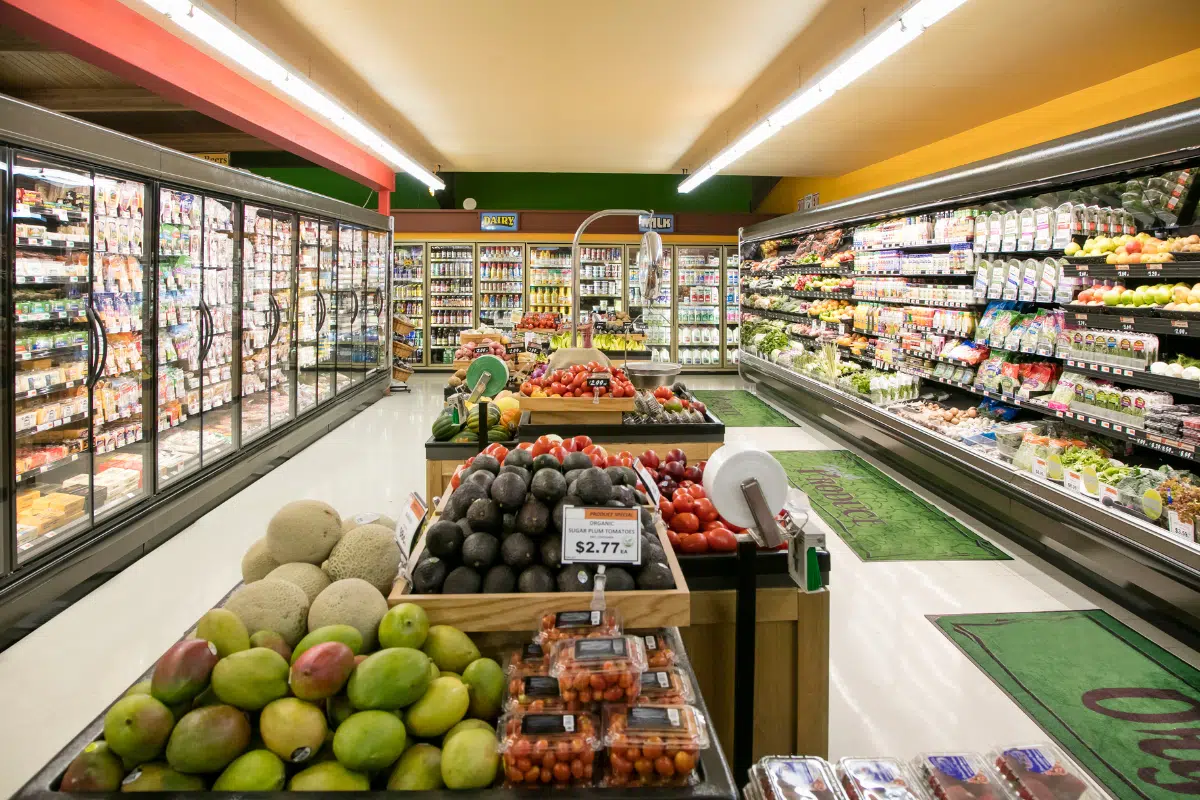
Quick stops at convenience stores often come with higher prices on everyday essentials. Snacks, drinks, and basic household items can cost significantly more than they would at a grocery store. These small markups become more noticeable when repeated throughout the week. Planning ahead and buying in bulk or during regular grocery trips helps reduce unnecessary spending.
Energy Waste at Home
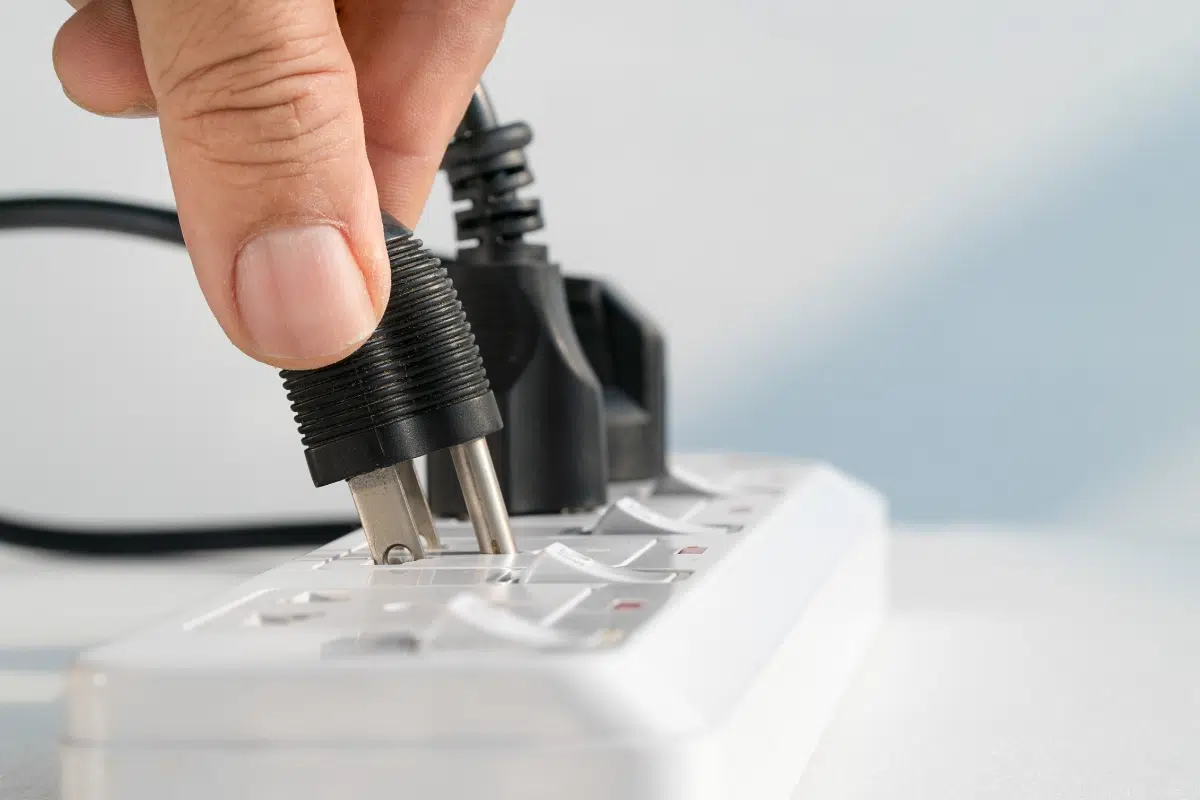
Small energy habits can quietly increase monthly utility bills. Leaving lights on, running half-full appliances, and inefficient thermostat settings all contribute to higher costs. Simple upgrades like LED bulbs, smart plugs, and better energy habits can help reduce waste. Over time, these changes can lead to steady savings on utility bills.
Sticking to Brand Names Without Comparing Prices
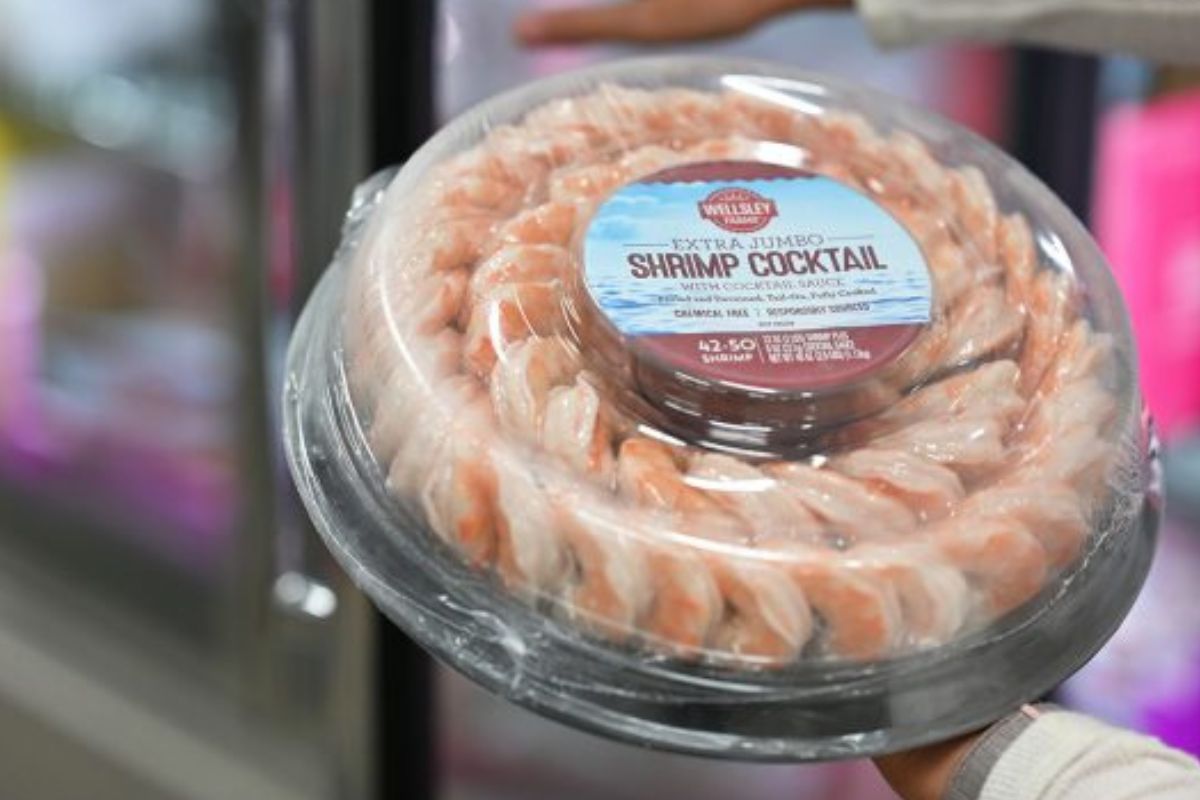
Loyalty to familiar brands can sometimes lead to overspending. Store brands often offer similar quality at a lower price, especially for everyday essentials. Without comparing unit prices, it’s easy to pay more simply out of habit. Taking a moment to check alternatives at the shelf can lead to easy, ongoing savings.
Carrying Credit Card Balances
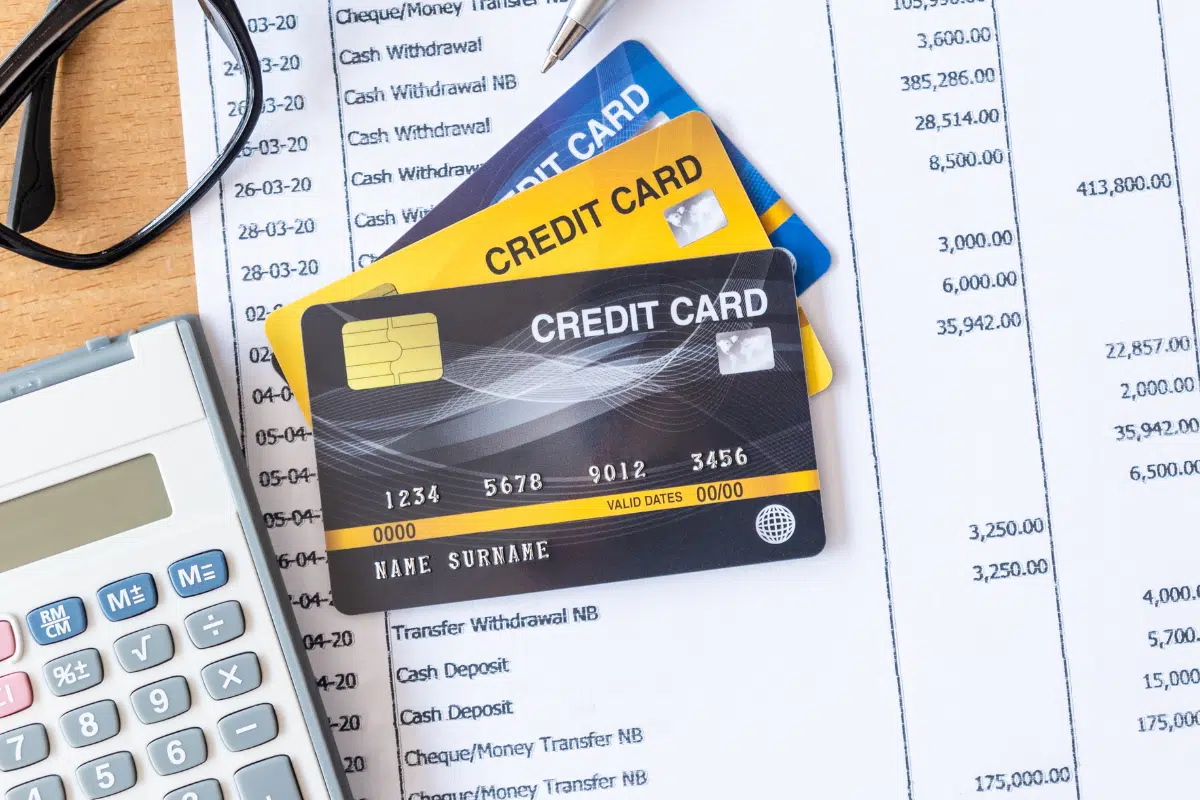
Carrying a balance on a credit card can become one of the most expensive financial habits due to interest charges. Even small balances can grow quickly over time if only minimum payments are made. Paying more than the minimum whenever possible helps reduce long-term costs. Prioritizing payoff strategies can make a meaningful difference in overall financial health.
Last-Minute Purchases and Planning

Waiting until the last minute for travel, gifts, or major purchases often leads to higher prices. Rush shipping fees, limited options, and impulse buying all increase total spending. Planning ahead gives you time to compare prices and find better deals. A little preparation can go a long way in keeping more money in your pocket.
This post may contain affiliate links or sponsored content. Disclosure Policy