10 Smart Storage Ideas That Help You Make the Most of Your Space
A home doesn’t need to be large to feel open and comfortable. In many cases, it’s not the size of the space that feels overwhelming—it’s the accumulation of clutter, inefficient storage, and visual “noise” that makes rooms feel tighter than they really are. With a few intentional organizing changes, you can create a lighter, more open feeling throughout your home without renovations or expensive upgrades. These simple fixes focus on improving flow, reducing clutter, and making every area feel more breathable almost immediately.
Clear Flat Surfaces First
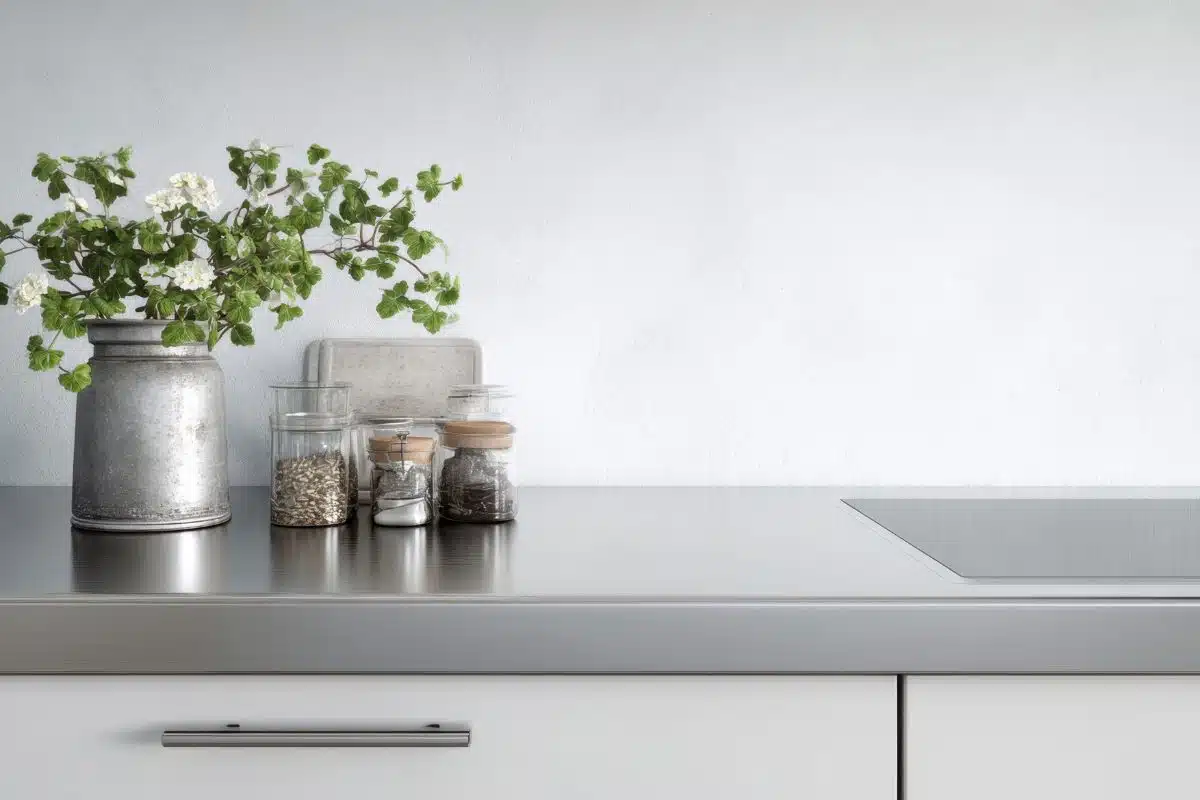
Countertops, tables, and dressers tend to collect everyday clutter quickly, which can make a room feel crowded even when it isn’t. Clearing these surfaces helps reset the visual space and creates an immediate sense of openness. Aim to keep only a few intentional items out on display, such as a lamp or a single decorative piece. The rest should be stored in designated places to maintain a cleaner, more spacious look.
Use Matching Storage Containers
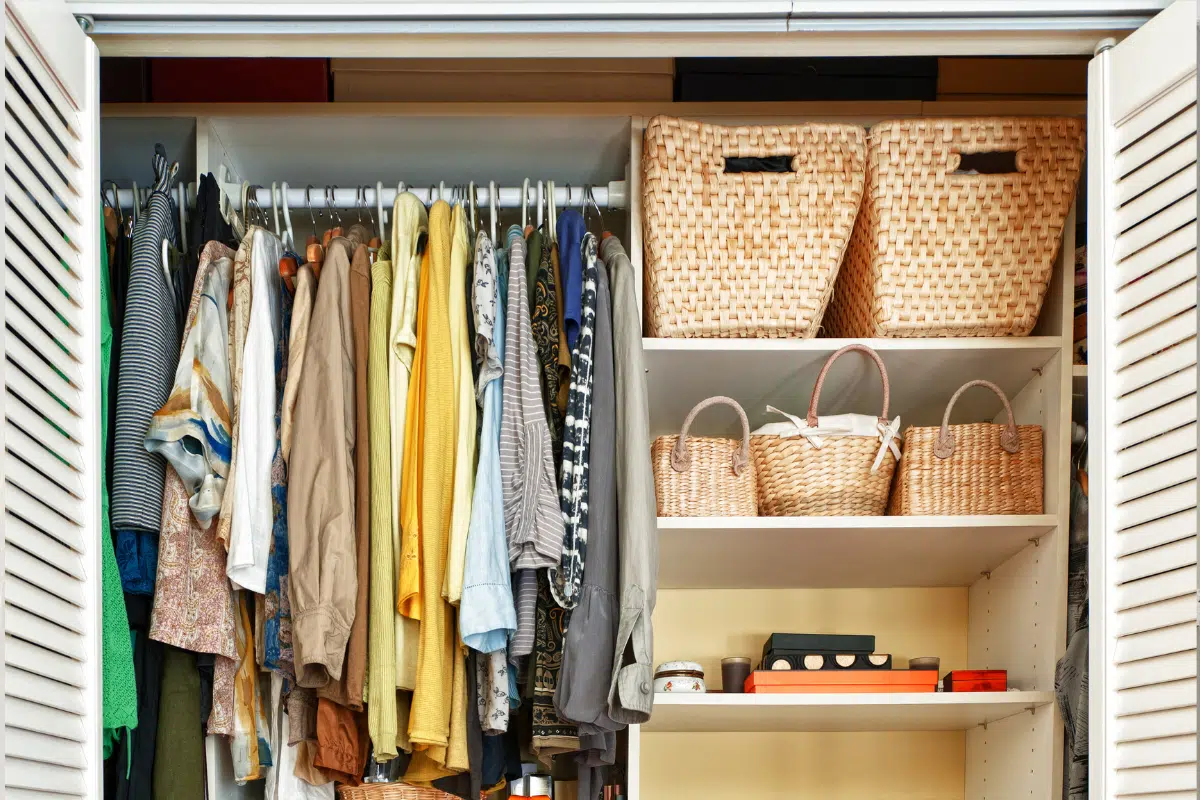
When storage items don’t match, the eye registers the space as busier and more cluttered. Using coordinated bins, baskets, or jars creates visual consistency, which naturally makes a room feel calmer and more organized. Even if the contents are the same, uniform storage helps reduce visual distraction. This simple change can make shelves and closets look instantly more put together.
Take Advantage of Vertical Space
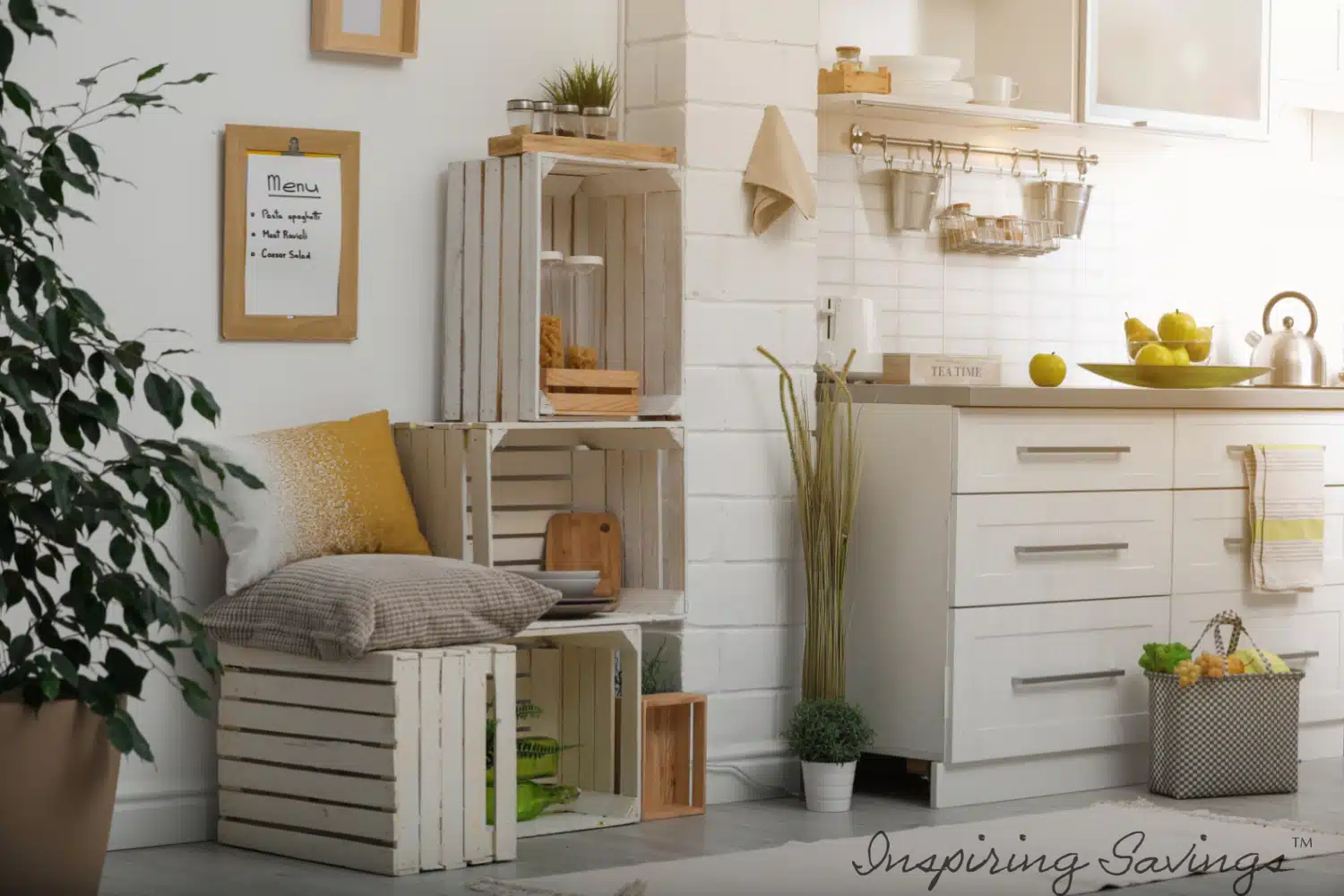
Walls are often underutilized in many homes. Adding shelves, hooks, or tall storage units draws the eye upward, which creates the impression of higher ceilings and more open space. Vertical storage also frees up valuable floor area, reducing crowding in high-traffic zones. It’s one of the most effective ways to maximize space without changing the footprint of your home.
Group Items by Category
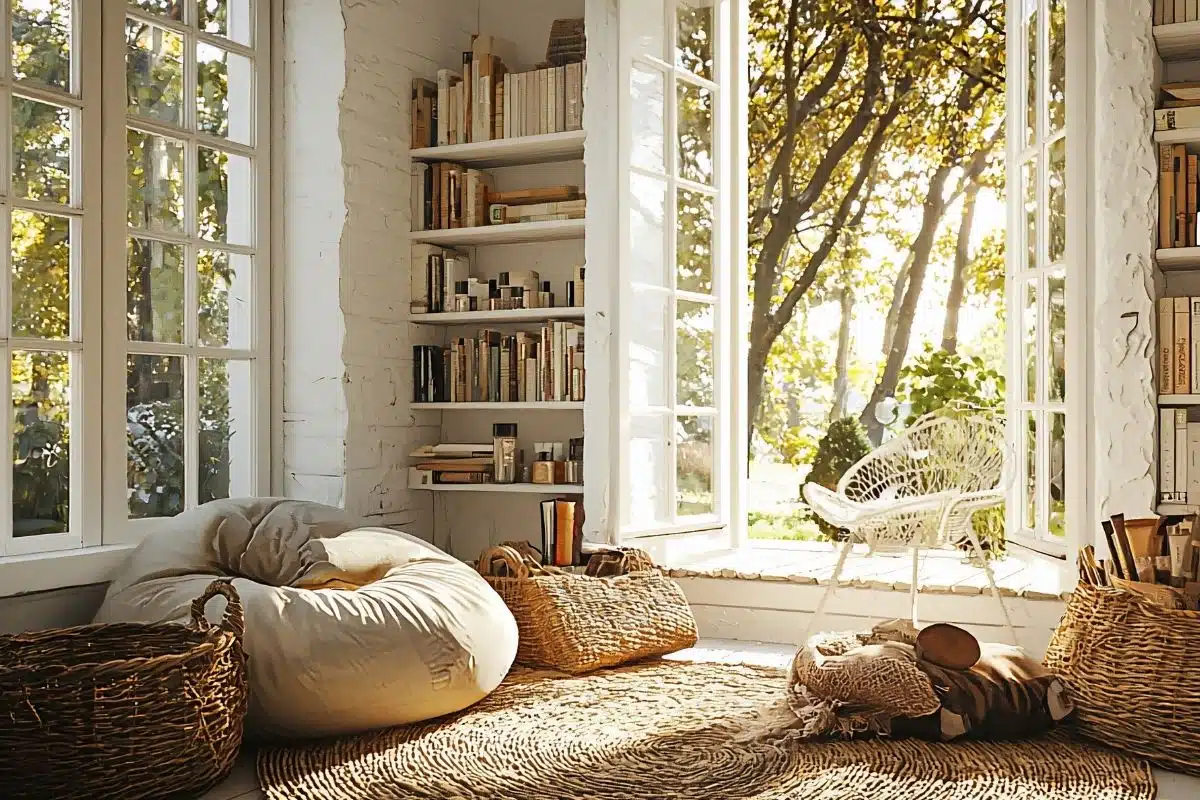
Instead of storing similar items in multiple locations, grouping them together helps reduce duplication and confusion. When everything has a clear category, it becomes easier to find what you need and avoid buying unnecessary extras. This also helps storage areas feel more intentional and less chaotic. Over time, it naturally reduces overflow into other parts of the home.
Adjust Furniture Layout
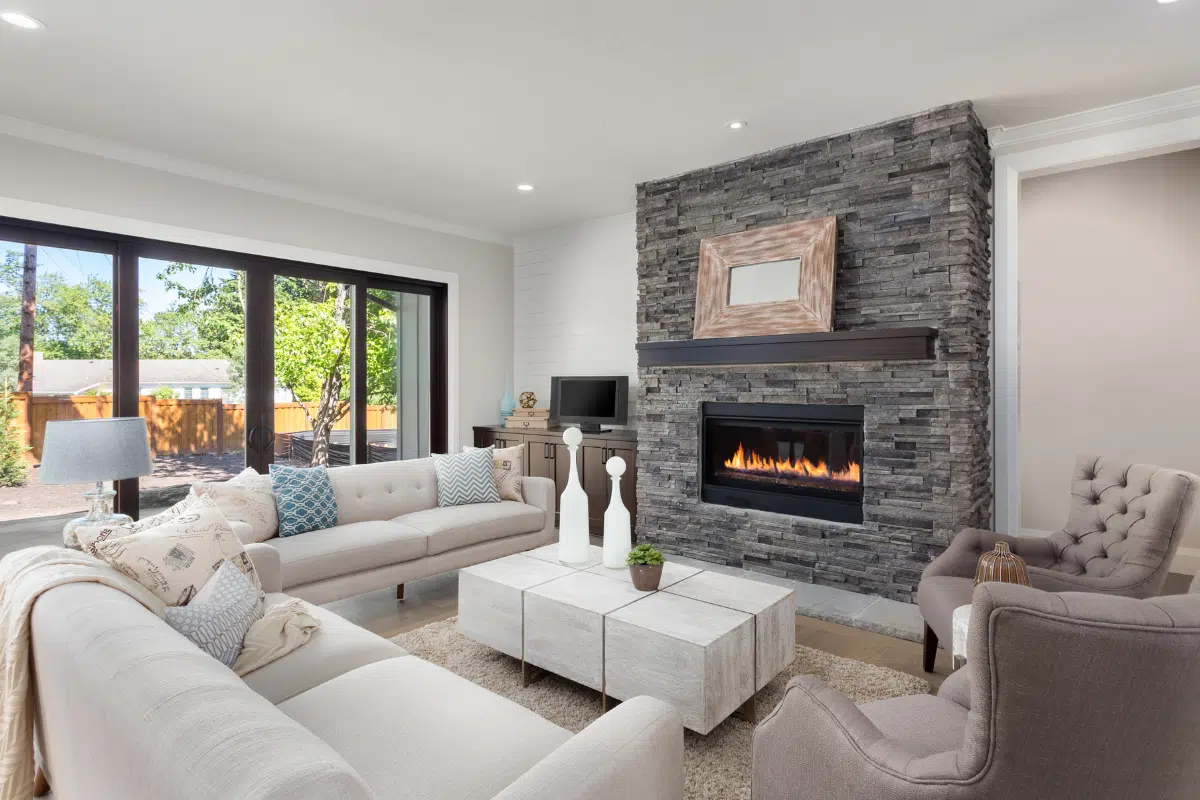
The way furniture is arranged has a major impact on how spacious a room feels. Removing bulky or unnecessary pieces and ensuring clear walkways can dramatically improve flow. Even small adjustments—like angling a sofa differently or removing an extra chair—can open up visual space. The goal is to let the room breathe instead of feeling packed edge to edge.
Organize Inside Drawers

Clutter inside drawers often spills out into visible areas like counters and tables. Using simple dividers or organizers helps keep items sorted and easy to access. When everything has a designated place, it’s less likely to end up scattered around the home. Cleaner drawers support cleaner surfaces, which contribute to a more open overall feel.
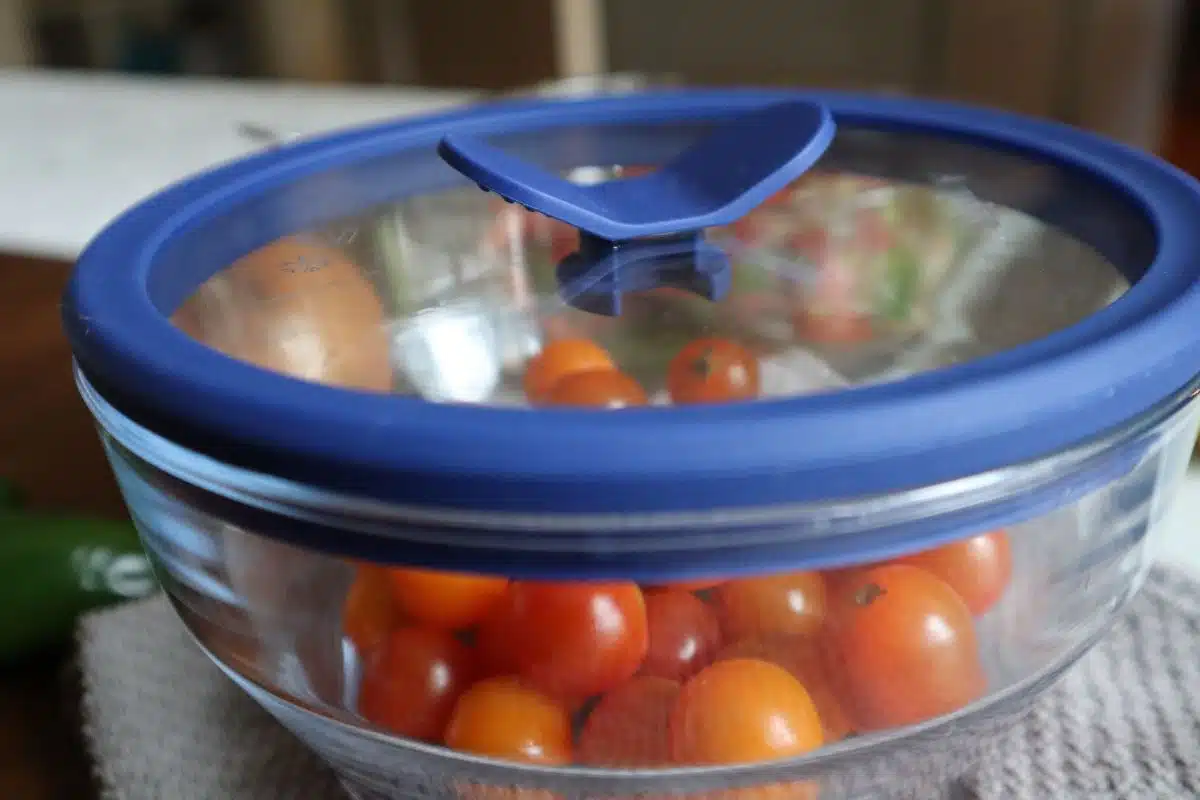
Switch to Clear Storage Bins
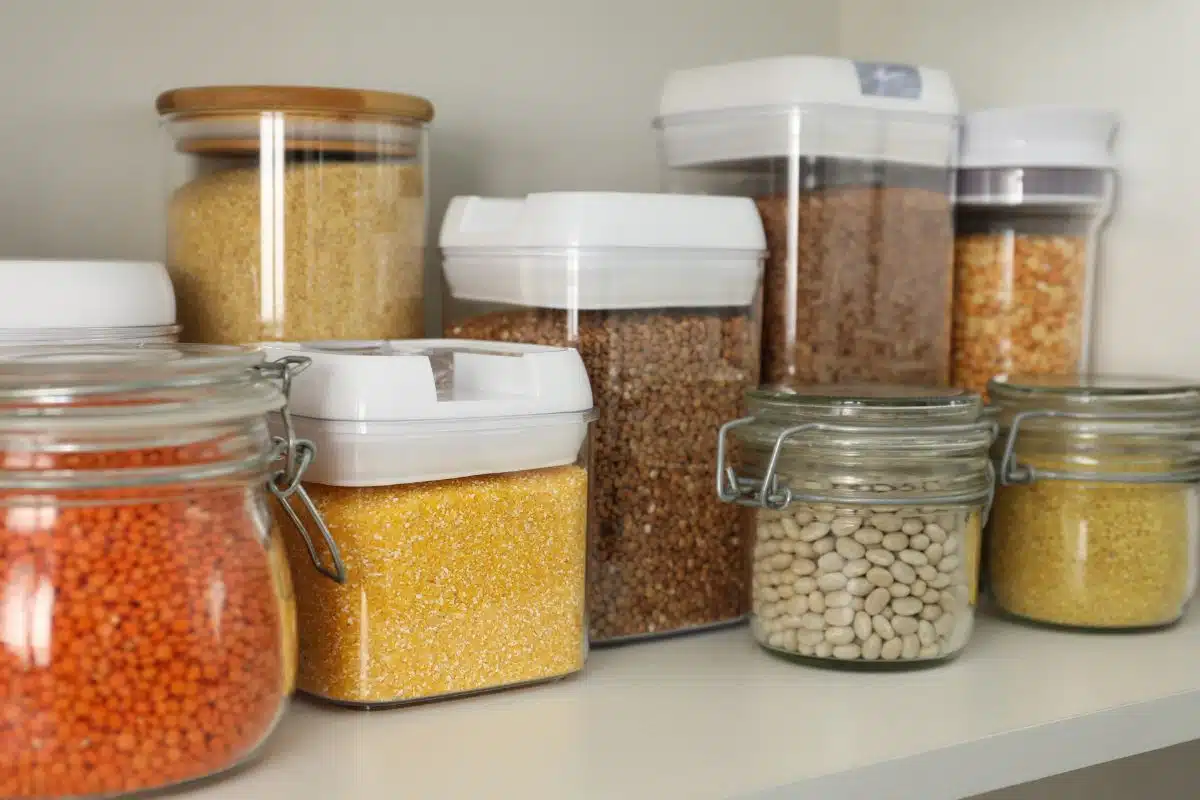
Clear storage makes it easier to see what you already have, reducing overbuying and duplicate storage. It also helps keep pantry, closet, and storage areas looking more streamlined and uniform. Being able to quickly identify items prevents unnecessary digging and mess. The result is a more efficient and visually open space.
Declutter Entryways
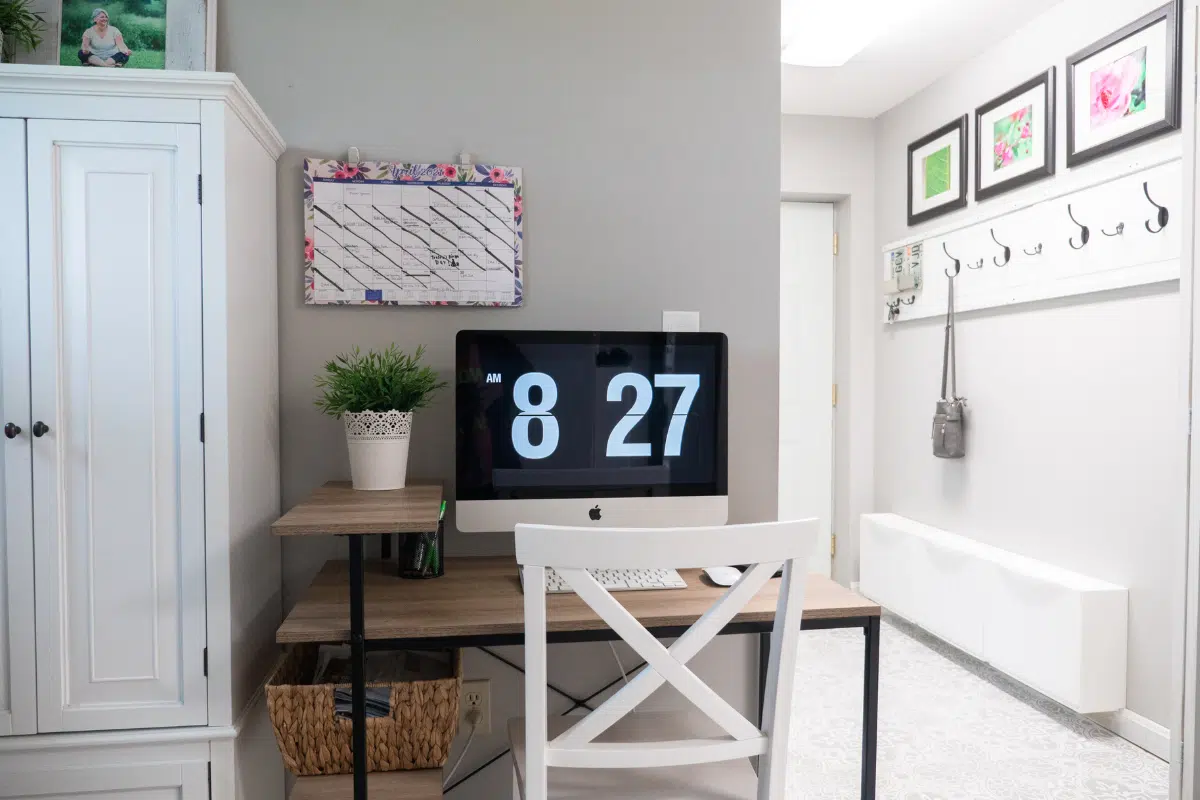
Entryways set the tone for the entire home. When shoes, bags, and mail pile up near the door, the whole space can feel more chaotic than it actually is. Creating a simple drop zone with hooks, baskets, or a small bench helps contain everyday items. A clear entryway immediately makes the home feel more welcoming and spacious.
Store Seasonal Items Elsewhere
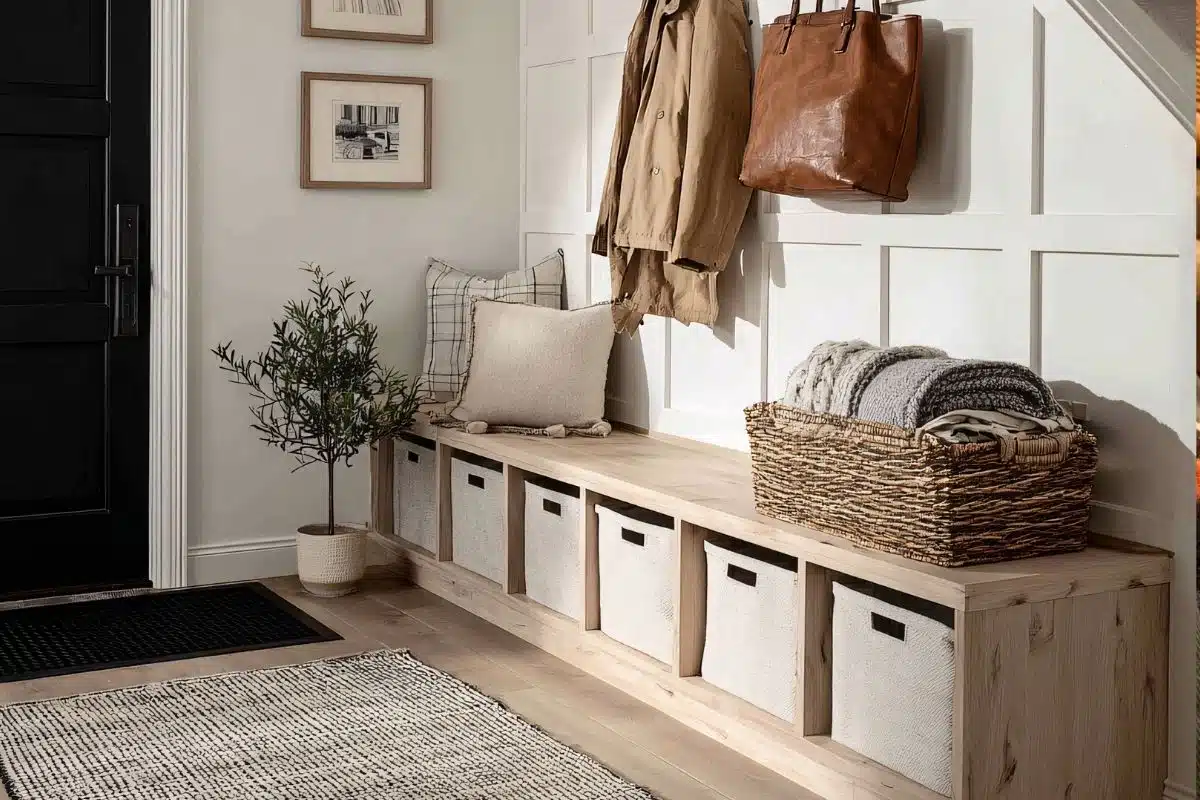
Rotating seasonal décor, clothing, and accessories helps prevent overcrowding in closets and living areas. When off-season items are stored out of sight, everyday spaces feel lighter and easier to maintain. This also makes it simpler to find what you actually need during the current season. Less visible storage means more breathing room in your daily environment.
Leave Some Space Intentionally Empty
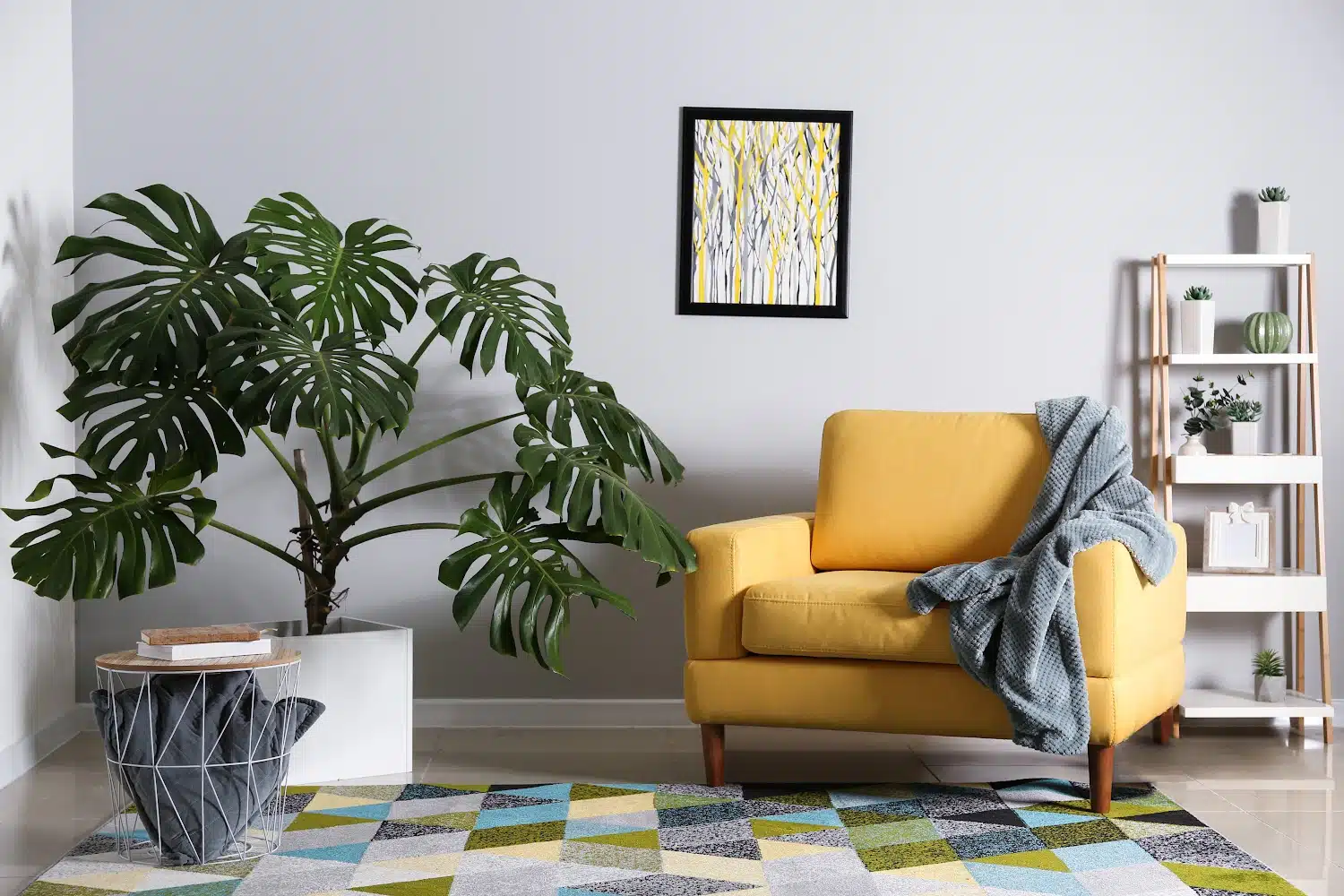
Not every shelf or surface needs to be filled to look complete. Leaving intentional empty space allows the eye to rest and prevents a crowded appearance. This approach helps highlight the items you do choose to display. A bit of negative space can make your home feel more curated, open, and thoughtfully designed.
This post may contain affiliate links or sponsored content. Disclosure Policy