10 Household Essentials You May Be Paying Too Much For
Some household purchases become so routine that it’s easy to overlook how much they really cost over time. While spending a few extra dollars on a single item may not seem like a big deal, paying premium prices for products you buy again and again can quietly strain your budget. The good news is that many everyday essentials have affordable alternatives that perform just as well—or better. Here are 10 household items you may be paying too much for and simple ways to keep more money in your pocket.
Cleaning Supplies
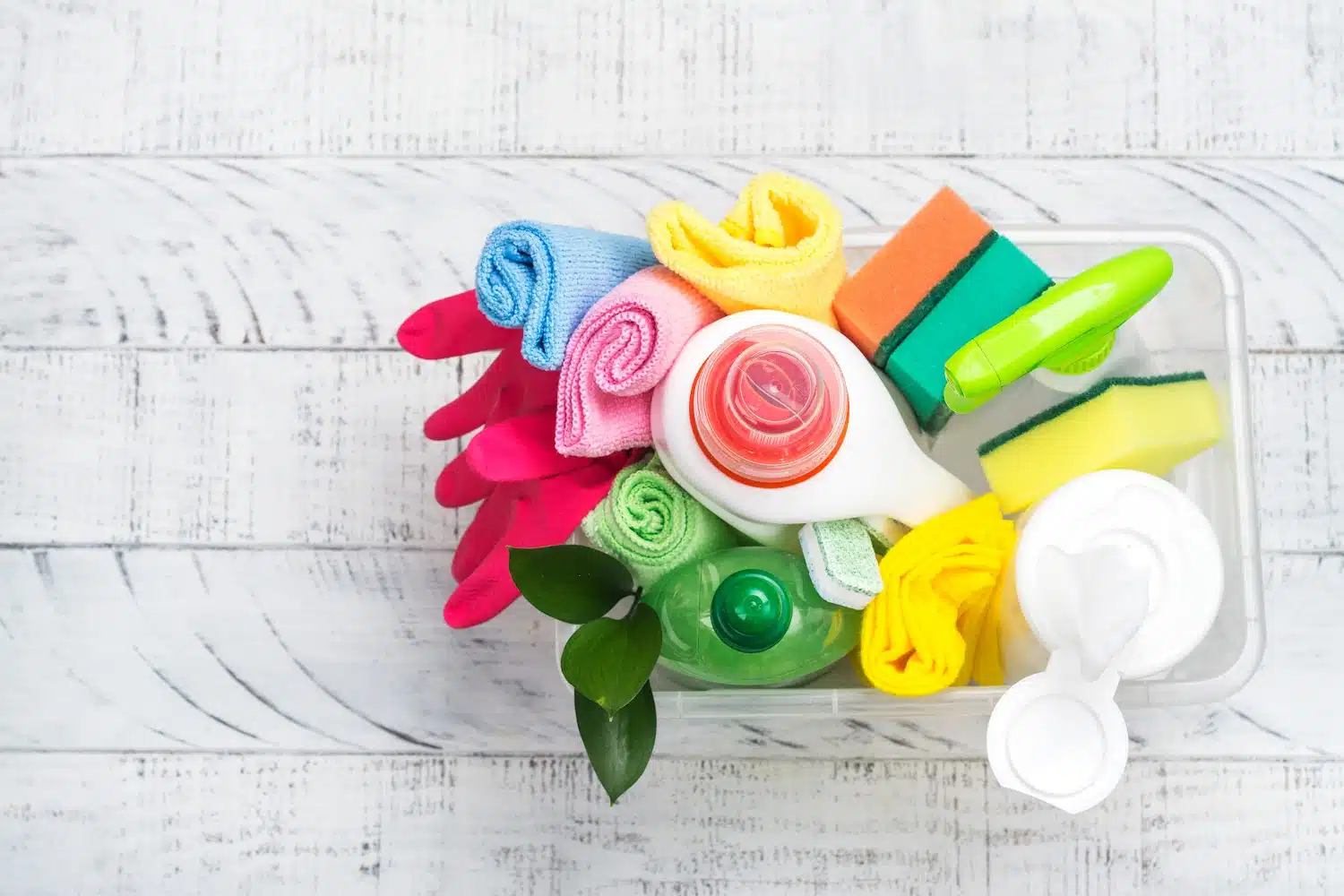
Many brand-name cleaning products command premium prices because of advertising and packaging, not necessarily because they clean better. Store brands often contain similar active ingredients and perform just as well for everyday messes. For jobs like cleaning windows, countertops, and sinks, simple ingredients such as white vinegar, baking soda, and dish soap can also be effective and inexpensive. Comparing ingredient lists instead of brand names can lead to significant savings over the course of a year.
Paper Towels

Paper towels are convenient, but they’re also one of the fastest household products to disappear. Replacing some of your paper towel use with washable microfiber cloths or reusable cotton towels can dramatically reduce how often you need to buy new rolls. Save disposable towels for messes that truly require them, and use reusable options for everyday cleaning. It’s a simple switch that benefits both your budget and the environment.
Bottled Water
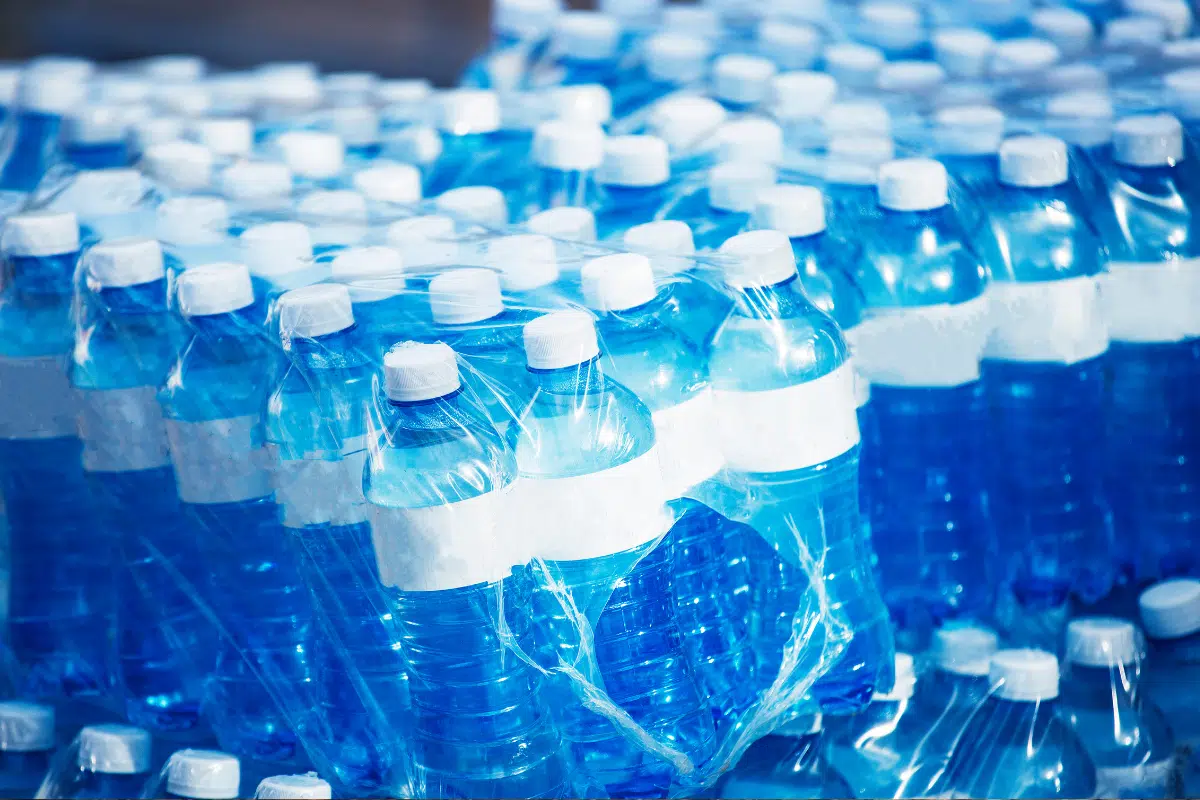
Buying bottled water regularly can cost hundreds of dollars each year, especially for larger families. If your local tap water is safe to drink, a quality water filter pitcher or faucet filter paired with reusable water bottles is often much more economical. Many filters also improve taste while reducing common contaminants. Over time, this small investment can pay for itself many times over.
Laundry Detergent

Expensive detergent doesn’t always produce better results. Many store-brand detergents earn high marks in independent testing and cost considerably less than premium labels. Using the recommended amount rather than overfilling the detergent cap can also stretch every bottle while helping your washing machine perform more efficiently. Concentrated formulas are another way to reduce cost per load.
Trash Bags

Premium trash bags certainly have their place, but many households don’t need the most expensive option for everyday kitchen waste. Store brands and warehouse club varieties often provide similar durability at a lower cost per bag. Comparing the price per bag instead of the overall package price makes it easier to spot the better value. Reserve heavy-duty bags for yard work or renovation projects where extra strength is actually needed.
Air Fresheners
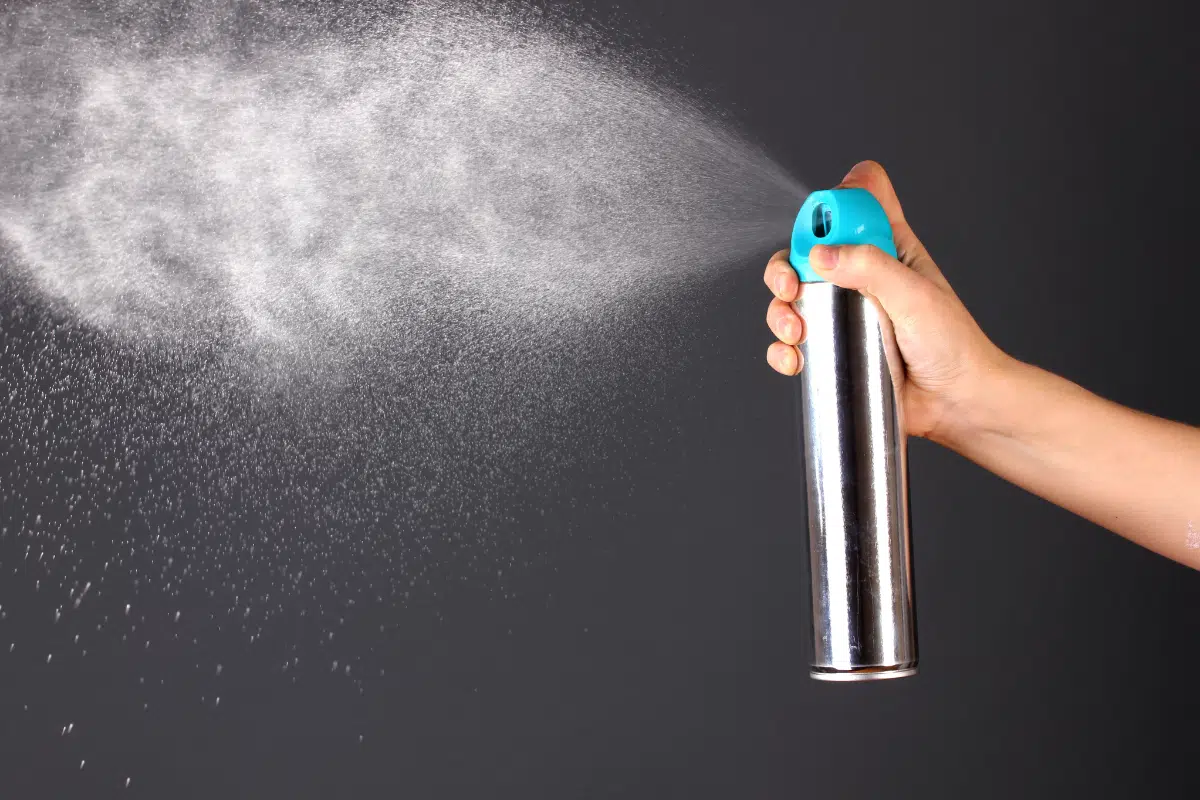
Plug-in air fresheners, aerosol sprays, and scented gels require frequent replacement, making them an ongoing household expense. Instead of masking odors, focus on eliminating them with good ventilation and regular cleaning. Natural options like baking soda, activated charcoal, fresh citrus peels, or stovetop simmer pots can freshen your home for a fraction of the cost. You’ll often avoid overpowering artificial fragrances at the same time.
Batteries

Buying batteries at convenience stores or checkout aisles usually means paying some of the highest prices available. Purchasing multi-packs from warehouse clubs, home improvement stores, or online retailers typically lowers the cost per battery. If your household frequently uses batteries for remotes, toys, gaming controllers, or flashlights, rechargeable batteries can save substantial money over the long run. They also reduce household waste.
Dishwashing Pods
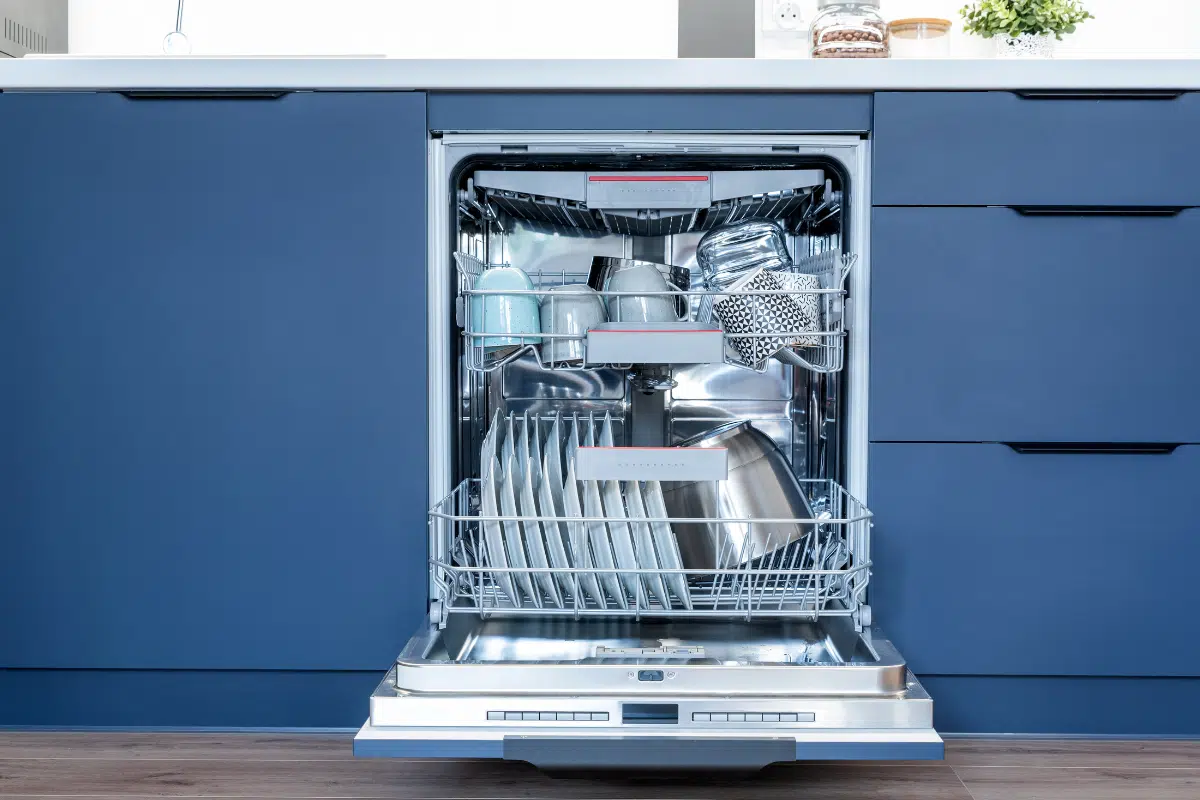
Dishwasher pods are popular because they’re convenient, but they’re often among the most expensive options on a per-load basis. Powder and liquid detergents generally cost less and allow you to adjust the amount based on how full or dirty the load is. In many cases, they clean just as effectively when paired with proper dishwasher maintenance. Comparing the cost per load instead of the package price gives a more accurate picture of value.
Single-Serve Coffee
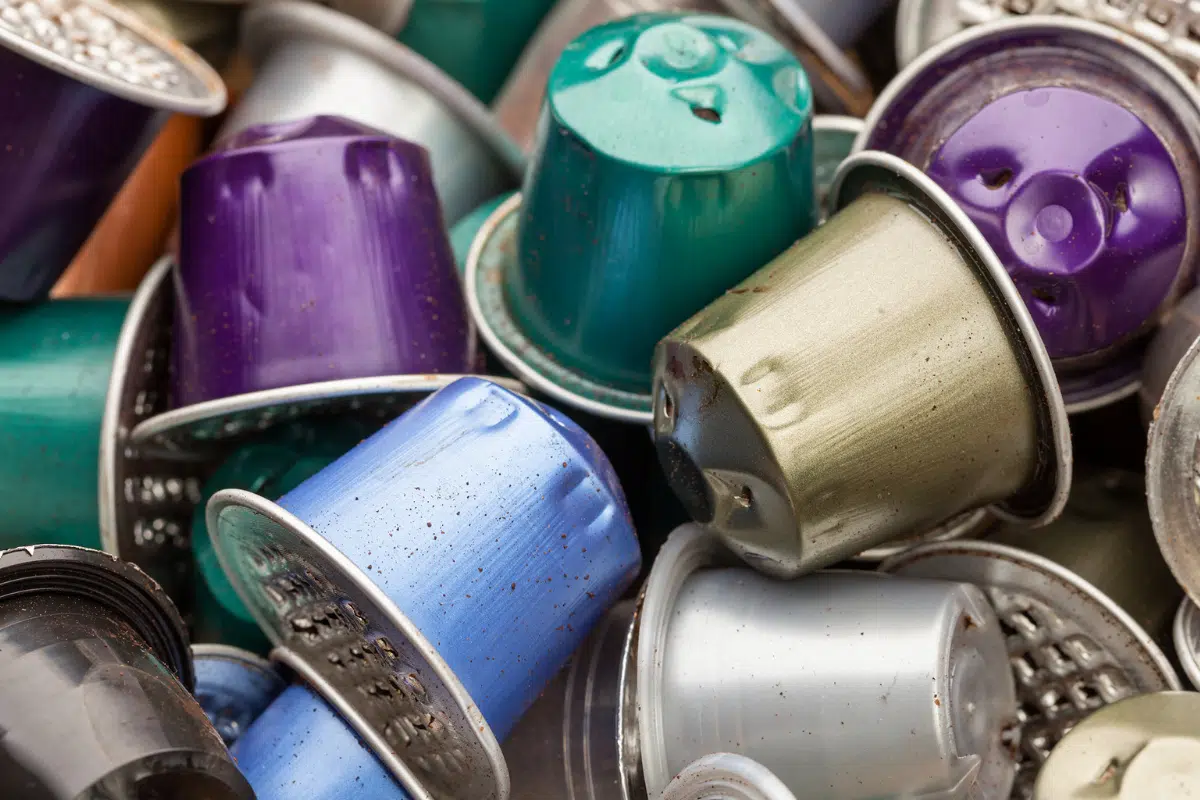
Single-serve coffee makers offer convenience, but coffee pods can cost several times more per cup than brewing from ground coffee. If you enjoy using a pod machine, consider a reusable filter that you can fill with your favorite coffee. Traditional drip coffee makers, French presses, and pour-over brewers are also economical options that produce excellent flavor. Even making this one change a few mornings each week can noticeably reduce your grocery bill.
Spices and Seasonings

Those small glass spice jars at the grocery store often carry one of the highest markups in the store. Buying spices from bulk bins, international grocery stores, warehouse clubs, or refill packets usually provides much more product for less money. Since many spices lose potency over time, purchasing moderate amounts that you’ll actually use can also reduce waste. A well-stocked spice cabinet doesn’t have to come with a premium price tag.
This post may contain affiliate links or sponsored content. Disclosure Policy