
10 Smart Ways to Stretch Your Grocery Budget Right Now
Grocery prices remain higher than many shoppers would like, making every trip to the store feel like a balancing act. While you can’t control food prices, you can control how you shop, plan meals, and use the groceries you bring home. A few simple changes can help you lower your grocery bill without sacrificing nutrition, flavor, or the meals your family enjoys. These practical, up-to-date strategies focus on getting the most value from every dollar you spend and can make a noticeable difference over time.
Plan Meals Around Weekly Sales
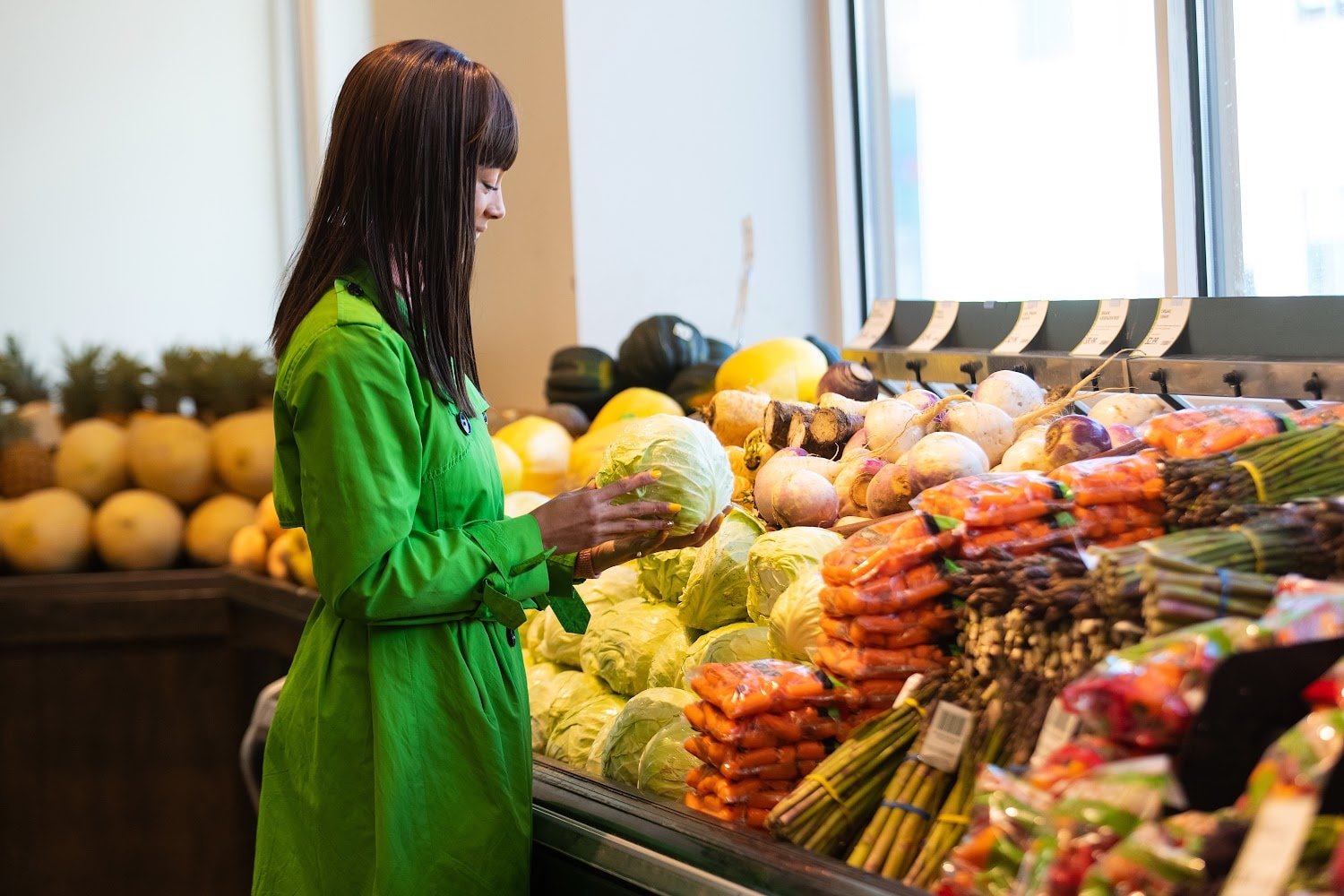
Planning your meals after checking weekly grocery ads is one of the easiest ways to reduce your food bill. Instead of deciding what to cook first, let sale prices guide your menu, whether that’s chicken, ground turkey, seasonal produce, or pantry staples. Many grocery stores now offer digital flyers and app-exclusive discounts, making it easier than ever to spot the best deals before you shop. A flexible meal plan helps you take advantage of lower prices while avoiding impulse purchases.
Choose Store Brands for Everyday Staples

Store-brand products continue to improve in quality while remaining noticeably less expensive than many national brands. Everyday essentials like canned tomatoes, pasta, frozen vegetables, flour, spices, dairy products, and cereal often taste just as good for a lower price. Rather than switching everything at once, compare labels and try generic versions of the items you use most often. Even modest savings on multiple products can add up quickly over the course of a month.
Cook Extra and Freeze Future Meals

Preparing larger portions is an easy way to save both money and time. Meals like soups, chili, casseroles, taco meat, and pasta sauces freeze well and provide ready-to-eat dinners for busy evenings. Having homemade meals waiting in the freezer can also reduce the temptation to order takeout when schedules get hectic. A little extra effort during one cooking session can stretch your grocery budget much further.
Give Budget-Friendly Proteins More Space on Your Menu

You don’t have to eliminate meat to lower your grocery bill. Incorporating affordable proteins like beans, lentils, eggs, canned tuna, cottage cheese, or even using smaller portions of meat alongside vegetables and grains can reduce costs while still creating satisfying meals. Recipes such as bean chili, vegetable frittatas, lentil curry, and rice bowls are filling, nutritious, and budget-conscious. Rotating these meals throughout the month helps keep grocery spending in check.
Reduce Food Waste Before Buying More
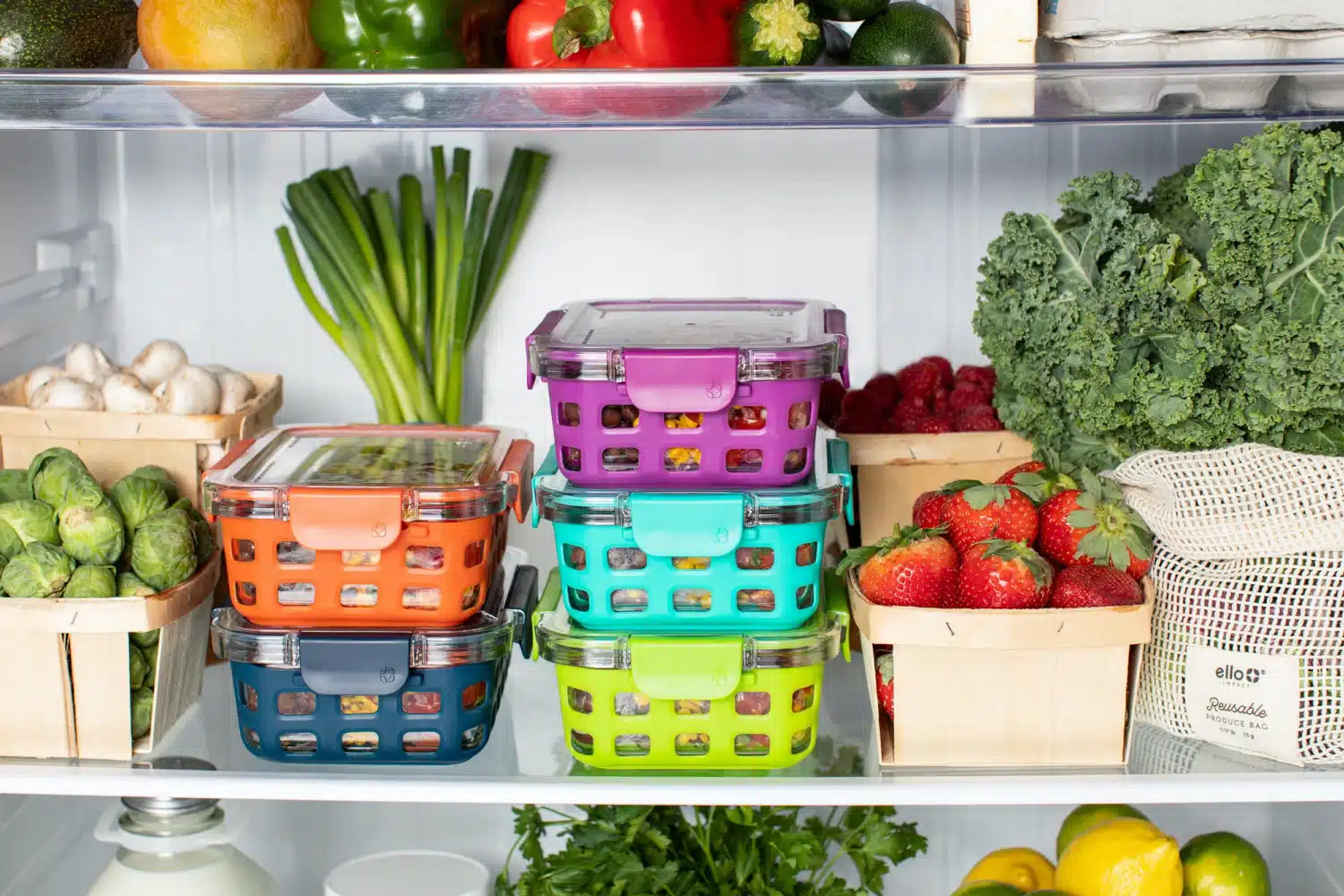
One of the best ways to save money starts before you even leave for the store. Take inventory of your refrigerator, freezer, and pantry so you don’t accidentally purchase duplicates or let food expire. Designating one dinner each week to use leftovers or ingredients that need to be eaten can help stretch your grocery budget even further. Making full use of what you already have is one of the smartest habits for long-term savings.
Shop Produce That’s in Season
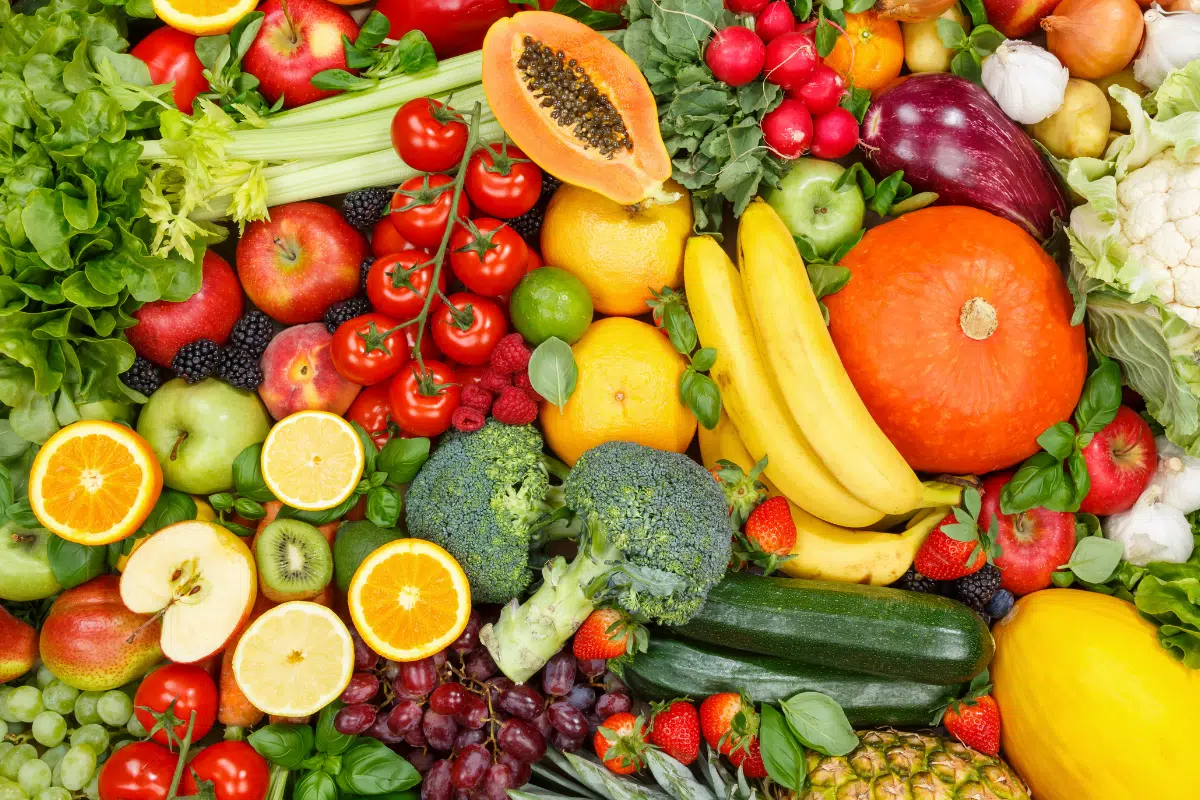
Seasonal fruits and vegetables are often fresher, more flavorful, and less expensive because they’re more abundant. Farmers’ markets, local farm stands, and grocery stores frequently feature promotions on produce that’s currently in peak season. If you find exceptional prices, consider freezing extra berries, peppers, or corn to enjoy later. Buying produce when it’s naturally plentiful gives you better value without sacrificing quality.
Skip Convenience Foods When Possible
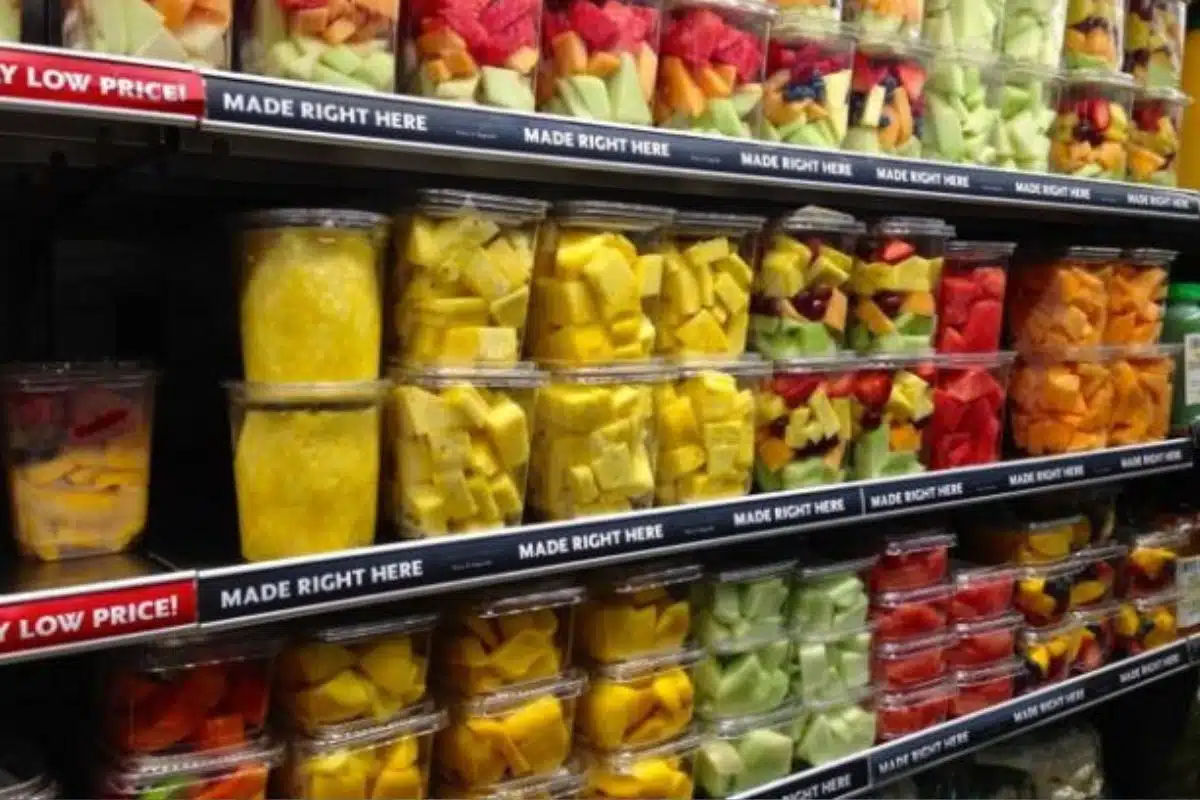
Pre-cut fruit, chopped vegetables, shredded cheese, and individually packaged snacks can be convenient, but that convenience often comes with a higher price tag. Purchasing whole ingredients and preparing them at home typically costs much less. Spending a few extra minutes washing produce or slicing vegetables can save a surprising amount over time. It’s one of the simplest ways to reduce grocery expenses without changing what you eat.
Buy the Right Items in Bulk
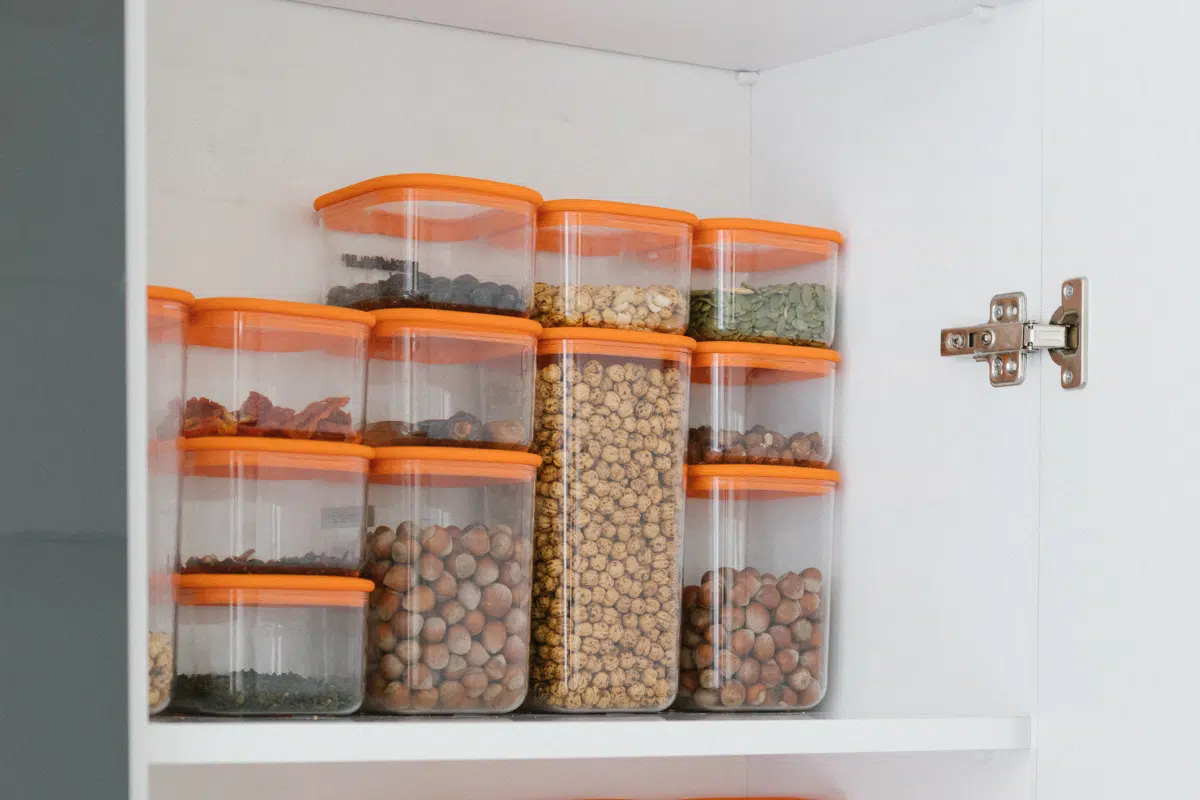
Buying in bulk makes the most sense for foods your household uses regularly. Rice, oats, pasta, dried beans, flour, nuts, and coffee often have a lower cost per serving when purchased in larger quantities. Warehouse clubs can offer excellent value, but always compare the unit price to make sure you’re getting a better deal. Focus on shelf-stable items that won’t go to waste before you have a chance to use them.
Build Your Shopping List Around Flexibility

A flexible grocery list allows you to adapt to unexpected sales and markdowns. Instead of writing “broccoli,” consider listing “green vegetable,” or replace “ground beef” with “protein for tacos.” This simple approach lets you choose whichever comparable item is the best value that day. Staying flexible often leads to better savings without requiring major changes to your meal plan.
Make Your Own Snacks

Packaged snack foods may be convenient, but they’re often much more expensive than homemade versions. Popcorn, trail mix, granola, yogurt parfaits, and homemade muffins are usually cheaper to make in larger batches at home. Preparing snacks yourself also gives you more control over ingredients and portion sizes. Over time, cutting back on individually packaged snacks can noticeably reduce your grocery spending.
This post may contain affiliate links or sponsored content. Disclosure Policy