
7 Seasonal Fruits and Vegetables That Are Worth Buying Right Now
Early fall is one of the best times to rethink your produce list. Grocery stores and farmers markets are filled with apples, pears, squash, sweet potatoes, and other fruits and vegetables that are especially well suited to the season. Buying produce when it is plentiful can also mean better flavor and, depending on where you shop, better prices. These seven seasonal picks are versatile enough to use in everything from quick weeknight dinners to simple desserts.
Apples
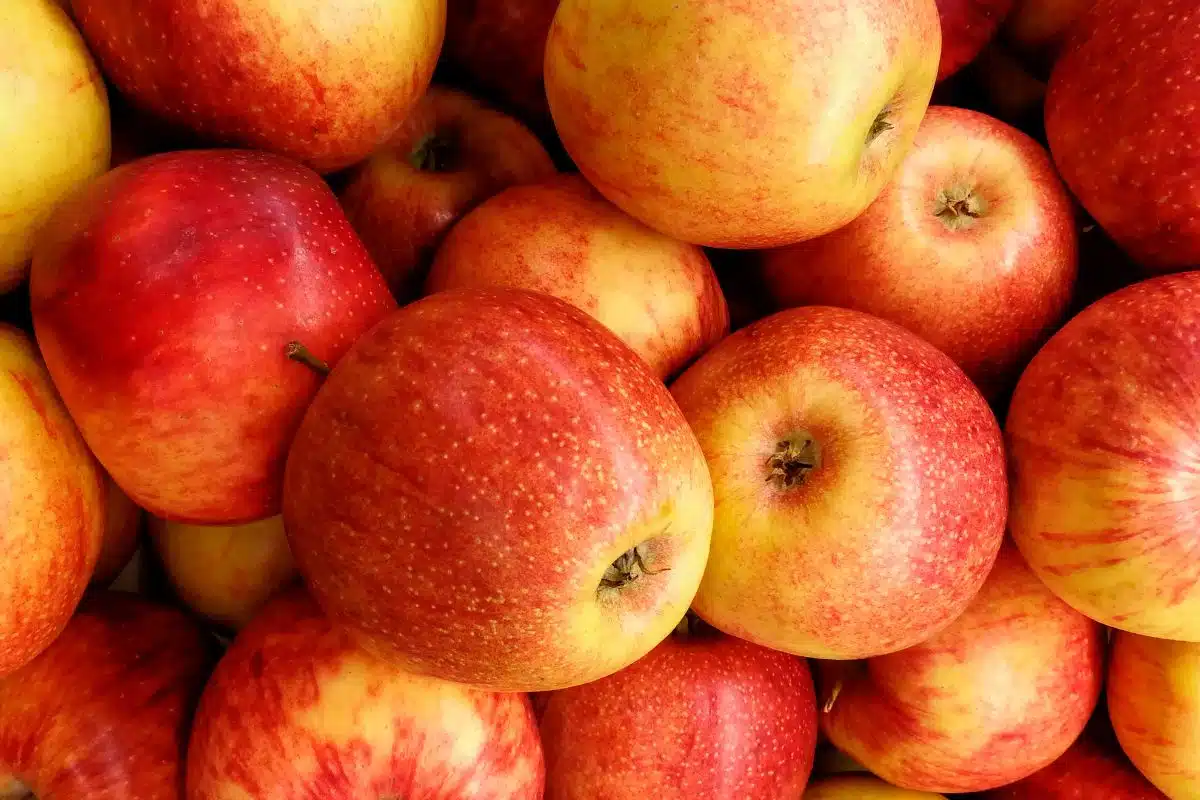
Fall and apples go hand in hand, but there’s much more to do with them than make pie. Fresh apples are easy to keep on hand for snacks, and their natural sweetness works just as well in salads, oatmeal, sandwiches, and savory dishes. Look for firm fruit without significant bruising, and choose varieties based on how you plan to use them—some hold their shape well when cooked while others are better for applesauce or baking. Buying a few different varieties can also keep an everyday fruit bowl from becoming boring.
Try them in: apple crisp, overnight oats, roasted pork dishes, salads, or homemade applesauce.
Pears
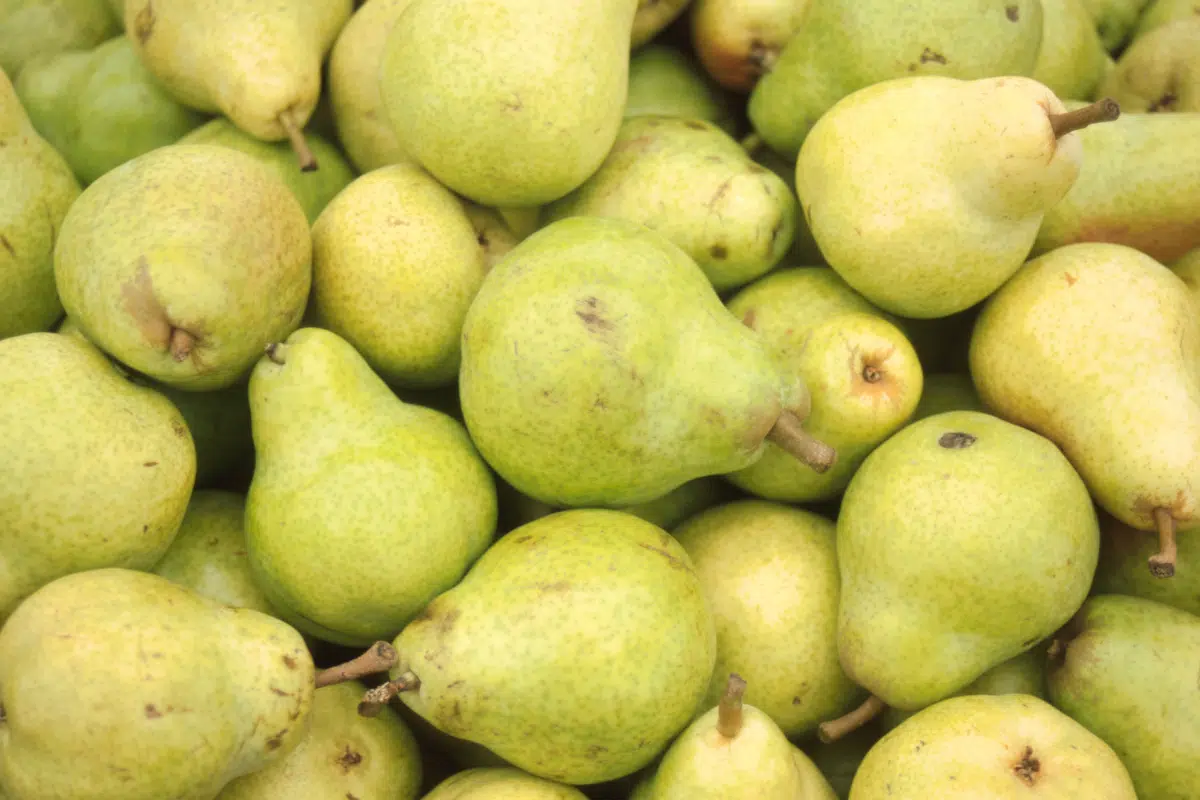
Pears are another fall fruit that deserves more attention at the grocery store. Depending on the variety, they can range from crisp and lightly sweet to soft, juicy, and intensely fragrant. They make an easy snack but also pair beautifully with cheese, nuts, leafy greens, and roasted meats. If your pears are still firm when you buy them, leave them at room temperature until they yield slightly near the stem before refrigerating them.
Try them in: a pear and walnut salad, baked pears, oatmeal, or a simple cheese board.
Sweet Potatoes
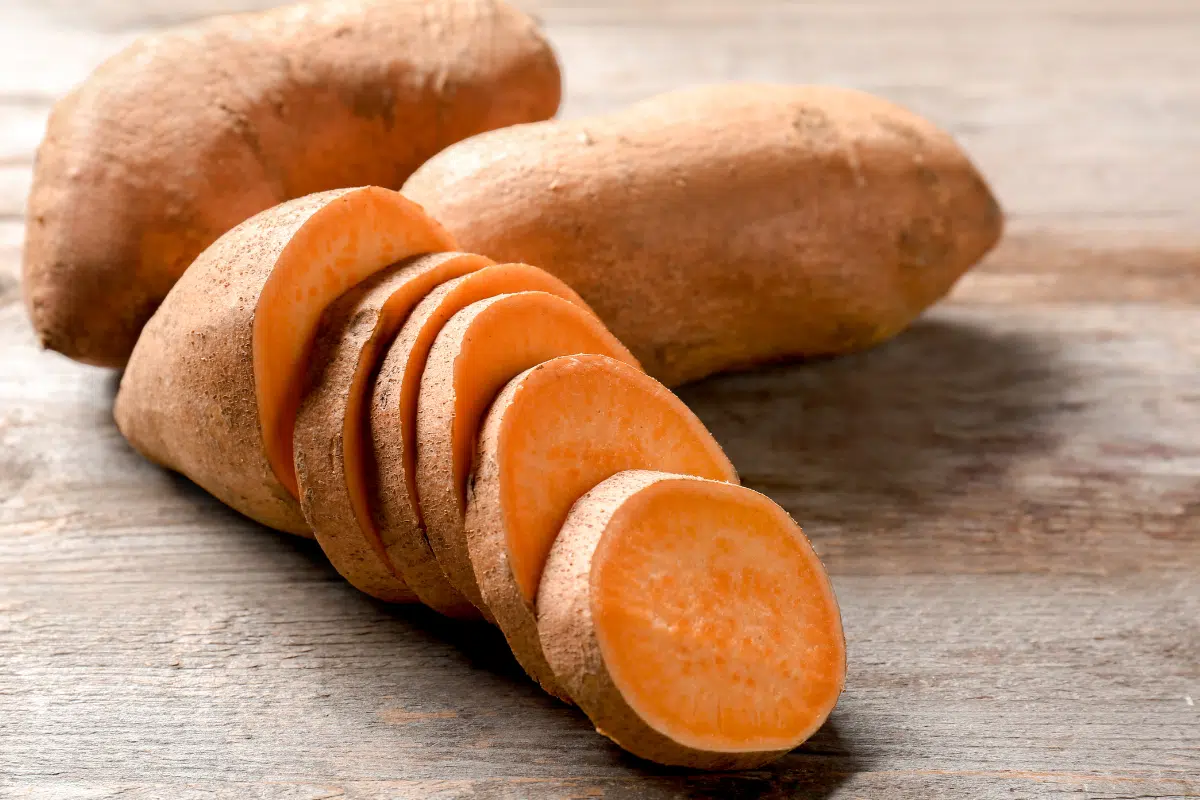
Sweet potatoes are one of the most useful vegetables to have in the kitchen during the cooler months. They can be roasted whole, cut into wedges, mashed, added to soups, or turned into everything from tacos to breakfast hash. Their natural sweetness also works surprisingly well with spicy seasonings, beans, greens, and savory sauces. Choose firm sweet potatoes without soft spots, cuts, or signs of sprouting for the best storage life.
Try them in: roasted sweet potato tacos, breakfast hash, soups, grain bowls, or homemade fries.
Winter Squash
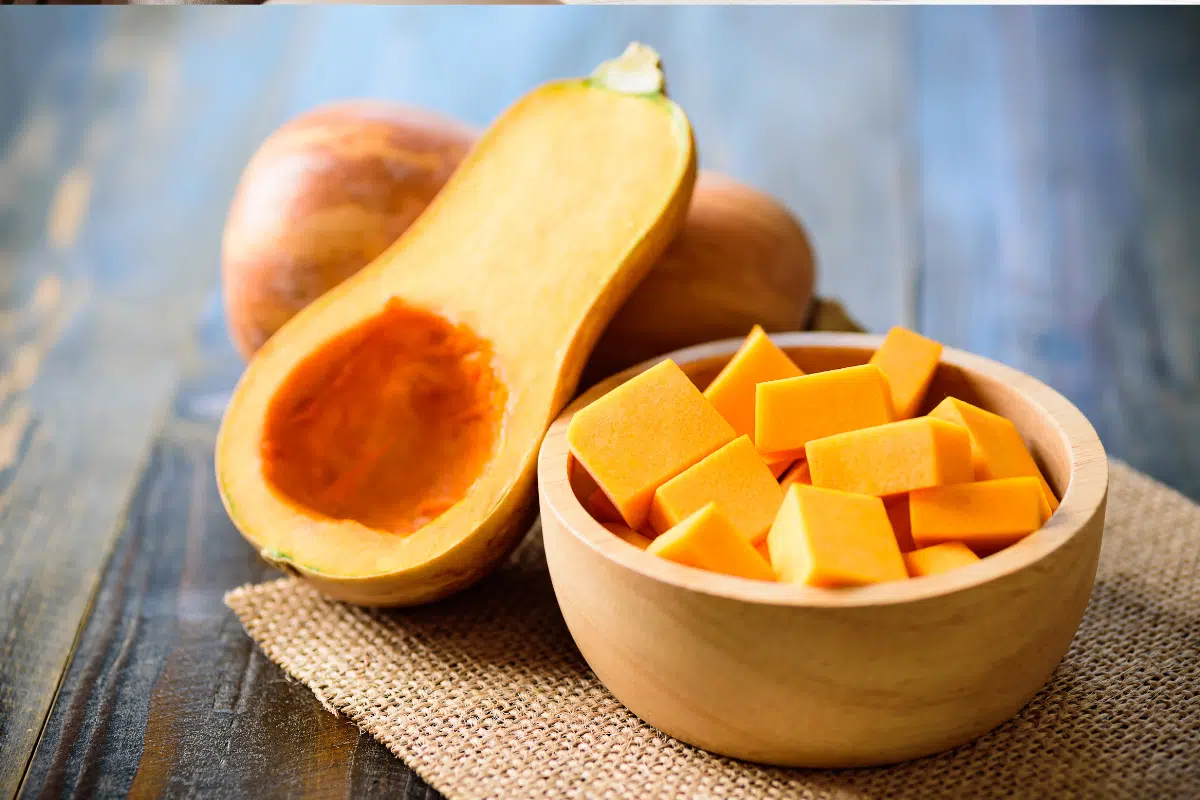
Butternut, acorn, delicata, and spaghetti squash start showing up prominently in grocery stores as the weather cools. Each variety has a slightly different texture and works well with different meals, which makes squash an easy way to add variety to your fall cooking. Roasting brings out their natural sweetness and requires surprisingly little hands-on work. Whole winter squash can also keep for quite some time when stored in a cool, dry place.
Try them in: roasted squash soup, stuffed squash, pasta dishes, grain bowls, or a simple sheet-pan dinner.
Brussels Sprouts
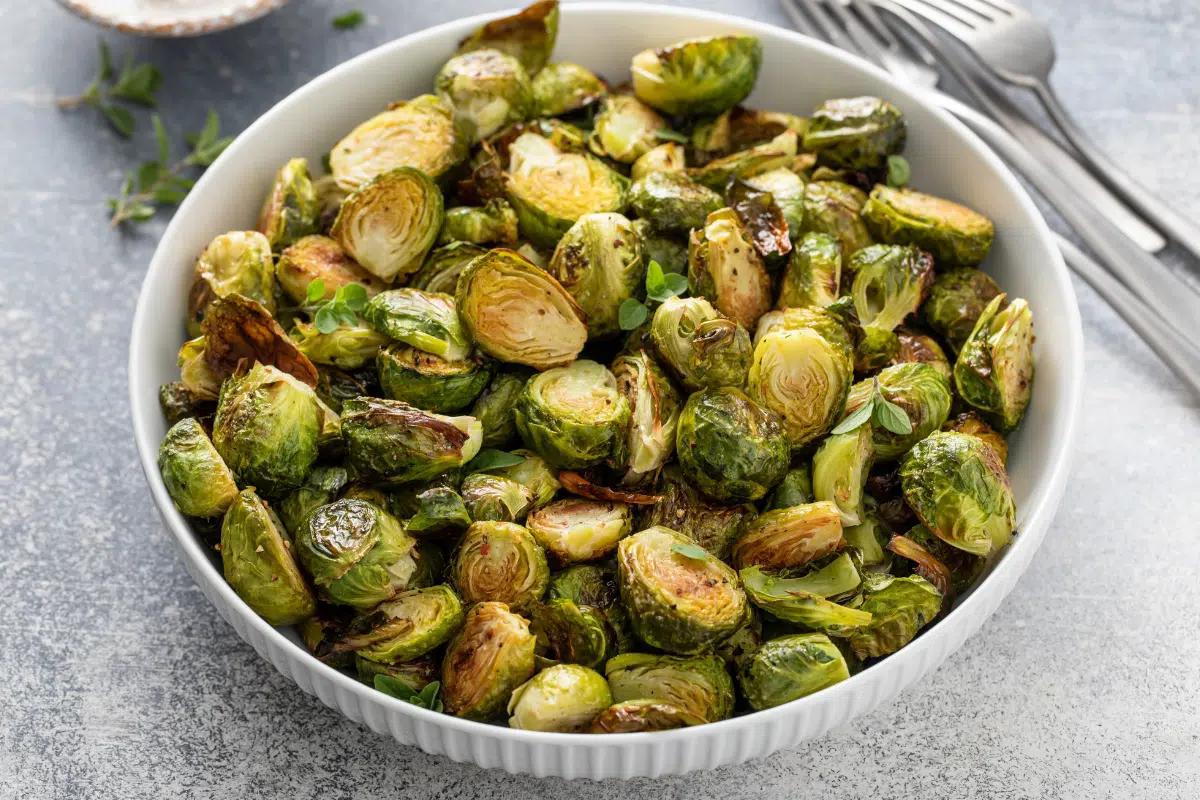
Brussels sprouts have come a long way from the overcooked vegetables many people remember from childhood. Roasting them at high heat creates browned, crispy edges while leaving the centers tender, and they pair especially well with ingredients such as bacon, Parmesan, balsamic vinegar, apples, and mustard. Choose small, firm sprouts with tightly packed leaves and avoid bunches with extensive yellowing. They are also substantial enough to serve as the main vegetable in a hearty fall dinner.
Try them in: roasted Brussels sprouts with Parmesan, a fall salad, sheet-pan dinners, or pasta.
Cranberries
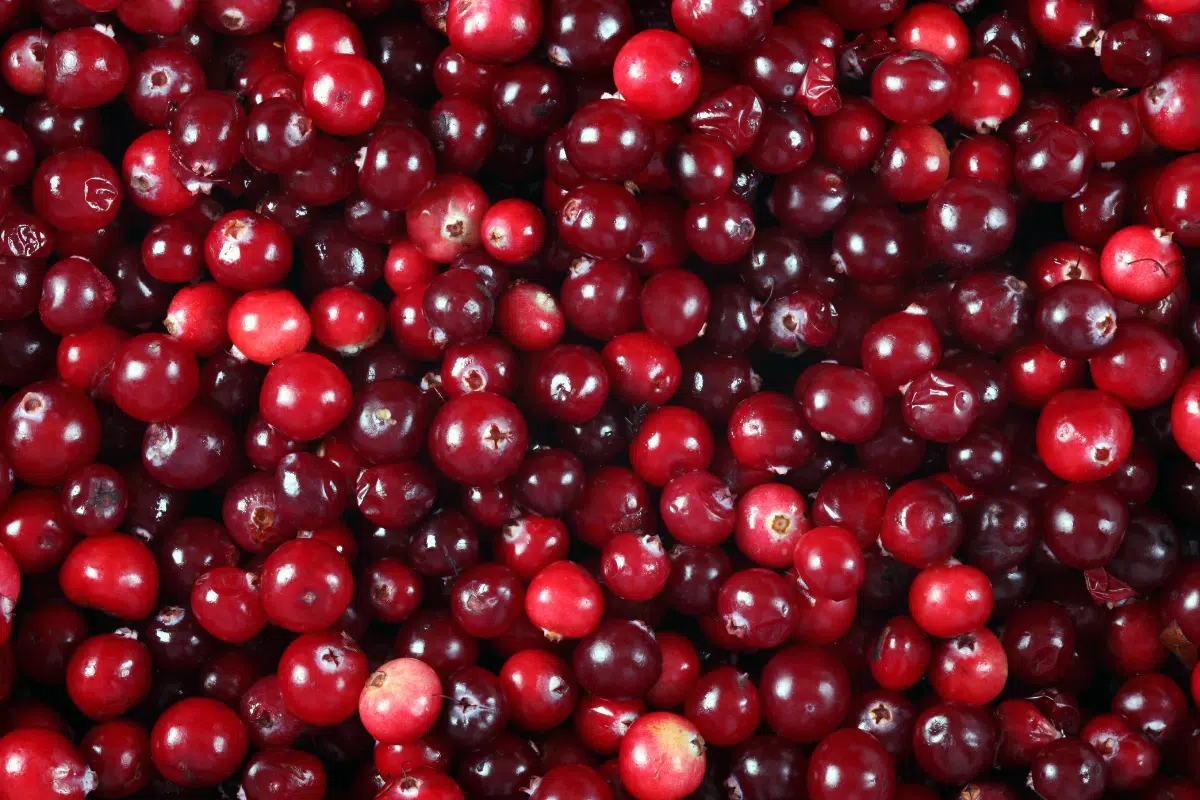
Fresh cranberries have a relatively short appearance in grocery stores, making them one of the more distinctly seasonal items on this list. Their naturally tart flavor means they are rarely eaten raw by themselves, but that acidity makes them excellent for sauces, baked goods, relishes, and drinks. A bag can also be frozen if you don’t plan to use it immediately, so there’s no need to rush through it before it spoils. Look for berries that are firm and brightly colored rather than soft or shriveled.
Try them in: homemade cranberry sauce, muffins, quick bread, chutney, or a cranberry-orange relish.
Cauliflower
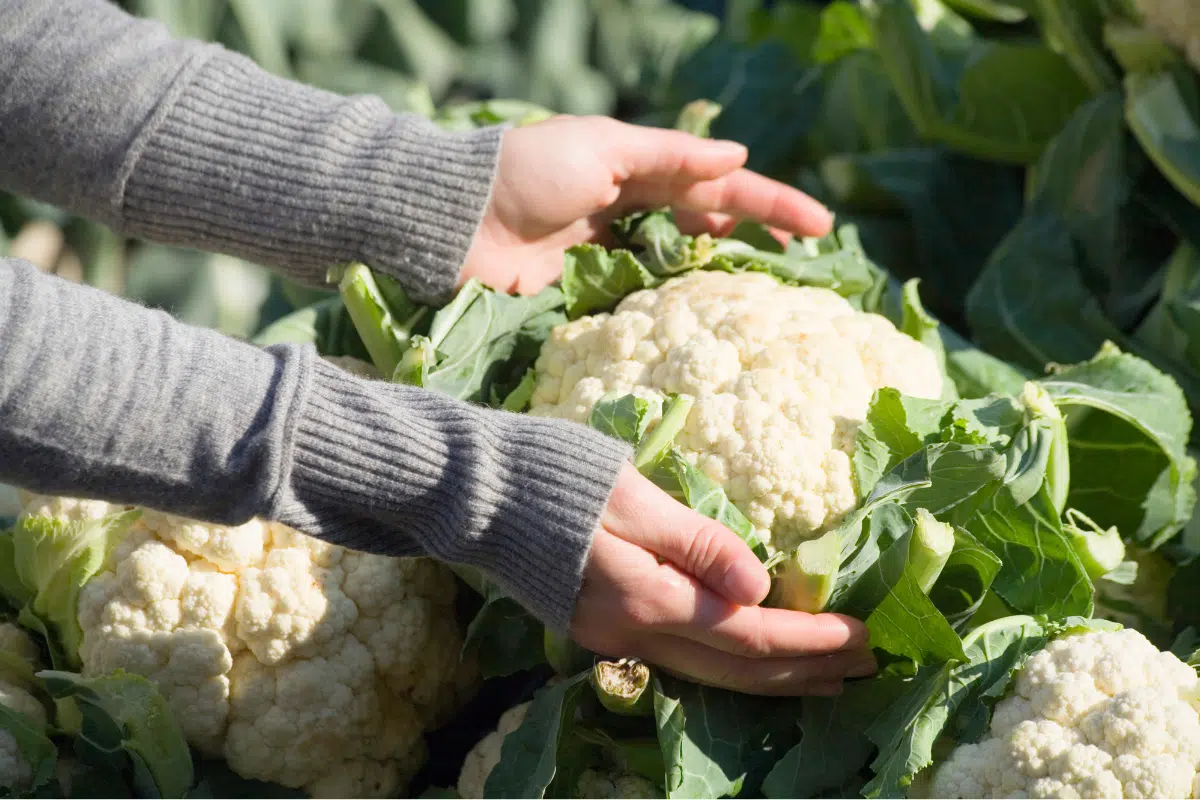
Cauliflower is available throughout much of the year, but cooler-weather cooking gives this versatile vegetable plenty of opportunities to shine. Roasting creates caramelized edges and a deeper flavor, while steaming or simmering makes it useful for soups, mashes, and casseroles. Whole heads should feel firm and heavy for their size, with compact florets and little discoloration. If you usually reach for frozen cauliflower, fresh heads are worth trying roasted with olive oil and your favorite seasonings.
Try it in: roasted cauliflower, cauliflower soup, curry, casseroles, or a sheet-pan dinner.
This post may contain affiliate links or sponsored content. Disclosure Policy