11 Foods You Don’t Need to Store in the Refrigerator
The refrigerator is one of the most useful tools in the kitchen, but it isn’t always the best place for every food. Some ingredients actually lose their best flavor, texture, or freshness when exposed to cold temperatures. While refrigeration is essential for many perishable foods, certain pantry staples and produce items do better when stored at room temperature or in a cool, dry location. Here are some common foods that may last longer—and taste better—when kept out of the fridge.
Tomatoes
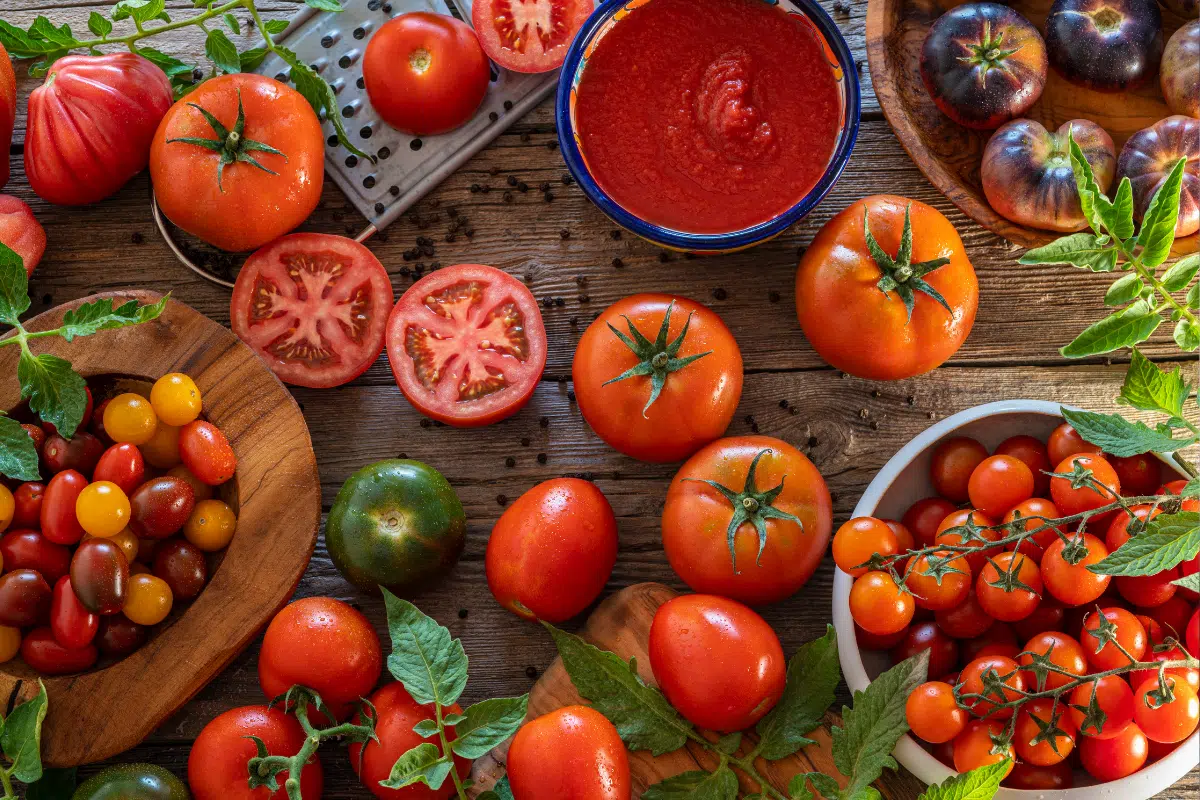
Tomatoes often taste better when stored on the counter rather than in the refrigerator. Cold temperatures can affect their texture and slow the development of the flavorful compounds that give tomatoes their fresh, garden-like taste. Keep ripe tomatoes stem-side up at room temperature and away from direct sunlight. Once cut, however, tomatoes should be refrigerated and used within a few days.
Potatoes
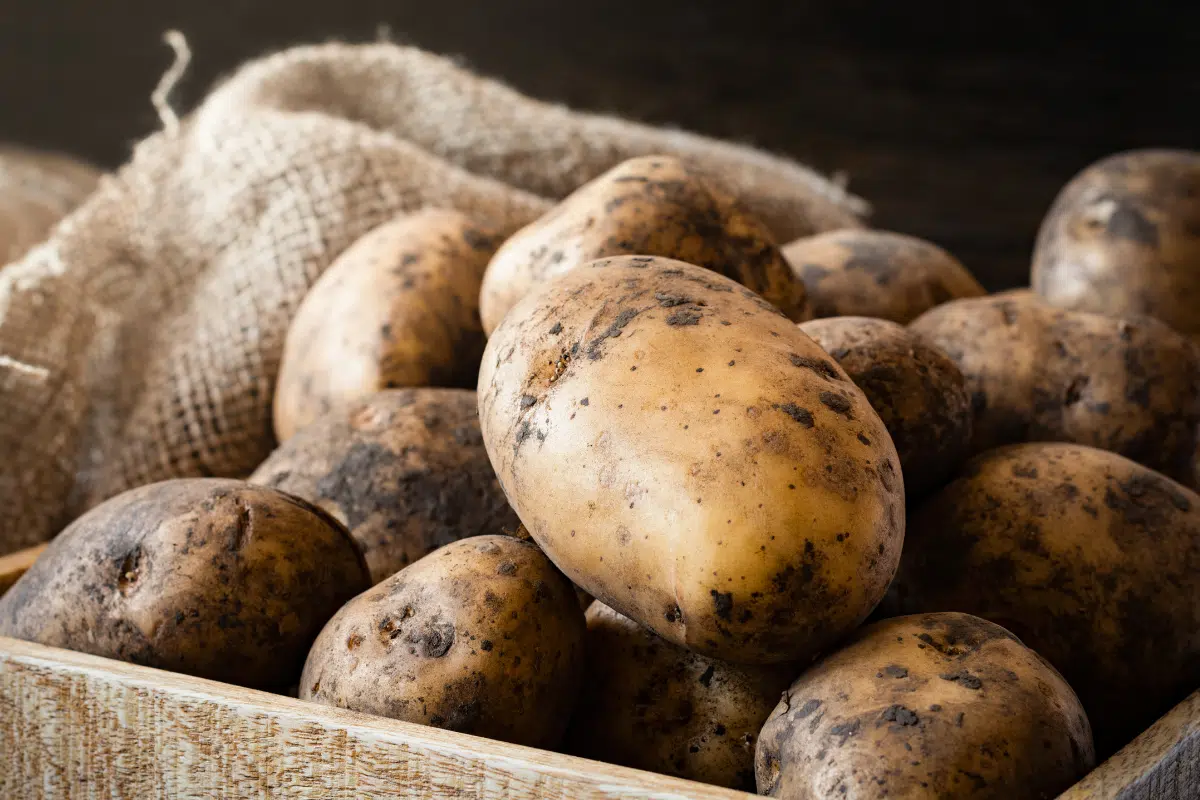
The refrigerator is not the ideal place to store potatoes because cold temperatures can cause their starches to convert into sugars. This can create a slightly sweet flavor and may affect how they cook, especially when fried or roasted. Store potatoes in a cool, dark, well-ventilated area such as a pantry or cabinet. Avoid storing them near onions, as both foods release gases that can cause each other to spoil faster.
Onions
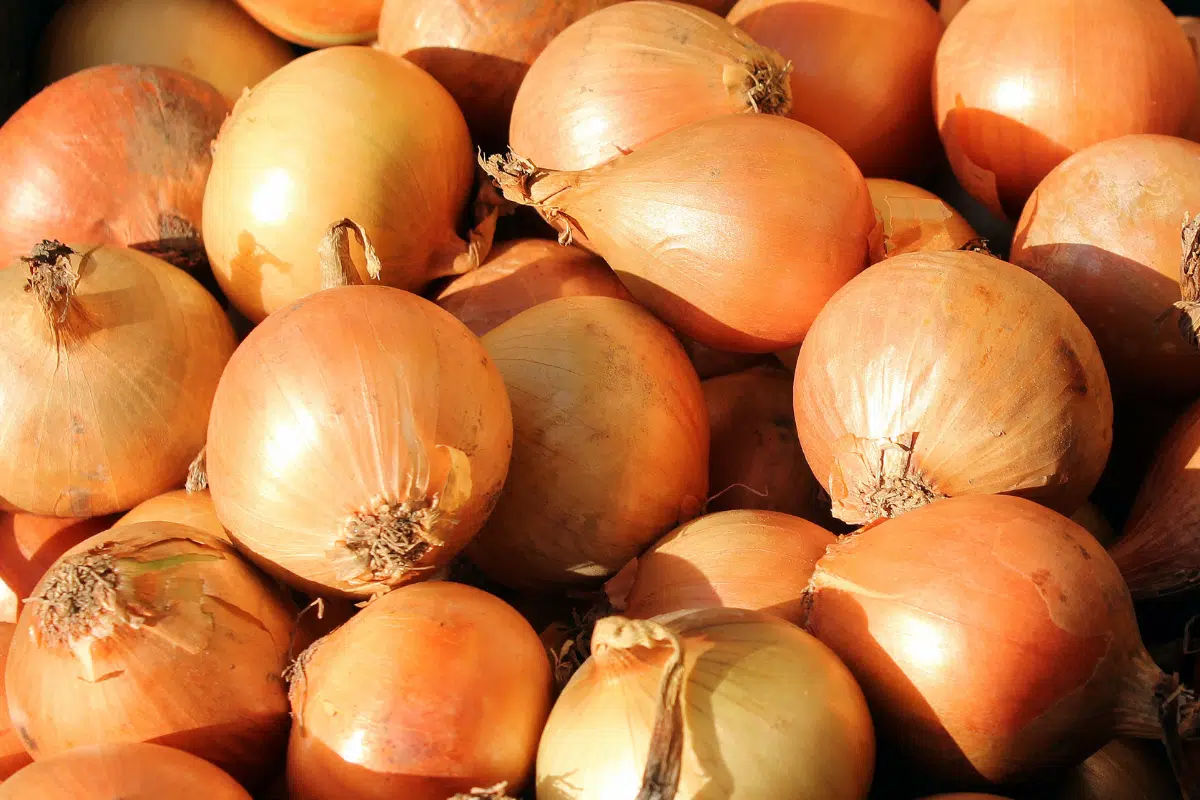
Whole onions need airflow to stay fresh, which makes the refrigerator a poor choice for storage. The moisture inside a fridge can cause onions to become soft, moldy, or develop an unpleasant texture. Keep them in a mesh bag, basket, or pantry shelf where air can circulate. Once an onion is cut, store the remaining pieces in an airtight container in the refrigerator.
Garlic
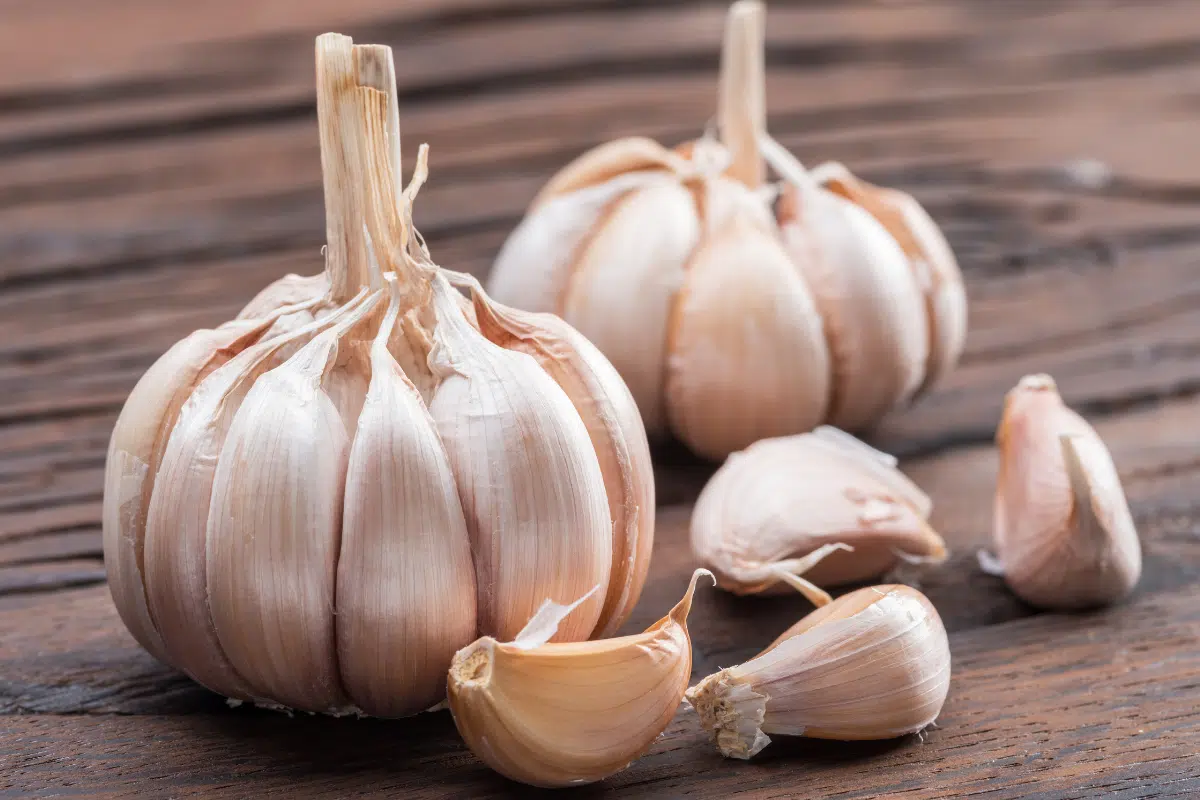
Whole garlic bulbs are best kept in a dry, dark location with good ventilation. Refrigerating garlic can encourage moisture buildup, which may lead to mold or unwanted sprouting. A basket, mesh bag, or garlic keeper on a pantry shelf helps maintain freshness. Peeled or chopped garlic, however, should be refrigerated and used quickly.
Bread
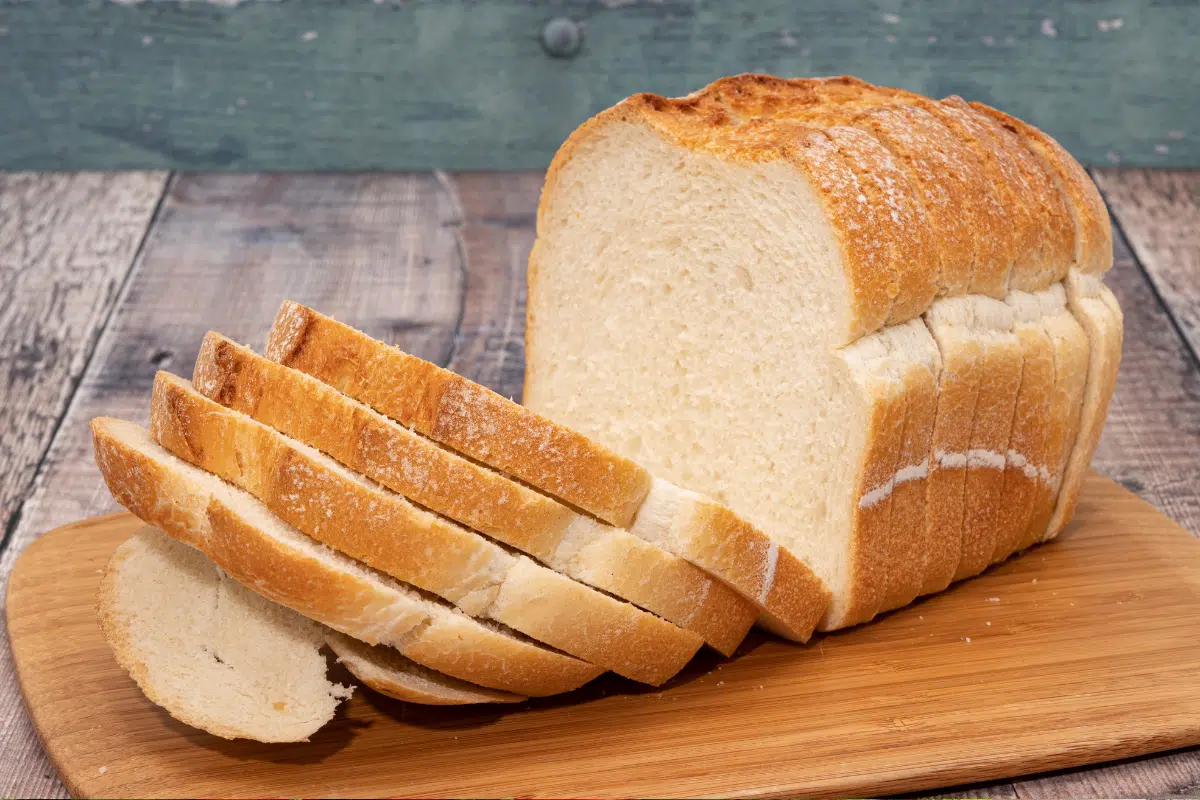
Although many people store bread in the refrigerator thinking it will last longer, the cold environment can actually speed up the staling process. Refrigerated bread often becomes dry and loses its soft texture faster. For bread you plan to eat within a few days, room-temperature storage in a sealed bag or bread box is usually best. If you need to store it longer, freezing is a better option.
Honey

Honey is naturally long-lasting and does not need refrigeration. Storing it in the fridge causes it to crystallize more quickly, making it thick and difficult to pour. Keep honey tightly sealed in a pantry or cabinet away from heat and moisture. If crystallization occurs, placing the container in warm water can help return it to a smoother consistency.
Coffee
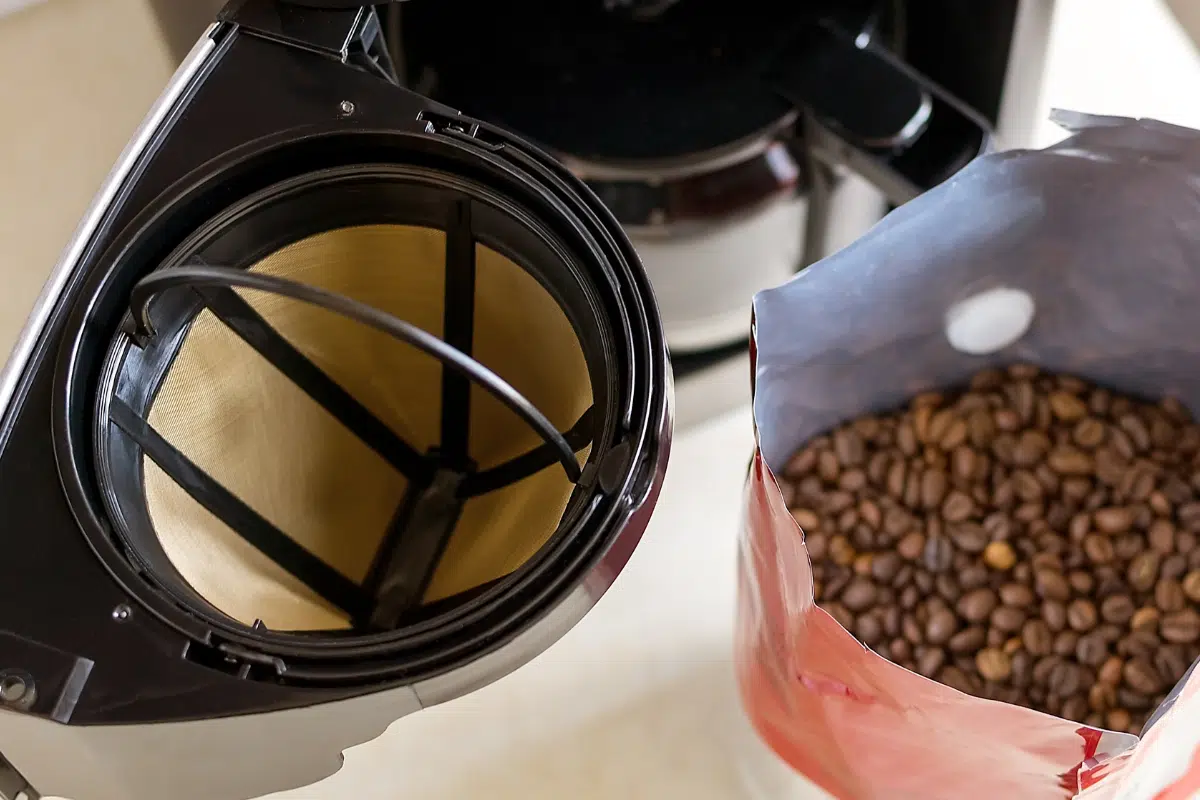
Coffee beans and grounds are sensitive to moisture, light, heat, and odors. The refrigerator can expose coffee to humidity and allow it to absorb nearby smells, which may affect its flavor. Store coffee in an airtight container in a cool, dark cabinet instead. For the freshest taste, many coffee experts recommend buying smaller amounts and grinding beans just before brewing.
Bananas
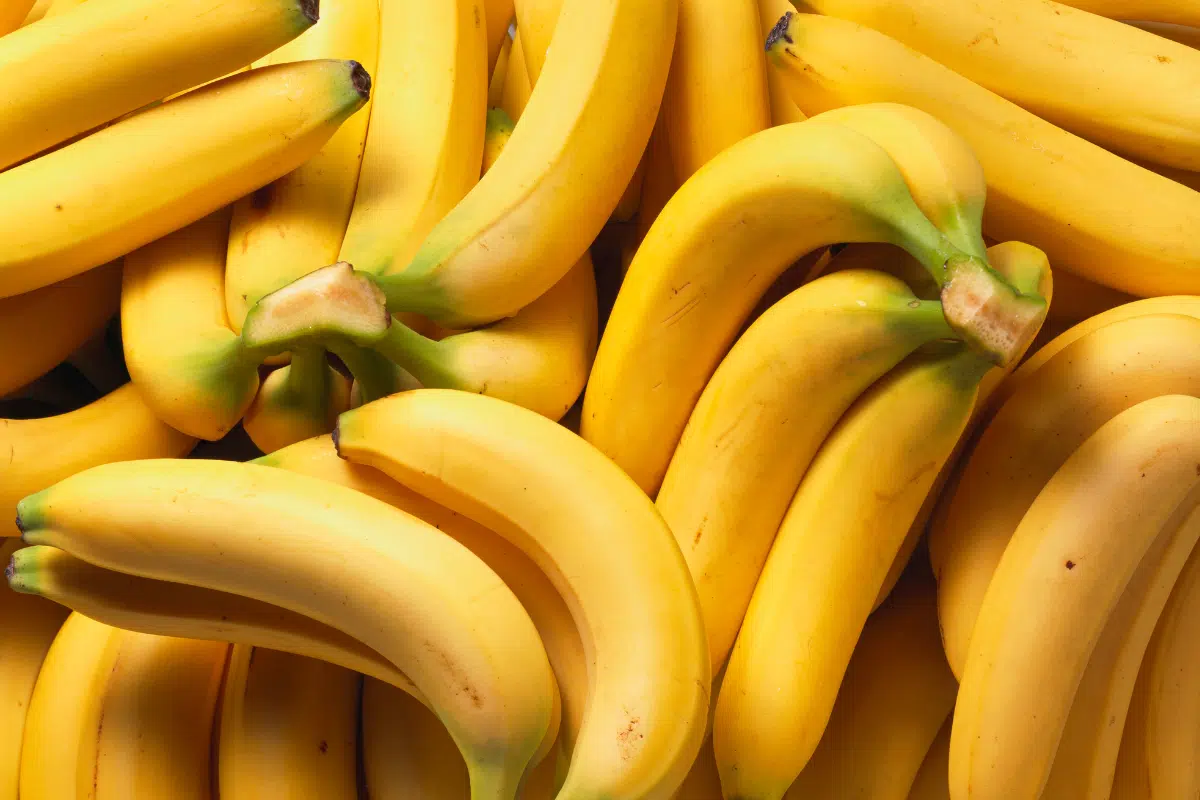
Bananas are tropical fruits that generally do best at room temperature while they ripen. Refrigeration can darken the peel and slow the ripening process, although the inside may remain edible. Keep bananas on the counter until they reach your preferred ripeness. Once ripe, storing them in the refrigerator can help slow further softening if you don’t plan to eat them right away.
Olive Oil
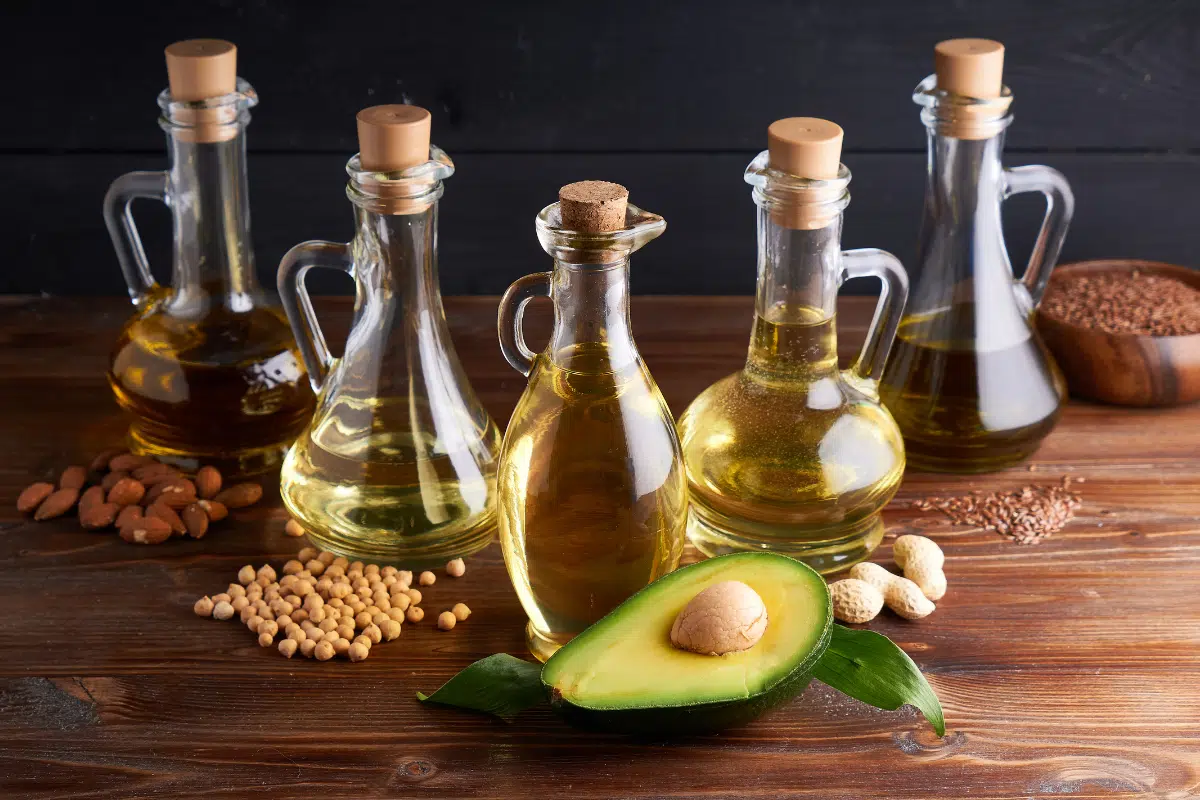
Olive oil is best stored in a cool, dark place rather than inside the refrigerator. Cold temperatures can cause the oil to become cloudy, thick, or partially solidified, making it inconvenient to use. Keep it in a tightly sealed bottle away from sunlight and heat sources like the stove. Proper storage helps preserve its flavor and quality.
Avocados
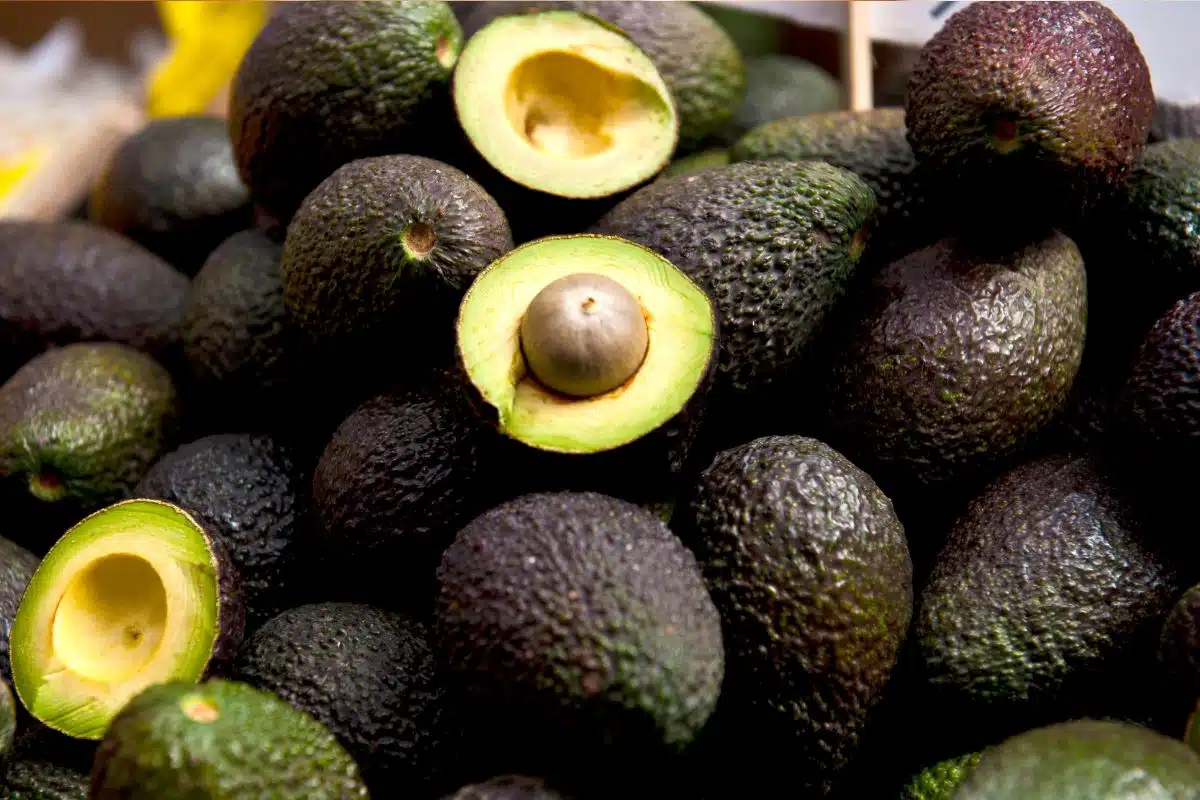
Whole, unripe avocados should stay on the counter until they soften and reach peak ripeness. Refrigerating them too early can slow or stop the ripening process, leaving them firm and less flavorful. Once ripe, placing avocados in the refrigerator can extend their freshness for a few additional days. Cut avocados should always be stored refrigerated.
Fresh Basil
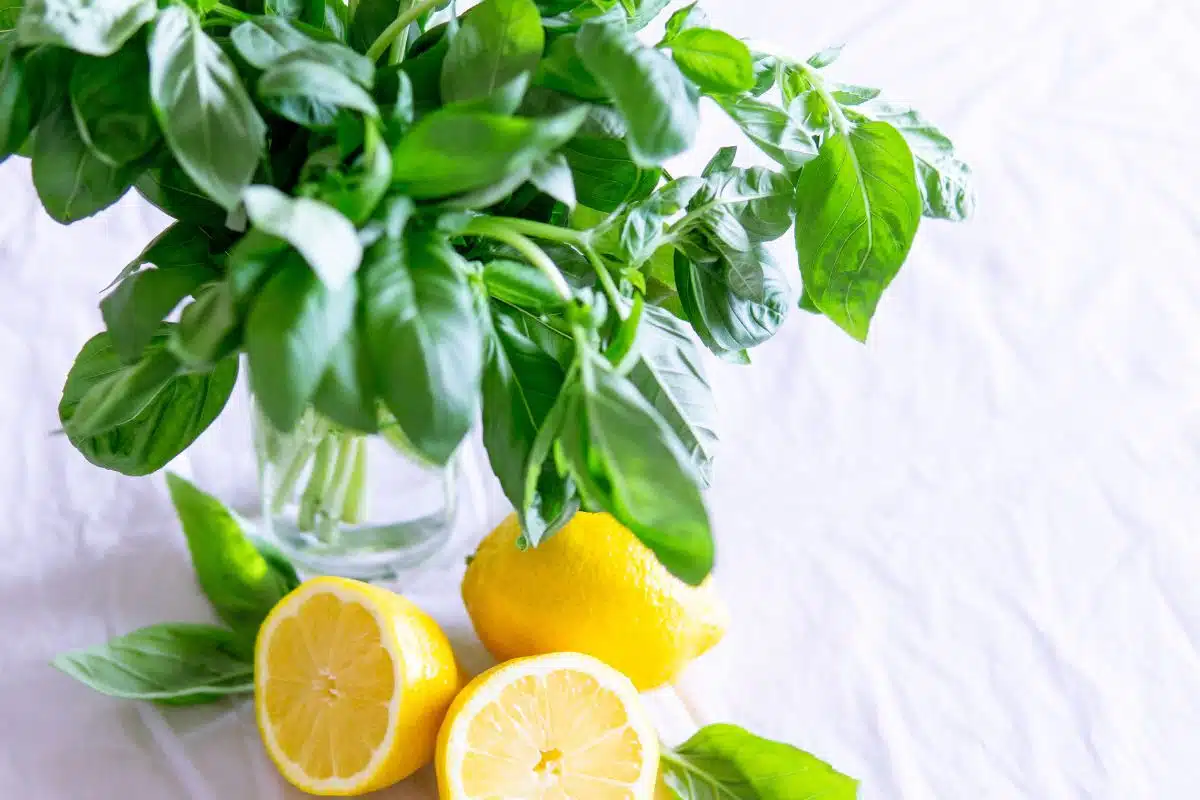
Unlike many herbs, basil does not tolerate cold temperatures well. Storing fresh basil in the refrigerator can cause the leaves to turn dark, wilt, and lose their bright flavor. Instead, trim the stems and place basil in a glass of water on the counter, similar to fresh flowers. Covering it loosely with a bag can help keep the leaves fresh for longer.
This post may contain affiliate links or sponsored content. Disclosure Policy