12 Foods You Can Cook Straight From the Freezer
Frozen foods can save dinner when you don’t have time for much preparation, but not everything in your freezer should be cooked the same way. Some foods are designed to go directly from freezer to oven, skillet, air fryer, or pot, while others simply need a little extra cooking time. Here are some convenient frozen foods you can cook without thawing first, along with tips for getting the best results while keeping food safety in mind.
Frozen Chicken Breasts
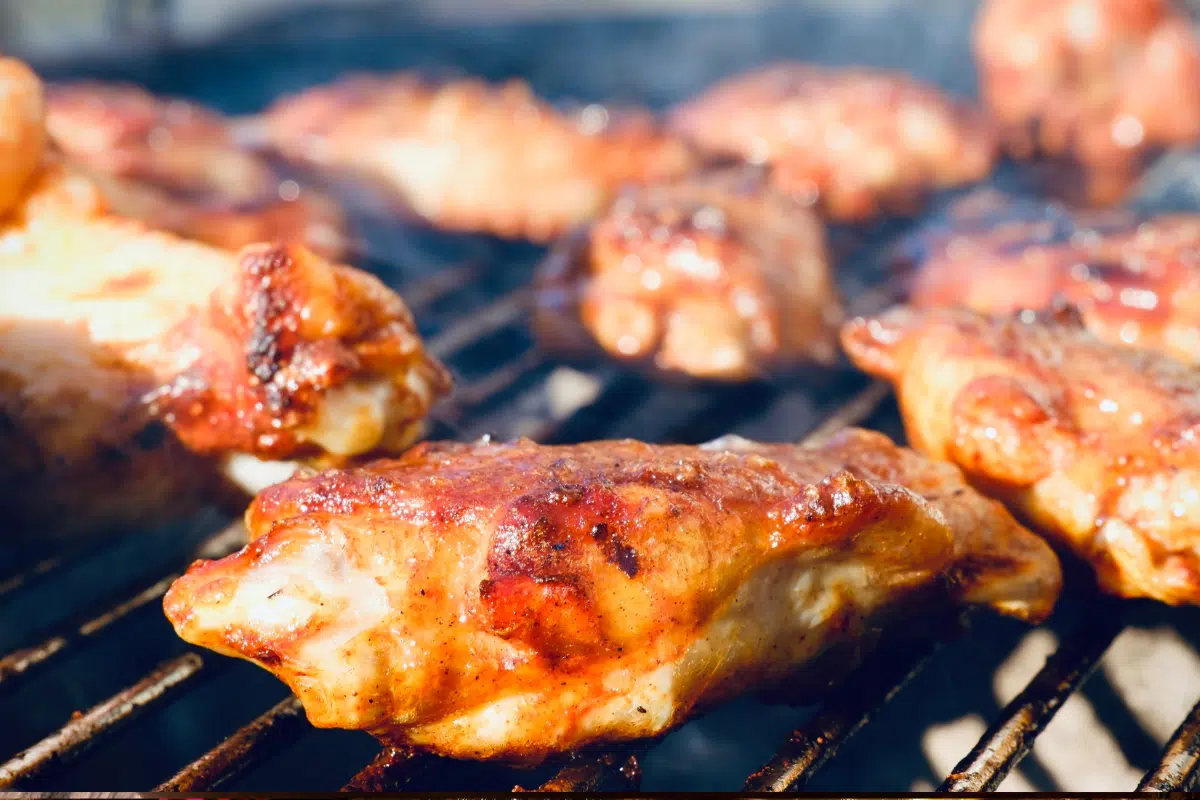
Boneless, skinless chicken breasts can be cooked from frozen in the oven, on the stovetop, or in an air fryer, although they will take longer than thawed chicken. For more even cooking, choose pieces of similar size and avoid overcrowding the cooking surface. Because frozen chicken can be difficult to season at the beginning, add seasonings once the exterior has softened if necessary. Always cook chicken to an internal temperature of 165°F, measured with a food thermometer at the thickest part.
Frozen Shrimp
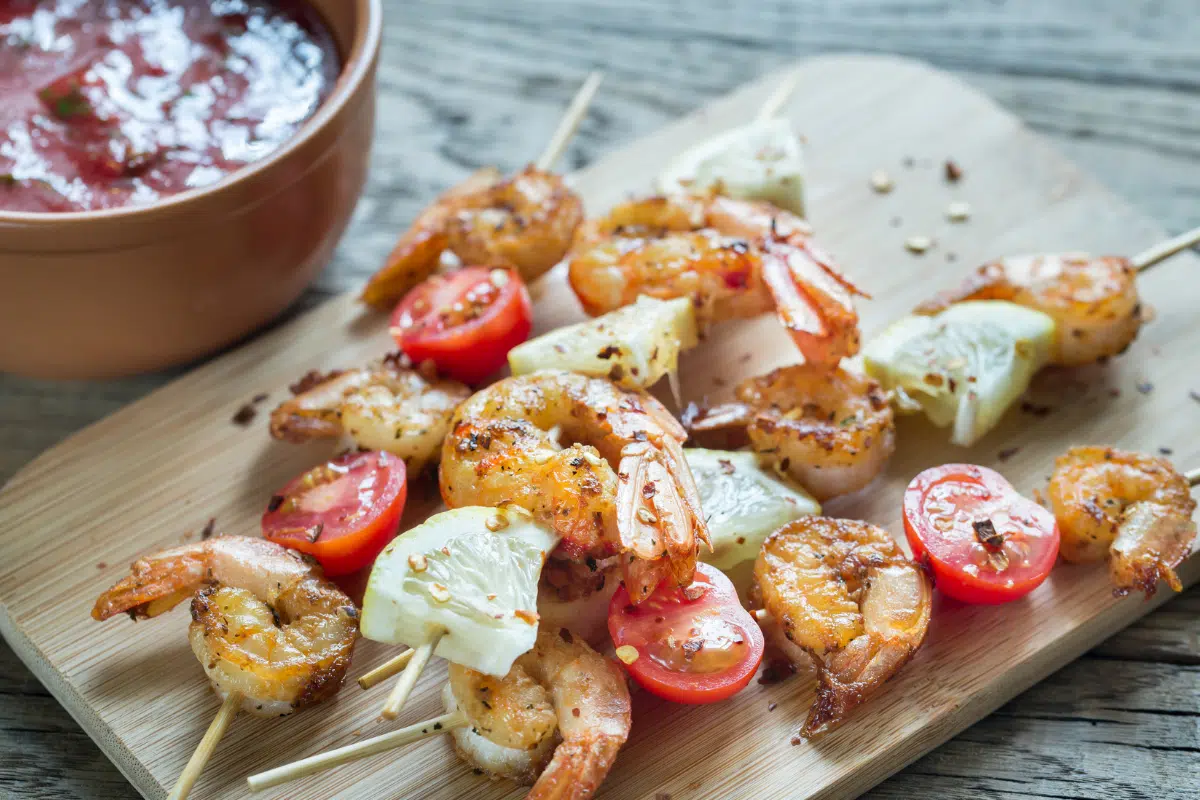
Frozen shrimp are particularly convenient because they cook quickly and can be added directly to a hot skillet, soup, stir-fry, or pasta dish. If the shrimp are coated in excess ice, a quick rinse under cold water can help remove it before cooking. Avoid overcooking, since shrimp can become rubbery in just a few extra minutes. Check the package directions for the recommended cooking method and time, particularly if the shrimp are raw rather than precooked.
Frozen Vegetables
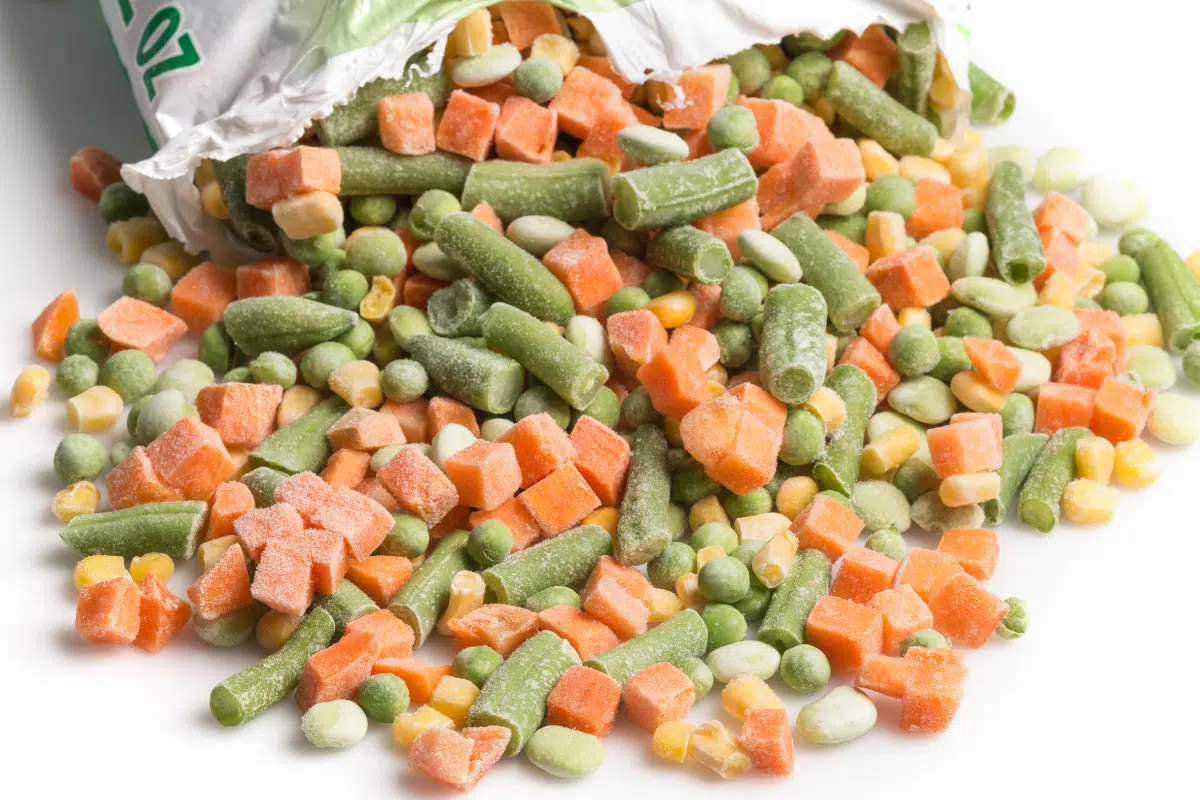
Frozen vegetables such as broccoli, peas, corn, green beans, and mixed vegetables are made for convenient cooking without thawing. You can steam, microwave, sauté, roast, or add many varieties directly to soups, stews, and casseroles. Roasting frozen vegetables at a high temperature can help drive off excess moisture and improve browning. Since cooking times vary considerably by vegetable and method, use the package directions as your starting point.
Frozen French Fries
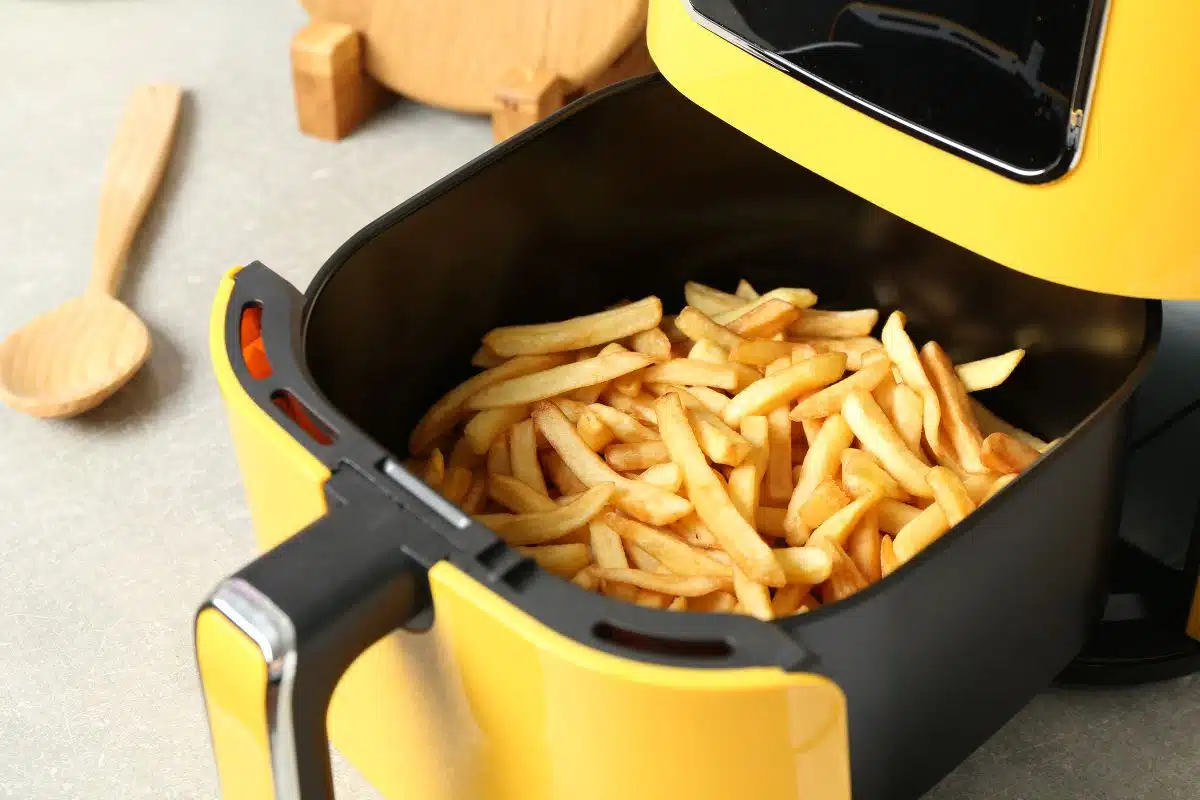
Frozen French fries are designed to be cooked directly from frozen, making them an easy side dish when you’re short on time. They can typically be prepared in an oven, air fryer, or deep fryer according to the package instructions. Keeping the fries in a single layer helps hot air circulate and promotes better browning and crispness. There is no need to thaw them first, and doing so can actually make them more difficult to crisp.
Frozen Fish Fillets
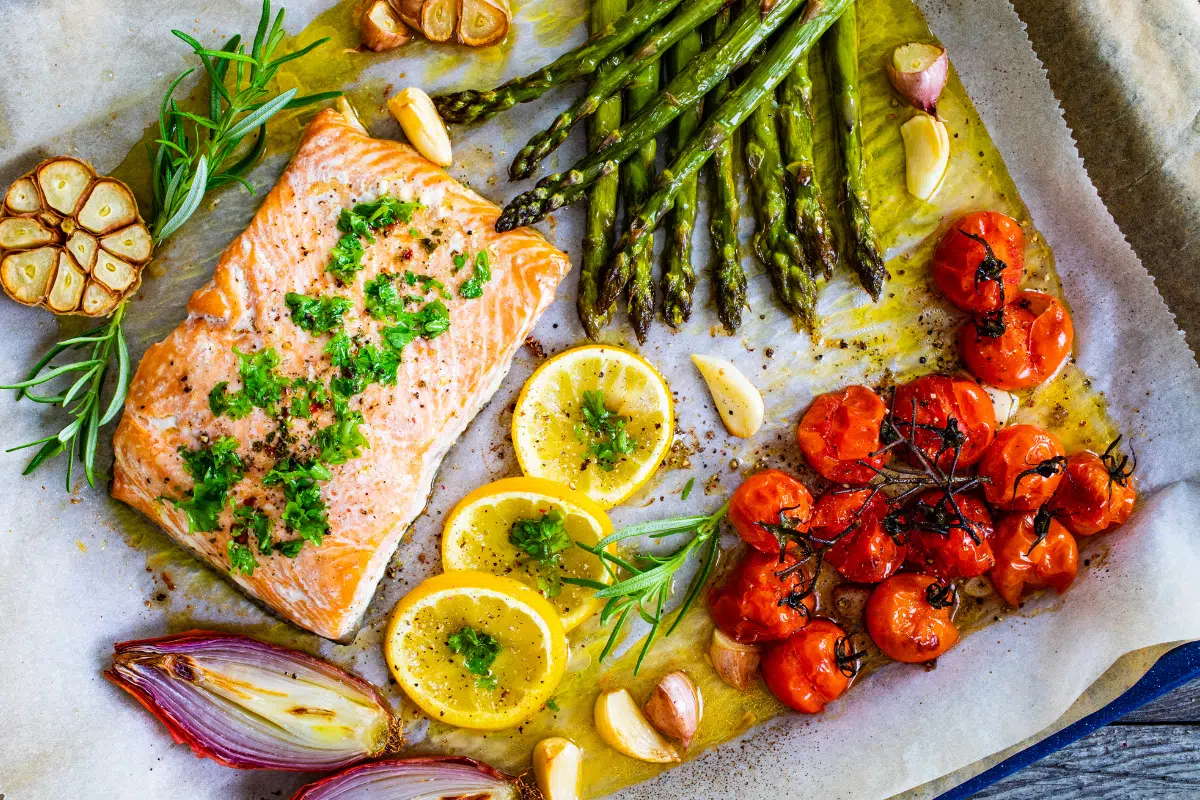
Many frozen fish fillets, including varieties such as cod and salmon, can be cooked directly from frozen in the oven or another recommended cooking method. Cooking from frozen generally requires additional time, and thicker fillets may take considerably longer than thin ones. Add seasonings, herbs, lemon, or other toppings according to the recipe you’re using. Fish should be cooked until it reaches 145°F or flakes easily with a fork, following USDA guidance for safe preparation.
Frozen Meatballs
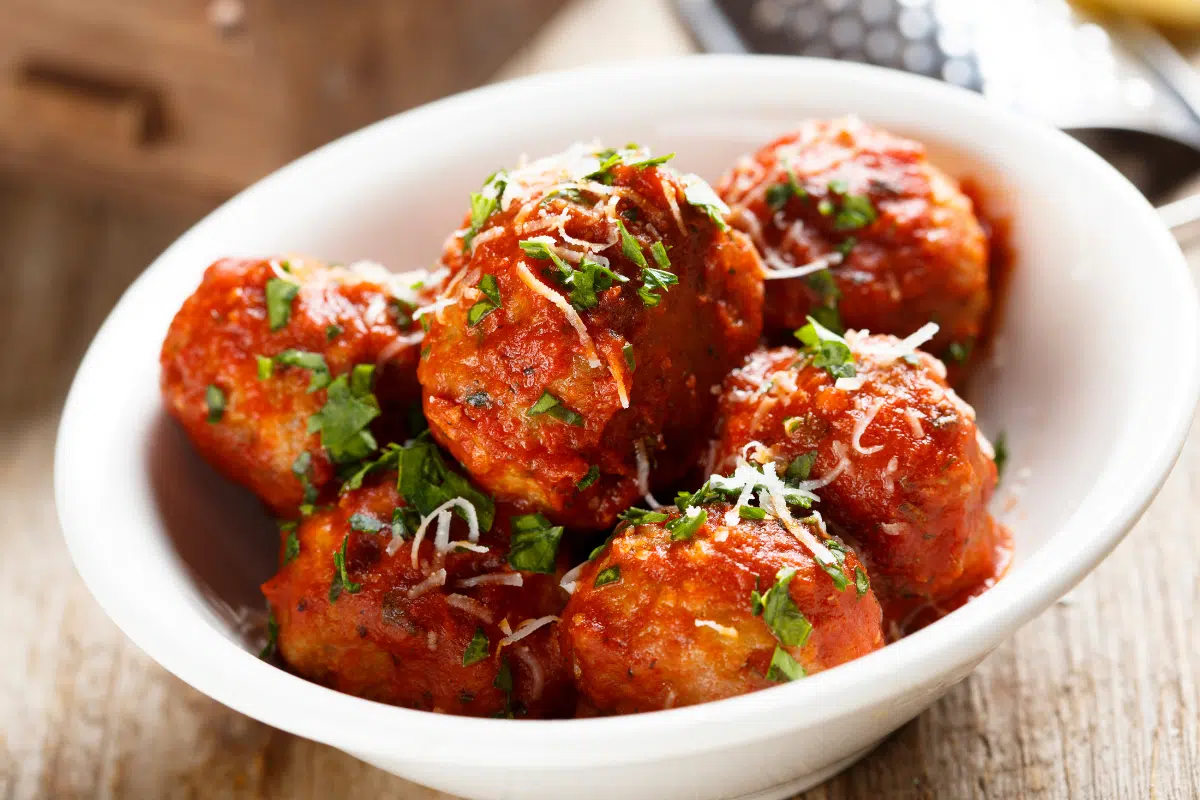
Frozen meatballs are one of the easiest shortcuts for a quick dinner because many commercially prepared varieties are already fully cooked. They can generally be heated from frozen in simmering sauce, the oven, microwave, or air fryer, depending on the package directions. They’re an easy addition to spaghetti, meatball subs, soups, or appetizers. If you’re using raw frozen meatballs, however, they require thorough cooking rather than simply reheating.
Frozen Pizza
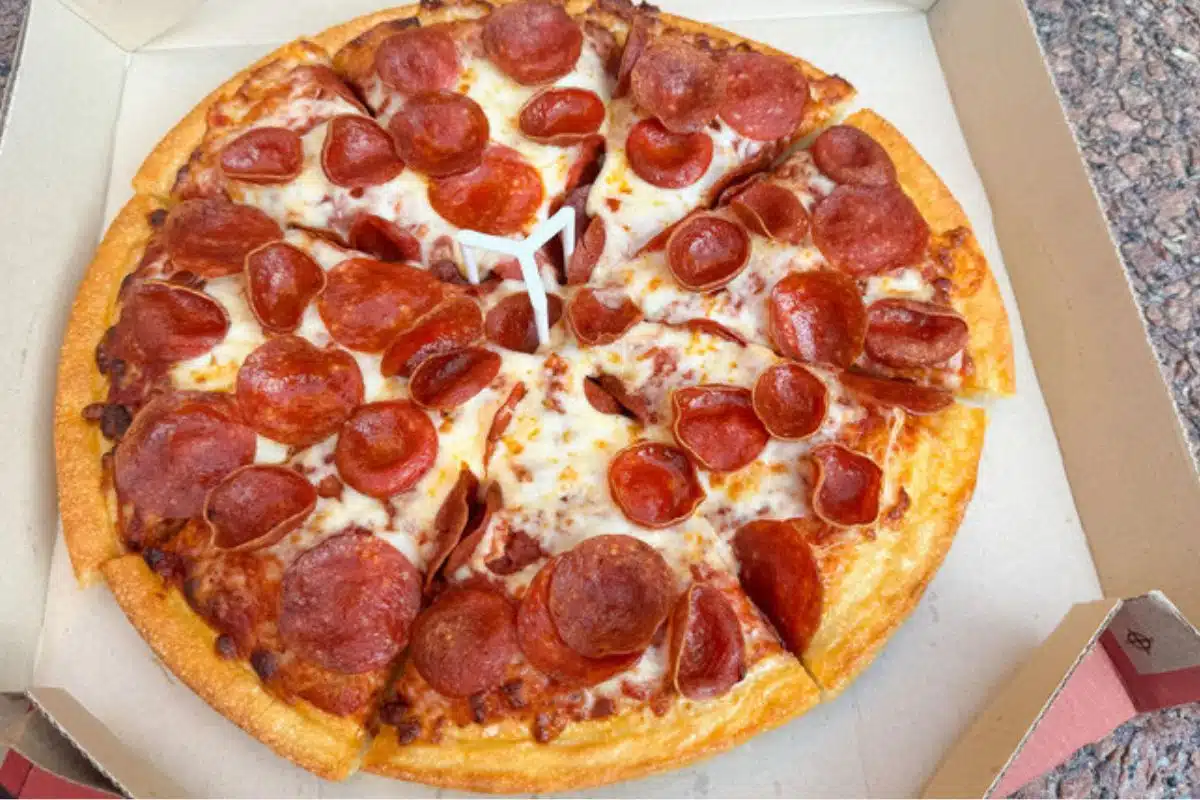
Frozen pizza is specifically designed to go from the freezer directly into the oven, so there’s no reason to thaw it first. In fact, thawing can affect the crust and may leave you with a less desirable texture. Follow the package instructions for oven temperature and cooking time, and place the pizza on the recommended rack, pan, or baking surface. Let it stand for a few minutes after cooking so the cheese and toppings aren’t dangerously hot when you slice it.
Frozen Dumplings or Potstickers
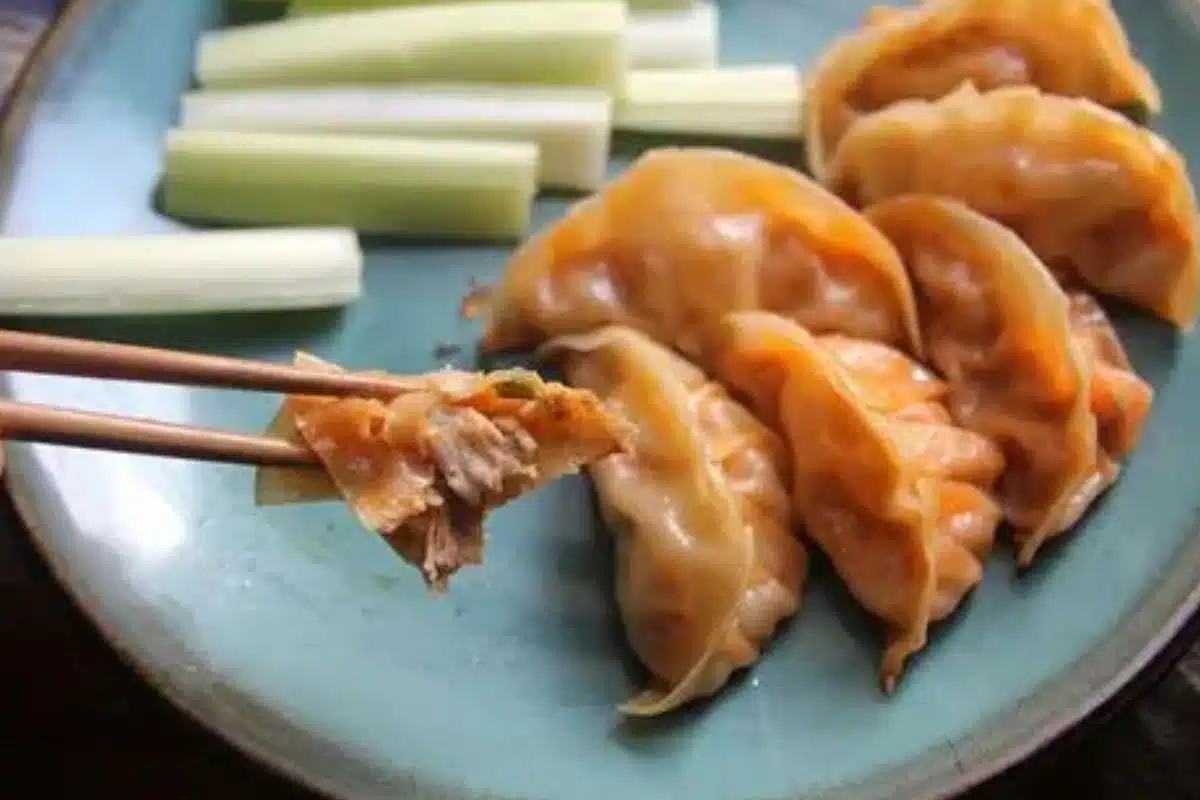
Frozen dumplings and potstickers can usually be cooked without thawing by steaming, pan-frying, boiling, or air frying. The best method depends on whether you’re working with raw or precooked dumplings, so check the package directions before cooking. Pan-frying followed by steaming can give potstickers a crisp bottom while keeping the filling tender. Don’t rely on appearance alone to determine whether they are finished; cook according to the package instructions.
Frozen Burgers
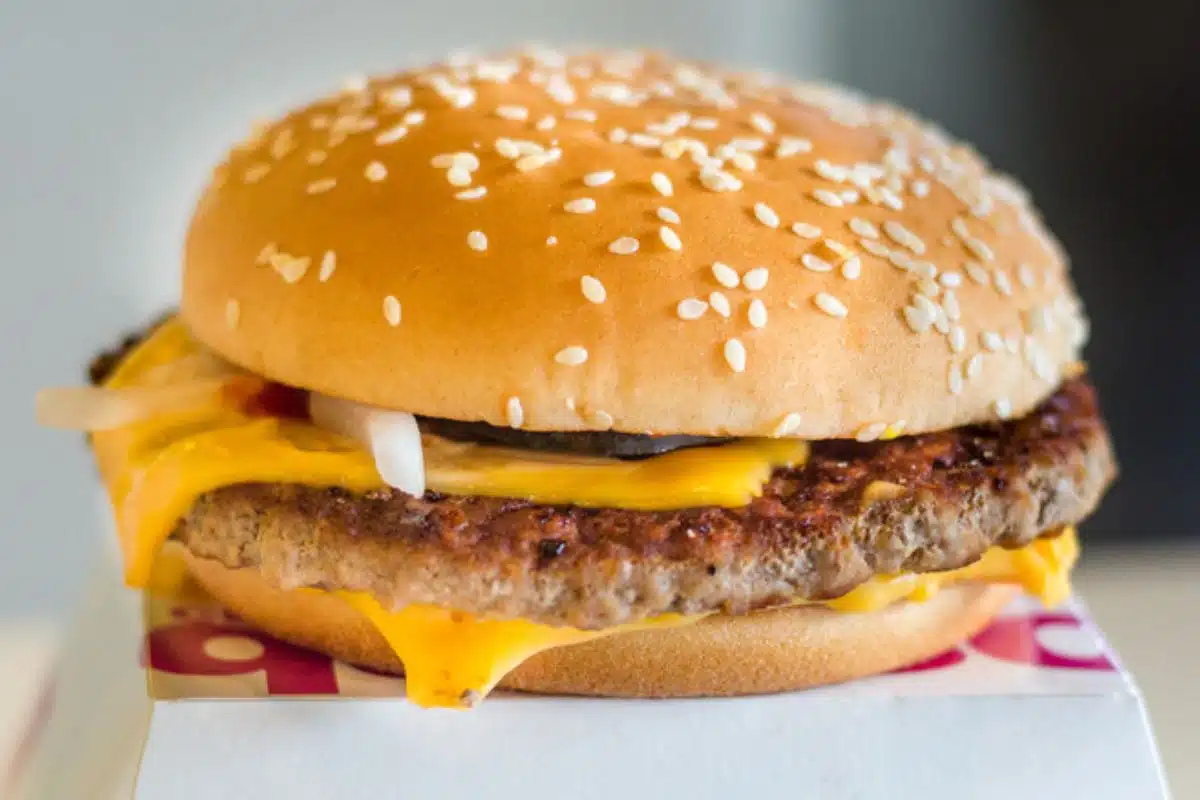
Frozen burger patties can be cooked directly from frozen on a skillet, grill, or another appropriate cooking surface. Starting with frozen patties can actually make it easier to maintain their shape while they cook. Avoid pressing down on the burgers repeatedly, since that can push out flavorful juices and increase flare-ups on a grill. For ground beef, turkey, or other ground meats, use a food thermometer to verify that the patties have reached the appropriate safe internal temperature.
Frozen Waffles
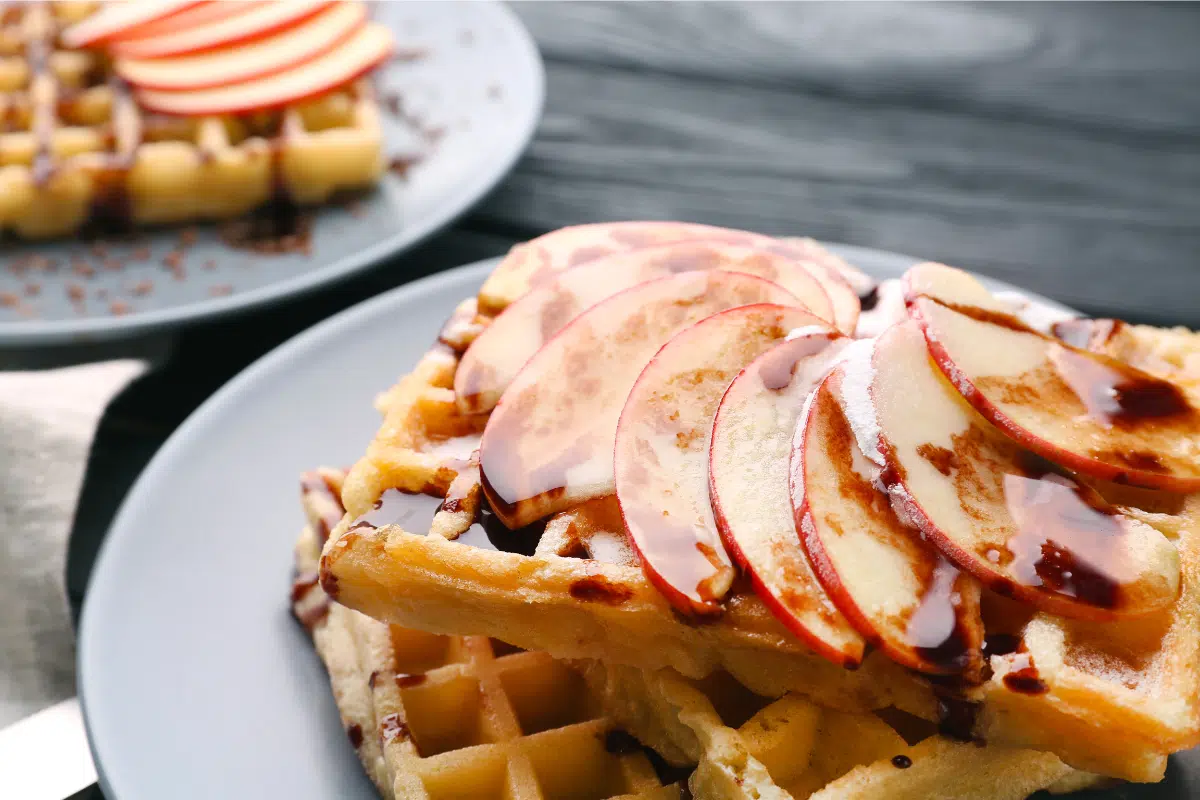
Frozen waffles are one of the simplest freezer foods because they’re intended to be reheated without thawing. Pop them into a toaster, toaster oven, or oven according to the package directions for a quick breakfast. If you’re heating several waffles at once, an oven or toaster oven can provide more consistent results than a standard toaster. Add fruit, yogurt, nut butter, or another topping to turn them into a more substantial meal.
Frozen Berries
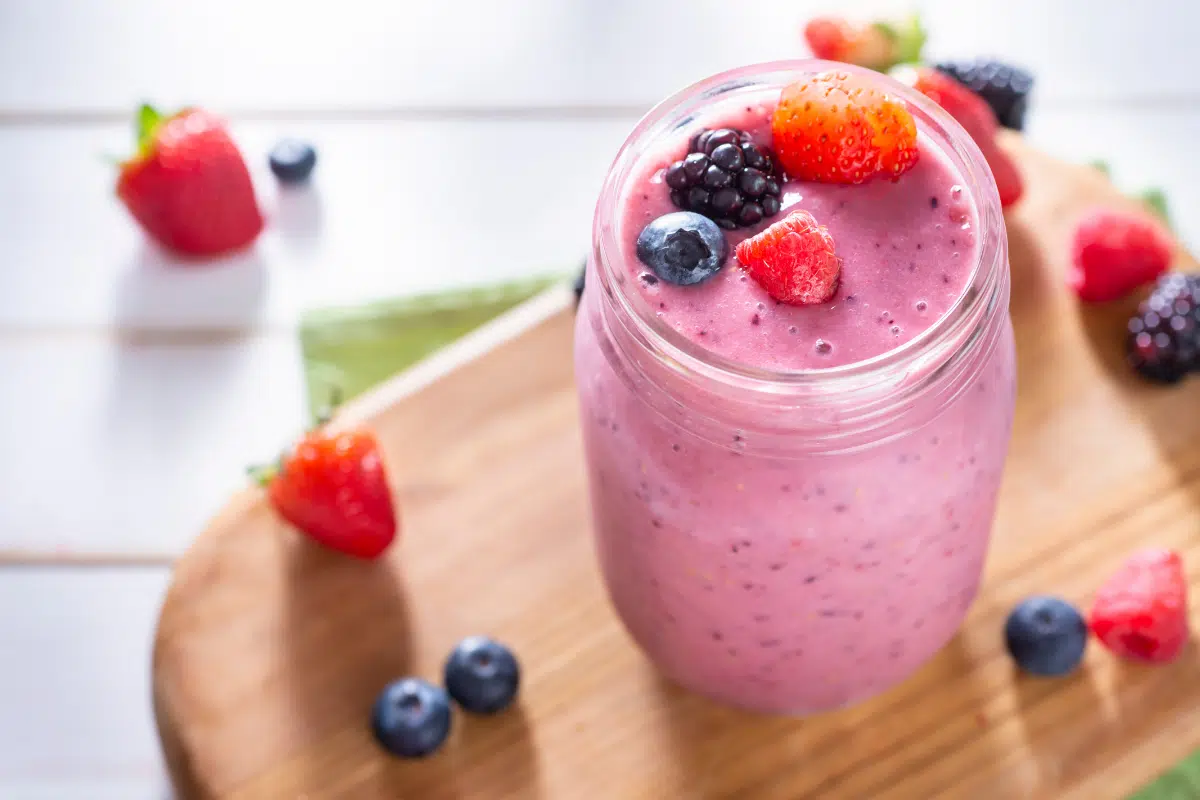
Frozen berries can be used straight from the freezer in smoothies, oatmeal, sauces, and many baked recipes. There is generally no need to thaw them when they’re being blended or cooked. If you’re using frozen berries in a baked recipe, you may need to adjust the baking time slightly because they can add additional moisture and lower the temperature of the batter. For eating them as a topping or in a recipe where texture matters, thawing may still produce better results.
Frozen Pierogi or Ravioli
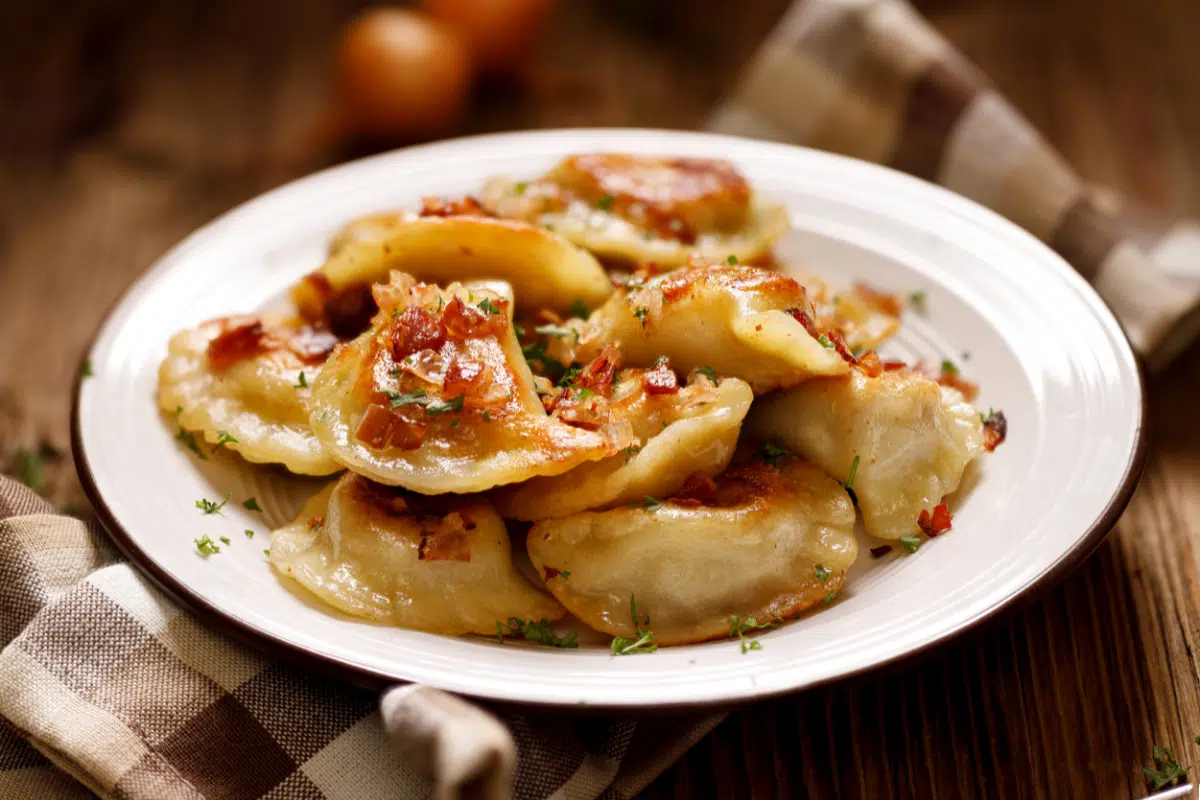
Frozen pierogi can generally be cooked directly from frozen by boiling, pan-frying, baking, or air frying, depending on the product. Frozen ravioli and other stuffed pastas can also often be cooked without thawing, although cooking methods and times vary by brand and whether the pasta is fresh-frozen or commercially prepared. Rather than assuming they’re done when they float, follow the package directions and check the pasta for the proper texture. Once cooked, serve pierogi with butter, onions, or your favorite sauce, while ravioli can be tossed with marinara, pesto, or browned butter.
This post may contain affiliate links or sponsored content. Disclosure Policy