9 Common Kitchen Myths That Aren’t Quite True
The kitchen is full of advice that gets passed down through families, shared online, or repeated so often that it starts to feel like fact. But not all cooking “rules” are actually true. In reality, many long-standing kitchen beliefs are outdated or misunderstood, and following them can lead to wasted food, unnecessary effort, or even unsafe practices. Here are some of the most common kitchen myths—and what actually happens instead.
You Should Wash Raw Chicken
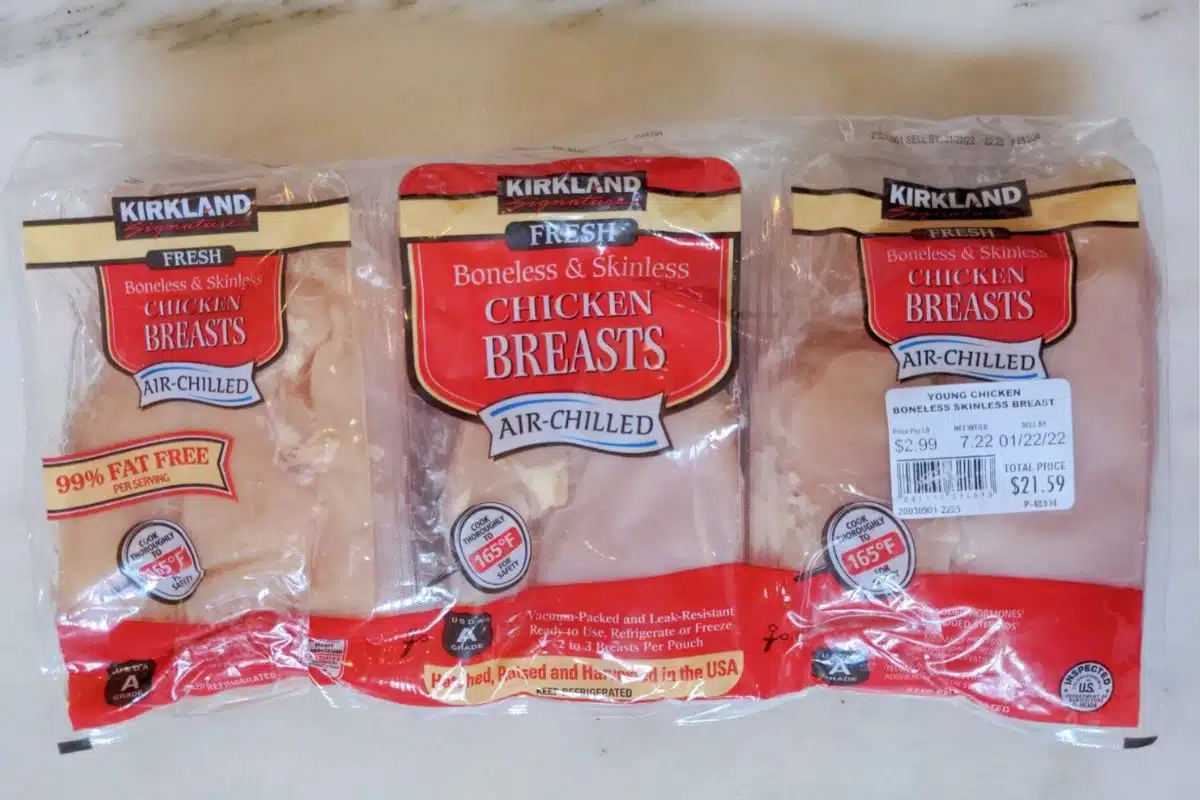
Washing raw chicken is often believed to remove bacteria, but it actually does the opposite. Rinsing poultry under water can spread harmful bacteria like salmonella around your sink, countertops, and nearby surfaces. The safest way to handle chicken is to avoid washing it altogether and rely on proper cooking temperatures to eliminate bacteria. Cooking to the correct internal temperature is what makes poultry safe to eat.
Salt Makes Water Boil Faster
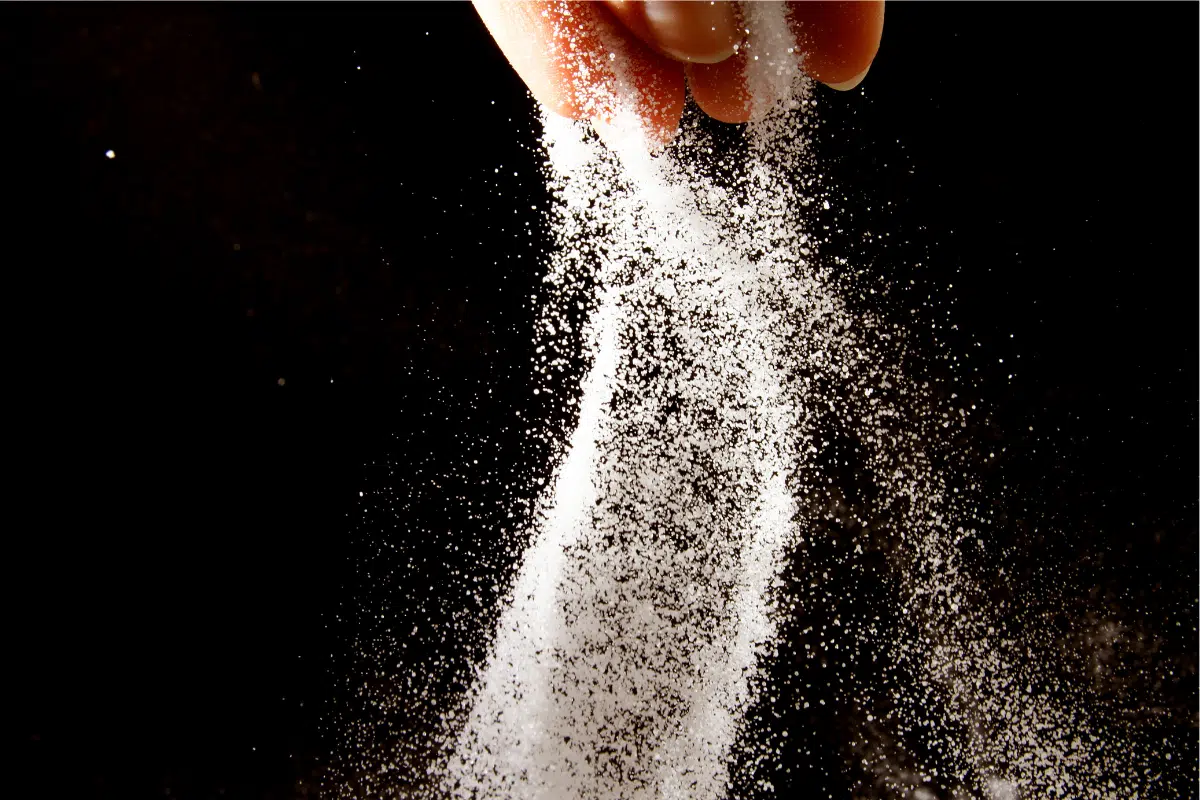
While salt does technically raise the boiling point of water, the difference is extremely small in everyday cooking. In practical terms, salted water actually takes slightly longer to boil than plain water. The real purpose of salt is to enhance flavor—not speed up cooking. This myth persists, but it doesn’t offer any real kitchen advantage.
Oil Keeps Pasta From Sticking
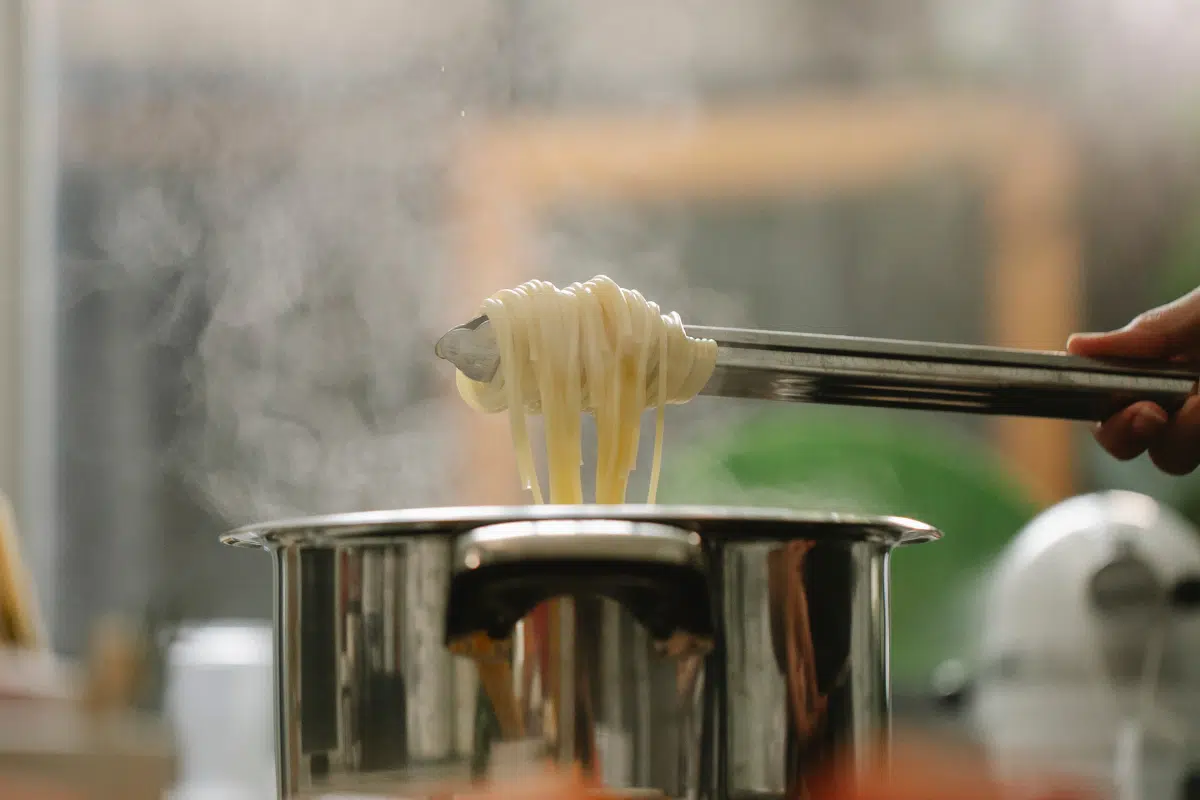
Adding oil to pasta water is often thought to keep noodles from sticking together, but it doesn’t work the way many people expect. Instead, the oil floats on top of the water and can coat the pasta, making it harder for sauce to cling properly later. Stirring pasta during the first few minutes of cooking is a much more effective way to prevent sticking.
You Should Only Flip Steak Once
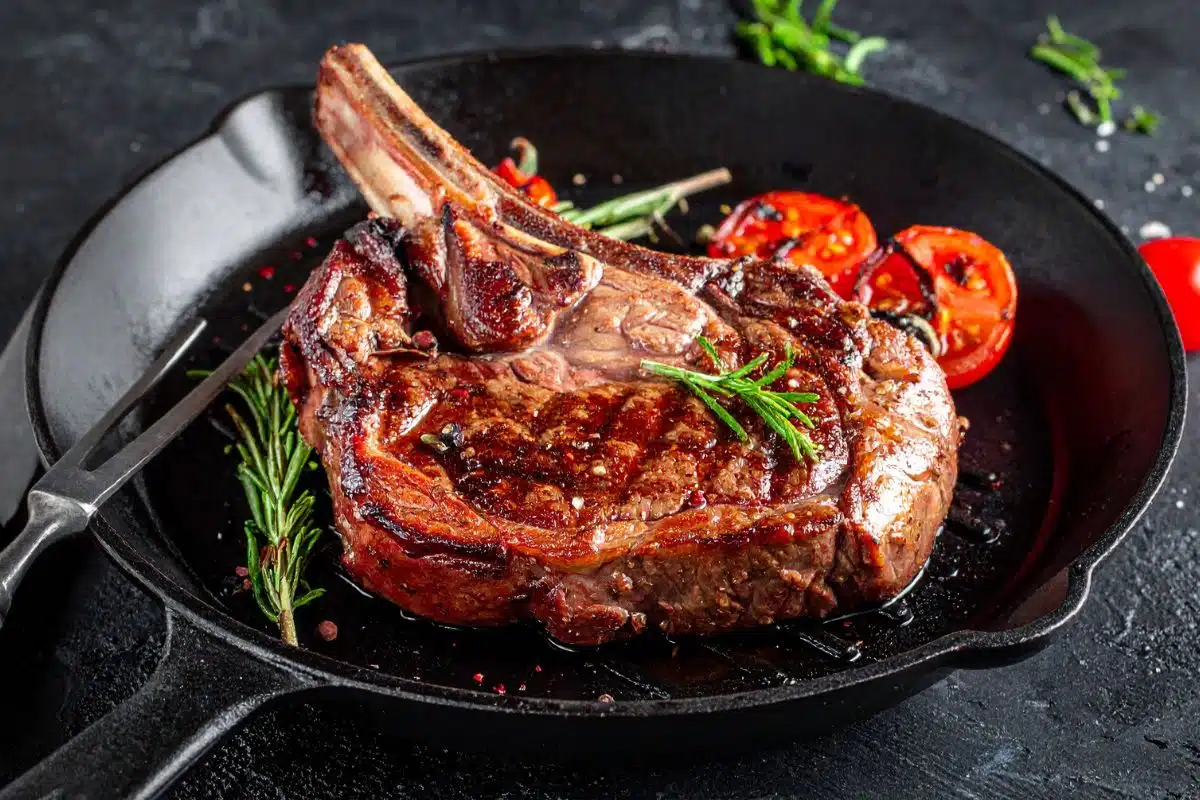
The idea that steak should only be flipped once comes from traditional grilling advice, but modern cooking techniques suggest otherwise. Flipping steak more frequently can actually help it cook more evenly and develop a better crust. There’s no rule requiring a single flip, and adjusting timing based on thickness and heat often produces better results.
Searing Meat Seals In Juices
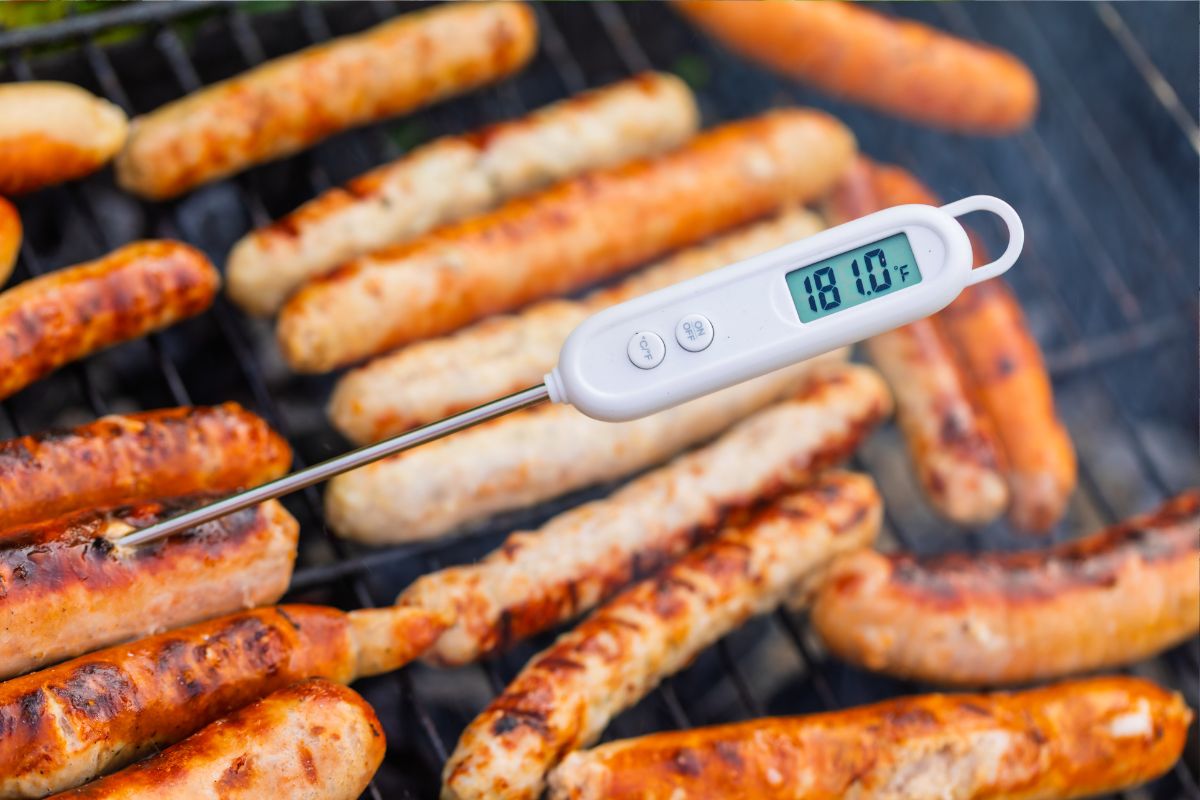
Searing meat creates a flavorful browned crust, but it does not seal in moisture. Juiciness is determined by internal temperature and cooking time, not the initial sear. While searing improves taste and texture, overcooking will still result in dry meat regardless of how well it is browned on the outside.
Fresh Is Always Better Than Frozen
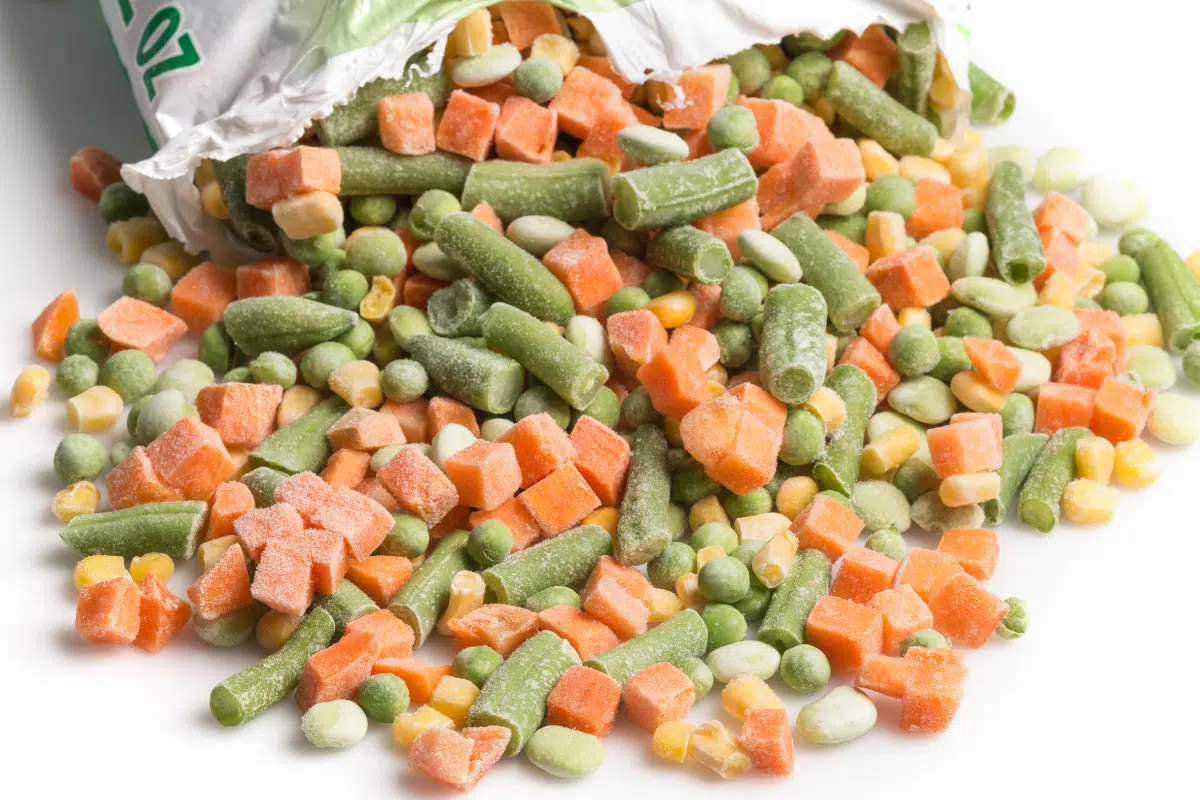
Frozen fruits and vegetables are often picked and frozen at peak ripeness, which helps preserve both flavor and nutrients. In many cases, frozen produce can be just as nutritious as fresh—and sometimes even more consistent in quality. This makes frozen options a practical and cost-effective choice for everyday cooking.
You Can’t Refreeze Thawed Food
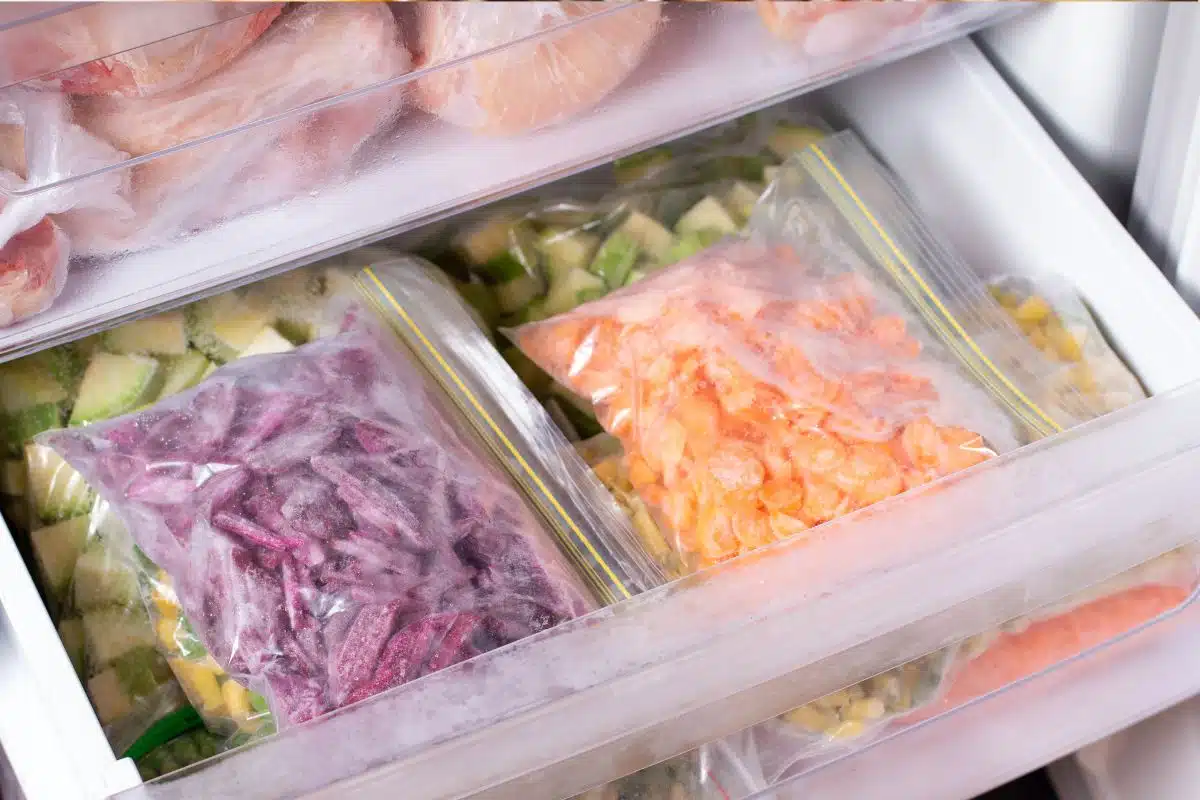
Refreezing food is safe in many situations, especially if it was thawed in the refrigerator and kept at a safe temperature. While the texture may change slightly, the food itself remains safe to eat when handled properly. The key is ensuring it hasn’t been left out at room temperature for extended periods.
Wooden Cutting Boards Are Unsafe
Wooden cutting boards are often misunderstood when it comes to food safety. Studies have shown that wood has natural antimicrobial properties that can inhibit bacterial growth when properly cleaned. As long as they are washed, dried thoroughly, and maintained correctly, wooden boards can be just as safe as plastic alternatives.
Expiration Dates Mean Food Is Unsafe
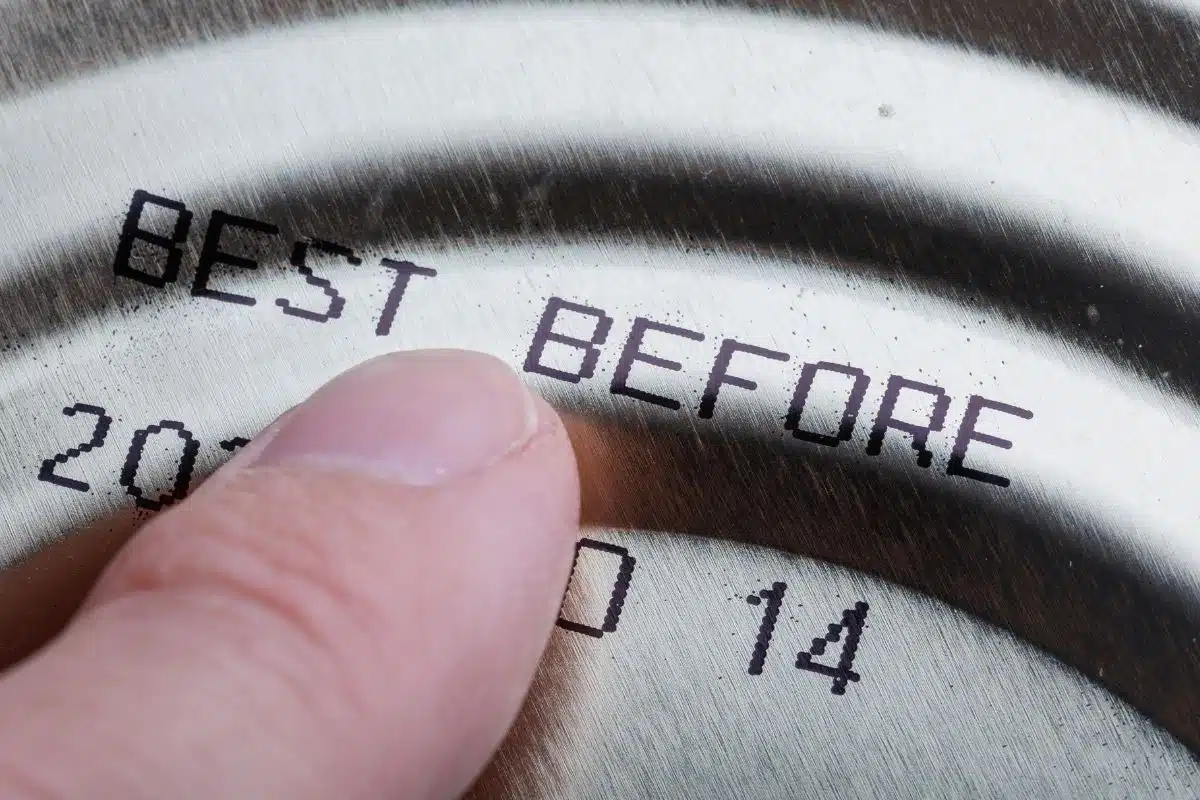
One of the most common misconceptions in food safety is that expiration dates determine whether food is still safe to eat. In reality, most labels such as “best by” or “sell by” refer to peak quality rather than safety. Many foods remain perfectly safe beyond these dates when stored correctly and checked for spoilage using sight and smell.
This post may contain affiliate links or sponsored content. Disclosure Policy