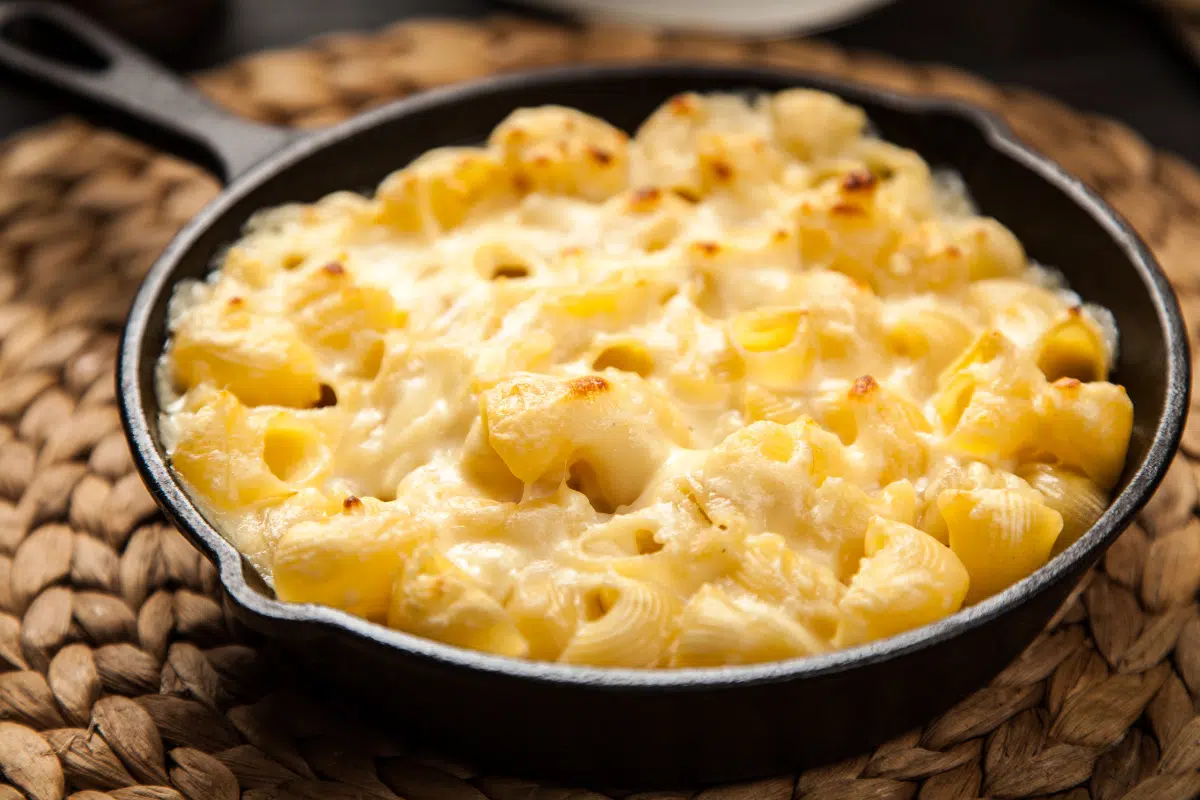
The Cooking Trend Making Smaller Meals More Appealing
The way people cook and eat at home is shifting in 2026. Instead of piling food high on oversized plates, more home cooks and chefs are embracing smaller portions, stronger flavors, and a more intentional approach to eating. This isn’t about restriction—it’s about making food more satisfying, reducing waste, and getting more enjoyment out of every bite. From global culinary influences to wellness habits and budget-conscious cooking, here’s why smaller portions are becoming the new normal in kitchens everywhere.
Flavor Is Becoming More Important Than Volume
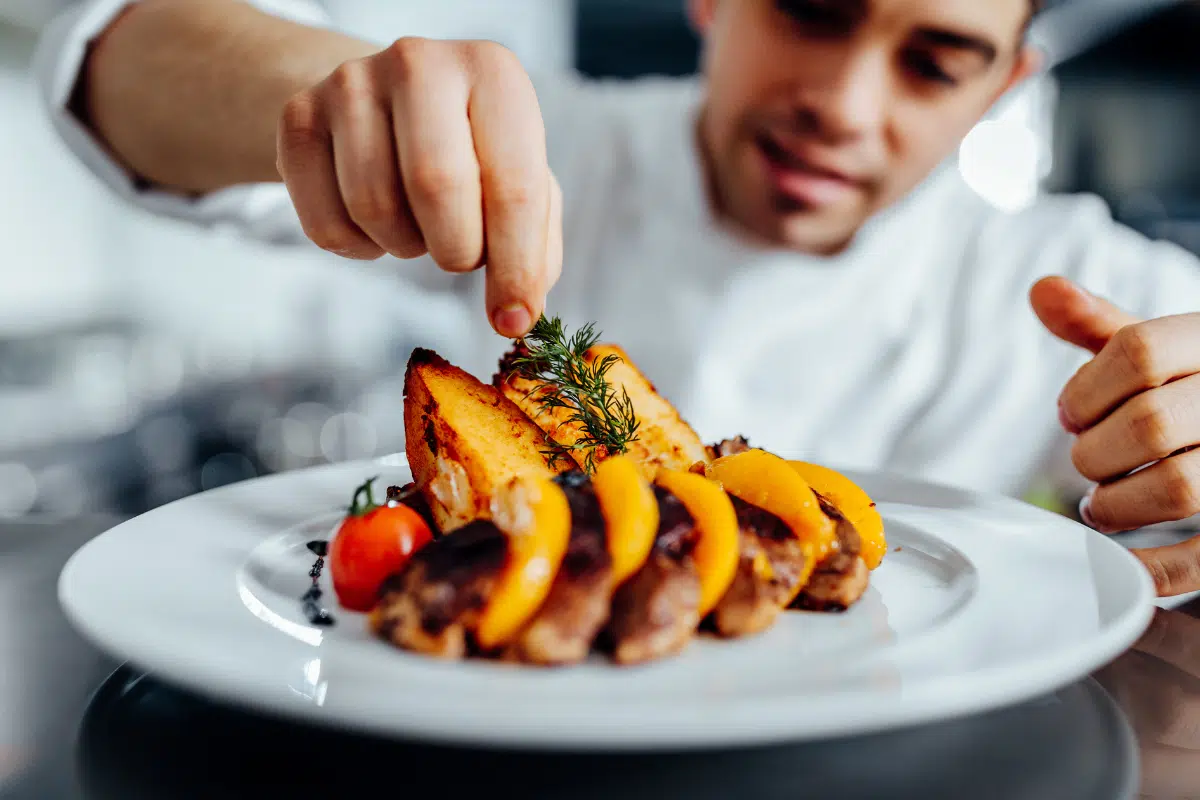
Home cooks are increasingly prioritizing depth of flavor over sheer quantity of food. Instead of large, bland servings, meals are being built around carefully seasoned dishes where every bite feels intentional and satisfying. Techniques like roasting, browning, fermenting, and layering spices are becoming more common because they naturally intensify taste. The result is that smaller plates often feel more satisfying than larger, less flavorful portions.
Smaller Portions Help Reduce Food Waste
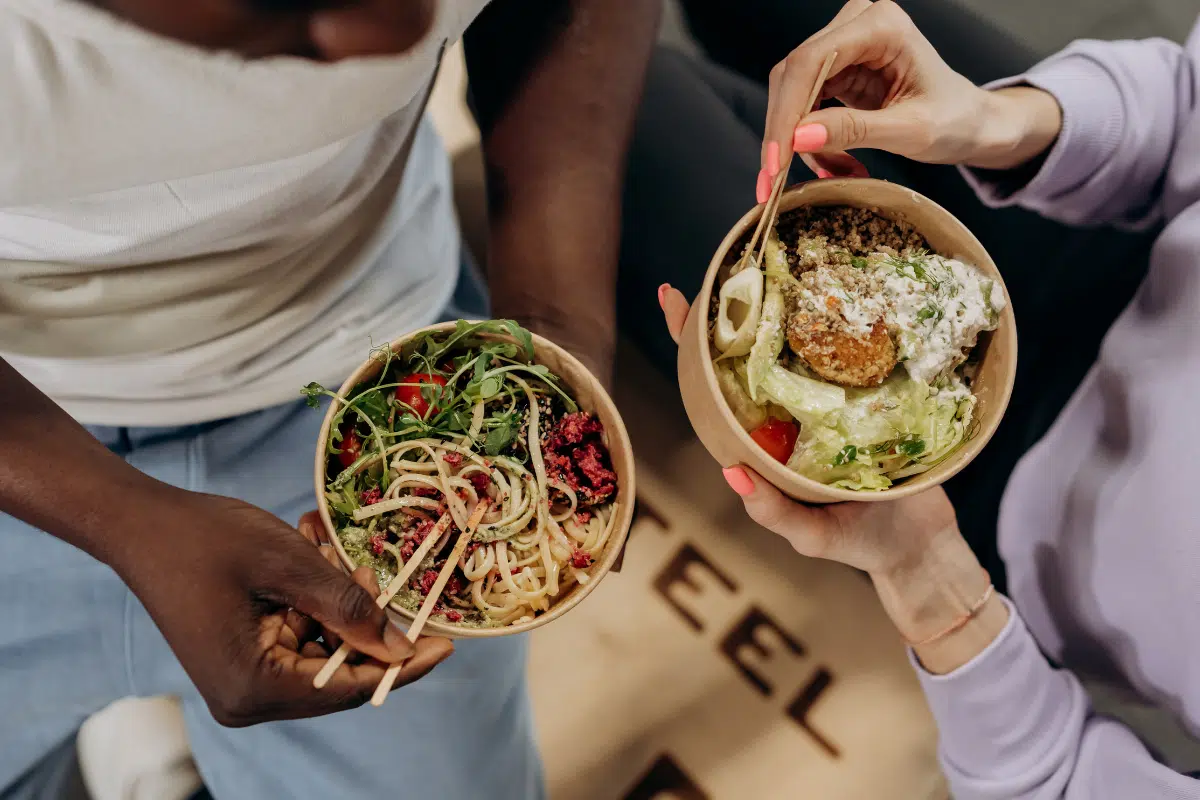
With rising grocery costs and growing awareness of sustainability, many households are cooking with waste reduction in mind. Preparing smaller portions means fewer leftovers that end up forgotten in the fridge and more intentional use of fresh ingredients. People are also shopping more frequently and cooking what they actually need for a day or two instead of planning oversized weekly meals. This shift is helping families save money while also being more environmentally conscious.
Mindful Eating Is Becoming a Daily Habit
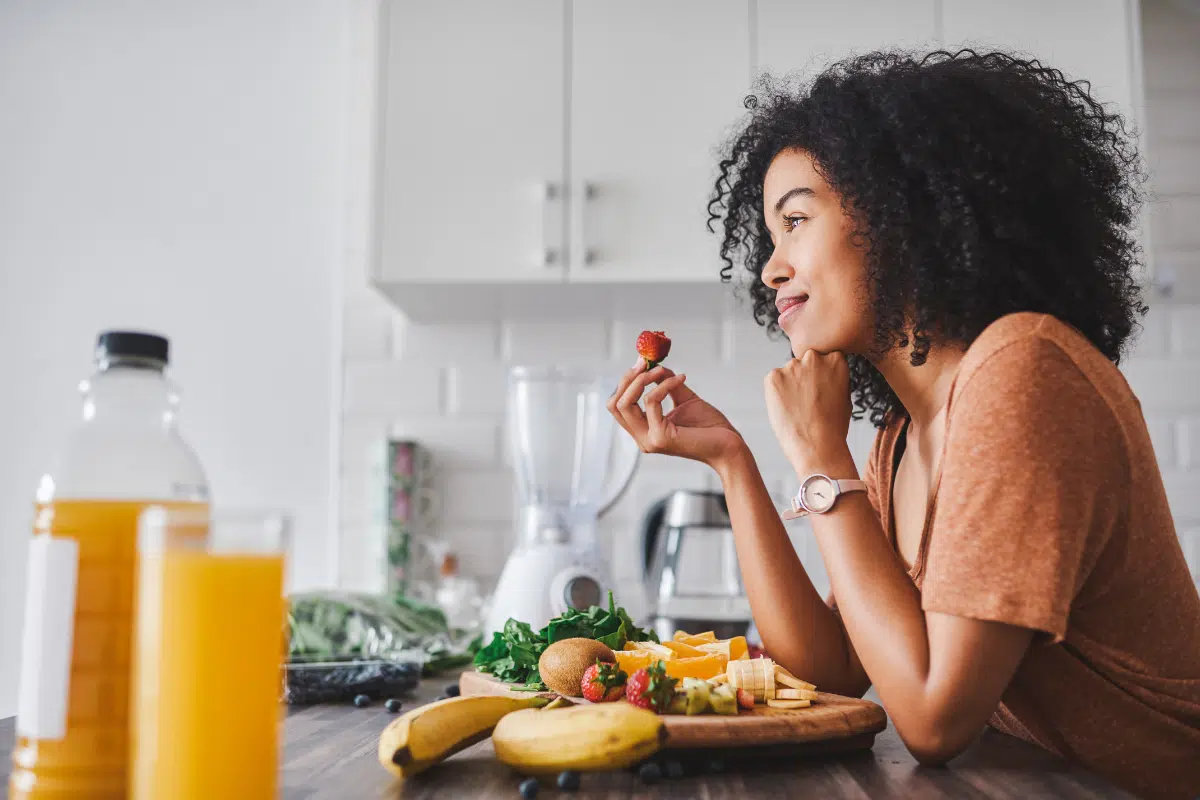
Smaller servings naturally encourage slower, more mindful eating, which many nutrition experts associate with better digestion and improved portion awareness. When plates are not overloaded, people are more likely to pay attention to texture, flavor, and fullness cues instead of eating automatically. This approach helps reduce overeating without requiring strict dieting rules. Many home cooks now see mealtime as a way to reset and be more present rather than rush through a large plate.
Global Cuisine Is Inspiring Smaller Plates
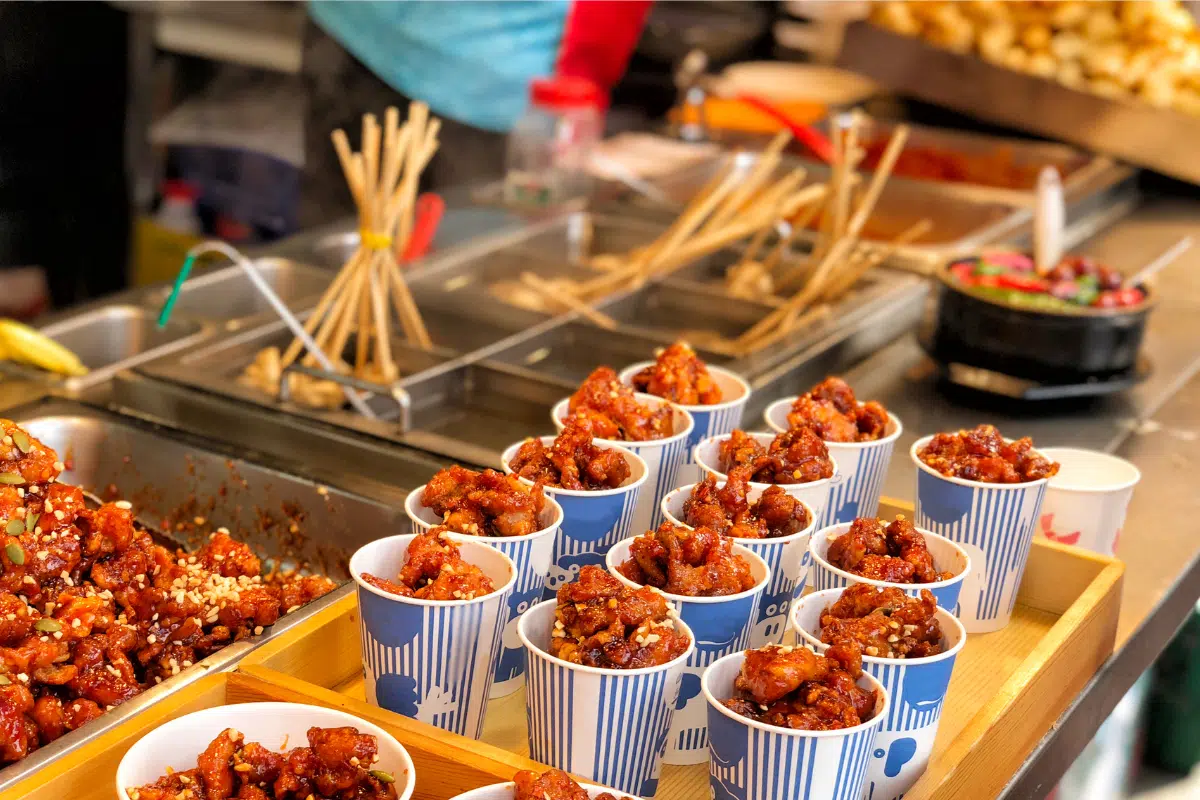
Many of today’s home cooking trends are inspired by global food traditions that emphasize balance and variety over large single portions. Spanish tapas, Middle Eastern mezze, Japanese kaiseki, and Korean banchan all focus on smaller dishes served together in a way that encourages variety. Instead of one large entrée, meals are becoming collections of smaller plates that highlight different textures and flavors. This style of eating also makes dinner feel more social and creative.
Ingredient Quality Matters More Than Ever
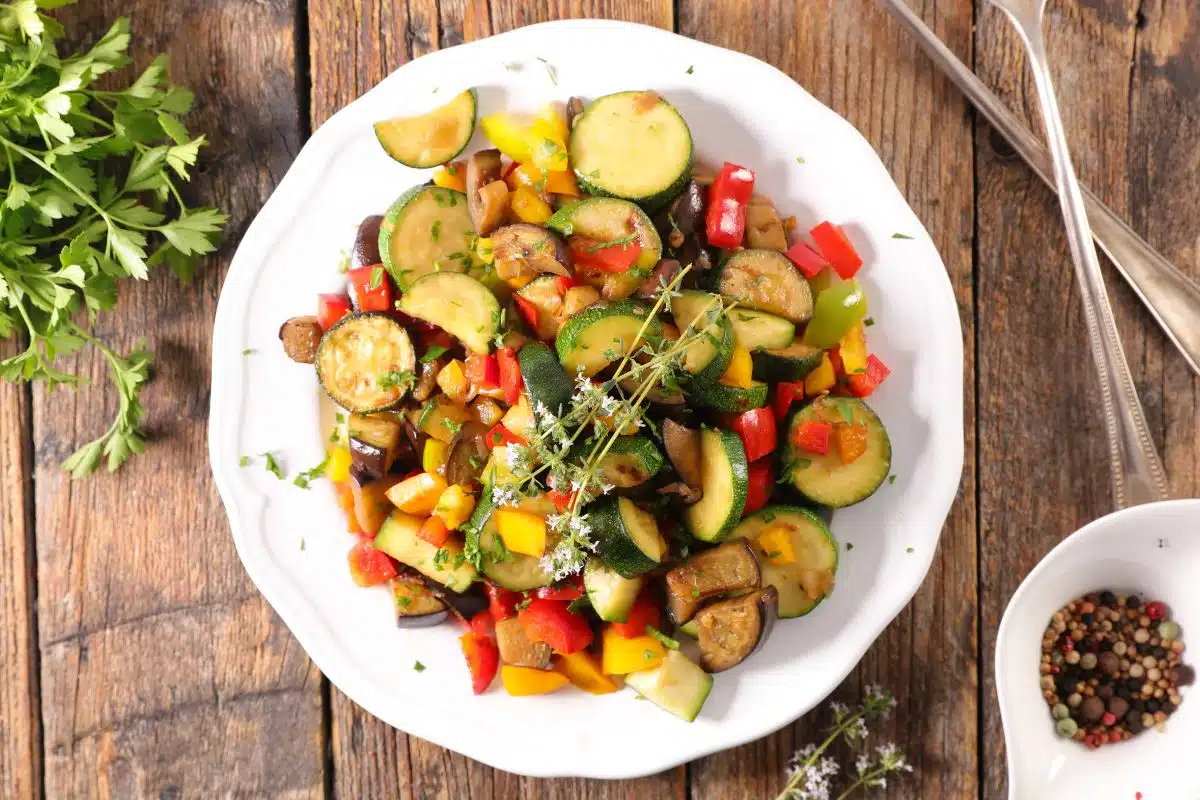
When portions get smaller, ingredients naturally take center stage. Home cooks are choosing higher-quality proteins, fresher vegetables, and more aromatic spices because each element has a bigger impact on the final dish. Seasonal produce and simple, well-sourced ingredients are becoming more important than complicated recipes with long ingredient lists. This shift is helping people cook more intentionally and get better results from simpler meals.
Multi-Dish Meals Are Replacing One-Plate Dinners
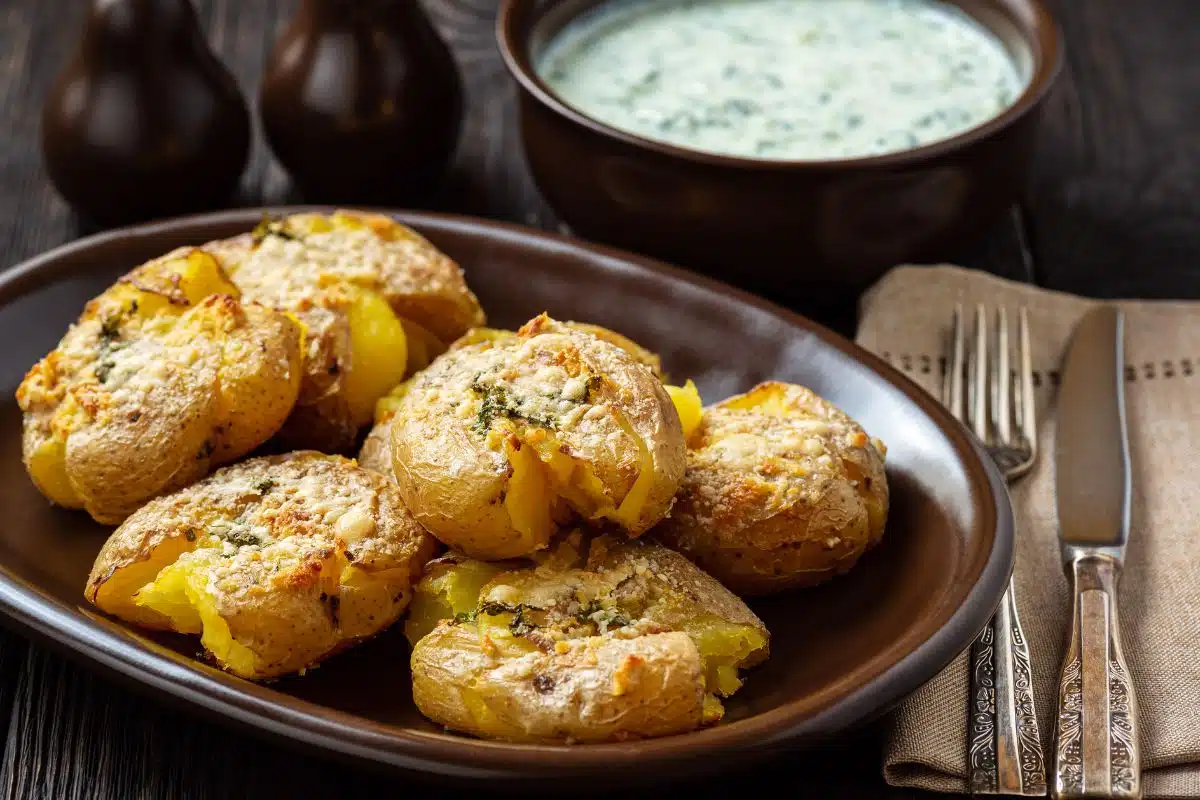
Instead of serving one large entrée, many home cooks are creating small assortments of dishes that resemble restaurant tasting menus. A typical dinner might include a grain, a vegetable dish, a protein, and a small side or sauce rather than one oversized serving. This approach adds variety to meals and makes everyday cooking feel more interesting and flexible. It also allows families to mix and match flavors based on preference.
Smaller Portions Can Be More Budget-Friendly
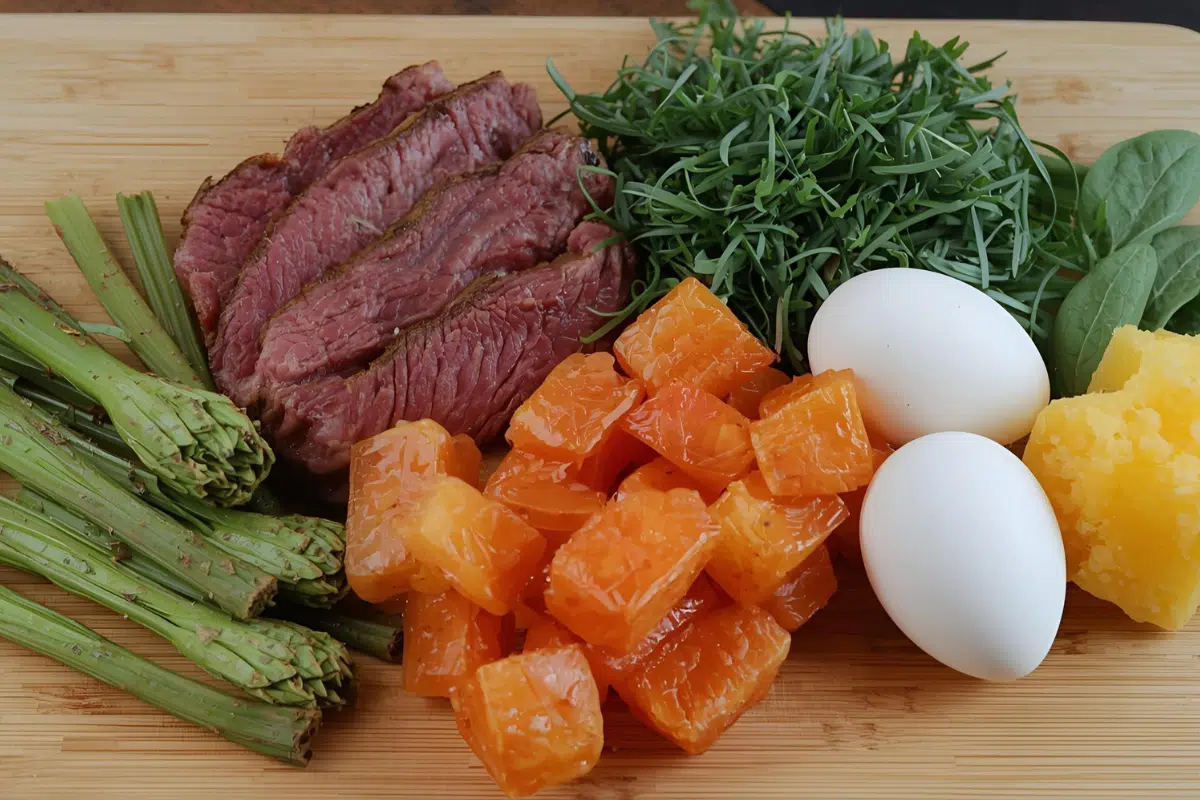
Cooking smaller servings often makes it easier to use premium ingredients without overspending. Instead of stretching expensive items across large meals, home cooks can use them more intentionally to enhance flavor. This leads to better-tasting food without significantly increasing grocery costs. It also reduces impulse buying and helps shoppers focus on ingredients they will actually use within a few days.
Health and Balance Are Driving the Shift
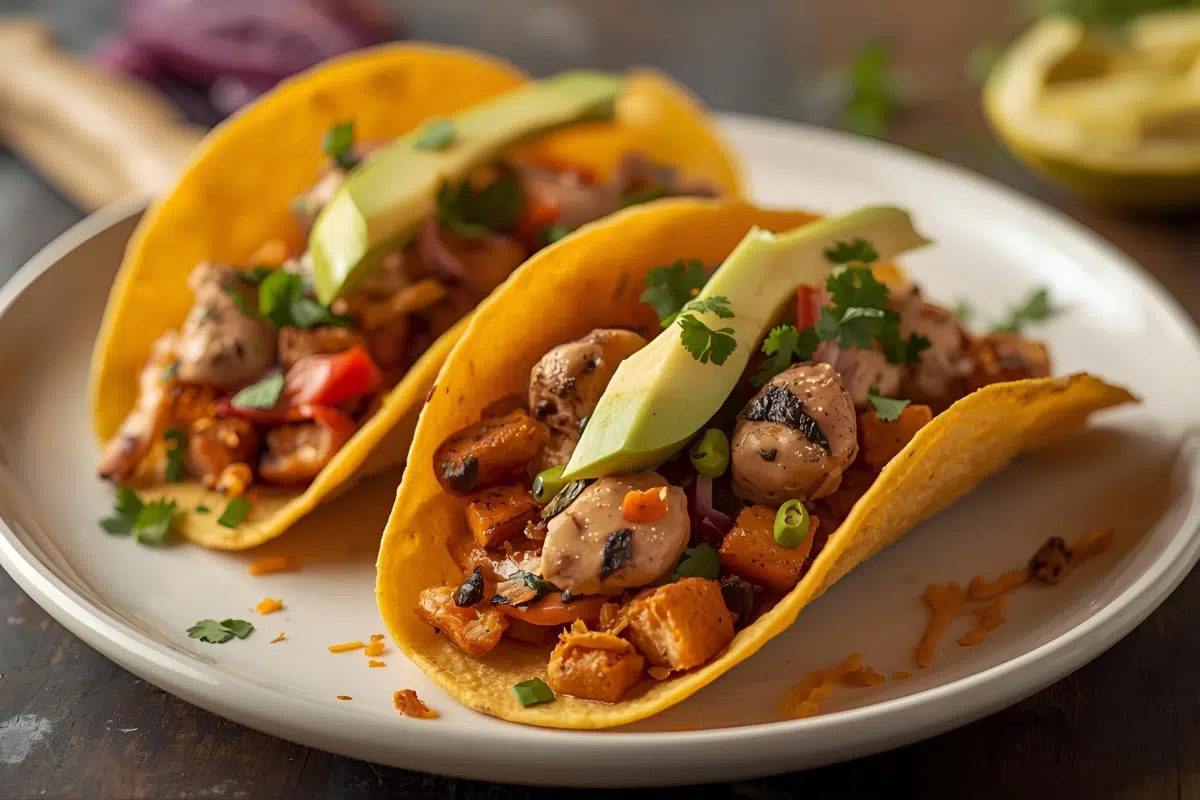
Smaller portions naturally support more balanced eating without strict dieting rules. When meals are portioned more intentionally, it becomes easier to include the right mix of proteins, vegetables, and carbohydrates without overloading any one category. Many people find this approach more sustainable than restrictive eating plans because it focuses on balance rather than elimination. Over time, it encourages a healthier relationship with food while still allowing for enjoyment and flexibility.
This post may contain affiliate links or sponsored content. Disclosure Policy