7 Fast-Food Chains Adding Healthier Options to Their Menus
Fast food isn’t suddenly turning into health food, but the way customers can order it is changing. Major chains are giving diners more control over portions, proteins, toppings, sides, and preparation, while some are adding more protein-forward and plant-based choices to their menus. At the same time, nutrition information and digital ordering make it easier to compare options before placing an order. The result is a more flexible fast-food experience. A customer can still order a burger and fries, but they may also be able to build a meal around grilled chicken, beans, vegetables, fruit, or a higher-protein bowl. Here are seven chains worth watching for customers who want more choice without giving up the convenience of fast food.
McDonald’s Is Giving Customers More Ways to Personalize Orders
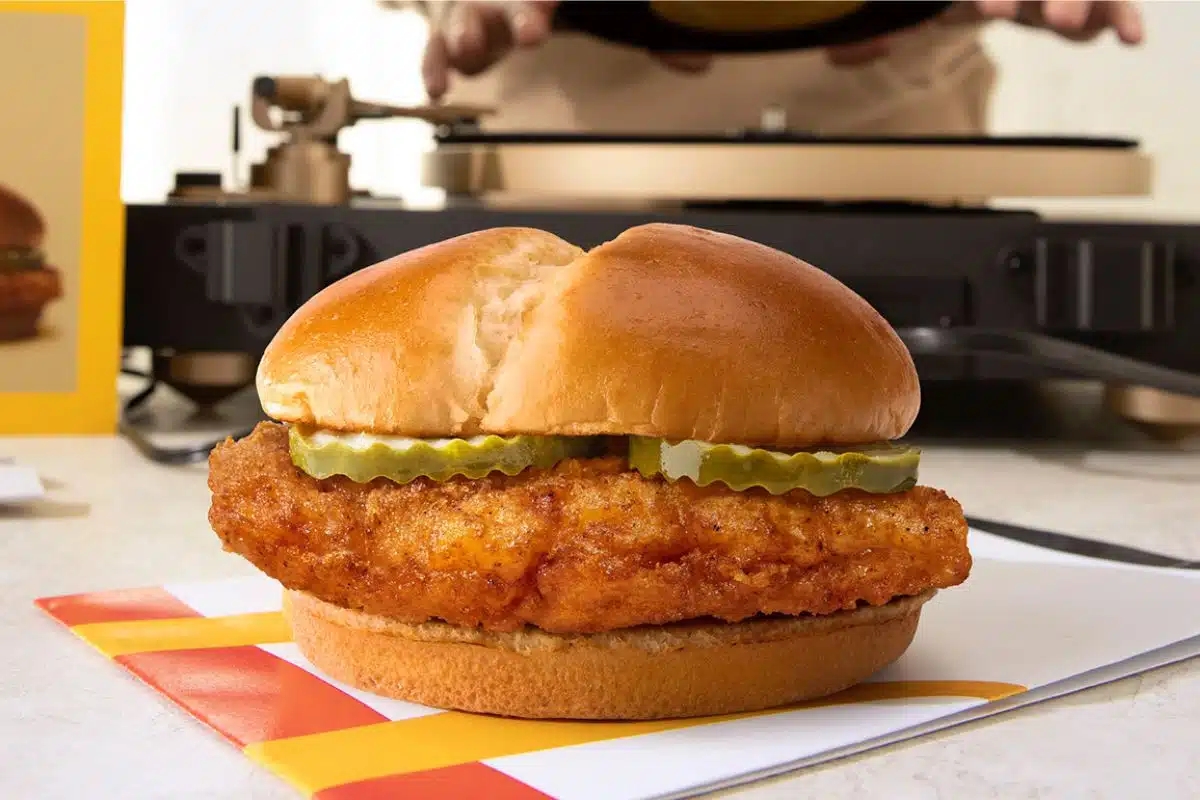
McDonald’s is not abandoning its burgers and fries, but digital ordering has made customization and menu information much easier to access. Customers can use the McDonald’s app to browse nutrition information, select available modifications, and choose from the options offered for individual menu items. The chain also continues to offer alternatives such as salads or fruit and yogurt options in some markets, although availability varies by location and menu changes. For customers trying to make a more balanced order, the practical advantage isn’t a wholesale change in the menu—it’s the ability to compare choices and adjust an order rather than automatically accepting a standard combination.
Taco Bell Makes Customization a Major Part of the Experience
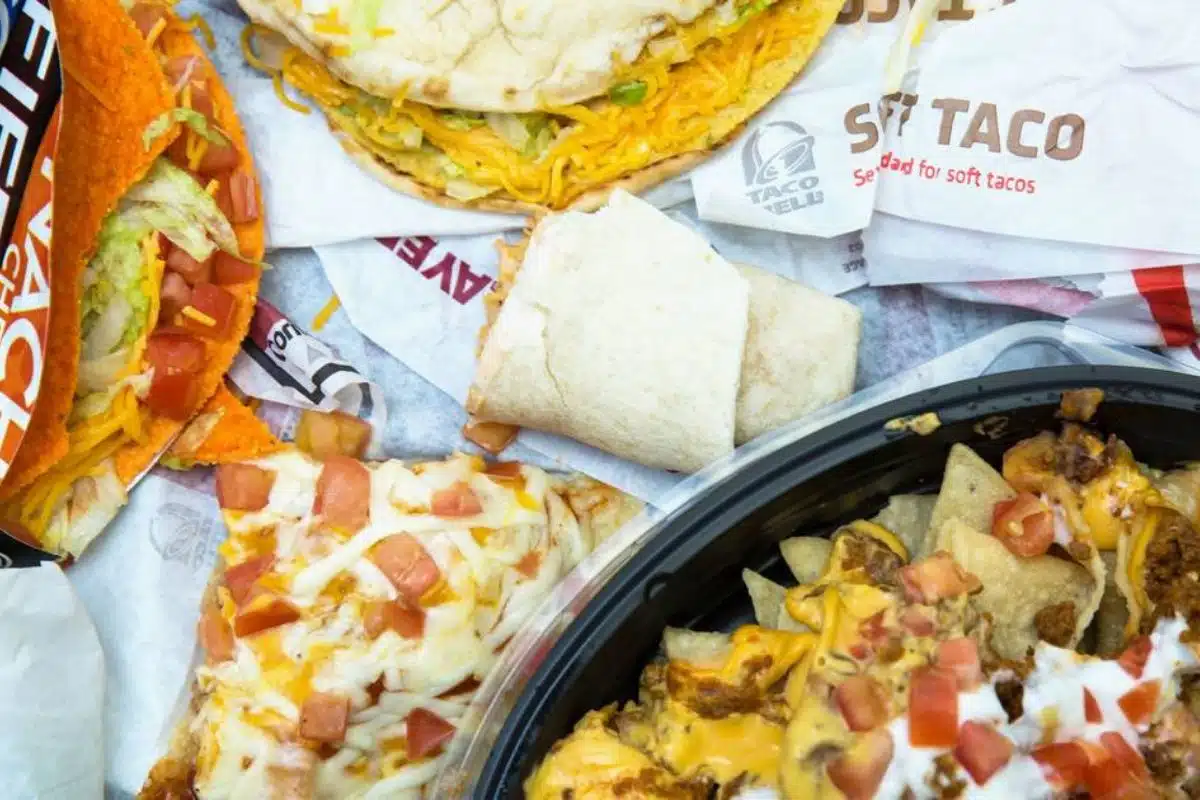
Taco Bell is one of the easiest major chains for diners who want to modify a meal rather than simply choose from a fixed combination. Its online ordering system allows customers to add or remove ingredients, change proteins, and customize many menu items before ordering. The chain also continues to offer vegetarian choices, including items made with black beans, making it possible to build a meal around something other than meat. That flexibility is particularly useful for customers who are watching calories, increasing protein, avoiding certain ingredients, or simply prefer a different combination of toppings. Taco Bell isn’t positioning itself as a health-food restaurant, but its highly customizable menu gives diners considerable control over what ends up in their meal.
Chick-fil-A Offers More Than Its Signature Fried Chicken
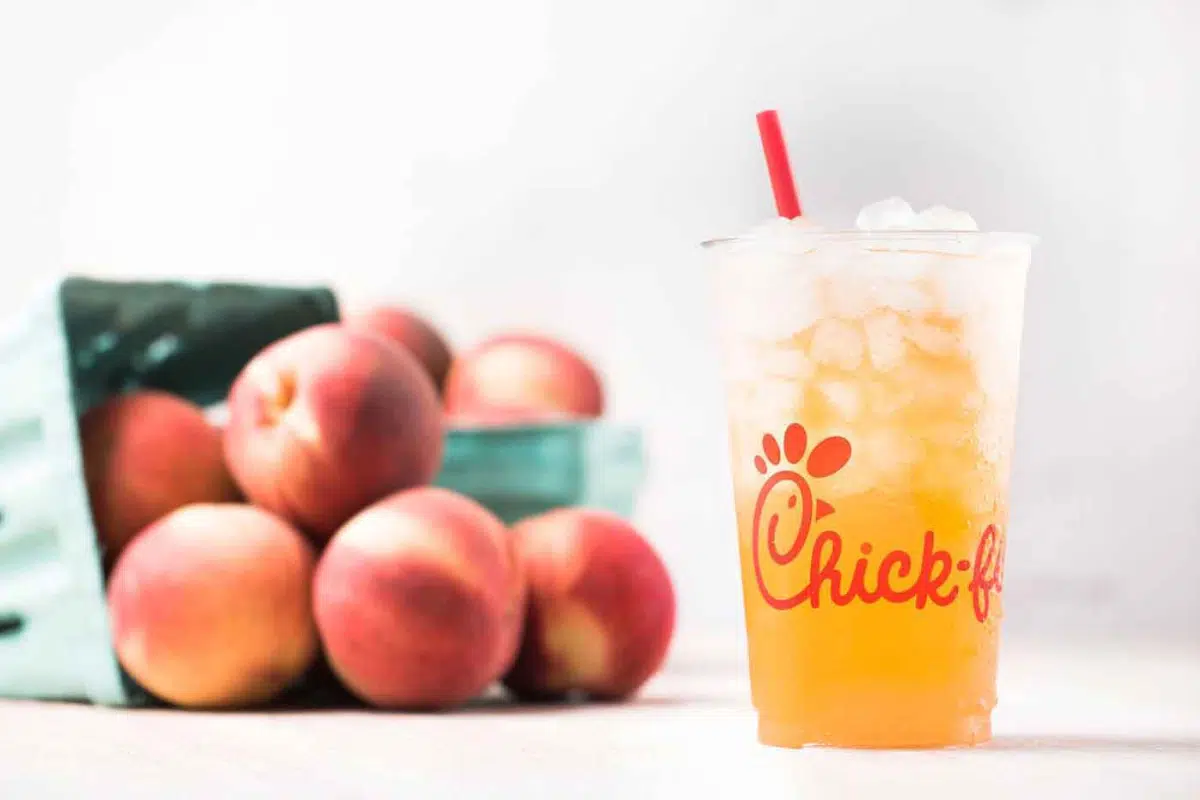
Chick-fil-A remains heavily associated with its original chicken sandwich, but the menu includes several alternatives for customers who don’t want a fried entrée. Grilled nuggets, grilled chicken sandwiches, fruit cups, salads, and other options give customers ways to build a lighter meal depending on what they choose. The chain also provides detailed nutrition information that allows customers to compare menu items before ordering. One of the more useful changes for health-conscious diners is simply having choices within a familiar restaurant. Someone can order the chain’s signature sandwich one day and choose grilled chicken or fruit another day without having to visit an entirely different type of restaurant.
Subway Keeps the Build-Your-Own Model Relevant
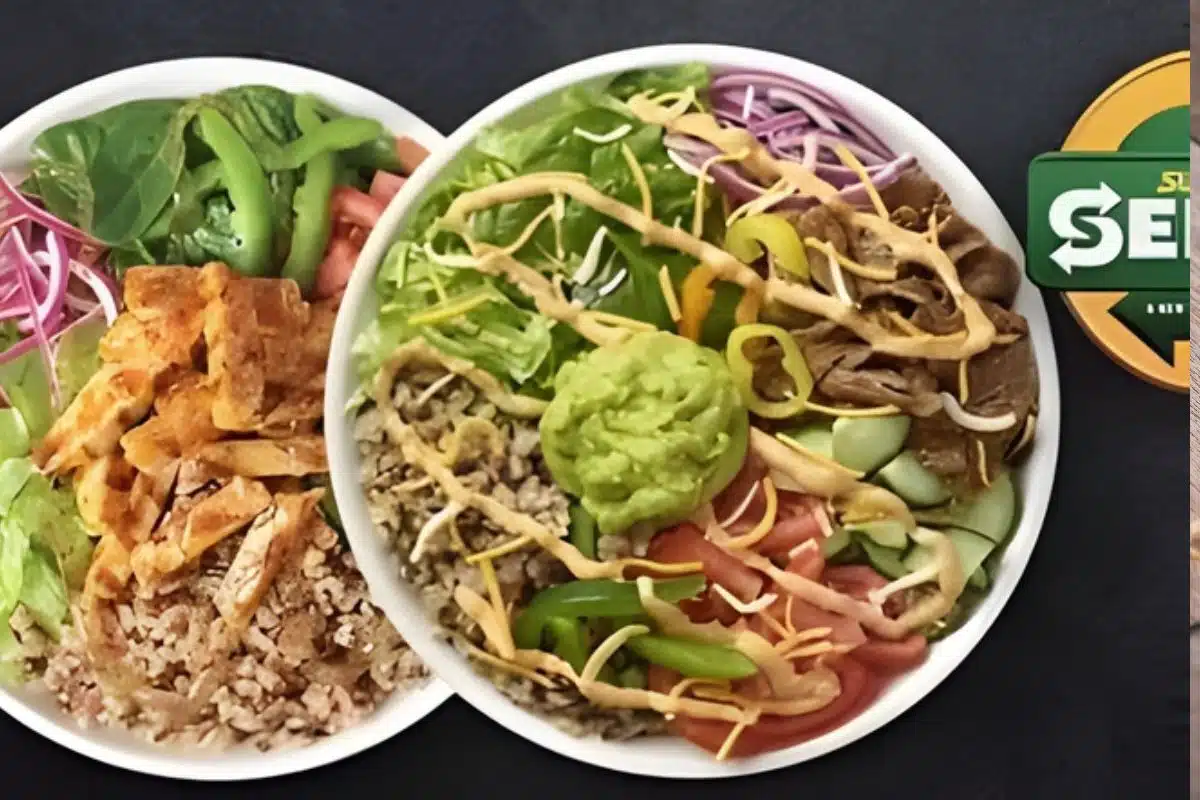
Subway’s biggest advantage for customers seeking a more customized meal has always been the ability to assemble a sandwich according to individual preferences. Diners can choose their bread, protein, cheese, vegetables, sauces, and portion sizes, or opt for a salad or bowl at participating locations. The chain also provides nutrition information so customers can compare different combinations. That build-your-own format makes Subway different from chains where most sandwiches arrive with a predetermined combination of toppings. Customers can emphasize vegetables and protein or simplify a sandwich by leaving off ingredients they don’t want. It’s a straightforward approach, but it gives diners considerable control over the finished meal.
Starbucks Gives Customers More Protein-Focused Choices
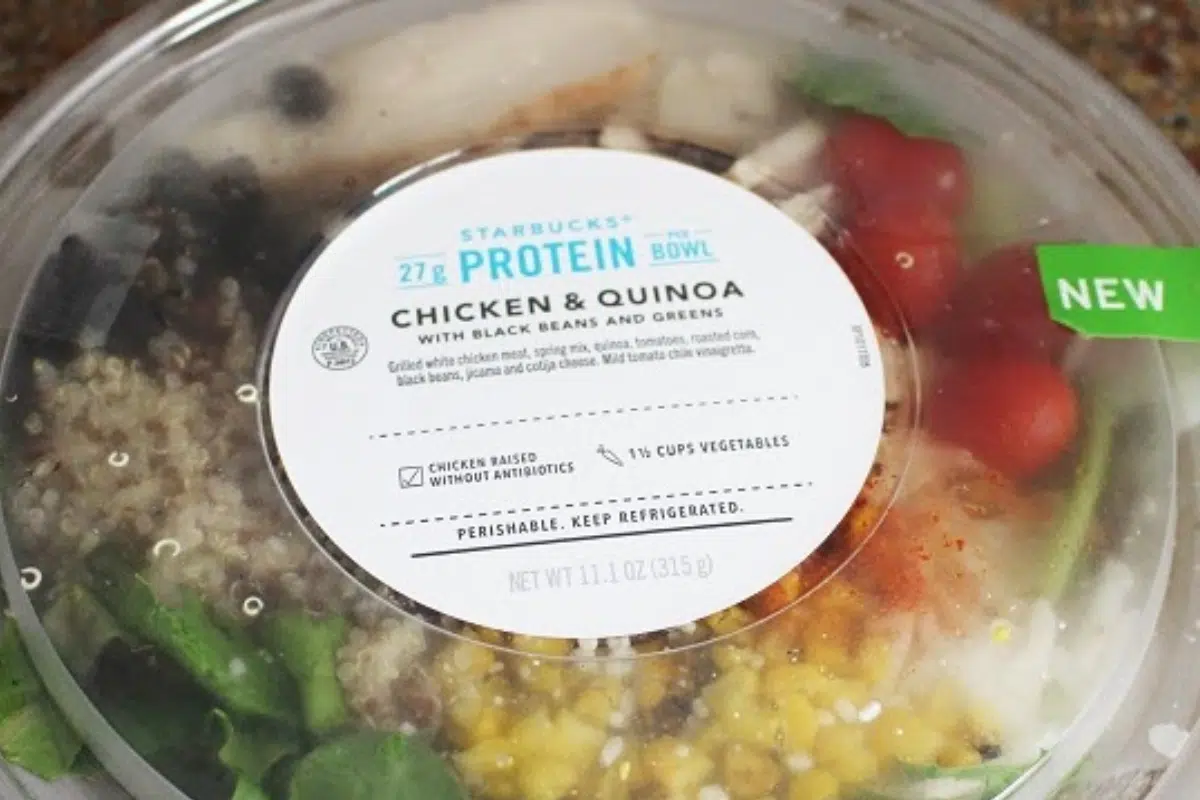
Starbucks is primarily a coffee chain, but its food menu has become a significant part of the business, particularly for customers looking for breakfast or a quick snack. The company offers protein boxes, egg-based breakfast items, sandwiches, and other food options that can be paired with beverages for a quick meal. Protein-focused snacks and breakfast foods are especially useful for customers who want something more substantial than a pastry with their coffee. Because Starbucks locations are so widespread, these grab-and-go options also give customers another alternative when they need a quick meal but don’t want a traditional burger-and-fries combination.
Chipotle Lets Diners Build the Meal From Scratch
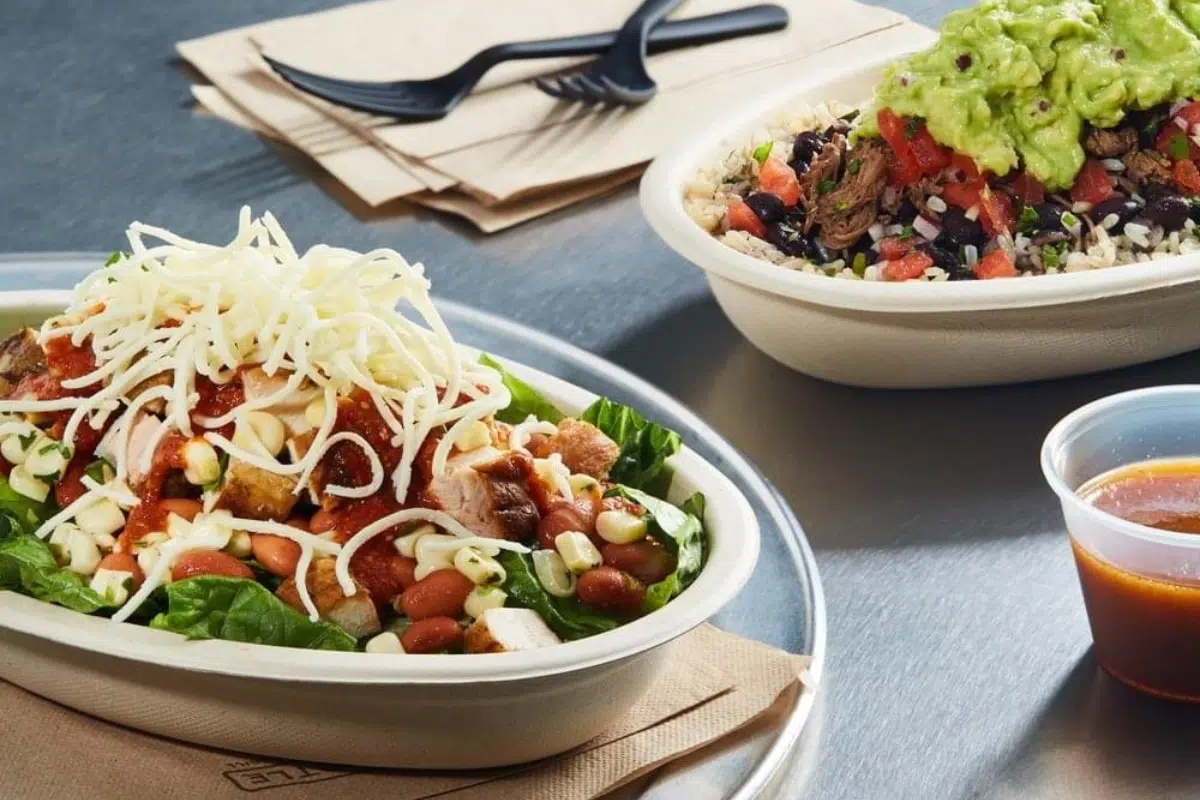
Chipotle’s assembly-line format gives customers unusually direct control over the components of a fast-casual meal. Diners can choose a burrito, bowl, salad, or tacos and then select the protein, beans, rice, vegetables, salsa, cheese, and other toppings. The chain also provides nutrition information for its ingredients, making it possible to see how individual additions affect the finished meal. That flexibility makes it possible to create very different meals from the same restaurant. One customer might choose a hearty burrito with several toppings, while another can build a bowl around vegetables, beans, and a preferred protein. Rather than promising that every menu item is healthy, Chipotle’s model gives customers more responsibility—and more control—over what they order.
Panera Bread Remains Strong on Customizable Fast-Casual Meals
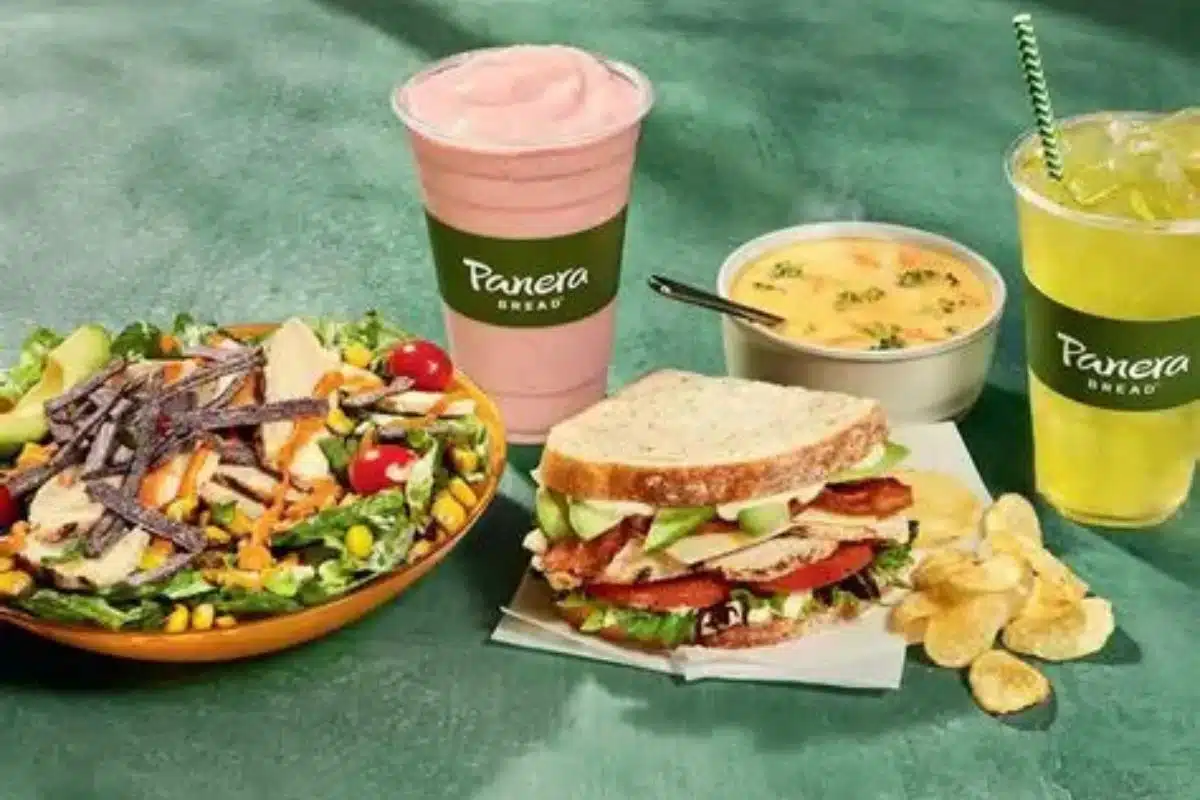
Panera occupies a space between traditional fast food and full-service dining, but it remains an important example of how customers can build meals around salads, soups, sandwiches, bowls, and other combinations. Its menu also provides nutrition and allergen information, allowing diners to make more informed decisions before ordering. The chain has continued to adjust its menu over time, so older descriptions of Panera as a restaurant built entirely around “clean eating” can be misleading. Its current appeal is more practical: customers can choose from a variety of meal formats and customize certain orders while still getting the speed and convenience associated with fast-casual dining.
This post may contain affiliate links or sponsored content. Disclosure Policy