
8 Proven Habits That Can Help Raise Your Credit Score
A healthy credit score can make it easier to qualify for loans, secure lower interest rates, rent an apartment, and even reduce insurance costs in some states. While there’s no legitimate way to dramatically increase your score overnight, consistent financial habits can lead to meaningful improvements over time. These proven strategies are recommended by financial experts and credit reporting agencies to help you build stronger credit and maintain it for the long run.
Pay Every Bill on Time

Your payment history is the single biggest factor that affects most credit scores, making on-time payments essential. Even one payment that’s more than 30 days late can negatively impact your credit and remain on your credit report for years. Setting up automatic payments or calendar reminders can help ensure you never miss a due date.
Keep Your Credit Utilization Low
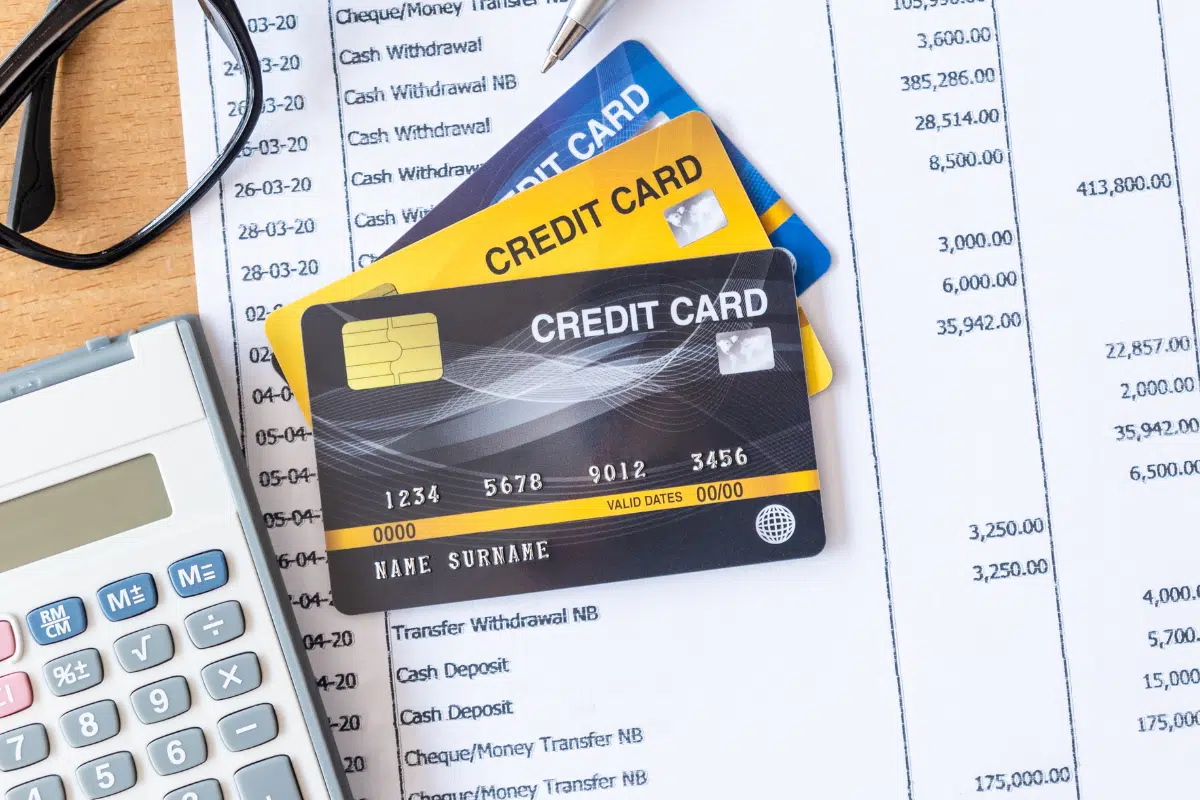
Credit utilization measures how much of your available revolving credit you’re using, and it plays a significant role in your score. While many experts recommend staying below 30% of your available credit, keeping your utilization under 10% can be even more beneficial if possible. Paying your credit card balances before the statement closing date can also help lower the balance that’s reported to the credit bureaus.
Keep Older Credit Accounts Open

The length of your credit history contributes to your overall credit score, so older accounts can work in your favor. If an older credit card has no annual fee, keeping it open can help maintain a longer average account age and preserve your available credit. Before closing any account, consider how it could affect both your credit history and utilization ratio.
Apply for New Credit Only When Necessary
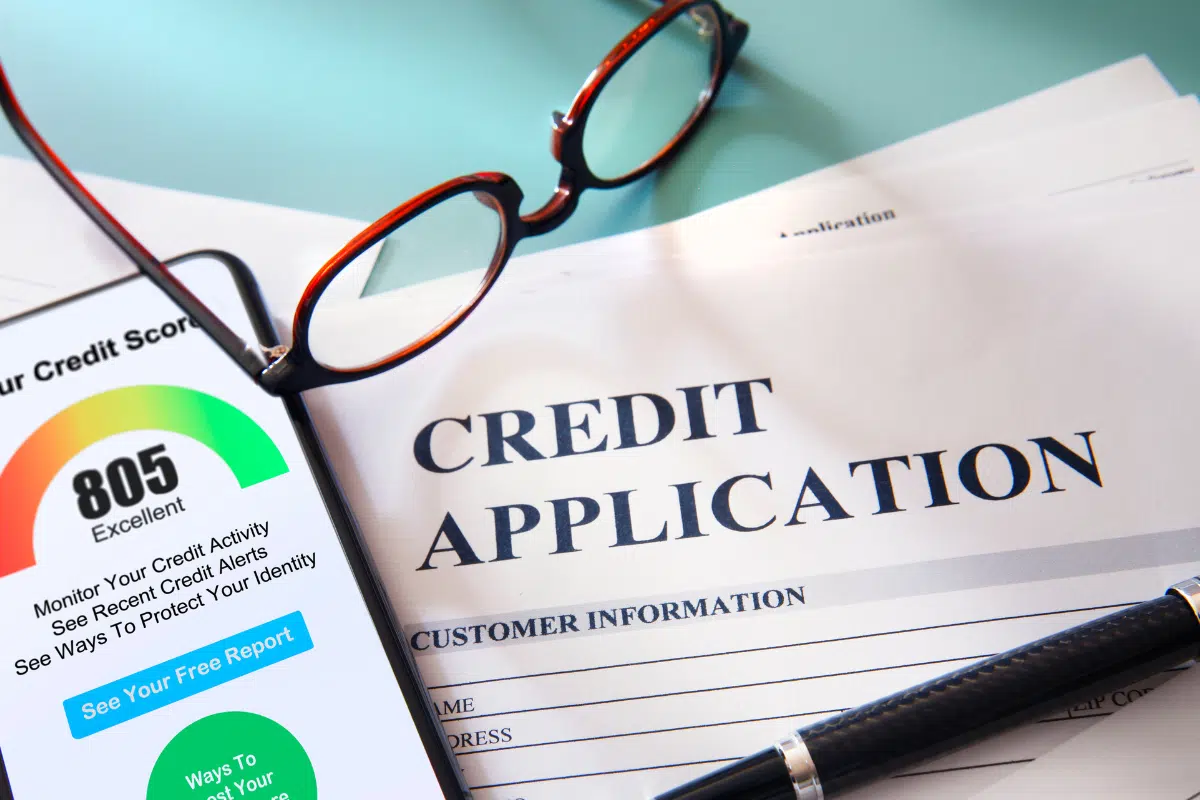
Each application for new credit may result in a hard inquiry, which can temporarily lower your credit score by a few points. Opening several new accounts within a short period can also make lenders view you as a higher-risk borrower. Space out credit applications whenever possible and only apply when there’s a genuine financial need.
Review Your Credit Reports for Errors

Mistakes on your credit report can sometimes lower your score or affect your ability to qualify for credit. Federal law allows you to obtain free credit reports from each of the three major credit bureaus through AnnualCreditReport.com, and many people now choose to check their reports several times a year. Review your reports carefully for incorrect account balances, duplicate accounts, or fraudulent activity, and dispute any inaccuracies promptly.
Build a Healthy Mix of Credit

Lenders generally like to see that you can responsibly manage different types of credit, such as credit cards, auto loans, mortgages, or student loans. However, it’s not necessary to take on debt simply to improve your credit mix. Focus on managing the accounts you already have responsibly, and your credit profile will naturally become more diverse over time if additional loans fit your financial goals.
Focus on Paying Down High-Interest Debt

Reducing your outstanding debt can improve your financial health while also helping your credit score. Many financial experts recommend paying off high-interest balances first, often called the avalanche method, because it saves the most money over time. As your balances decrease, your credit utilization typically improves as well, which can have a positive impact on your score.
Be Consistent and Give It Time

Improving your credit score is a gradual process, and lasting results come from consistent financial habits rather than quick fixes. Paying bills on time, keeping balances low, limiting unnecessary borrowing, and monitoring your credit regularly all work together to strengthen your credit profile. With patience and responsible credit management, many people see steady improvement over the months and years that follow.
This post may contain affiliate links or sponsored content. Disclosure Policy